About
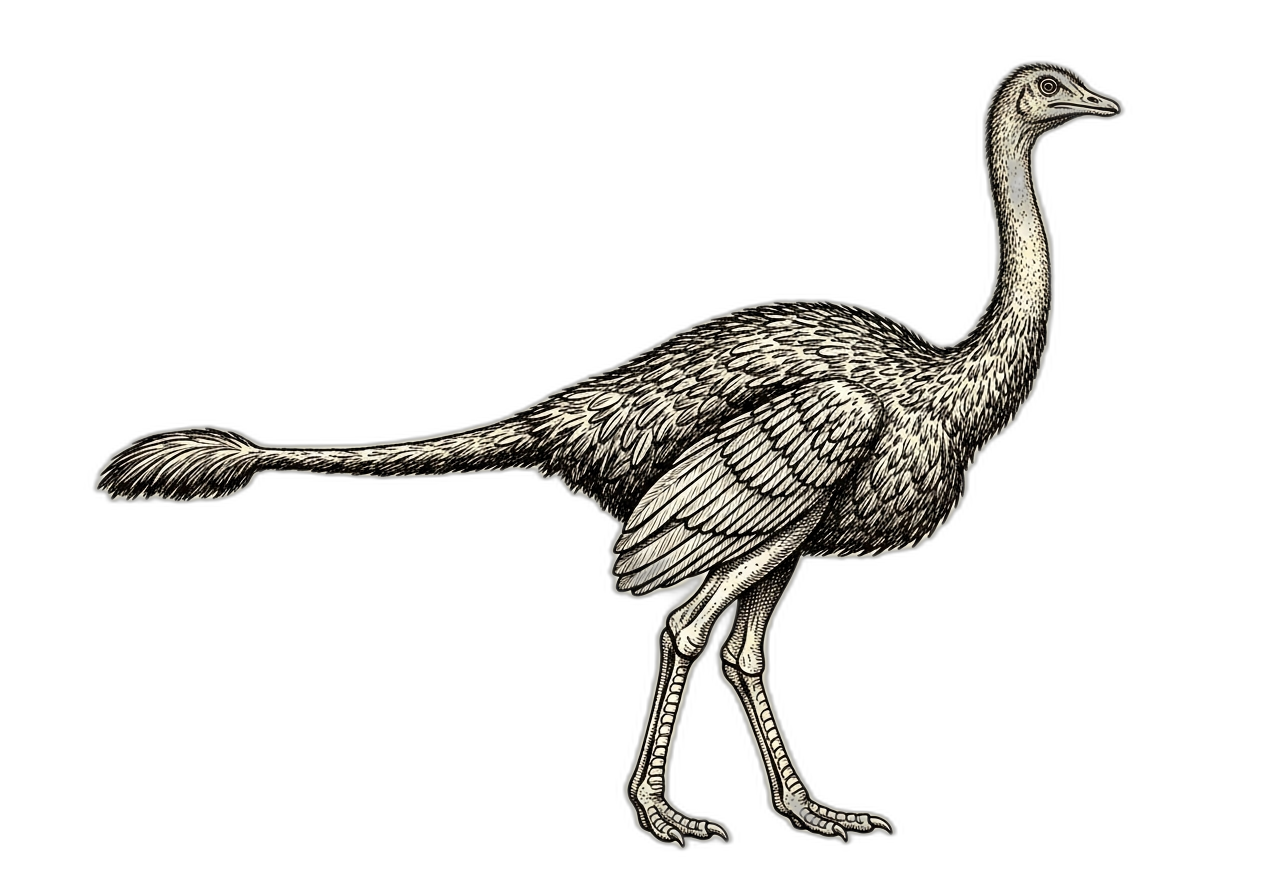
Gallimimus was a striking —one of the 'bird mimic' dinosaurs—that bore an uncanny resemblance to a modern ostrich, albeit one scaled up to roughly 6 meters long. With its slender build, long powerful legs, elongated neck, and toothless beak, it was clearly built for speed rather than combat. Its large eyes suggest keen vision, likely useful for spotting both predators like Tarbosaurus and potential food sources across the open landscapes of Late Cretaceous Mongolia.
The diet of Gallimimus remains somewhat mysterious. Its toothless beak could have been used for a variety of feeding strategies—snapping up small animals, straining water for , or browsing on plants. Most paleontologists now suspect it was an opportunistic omnivore, eating whatever was available. Comb-like structures found in some ornithomimid beaks suggest filter-feeding may have been part of their repertoire.
Gallimimus was discovered during the famous Polish-Mongolian paleontological expeditions to the Gobi Desert in the 1960s and early 1970s. Polish paleontologists Halszka Osmólska, Ewa Roniewicz, and Rinchen Barsbold formally described it in 1972, noting that the specimens represented the most complete ornithomimid material known at that time. The skeleton was remarkably well-preserved, allowing detailed study of this dinosaur's anatomy.
The name 'Gallimimus' means 'chicken mimic,' a nod to similarities in its neck to those of chickens and their relatives. The species name 'bullatus' refers to a peculiar hollow, bulb-like structure at the base of its skull—its function remains unknown, but it may have housed an expanded inner ear or air sacs.
Where fossils were found
Nemegt Formation
Ömnögovi Province · Mongolia
72.2–66 million years ago(6.2m year span)
Where Gallimimus Roamed
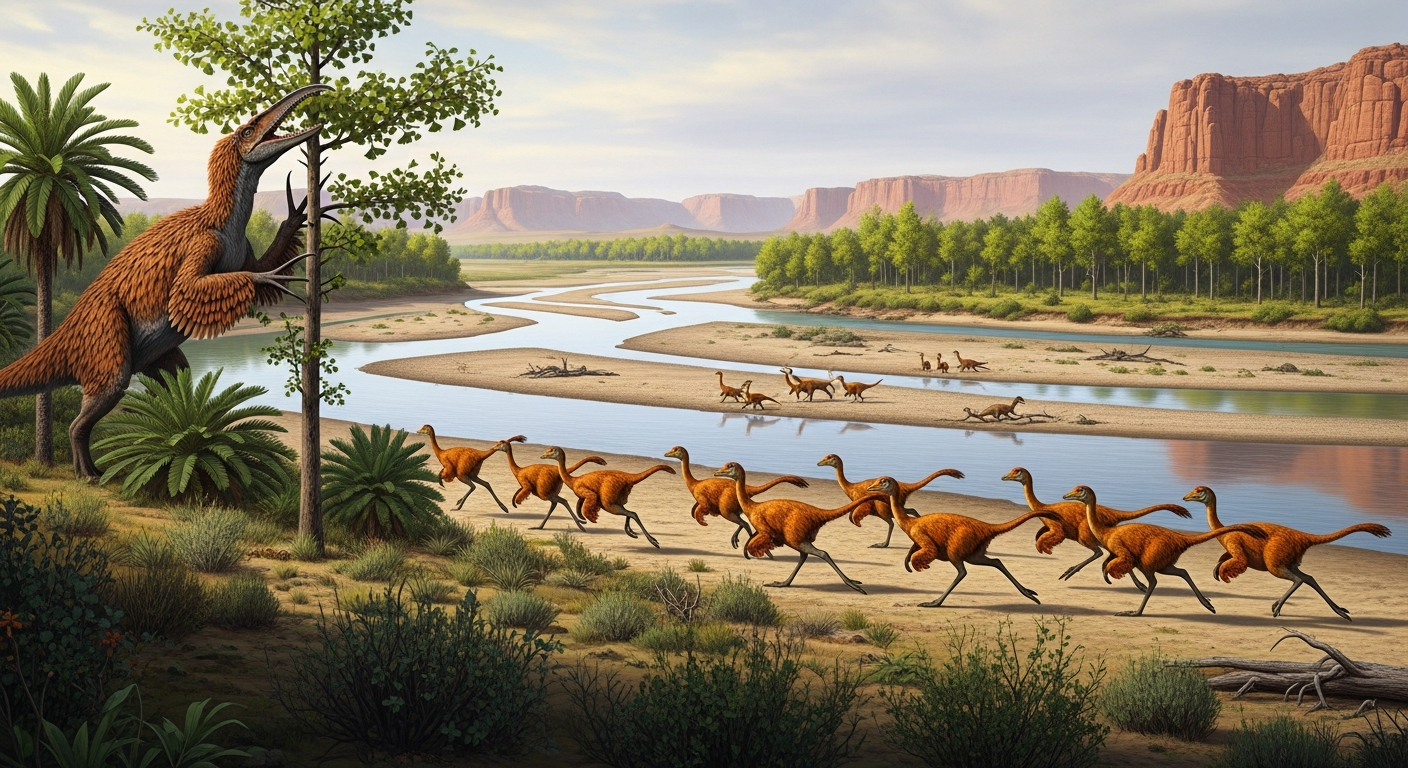
Gallimimus bullatus roamed the semi-arid floodplains and river systems of Late Cretaceous Mongolia, a region of the Asian landmass characterized by seasonal streams, sand dunes, and sparse vegetation far from any major seaway. This inland basin environment, preserved today in the Nemegt Formation, supported a diverse ecosystem of dinosaurs adapted to warm, seasonally dry conditions.
Keep exploring the vault
T-Rex
Tyrannosaurus rex
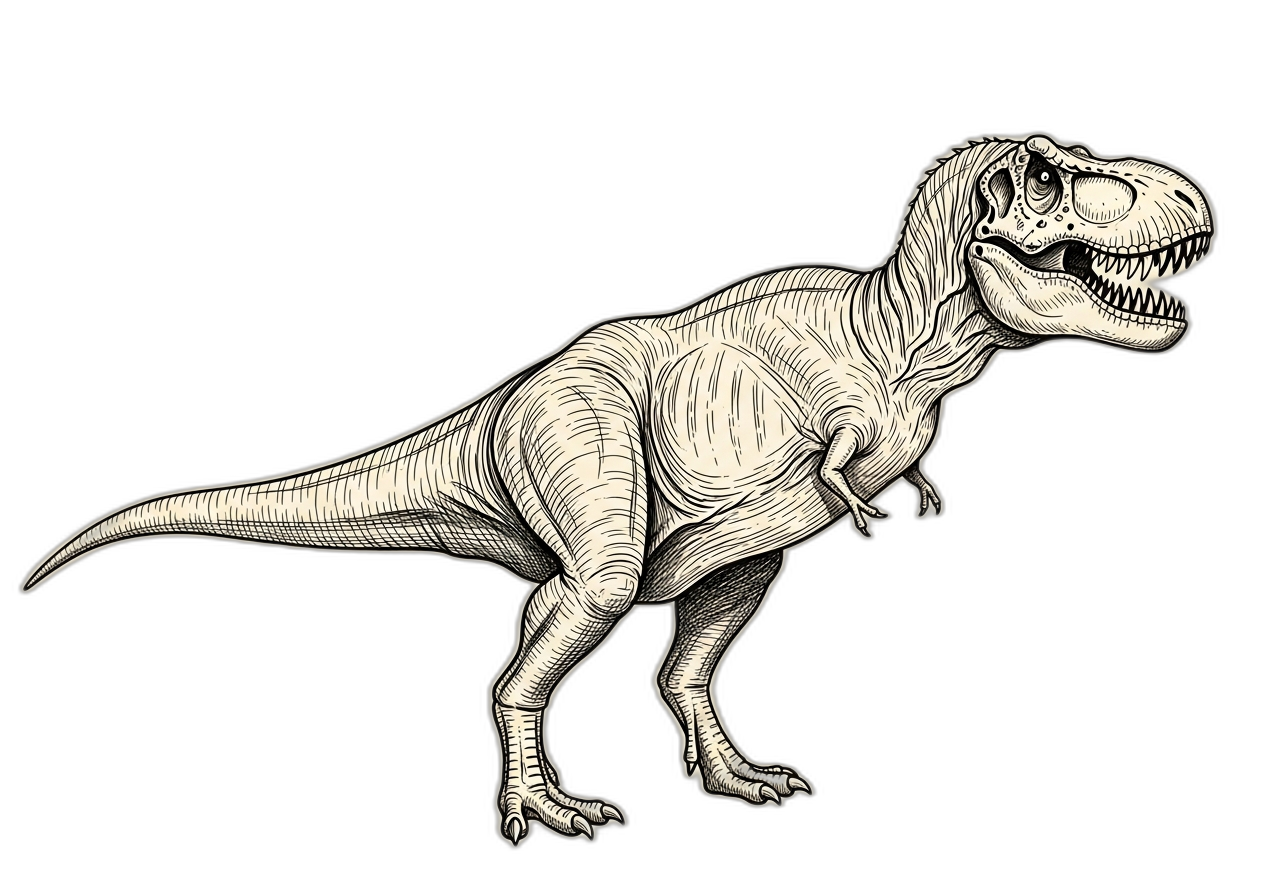
Tyrannosaurus rex and Gallimimus both lived in the Late Cretaceous of Mongolia/Asia, with T. rex being an apex predator that would have preyed on fast-moving ornithomimids.
Tarbosaurus
Tarbosaurus bataar
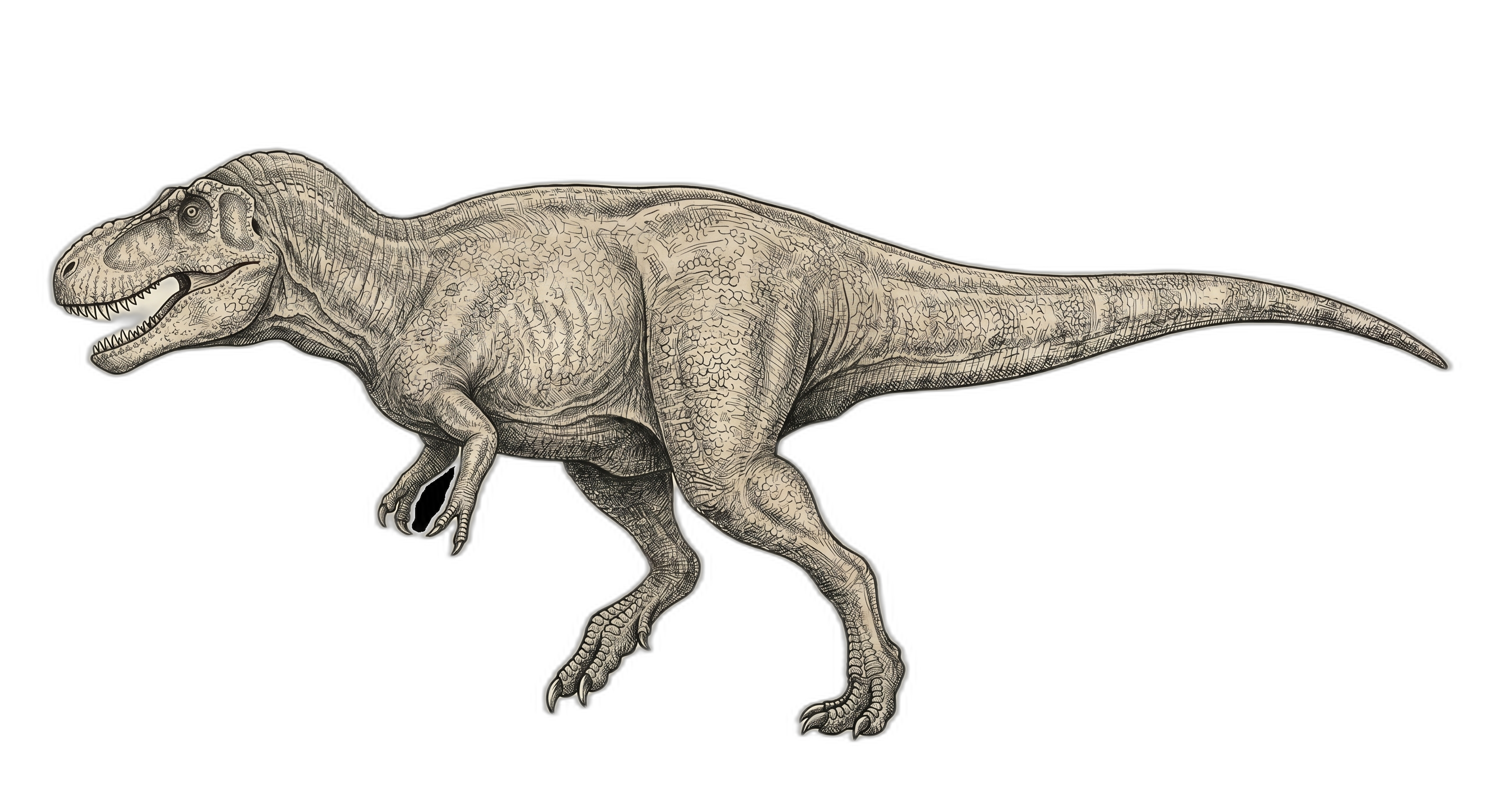
Gallimimus is abundant in the Nemegt Formation alongside Tarbosaurus, and as a large ornithomimid (~6m, 400kg) it would have been ideal prey for the apex predator of this ecosystem.
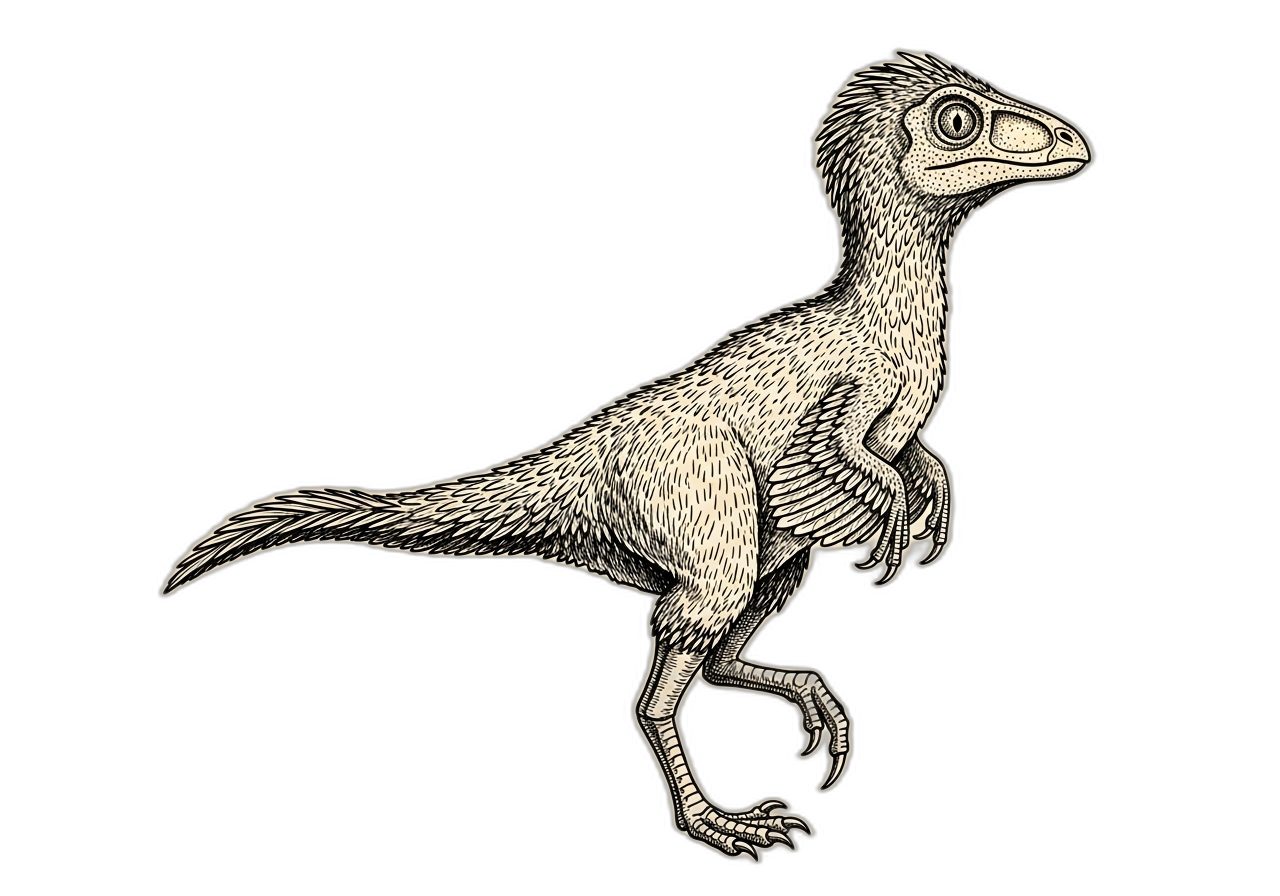
Troodon
Troodon formosus
Both Troodon and Gallimimus were omnivorous theropods in Late Cretaceous ecosystems.
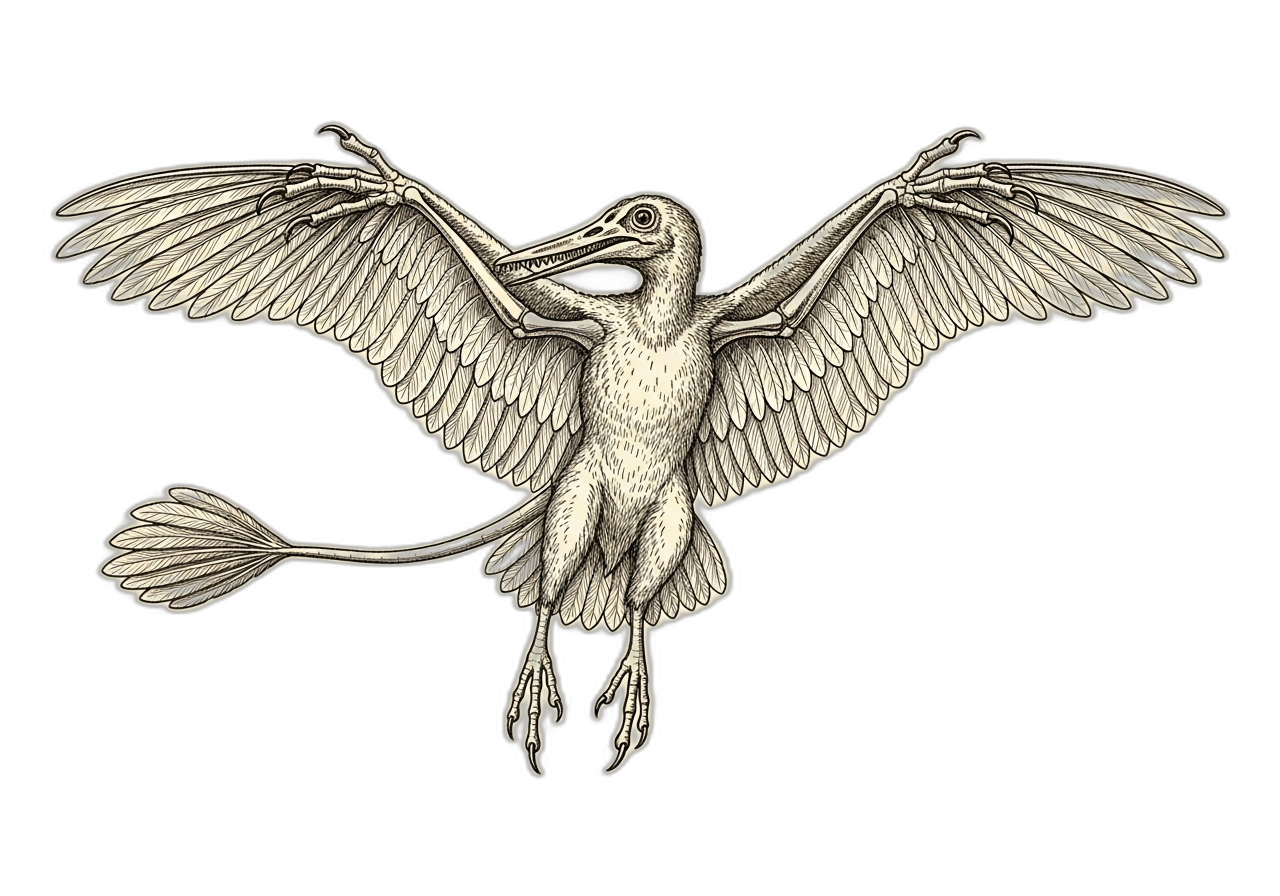
Archaeopteryx
Both represent theropod lineages that developed features associated with speed and agility — Archaeopteryx exploring flight while ornithomimids like Gallimimus became cursorial speedsters.
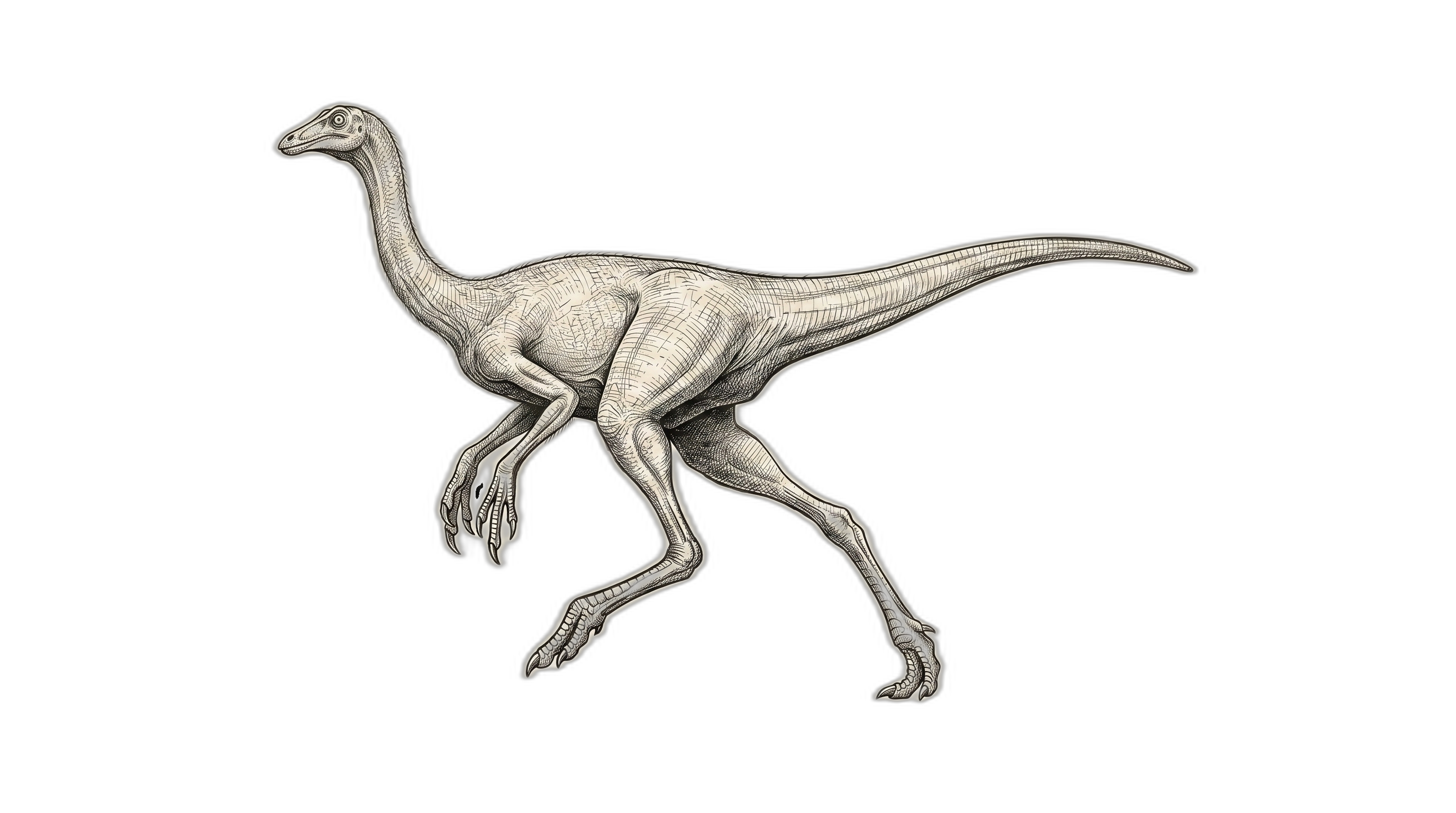
Ornithomimus
Ornithomimus edmontonicus
Same family: Ornithomimidae
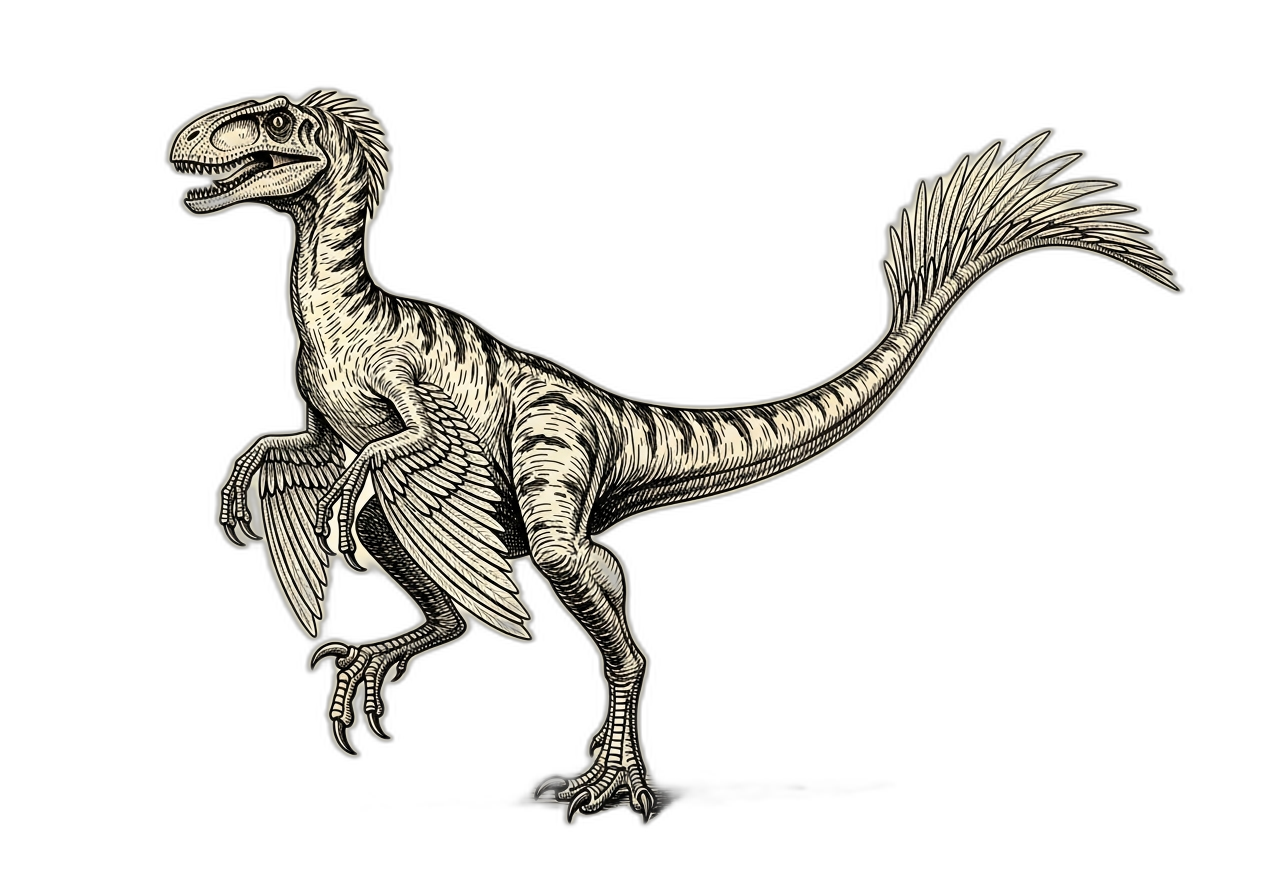
Velociraptor
Velociraptor mongoliensis
Both species are known from the Nemegt and Djadochta Formations of Late Cretaceous Mongolia, representing contemporaneous theropods with dramatically different hunting strategies and body plans.