About
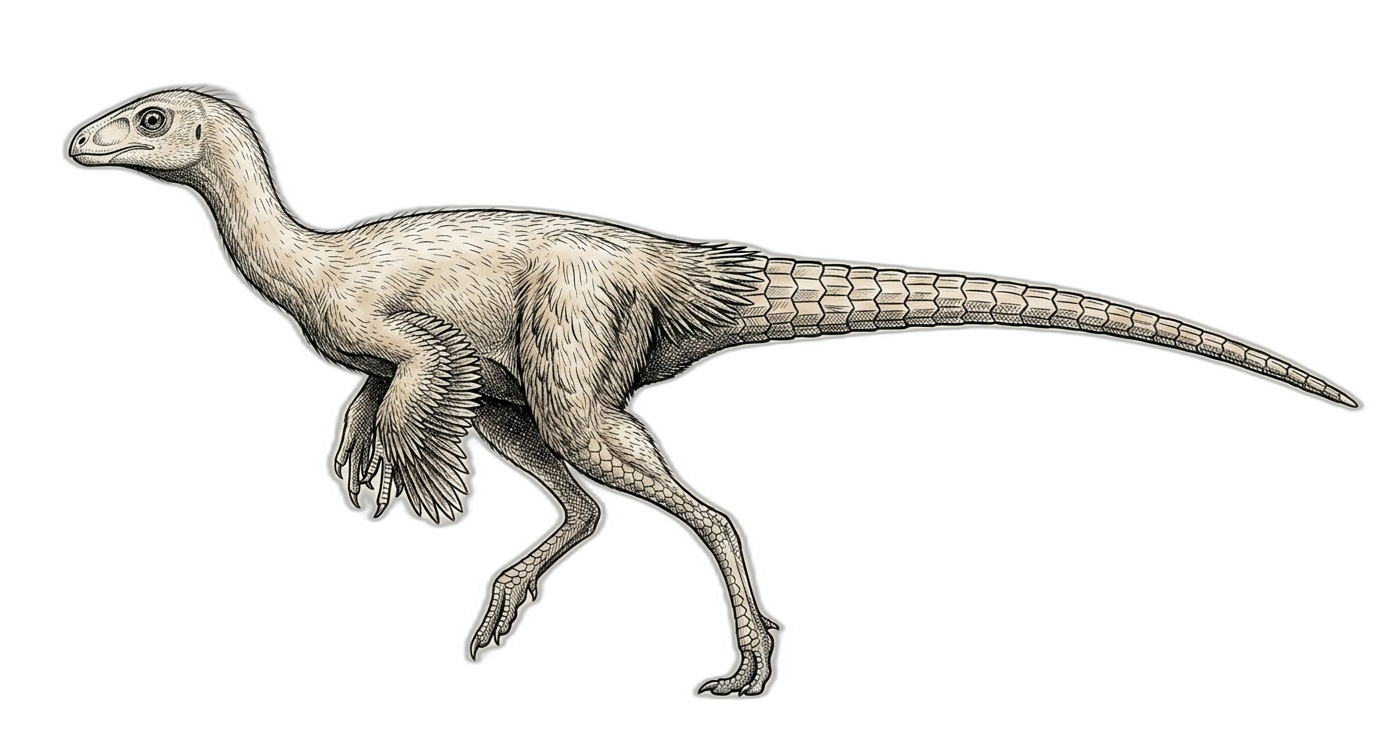
Kulindadromeus zabaikalicus is one of the most significant dinosaur discoveries of the 21st century, not because of its size or ferocity, but because of what covered its body. This small, herbivore was found with multiple types of integumentary structures, including scales, bristle-like filaments, and complex feather-like coverings. Before Kulindadromeus, such structures were only known from dinosaurs — the group that includes birds and their close relatives.
This unassuming plant-eater lived during the Middle Jurassic period in what is now the Kulinda locality in Siberia, Russia. It was a basal , meaning it belonged to a completely different branch of the dinosaur family tree from theropods. Its discovery suggests that feather-like structures may have been present in the common ancestor of all dinosaurs, fundamentally changing our understanding of dinosaur appearance and evolution.
Kulindadromeus was discovered in 2010 in the Transbaikal region of Siberia, with the formal scientific description published in 2014 by Pascal Godefroit and colleagues. The site yielded remarkably well-preserved specimens, with exceptional soft tissue preservation that allowed scientists to study the in unprecedented detail. Multiple individuals were found, providing robust evidence for the feathered covering.
Despite its groundbreaking implications, Kulindadromeus itself was a modest creature — a small, agile herbivore likely foraging on low-growing vegetation in a lakeside environment. Its legs show it was built for running, possibly to escape the predators of its Jurassic world.
Where Kulindadromeus Roamed
During the Middle Jurassic, approximately 166 million years ago, Kulindadromeus inhabited the ancient landscapes of eastern Laurasia, in a region that would become modern-day Siberia. This area featured a temperate to warm climate with seasonal wetlands and meandering rivers, where volcanic activity periodically blanketed the terrain in fine ash—conditions that would ultimately preserve the remarkable feather-like integumentary structures of this small ornithischian dinosaur in extraordinary detail.
Keep exploring the vault
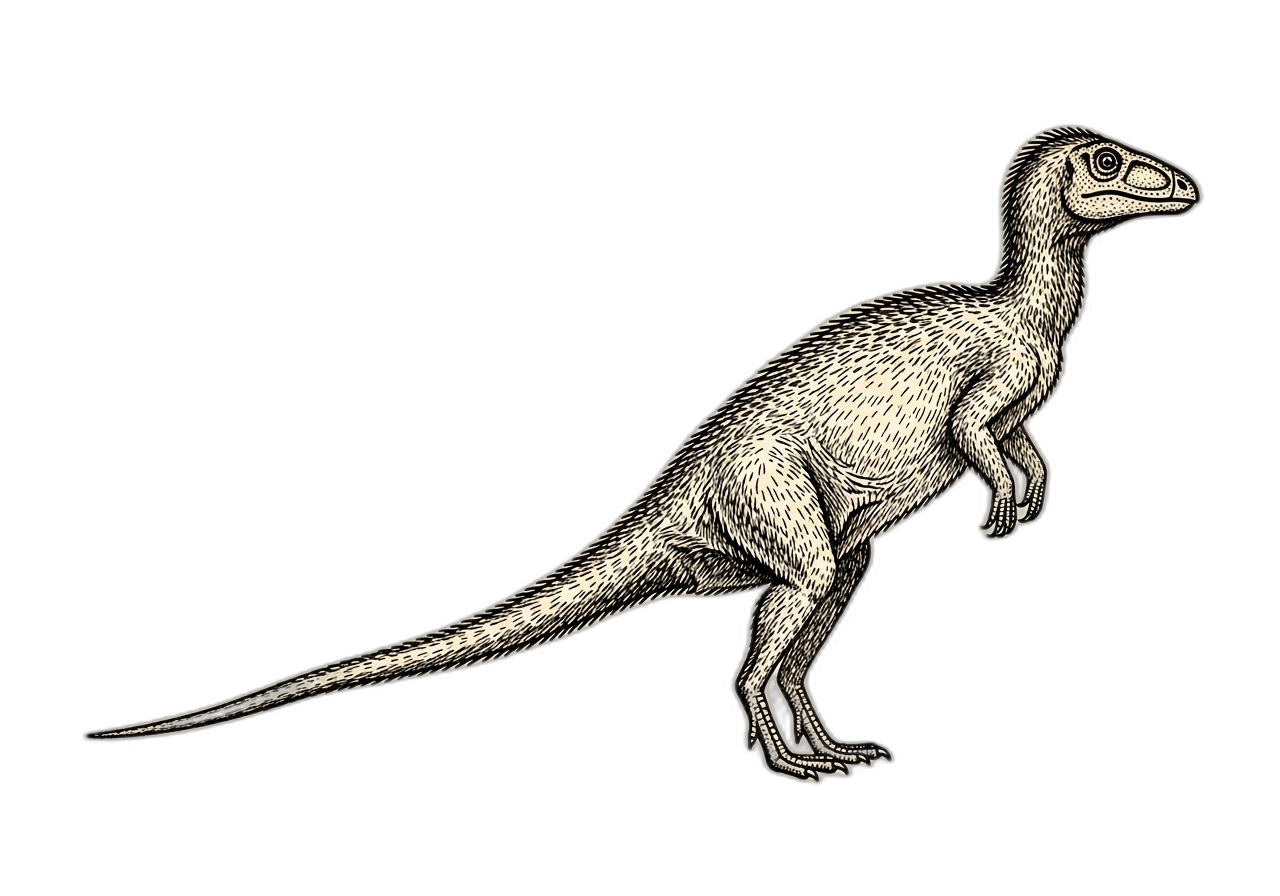
Sinosauropteryx
Sinosauropteryx prima
Both Kulindadromeus and Sinosauropteryx preserve evidence of filamentous integumentary structures (proto-feathers), representing parallel evolution of feather-like coverings in completely separate dinosaur lineages — Kulindadromeus in Ornithischia and Sinosauropteryx in Theropoda.
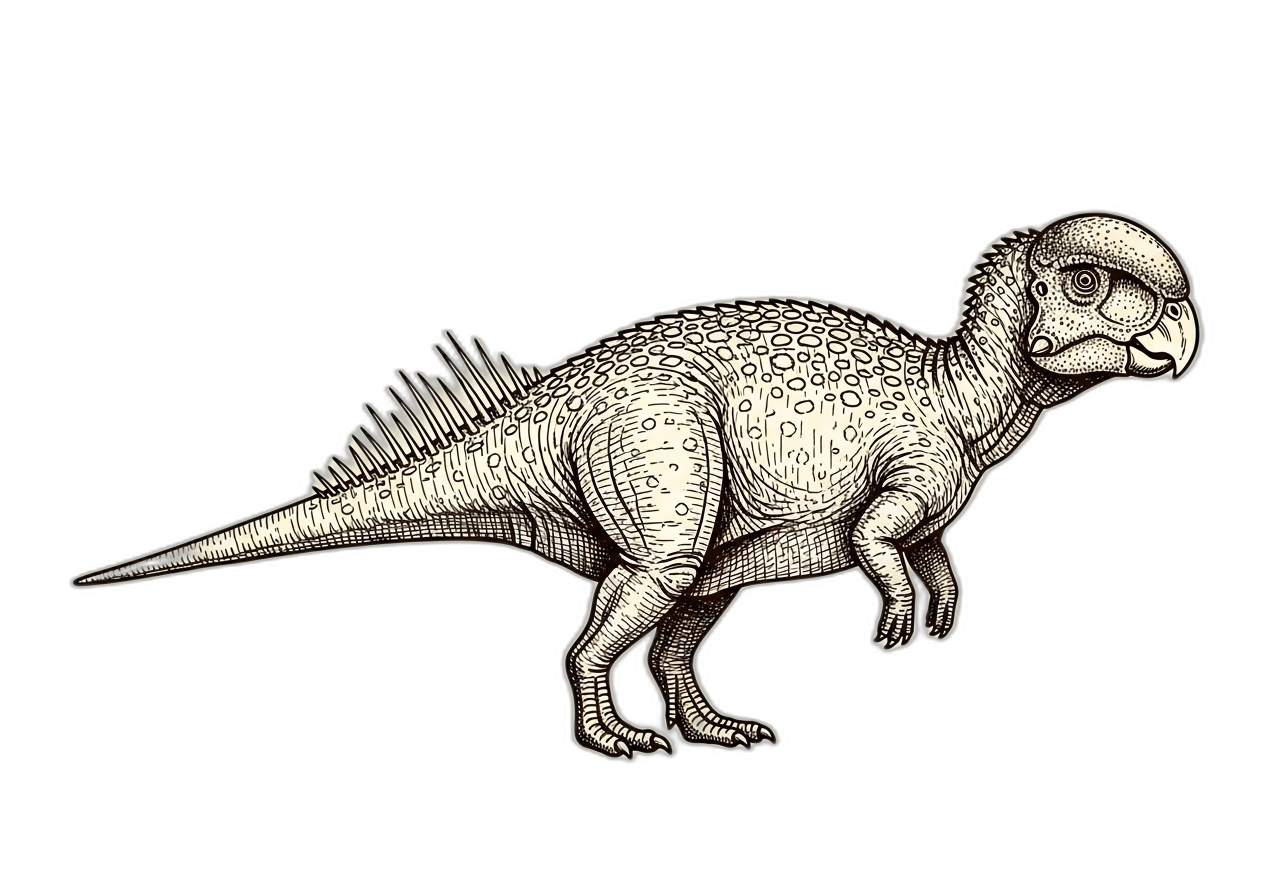
Psittacosaurus
Psittacosaurus mongoliensis
Both species preserve evidence of filamentous integumentary structures in ornithischian dinosaurs — Kulindadromeus with diverse feather-like coverings and Psittacosaurus with bristle-like quills on the tail.
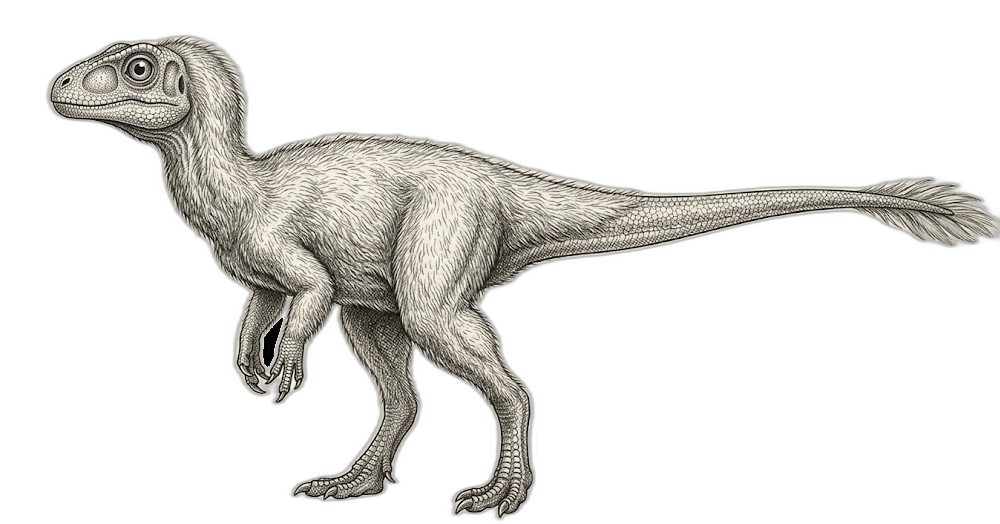
Leaellynasaura
Leaellynasaura amicagraphica
Both are small ornithischian herbivores that inhabited high-latitude or seasonally cold environments — Kulindadromeus in Siberia and Leaellynasaura in polar Australia.
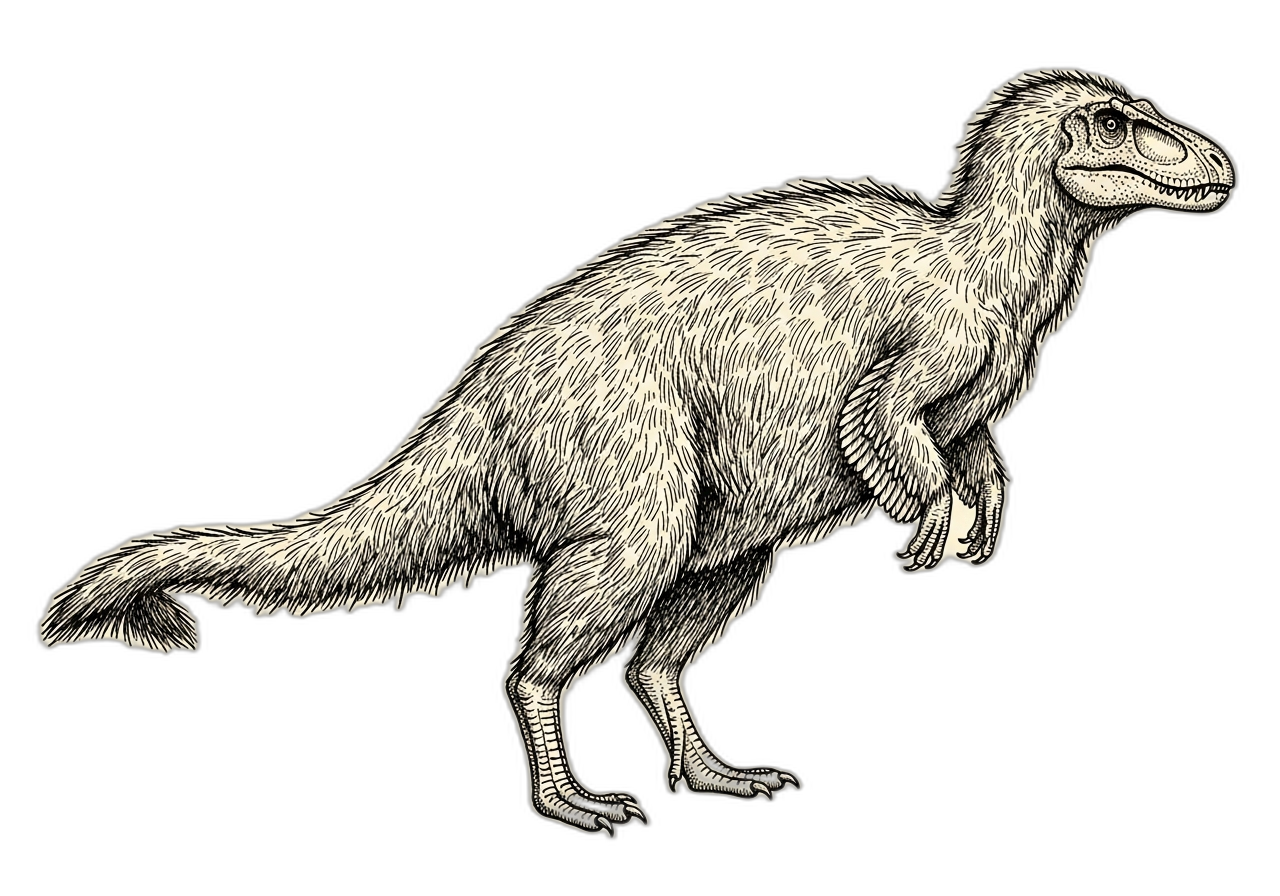
Yutyrannus
Yutyrannus huali
Both species provide key evidence for widespread feathery integument in dinosaurs, with Kulindadromeus demonstrating feather-like structures in Ornithischia while Yutyrannus shows extensive filamentous plumage in large tyrannosauroids.