About
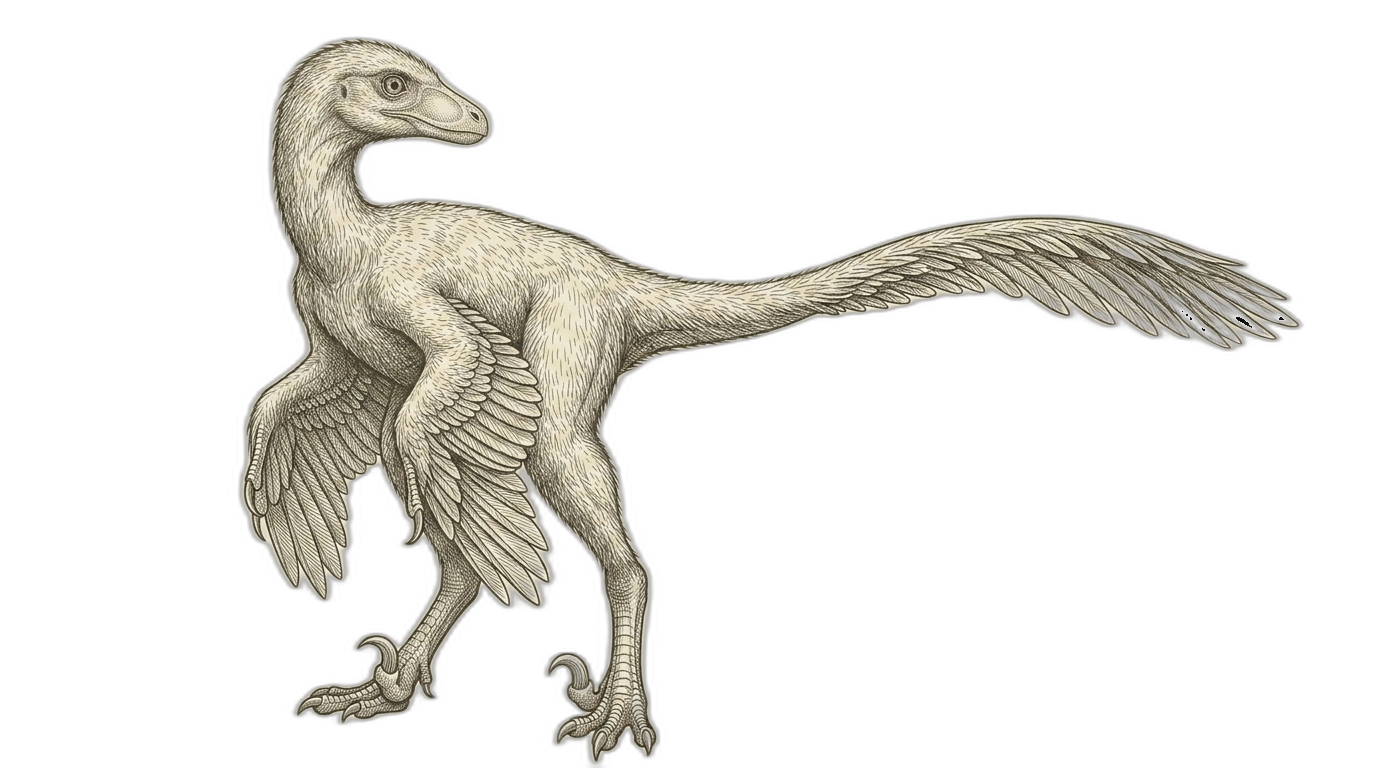
Mei long represents one of paleontology's most extraordinary windows into dinosaur behavior. This diminutive troodontid, measuring just over half a meter in length, was discovered in the volcanic deposits of China's Yixian Formation, preserved in an unmistakably bird-like sleeping position. The specimen shows the animal curled up with its hind limbs folded beneath its body, its long tail wrapped around its torso, and most remarkably, its snout tucked beneath one of its forelimbs—precisely mirroring the sleeping posture of modern birds.
As a troodontid, Mei possessed the hallmark features of its family: large, forward-facing eyes suggesting excellent vision (possibly including nocturnal capabilities), a relatively large brain compared to body size, and the characteristic sickle-shaped claw on its second toe. Its body was almost certainly covered in feathers, evidenced by both inference and the preservation conditions of the Yixian Formation, which has yielded numerous feathered dinosaur specimens.
The volcanic ash that entombed Mei preserved a moment frozen in time, likely representing death during sleep, possibly from toxic gases released during volcanic activity. This exceptional preservation has made Mei long an icon of dinosaur-bird evolutionary connections, demonstrating that behavioral traits we associate with birds evolved long before the origin of true flight. The specimen's pose suggests thermoregulatory behavior, with the tucked position helping to conserve body heat—evidence that at least some small theropods were warm-blooded.
Where fossils were found
Yixian Formation
Liaoning · China
130–122 million years ago(8m year span)
Where Sleeping Dragon Roamed
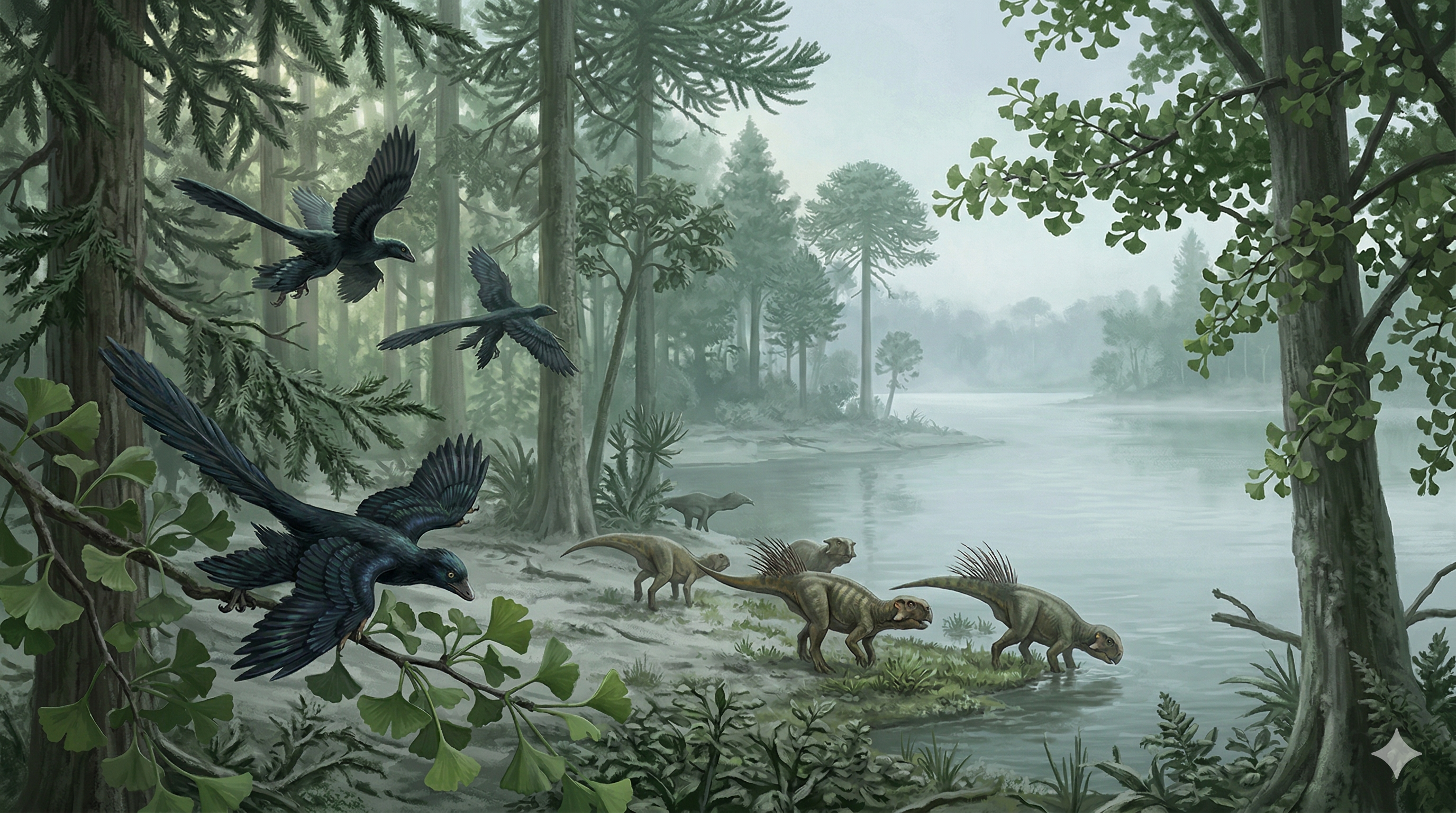
During the Early Cretaceous, approximately 126 million years ago, Mei long inhabited the lush volcanic lakeland basins of what is now Liaoning Province in northeastern China, part of the eastern margin of the vast Asian landmass. This region featured a temperate to subtropical climate with dense coniferous and ginkgo forests surrounding shallow lakes, where fine volcanic ash periodically blanketed the landscape, creating the exceptional preservation conditions of the renowned Jehol Biota.
Keep exploring the vault
Dilong
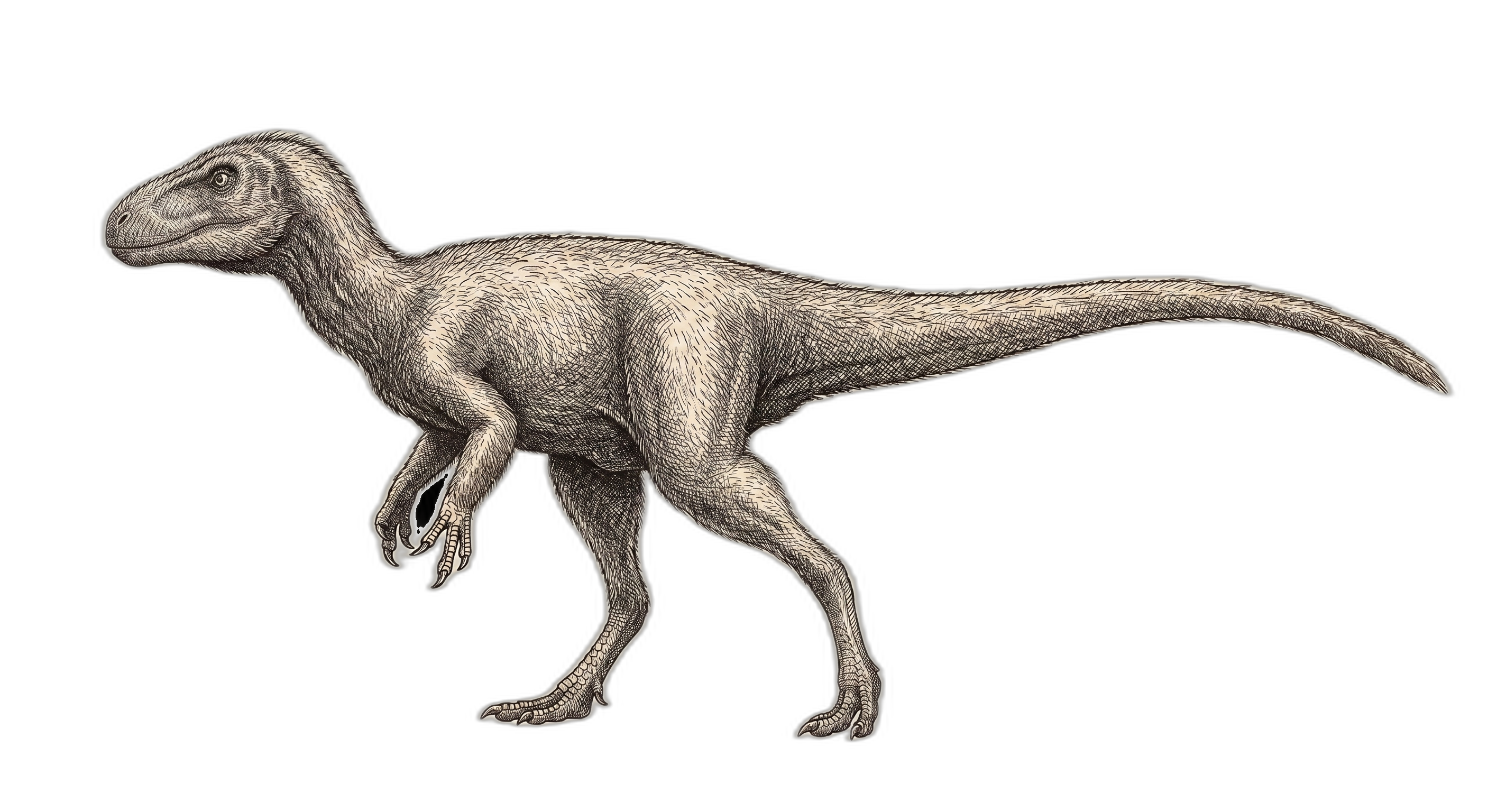
Dilong was a 1.6m, 11kg tyrannosauroid from the same Yixian Formation, large enough to prey on the tiny 0.4kg Mei long.
Yutyrannus
Yutyrannus huali
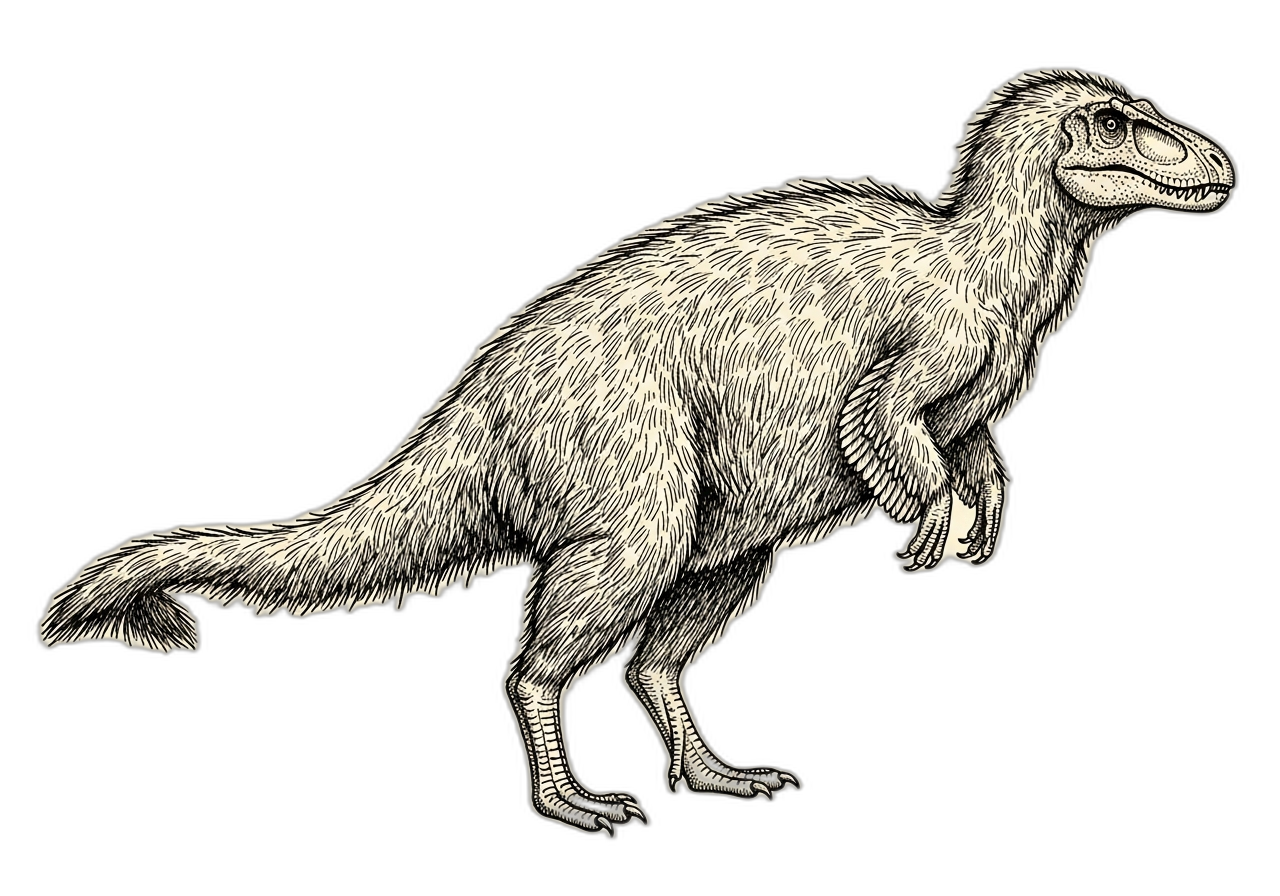
Yutyrannus was a 9m, 1414kg apex predator in the Yixian ecosystem.
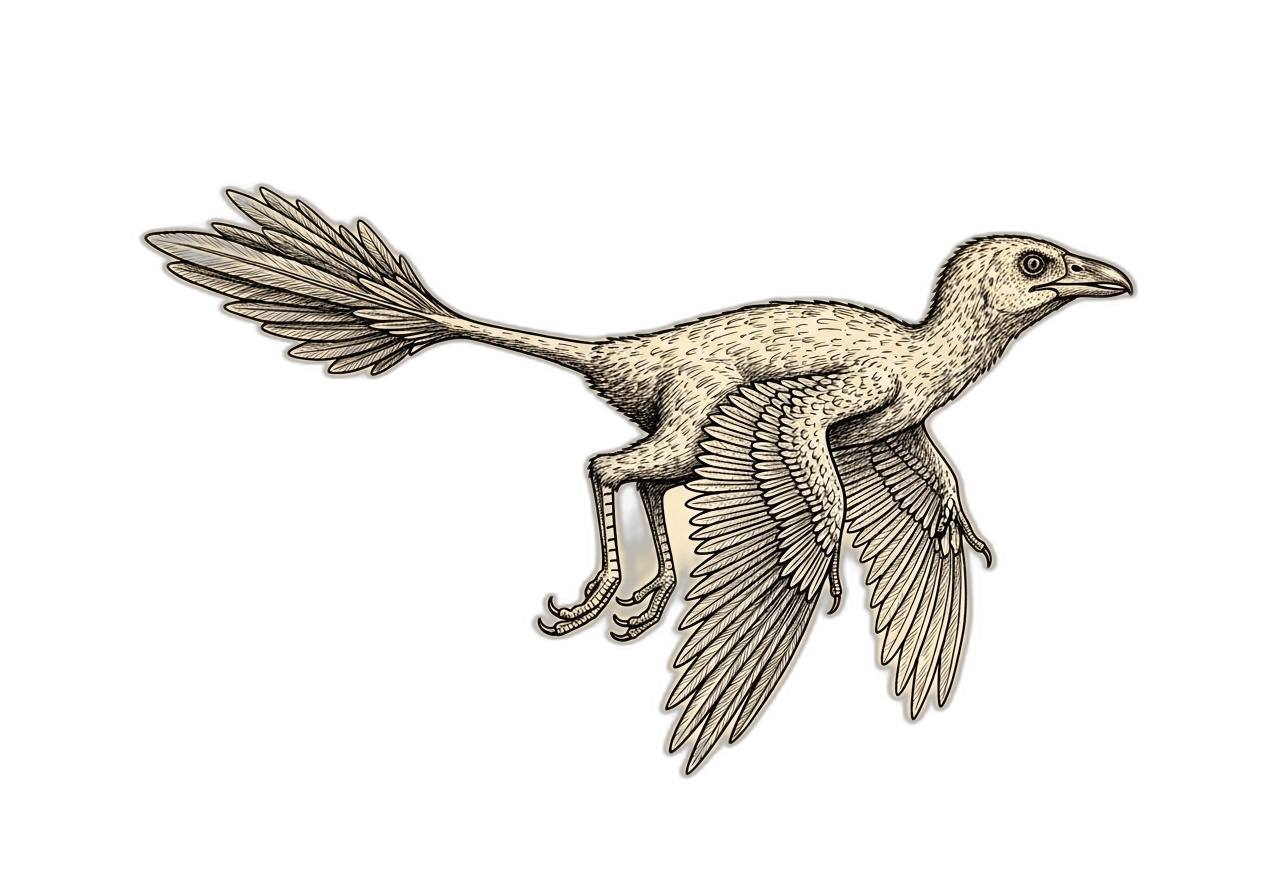
Microraptor
Microraptor gui
Both were small feathered carnivores of nearly identical size (Mei 0.4kg, Microraptor 0.6kg) sharing the Yixian Formation, likely competing for insects, small vertebrates, and similar prey items.
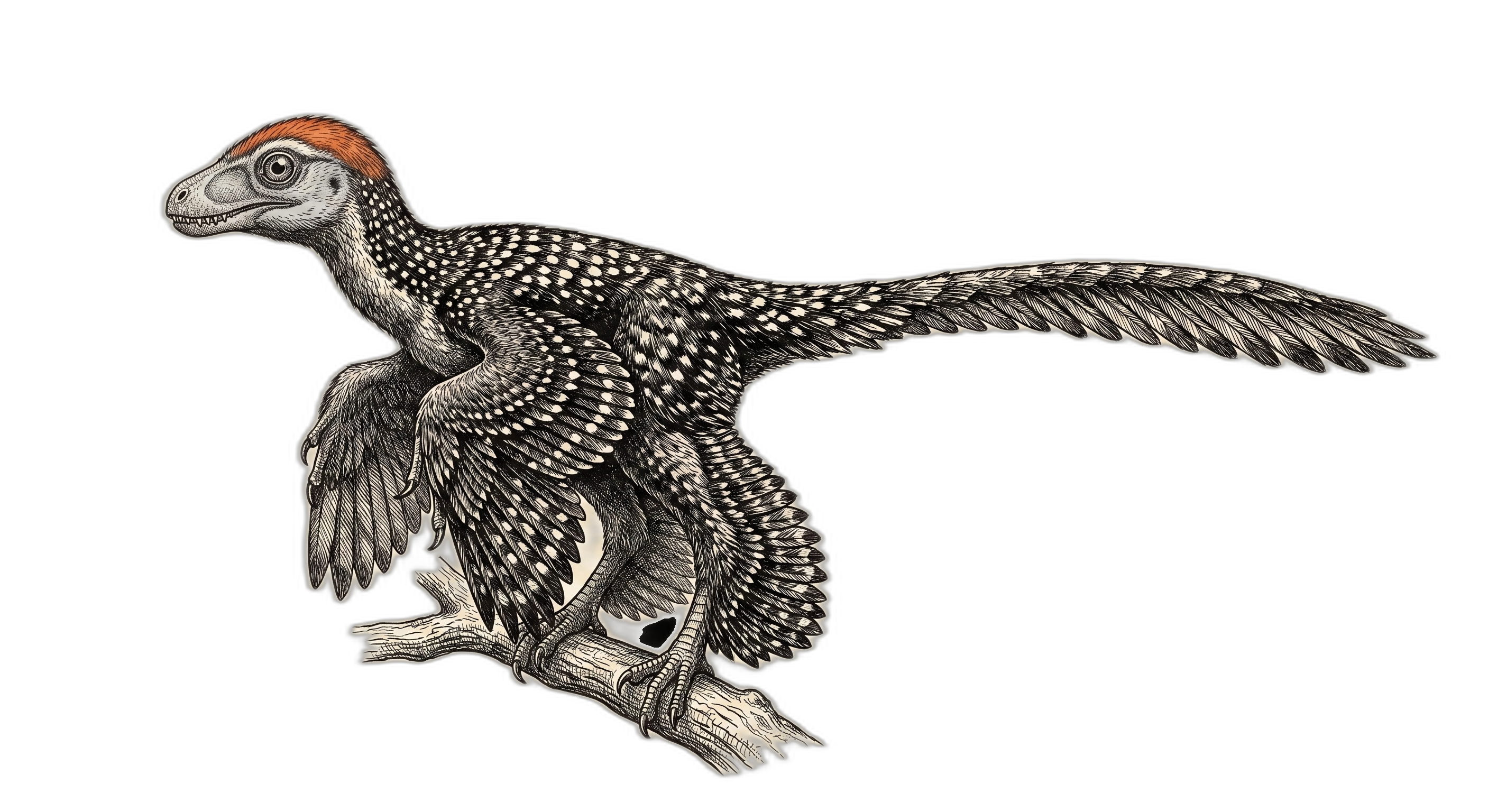
Anchiornis
Both are small, feathered troodontids representing the paravian radiation near the dinosaur-bird transition.
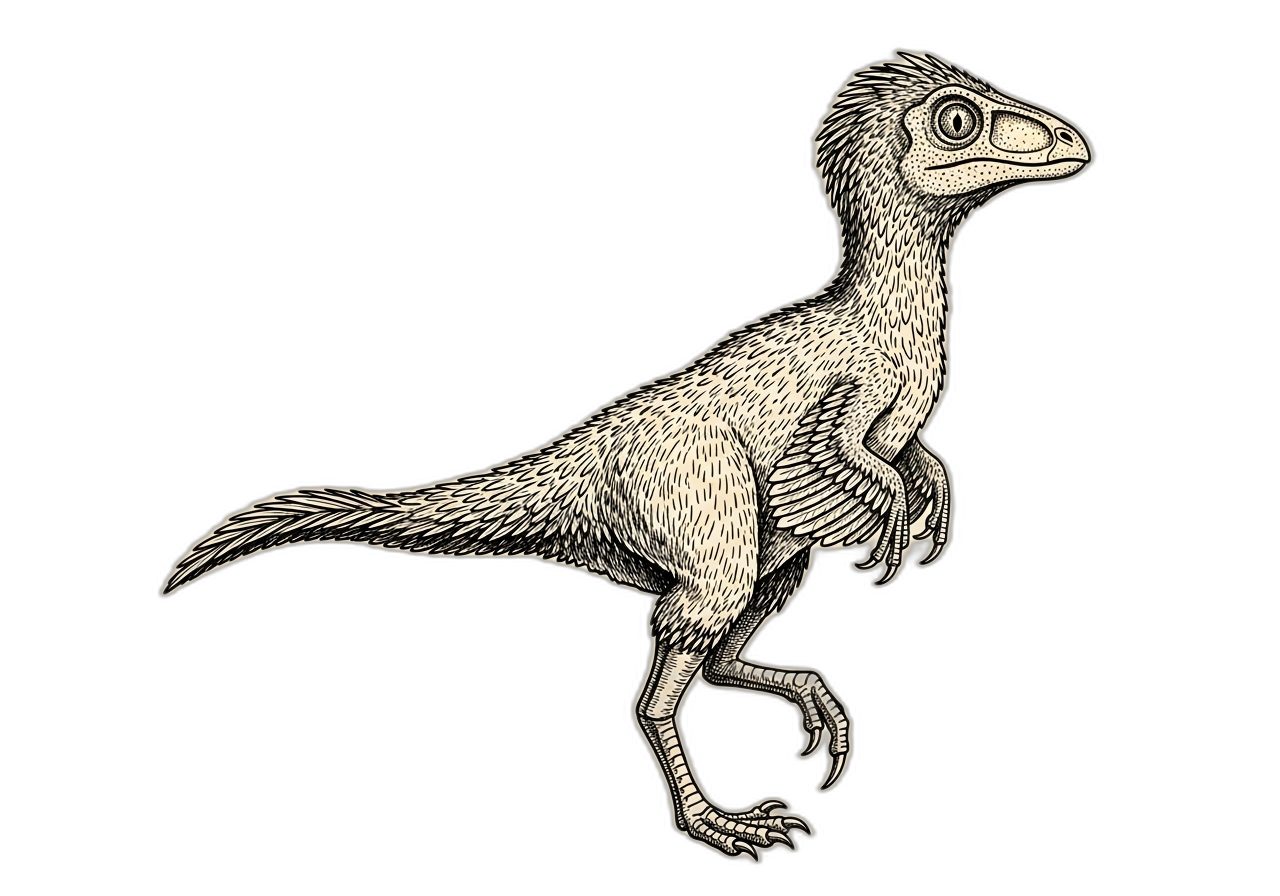
Troodon
Troodon formosus
Same family: Troodontidae
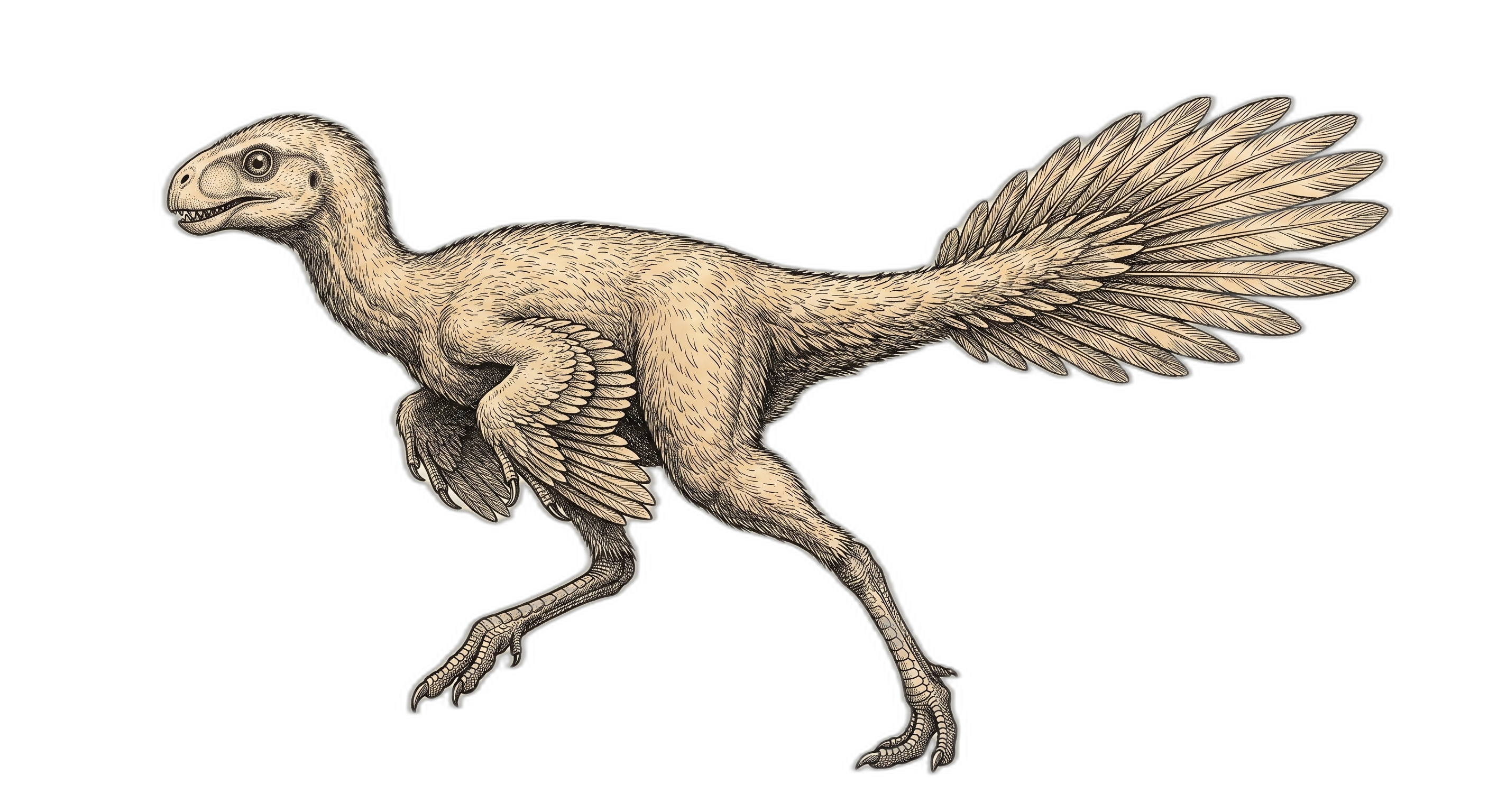
Caudipteryx
Both small feathered dinosaurs preserved in Yixian Formation, representing different dietary niches - Mei as carnivore, Caudipteryx as omnivore with gastroliths.