About
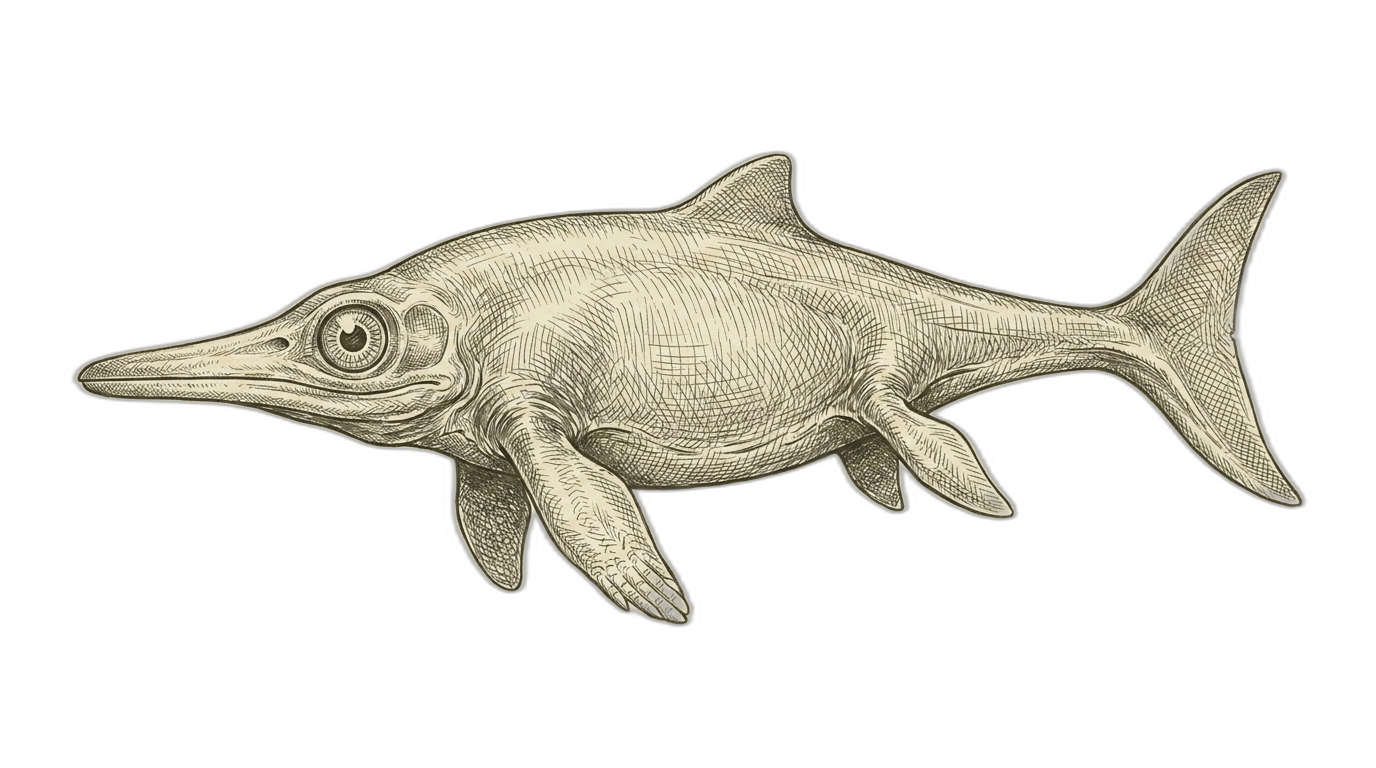
Ophthalmosaurus icenicus was a supremely adapted marine predator that patrolled the shallow seas covering much of Europe during the Late Jurassic. Its most striking feature was its enormous eyes, measuring up to 23 centimeters in diameter and protected by reinforcing bony rings called sclerotic plates. These remarkable organs allowed Ophthalmosaurus to hunt in the twilight zone of the ocean, pursuing soft-bodied cephalopods and fish at depths where other predators could not see. Its streamlined, teardrop-shaped body closely resembled modern dolphins and tunas, a classic example of for high-speed aquatic pursuit. The forelimbs had evolved into efficient hydrofoils, while the hind limbs were reduced to tiny vestiges. A tall, crescent-shaped tail fin provided powerful thrust, and a dorsal fin stabilized the animal during rapid maneuvers. Ophthalmosaurus was viviparous, giving birth to live young tail-first in the open ocean, as evidenced by fossilized pregnant females. Hundreds of specimens have been recovered from the Oxford Clay Formation of England, making it one of the best-known ichthyosaurs. These fossils reveal a creature perfectly engineered for life in the sea, with no ability to venture onto land. Its abundance in the fossil record suggests it was a common component of Jurassic marine ecosystems, sharing the waters with plesiosaurs, marine crocodiles, and giant filter-feeding fish.
Where Ophthalmosaurus: "Eye Lizard" Roamed
During the Late Jurassic, *Ophthalmosaurus icenicus* inhabited the warm, shallow epicontinental seas that flooded much of what is now Europe, as well as the western margins of the Tethys Sea, where sunlit waters teemed with squid and fish. These marine reptiles patrolled tropical to subtropical waters between the fragmenting supercontinent of Laurasia to the north and the ancient landmass of Gondwana to the south, in an era when rising sea levels transformed continental lowlands into vast, productive marine habitats.
Keep exploring the vault
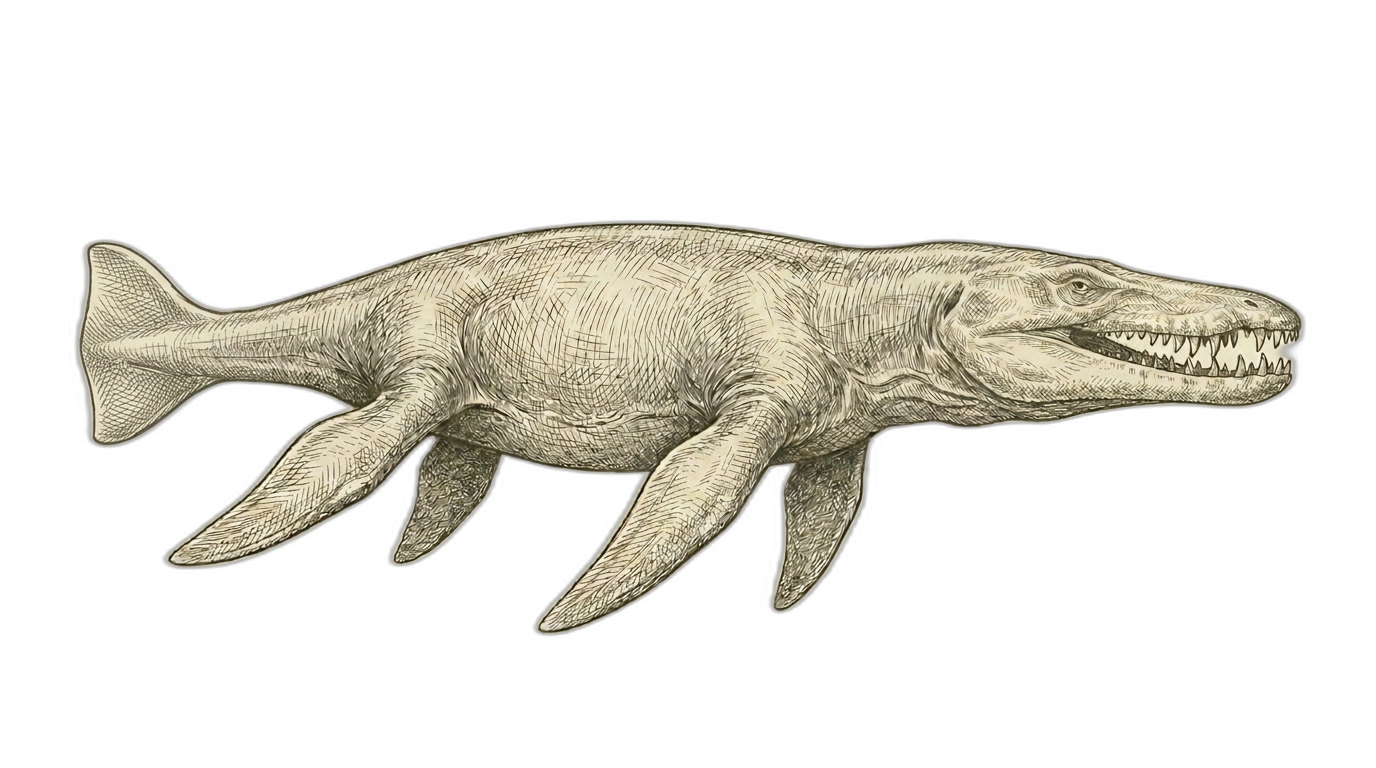
Liopleurodon
Liopleurodon ferox
Liopleurodon at 6-7 meters with powerful jaws was a macropredatory pliosaur sharing the Oxford Clay seas with Ophthalmosaurus.
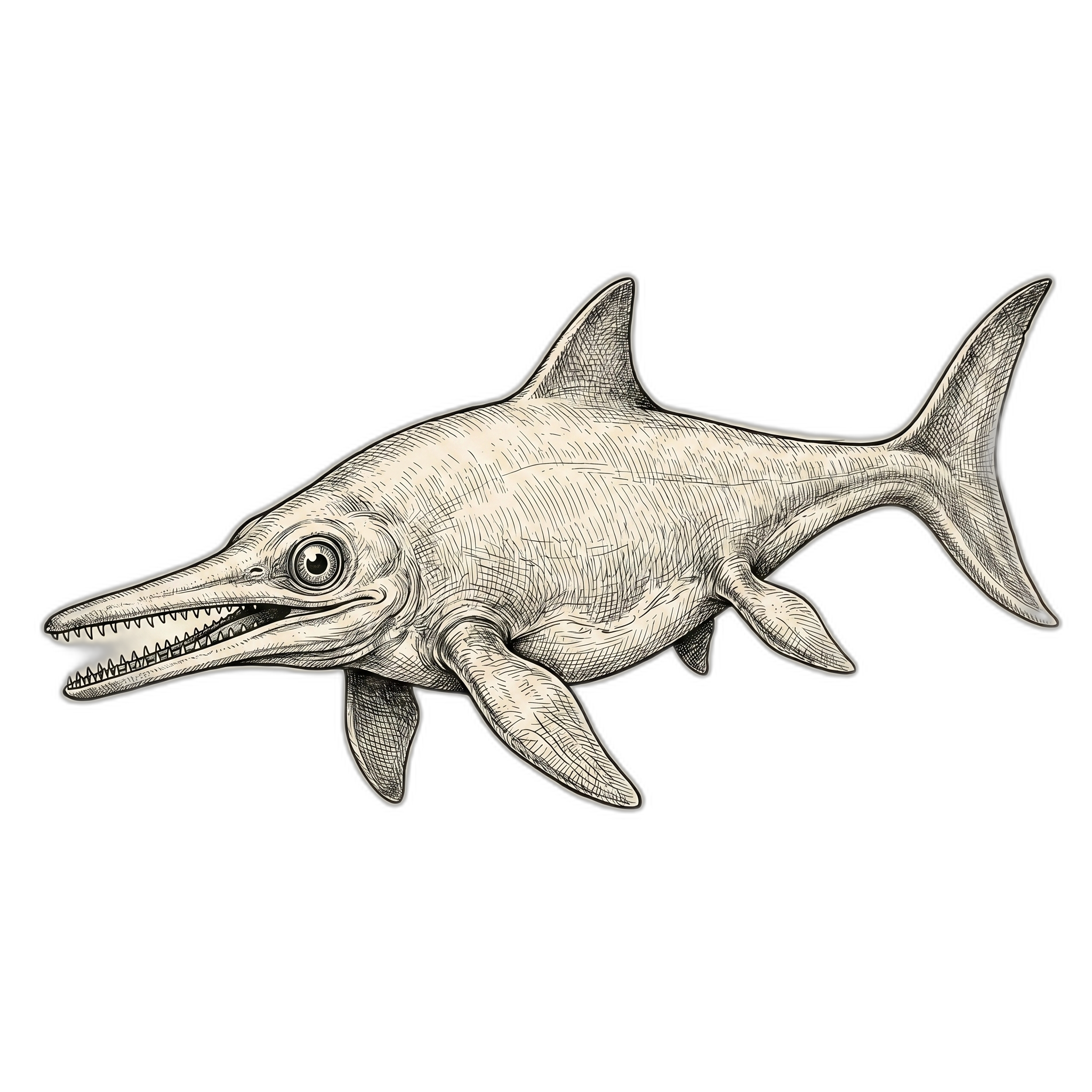
Ichthyosaurus
Ichthyosaurus communis
Ichthyosaurus from the Early Jurassic represents an earlier grade of ichthyosaur evolution.
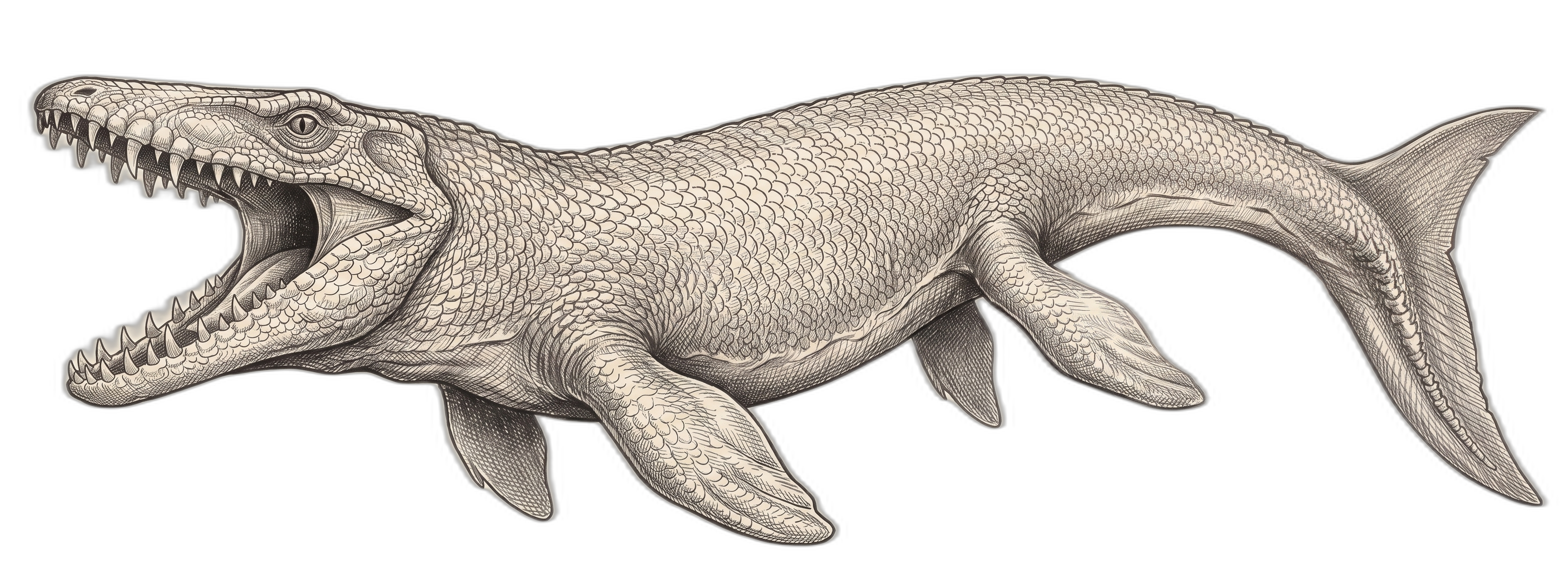
Mosasaurus
Mosasaurus hoffmannii
Though separated by ~80 million years, both represent marine reptiles that independently evolved fully aquatic lifestyles with streamlined bodies, paddle-like limbs, and large eyes for hunting fish and cephalopods.
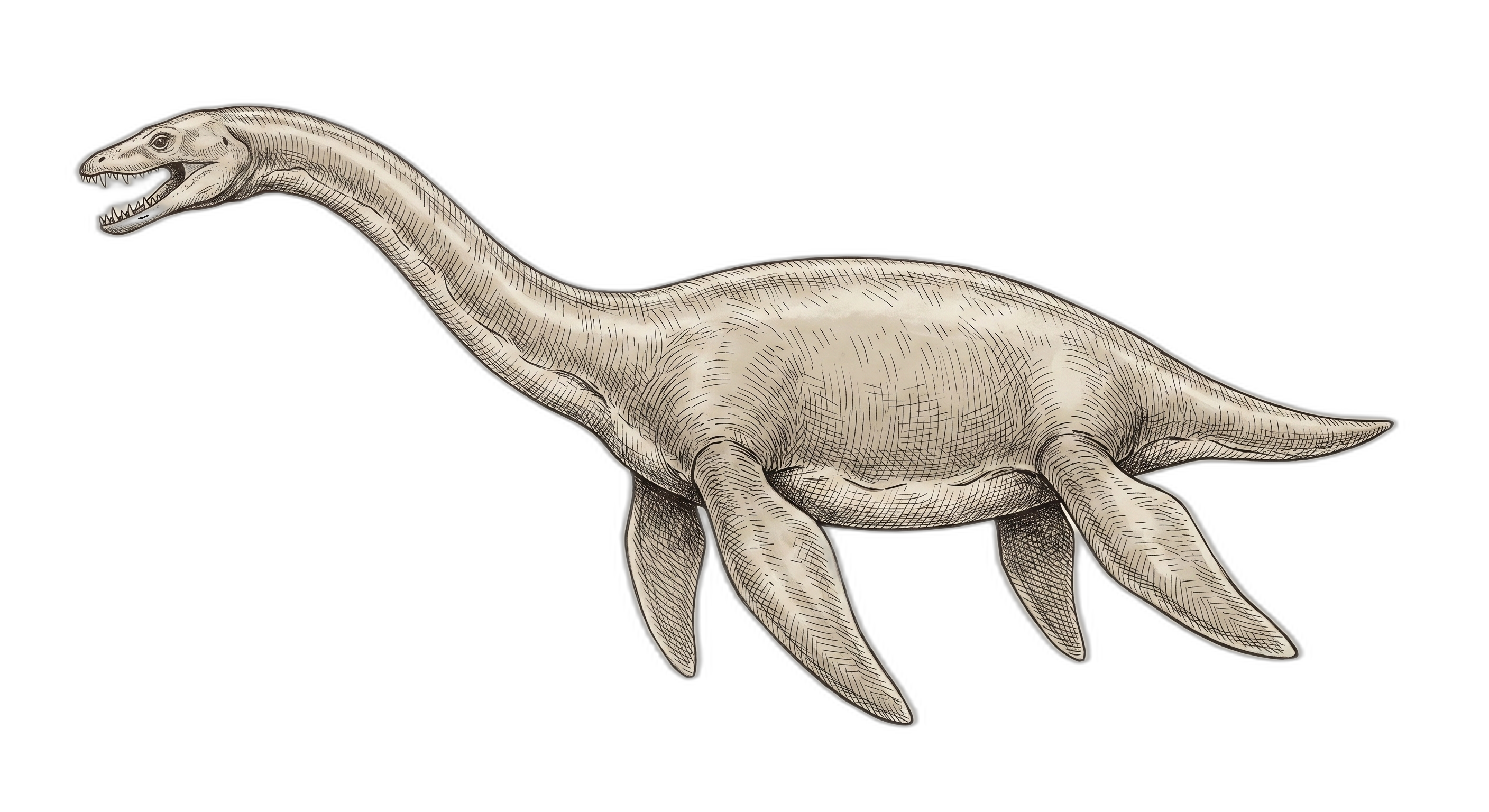
Plesiosaurus
Plesiosaurus dolichodeirus
Both Ophthalmosaurus and plesiosaurs represent independent marine reptile lineages that evolved fully aquatic lifestyles and piscivorous diets, but with radically different body plans — ichthyosaurs became dolphin-like speed hunters while plesiosaurs developed long necks for ambush predation, showing two different 'solutions' to marine existence.