About
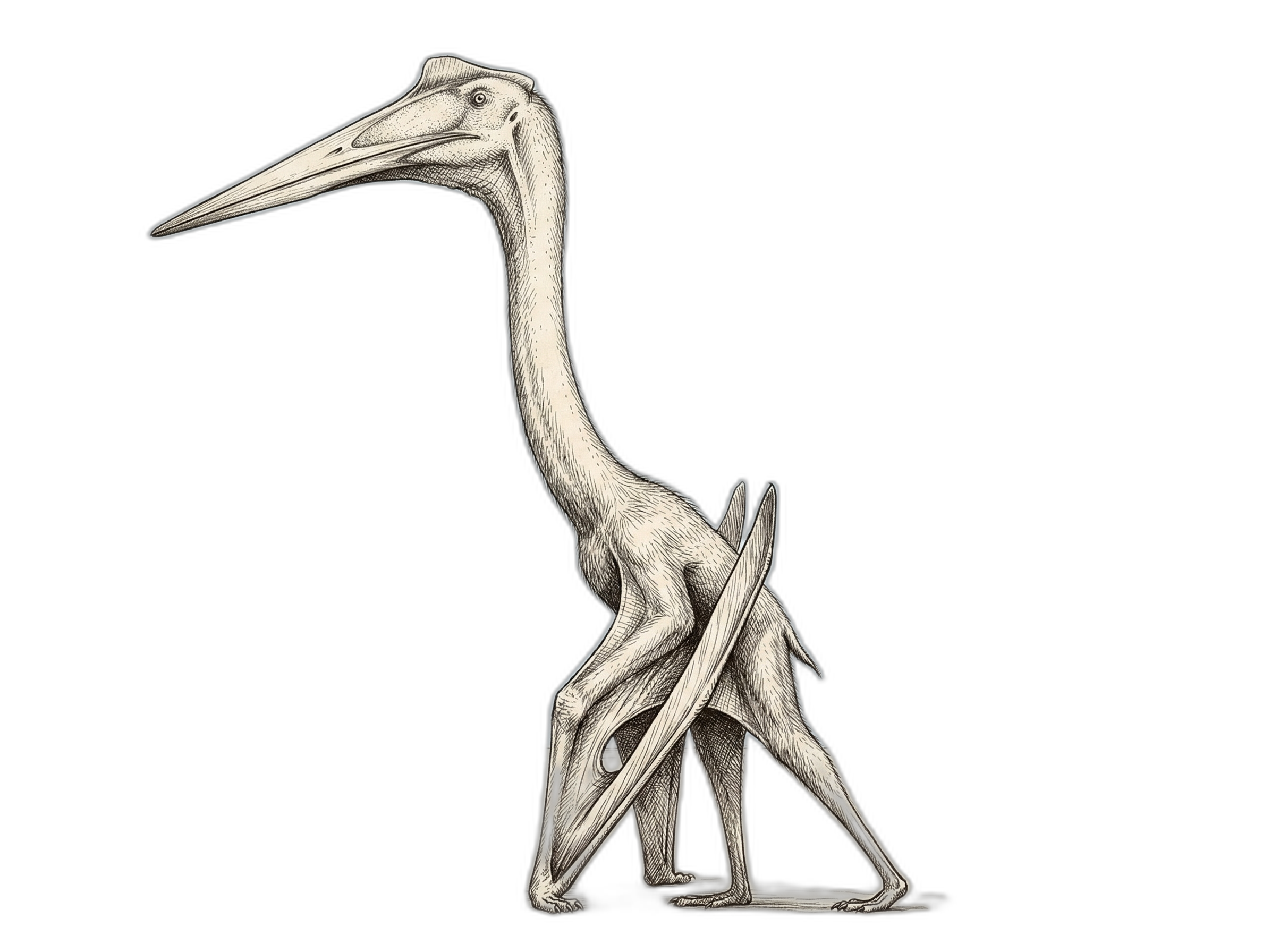
Quetzalcoatlus northropi represents one of the most extraordinary achievements in vertebrate flight evolution. This colossal azhdarchid pterosaur dominated the skies of Late Cretaceous North America with an estimated wingspan of 10-11 meters, making it comparable in size to a small aircraft. Its elongated, toothless beak could reach over 2.5 meters in length, while its remarkably slender neck comprised cervical that were both lightweight and structurally reinforced through pneumatization. When standing on all fours, Quetzalcoatlus would have looked a observer in the eye at roughly 4.5 meters tall—as tall as a modern giraffe. Recent biomechanical analyses suggest these pterosaurs were capable of sustained powered flight despite their enormous size, launching themselves into the air through a unique leap that utilized their powerful forelimbs. On the ground, Quetzalcoatlus likely employed a 'terrestrial stalking' feeding strategy, walking through Maastrichtian floodplains and hunting small dinosaurs, mammals, and other much like modern ground hornbills or marabou storks. The fossils were discovered in the Javelina Formation of Big Bend National Park, Texas, providing crucial insights into the ecosystem that existed just before the end-Cretaceous mass extinction. Quetzalcoatlus remains an icon of prehistoric life, demonstrating the remarkable extremes achieved by pterosaur evolution.
Where Quetzalcoatlus Roamed
Quetzalcoatlus northropi soared above the coastal plains and river systems of ancient Laramidia, a narrow landmass bordered by the receding Western Interior Seaway that once divided North America during the Late Cretaceous. This warm, subtropical environment featured extensive floodplains, meandering rivers, and dense vegetation where the giant pterosaur likely hunted small vertebrates and carrion across a landscape teeming with dinosaurs.
Keep exploring the vault
Pteranodon
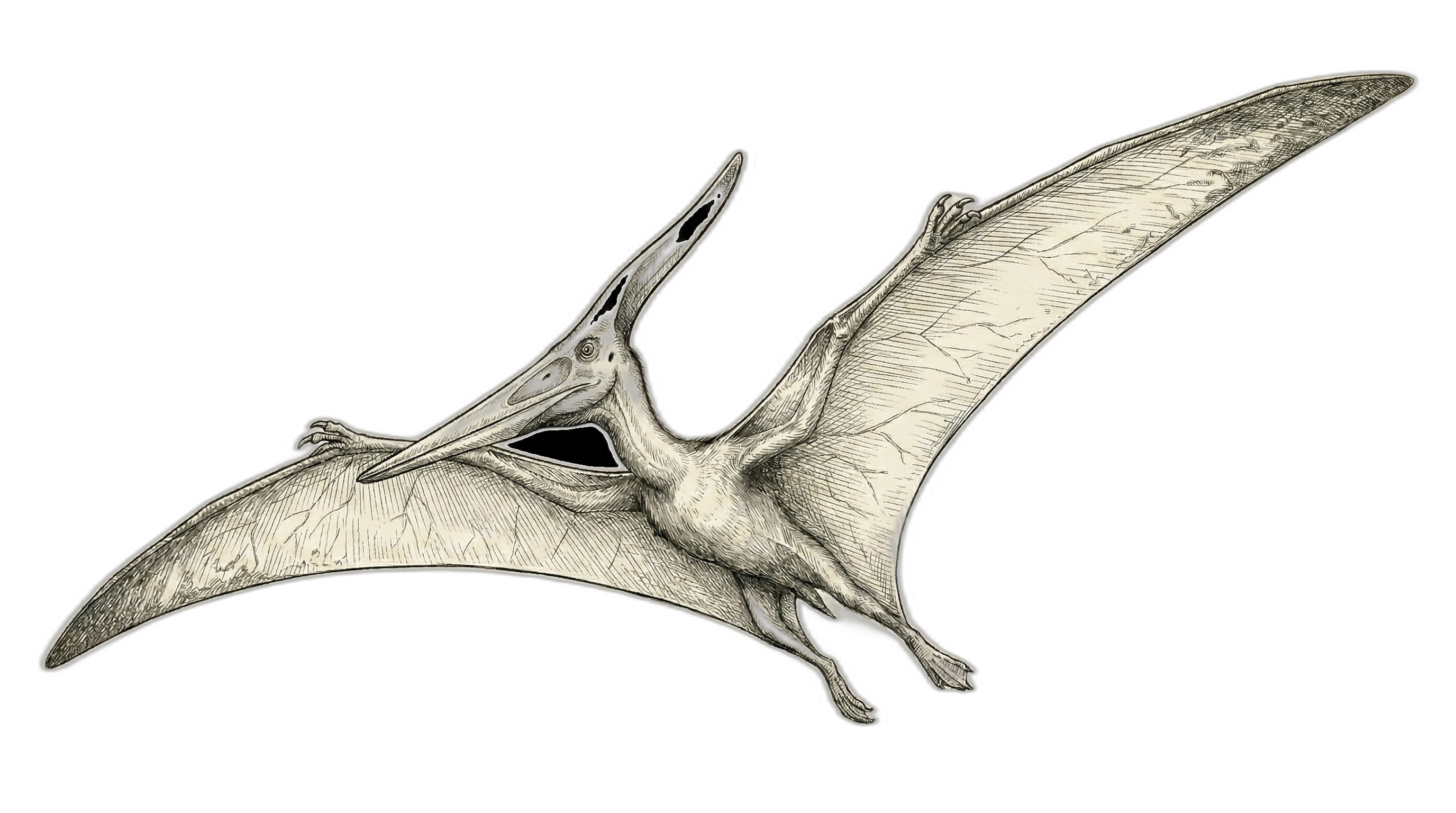
Pteranodon longiceps
Both are pterodactyloid pterosaurs that evolved large size and toothlessness independently within different azhdarchoid and ornithocheiroid lineages.
T-Rex
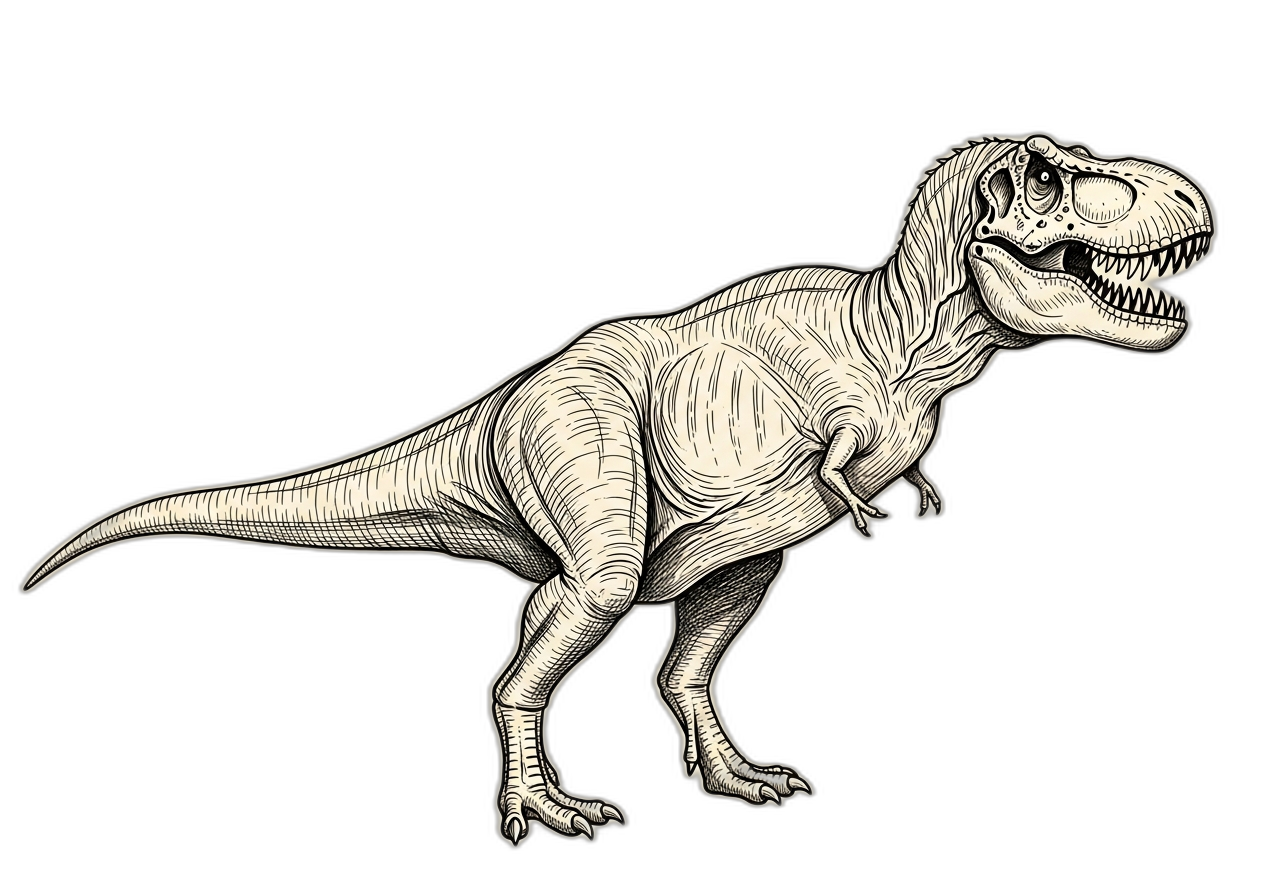
Tyrannosaurus rex
Both Quetzalcoatlus and Tyrannosaurus rex are known from the Late Cretaceous of North America, with Quetzalcoatlus fossils from the Javelina Formation of Texas overlapping temporally with T. rex from formations further north.
Edmontosaurus
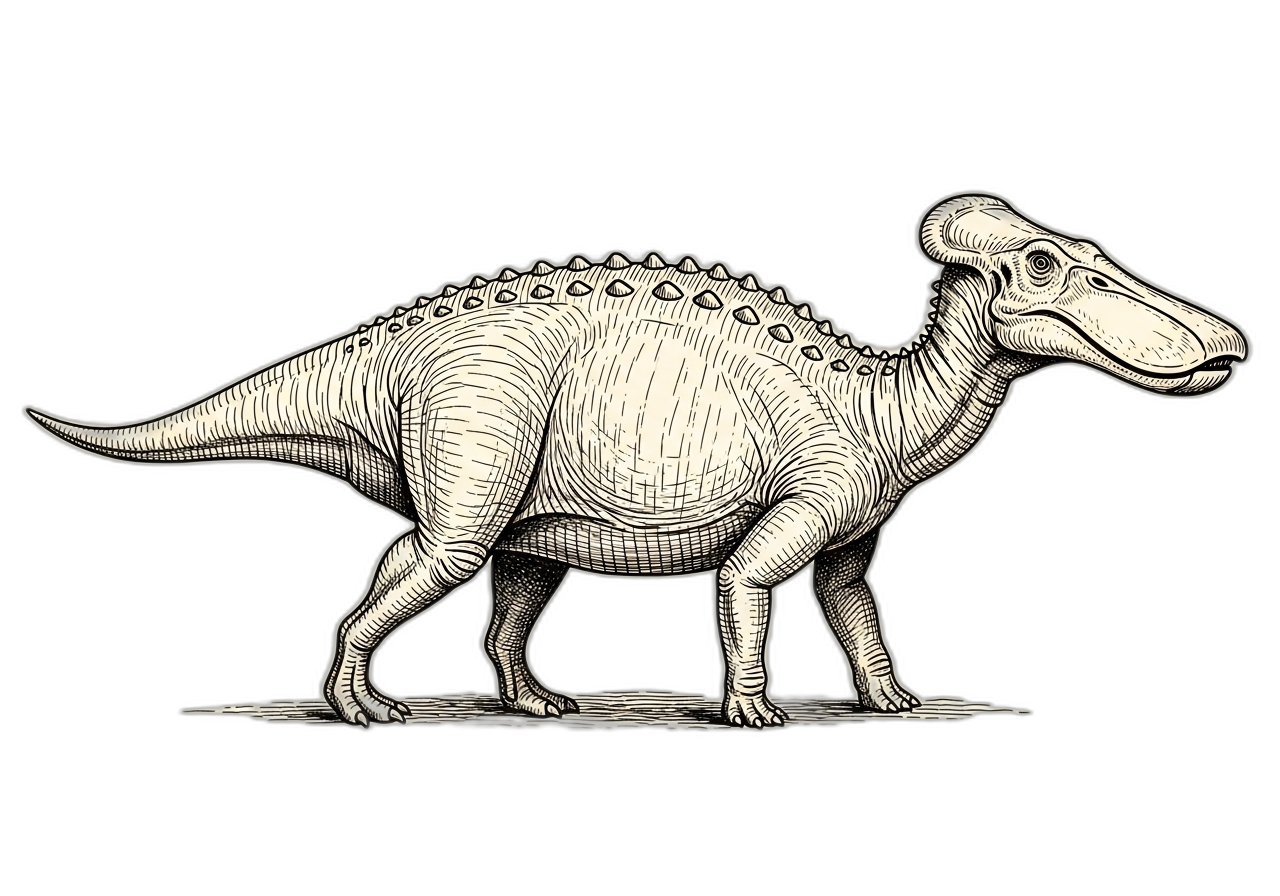
Edmontosaurus regalis
Edmontosaurus is known from latest Cretaceous North American formations contemporary with Quetzalcoatlus.
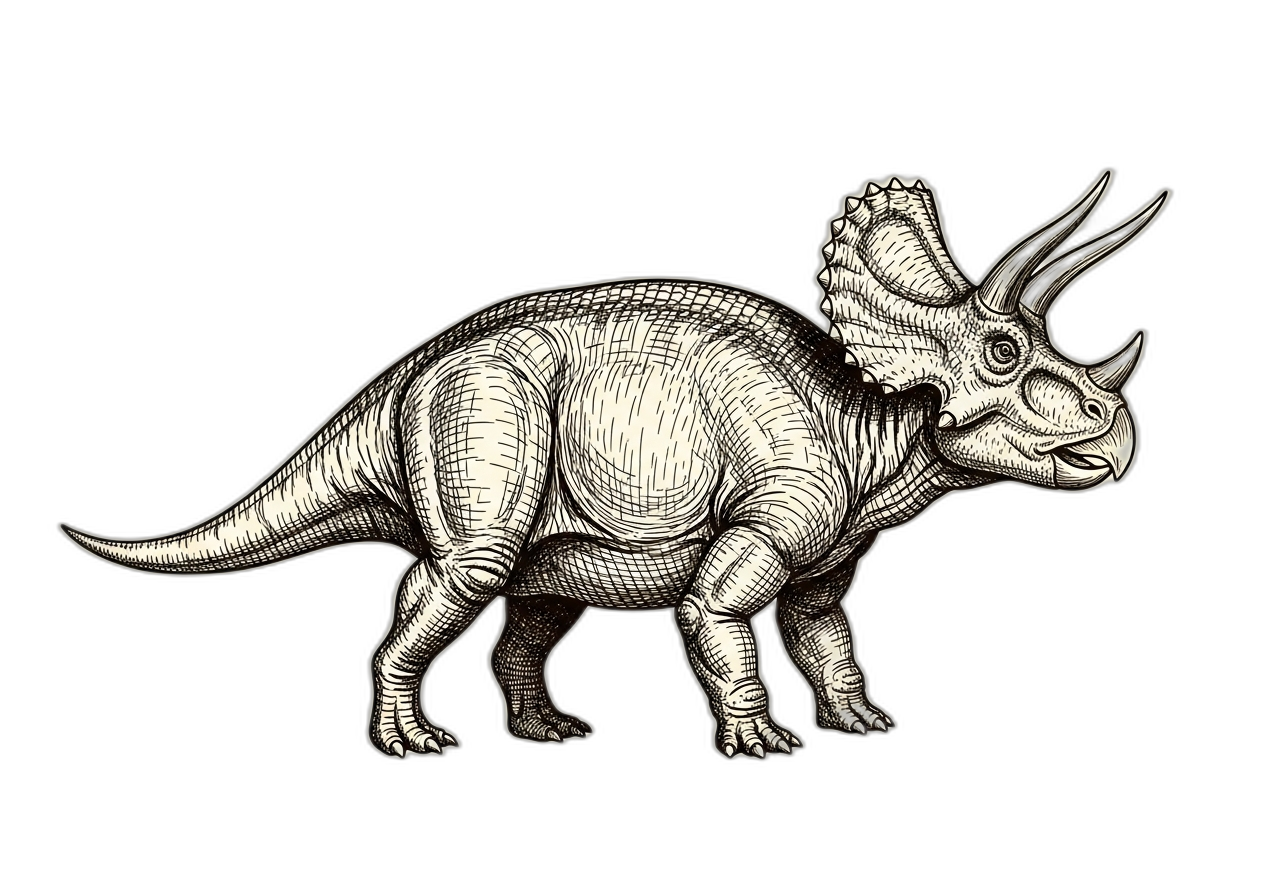
Triceratops
Triceratops horridus
Both species lived in the final 2 million years of the Cretaceous in North America.
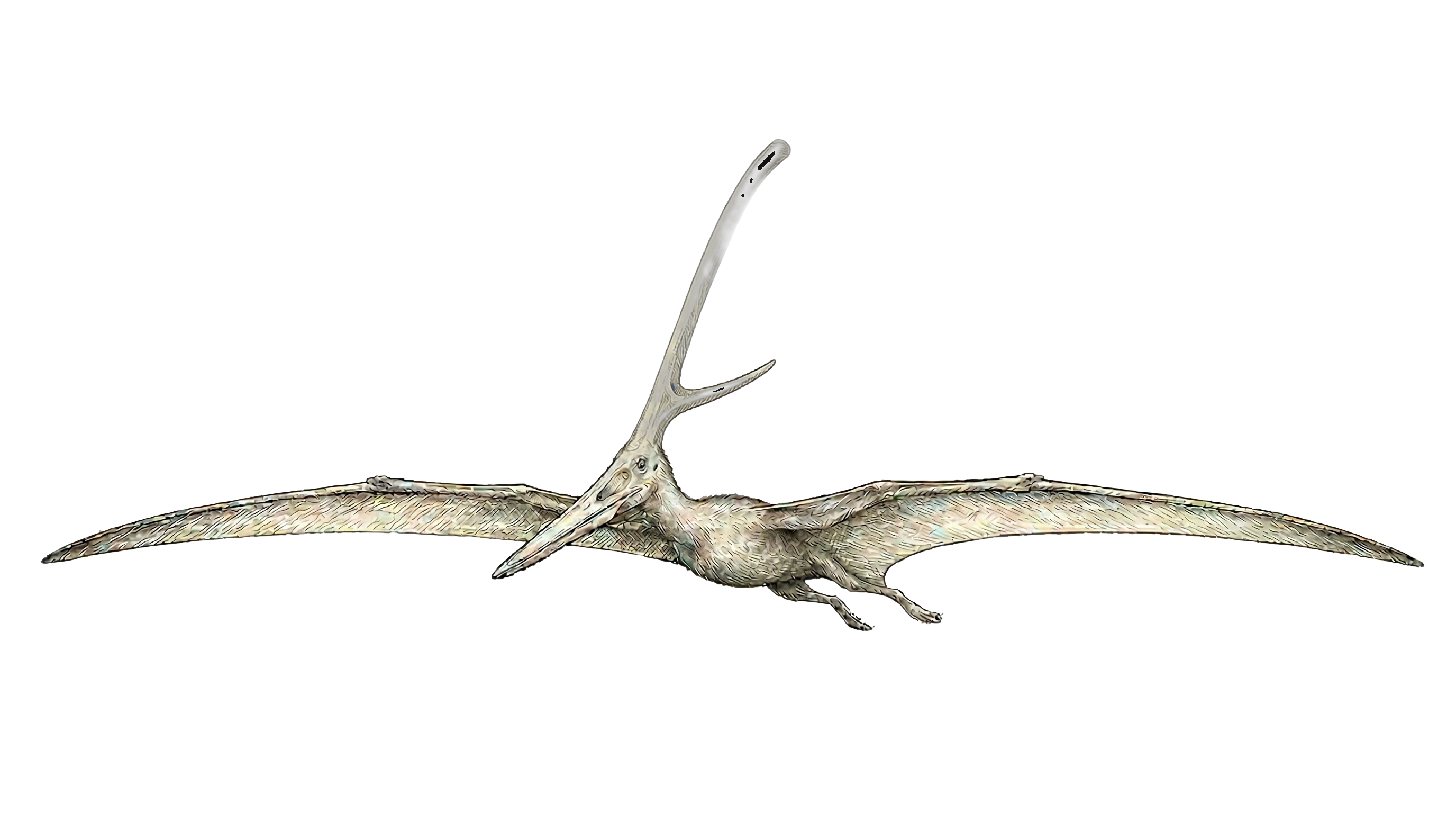
Night Lizard
Nyctosaurus gracilis
Both represent Late Cretaceous pterodactyloids that achieved specialized soaring adaptations and reduced or lost teeth.
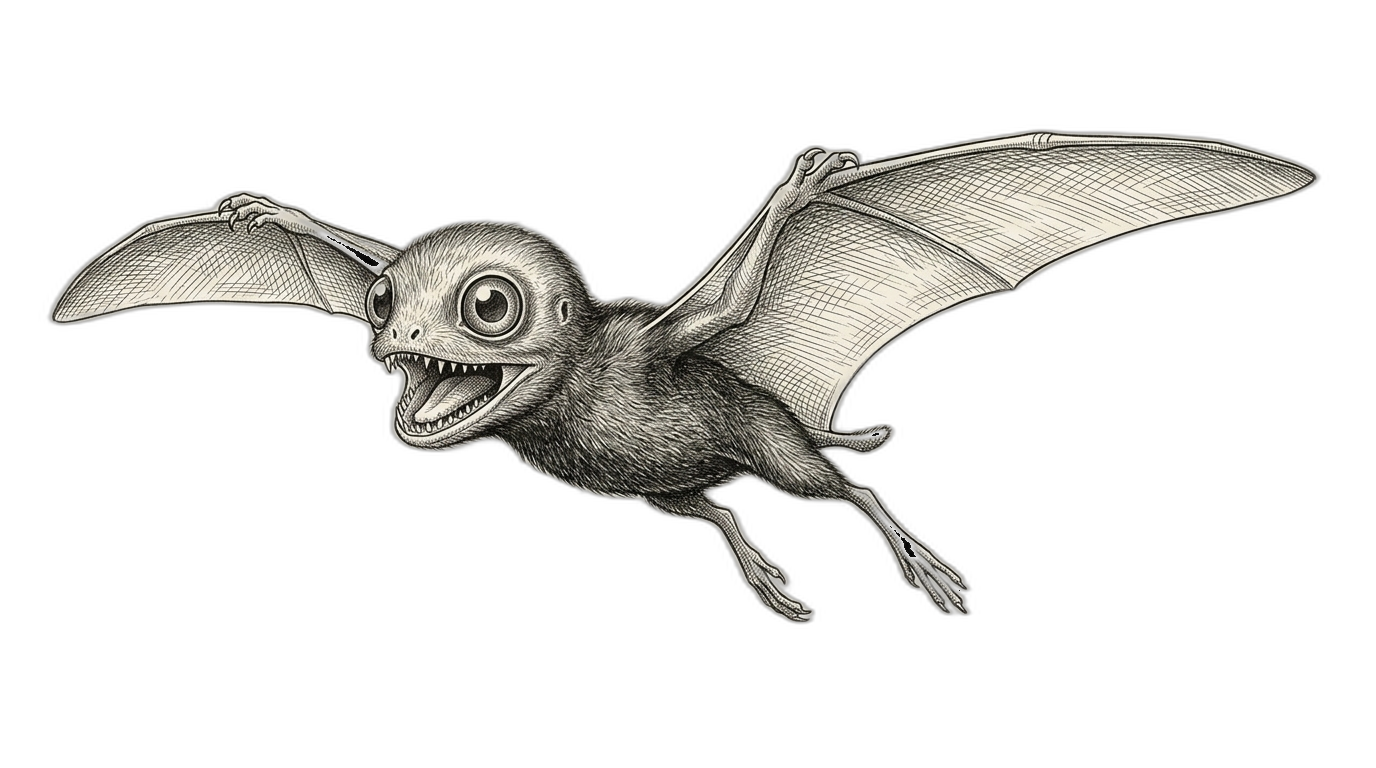
Anurognathus
These species represent the extreme ends of pterosaur size evolution—Anurognathus as a tiny insectivorous form and Quetzalcoatlus as the largest flying animal ever.