About
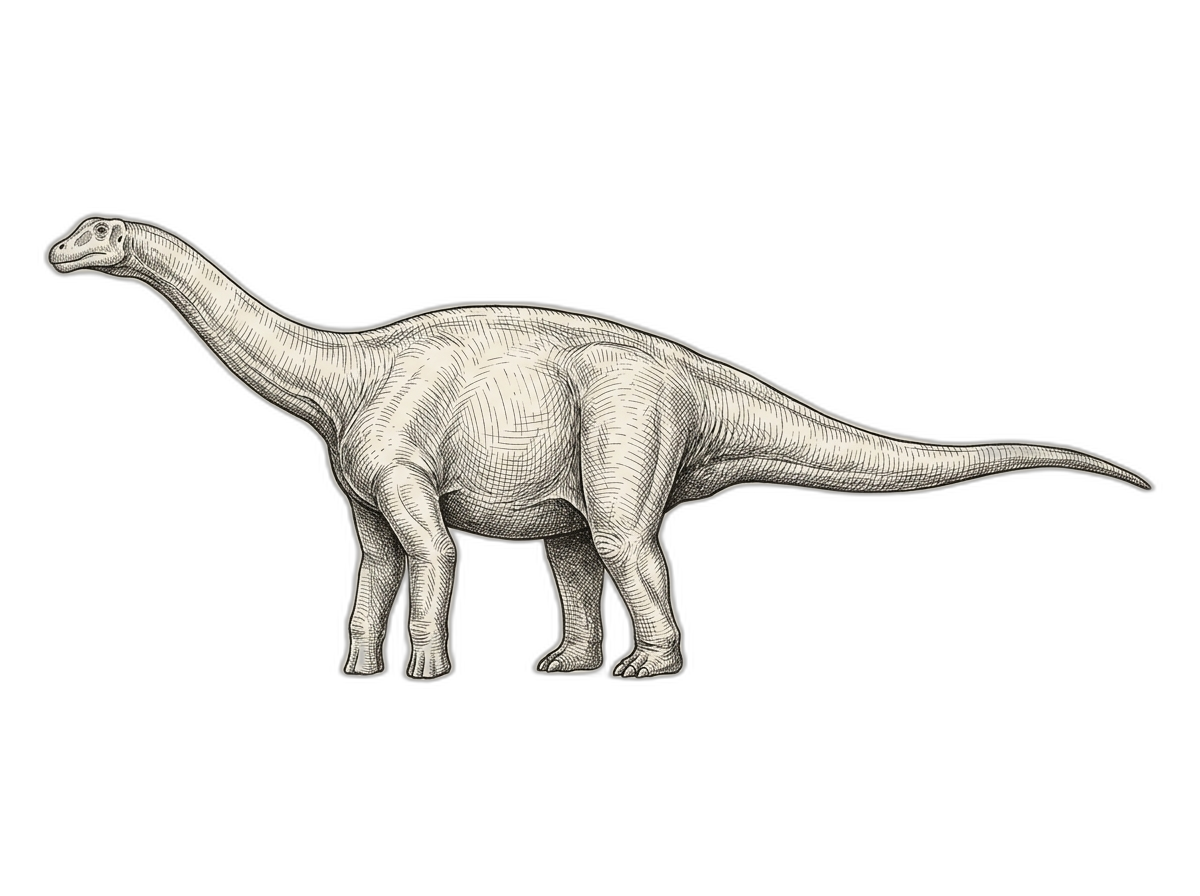
Cetiosaurus oxoniensis represents a pivotal chapter in paleontological history as one of the earliest dinosaurs to be scientifically recognized. This massive herbivore roamed the subtropical floodplains and river systems of what is now Oxfordshire, England, during the Middle Jurassic period approximately 167 million years ago. Growing to lengths of around 16 meters and weighing an estimated 11 tonnes, Cetiosaurus possessed the characteristic sauropod body plan: a small head, elongated neck, barrel-shaped torso supported by pillar-like limbs, and a long counterbalancing tail. Its featured relatively simple, solid construction compared to the highly pneumaticized bones of later sauropods, marking it as a more basal member of the group. The limbs were robust and columnar, adapted for supporting immense weight rather than speed. Cetiosaurus likely fed on cycads, ferns, and conifers that dominated Jurassic forests, using its long neck to browse vegetation at various heights. The discovery of multiple partial skeletons from Oxfordshire's Taynton Limestone and Forest Marble formations has provided crucial insights into early sauropod evolution. Richard Owen's initial classification as a marine reptile in 1841 reflects the primitive understanding of dinosaurs at that time—the very term '' was only coined by Owen the following year. Today, Cetiosaurus serves as the type genus for the family Cetiosauridae and remains fundamental to understanding how sauropods diversified during the Jurassic.
Where Whale Lizard Roamed
During the Middle Jurassic, *Cetiosaurus oxoniensis* inhabited the warm, subtropical islands and coastal lowlands of what is now Europe, then a fragmented archipelago situated along the northern margins of the ancient Tethys Sea, where shallow marine waters lapped against lush, fern-covered floodplains teeming with life.
Keep exploring the vault
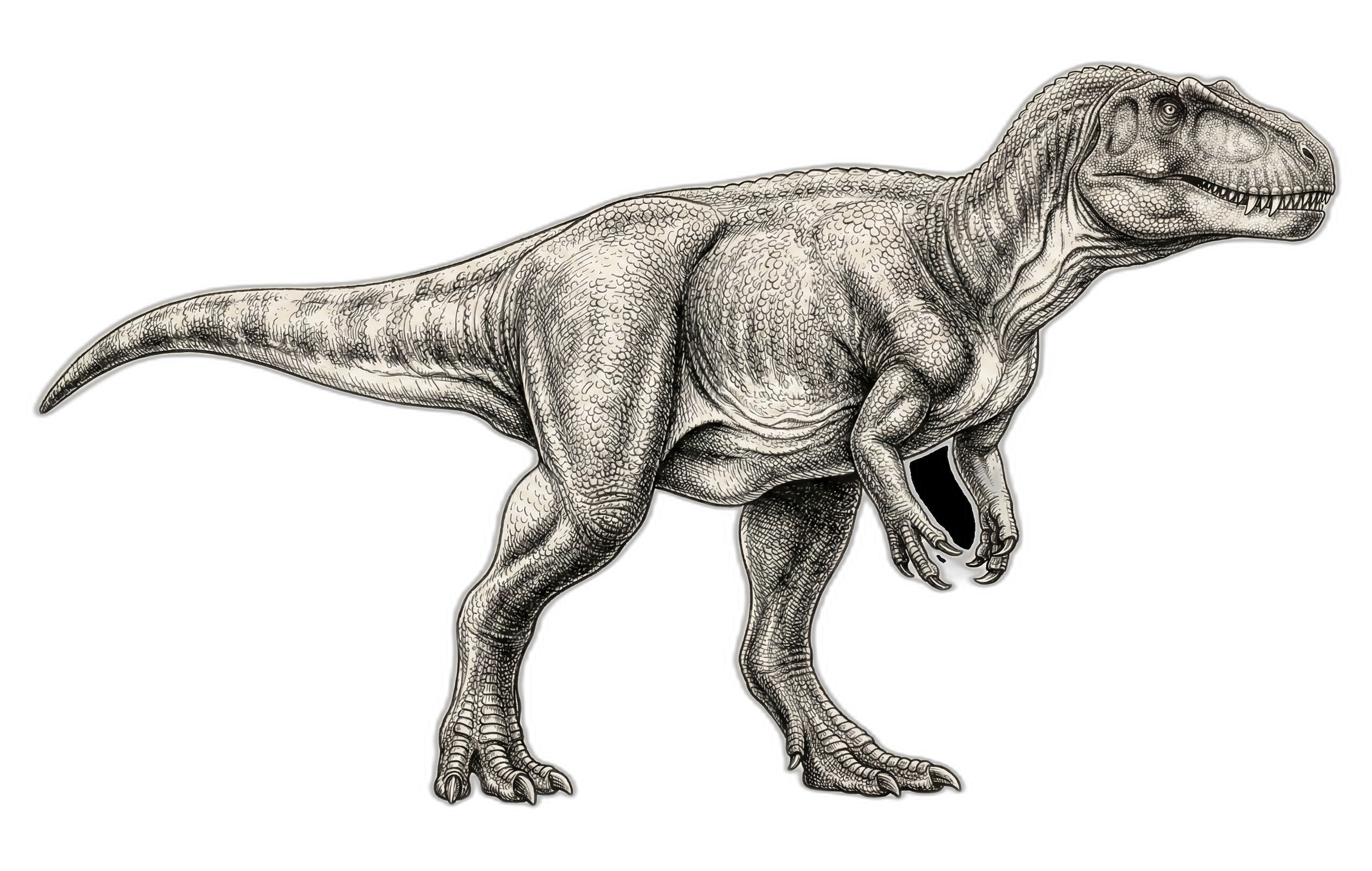
Megalosaurus
Megalosaurus bucklandii
Megalosaurus is known from the Middle Jurassic of England (Bathonian stage), overlapping temporally and geographically with Cetiosaurus oxoniensis.
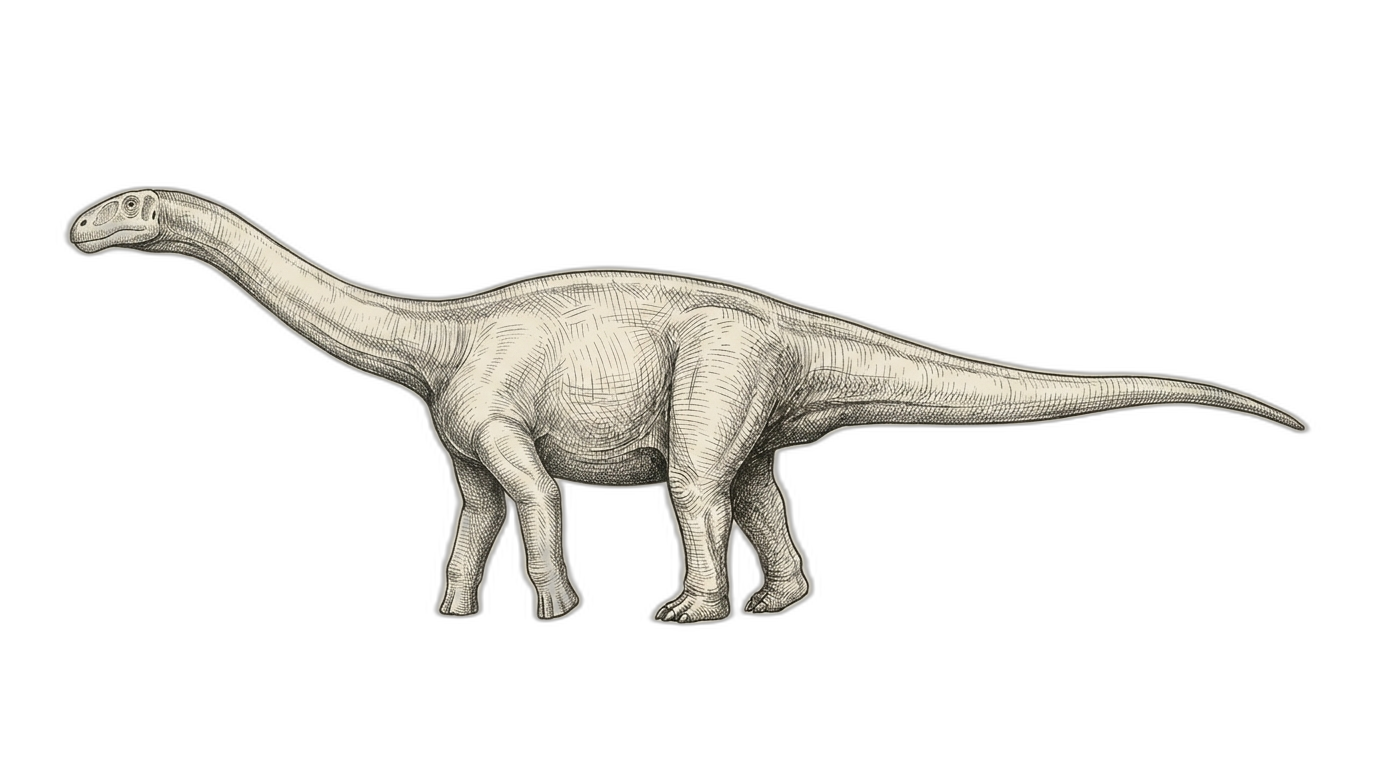
Vulcanodon
Vulcanodon from the Early Jurassic of Zimbabwe represents a basal sauropod form that predates Cetiosaurus.
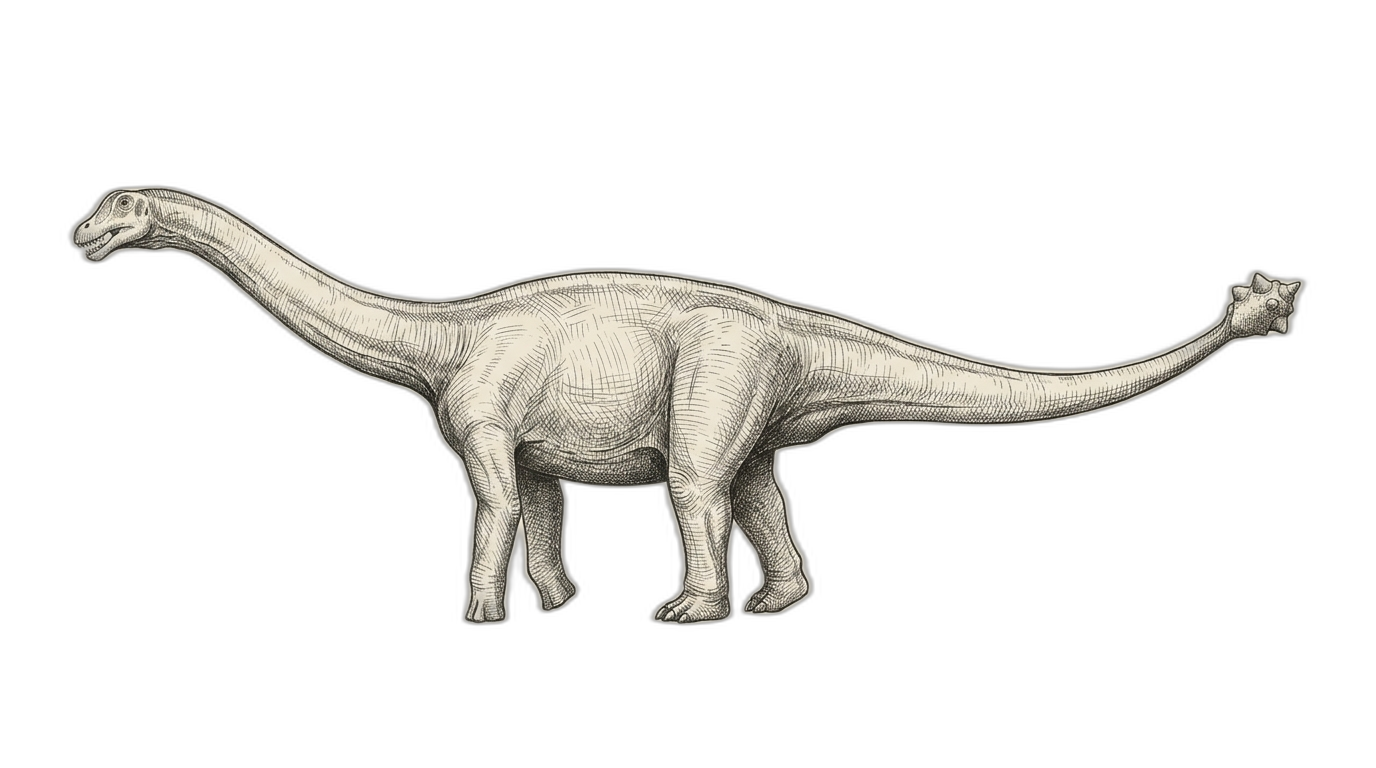
Shu Lizard
Shunosaurus lii
Both Cetiosaurus and Shunosaurus are Middle Jurassic sauropods representing early experiments in sauropod gigantism.
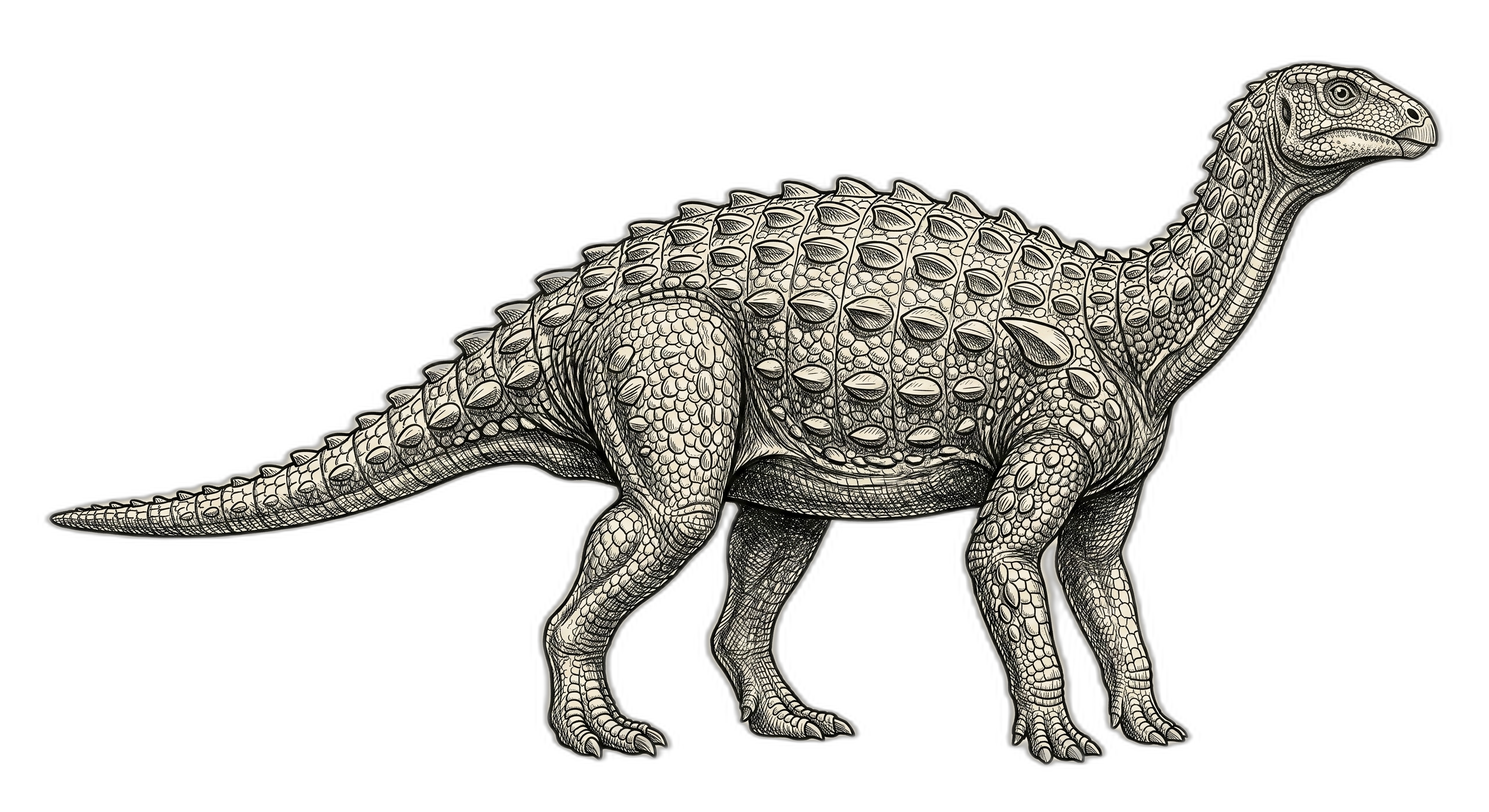
Scelidosaurus
Scelidosaurus harrisonii
Scelidosaurus is from the Early Jurassic of England (Sinemurian-Pliensbachian), slightly earlier than Cetiosaurus but representing armored dinosaurs in the same general British Jurassic ecosystem lineage.
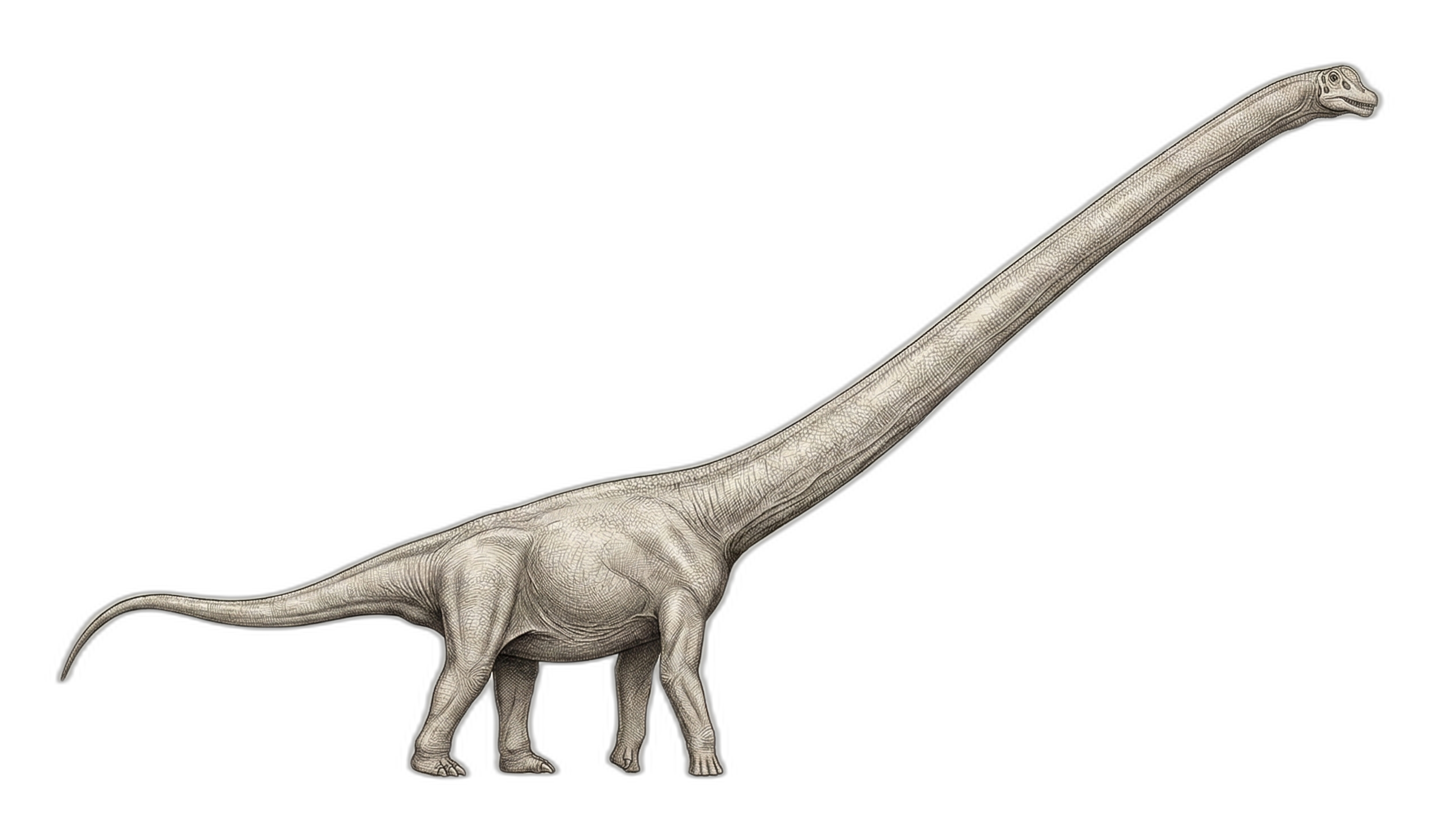
Mamenchisaurus
Mamenchisaurus sinocanadorum
Both Cetiosaurus and Mamenchisaurus represent Middle-Late Jurassic sauropods exploring large body size, though Mamenchisaurus developed extreme neck elongation while Cetiosaurus retained more moderate proportions.
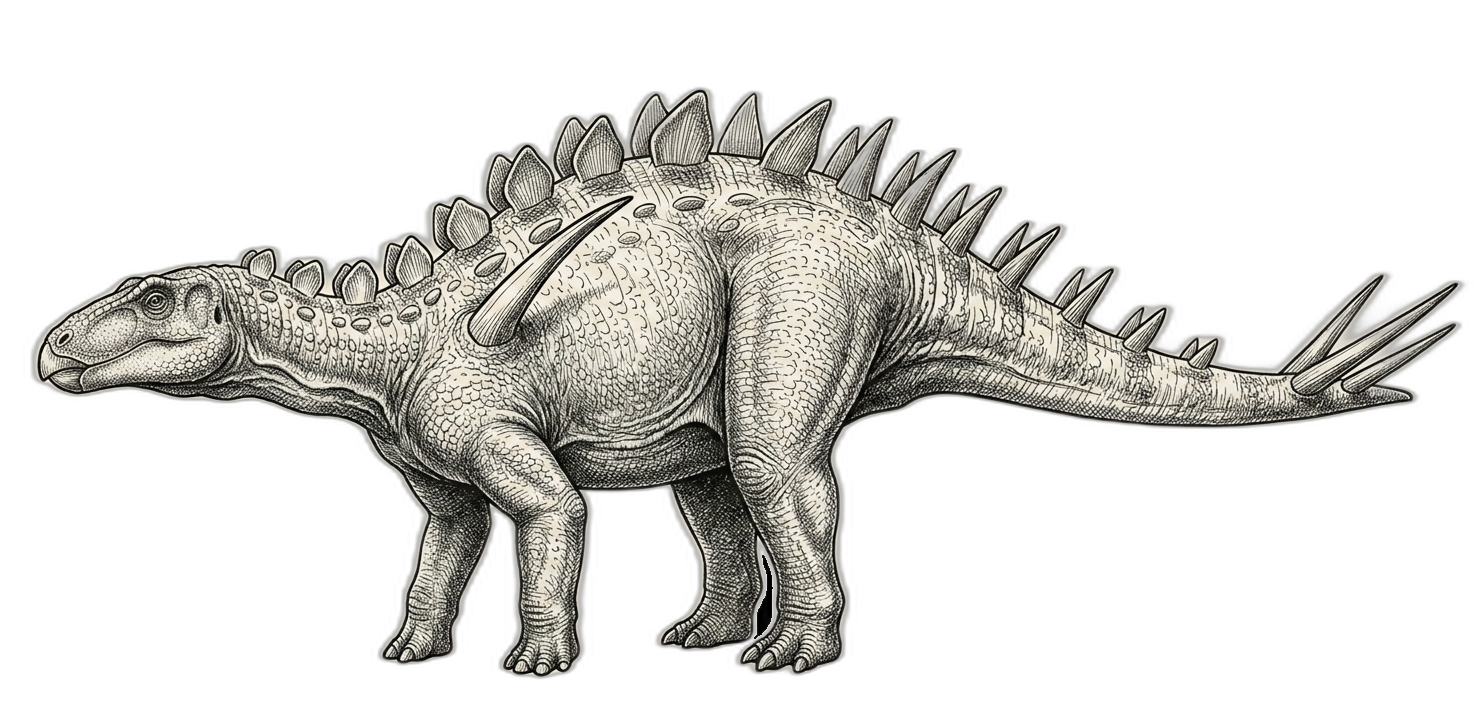
Huayangosaurus
Huayangosaurus taibaii
Huayangosaurus (Middle Jurassic China) and Cetiosaurus (Middle Jurassic England) represent the parallel diversification of large herbivorous dinosaurs during this period - stegosaurs and sauropods independently filling megaherbivore niches across Pangaea.