About
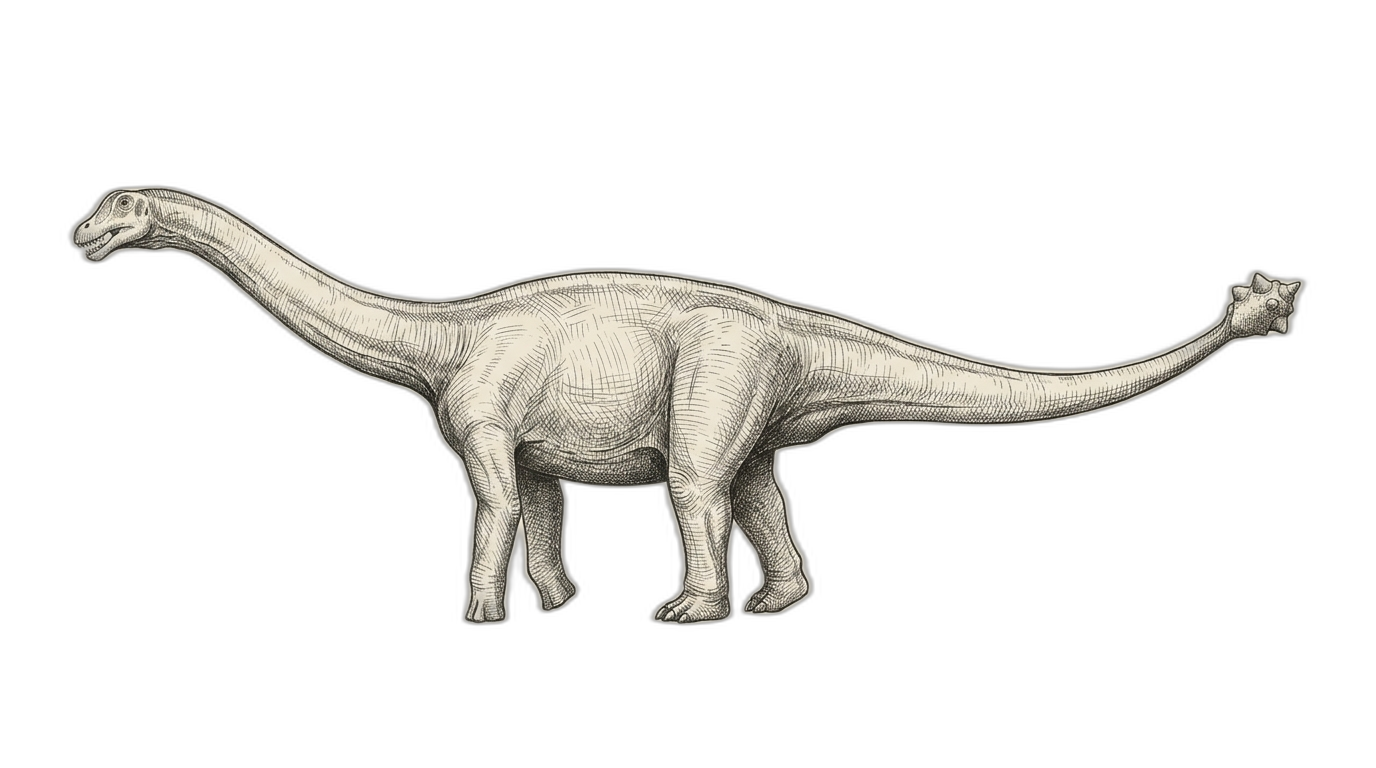
Shunosaurus lii was a medium-sized that inhabited the lush floodplains and forests of Middle Jurassic China approximately 165 million years ago. Unlike the colossal sauropods of later periods, Shunosaurus reached modest proportions of around 9-11 meters in length, with a relatively short neck containing only 12 cervical —fewer than most of its long-necked relatives. Its skull was robust and spatulate, equipped with spoon-shaped teeth well-suited for stripping vegetation from cycads, ferns, and conifers that dominated its subtropical ecosystem.
The most striking feature of Shunosaurus was its defensive —a bony mass formed from enlarged vertebrae at the tail's end, adorned with two pairs of spikes. This remarkable , convergently evolved with ankylosaurs and some other sauropods like Mamenchisaurus, likely served to deter predators such as the theropods that shared its habitat. The discovery of this club only came in 1989, years after the initial description, when more complete specimens were unearthed.
Excavations at the Dashanpu Quarry near Zigong, Sichuan Province, have yielded an extraordinary wealth of Shunosaurus material, including multiple complete skeletons representing various growth stages. This abundance makes Shunosaurus one of the best-understood sauropods in terms of anatomy and individual variation. The Zigong Dinosaur Museum, built directly over the excavation site, showcases numerous mounted specimens, offering visitors an unparalleled glimpse into the anatomy and biology of these ancient giants.
Where Shu Lizard Roamed
During the Middle Jurassic, Shunosaurus lii inhabited the lush floodplains and river systems of the Sichuan Basin in what is now south-central China, then part of the eastern margin of the vast Asian landmass bordering the ancient Tethys Sea. This warm, humid region supported dense forests of conifers, ferns, and cycads, creating an ideal habitat for herds of these club-tailed sauropods.
Keep exploring the vault
Yangchuanosaurus
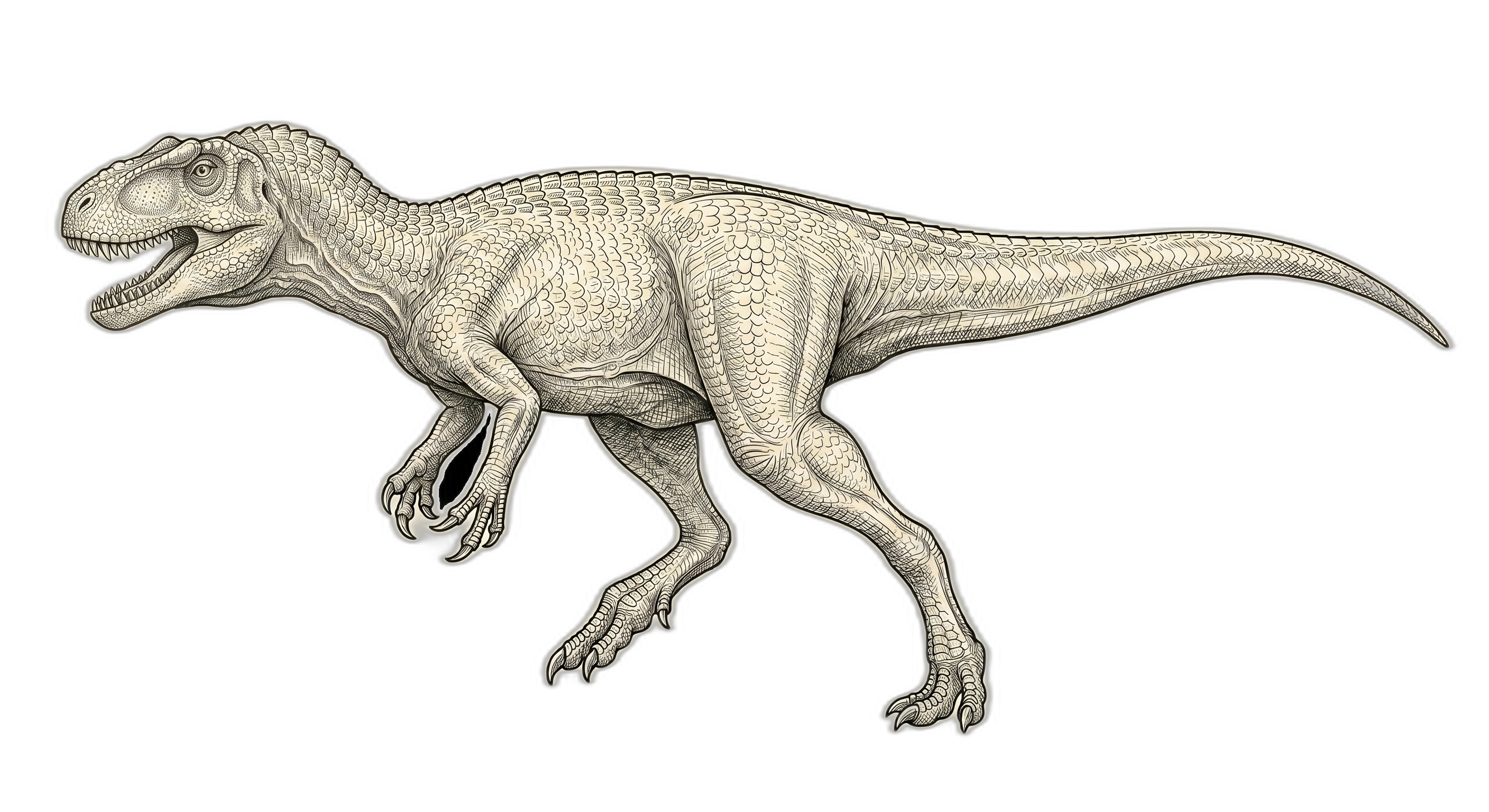
Yangchuanosaurus shangyouensis
Yangchuanosaurus was a large theropod (up to 10m) from the Middle-Late Jurassic of China, contemporaneous with Shunosaurus in the Sichuan Basin.
Huayangosaurus
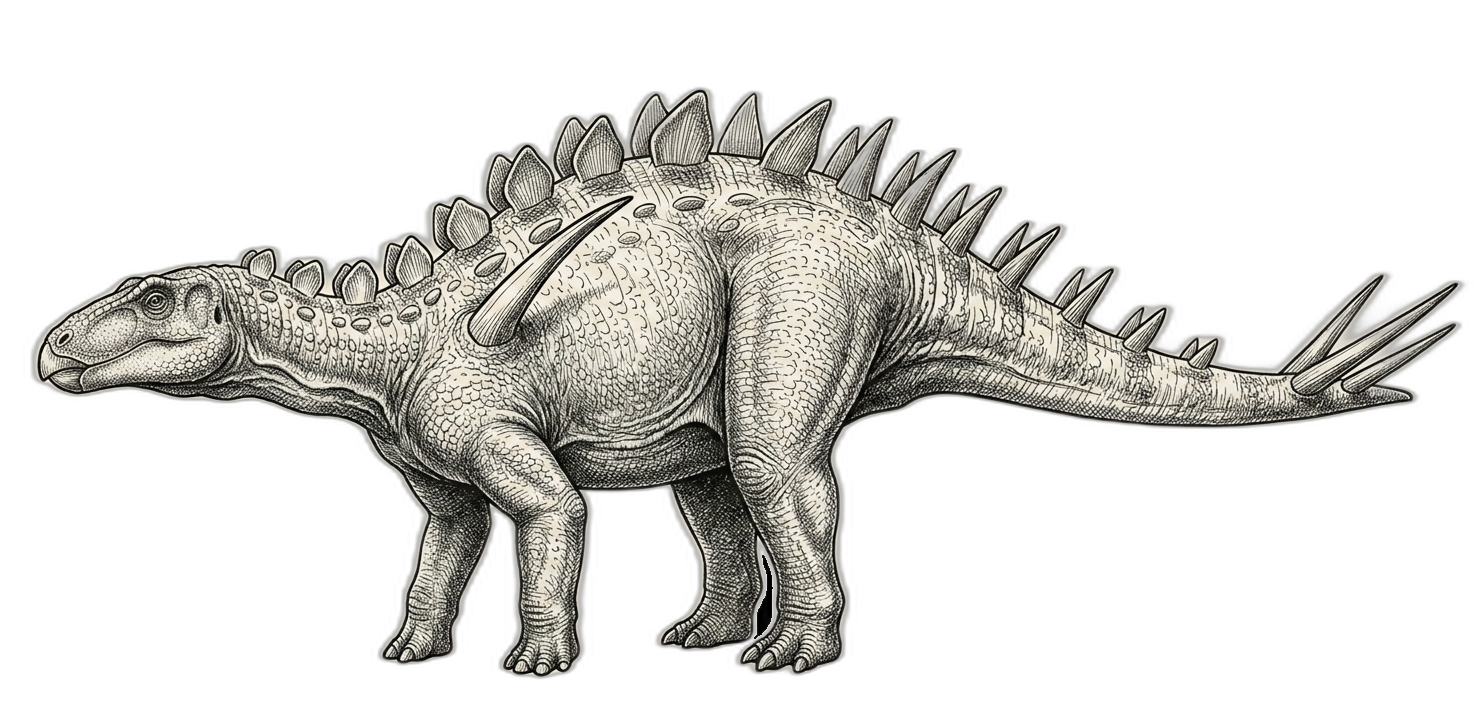
Huayangosaurus taibaii
Huayangosaurus was a stegosaur from the same Dashanpu Formation (Xiashaximiao Formation) of Middle Jurassic China.
Vulcanodon
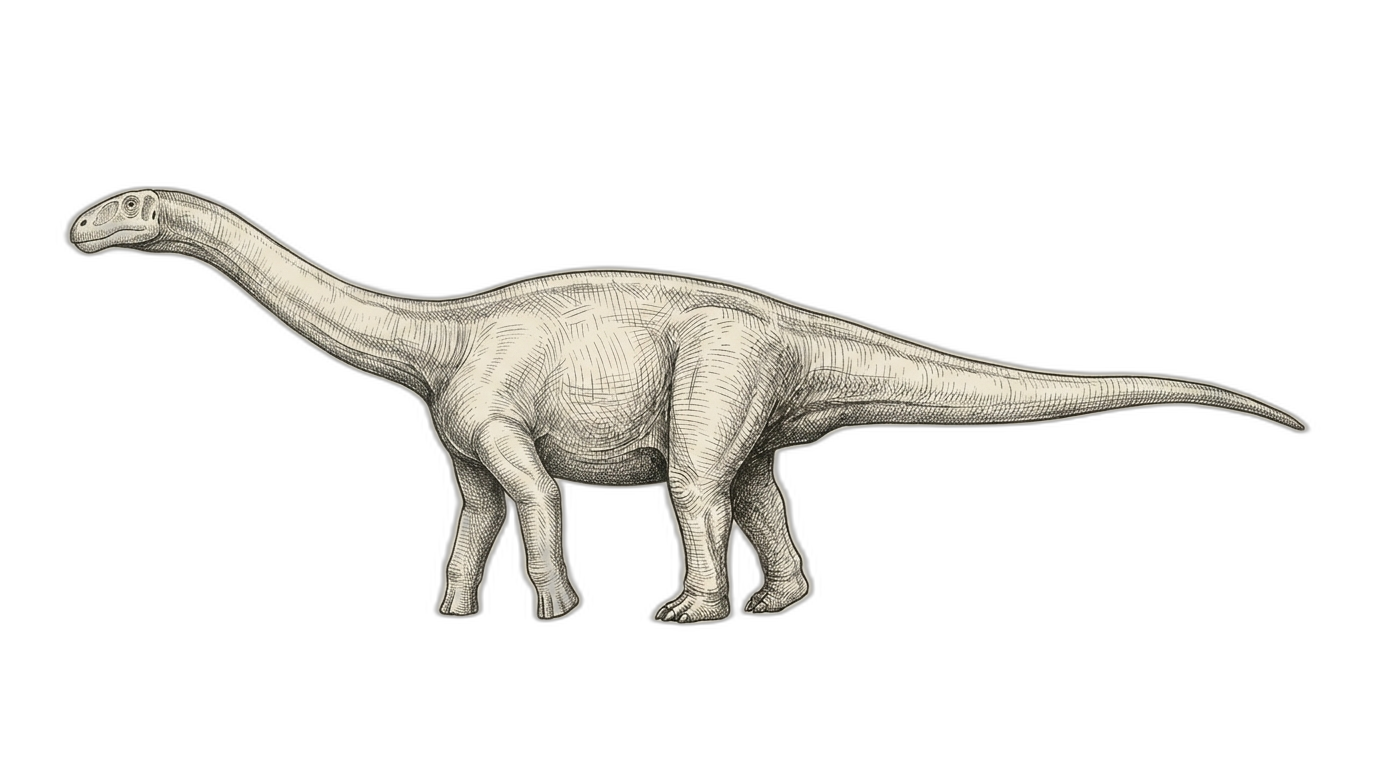
Vulcanodon is one of the earliest known true sauropods, and Shunosaurus from the Middle Jurassic represents a more derived sauropod that evolved from basal forms like Vulcanodon.
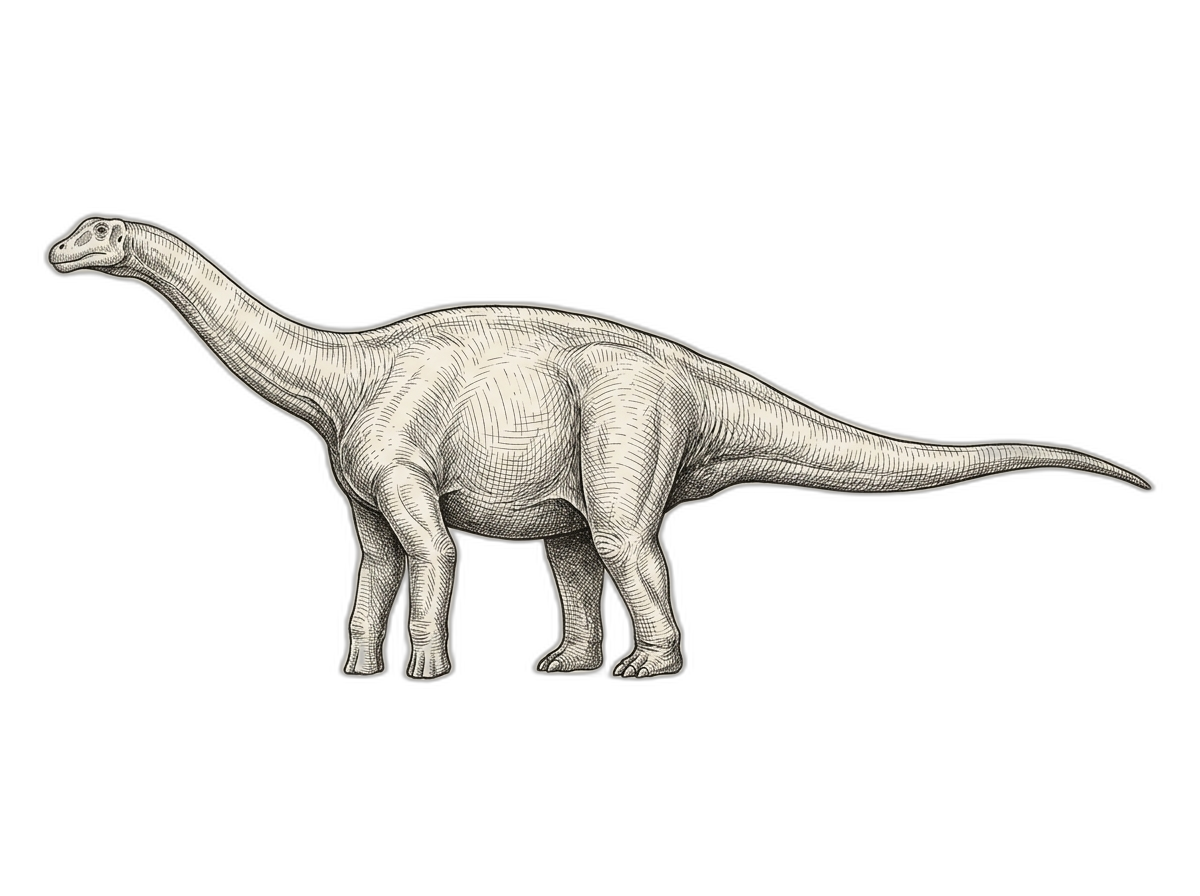
Whale Lizard
Cetiosaurus oxoniensis
Both Shunosaurus and Cetiosaurus represent early-to-middle Jurassic sauropods that retained relatively primitive features compared to later neosauropods.
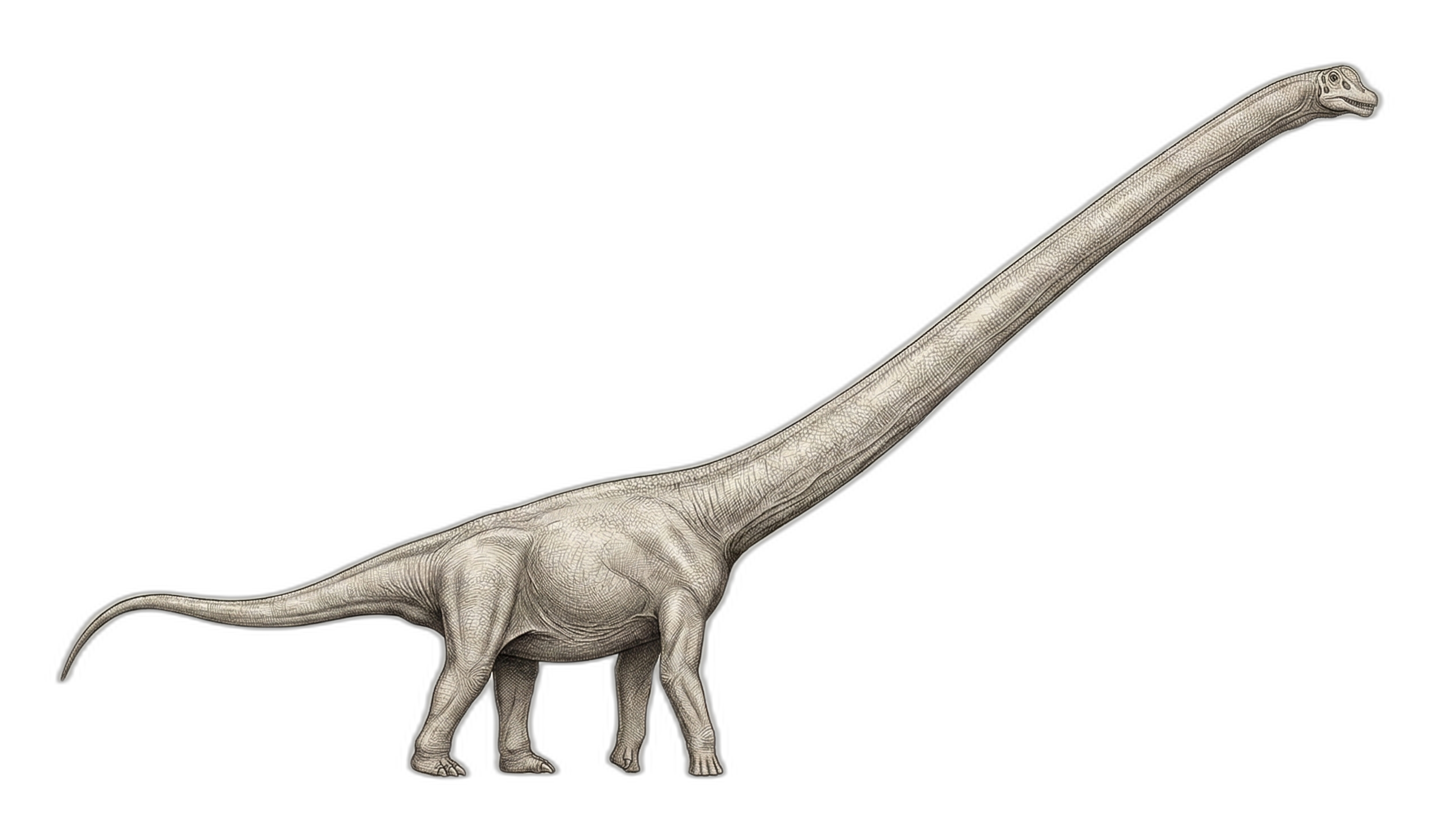
Mamenchisaurus
Mamenchisaurus sinocanadorum
Mamenchisaurus lived in the same Middle-Late Jurassic Chinese formations as Shunosaurus.
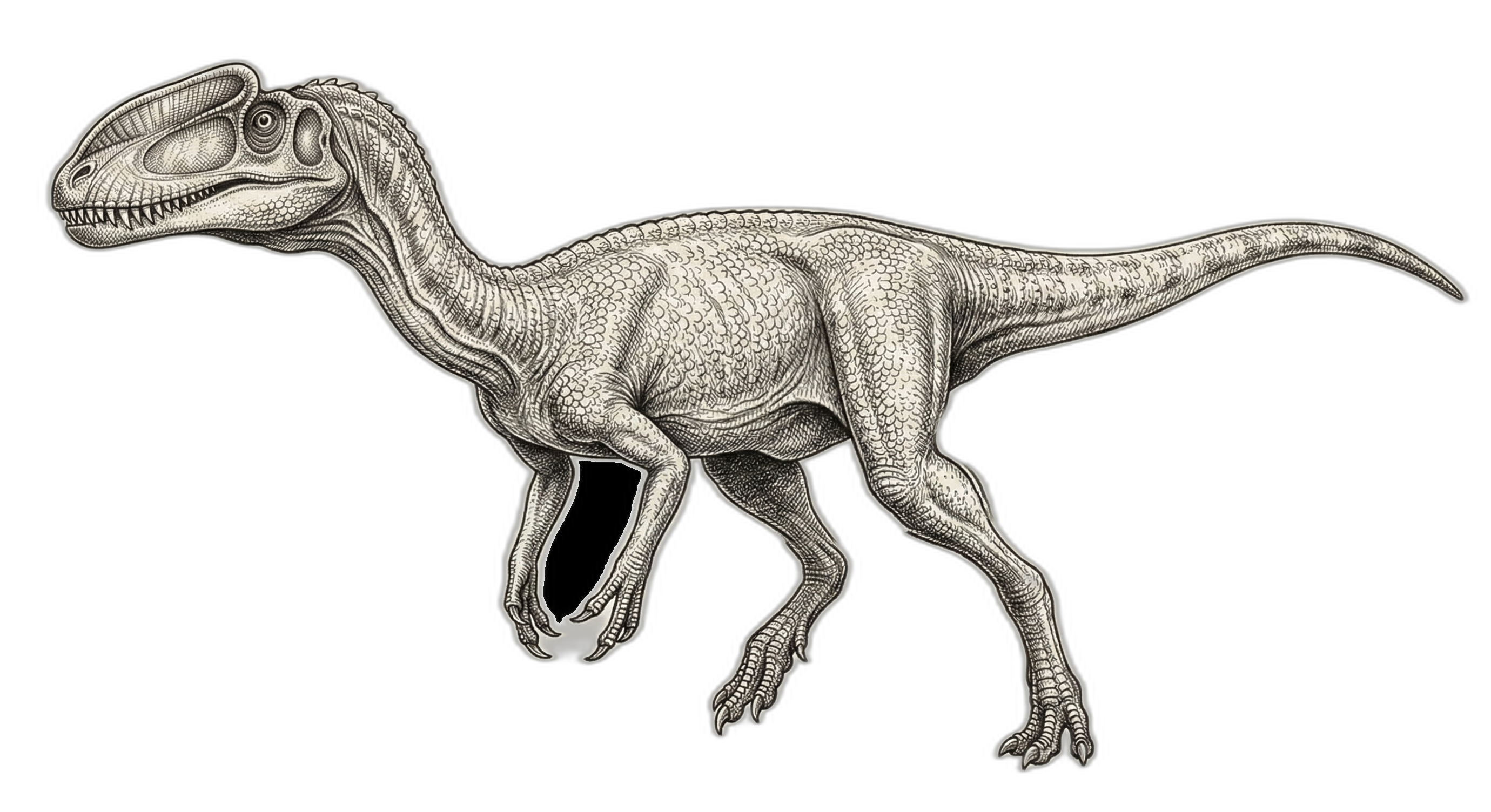
Monolophosaurus
Monolophosaurus jiangi
Monolophosaurus was a medium-sized theropod from Middle Jurassic China, potentially overlapping in time and region with Shunosaurus.