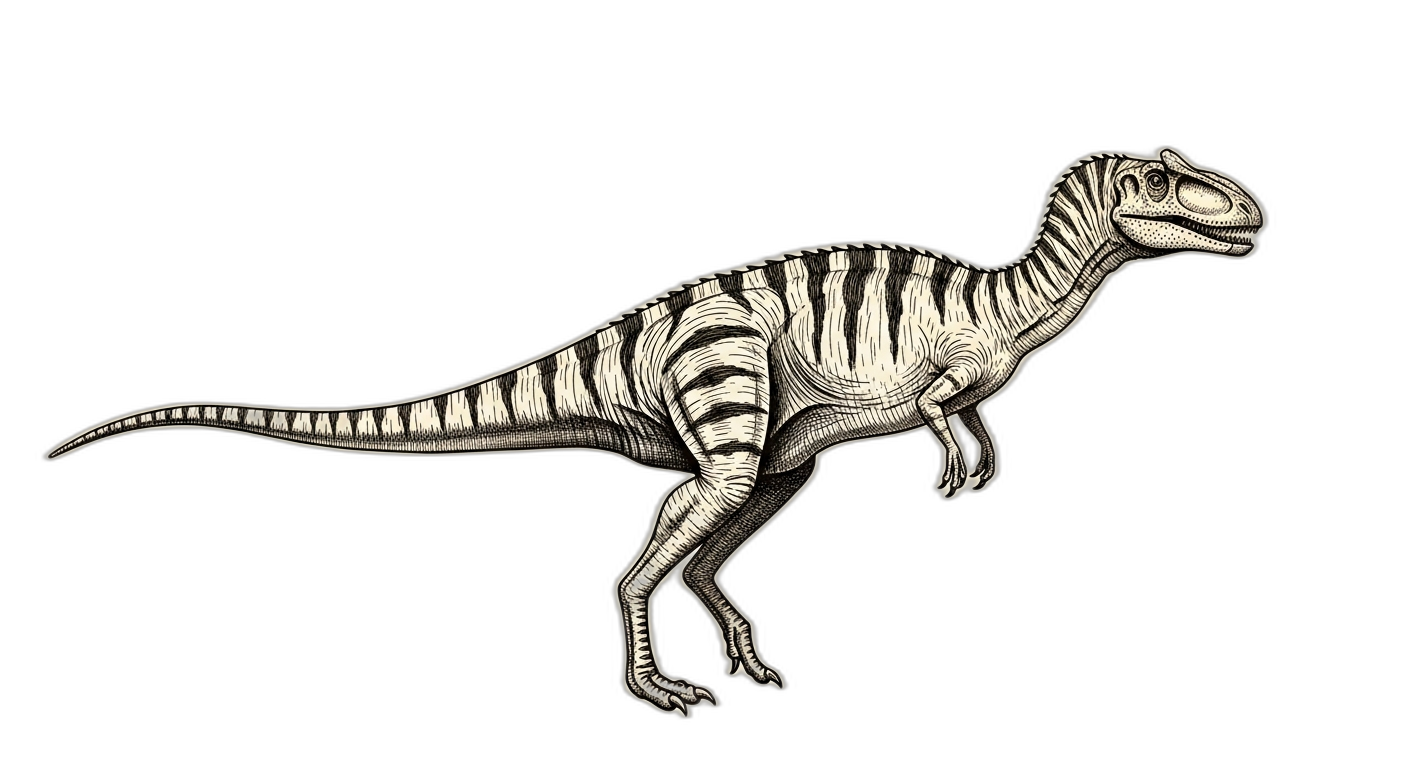
About
Coelophysis was a lightweight, agile that prowled the arid landscapes of Late Triassic North America between 215 and 201 million years ago. Built for speed rather than power, this early dinosaur possessed a slender body, long neck, and a narrow skull filled with dozens of small, teeth perfect for catching small prey. Its hollow bones—the very feature that gave it its name, meaning "hollow form"—made it exceptionally light for its size, allowing it to chase down lizards, early mammals, insects, and fish with ease.
The story of Coelophysis is inseparable from Ghost Ranch, New Mexico, where one of the most spectacular dinosaur bonebeds ever discovered was unearthed in 1947. Paleontologist Edwin Colbert led excavations that revealed hundreds, possibly thousands, of Coelophysis skeletons preserved together—individuals of all ages from hatchlings to fully grown adults. This mass death assemblage has provided scientists with an unprecedented window into the growth, variation, and potentially social behavior of an early dinosaur species.
Originally named by Edward Drinker Cope in 1889 from remains found in New Mexico, Coelophysis languished in obscurity until the Ghost Ranch discovery transformed it into one of the best-known Triassic dinosaurs. The exceptional preservation at this site has allowed detailed studies of its anatomy, diet, and even potential cannibalistic behavior—though the evidence for the latter remains debated among paleontologists.
Coelophysis represents the dawn of dinosaur dominance. Living alongside other early dinosaurs, crocodile relatives, and large amphibians, it was part of the ecosystem that would eventually give rise to the great dinosaur lineages of the Jurassic and Cretaceous. Its success across the American Southwest—with fossils found across New Mexico and Arizona—demonstrates that even these early theropods were formidable predators in their world.
Where fossils were found
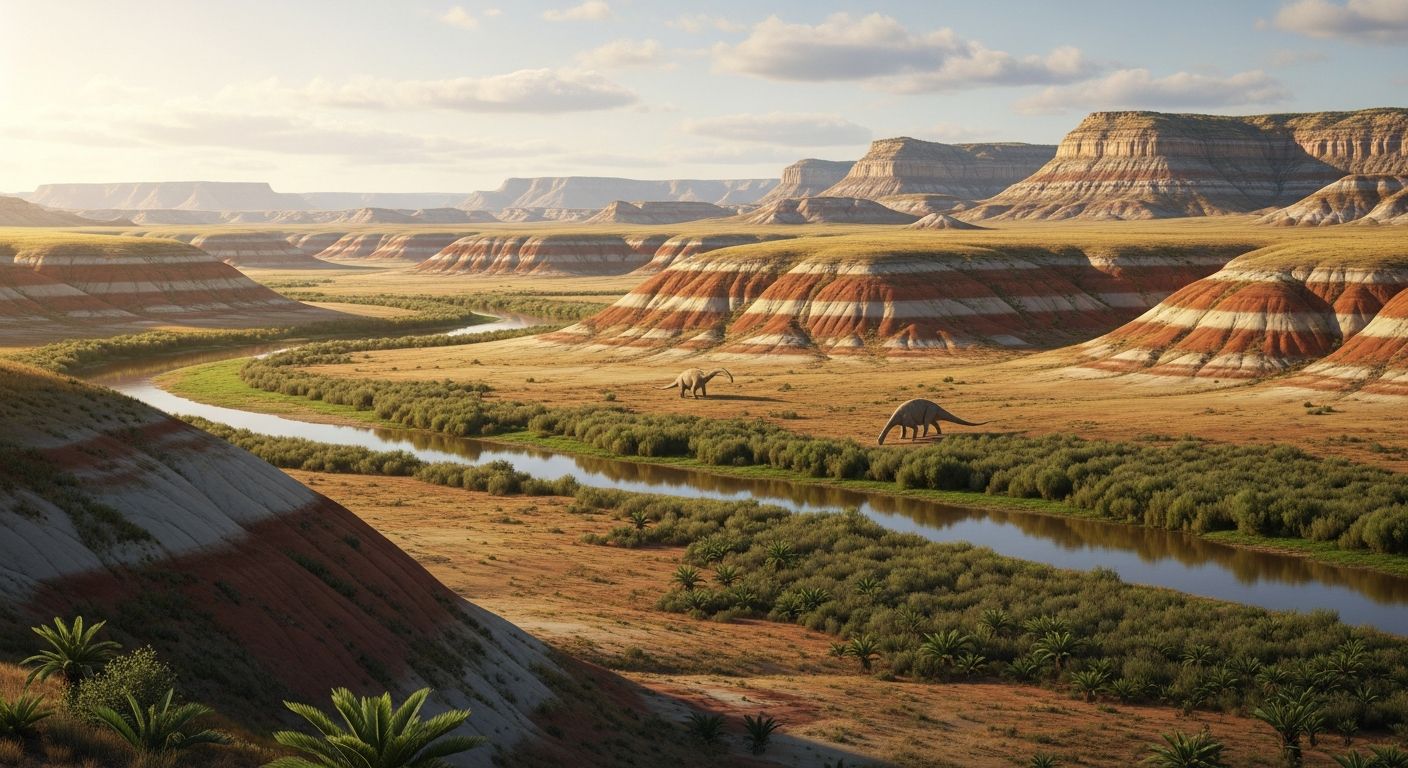
Chinle Formation
Arizona, New Mexico, Utah, Colorado +2 more · United States
205.7–201.4 million years ago(4.3m year span)
Where Coelophysis Roamed
During the Late Triassic, approximately 204 million years ago, *Coelophysis bauri* inhabited the arid and semi-arid landscapes of what is now the American Southwest, then part of the supercontinent Pangaea positioned near the equator. This region featured seasonal monsoons, winding rivers cutting through volcanic highlands, and lush riparian corridors that sustained diverse ecosystems amid an otherwise harsh, drought-prone environment.
Keep exploring the vault
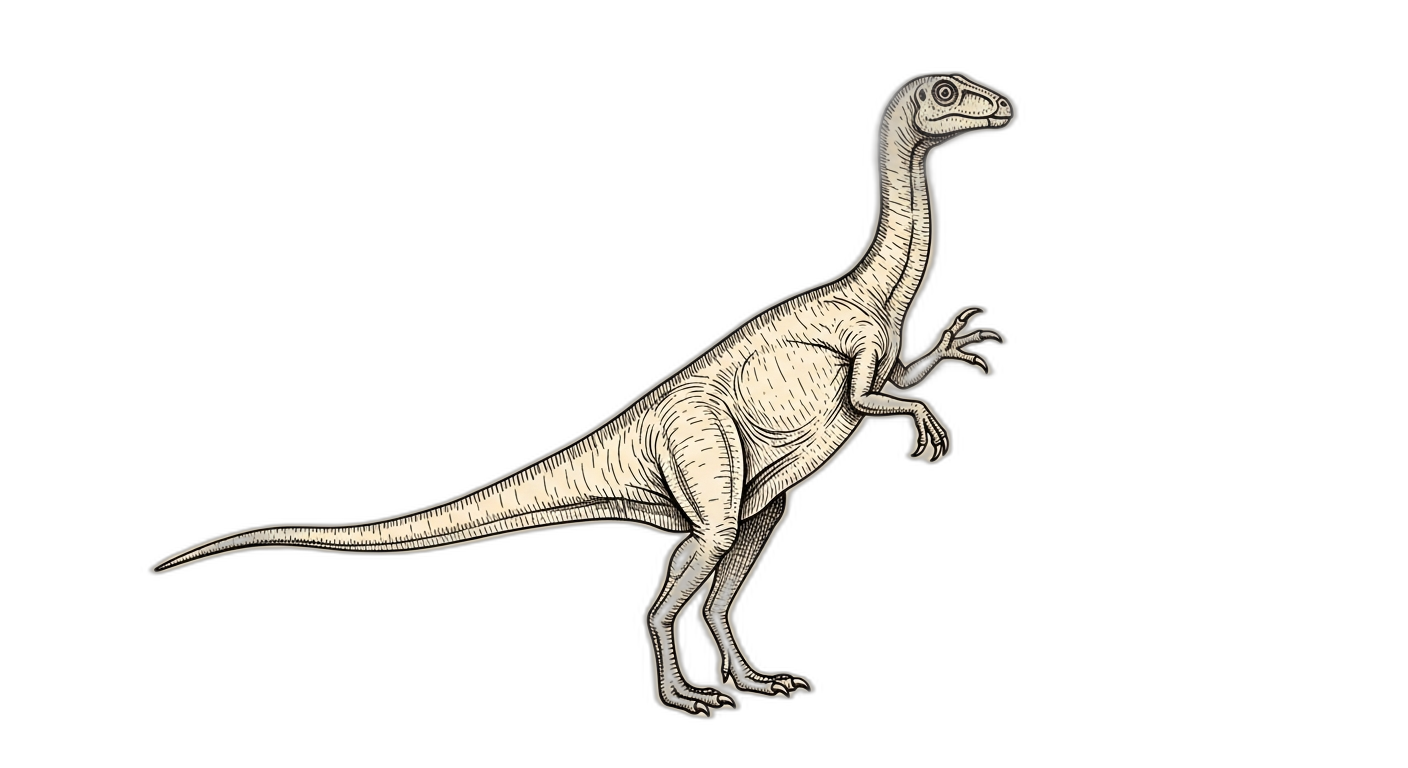
Massospondylus
Massospondylus carinatus
Coelophysis was a swift, agile theropod from the Late Triassic to Early Jurassic that could have preyed on juvenile or sub-adult Massospondylus.
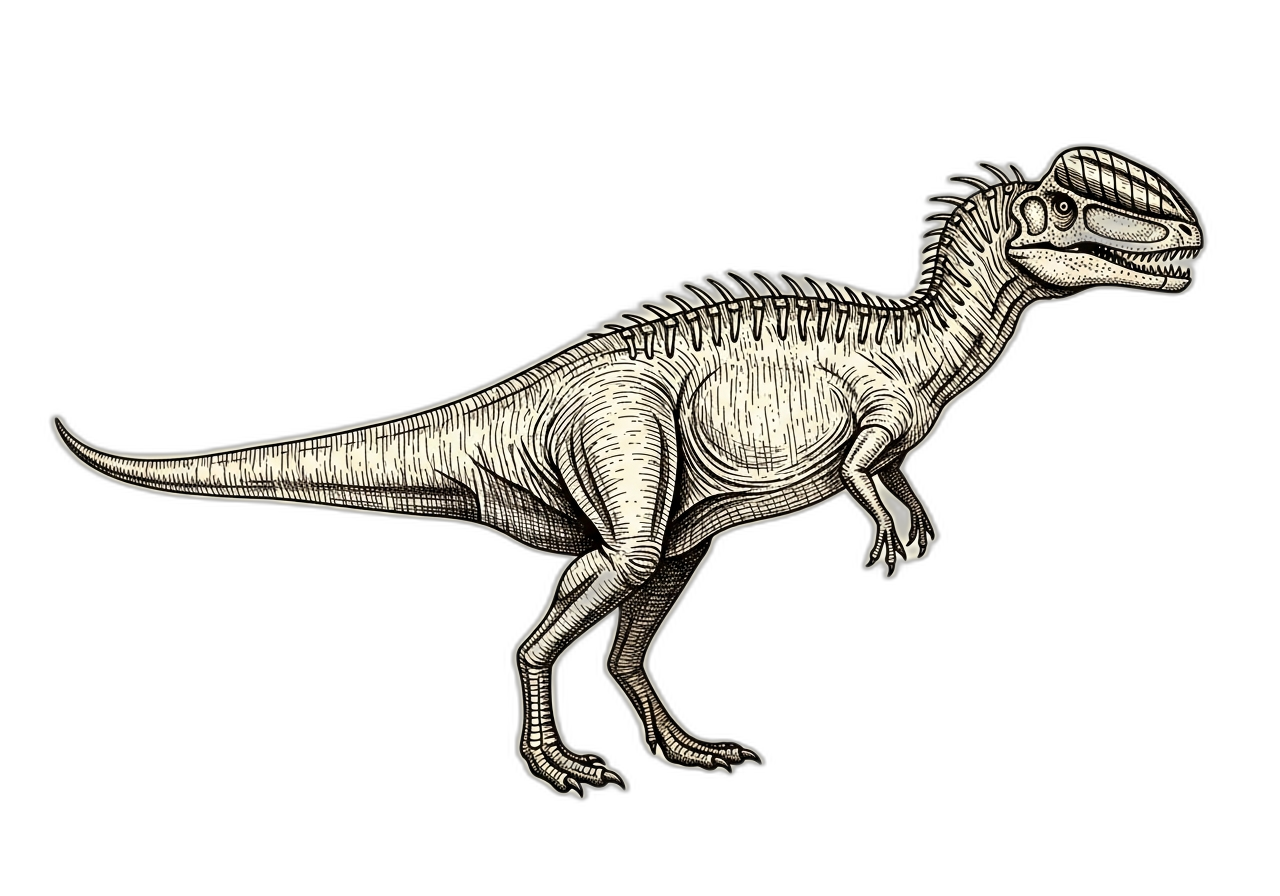
Dilophosaurus
Dilophosaurus wetherilli
Dilophosaurus is an Early Jurassic coelophysoid or close relative, representing the continuation and enlargement of the gracile theropod body plan that Coelophysis exemplified.
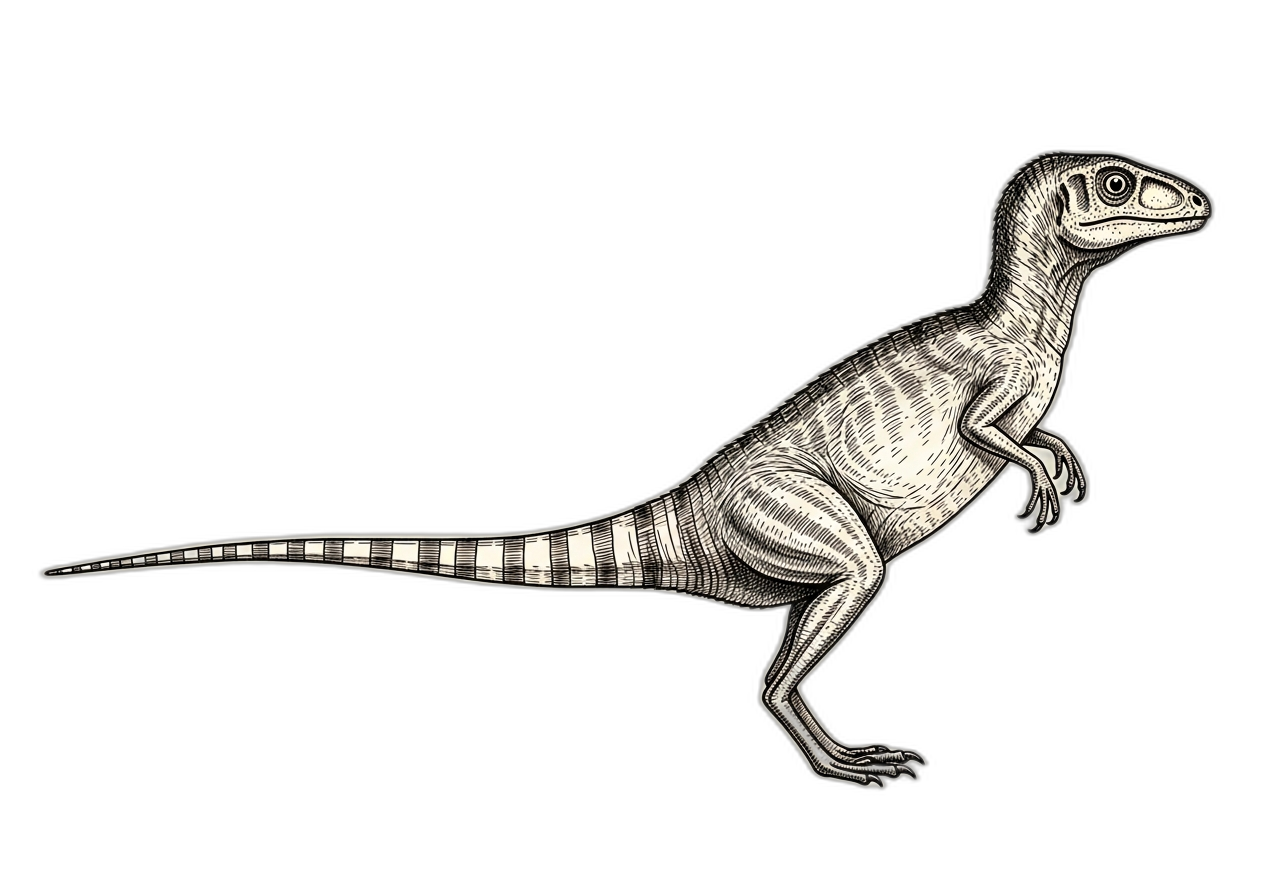
Compsognathus
Compsognathus longipes
Both represent small, gracile, cursorial theropods adapted for hunting small prey.
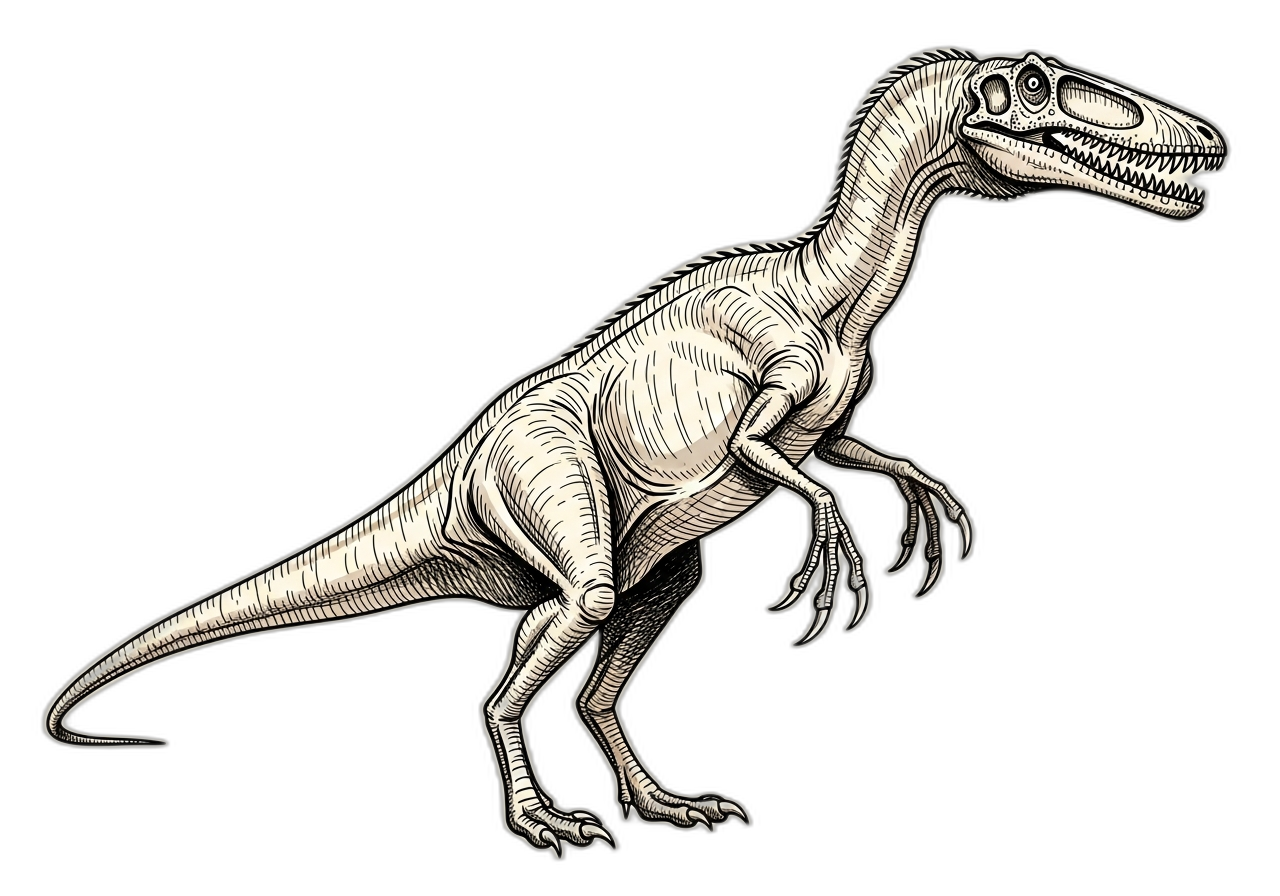
Herrerasaurus
Herrerasaurus ischigualastensis
Both are early Triassic theropods representing the dawn of dinosaur predation, though Herrerasaurus is from the Ischigualasto Formation of Argentina while Coelophysis is from the Chinle Formation of North America.
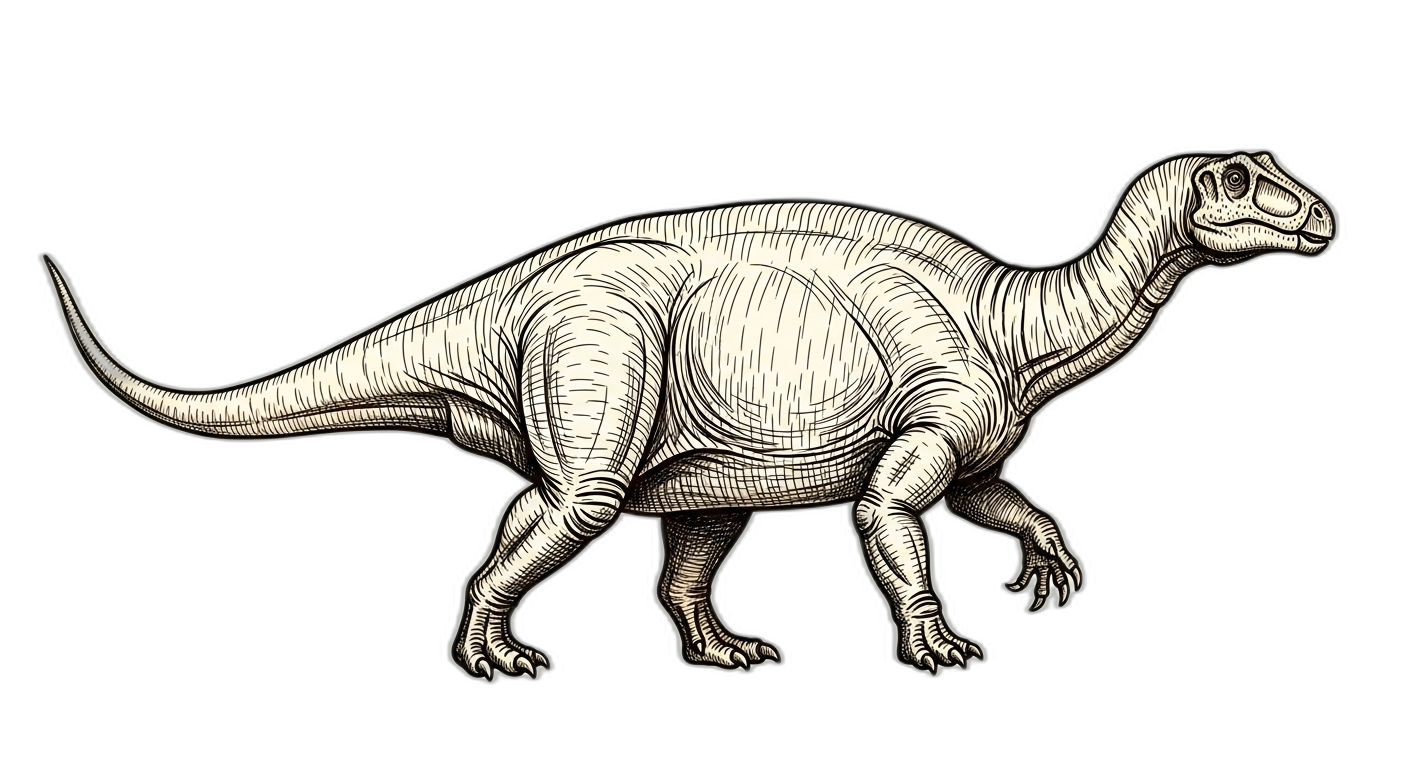
Plateosaurus
Plateosaurus engelhardti
Plateosaurus and Coelophysis were both Late Triassic dinosaurs, with Plateosaurus in Europe and Coelophysis in North America.
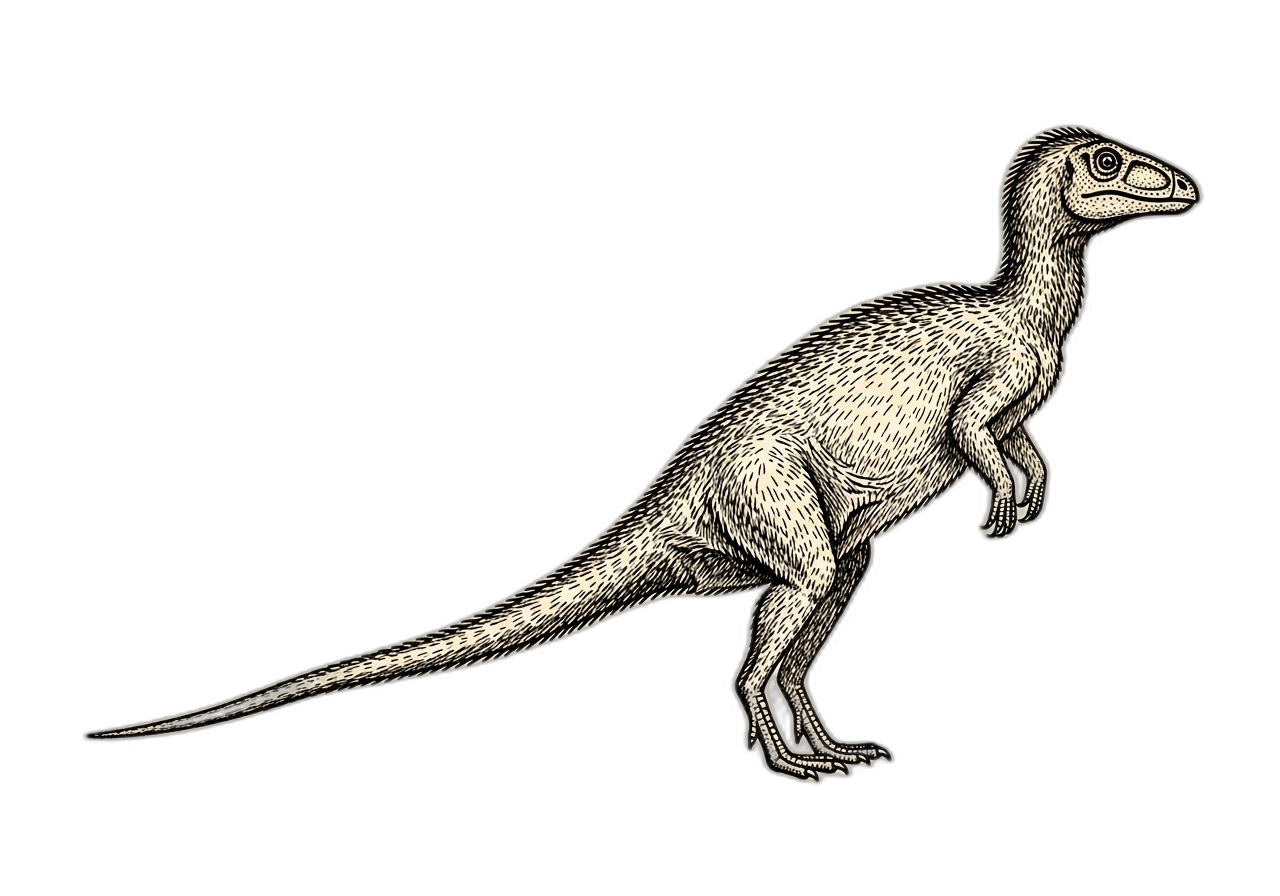
Sinosauropteryx
Sinosauropteryx prima
Both are small compsognathid-grade theropods representing the enduring 'small cursorial predator' niche.