About
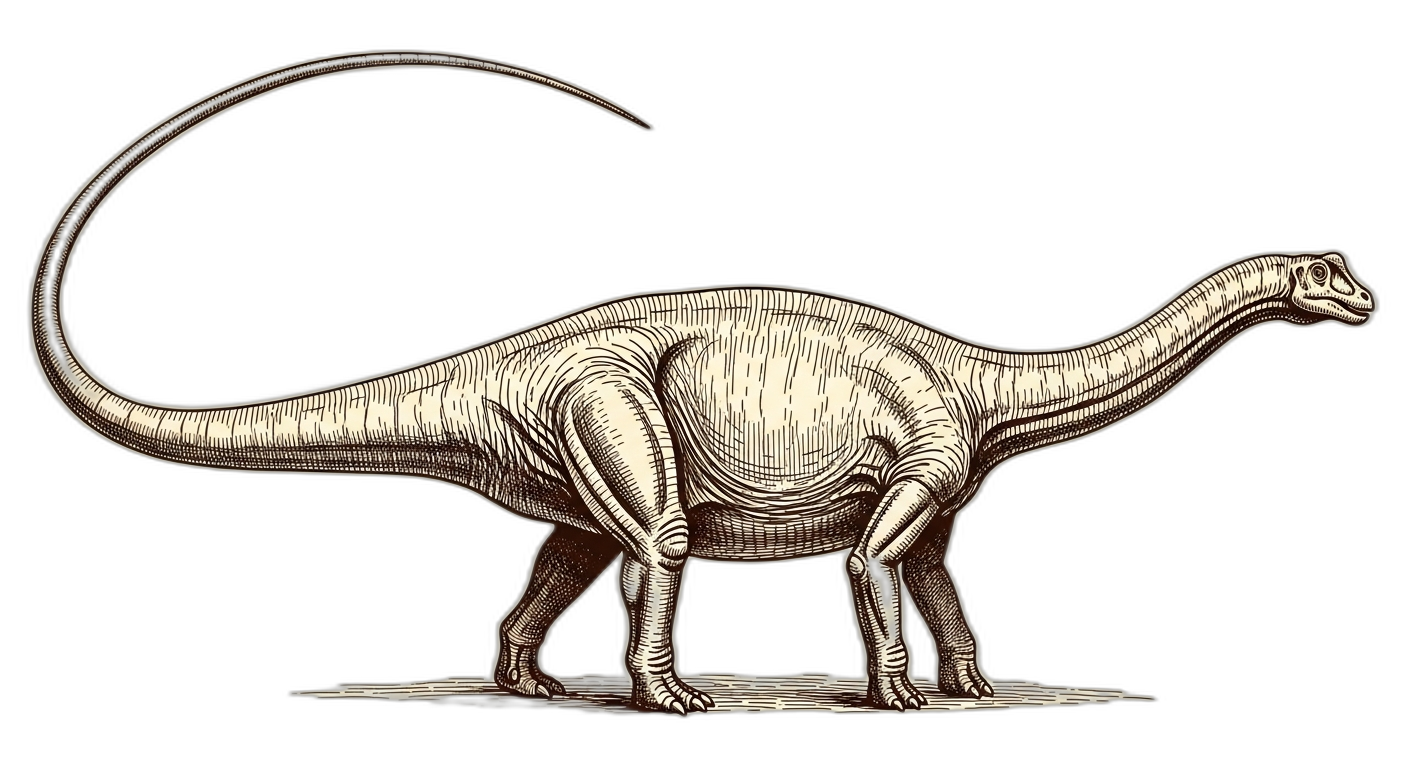
Diplodocus carnegii was a magnificent long-necked that roamed the floodplains of Late Jurassic North America around 154-152 million years ago. This gentle giant was built like a suspension bridge, with a remarkably lightweight skeleton for its immense size. Its pencil-shaped teeth were positioned only at the front of its jaws, perfectly adapted for stripping leaves and ferns from low-growing vegetation and perhaps raking through conifers.
The species name honors industrialist Andrew Carnegie, who funded the excavations that uncovered the spectacular specimen at Sheep Creek, Wyoming in 1899. Carnegie was so proud of this dinosaur that he commissioned full-sized plaster casts to be sent to major museums across the world, from London to Berlin to Buenos Aires, making Diplodocus one of the most famous dinosaurs on Earth long before the age of mass media.
Diplodocus possessed an extraordinarily long tail containing up to 80 , far more than any other dinosaur group. Biomechanical studies suggest this tail could be cracked like a bullwhip, potentially producing sonic booms exceeding 200 decibels. Whether used for defense, communication, or courtship remains debated, but it was certainly an impressive appendage.
Despite its enormous length, Diplodocus was relatively lightly built compared to other giant sauropods. Its vertebrae were heavily excavated with air sacs connected to its respiratory system, similar to modern birds. This pneumatic skeleton reduced weight while maintaining structural strength, an evolutionary innovation that allowed sauropods to achieve sizes impossible for any land animal today.
Where fossils were found
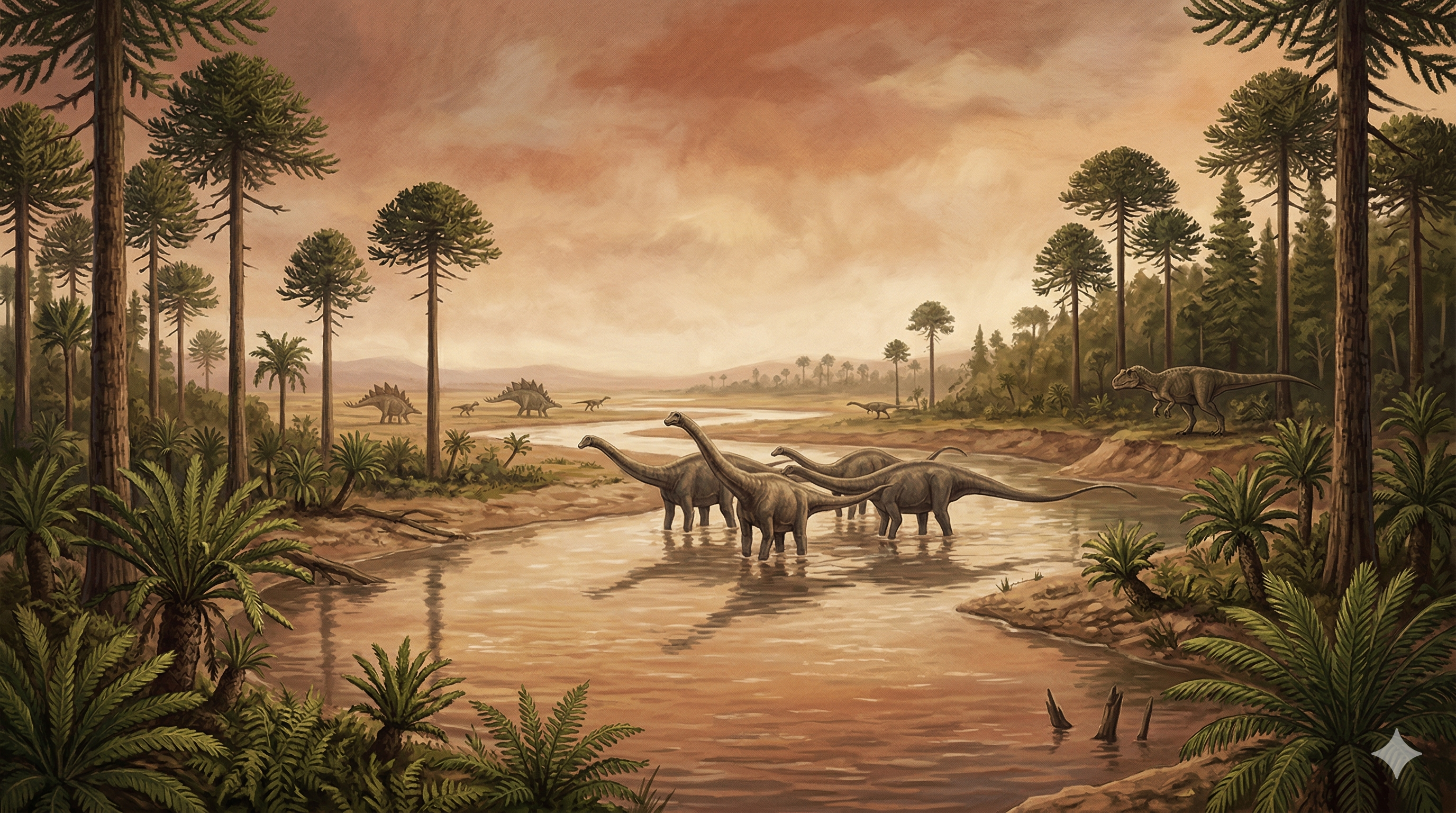
Morrison Formation
Colorado, Utah, Wyoming, Montana +6 more · United States
154.8–143.1 million years ago(11.7m year span)
Where Diplodocus Roamed
During the Late Jurassic, approximately 149 million years ago, Diplodocus carnegii roamed the semi-arid floodplains and river systems of the Morrison Formation in western Laurasia, a vast alluvial basin stretching across what is now the American West. This dynamic landscape featured seasonal wetlands, conifer-lined waterways, and open fern prairies beneath a warm, subtropical climate with pronounced dry seasons.
Keep exploring the vault
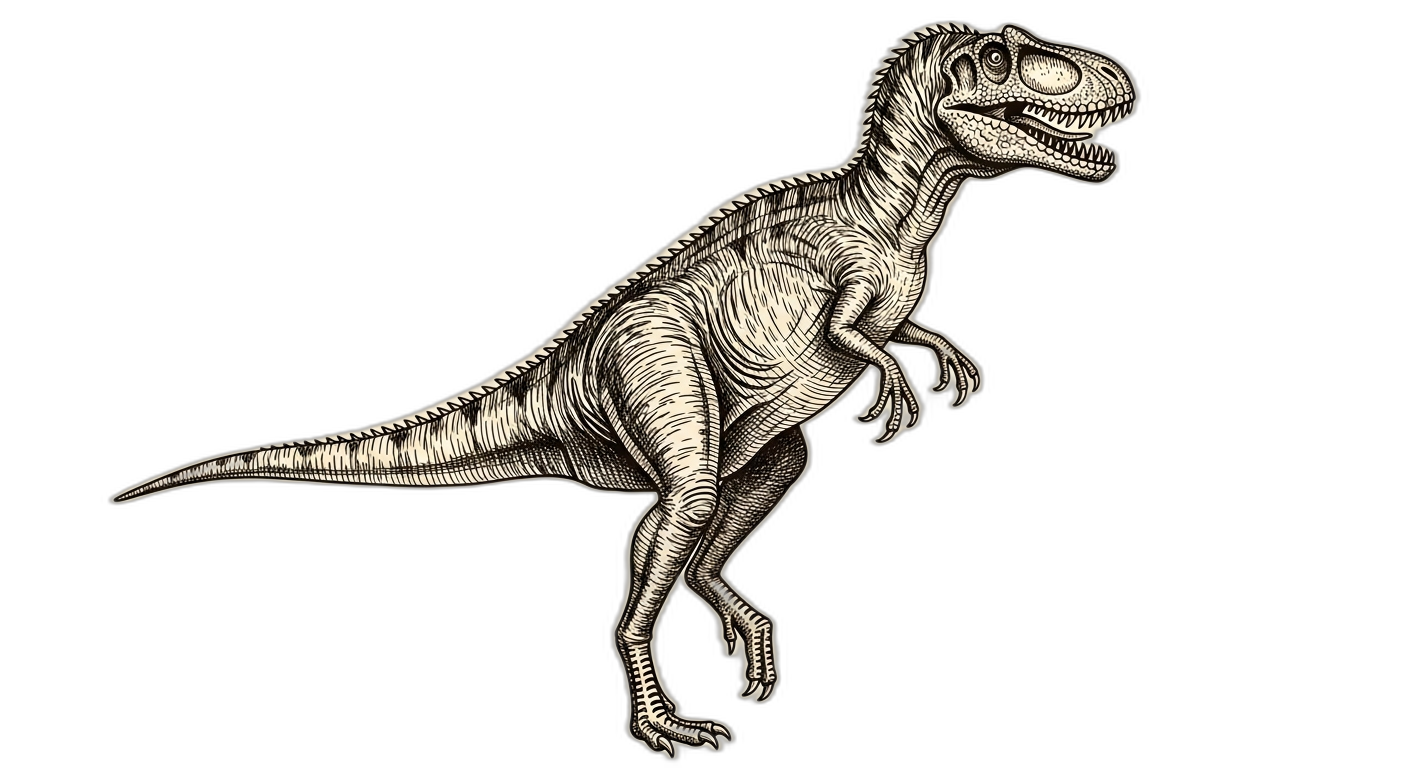
Allosaurus
Allosaurus fragilis
Diplodocus tail vertebrae and other sauropod bones from the Morrison Formation show theropod bite marks consistent with Allosaurus tooth morphology.
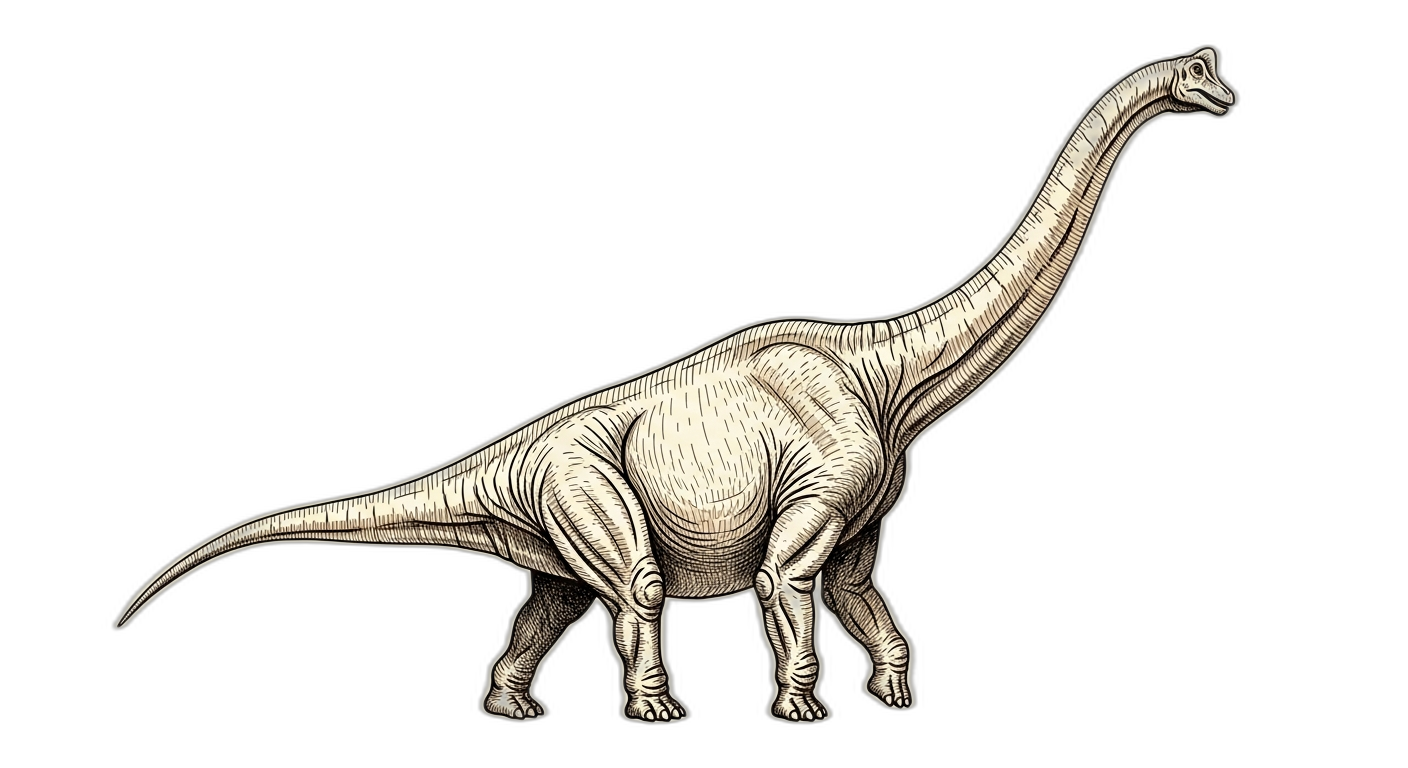
Brachiosaurus
Brachiosaurus altithorax
Both massive sauropods from the Morrison Formation feeding on vegetation.
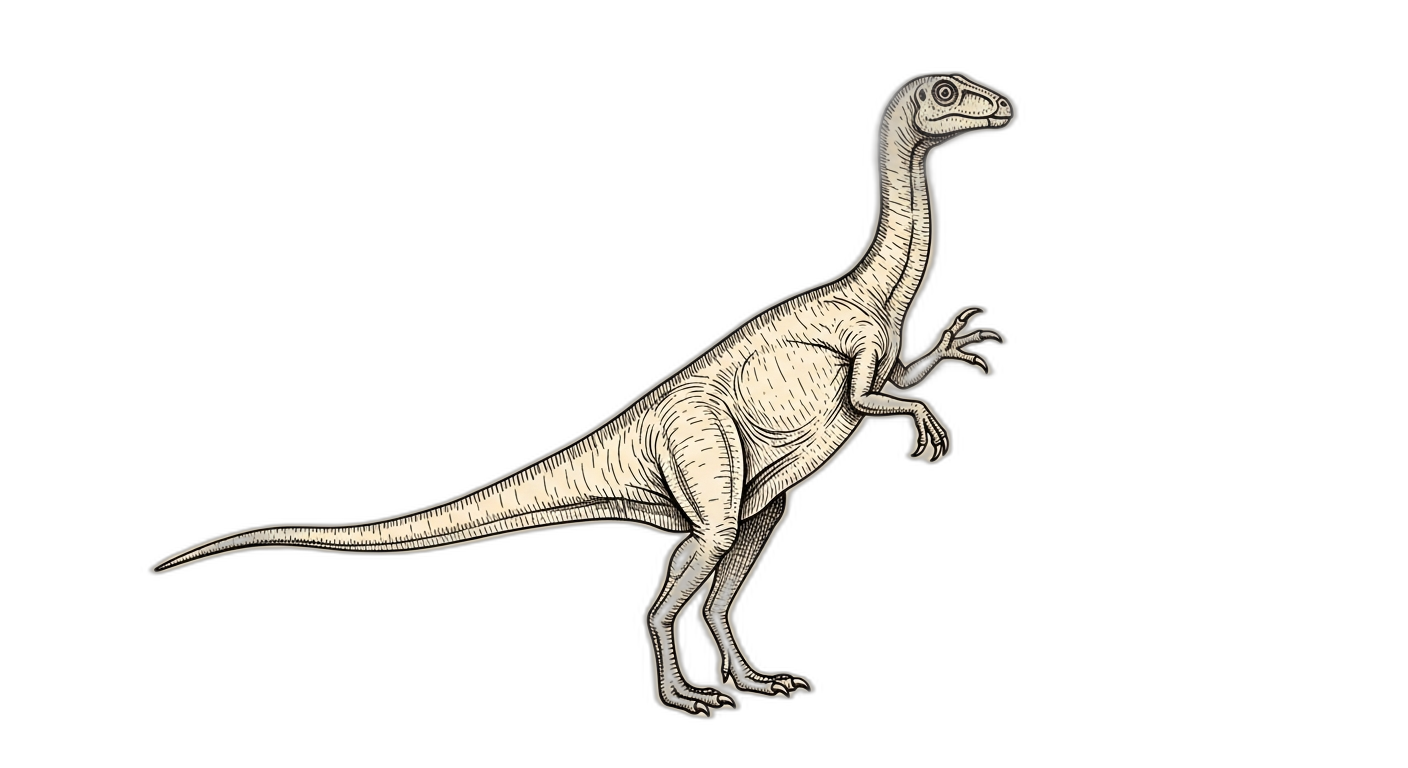
Massospondylus
Massospondylus carinatus
Massospondylus represents an early sauropodomorph body plan that preceded the evolution of true sauropods.
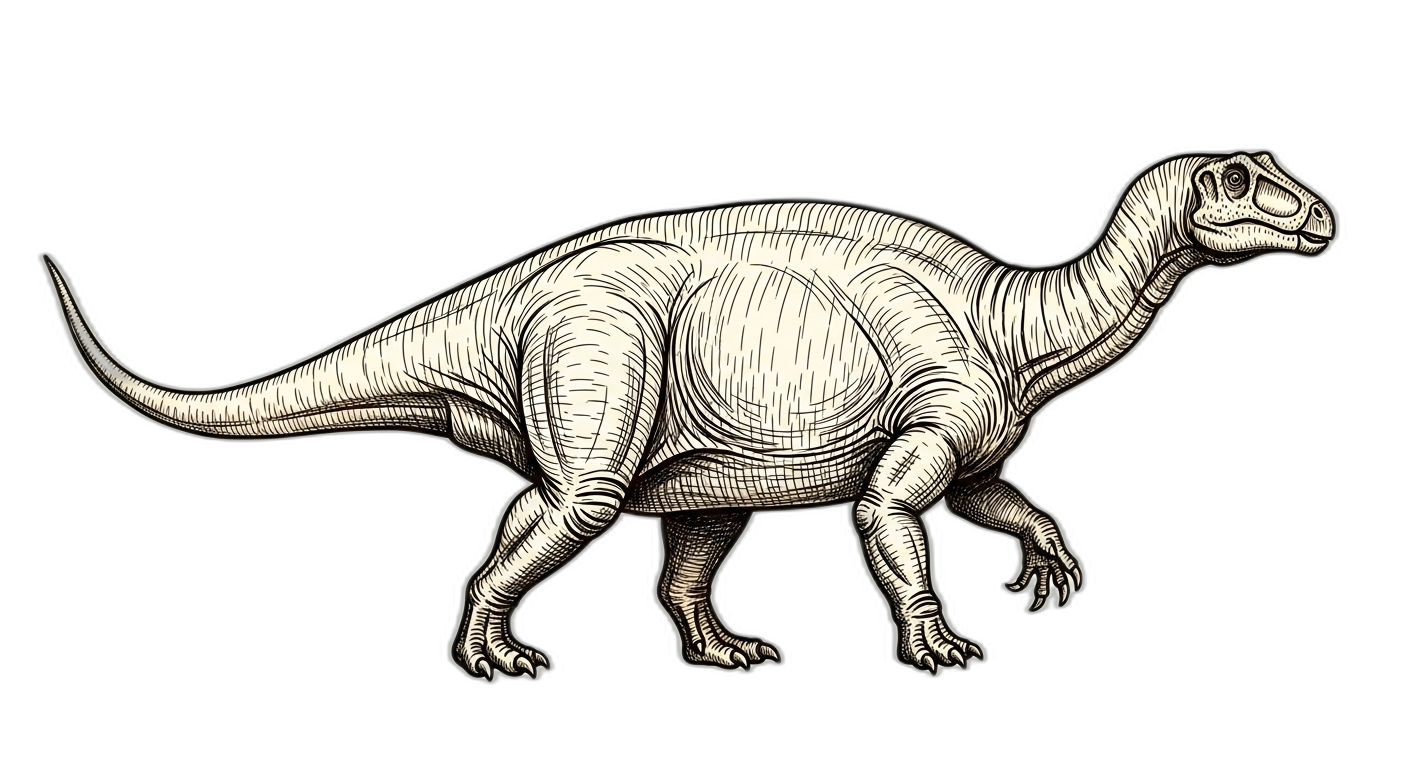
Plateosaurus
Plateosaurus engelhardti
Plateosaurus represents an early experiment in large-bodied herbivory among sauropodomorphs, with facultative bipedality and elongated neck.
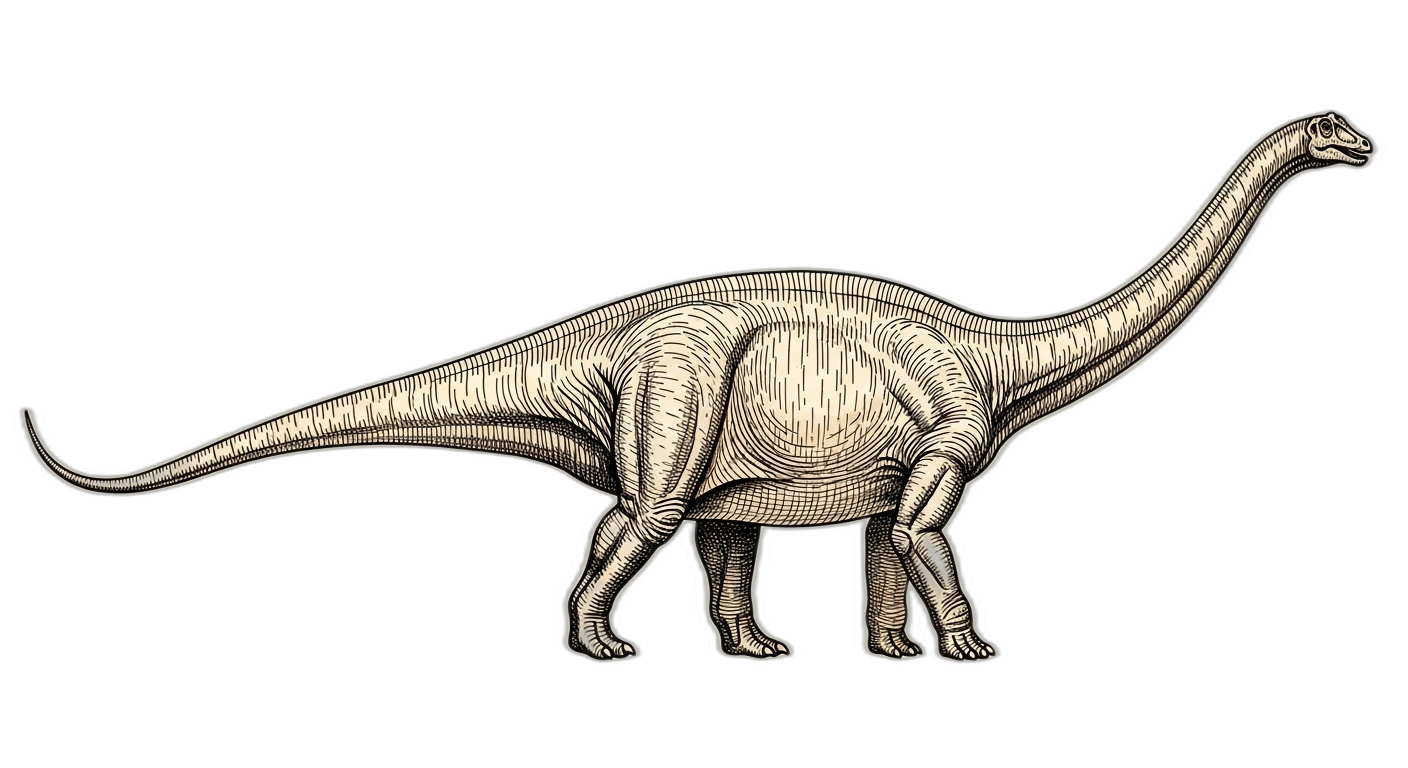
Brontosaurus
Brontosaurus excelsus
Same family: Diplodocidae
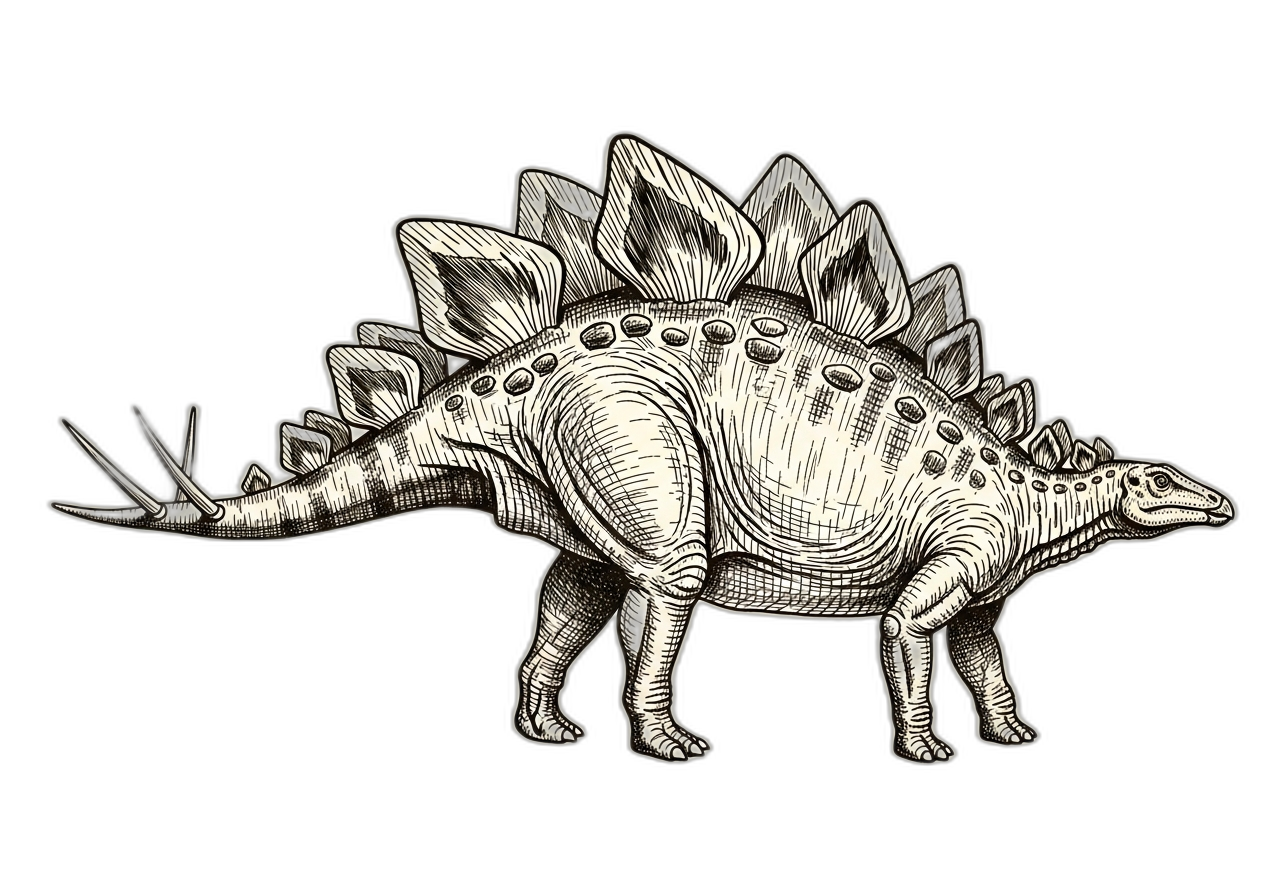
Stegosaurus
Stegosaurus stenops
Both iconic Morrison Formation herbivores found in the same quarries across Colorado, Wyoming, and Utah.