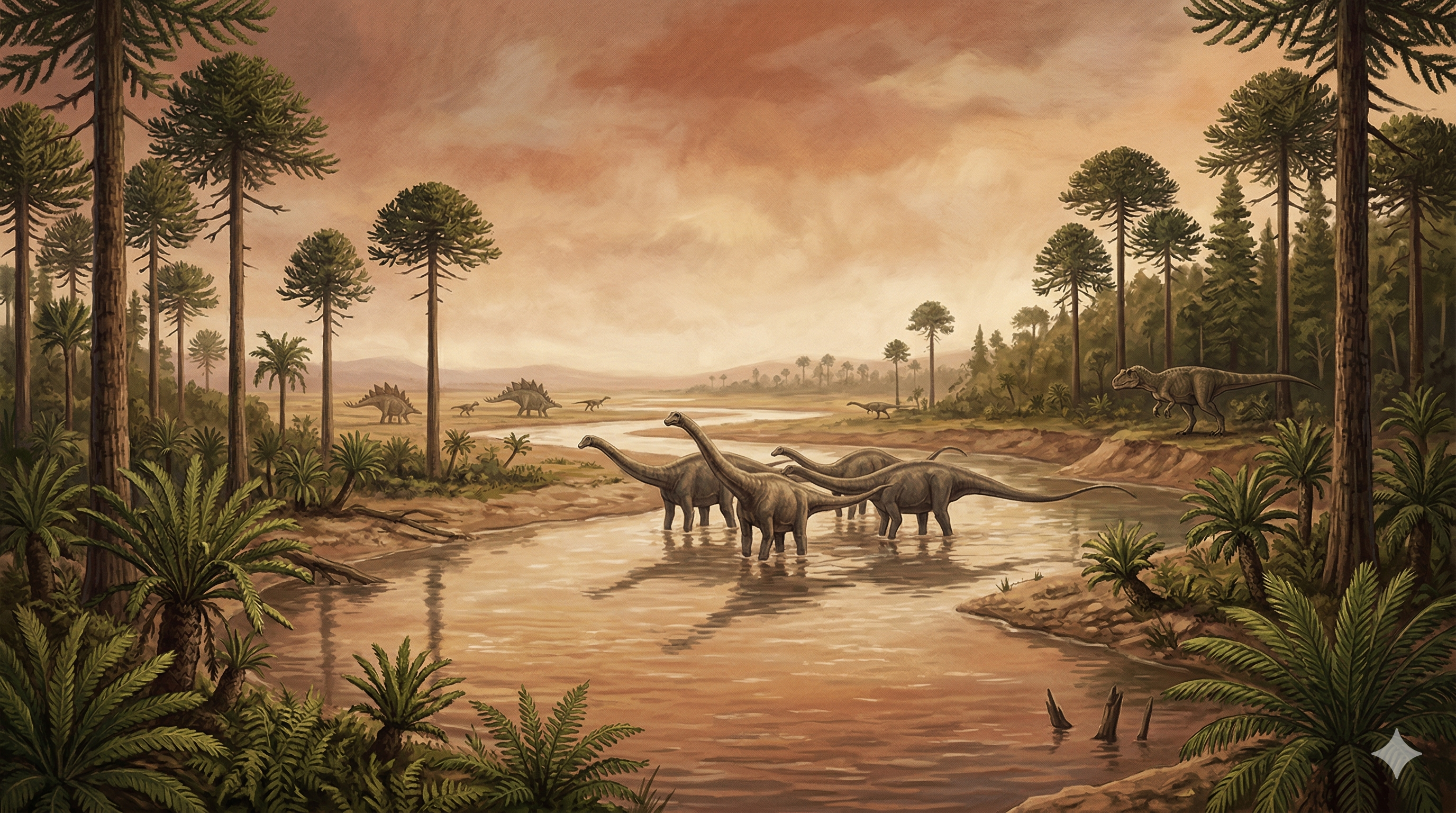
Morrison Formation
Colorado, Utah, Wyoming, Montana, South Dakota, Nebraska, Kansas, Oklahoma, New Mexico, Arizona, United States
Why It Matters
One of the world's most productive dinosaur-bearing rock formations, stretching across 1.5 million km² of the western United States. It has produced more named dinosaur species than almost any other formation, including Allosaurus, Stegosaurus, Diplodocus, Brachiosaurus, and Apatosaurus. The sheer density of fossils has made it the foundation of our understanding of Jurassic North America.
How Fossils Survived
The formation accumulated as a sequence of floodplains, river channels, and lake beds during a semi-arid period when the region lay east of a rising mountain chain. Seasonal floods deposited fine sediments that buried carcasses rapidly, enabling exceptional skeletal preservation. Distinct color banding — red, green, and grey mudstones — helps geologists trace the unit across state lines.
Discovery History
Bone hunters first recognized the Morrison's richness during the Bone Wars of the 1870s–1880s, when Othniel Charles Marsh and Edward Drinker Cope raced to name new species. Their field teams at Como Bluff, Wyoming and Canon City, Colorado excavated dozens of skeletons, sometimes destroying specimens to deny them to rivals. Professional excavations have continued uninterrupted ever since, and new species are still being described.
Dinosaurs in the Vault
9 species in our database · sorted by size
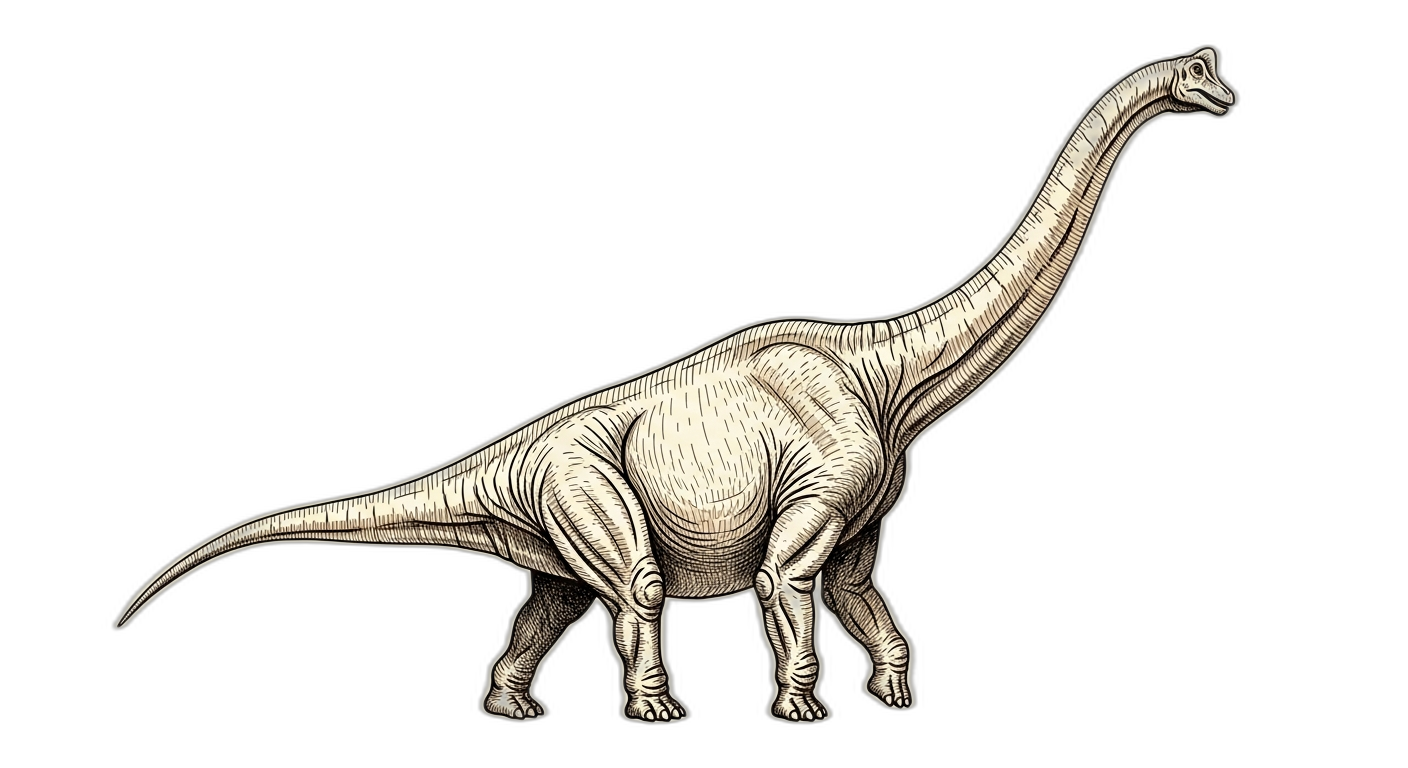
Brachiosaurus
🌿Brachiosaurus altithorax
22m · 35.0t
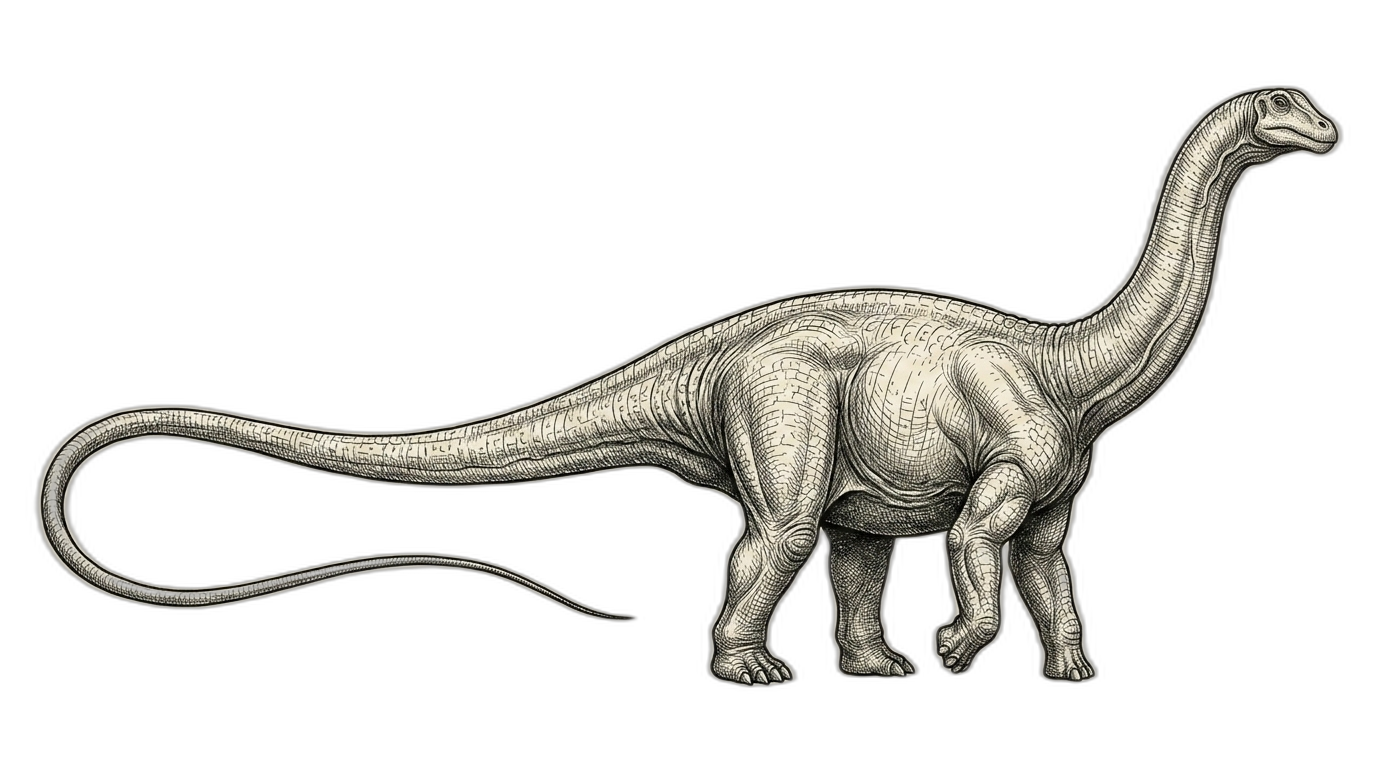
Apatosaurus
🌿Apatosaurus ajax
21m · 20.0t
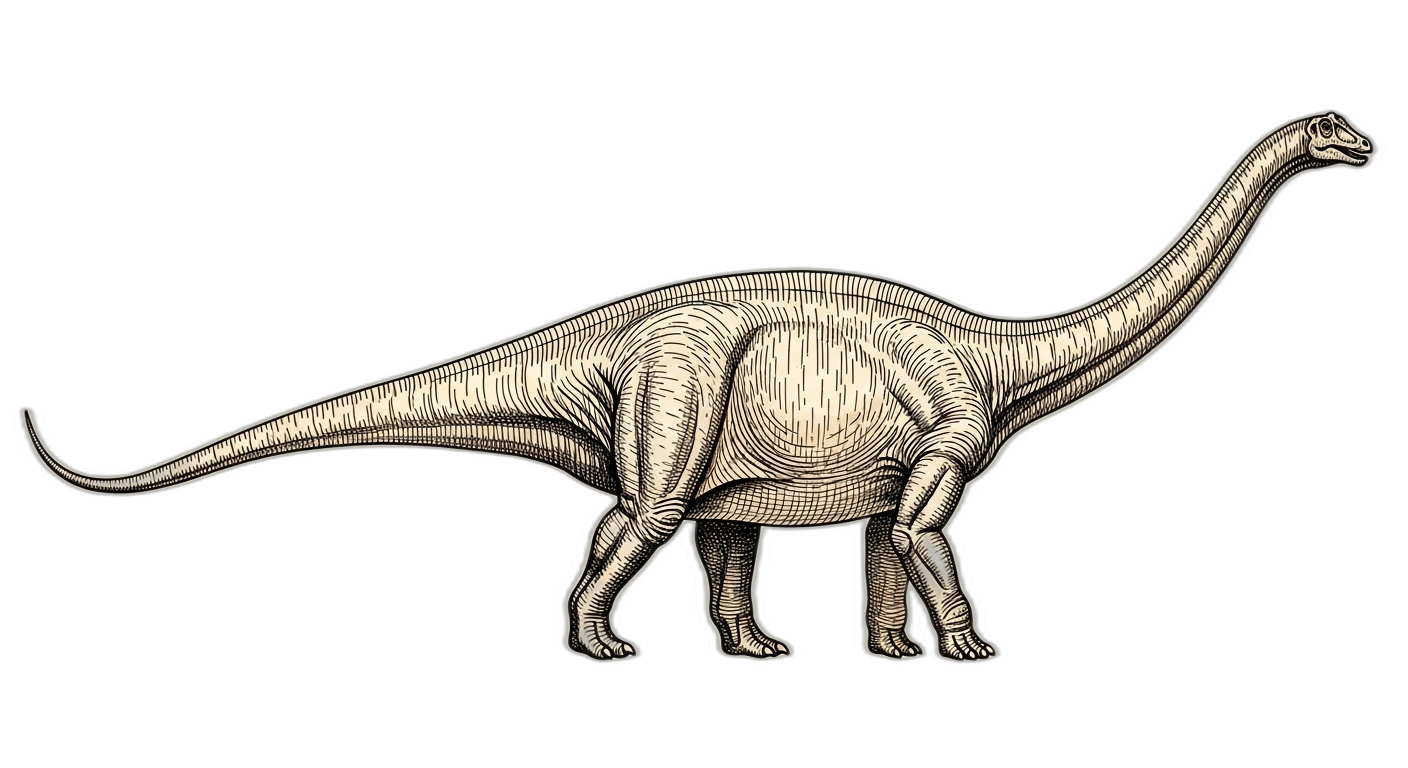
Brontosaurus
🌿Brontosaurus excelsus
22m · 15.0t
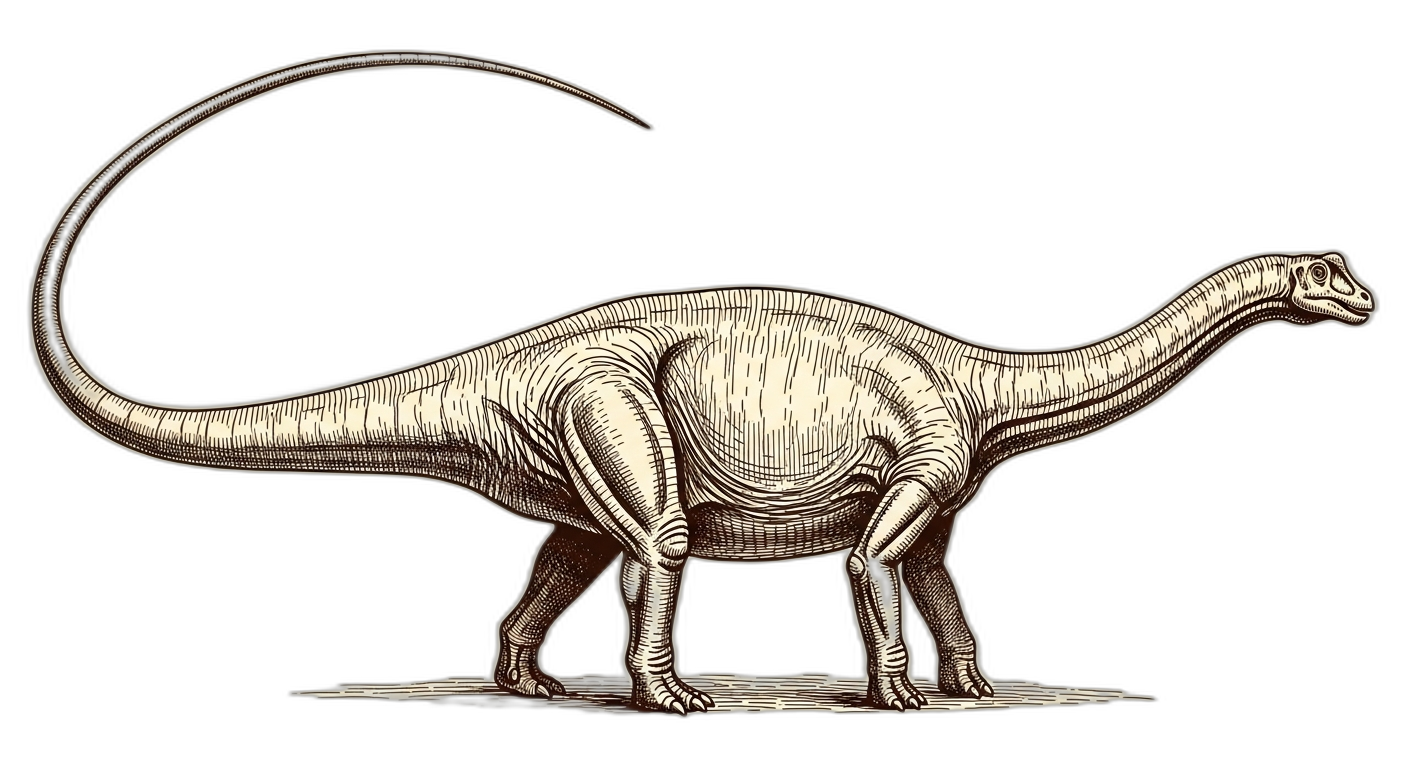
Diplodocus
🌿Diplodocus carnegii
25m · 12.0t
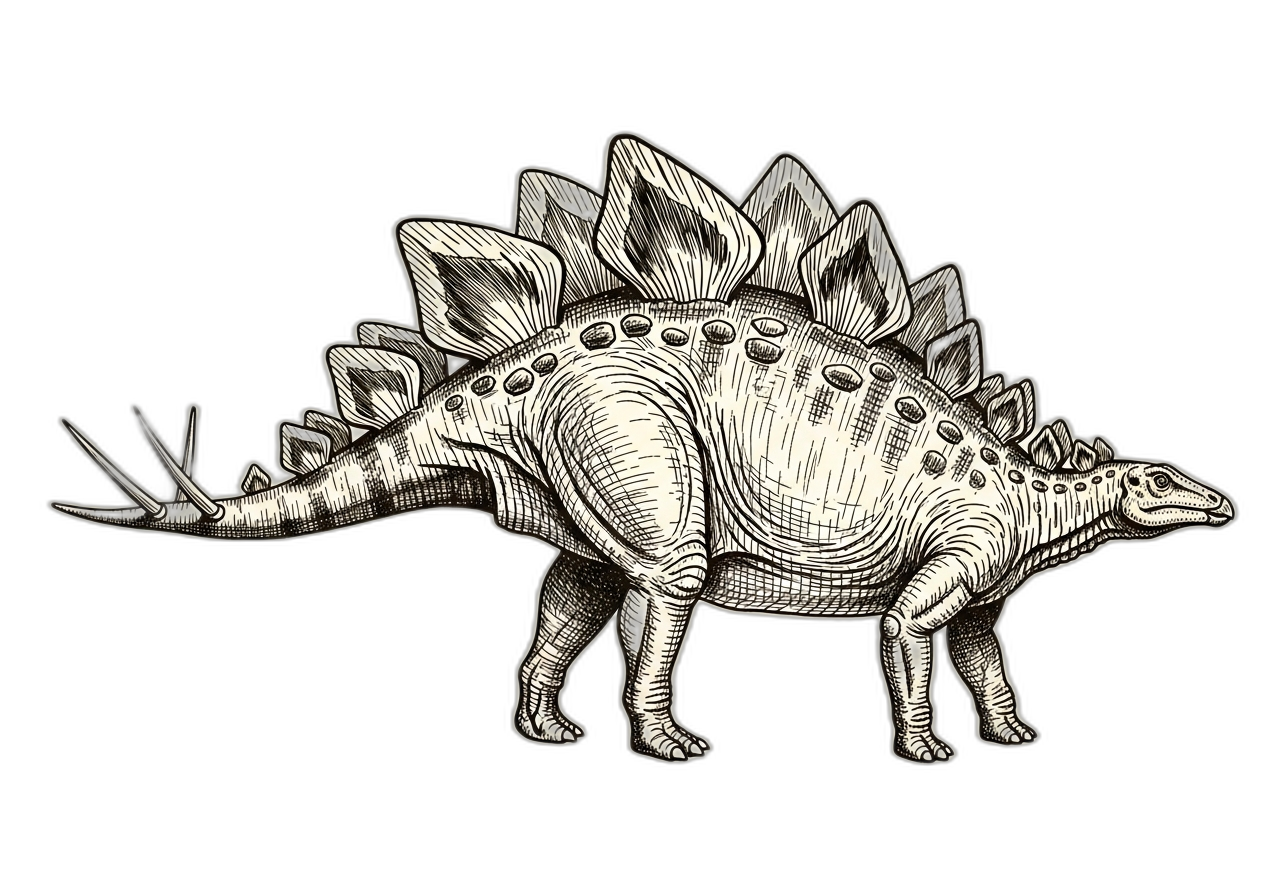
Stegosaurus
🌿Stegosaurus stenops
9m · 5.0t
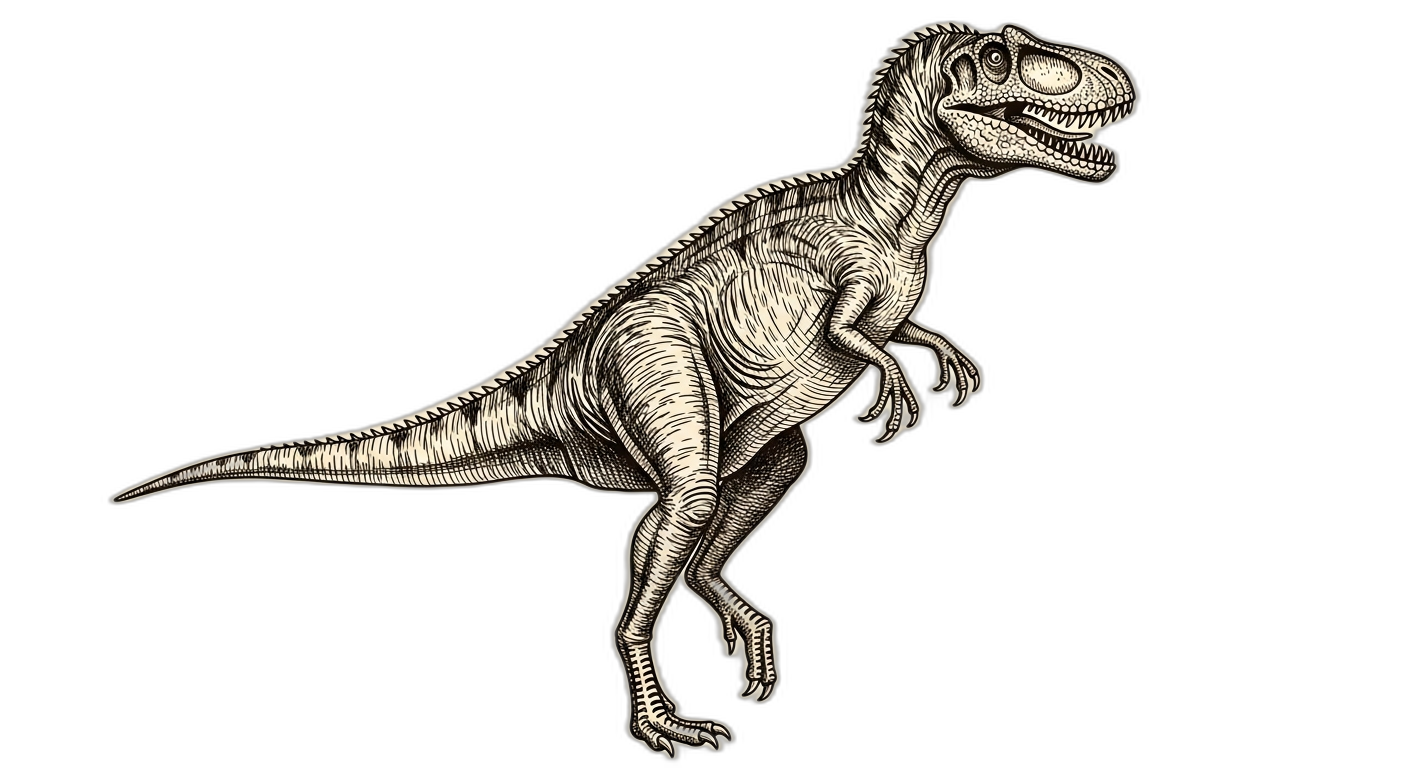
Allosaurus
🥩Allosaurus fragilis
8.5m · 1.5t
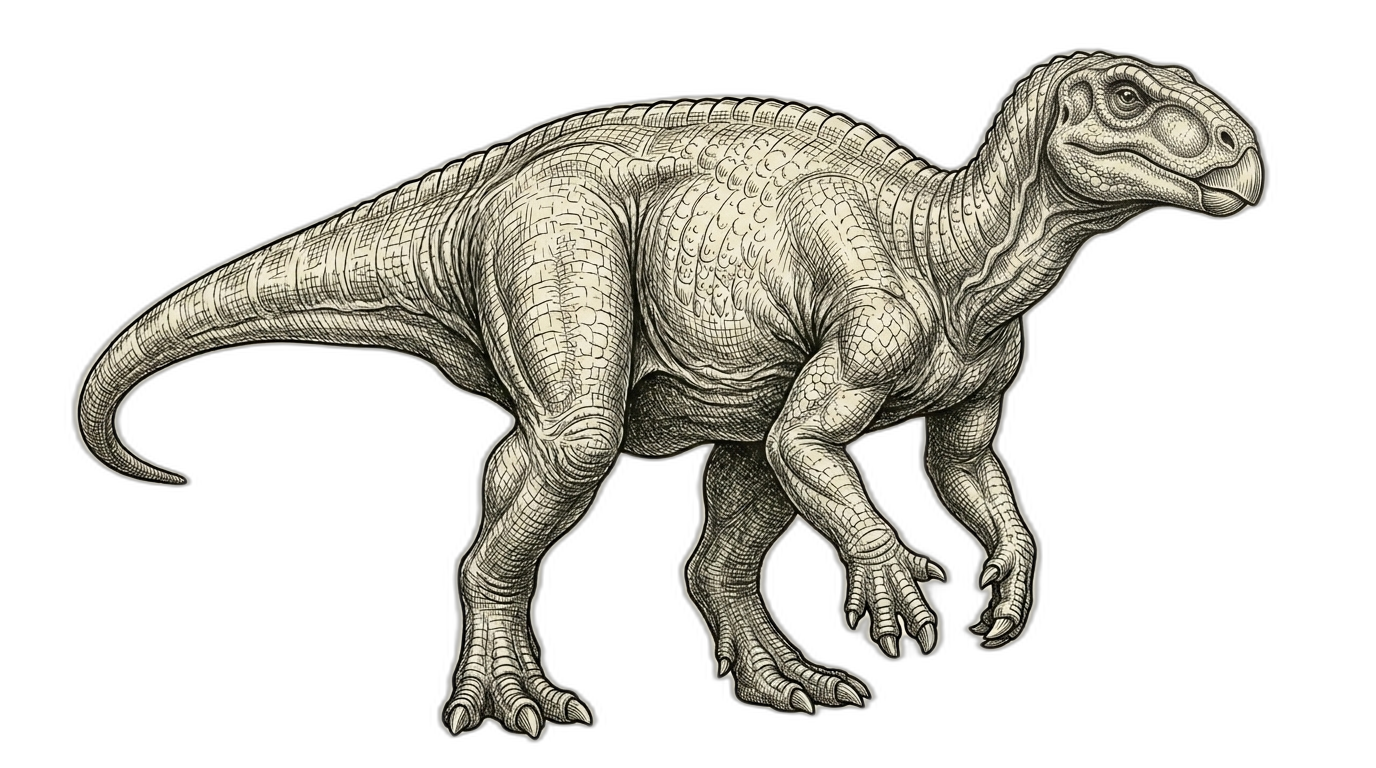
Camptosaurus
🌿Camptosaurus dispar
6m · 0.8t
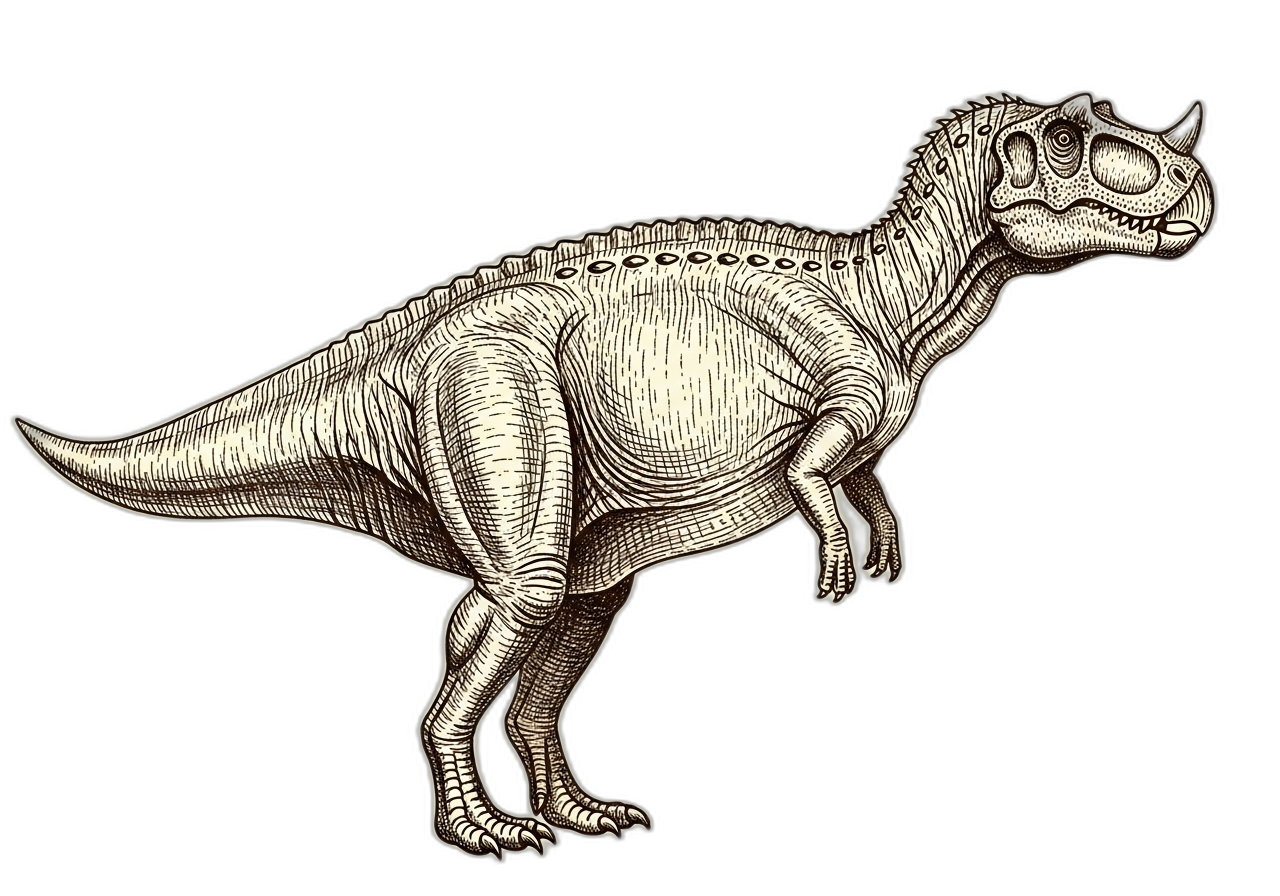
Ceratosaurus
🥩Ceratosaurus nasicornis
6m · 0.7t
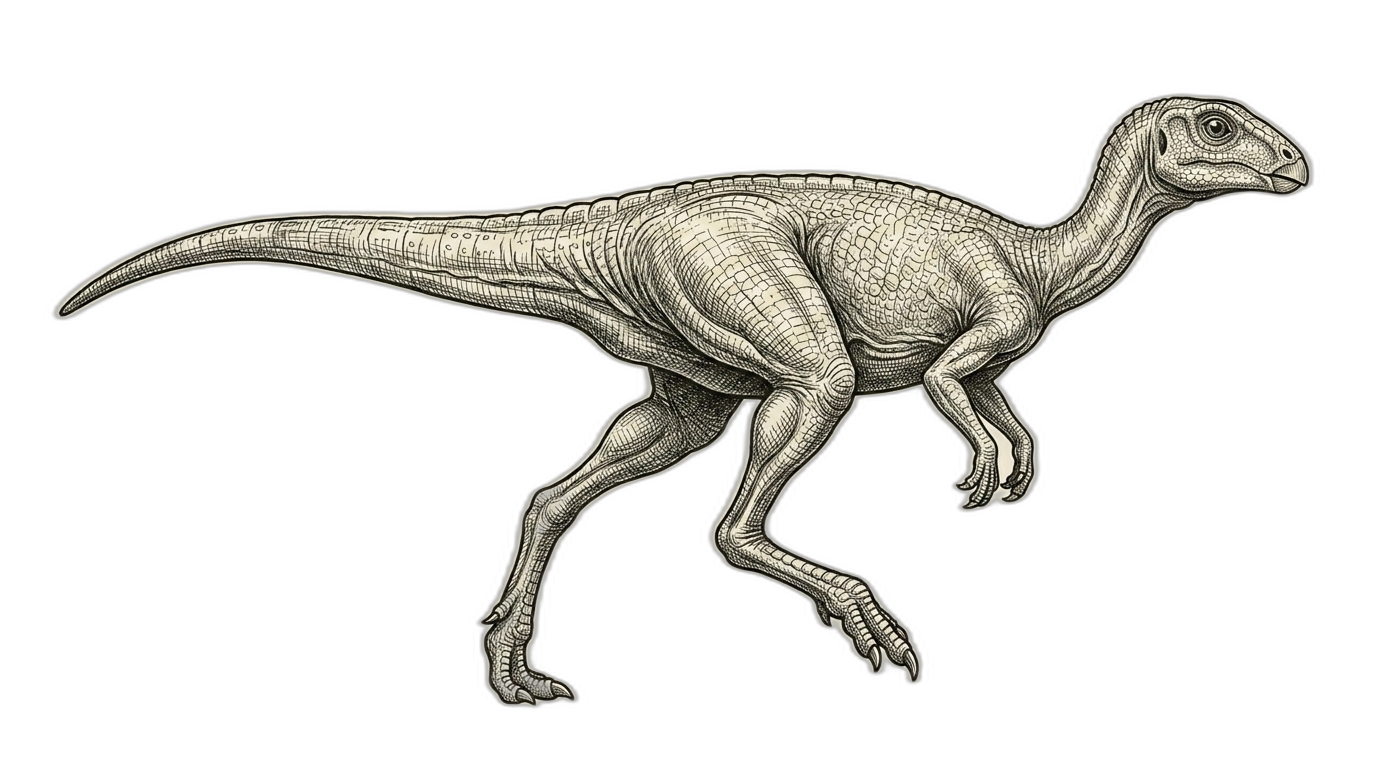
Oak Lizard
🌿Dryosaurus altus
3m · 0.1t
The Morrison Formation spans parts of 13 U.S. states — roughly the size of Western Europe.