About
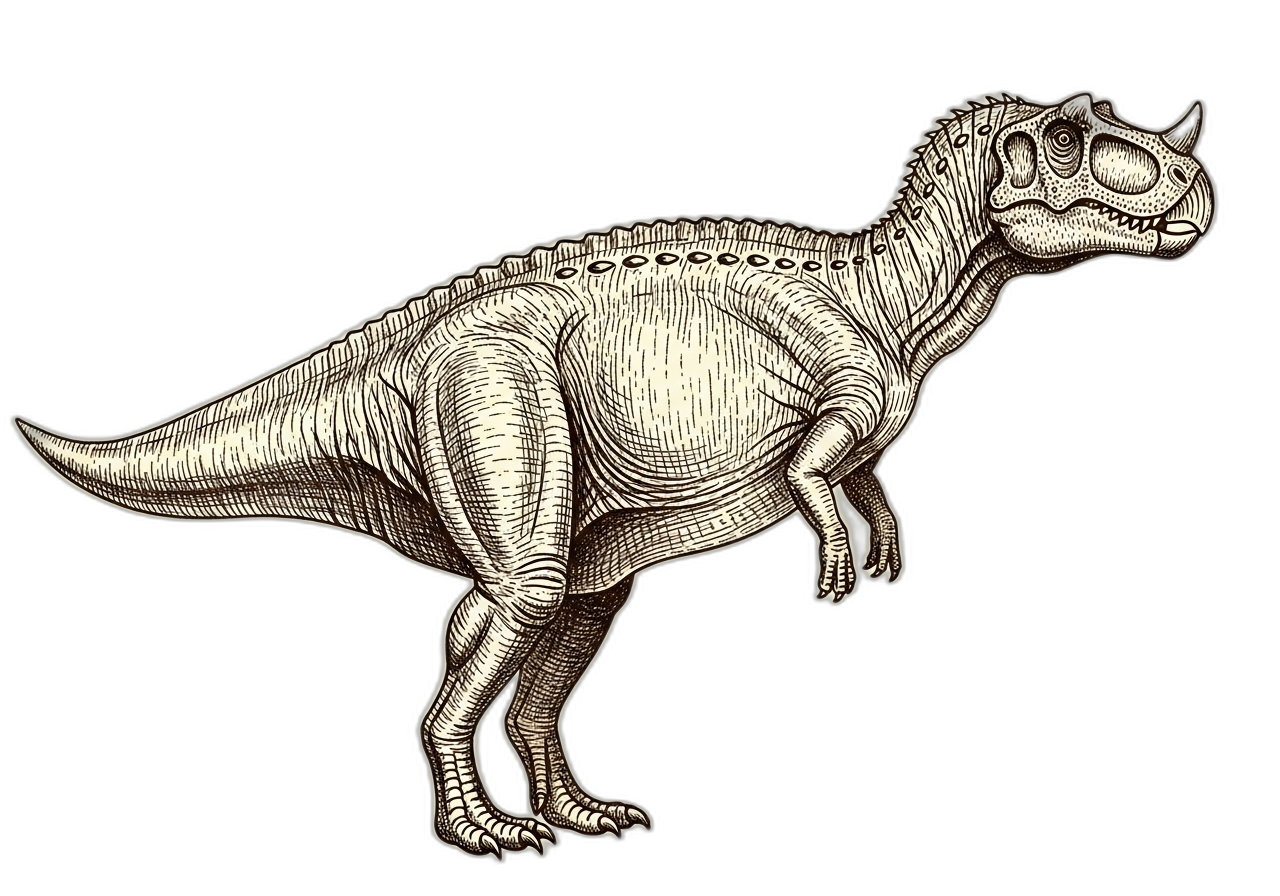
Ceratosaurus was a medium-sized dinosaur instantly recognizable by the prominent horn on its snout and the two smaller horns above its eyes. This striking predator roamed the floodplains and river valleys of Late Jurassic North America alongside giants like Allosaurus and the massive sauropods that made up much of the available prey. Unlike its larger contemporary Allosaurus, Ceratosaurus retained several primitive features, including a more flexible tail and a row of small bony running down its back—a trait rarely seen in large theropods.
The genus was first described in 1884 by the legendary American paleontologist Othniel Charles Marsh, based on a remarkably complete skeleton discovered in Garden Park, Colorado. This specimen, found in the famous Morrison Formation, gave scientists an unusually detailed picture of this unusual predator. The nearly complete nature of the made Ceratosaurus one of the best-understood theropods of the 19th century.
Ceratosaurus possessed a deep, narrow skull with blade-like teeth that were proportionally longer than those of Allosaurus, suggesting it may have specialized in different prey or hunting strategies. Some paleontologists have proposed it may have been more aquatic in its habits, possibly hunting fish and smaller prey near waterways, though it was certainly capable of taking larger game. Its relatively short but powerful arms bore four fingers, another primitive trait compared to the three-fingered hands of later theropods.
Despite being less common in the fossil record than Allosaurus, Ceratosaurus has been found in both North America and Europe, indicating these continents were still connected or easily traversable during the Late Jurassic. Its distinctive appearance has made it a popular subject in dinosaur media, though it often plays second fiddle to its more famous contemporaries.
Where fossils were found
Morrison Formation
Colorado, Utah, Wyoming, Montana +6 more · United States
149.2–143.1 million years ago(6.1m year span)
Where Ceratosaurus Roamed
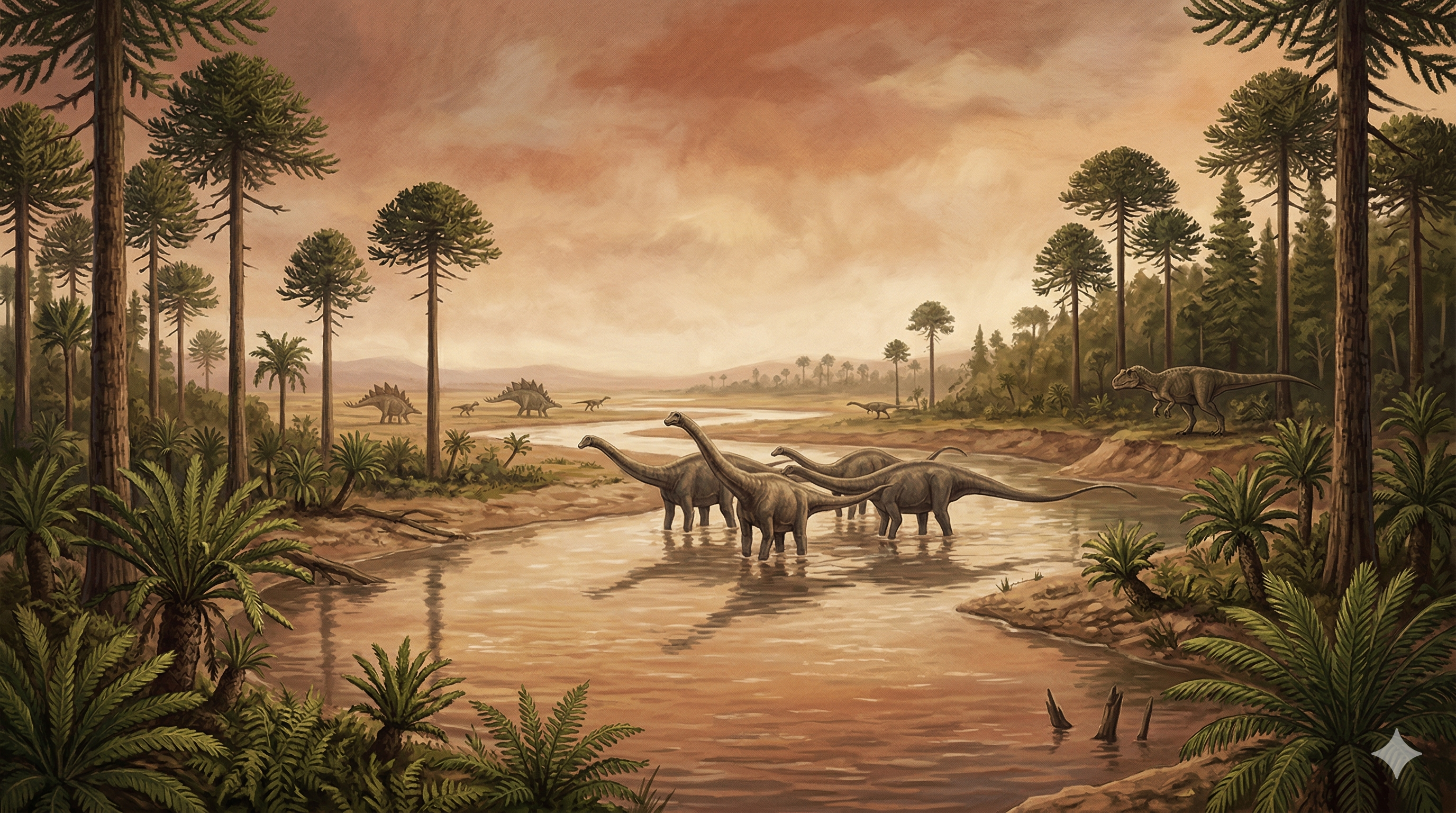
During the Late Jurassic, *Ceratosaurus nasicornis* roamed the semi-arid floodplains and river channels of what is now the Morrison Formation in western North America, a vast alluvial basin stretching across the ancient supercontinent Laurasia. This dynamic landscape featured seasonal wetlands, conifer-dotted savannas, and meandering rivers that supported a rich ecosystem of giant sauropods, stegosaurs, and competing theropod predators beneath warm, subtropical skies.
Keep exploring the vault
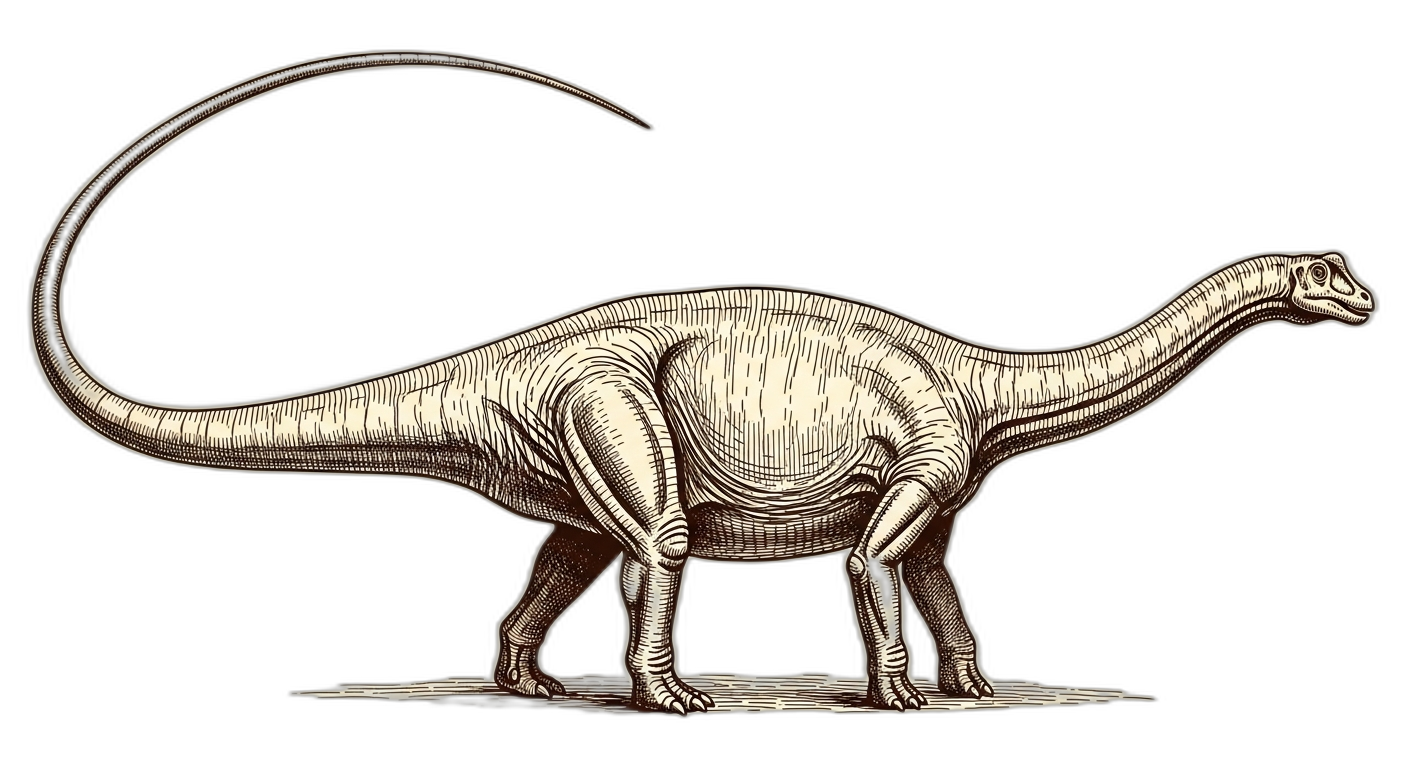
Diplodocus
Diplodocus carnegii
Ceratosaurus coexisted with Diplodocus in the Morrison Formation.
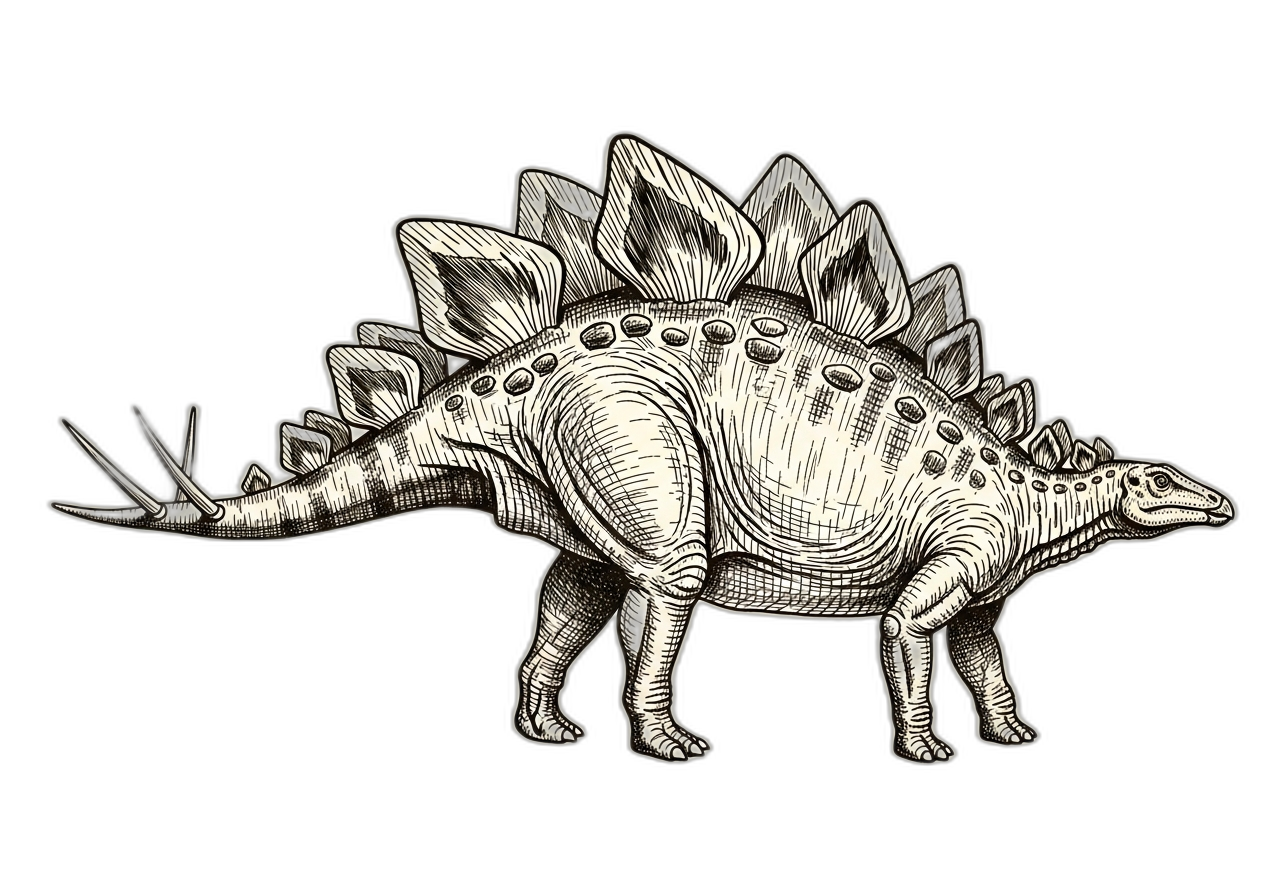
Stegosaurus
Stegosaurus stenops
Both species occur in the Morrison Formation.
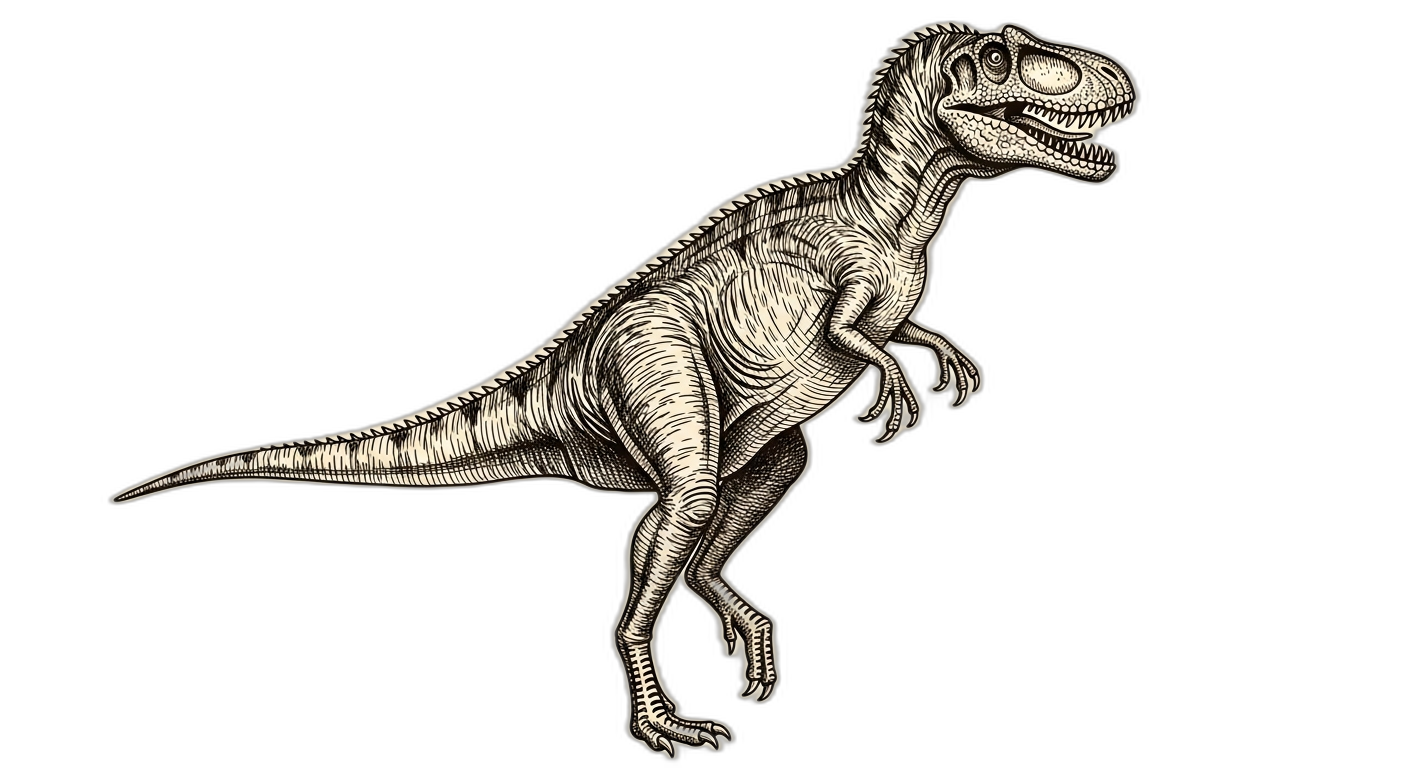
Allosaurus
Allosaurus fragilis
Both large theropod predators from the Morrison Formation, competing for similar prey.
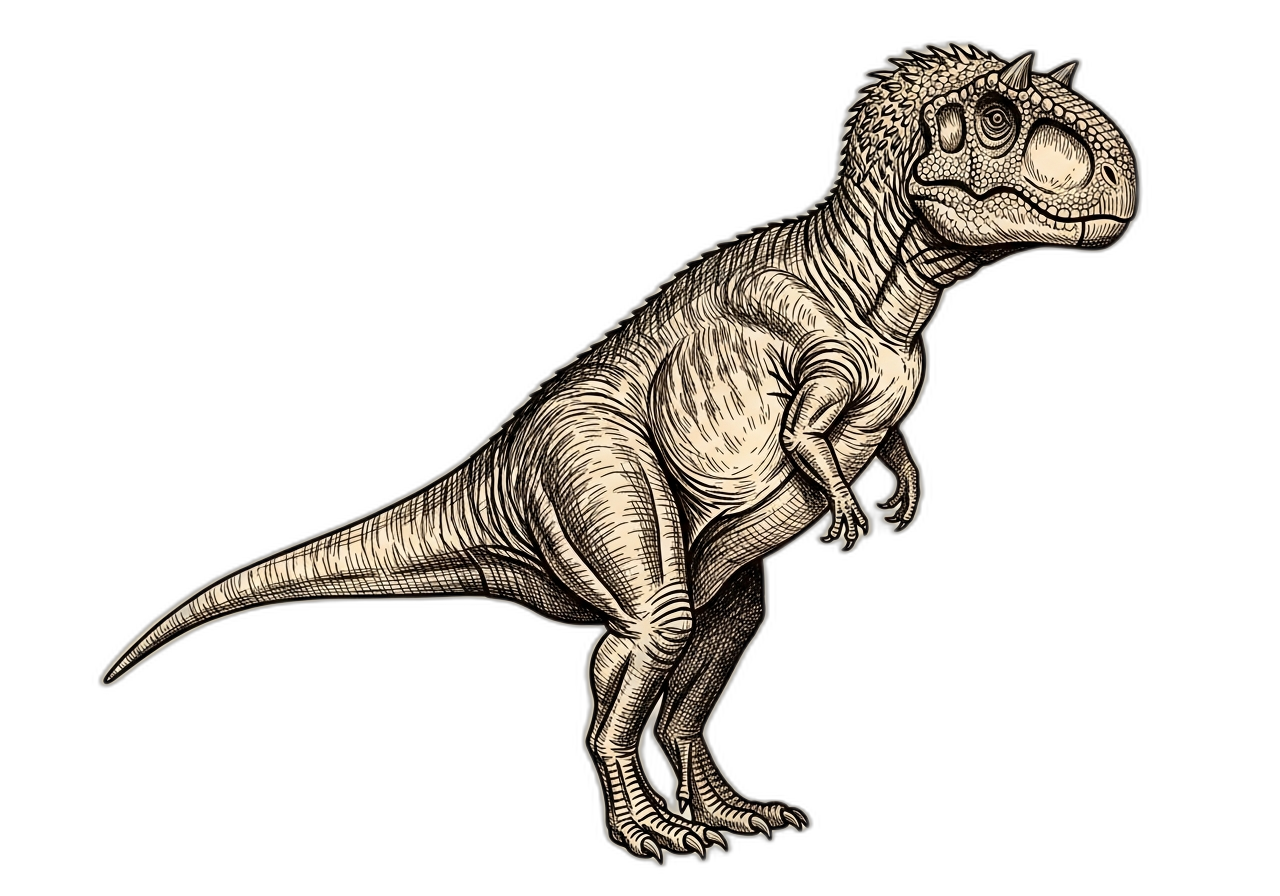
Carnotaurus
Carnotaurus sastrei
Both are ceratosaurian theropods with distinctive cranial ornamentation (nasal horn in Ceratosaurus, paired brow horns in Carnotaurus).
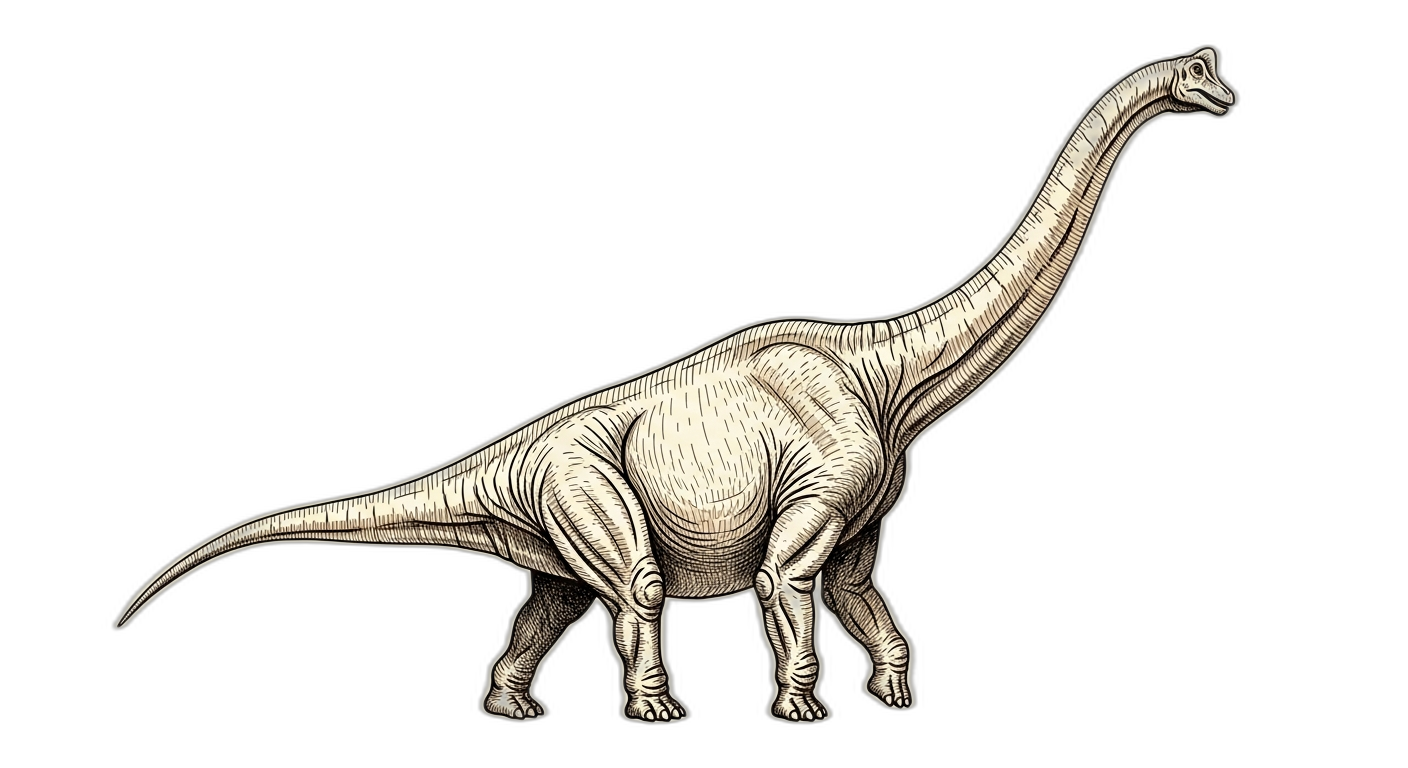
Brachiosaurus
Brachiosaurus altithorax
Both inhabited the Morrison Formation ecosystem.
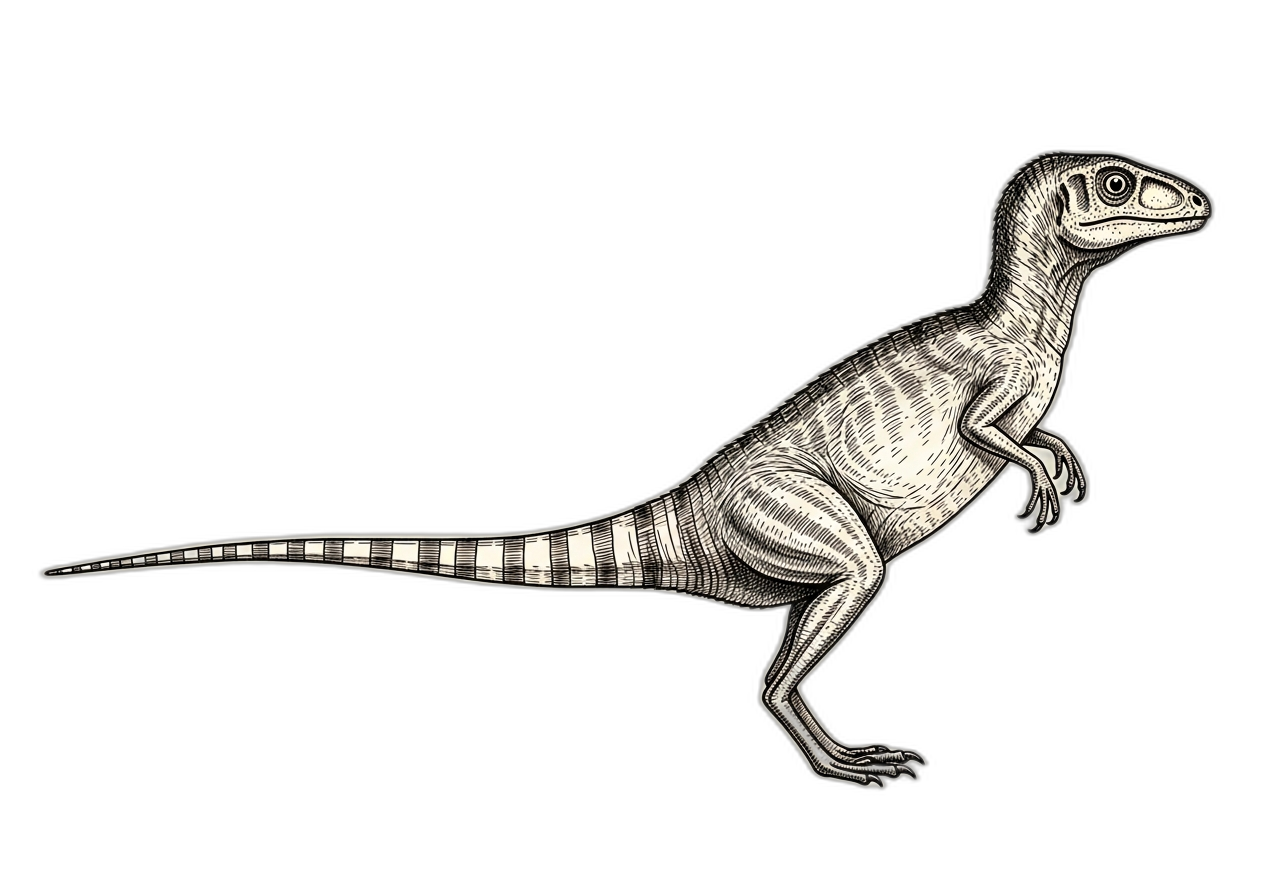
Compsognathus
Compsognathus longipes
Ceratosaurus was a medium-sized Late Jurassic theropod predator that would have been capable of preying on small dinosaurs like Compsognathus.