About
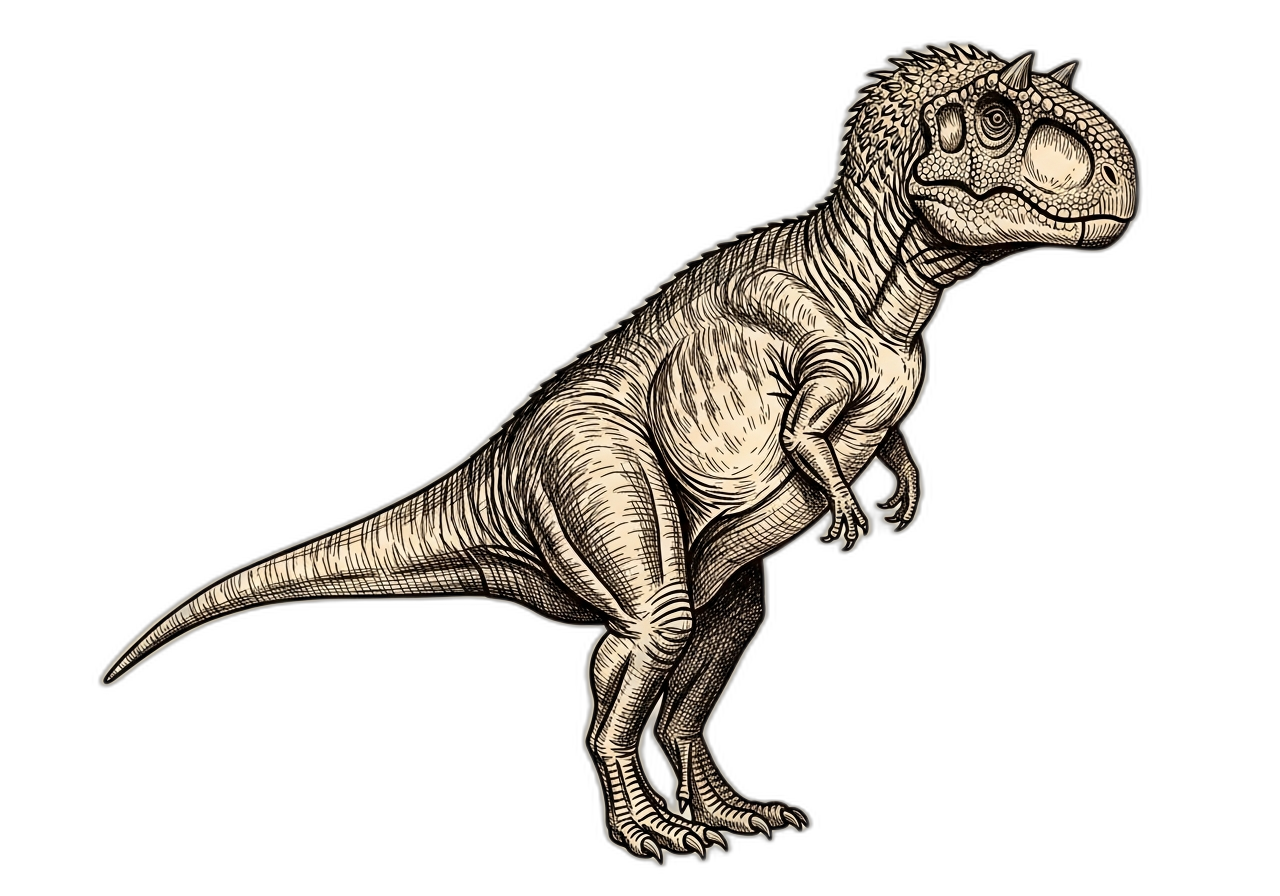
Carnotaurus was a uniquely bizarre predator that stalked the floodplains of Late Cretaceous Argentina between 69 and 66 million years ago. This is instantly recognizable by the two thick, bull-like horns projecting above its eyes—a feature that inspired its name, meaning "meat-eating bull." Its skull was unusually short and deep, with a blunt snout that gave it a distinctive face unlike the elongated heads of most theropods.
Perhaps the most striking feature of Carnotaurus was its remarkably reduced forelimbs. While T. rex is famous for its small arms, Carnotaurus took this to an extreme—its arms were proportionally even smaller and essentially , with four tiny fingers and virtually no elbow mobility. Scientists believe these arms served no functional purpose in hunting or feeding. In contrast, its powerful legs suggest it was built for pursuit, with some biomechanical studies indicating it could have been among the fastest large theropods.
The only known specimen was discovered in 1984 by José Bonaparte's team in Patagonia's Chubut Province, Argentina. This remarkably complete skeleton, found in the La Colonia Formation, included extensive skin impressions—a rare treasure that revealed Carnotaurus was covered in large, non-overlapping scales arranged in rows, with no evidence of feathers. This discovery has made Carnotaurus one of the best-understood large theropods from the Southern Hemisphere.
Carnotaurus belonged to the Abelisauridae, the dominant large predators of the southern supercontinent during the Late Cretaceous. While tyrannosaurs ruled the north, abelisaurids like Carnotaurus filled the role in South America, Madagascar, and India. Its horns remain enigmatic—too small for effective combat, they may have been used in or species recognition.
Where fossils were found
La Colonia Formation
Chubut · Argentina
72.2–66 million years ago(6.2m year span)
Where Carnotaurus Roamed
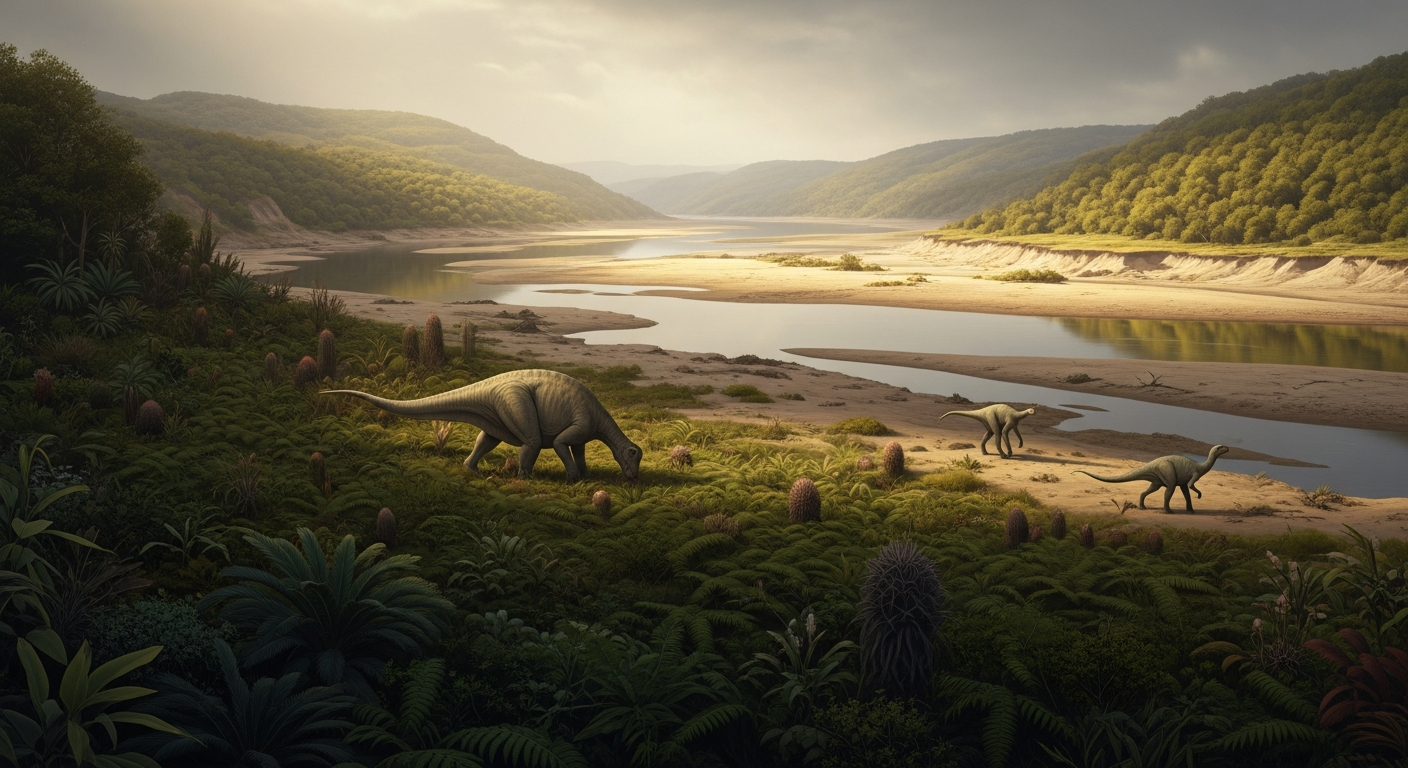
During the late Cretaceous period, Carnotaurus roamed the ancient landscapes of southern Gondwana in what is now Patagonia, Argentina, where seasonal floodplains and river systems carved through a semi-arid environment. This region lay far from the retreating shallow seas, featuring volcanic highlands and coastal plains that supported a diverse ecosystem of titanosaur sauropods and other distinctive South American fauna.
Keep exploring the vault
Saltasaurus
Saltasaurus loricatus
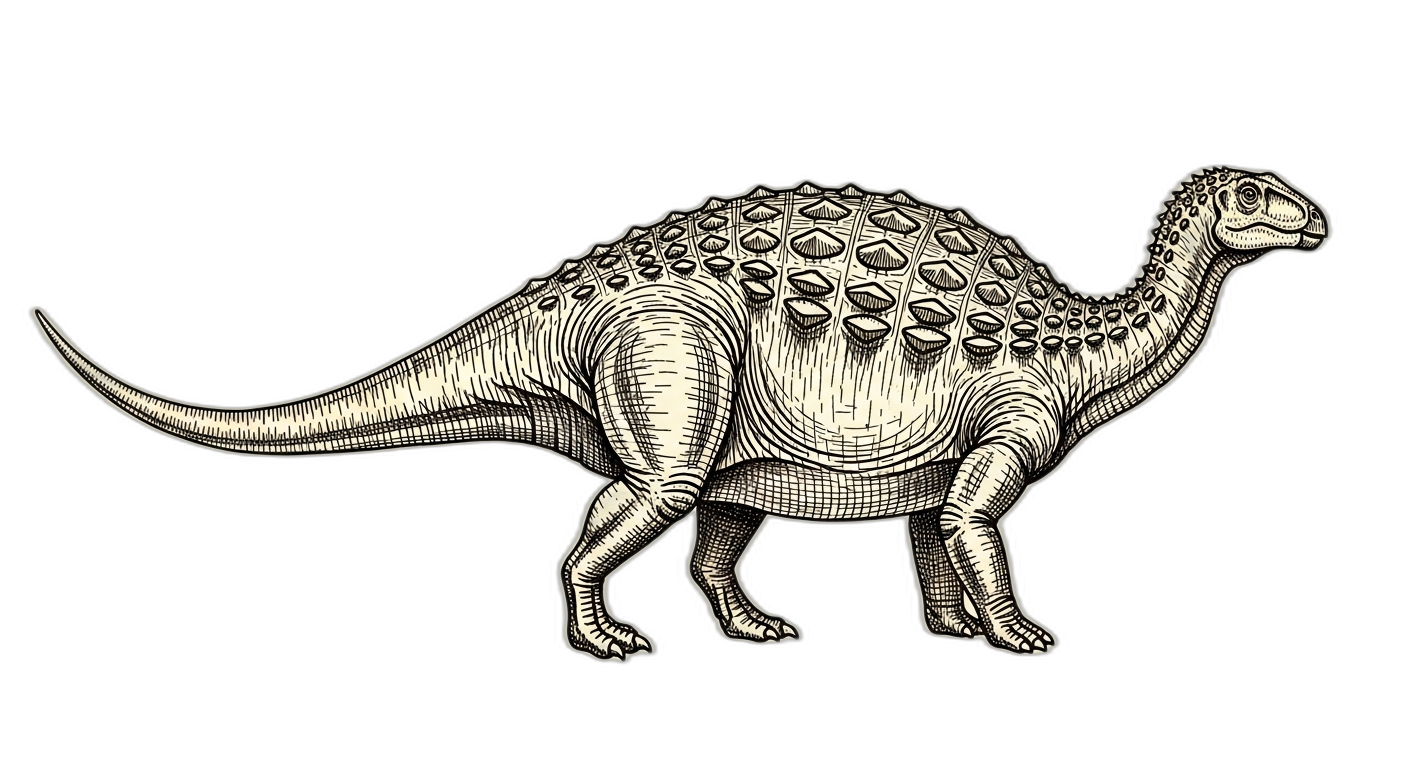
Saltasaurus was a titanosaur from Late Cretaceous South America, overlapping temporally and geographically with Carnotaurus.
Megaraptor
Megaraptor namunhuaiquii
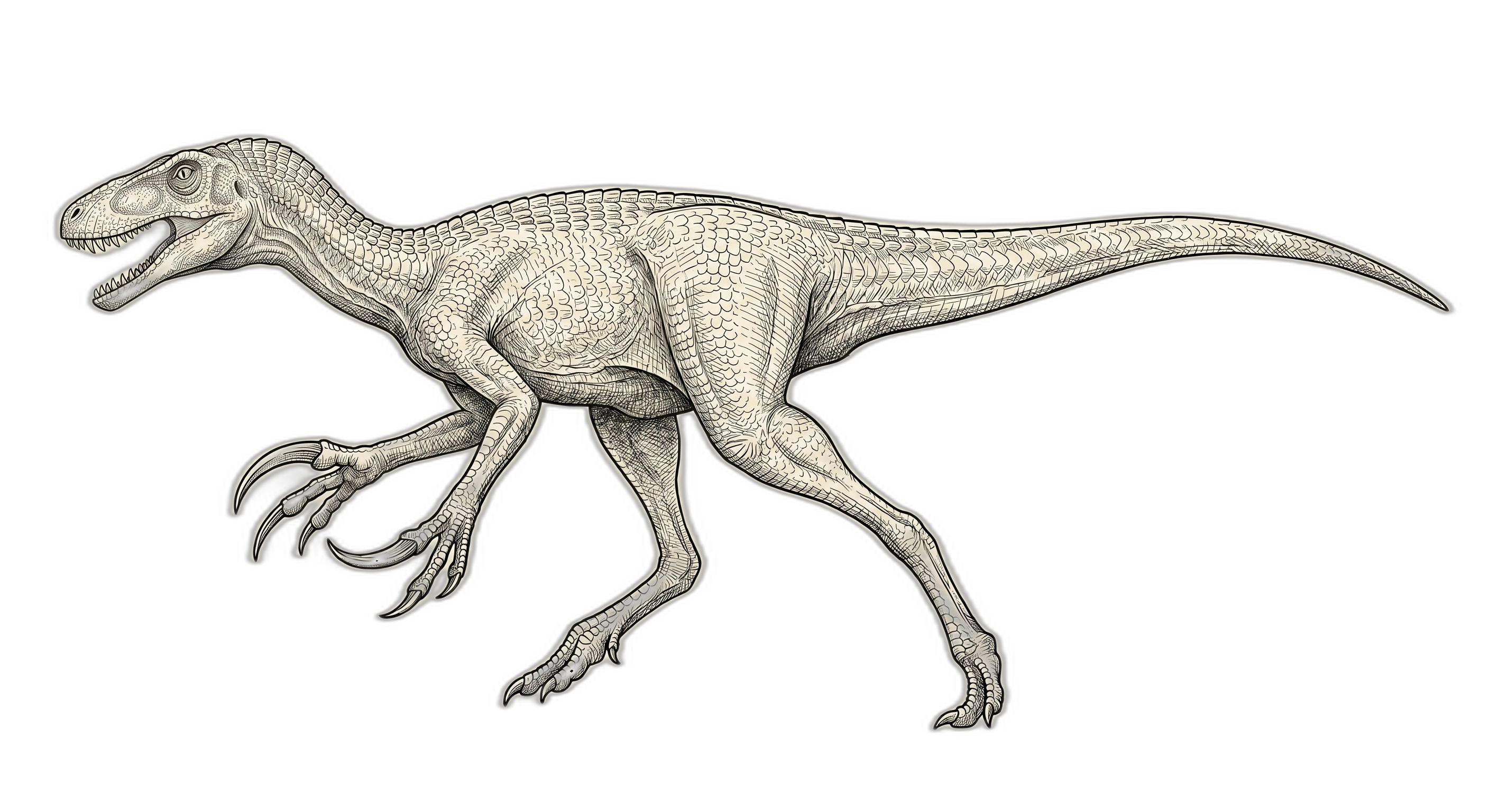
Both were large theropods from Late Cretaceous Argentina.
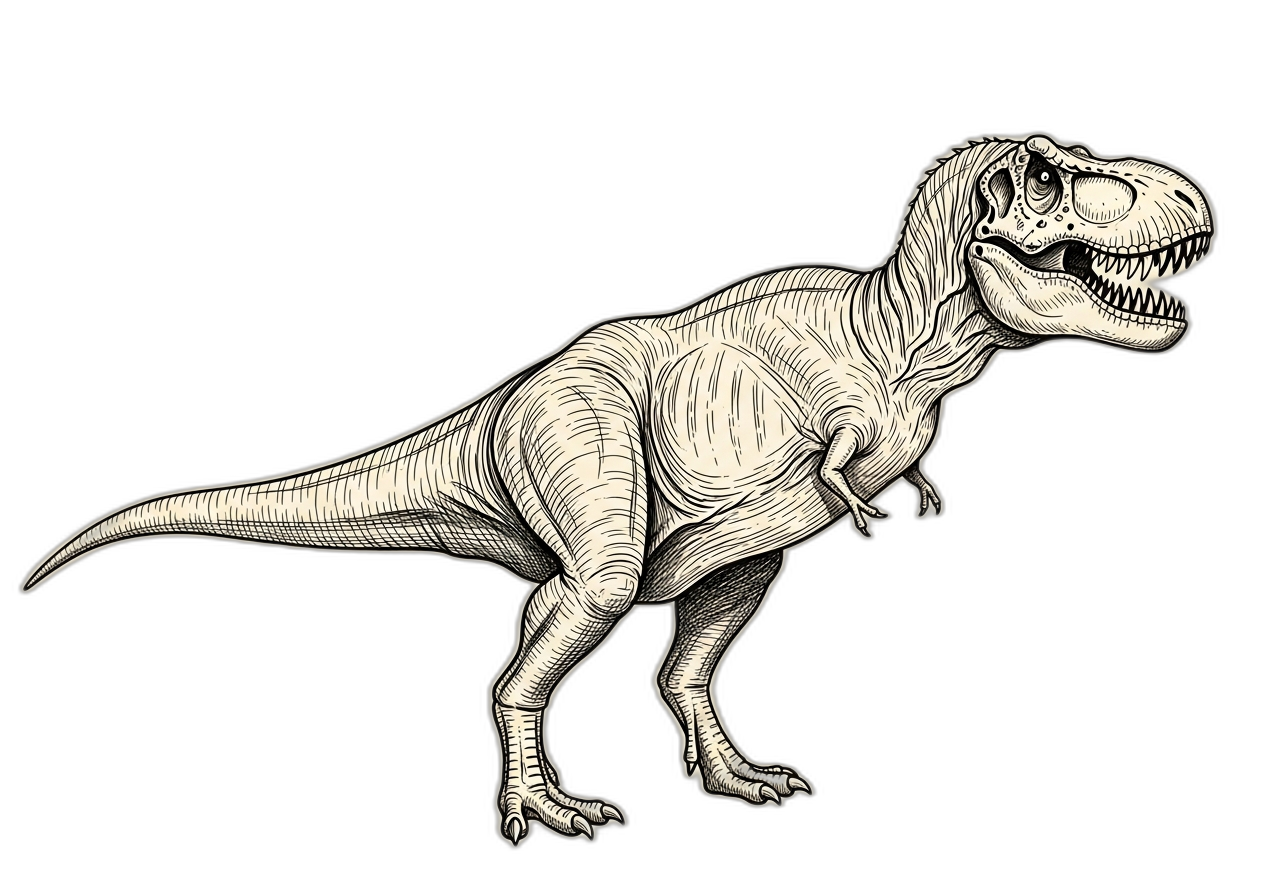
T-Rex
Tyrannosaurus rex
Carnotaurus and T. rex represent convergent evolution of apex predator theropods on separate continents — Carnotaurus in South America (Abelisauridae) and T. rex in North America (Tyrannosauridae).
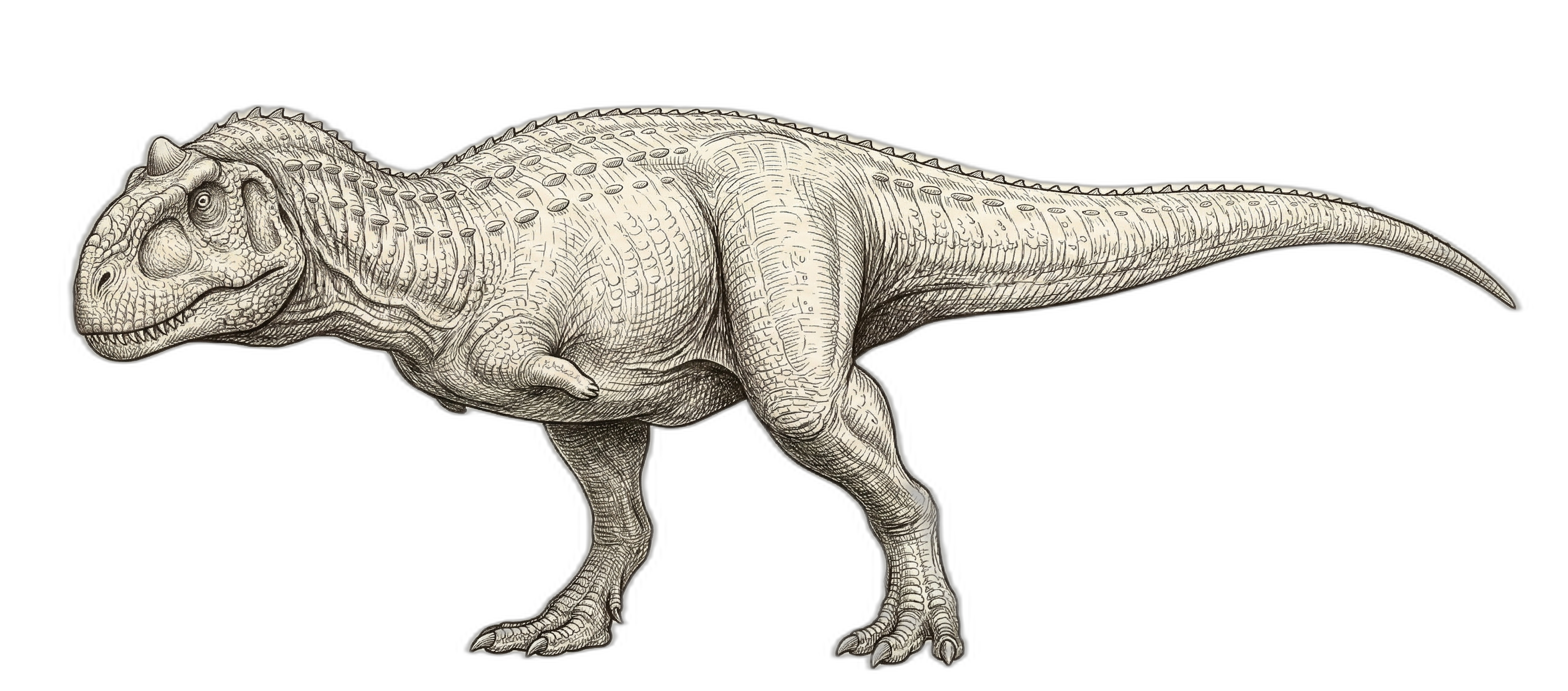
Majungasaurus
Majungasaurus crenatissimus
Same family: Abelisauridae
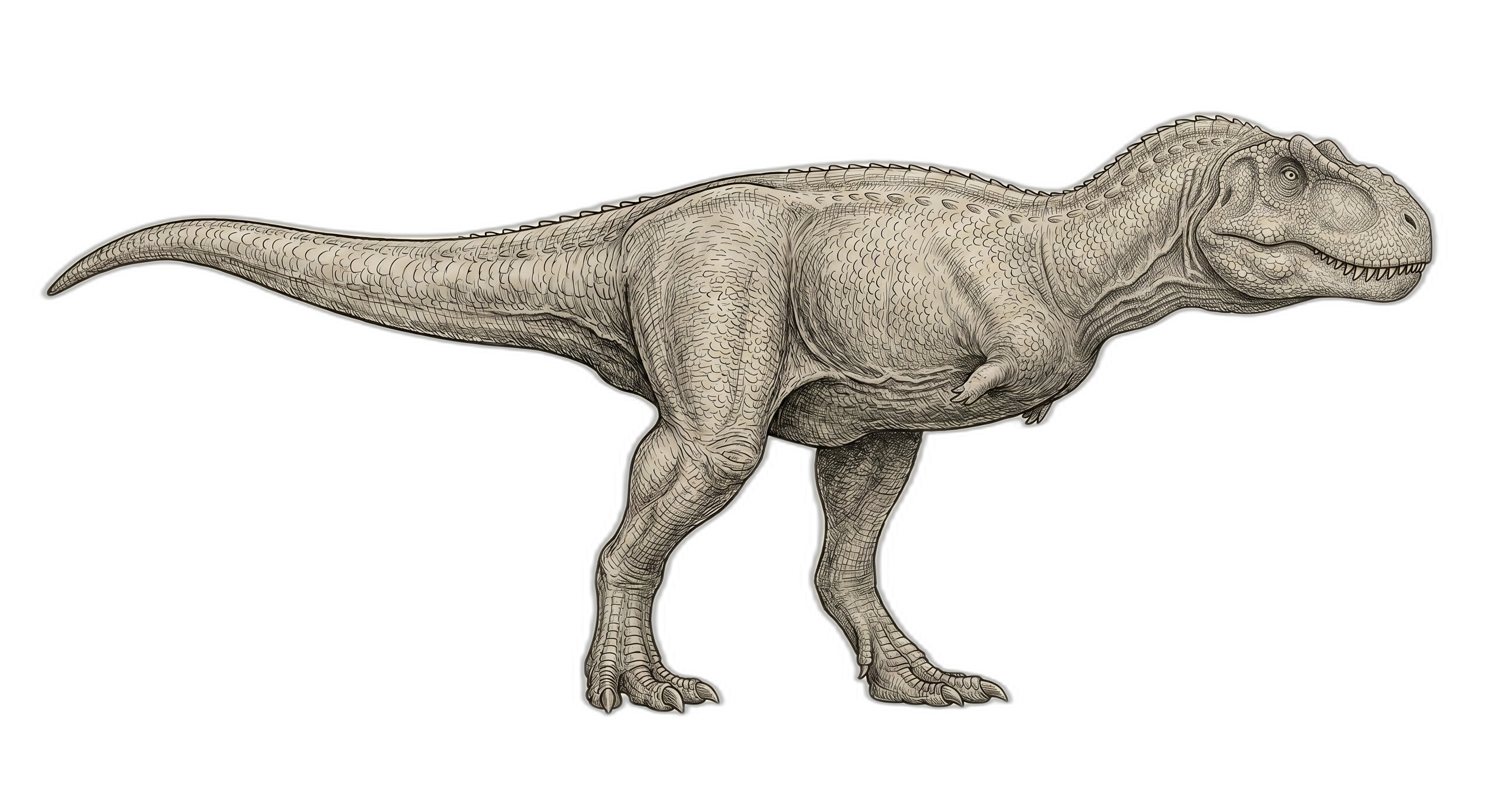
Abelisaurus
Same family: Abelisauridae
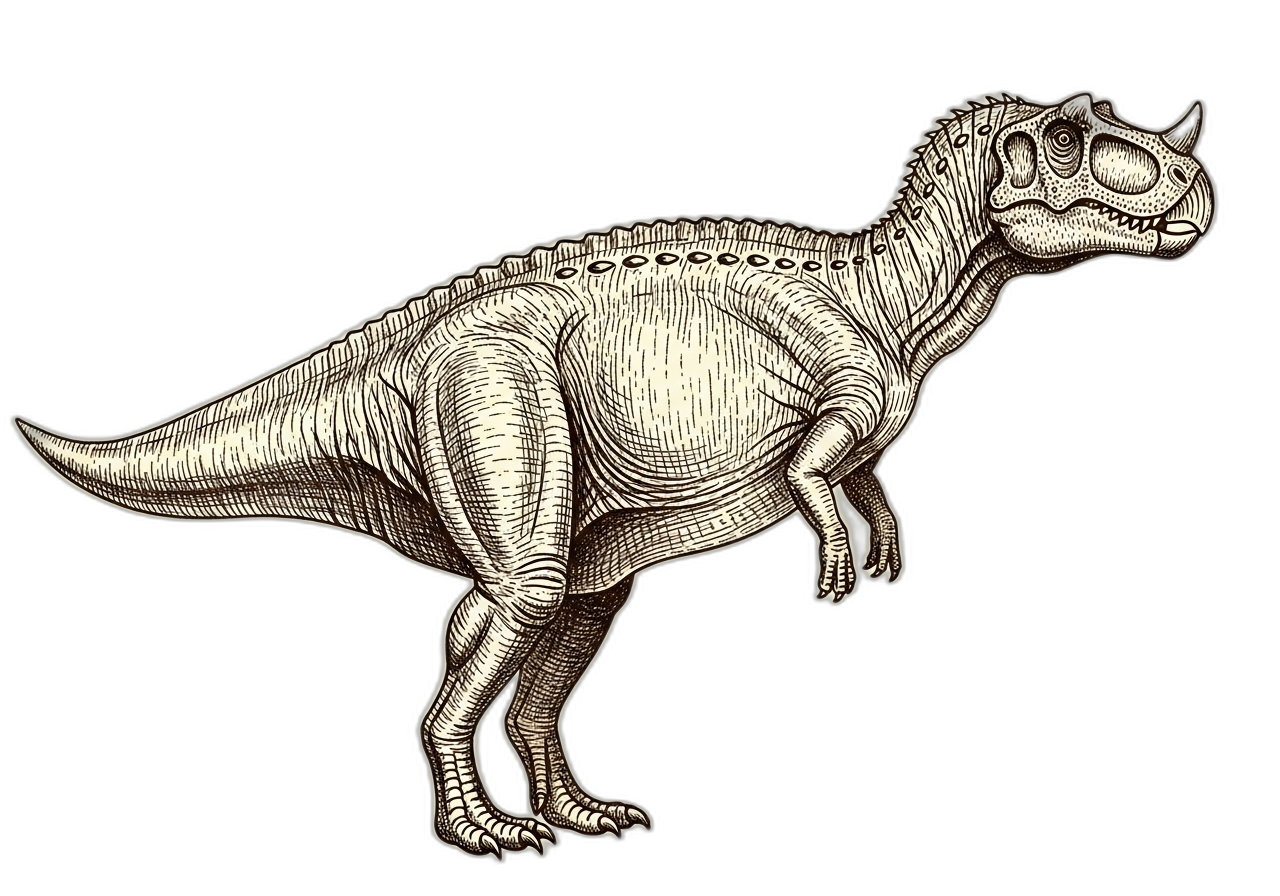
Ceratosaurus
Ceratosaurus nasicornis
Both are ceratosaurian theropods with distinctive cranial ornamentation (nasal horn in Ceratosaurus, paired brow horns in Carnotaurus).