La Colonia Formation
Chubut, Argentina
Why It Matters
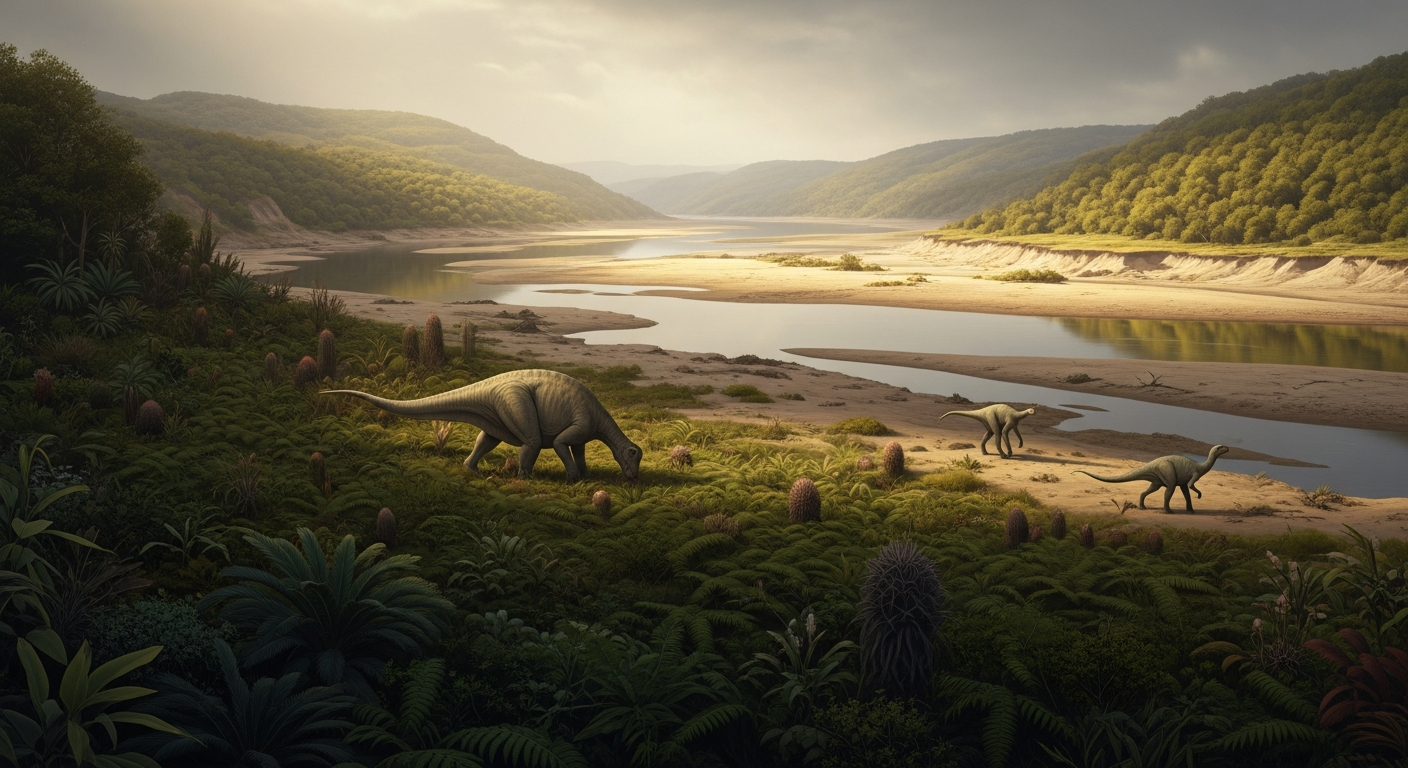
The La Colonia Formation is one of the most important Late Cretaceous deposits in South America, preserving a diverse from the final stages of the Mesozoic. It is the type locality for Carnotaurus sastrei, one of the most complete dinosaurs known from the Southern Hemisphere. The formation provides critical data on Gondwanan dinosaur evolution just before the end-Cretaceous extinction.
How Fossils Survived
The La Colonia Formation consists primarily of fine-grained sandstones, mudstones, and tuffaceous sediments deposited in coastal plain and estuarine environments. The depositional setting included tidal flats, lagoons, and channels influenced by marine transgressions. Exceptional preservation conditions allowed for the recovery of skin impressions alongside skeletal material.
Discovery History
The formation gained scientific prominence in 1984 when José Bonaparte discovered the remarkably complete Carnotaurus specimen with extensive skin impressions. Subsequent expeditions by Argentine paleontologists have revealed additional dinosaur taxa, mammals, turtles, and other . Research continues to expand understanding of the formation's diverse Late Cretaceous ecosystem.
Dinosaurs in the Vault
1 species in our database · sorted by size
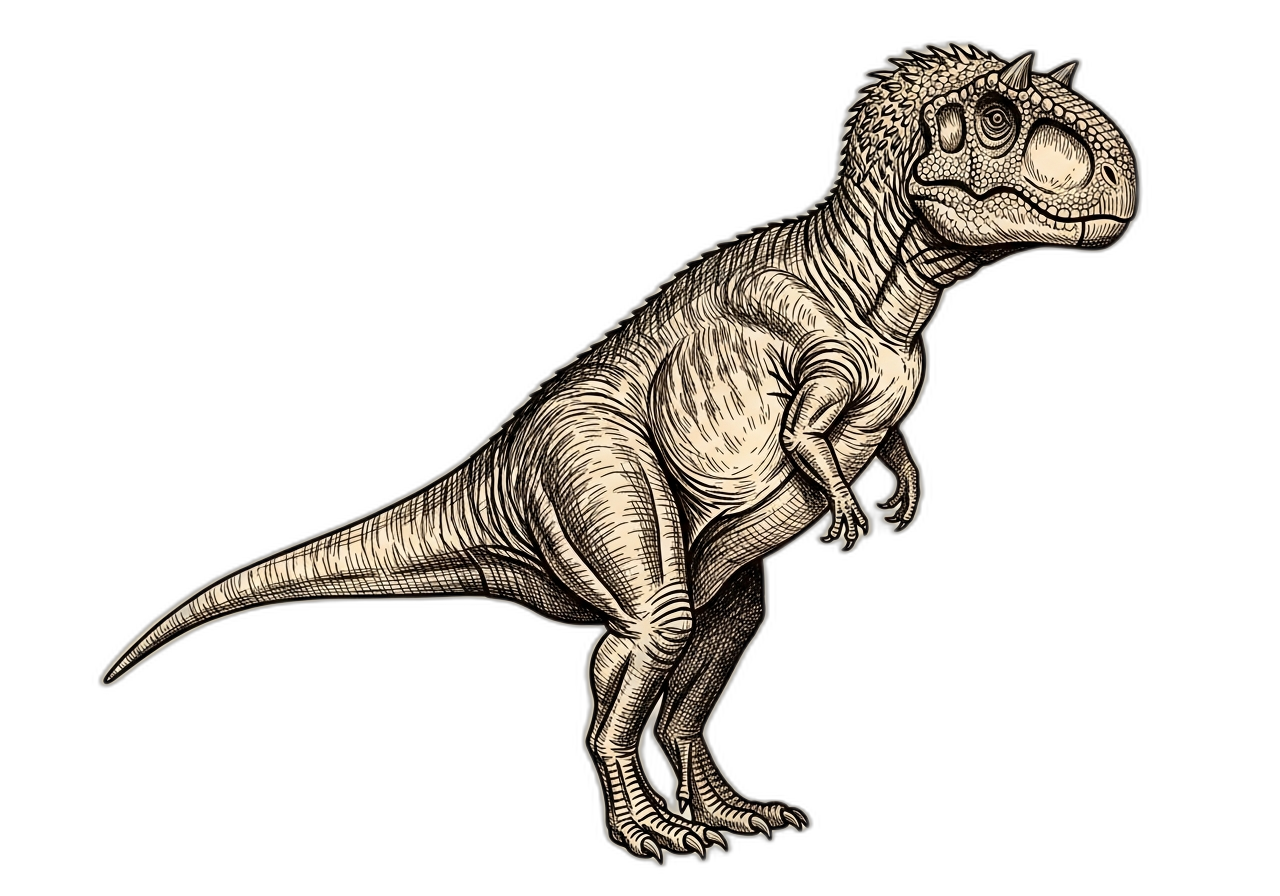
The Carnotaurus holotype preserves large patches of skin impressions showing rows of conical scutes, making it one of the best-known theropod integuments