About
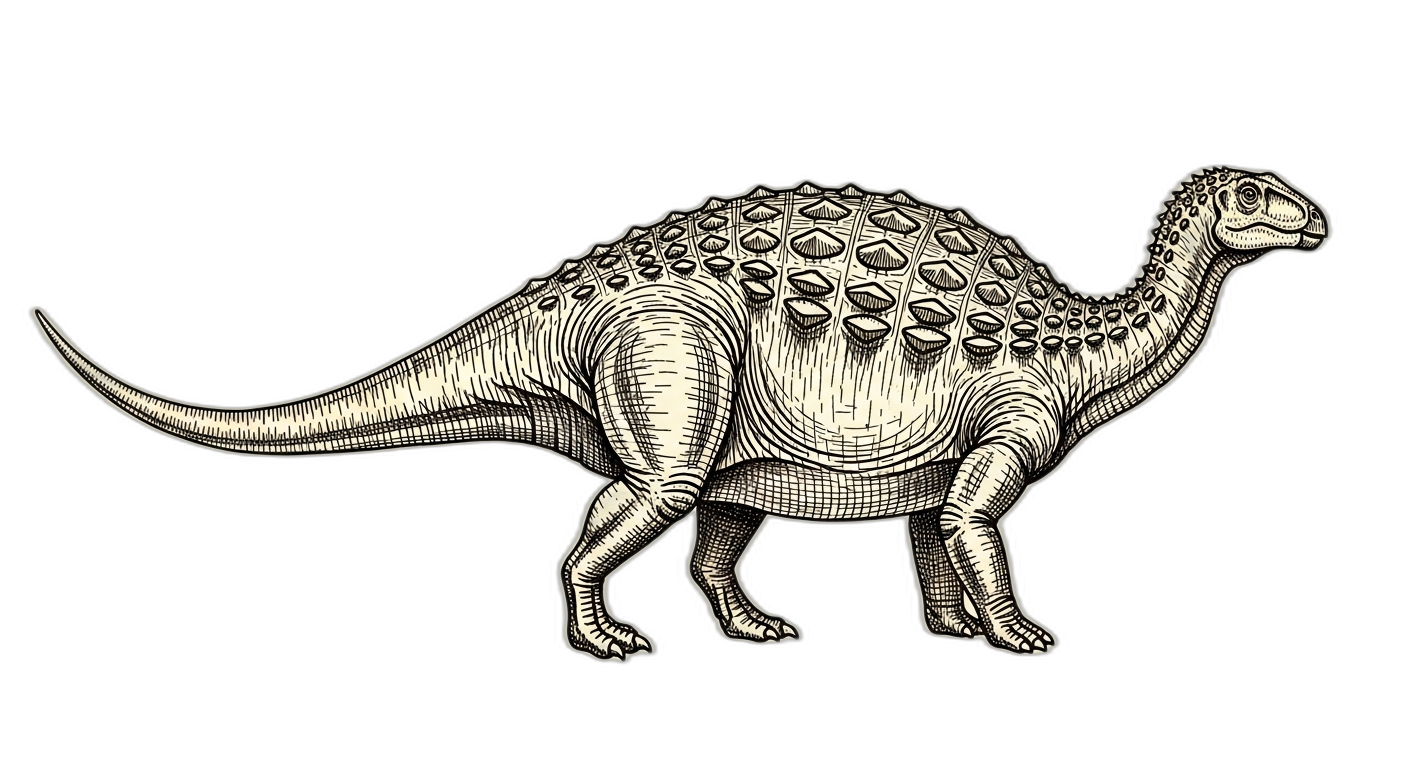
Saltasaurus was a titanosaurian that lived in what is now Argentina during the Late Cretaceous period, approximately 70-66 million years ago. Though relatively small for a sauropod at around 12 meters long, it would have still dwarfed any land animal alive today. What made Saltasaurus truly revolutionary was its armor — thousands of small bony plates called embedded in its skin, providing protection against the large predators of its time.
This dinosaur had a compact, robust build with a relatively short neck compared to its earlier sauropod relatives and sturdy, pillar-like limbs to support its considerable bulk. As a herbivore, Saltasaurus would have spent its days browsing on vegetation, possibly using its armored hide to confidently stand its ground when threatened rather than relying solely on size or speed for defense.
Saltasaurus was discovered in 1975 by José Bonaparte and Jaime Powell in Salta Province, Argentina — which gave the dinosaur its name. When first described in 1980, many paleontologists were skeptical that a sauropod could possess armor, as these gentle giants had long been thought to rely on sheer size alone for protection. The discovery fundamentally changed our understanding of titanosaurian diversity and adaptations.
Since then, osteoderms have been identified in numerous other titanosaurians, suggesting that armor may have been widespread among these Late Cretaceous giants. Saltasaurus remains one of the best-known armored sauropods and continues to be an important reference point for understanding how these massive herbivores evolved new defensive strategies in their final chapter before the mass extinction.
Where fossils were found
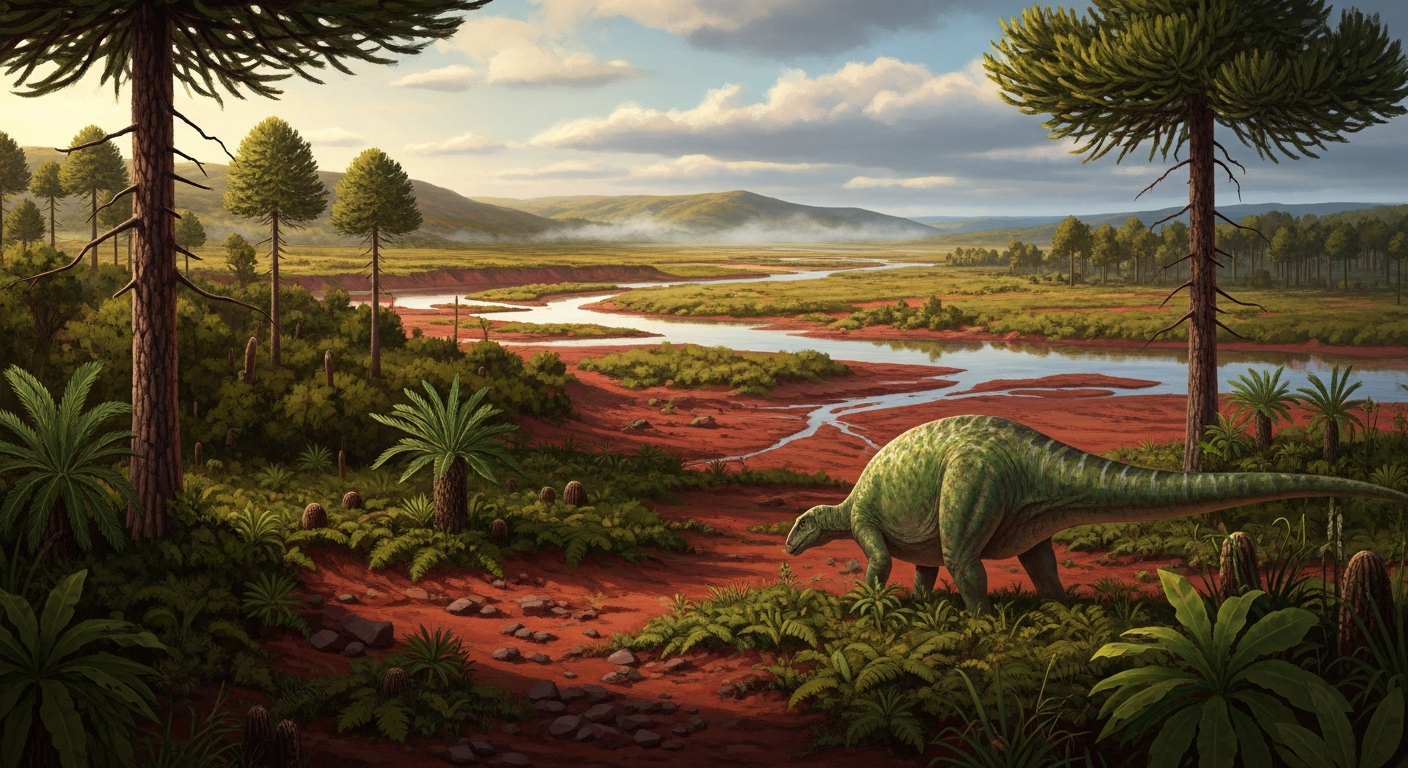
Anacleto Formation
Neuquén, Río Negro, Mendoza · Argentina
72.2–66 million years ago(6.2m year span)
Where Saltasaurus Roamed
Saltasaurus roamed the semi-arid floodplains of Late Cretaceous South America, a landmass still connected to the fragmenting supercontinent of Gondwana. This armored titanosaur inhabited a region of seasonal rivers and volcanic highlands in what is now northwestern Argentina, where the ancient Andes were beginning their dramatic uplift.
Keep exploring the vault
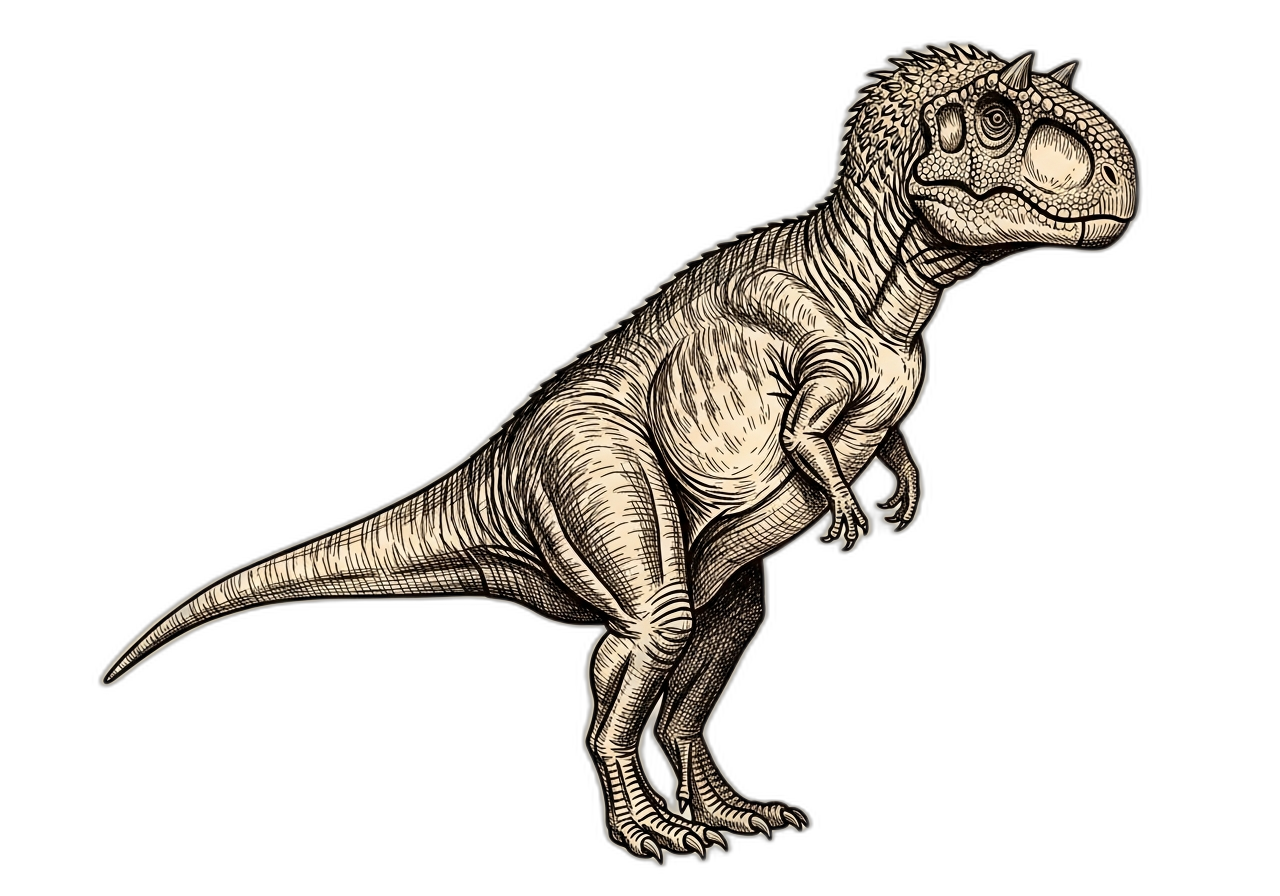
Carnotaurus
Carnotaurus sastrei
Carnotaurus was a large abelisaurid theropod from Late Cretaceous South America (La Colonia Formation, Argentina) that likely hunted titanosaurs like Saltasaurus.
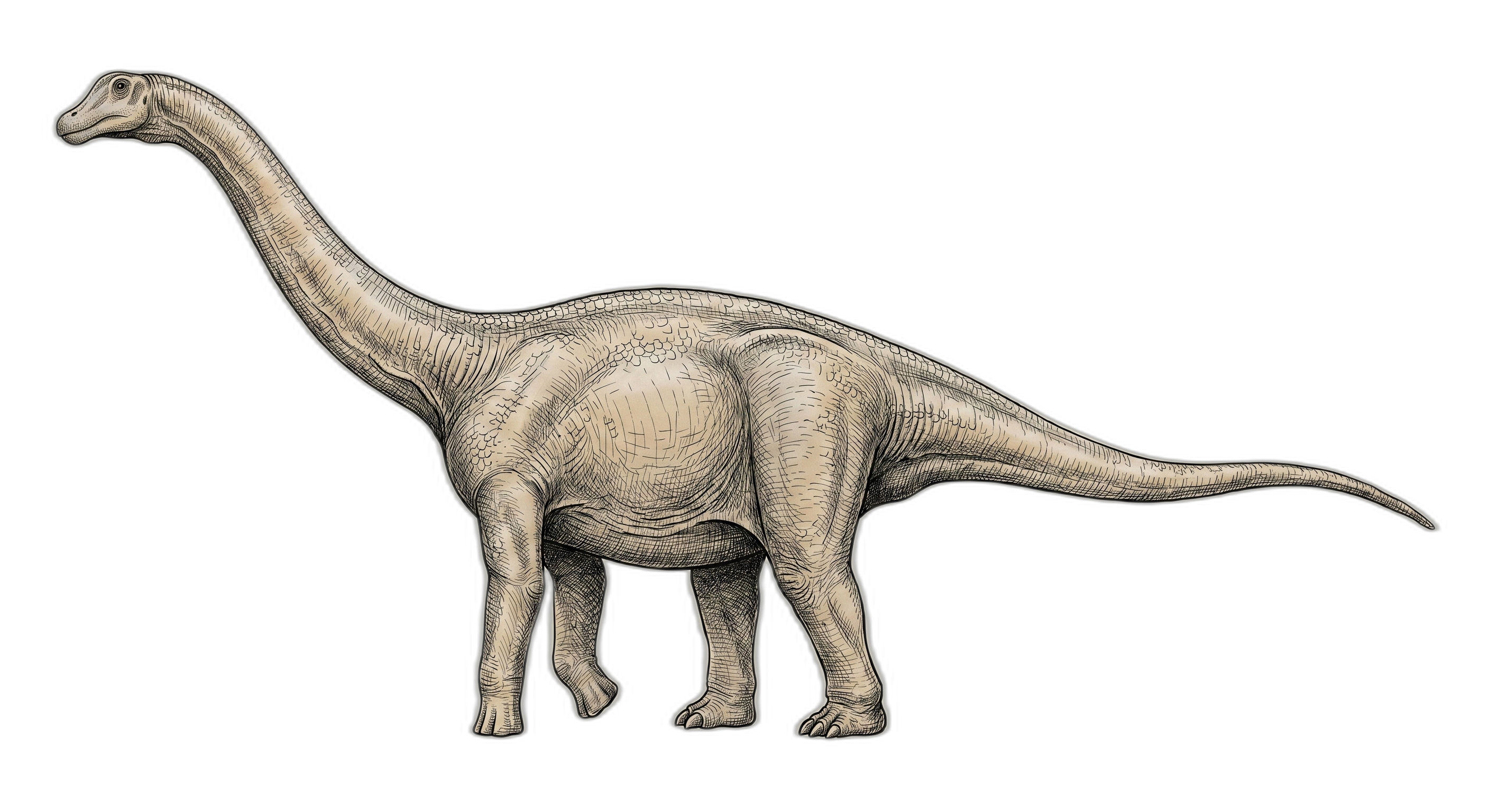
Rapetosaurus
Rapetosaurus krausei
Both are titanosaur sauropods from the Late Cretaceous of Gondwana, occupying similar ecological niches as large herbivores.
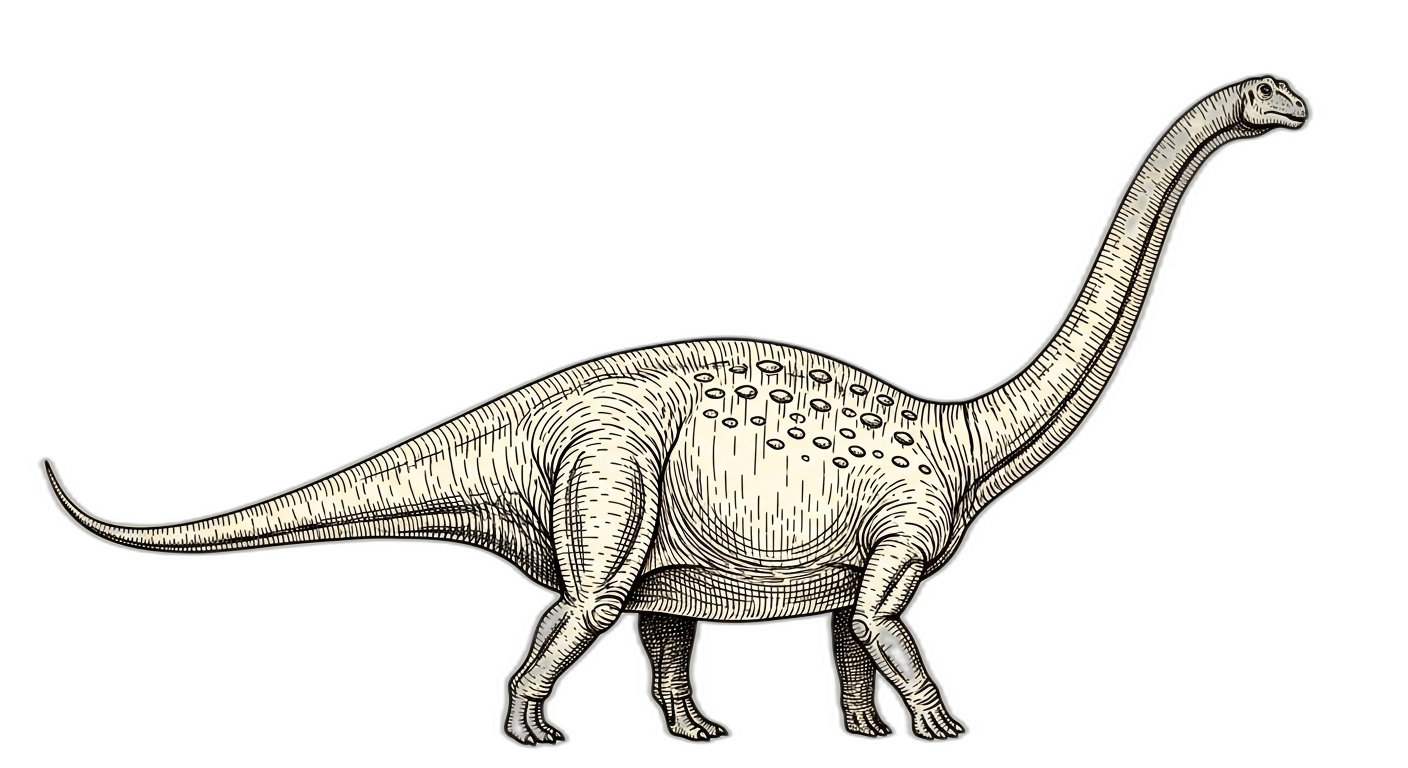
Argentinosaurus
Argentinosaurus huinculensis
Both are South American titanosaurs representing parallel gigantism experiments within Titanosauria.
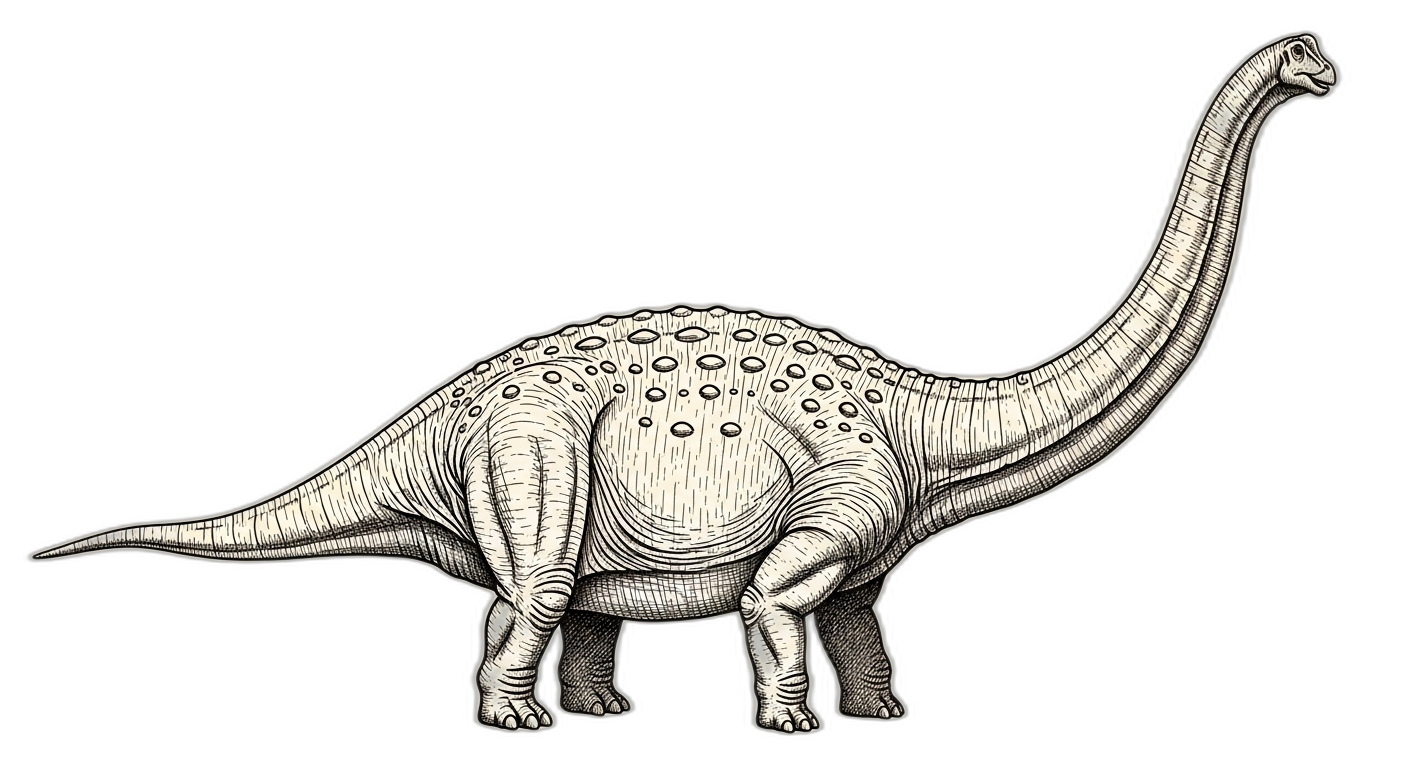
Dreadnoughtus
Dreadnoughtus schrani
Both are derived titanosaurs from Late Cretaceous Argentina exploring different body plans within the same lineage.
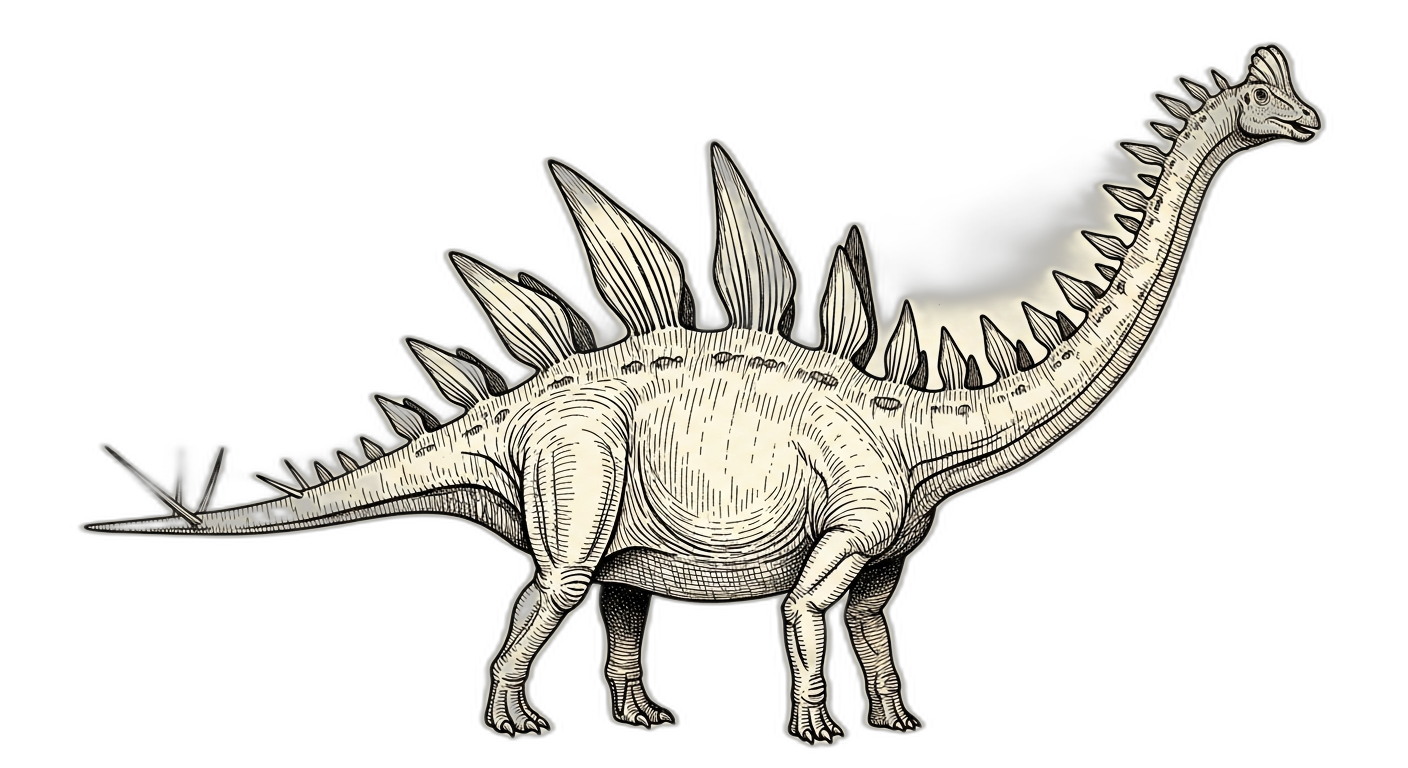
Amargasaurus
Amargasaurus cazaui
Both are South American sauropods that evolved defensive structures — Amargasaurus with its elongated neck spines possibly serving as defense or display, and Saltasaurus with dermal armor (osteoderms).
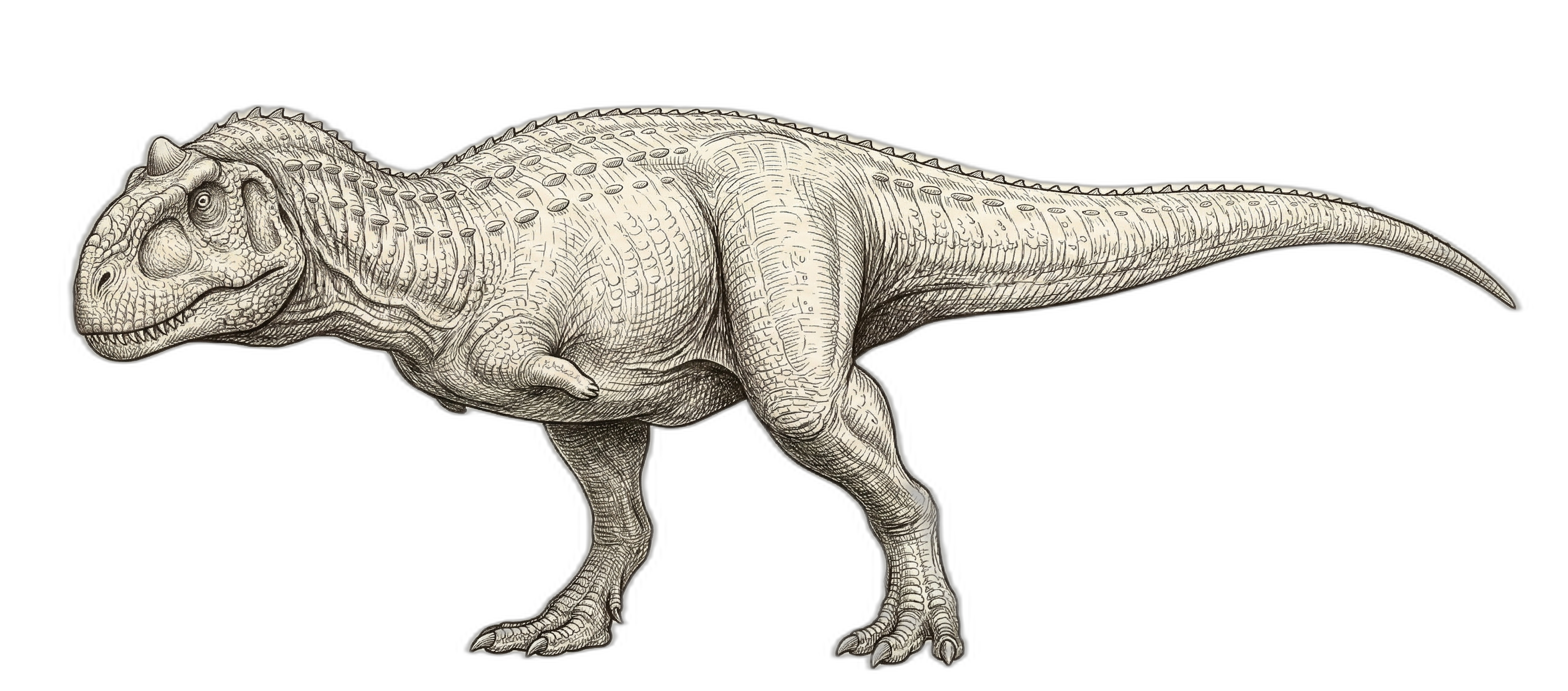
Majungasaurus
Majungasaurus crenatissimus
Majungasaurus is known from extensive feeding trace evidence including tooth marks on sauropod bones in Madagascar.