
Anacleto Formation
Neuquén, Río Negro, Mendoza, Argentina
Why It Matters
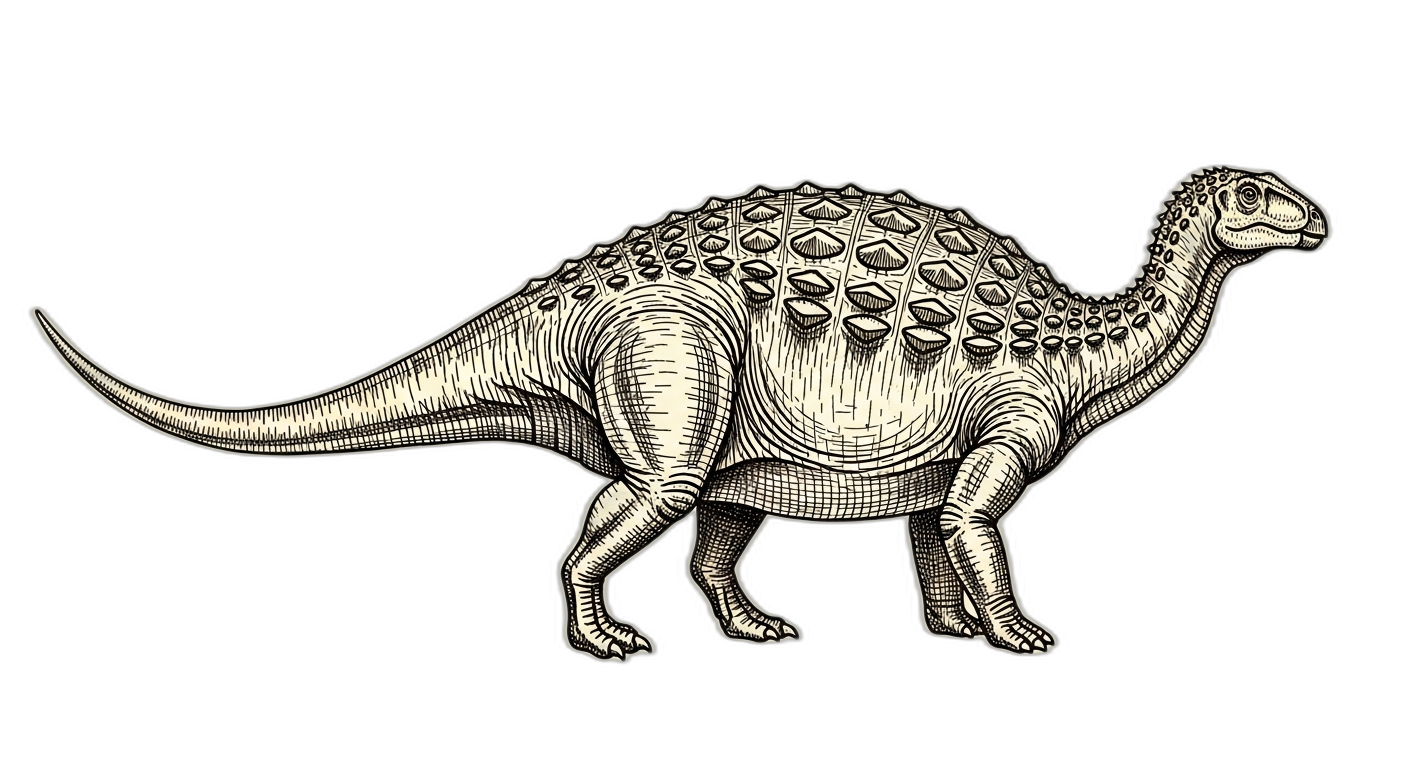
The Anacleto Formation is one of the most important Late Cretaceous dinosaur-bearing units in South America, yielding the type specimen of Saltasaurus loricatus, the first discovered with dermal armor. It provides critical evidence for understanding Gondwanan evolution and paleoecology during the Campanian.
How Fossils Survived
The formation consists primarily of reddish mudstones, siltstones, and sandstones deposited in and floodplain environments. These sediments represent a semi-arid climate with seasonal rivers and lakes. The fine-grained deposits have preserved skeletons and delicate features including and eggs - including some with preserved embryos.
Discovery History
The formation has been systematically studied since the mid-20th century, with major expeditions by Argentine paleontologists beginning in the 1970s. José Bonaparte's discoveries at sites like Cinco Saltos in the 1980s revealed the armored nature of titanosaurs. Ongoing excavations continue to yield new taxa and nesting sites.
Dinosaurs in the Vault
2 species in our database · sorted by size
Saltasaurus eggs discovered here measure approximately 11-12 cm in diameter and were found in colonial nesting grounds