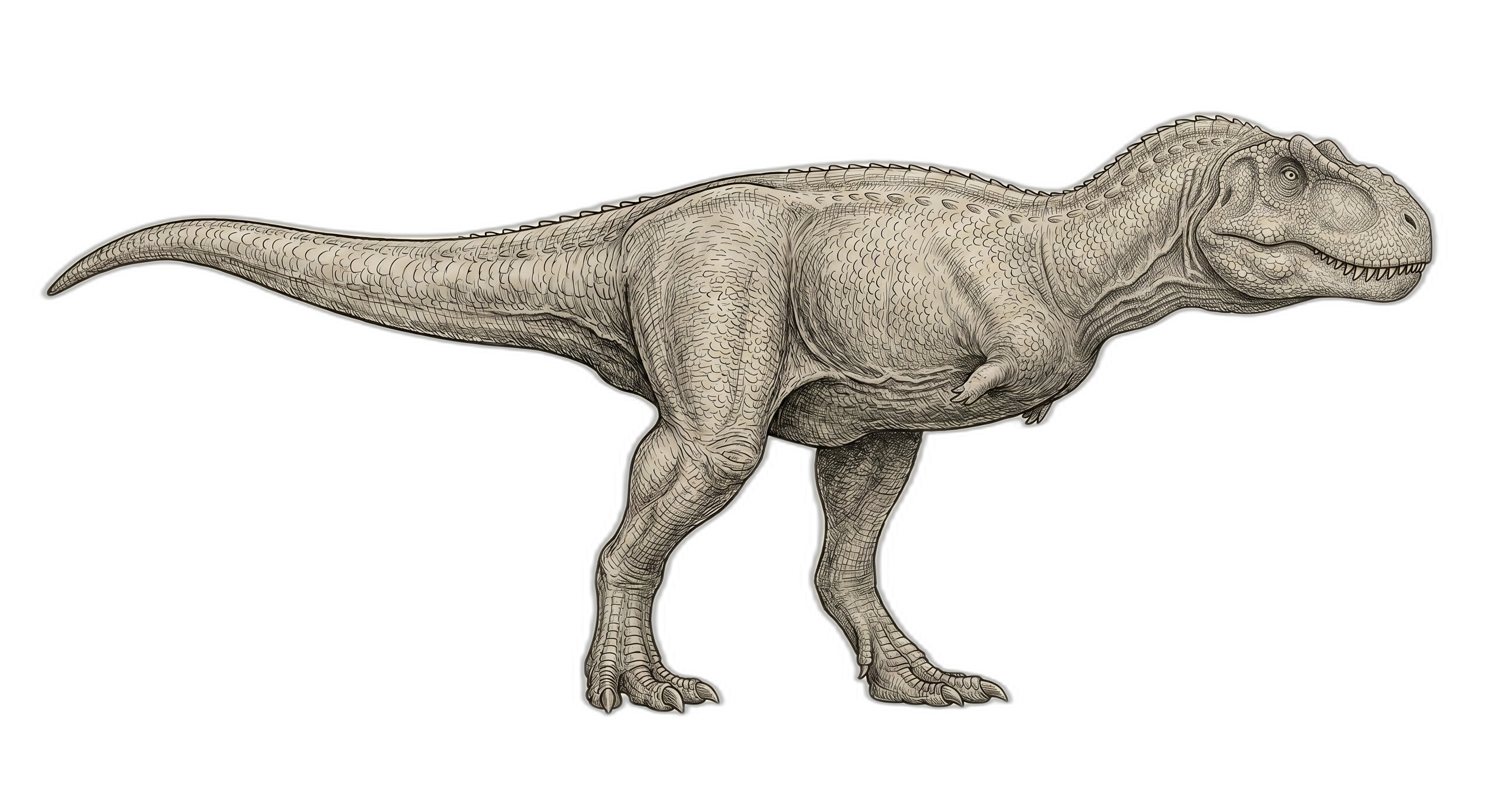
About
Abelisaurus was a formidable predator that stalked the ancient landscapes of Patagonia during the Late Cretaceous, approximately 83 to 70 million years ago. This large is known exclusively from a partial skull discovered in Argentina's Anacleto Formation, making definitive size estimates challenging. The skull, measuring roughly 85 centimeters in length, displays the characteristic features that would come to define the family: a robust build with rough, sculptured bone texture and large fenestrae (openings) that lightened the massive head.
As the namesake of the Abelisauridae, this genus holds tremendous scientific significance despite its incomplete fossil record. The skull shows evidence of powerful jaw muscles and teeth suited for processing meat, indicating Abelisaurus was an in its ecosystem. Its proportions suggest a body plan similar to better-known relatives like Carnotaurus, with a large head, muscular neck, and characteristically reduced forelimbs that are a hallmark of abelisaurid anatomy.
The discovery by Roberto Abel in Patagonia's Río Negro Province opened a new chapter in understanding Southern Hemisphere dinosaur evolution. Abelisaurus demonstrates that South America hosted its own lineage of large theropods, distinct from the tyrannosaurs dominating North America. This finding helped establish Gondwanan landmasses as cradles of unique dinosaur diversity, forever changing how paleontologists view prehistoric southern ecosystems.
Where fossils were found
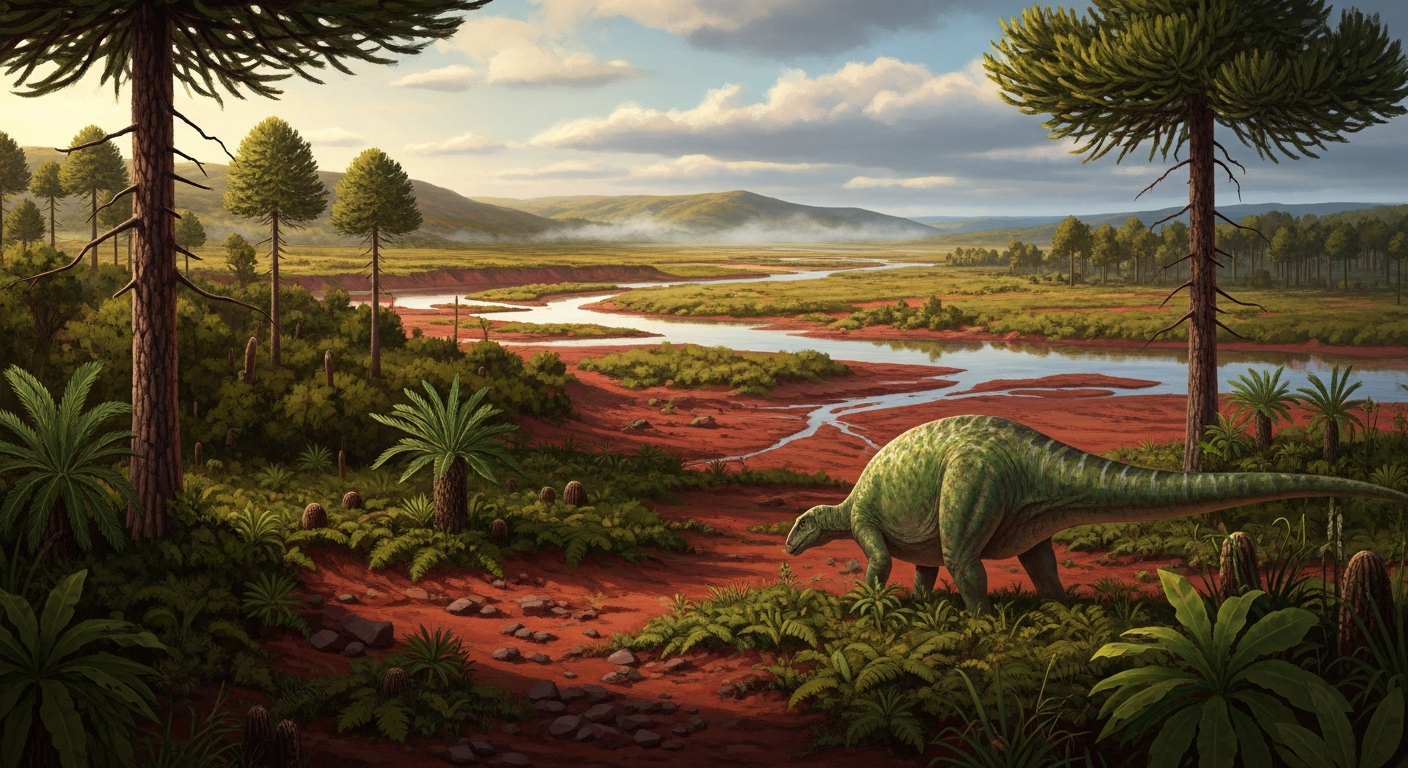
Anacleto Formation
Neuquén, Río Negro, Mendoza · Argentina
83.5–70 million years ago(13.5m year span)
Keep exploring the vault
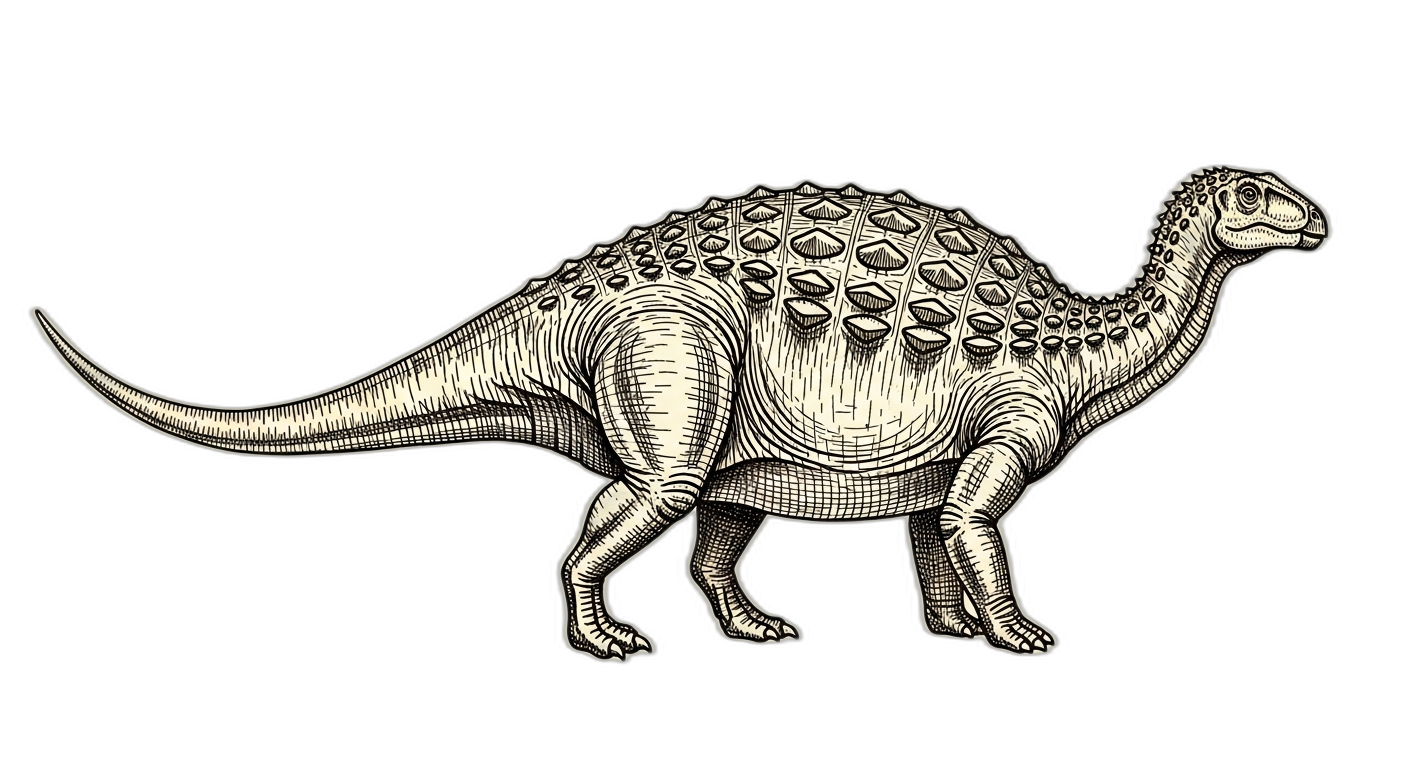
Saltasaurus
Saltasaurus loricatus
Saltasaurus shared the Anacleto Formation with Abelisaurus.
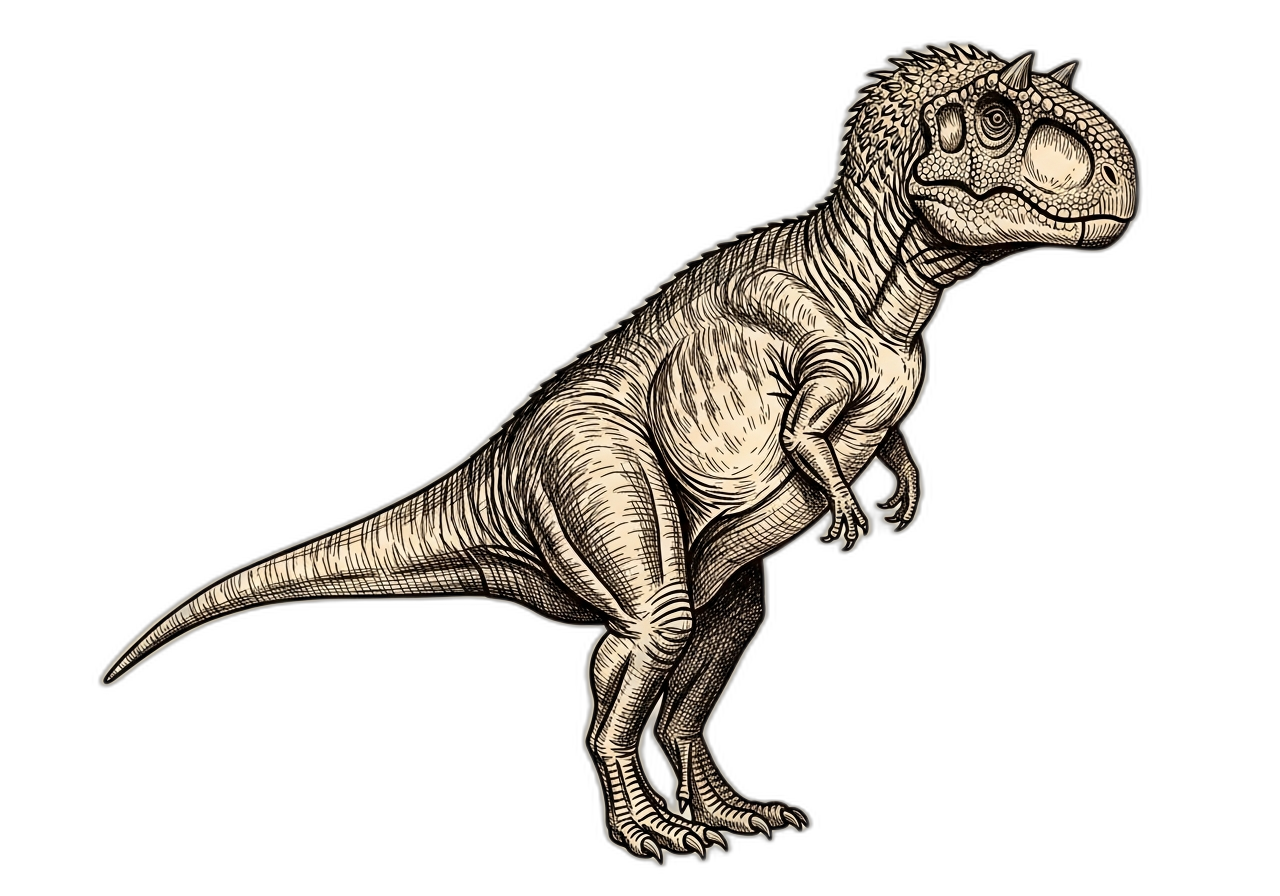
Carnotaurus
Carnotaurus sastrei
Both are Argentine abelisaurids of similar size (Carnotaurus ~8m, Abelisaurus ~7.4m) from overlapping Late Cretaceous time periods in Patagonia.
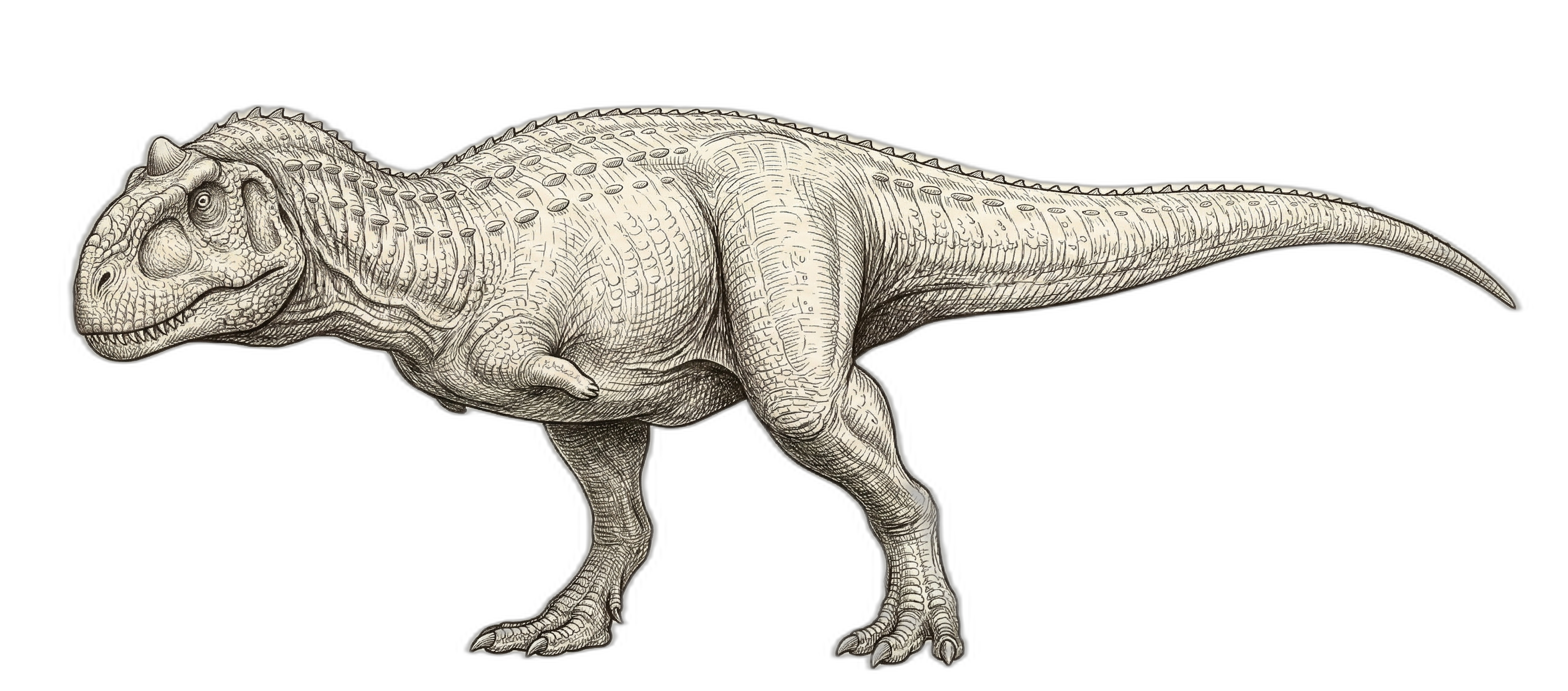
Majungasaurus
Majungasaurus crenatissimus
Both are medium-large abelisaurids that evolved as apex predators in isolated Gondwanan landmasses during the Late Cretaceous — Abelisaurus in South America, Majungasaurus in Madagascar.
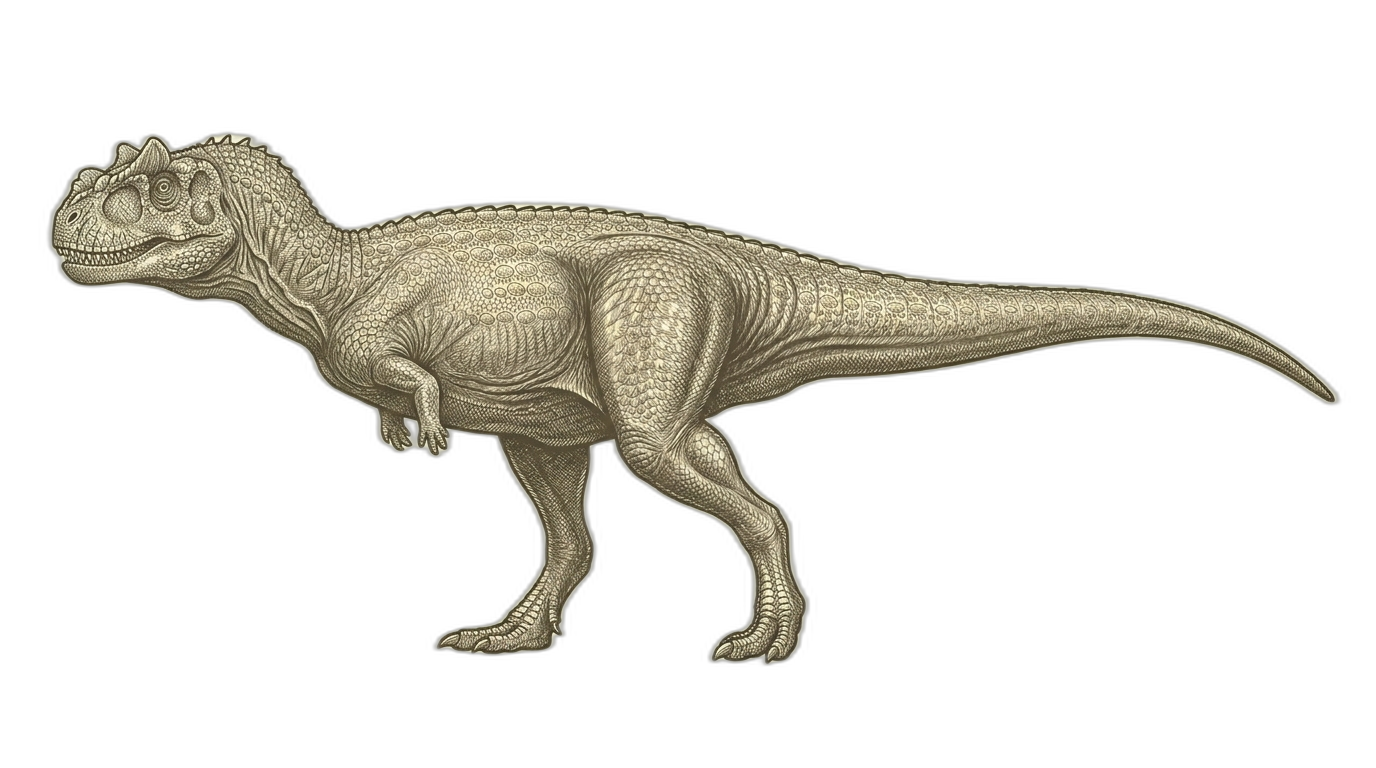
Rugops
Both are abelisaurids from the Late Cretaceous of former Gondwanan continents (South America and Africa respectively), representing the successful radiation of this theropod family across southern landmasses.