About
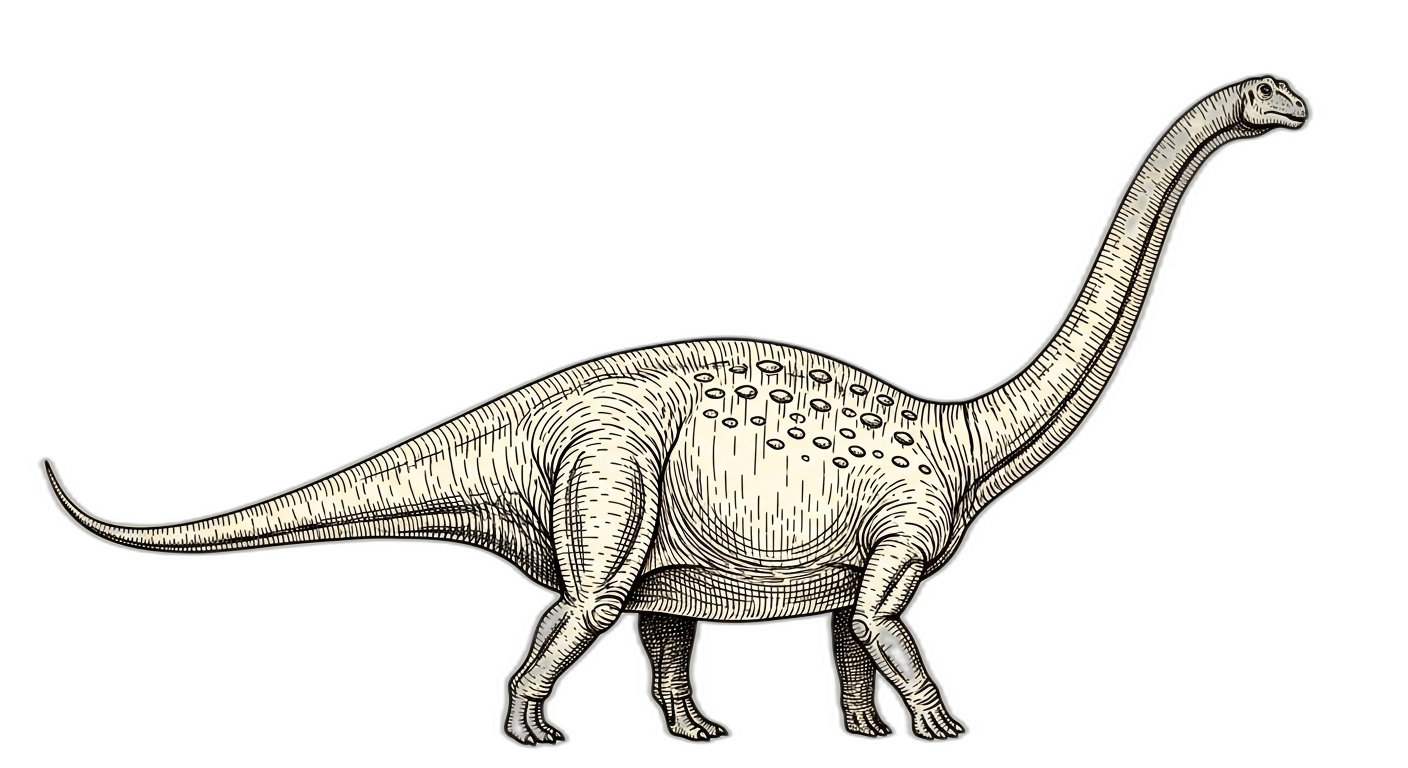
Argentinosaurus was a colossal that roamed the floodplains of what is now Patagonia, Argentina, during the Late Cretaceous period, approximately 96-92 million years ago. This plant-eating giant represents one of the absolute peaks of dinosaur body size evolution, with estimates suggesting it may have been the heaviest land animal ever known.
The nature of Argentinosaurus fossils presents both a challenge and a testament to its immense size. The known remains include several enormous back , a partial sacrum, incomplete tibia, and rib fragments. A single dorsal vertebra measures approximately 1.59 meters (5.2 feet) in height — taller than most adult humans. Despite the incomplete skeleton, these bones are so massive that paleontologists can confidently place Argentinosaurus among the largest dinosaurs ever discovered.
The fossils were discovered in 1987 by a rancher named Guillermo Heredia on his property in Neuquén Province, Argentina. He initially mistook the exposed fossil for petrified wood. Paleontologists José Bonaparte and Rodolfo Coria formally described and named the dinosaur in 1993, with the species name honoring the nearby city of Plaza Huincul. The remains come from the Huincul Formation, a geological unit that has yielded several other giant dinosaurs.
As a titanosaur, Argentinosaurus possessed the characteristic features of this group: a relatively small head, an enormously long neck, a barrel-shaped body supported by pillar-like legs, and (bony armor) embedded in its skin. To sustain its massive body, this animal would have needed to consume hundreds of kilograms of vegetation daily, likely stripping branches from conifer trees and other Cretaceous plant life with its peg-like teeth.
Where fossils were found
Huincul Formation
Neuquén · Argentina
100.5–89.8 million years ago(10.7m year span)
Where Argentinosaurus Roamed
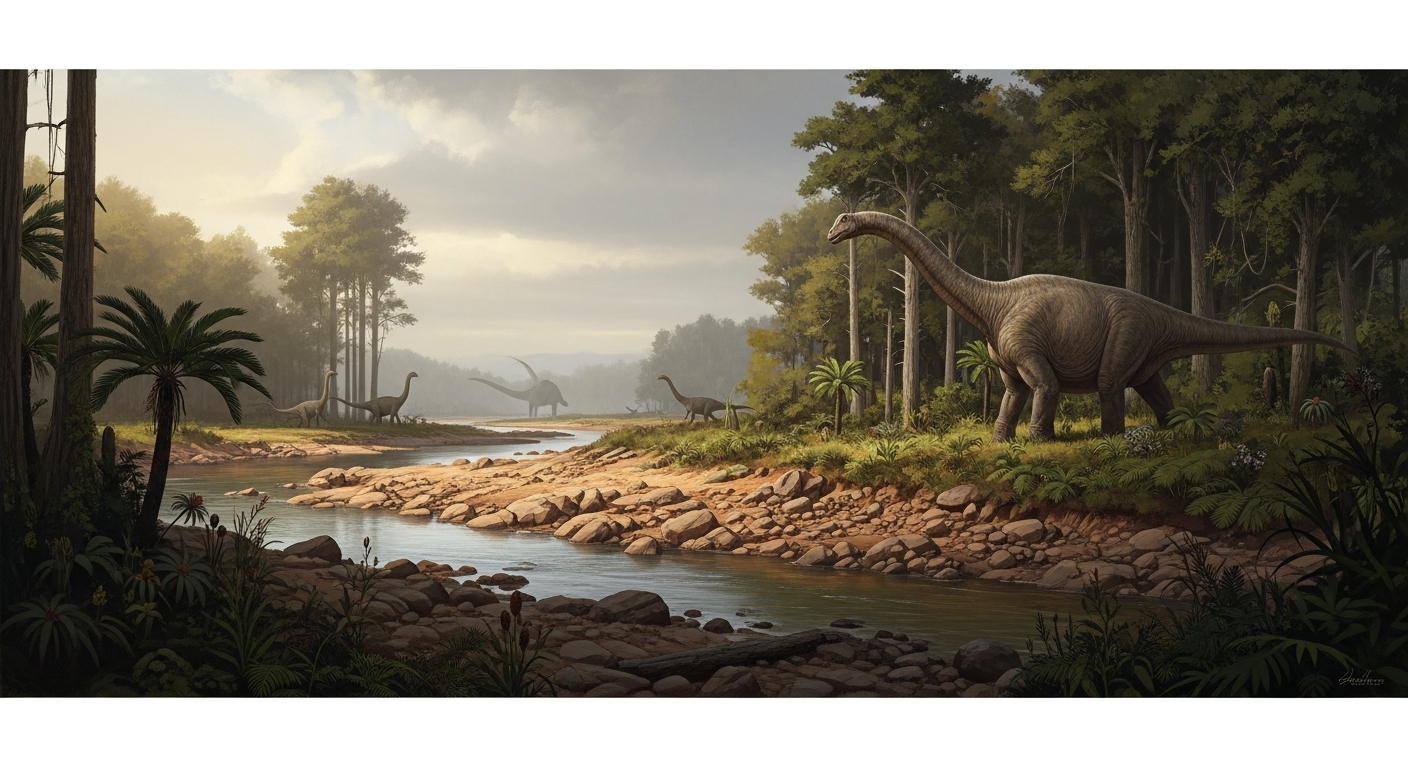
During the mid-Cretaceous period, Argentinosaurus roamed the floodplains and river valleys of what is now Patagonia, then part of the fragmenting supercontinent Gondwana as South America gradually separated from Africa. This region featured a warm, semi-arid climate with seasonal rainfall, supporting vast conifer forests and fern-covered lowlands that provided abundant vegetation for these colossal herbivores.
Keep exploring the vault
Giganotosaurus
Giganotosaurus carolinii
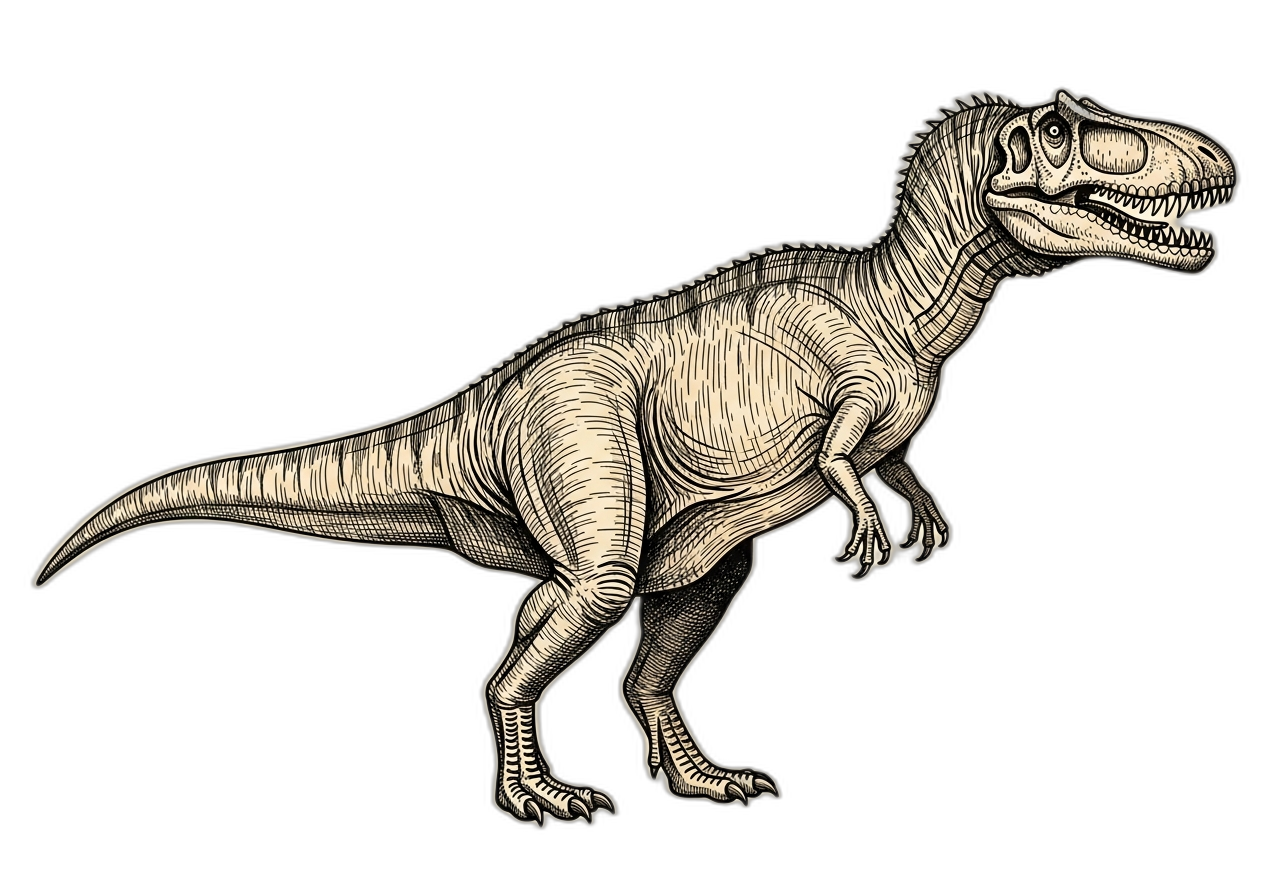
Giganotosaurus carolinii was a massive carcharodontosaurid theropod reaching 12.5m and 6500kg, directly co-occurring with Argentinosaurus in the Huincul Formation.
Patagotitan
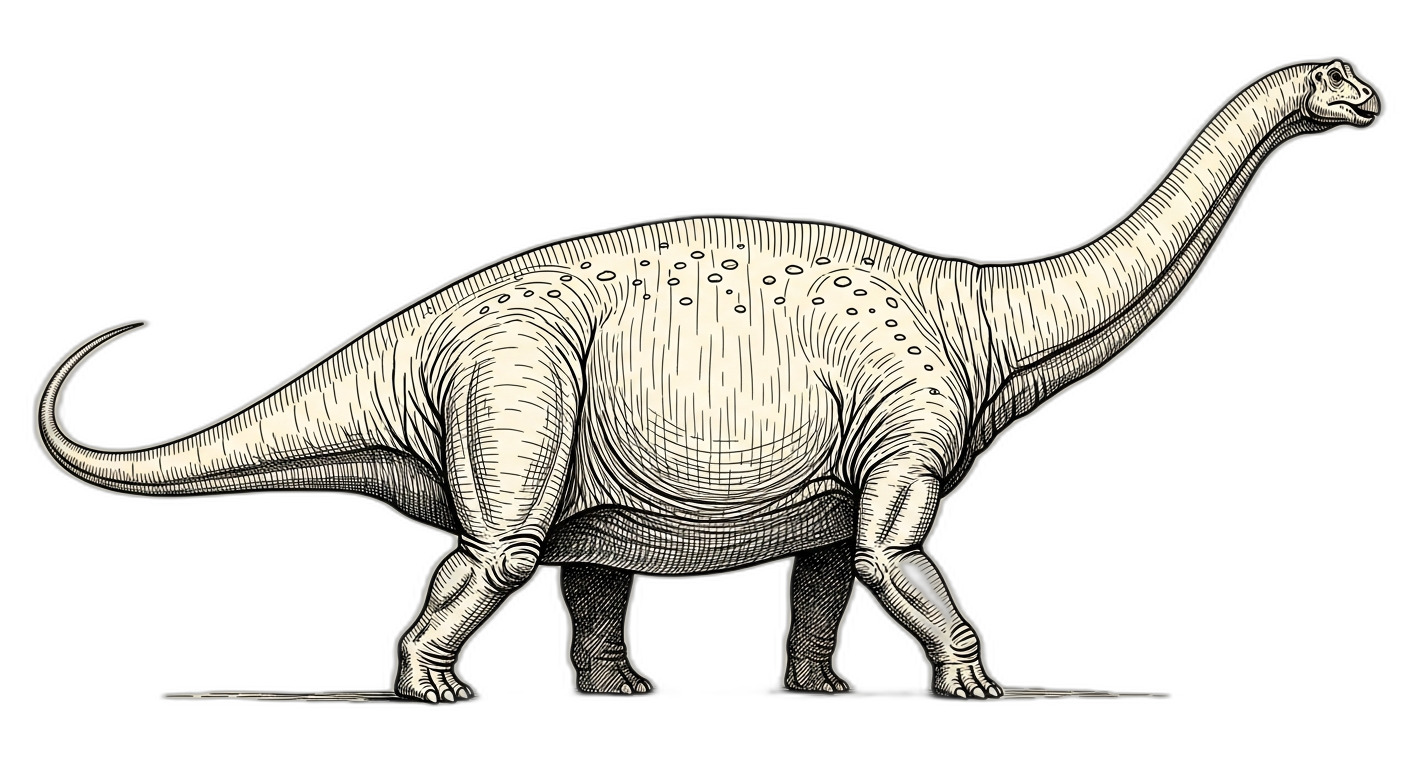
Both are South American titanosaurs that independently achieved extreme gigantism during the Cretaceous.
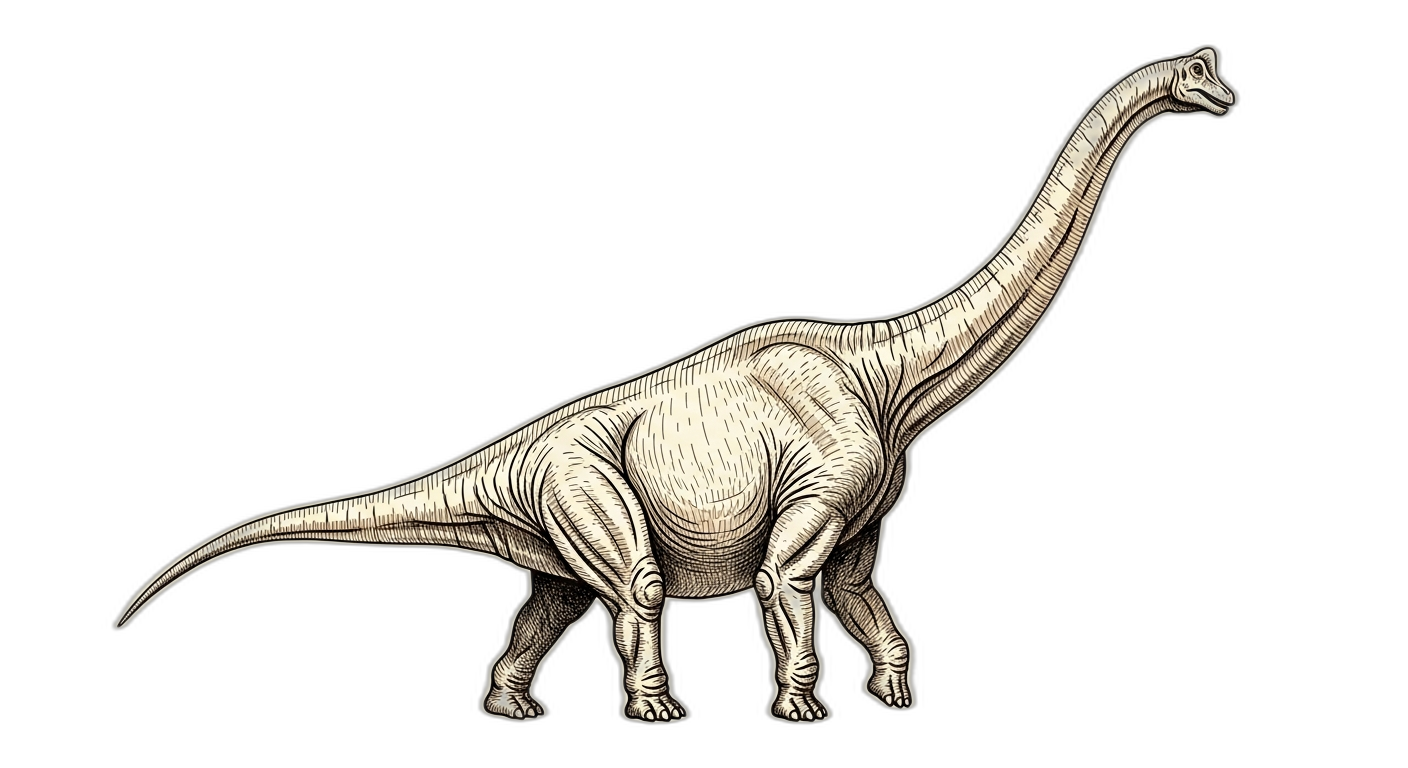
Brachiosaurus
Brachiosaurus altithorax
Both lineages independently explored extreme sauropod gigantism.
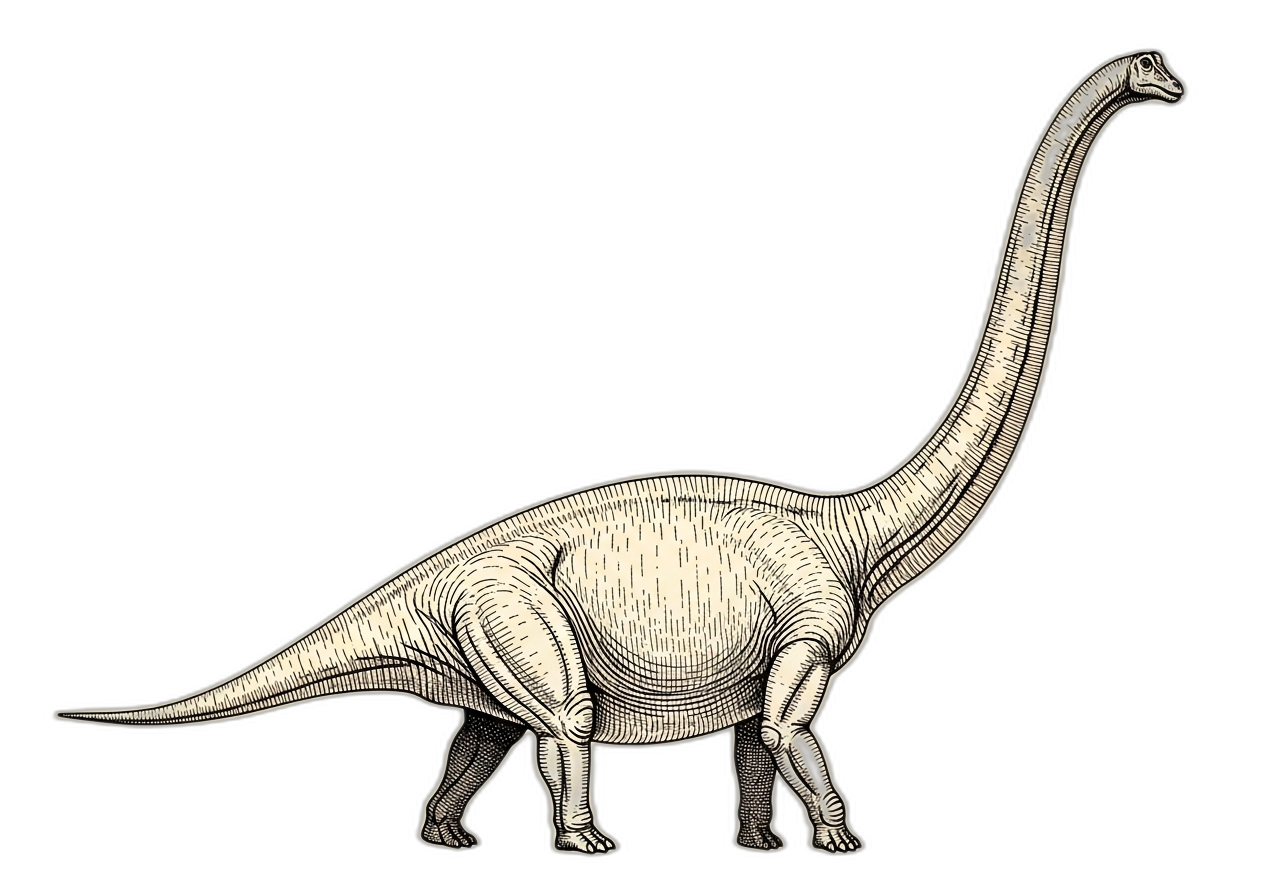
Sauroposeidon
Sauroposeidon proteles
Both Sauroposeidon and Argentinosaurus represent parallel experiments in sauropod gigantism during the Cretaceous, evolving massive body sizes independently in different titanosauriform lineages on separate continents (North America vs South America).
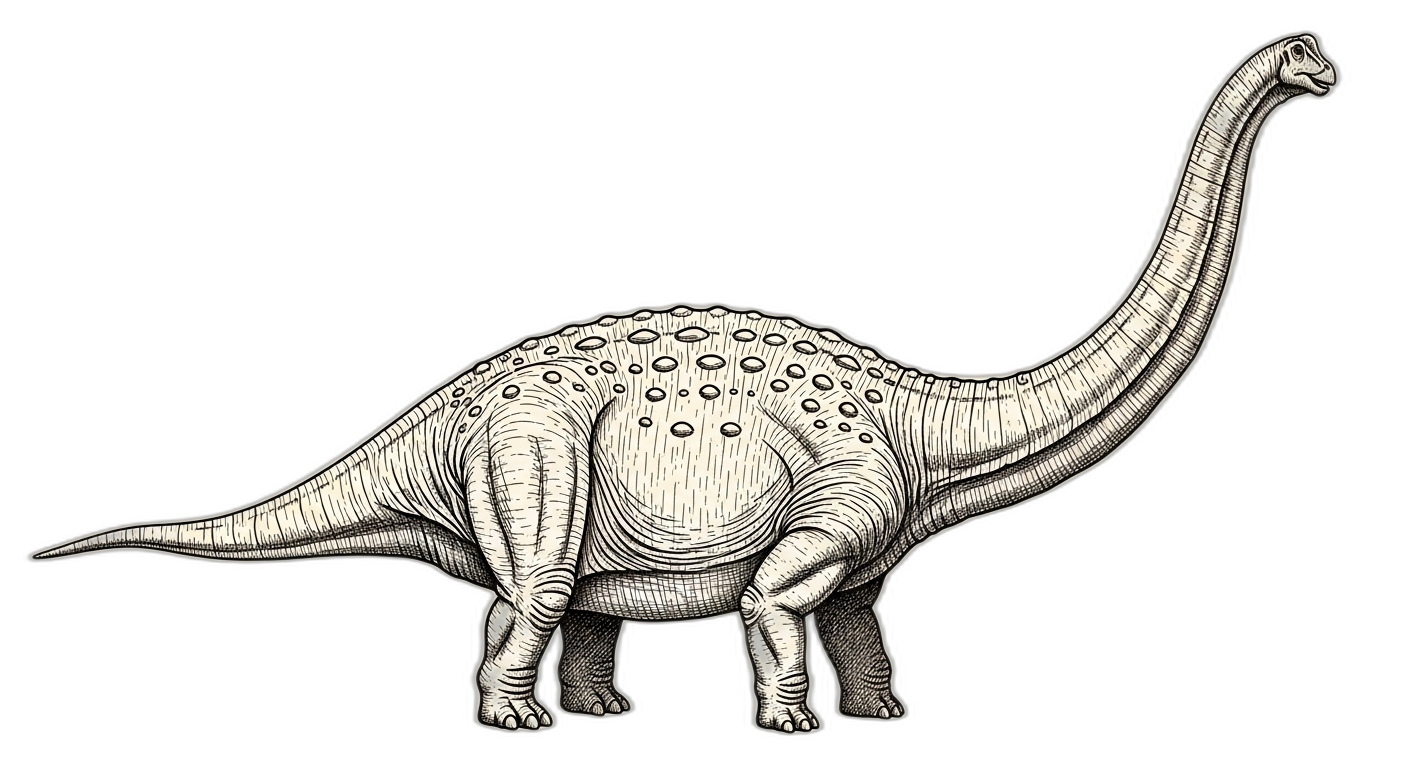
Dreadnoughtus
Dreadnoughtus schrani
Both are giant South American titanosaurs that evolved extreme body mass as a survival strategy.
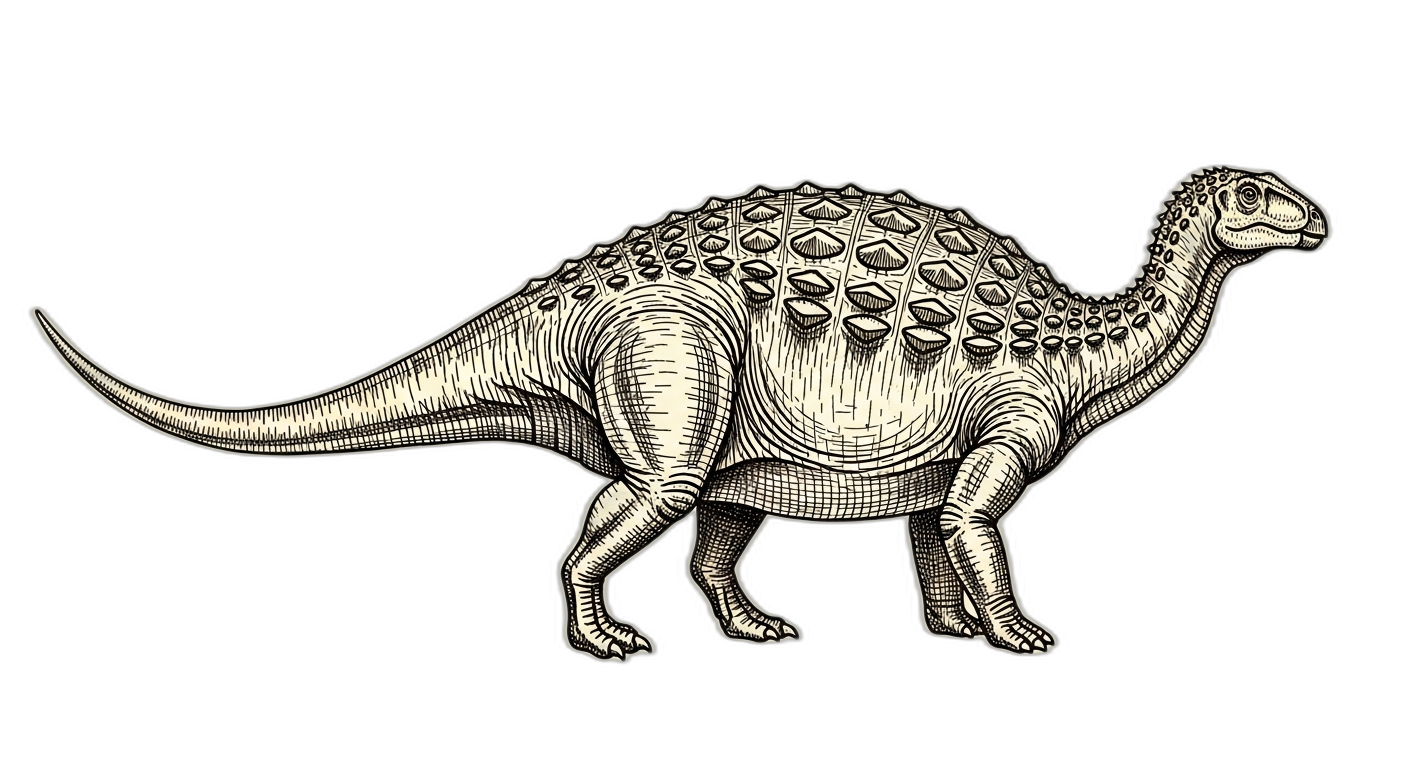
Saltasaurus
Saltasaurus loricatus
Both are South American titanosaurs, but represent divergent evolutionary strategies within the same lineage.