About
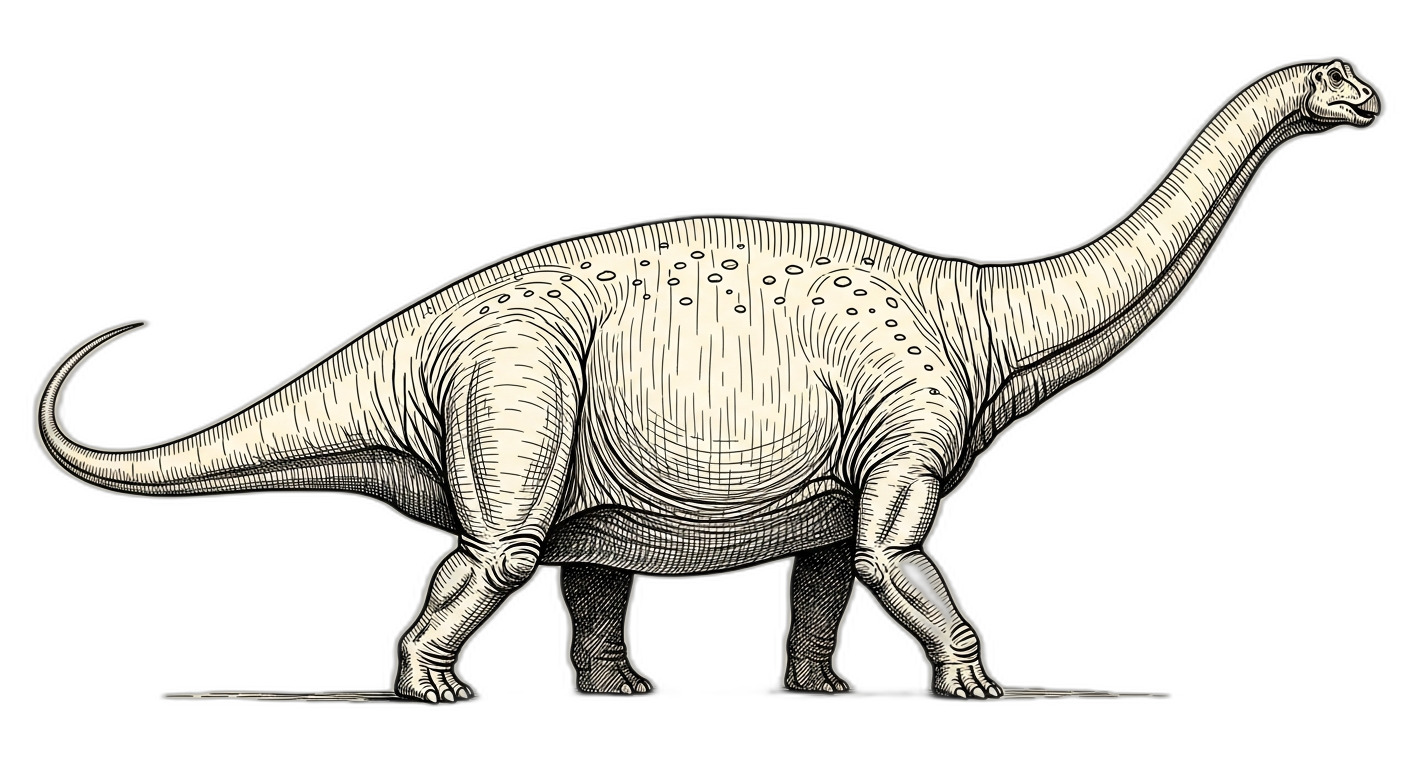
Patagotitan mayorum holds a staggering distinction: it is the largest land animal we currently know of. First discovered in 2012 when a farm worker in Patagonia, Argentina stumbled upon a massive fossil protruding from the ground, the animal took years to excavate and describe.
The numbers are almost hard to process. At roughly 37 meters long and 69,000 kilograms — about the weight of 10 African elephants — Patagotitan pushed the upper limits of what biology allows for a land animal. At some point, legs simply cannot support more mass; Patagotitan was likely near that limit.
Like all sauropods, Patagotitan had a long neck for reaching vegetation high in the tree canopy, a barrel-shaped body, and a long tail that served as a counterbalance. Its bones, while massive, were partially hollow — an that reduced weight without sacrificing structural strength.
A cast of the skeleton is so large that it doesn't fit inside the American Museum of Natural History — its neck and head poke out into the elevator lobby. The original fossils are housed at the Museo Paleontológico Egidio Feruglio in Trelew, Argentina.
Where fossils were found
Candeleros Formation
Neuquén · Argentina
113.2–100.5 million years ago(12.7m year span)
Where Patagotitan mayorum Roamed
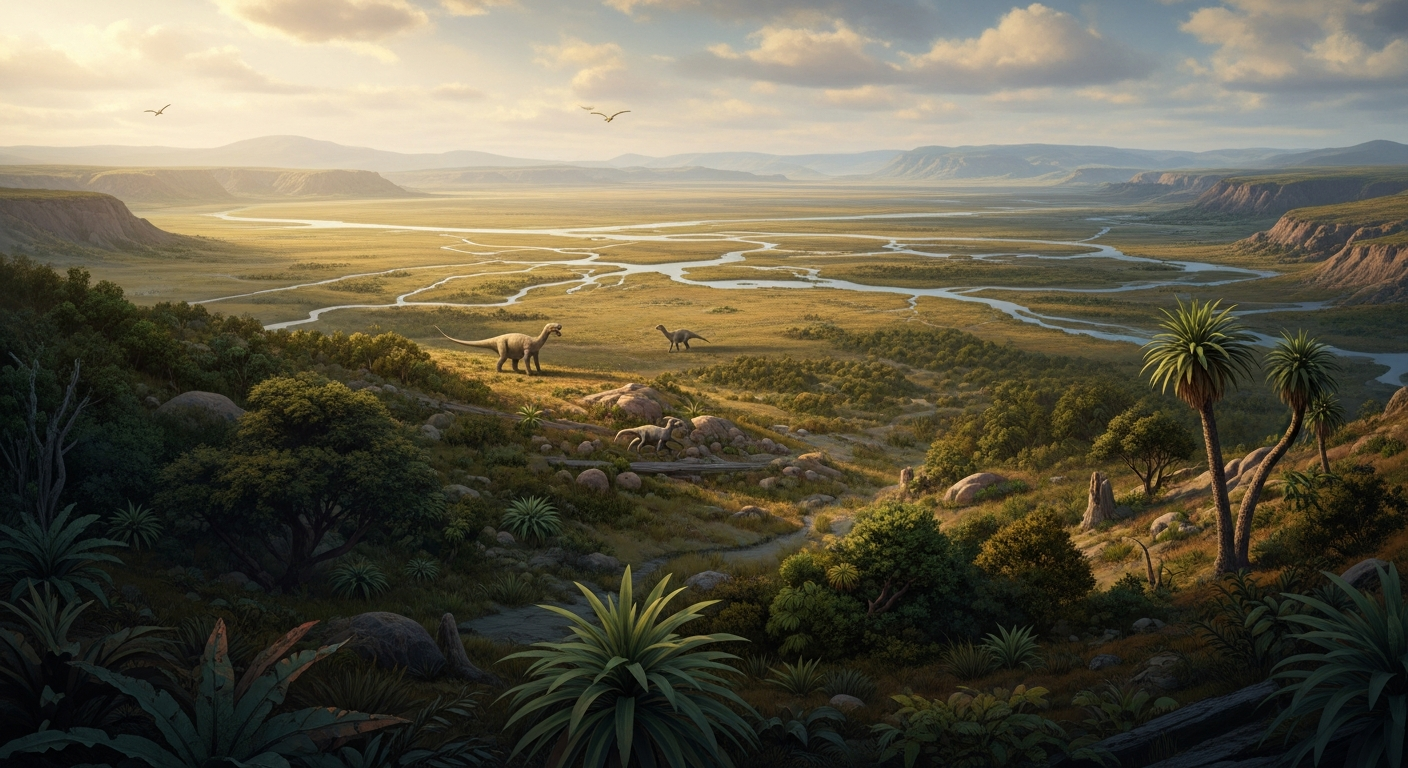
During the Early Cretaceous, Patagotitan mayorum roamed the forests and floodplains of southern Gondwana, in a region that would become modern-day Patagonia, Argentina. This landscape featured seasonal rivers, diverse conifers, and a warm, semi-arid climate that supported an extraordinary assemblage of titanosaurian giants.
Keep exploring the vault
Giganotosaurus
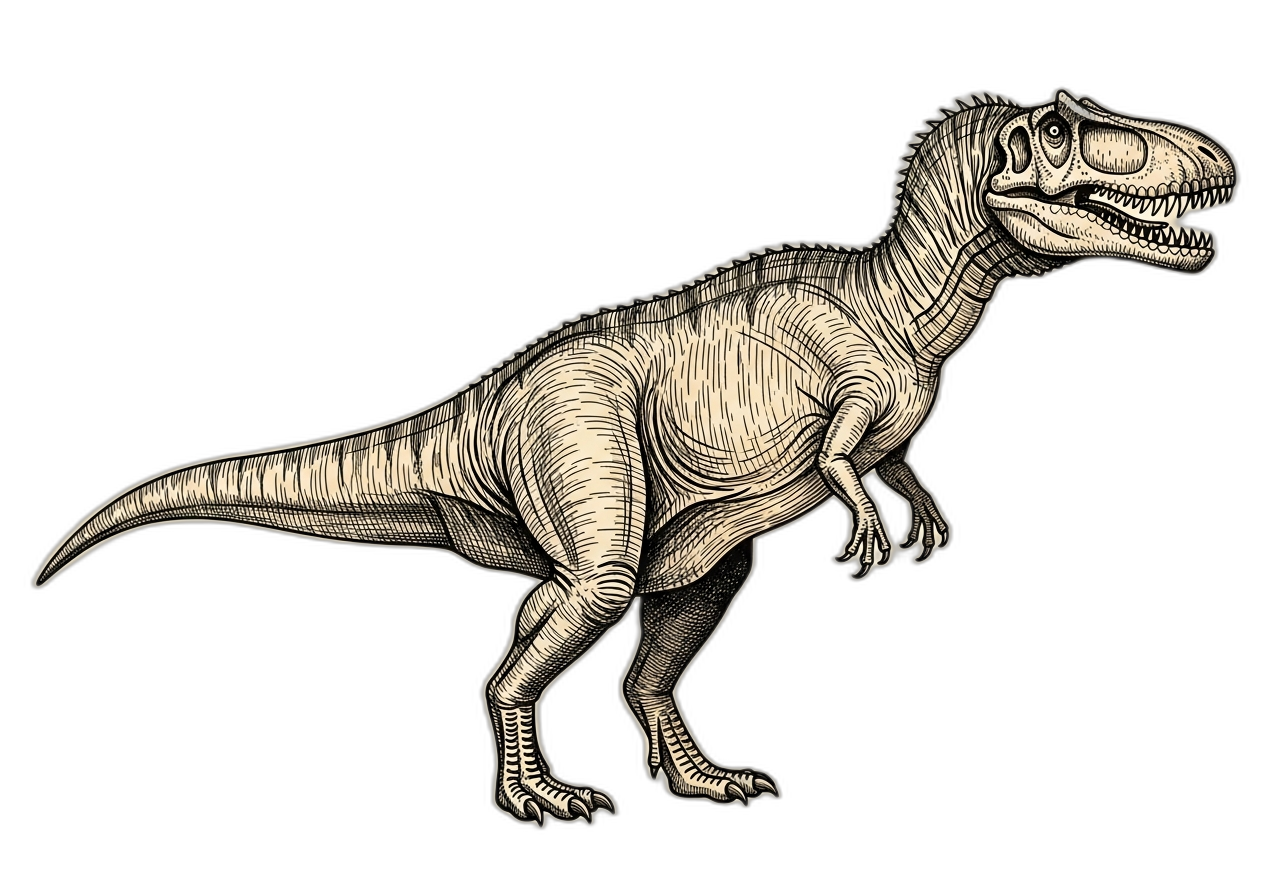
Giganotosaurus carolinii
Giganotosaurus carolinii was the apex predator of the Candeleros Formation where Patagotitan lived.
Dreadnoughtus
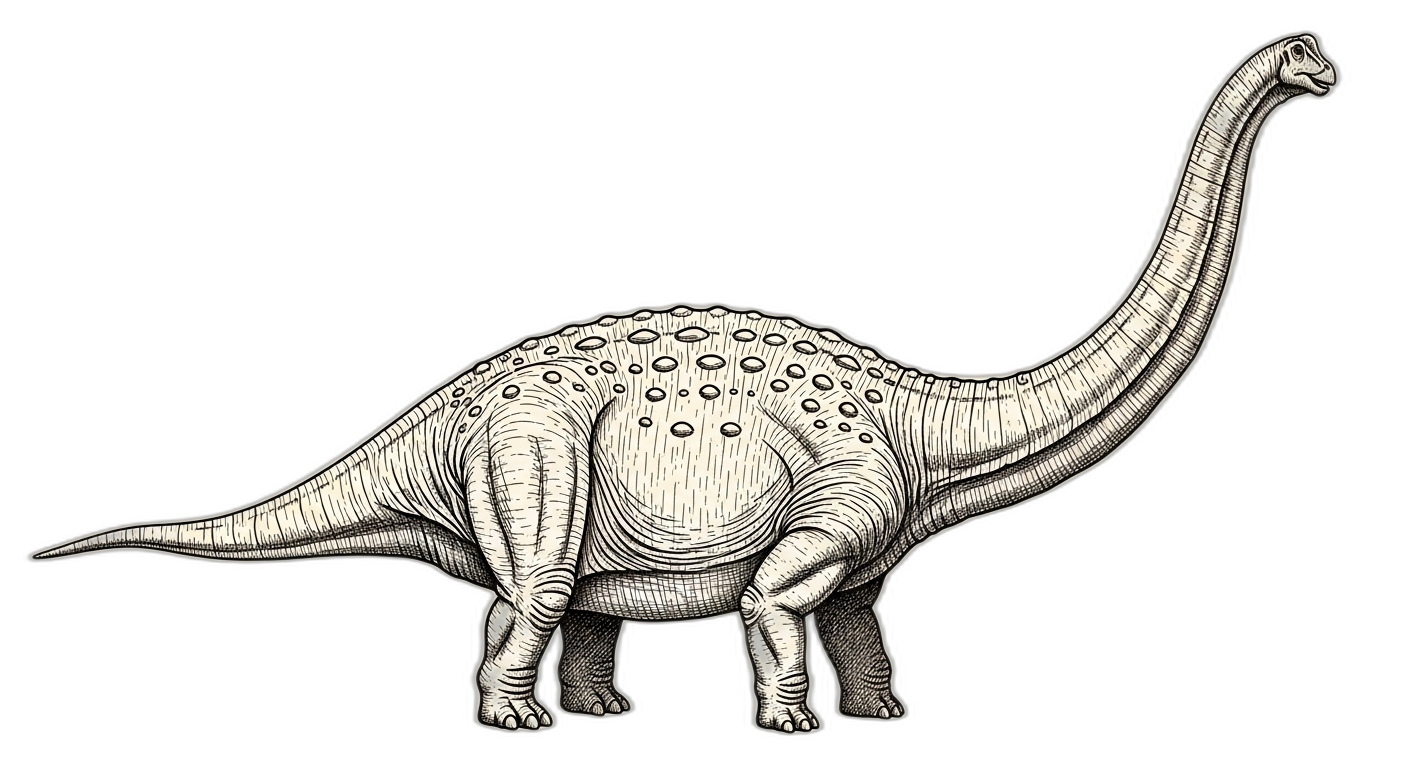
Dreadnoughtus schrani
As fellow titanosaurids, Patagotitan and Dreadnoughtus represent parallel experiments in extreme gigantism within the same family.
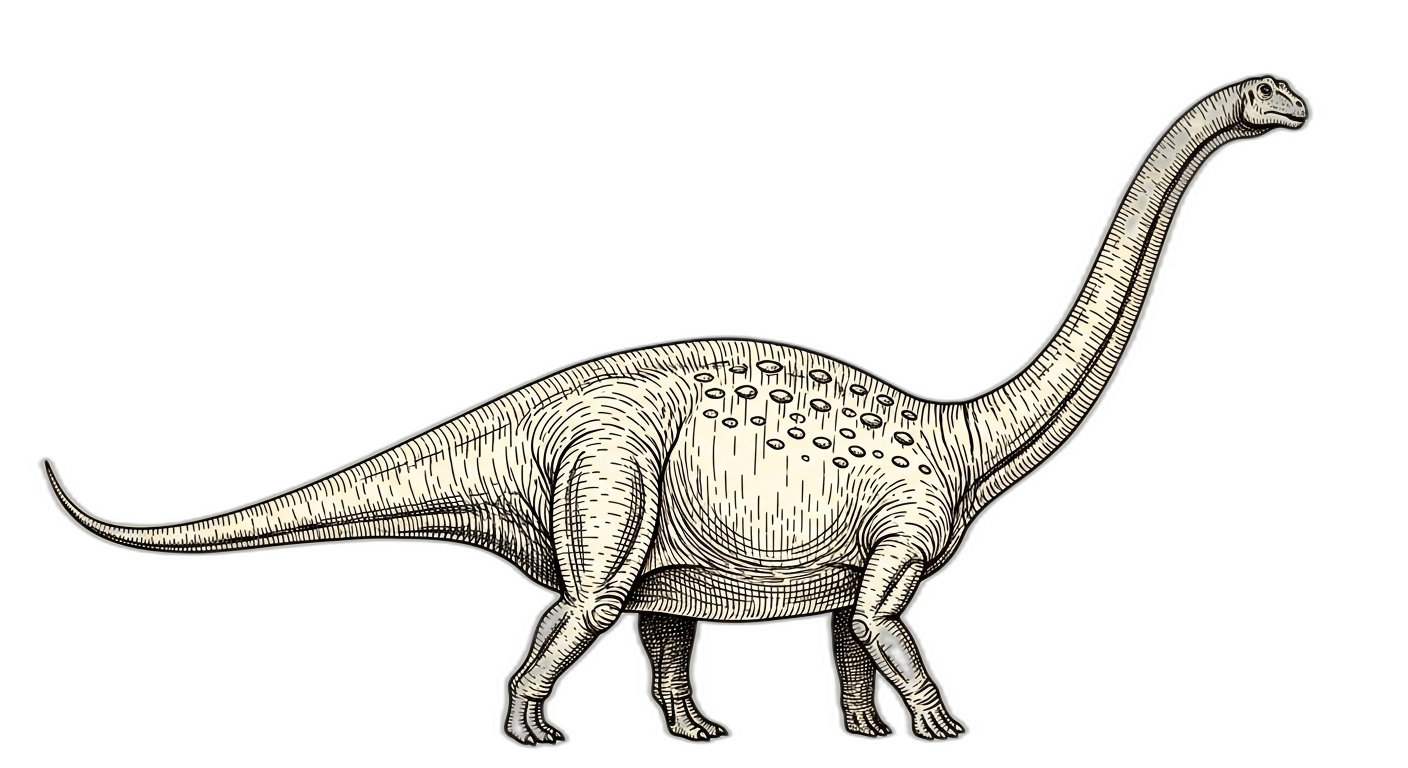
Argentinosaurus
Argentinosaurus huinculensis
Both Patagotitan and Argentinosaurus represent independent titanosaur lineages that achieved extreme gigantism in Cretaceous South America.
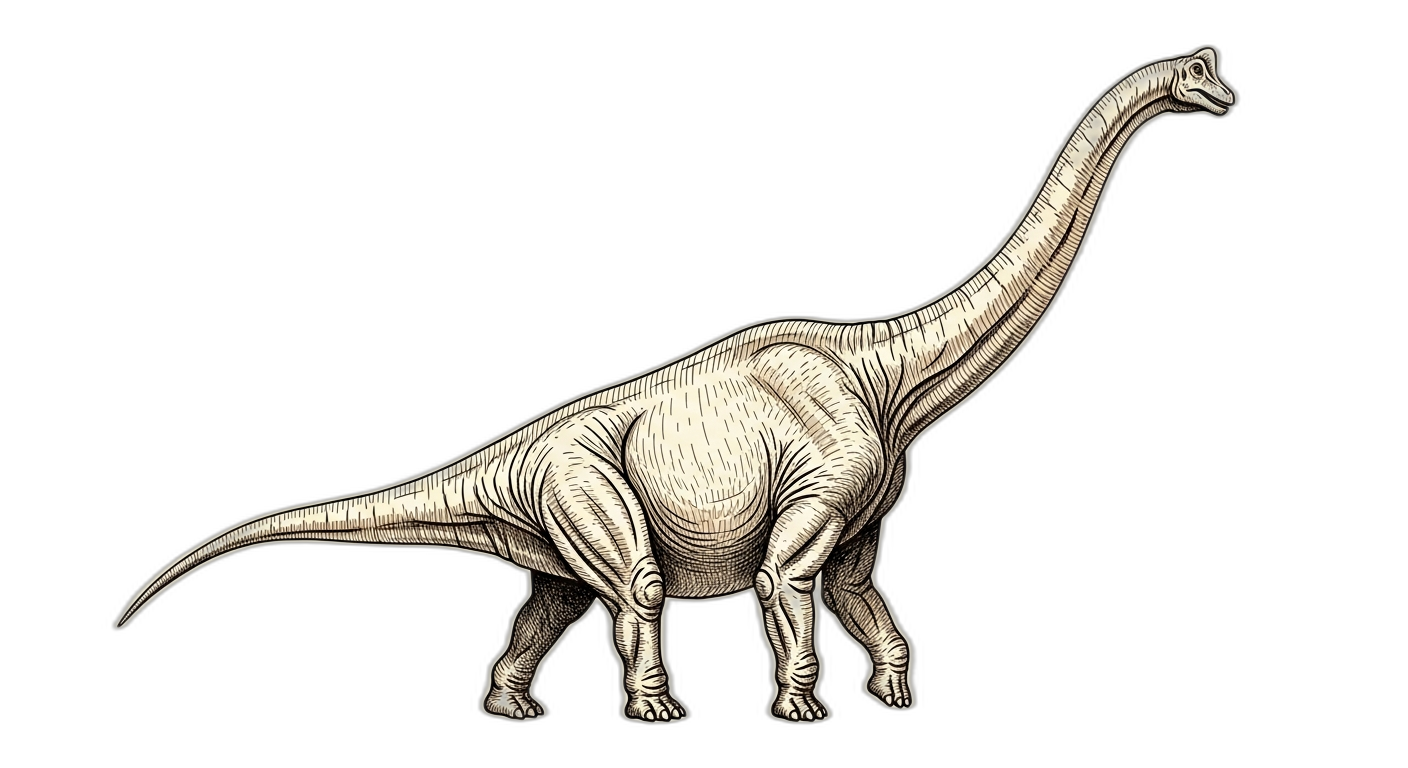
Brachiosaurus
Brachiosaurus altithorax
Both represent the evolutionary drive toward extreme gigantism in sauropods, though from different lineages and time periods.
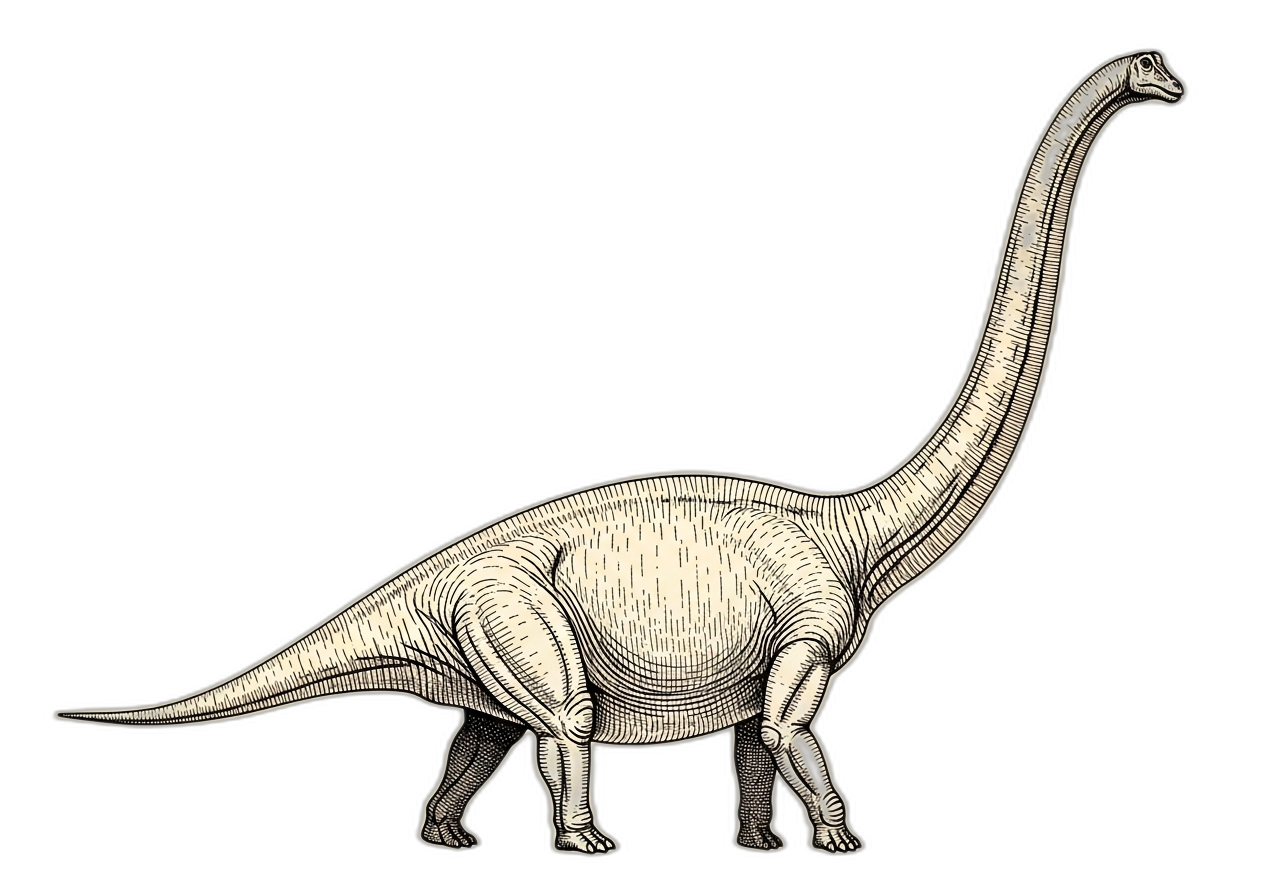
Sauroposeidon
Sauroposeidon proteles
Sauroposeidon and Patagotitan represent convergent evolution toward extreme size in sauropods from different continents and titanosauriform lineages.
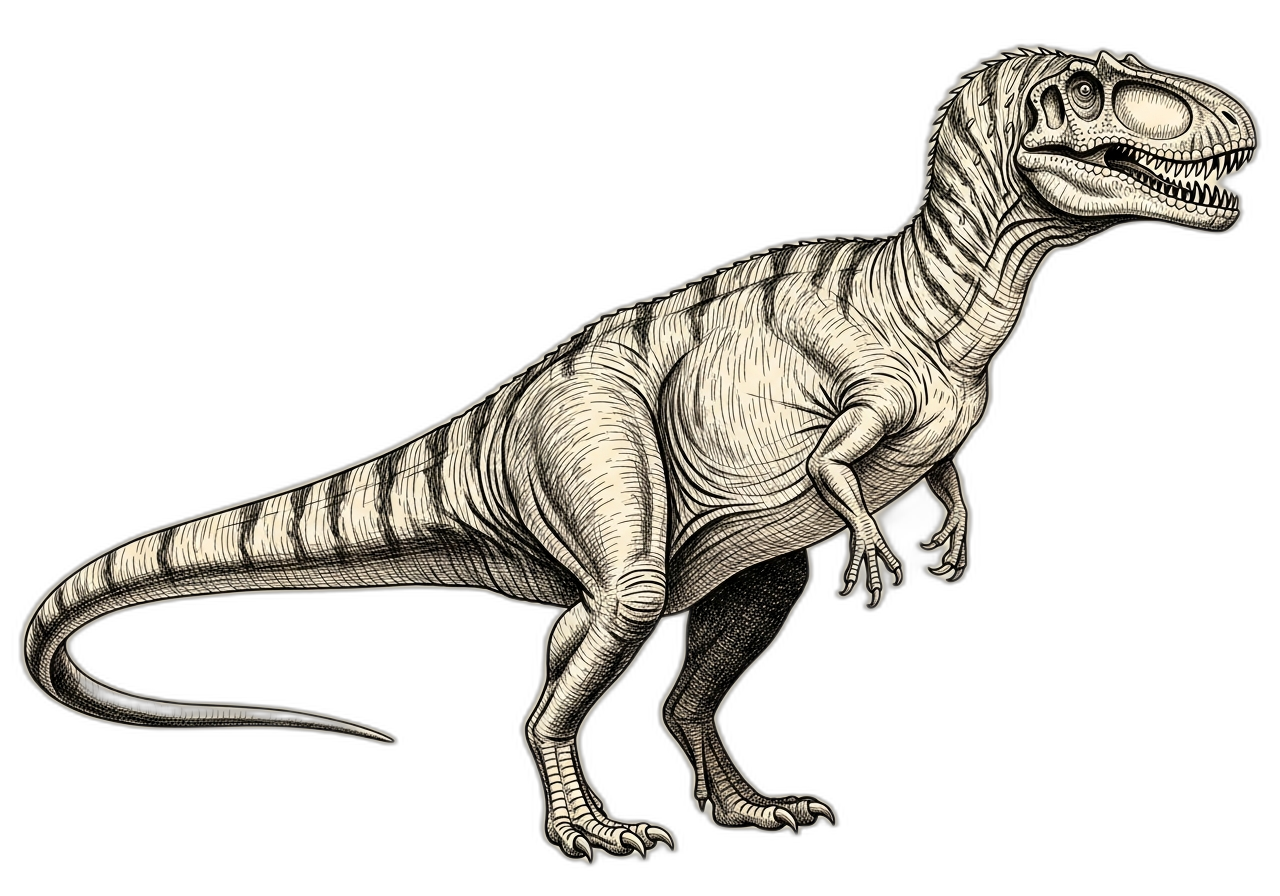
Carcharodontosaurus
Carcharodontosaurus saharicus
Carcharodontosaurus and Giganotosaurus (Patagotitan's formation-mate) were both carcharodontosaurids that evolved massive size likely as a response to hunting giant sauropods on their respective continents.