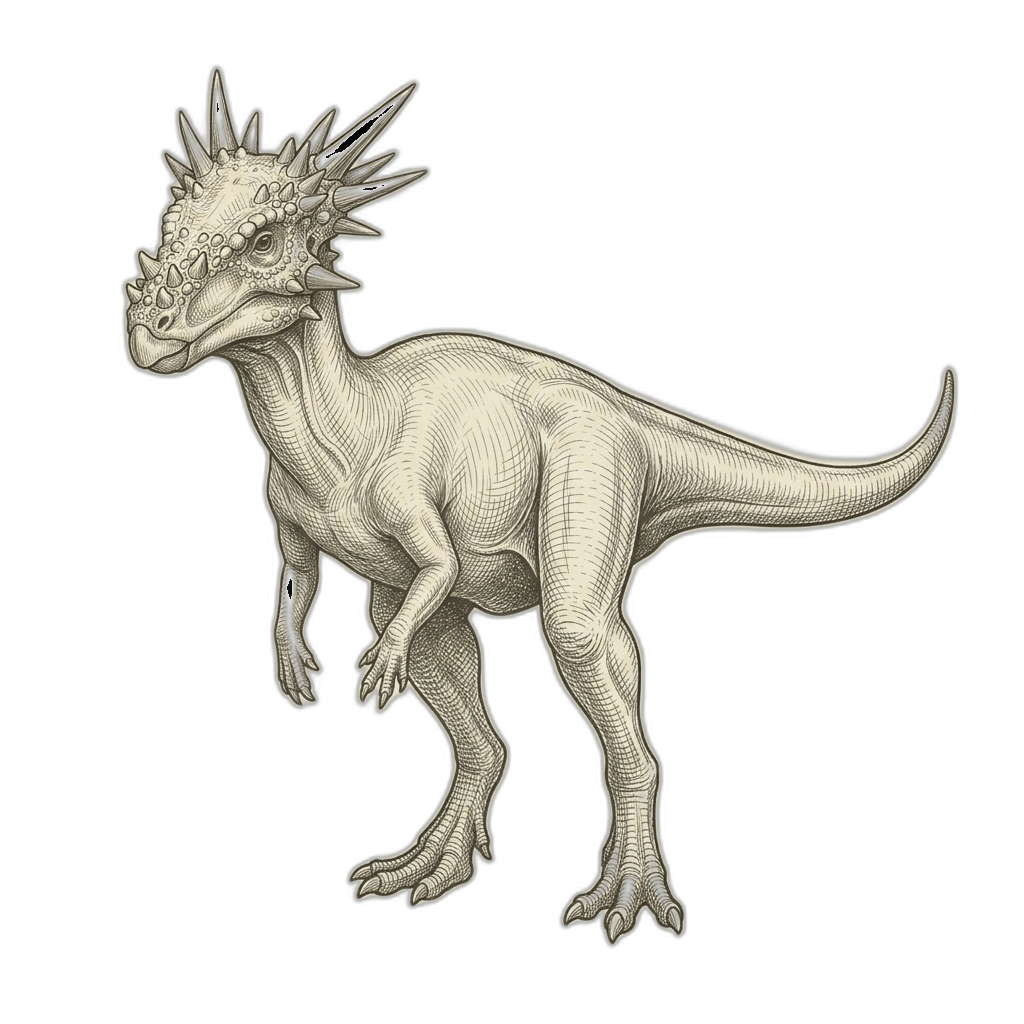
About
Dracorex hogwartsia possessed one of the most visually dramatic skulls of any dinosaur—a flattened head bristling with clusters of spiky horns, elongated nodes, and a distinctive dragon-like profile that immediately captured public imagination when it was described in 2006. Unlike its famous relative Pachycephalosaurus, Dracorex lacked a pronounced skull dome, instead displaying a relatively flat cranium decorated with elaborate ornamentation.
This herbivore inhabited the lush floodplains of latest Cretaceous North America approximately 66-68 million years ago, sharing its ecosystem with Tyrannosaurus rex, Triceratops, and Edmontosaurus. At roughly 3 meters long, it was a modestly sized pachycephalosaurid that likely fed on low-growing vegetation, using its leaf-shaped teeth to process plant material.
The scientific significance of Dracorex extends beyond its remarkable appearance. Paleontologists Jack Horner and Mark Goodwin proposed in 2009 that Dracorex, along with Stygimoloch, may represent juvenile growth stages of Pachycephalosaurus rather than separate species. Their hypothesis suggests the flat, spiky skull transformed into a smooth dome as the animal matured—a case of extreme ontogenetic change. This ongoing debate has made Dracorex a focal point for discussions about dinosaur growth and species identification. Regardless of its taxonomic fate, the specimen remains an exceptional example of pachycephalosaurid diversity and has become one of the most popular dinosaurs in museum collections worldwide.
Where fossils were found
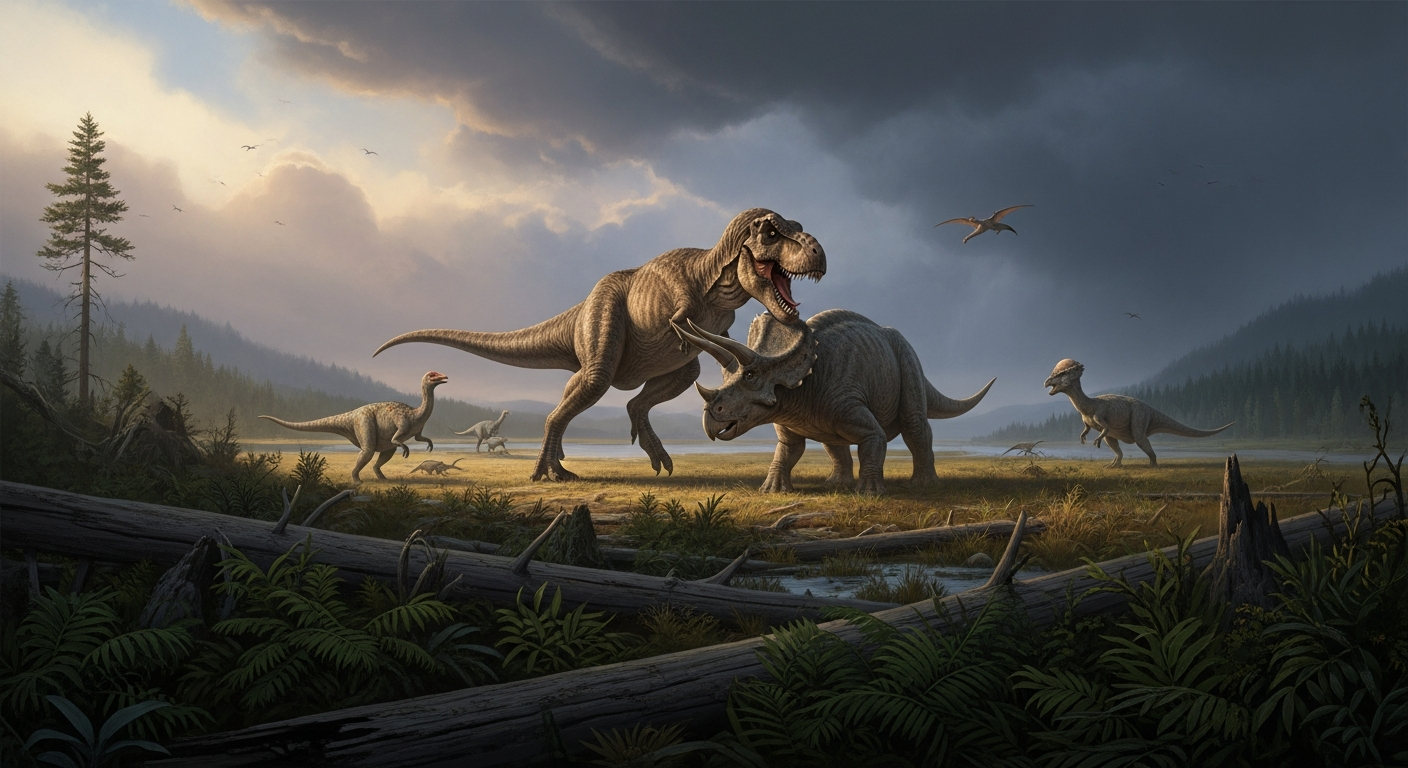
Hell Creek Formation
Montana, North Dakota, South Dakota, Wyoming · United States
68–66 million years ago(2m year span)
Where Dragon King of Hogwarts Roamed
During the late Cretaceous, *Dracorex hogwartsia* inhabited the coastal plains and river systems along the western margin of the shrinking Western Interior Seaway, in what is now the Hell Creek Formation of North America—a warm, humid landscape of lush fern prairies, conifer forests, and meandering waterways teeming with life at the twilight of the dinosaur age.
Keep exploring the vault
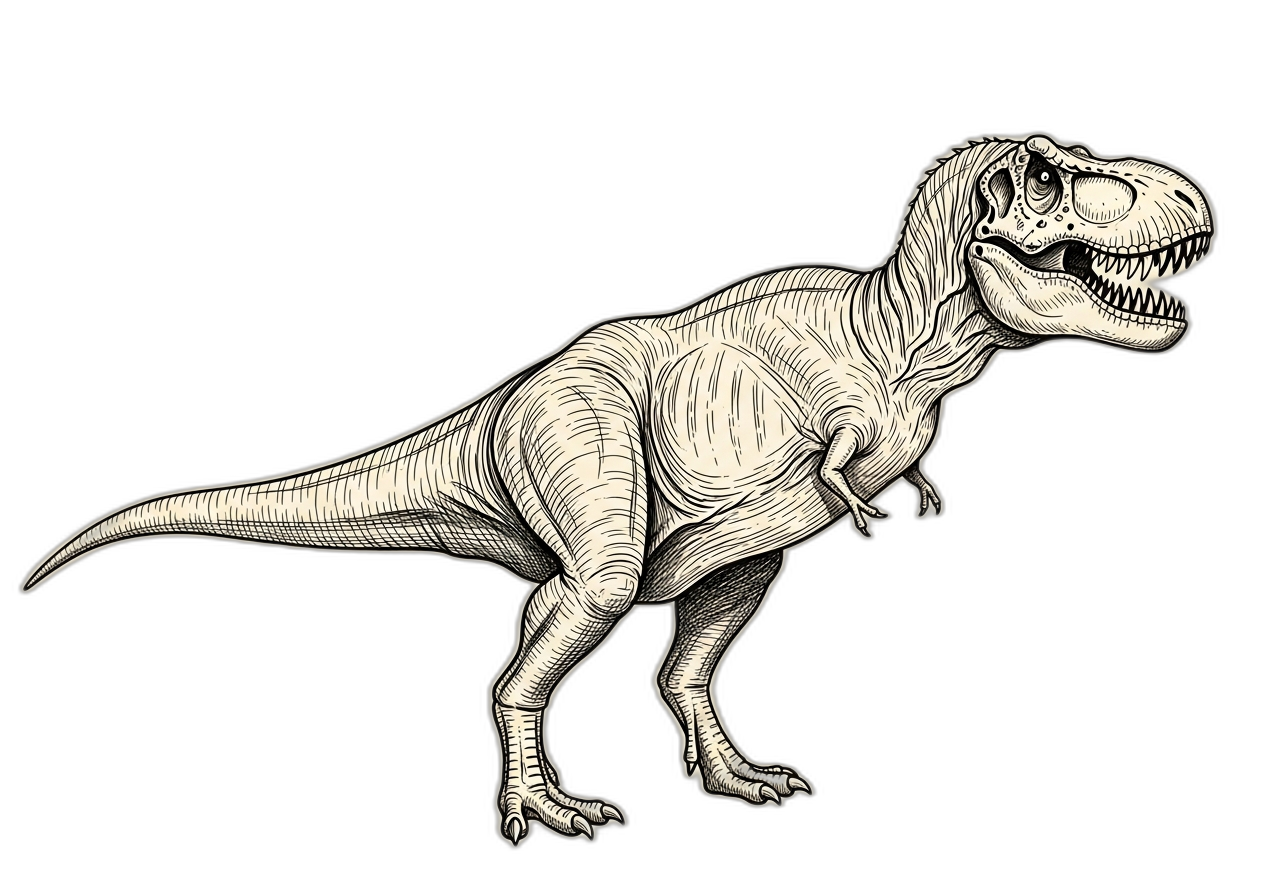
T-Rex
Tyrannosaurus rex
T. rex was the apex predator of the Hell Creek Formation and would have preyed on medium-sized herbivores like Dracorex.
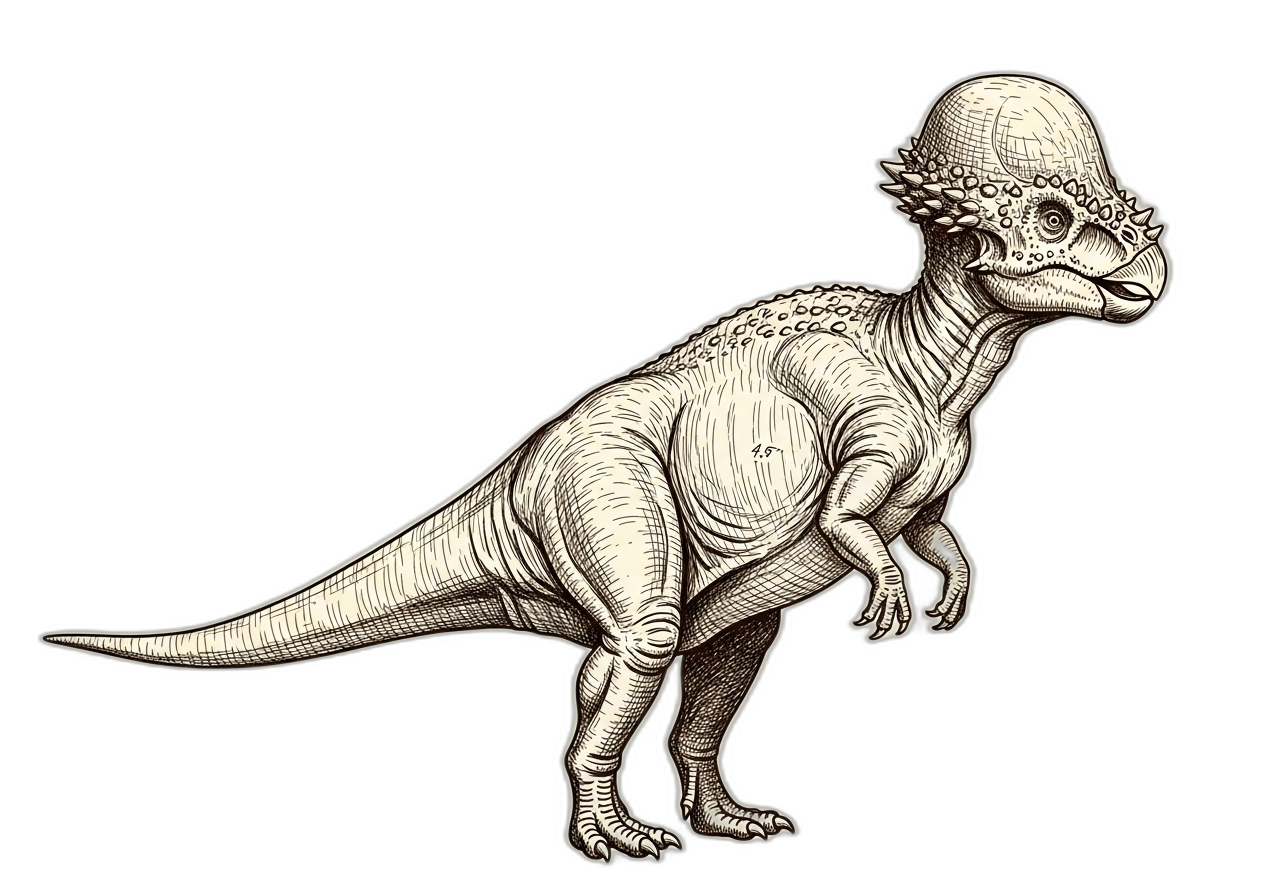
Pachycephalosaurus
Pachycephalosaurus wyomingensis
Both pachycephalosaurids from Hell Creek competing for similar low-browse vegetation.
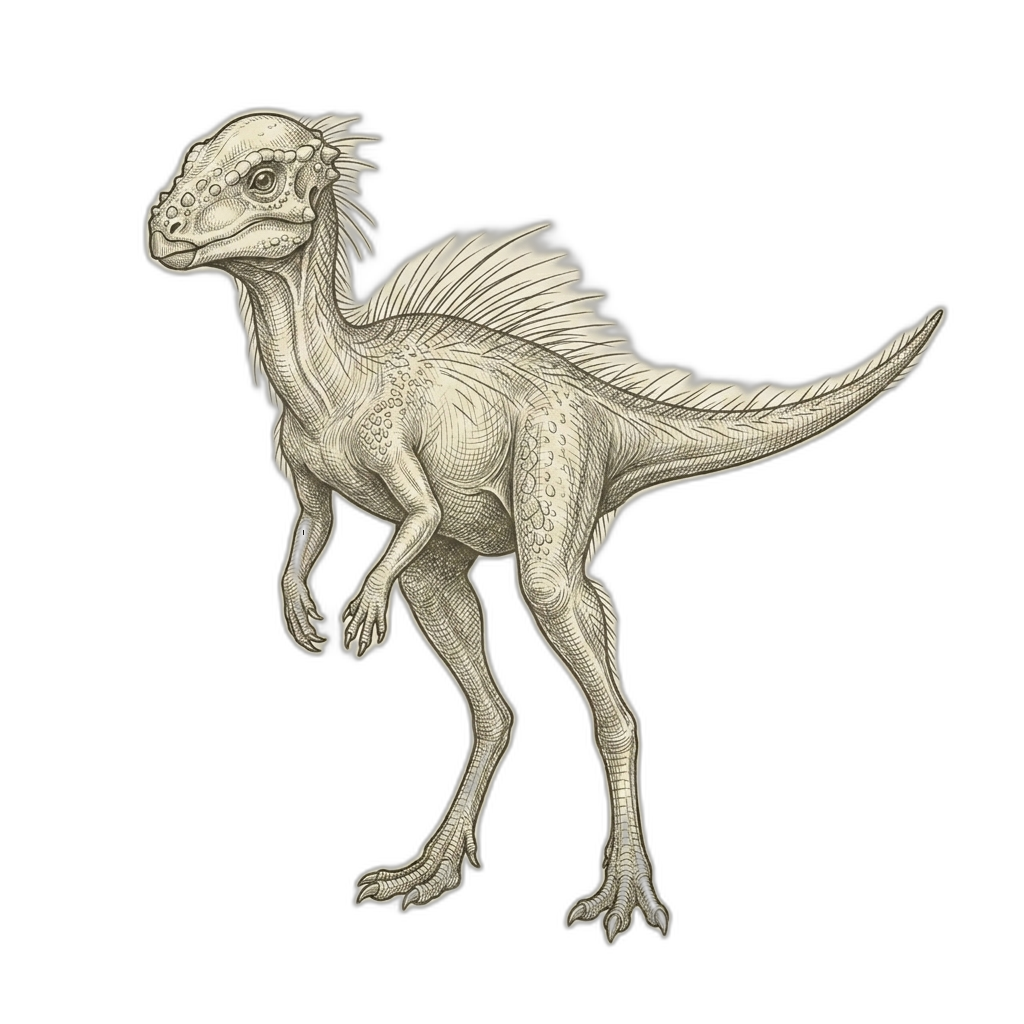
Wannanosaurus
Both primitive pachycephalosaurids with flat to minimally domed skulls, representing the basal body plan before the fully developed domes of Pachycephalosaurus.
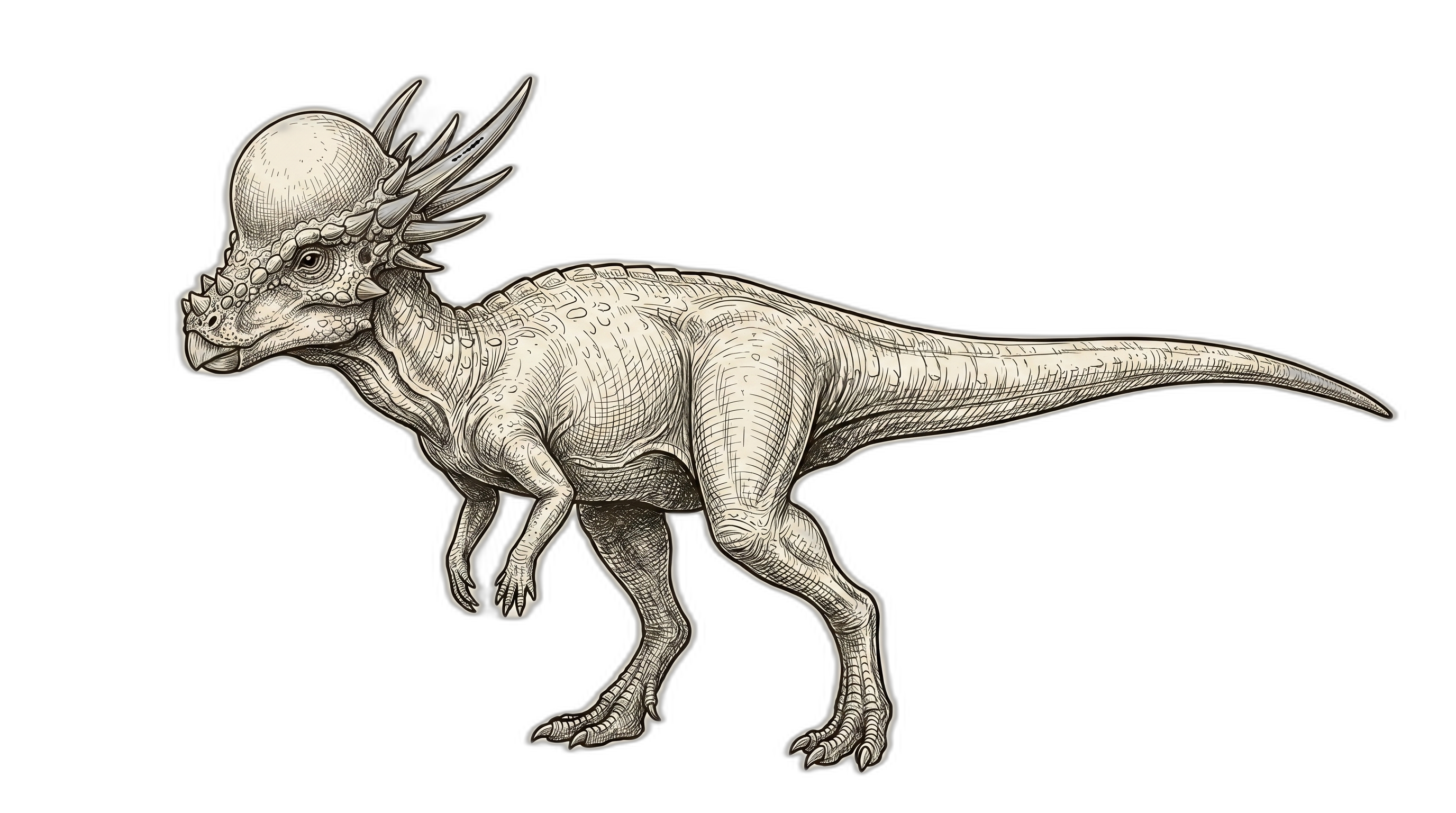
Stygimoloch
Stygimoloch spinifer
Stygimoloch and Dracorex are nearly identical in size (both ~3m) and both are dome-headed pachycephalosaurids from Hell Creek.
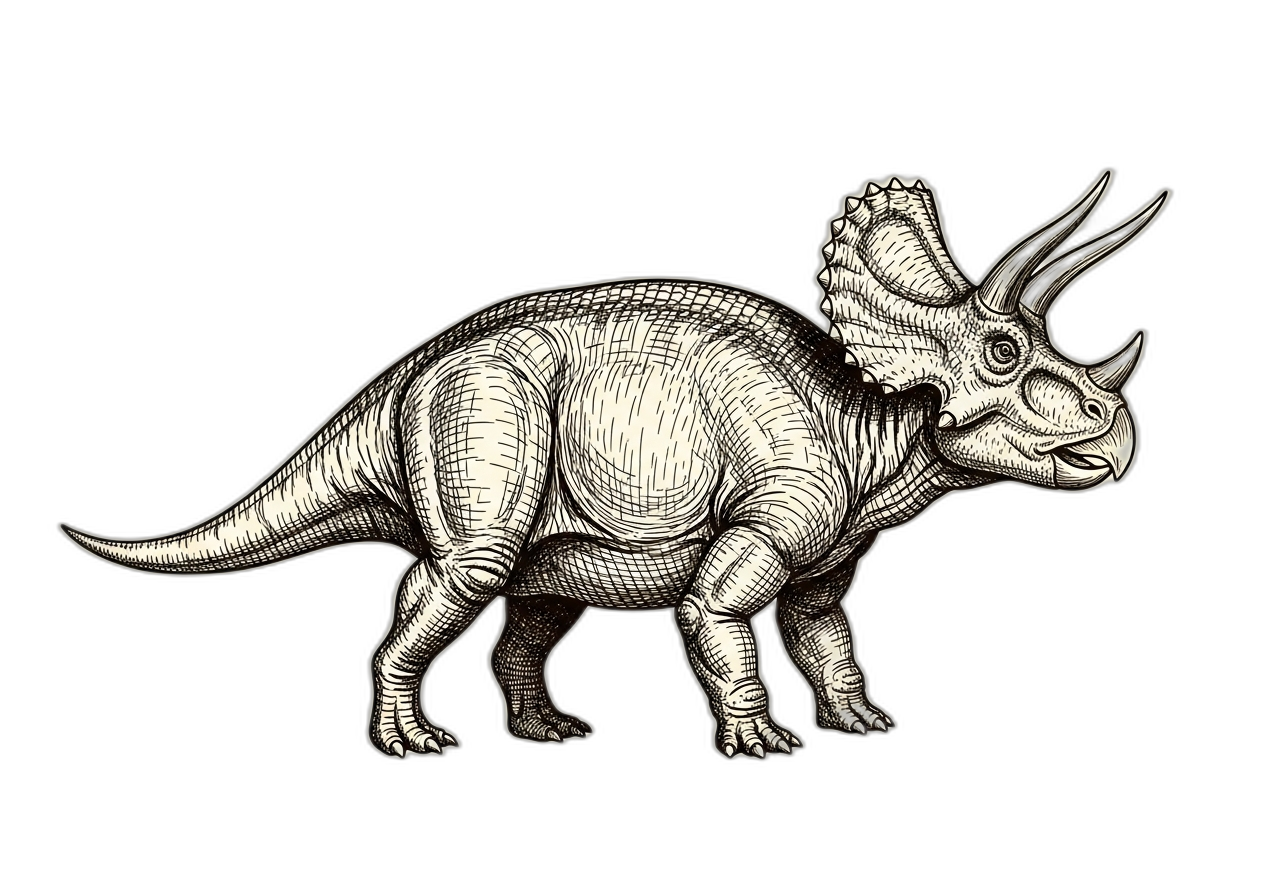
Triceratops
Triceratops horridus
Both marginocephalians sharing Hell Creek Formation, representing the two major marginocephalian body plans: dome-headed (Pachycephalosauria) vs horned (Ceratopsia).
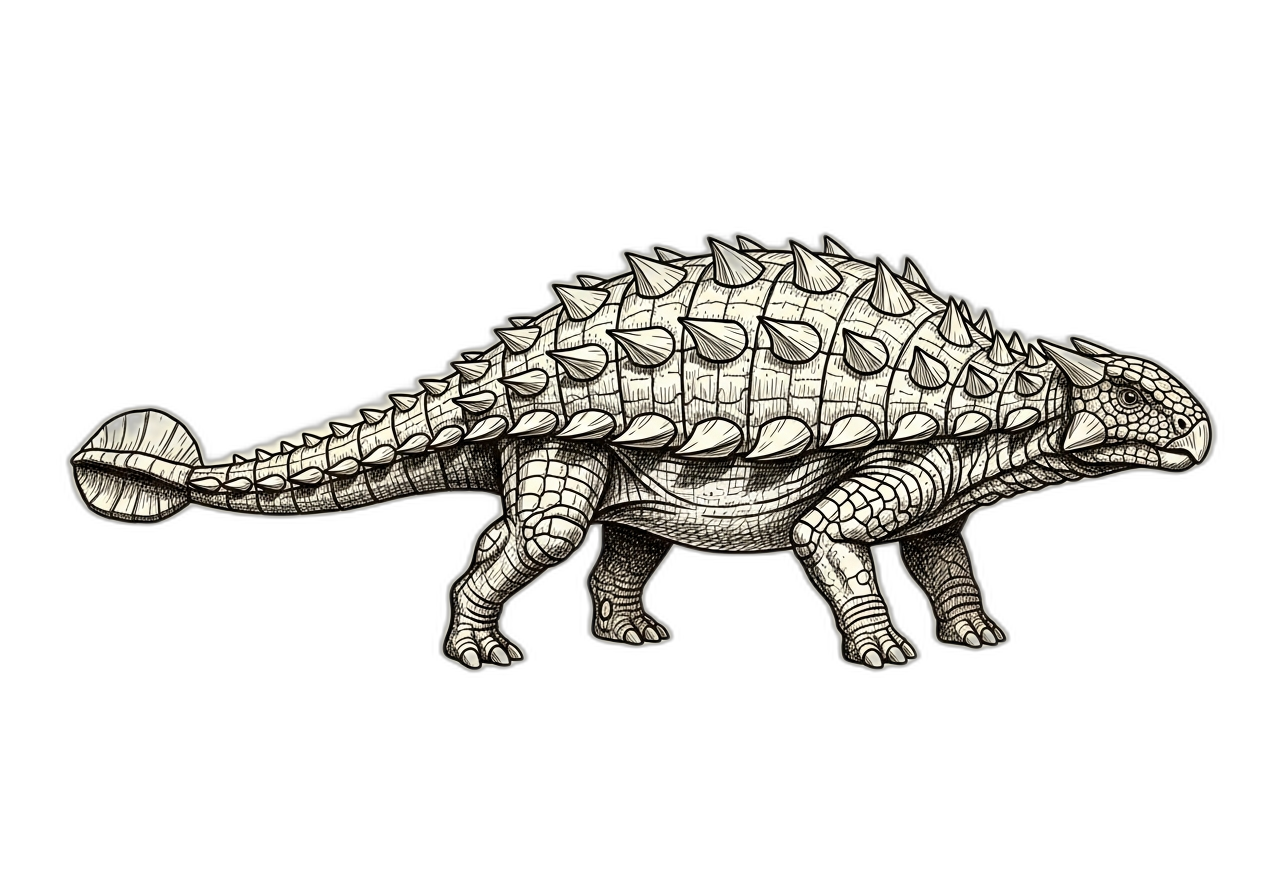
Ankylosaurus
Ankylosaurus magniventris
Co-occurred in Hell Creek Formation.