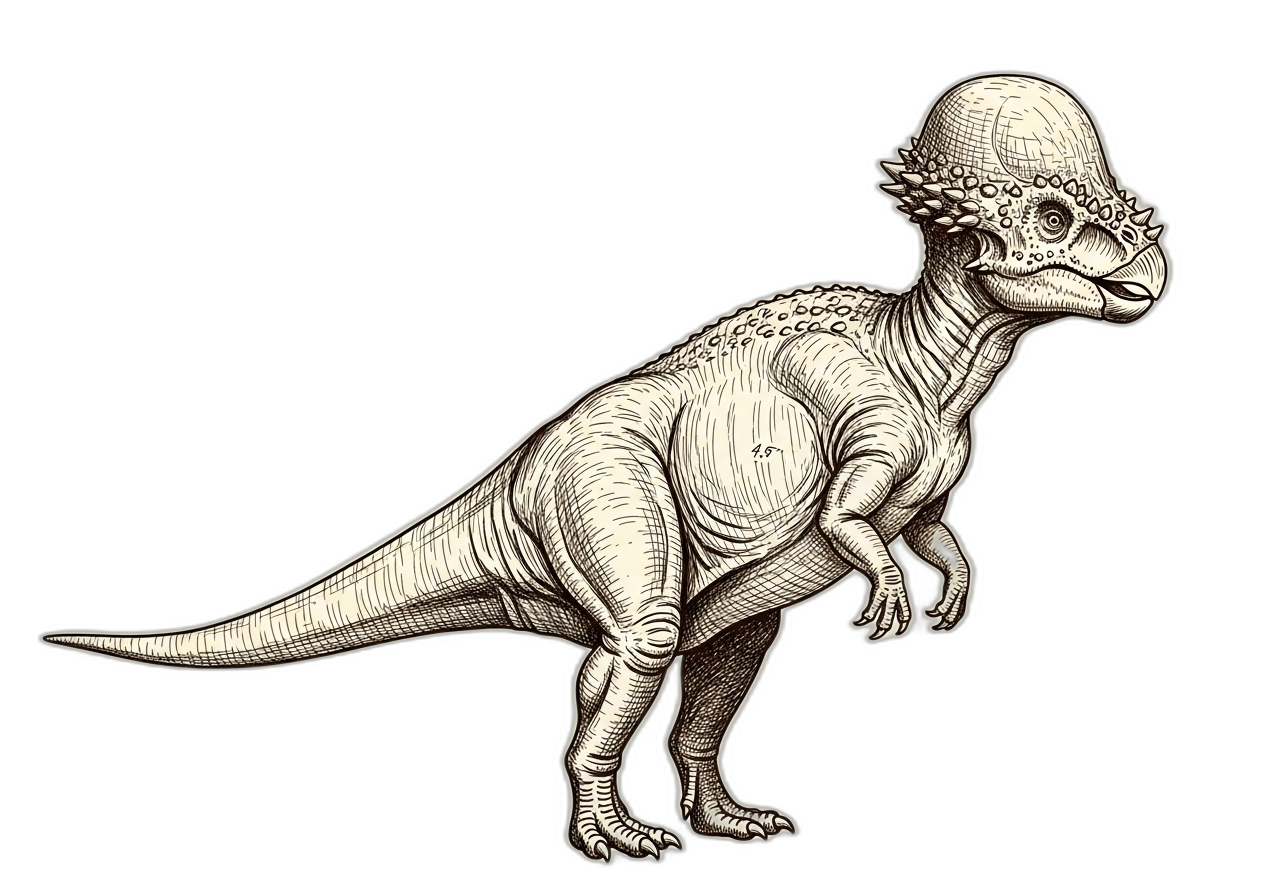
About
Pachycephalosaurus was the largest of the bone-headed dinosaurs, a herbivore that roamed western North America during the final age of the dinosaurs. Its most distinctive feature was an enormous domed skull roof up to 25 centimeters (10 inches) thick, surrounded by a crown of bony knobs and short spikes. This remarkable architecture has made it one of the most recognizable dinosaurs, though its actual function remains hotly debated.
For decades, paleontologists assumed Pachycephalosaurus used its reinforced skull for head-butting combat, similar to modern bighorn sheep. However, recent biomechanical studies have raised doubts — the dome's rounded shape might have caused glancing blows rather than solid impacts, and the neck may not have been aligned to absorb such forces. Alternative hypotheses suggest the dome served for flank-butting, species recognition, or sexual .
The genus was first described in 1943 by Barnum Brown and Erich Schlaikjer based on skull material from Montana. For many years, Pachycephalosaurus was known almost entirely from skull fragments, making body size estimates uncertain. The possibly synonymous genera Stygimoloch and Dracorex may actually represent juvenile growth stages of Pachycephalosaurus — a hypothesis championed by Jack Horner that suggests the dramatic skull ornamentation changed substantially as individuals matured.
Pachycephalosaurus was among the last non-avian dinosaurs to exist, living alongside Tyrannosaurus and Triceratops right up until the Cretaceous-Paleogene extinction event 66 million years ago. Its fossils have been found in the Hell Creek and Lance Formations of Montana, South Dakota, Wyoming, and Alberta, Canada.
Where fossils were found
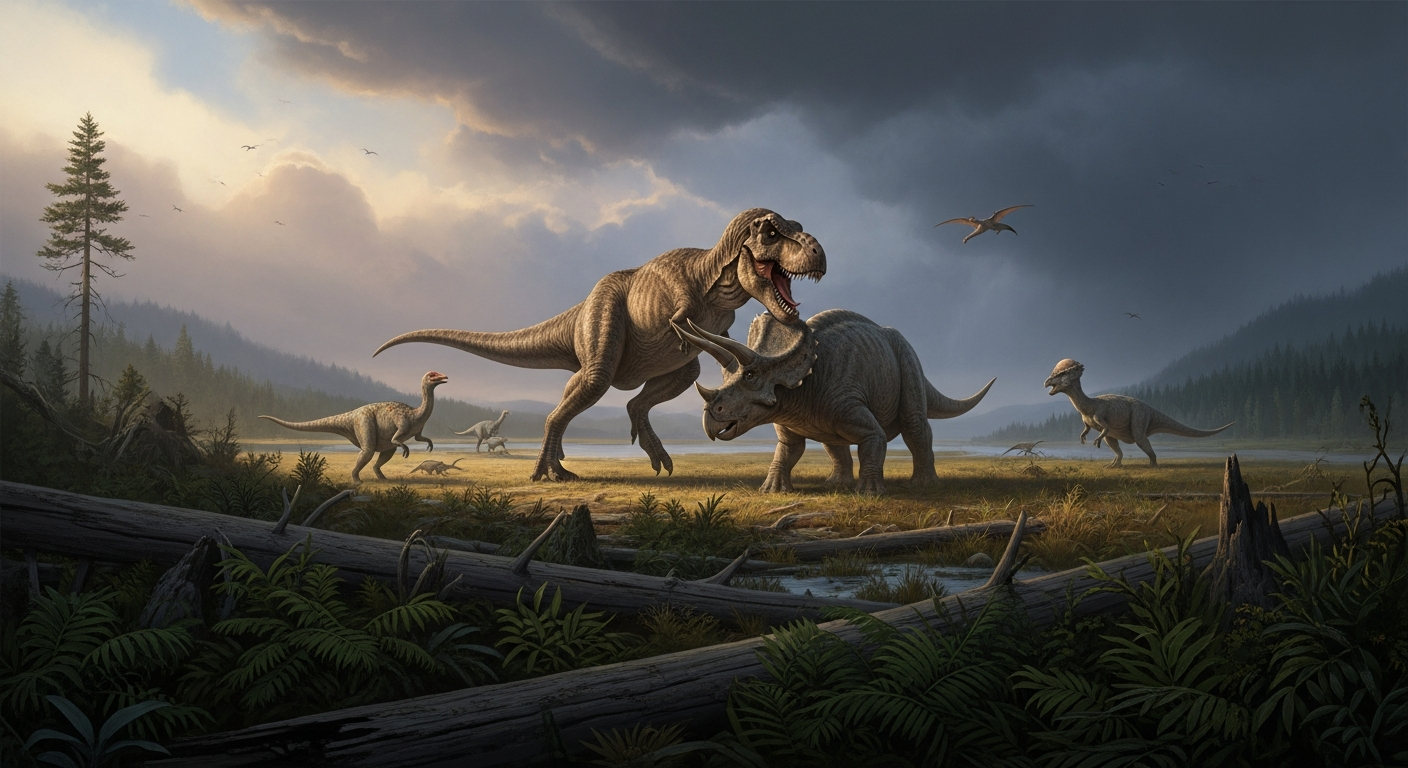
Hell Creek Formation
+2 more formations
Montana, North Dakota, South Dakota, Wyoming +1 more · United States, Canada
72.2–66 million years ago(6.2m year span)
Where Pachycephalosaurus Roamed
During the late Cretaceous, *Pachycephalosaurus wyomingensis* roamed the warm, subtropical floodplains of Laramidia, an island continent bordered to the east by the shallow Western Interior Seaway that bisected North America. This dynamic landscape featured meandering rivers, dense coniferous forests, and flowering plants, where these dome-headed dinosaurs lived alongside *Tyrannosaurus rex* and *Triceratops* in one of the final dinosaur ecosystems before the mass extinction.
Keep exploring the vault
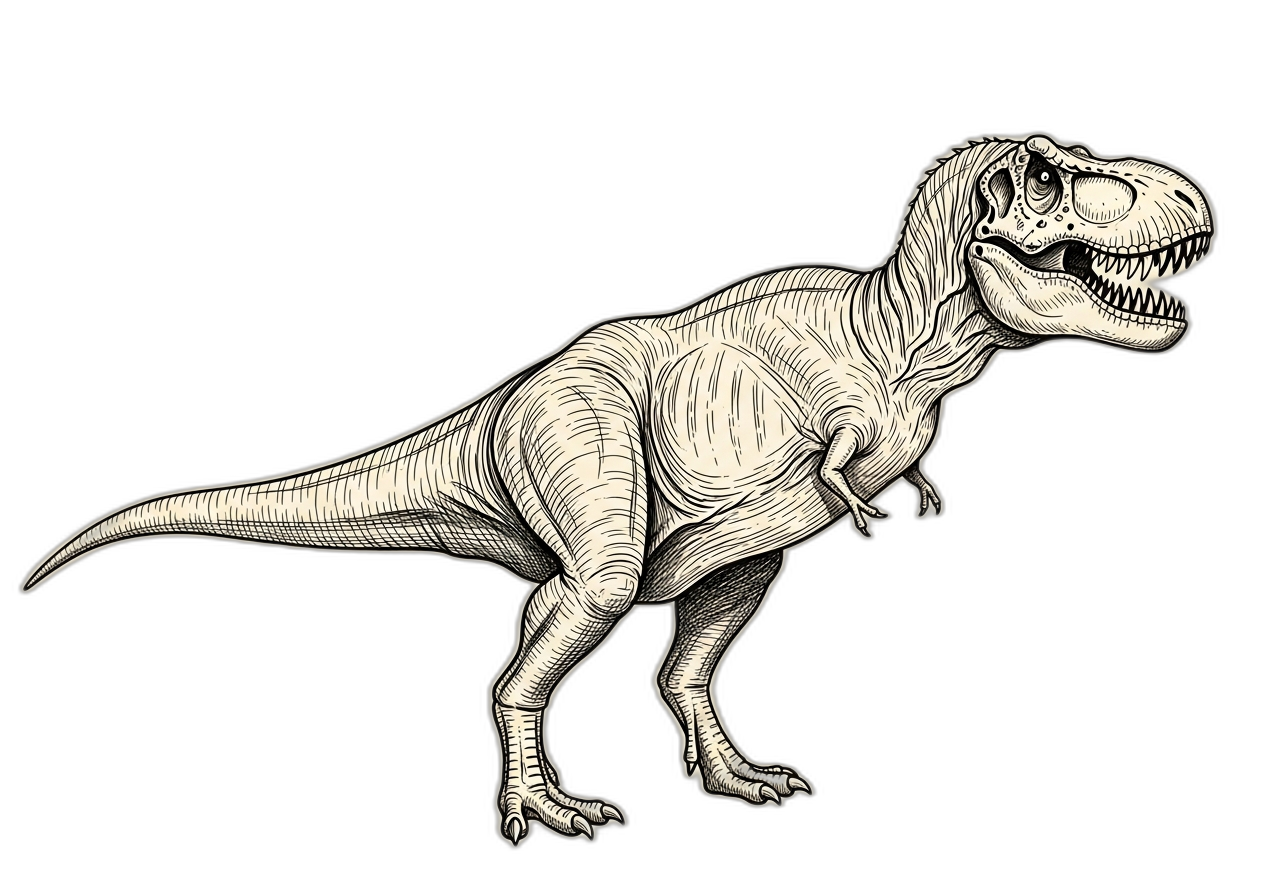
T-Rex
Tyrannosaurus rex
Tyrannosaurus rex was the apex predator in both the Hell Creek and Lance formations where Pachycephalosaurus is found.
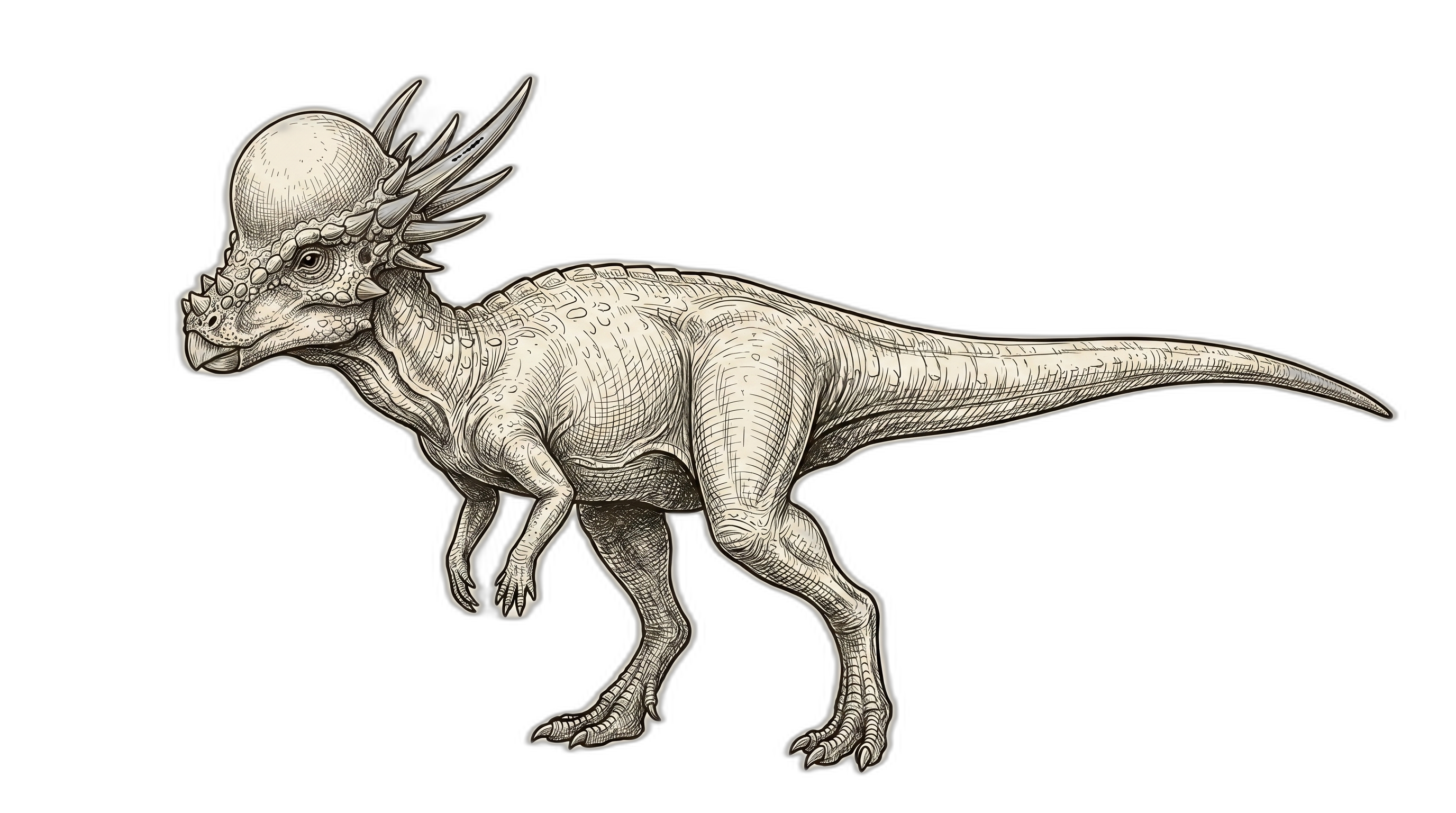
Stygimoloch
Stygimoloch spinifer
Both pachycephalosaurs sharing the Hell Creek Formation with similar dome-headed morphology and herbivorous diet.
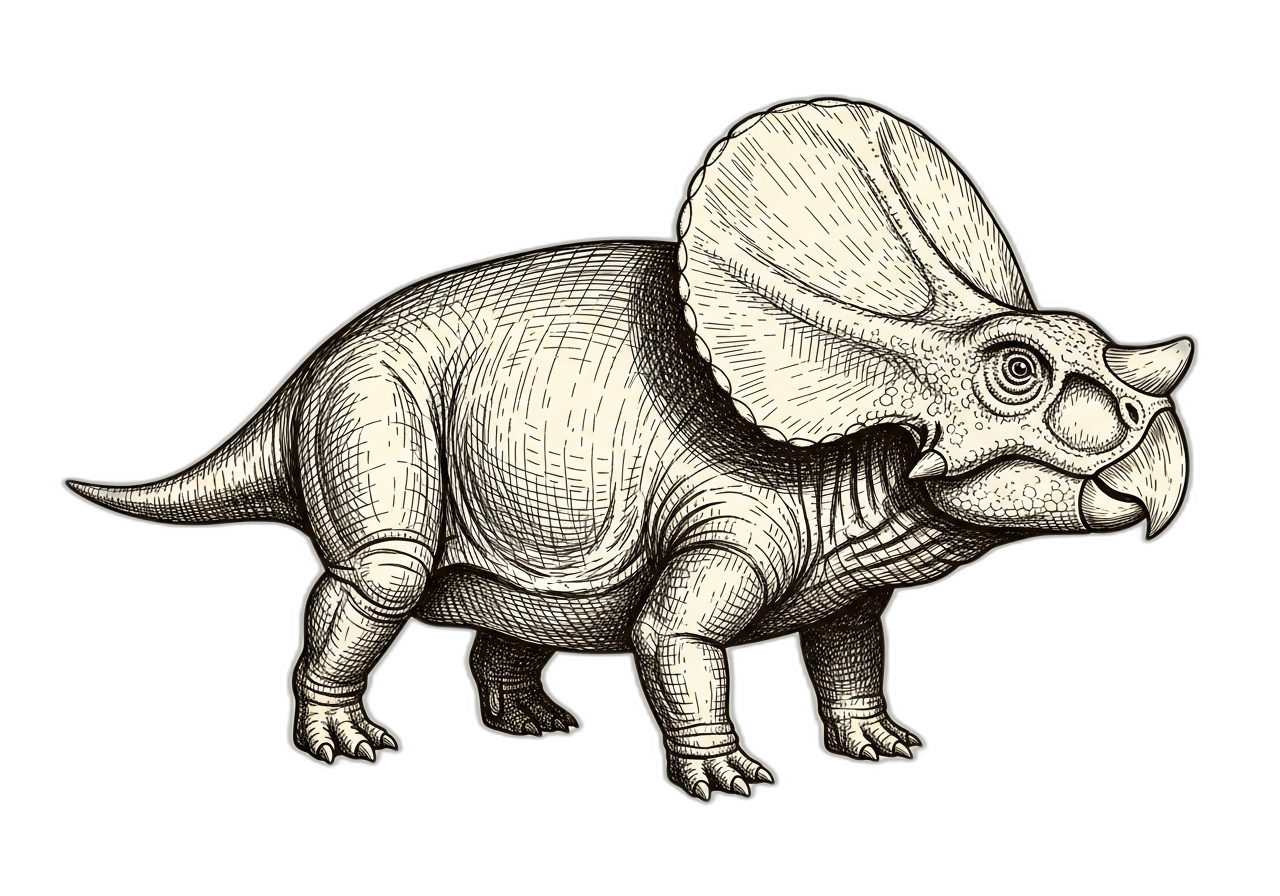
Protoceratops
Protoceratops andrewsi
Both are ornithischians that independently evolved thickened, reinforced skull structures—Protoceratops developing a frill and facial horns, Pachycephalosaurus developing a dome.
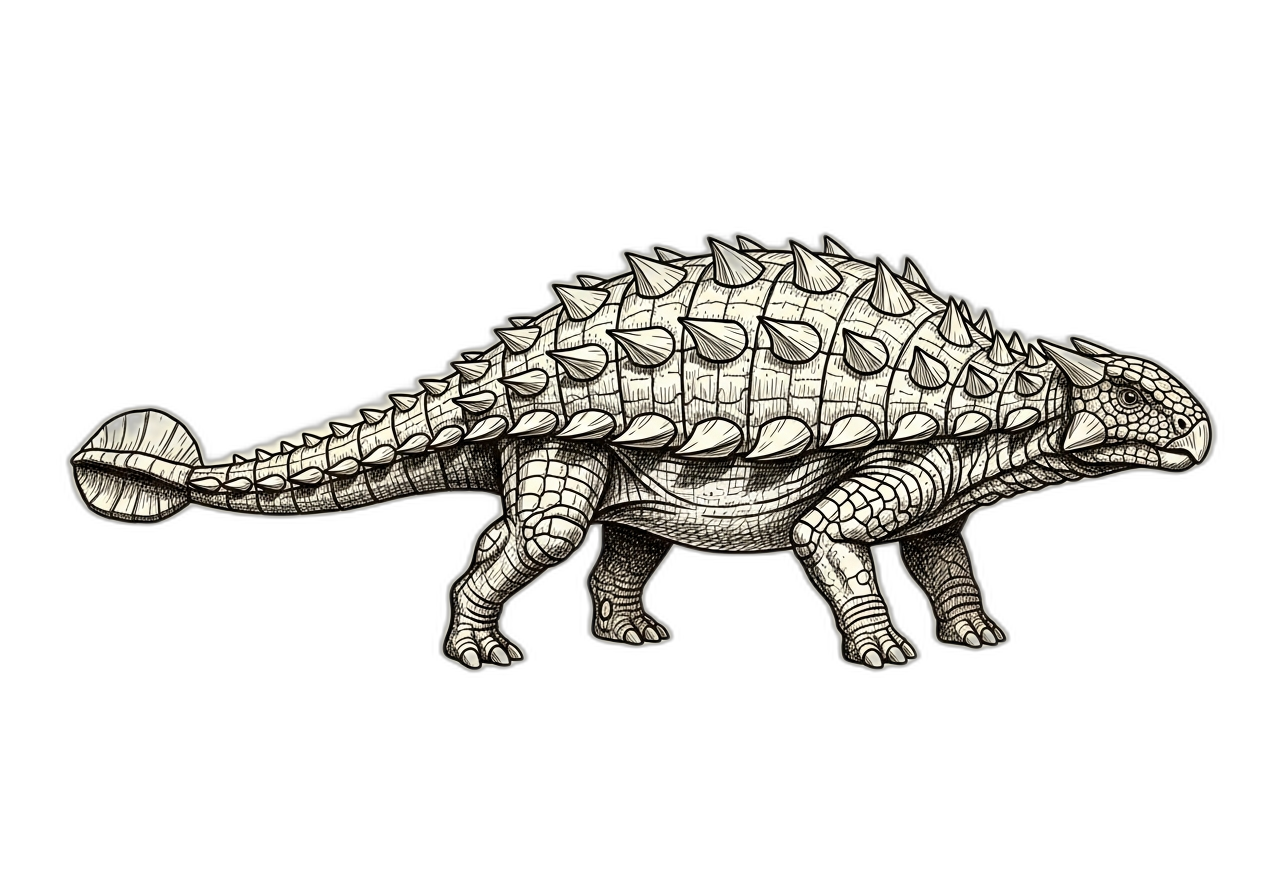
Ankylosaurus
Ankylosaurus magniventris
Both found in the Hell Creek Formation, representing dramatically different defensive strategies among Late Cretaceous herbivores—Pachycephalosaurus with its reinforced dome skull for head-butting displays or combat, Ankylosaurus with full body armor and tail club.
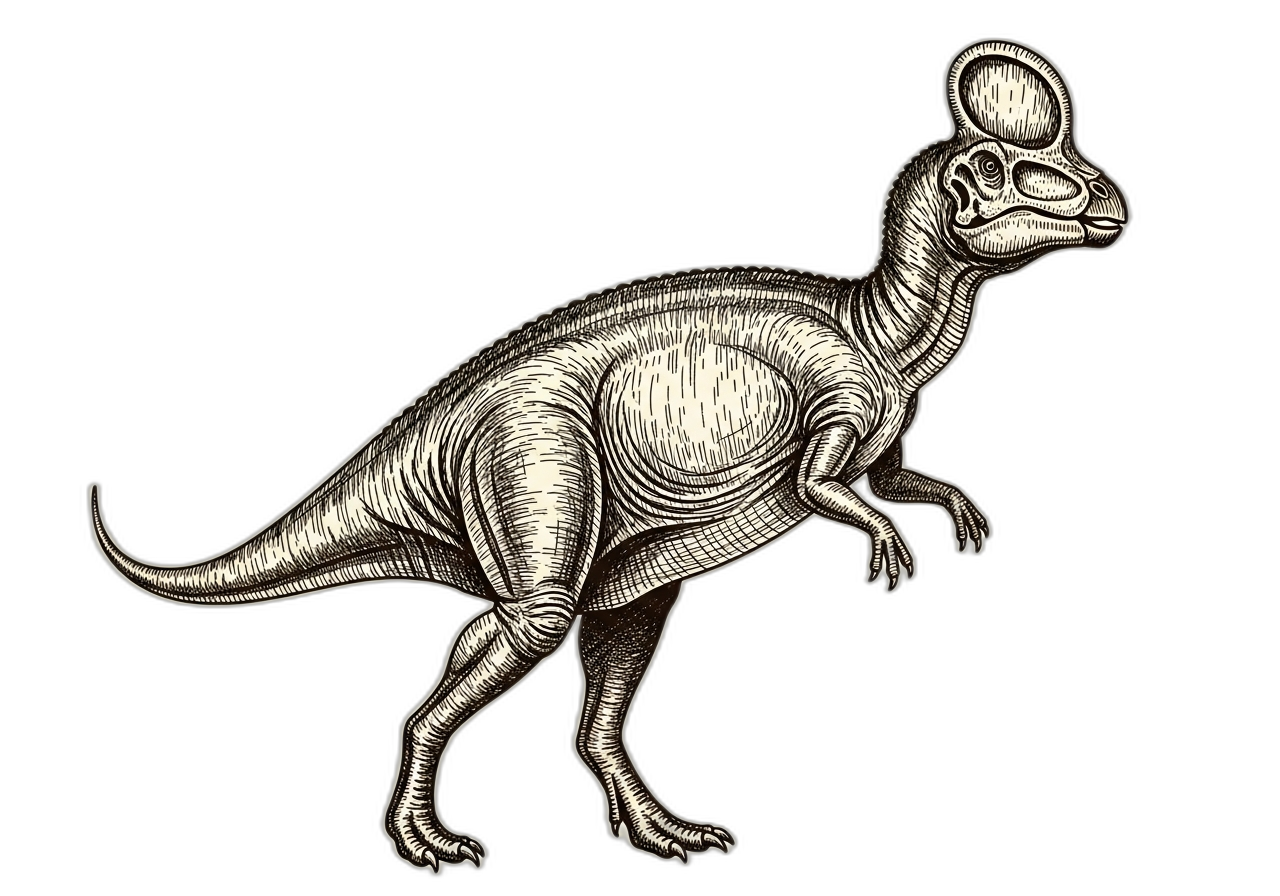
Corythosaurus
Corythosaurus casuarius
Both present in the Dinosaur Park Formation.
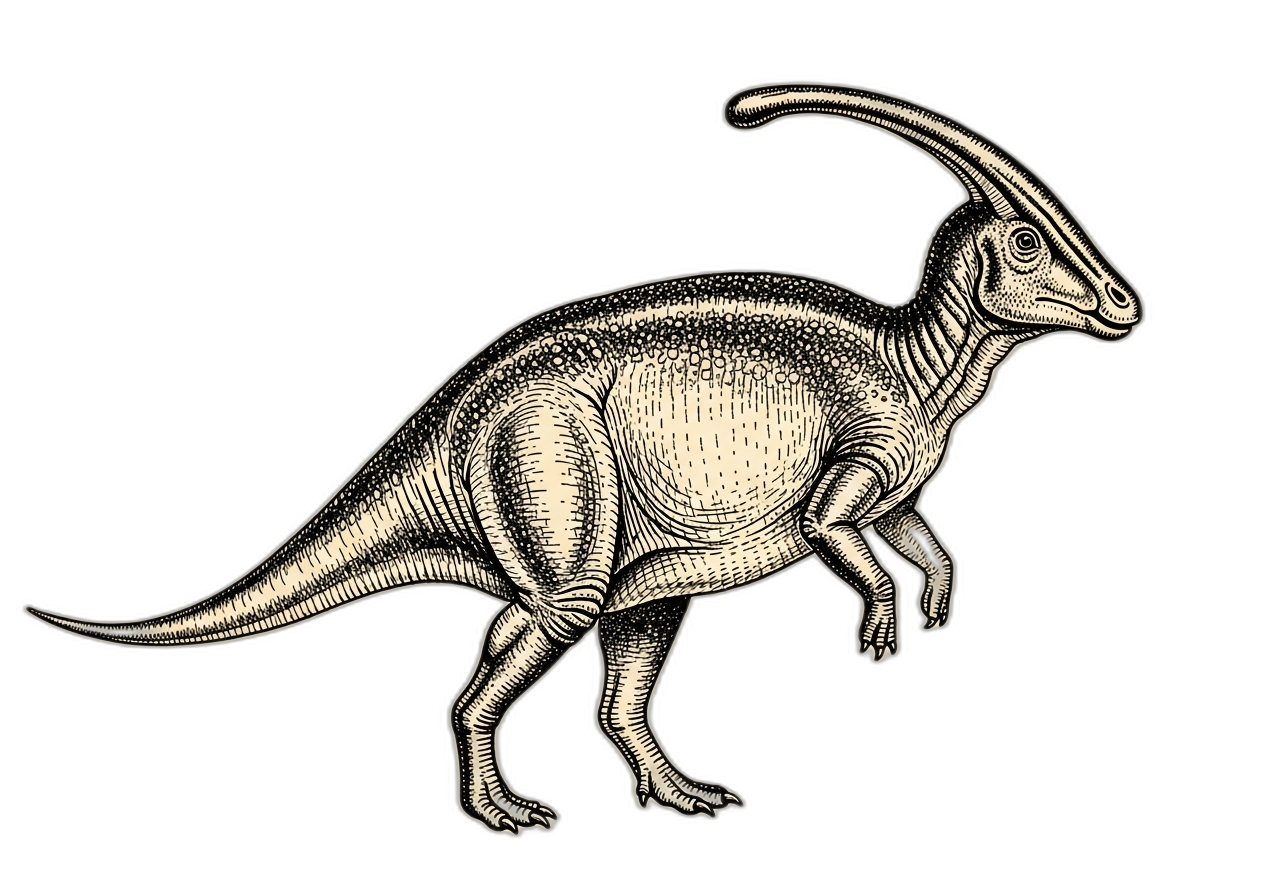
Parasaurolophus
Co-occurred in the Dinosaur Park Formation.