About
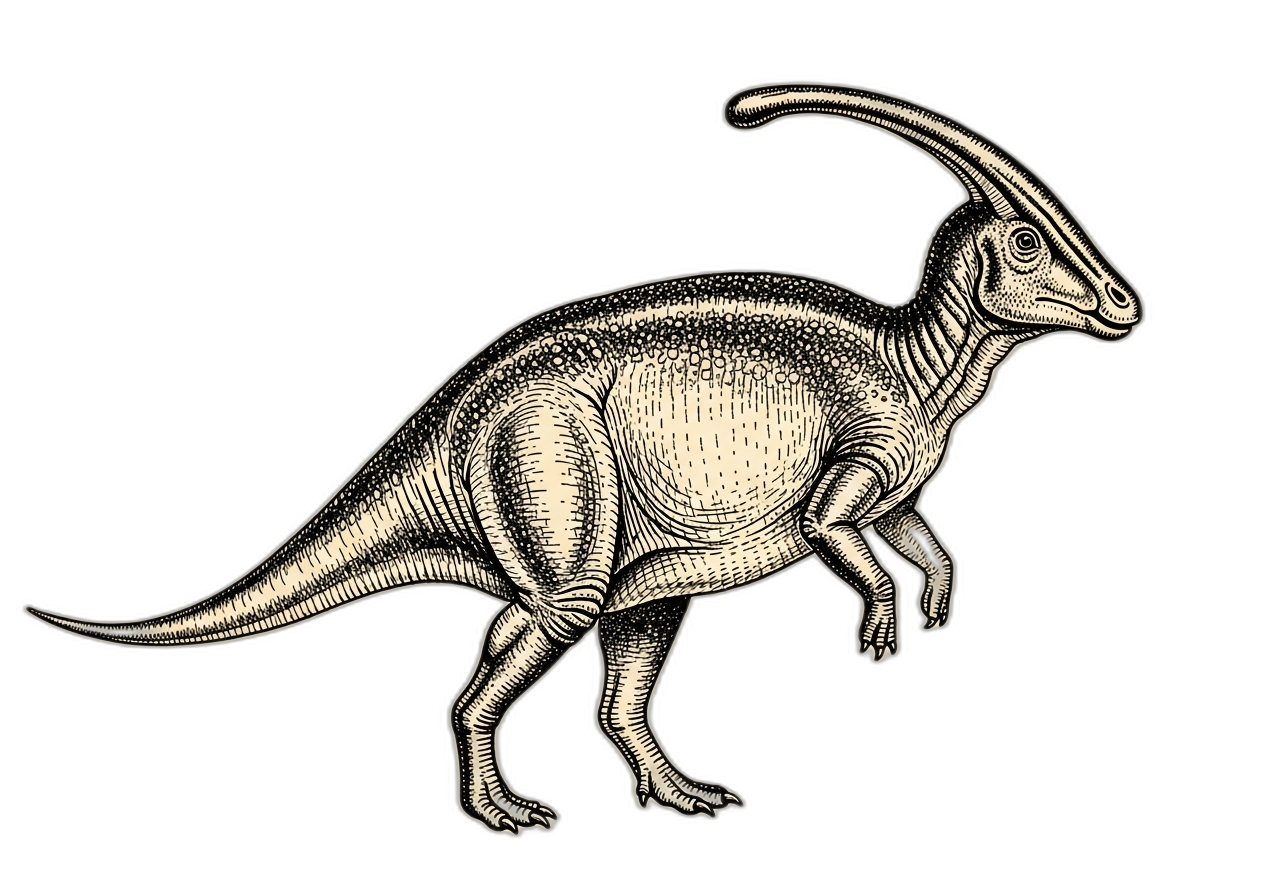
Parasaurolophus is instantly recognizable by the dramatic curved sweeping back from its head — in adults it could reach over 1.8 meters long. For a long time, scientists proposed all kinds of uses for it: a snorkel for swimming, an enhanced sense of smell, or even a weapon. The answer turned out to be far more interesting.
The crest is hollow, containing a complex network of nasal passages that loop from the nostrils up through the crest and back down to the lungs. By computer modeling these passages, scientists have been able to digitally 'play' a Parasaurolophus — and the sound is a deep, resonant trombone-like call, somewhere between a foghorn and a didgeridoo. It likely used this call for long-distance communication across the floodplains of Late Cretaceous North America.
Parasaurolophus was a — a 'duck-billed dinosaur' — and hadrosaurs were among the most successful dinosaur groups of the Late Cretaceous. They had sophisticated dental batteries: hundreds of small teeth tightly packed into a surface that constantly replaced itself, perfectly adapted for grinding tough vegetation.
Like other hadrosaurs, Parasaurolophus could move on two legs or four, switching between gaits depending on speed and terrain. It was social, living in herds, and may have cared for its young — evidence from closely related hadrosaurs suggests some degree of parental behavior.
Where fossils were found
Dinosaur Park Formation
+1 more formation
Alberta, Utah · Canada, United States
83.6–72.2 million years ago(11.4m year span)
Where Parasaurolophus walkeri Roamed
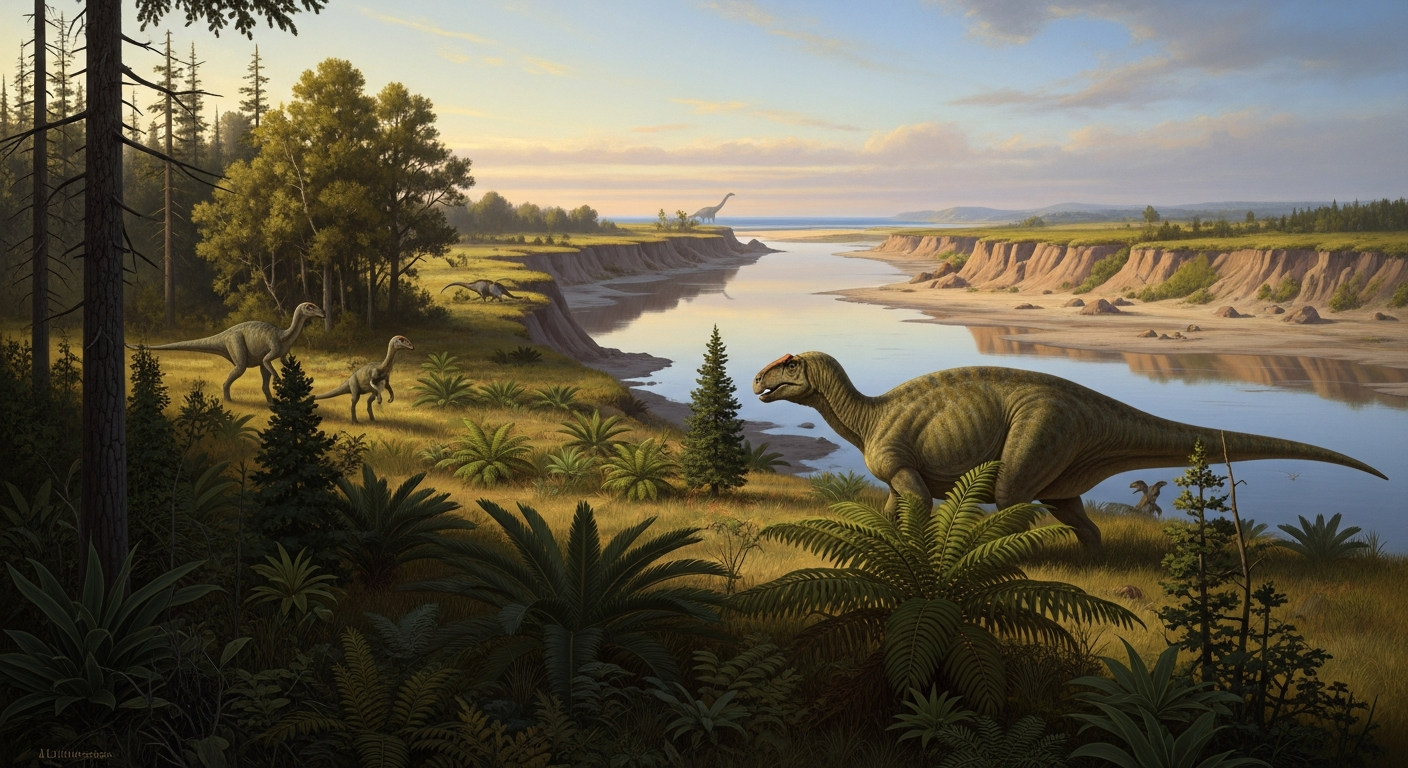
During the late Cretaceous, approximately 78 million years ago, *Parasaurolophus walkeri* inhabited the lush coastal lowlands along the western shores of the Western Interior Seaway, a vast inland sea that divided North America into two landmasses. This warm, humid environment featured meandering rivers, dense subtropical forests, and extensive floodplains that supported diverse dinosaur communities in what is now Alberta, Canada.
Keep exploring the vault
Gorgosaurus
Gorgosaurus libratus
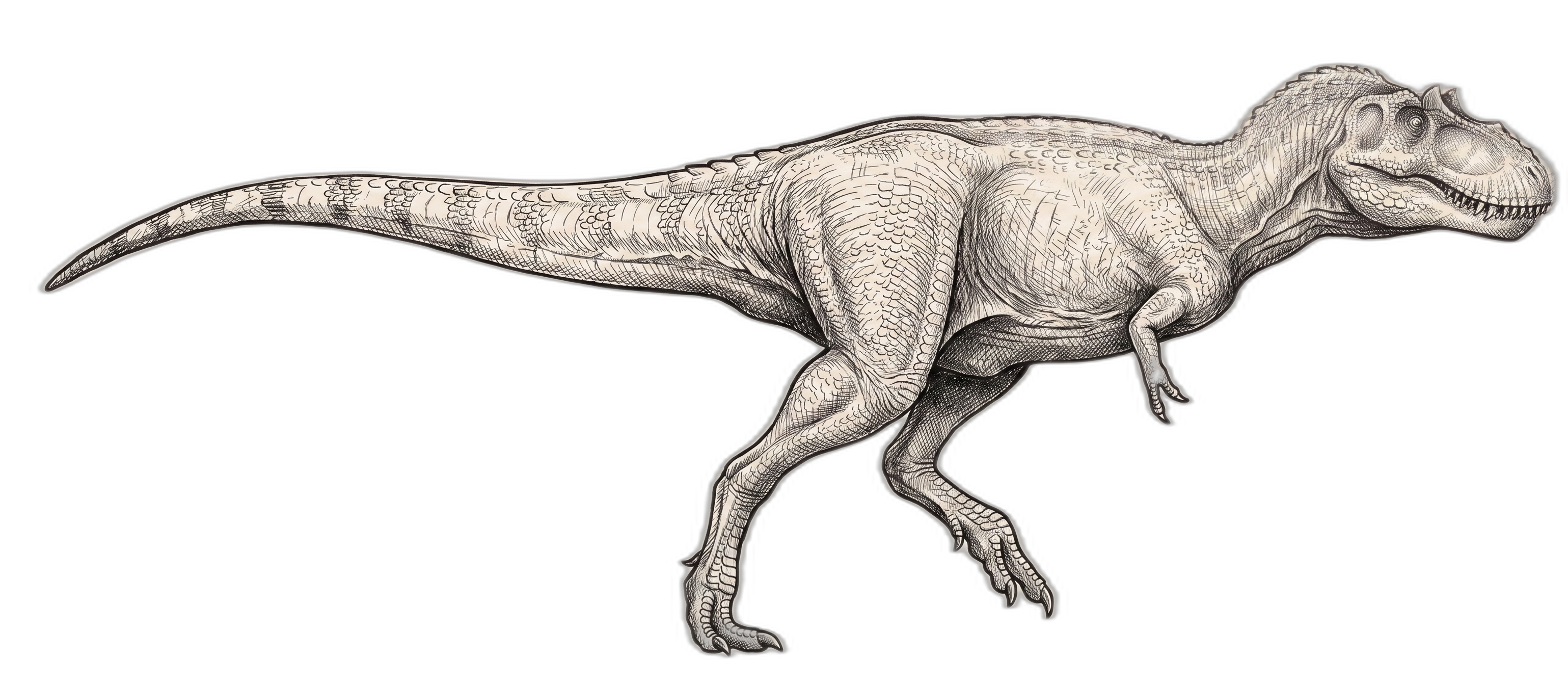
Both species occur in the Dinosaur Park Formation.
Corythosaurus
Corythosaurus casuarius
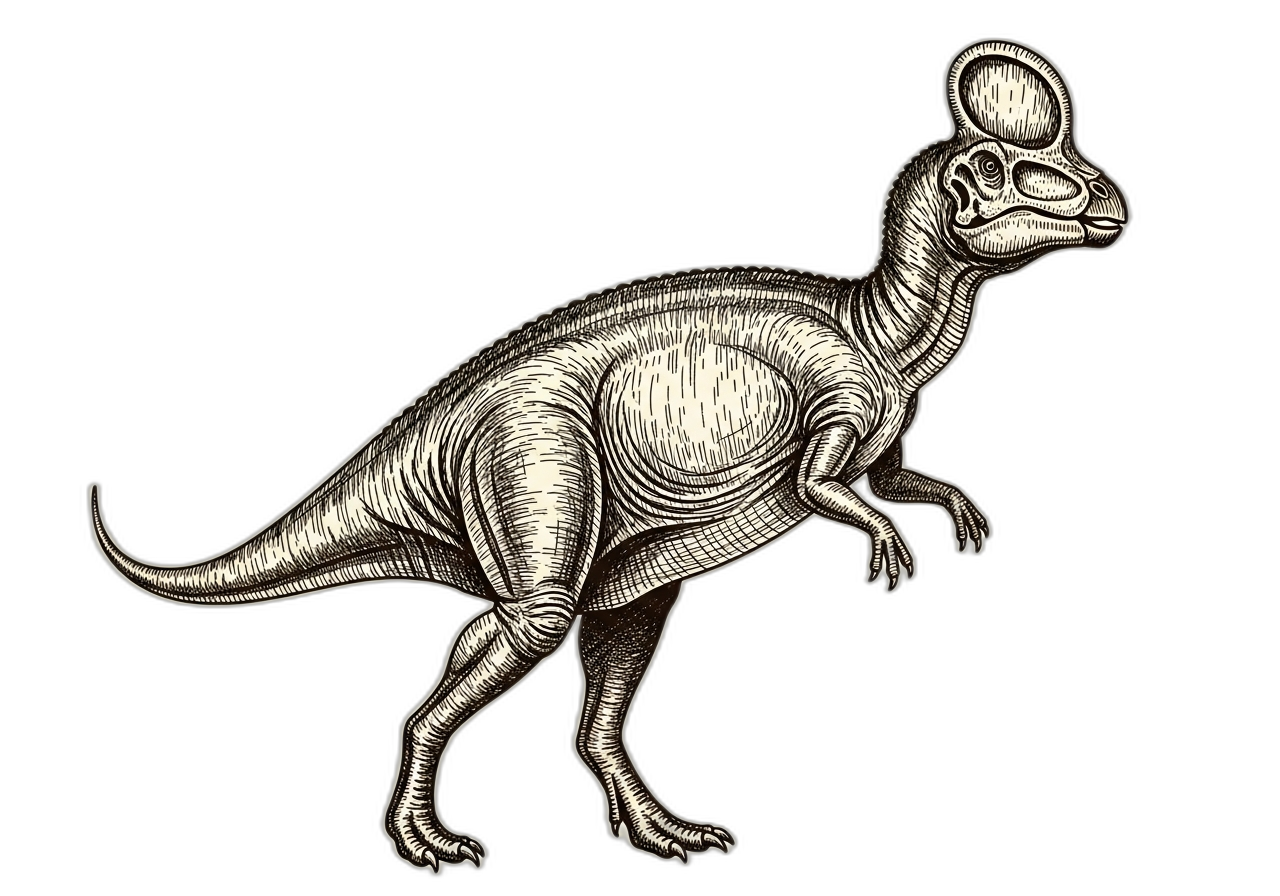
Both lambeosaurine hadrosaurs from the Dinosaur Park Formation with similar body size (8.5-9.5m) and diet.
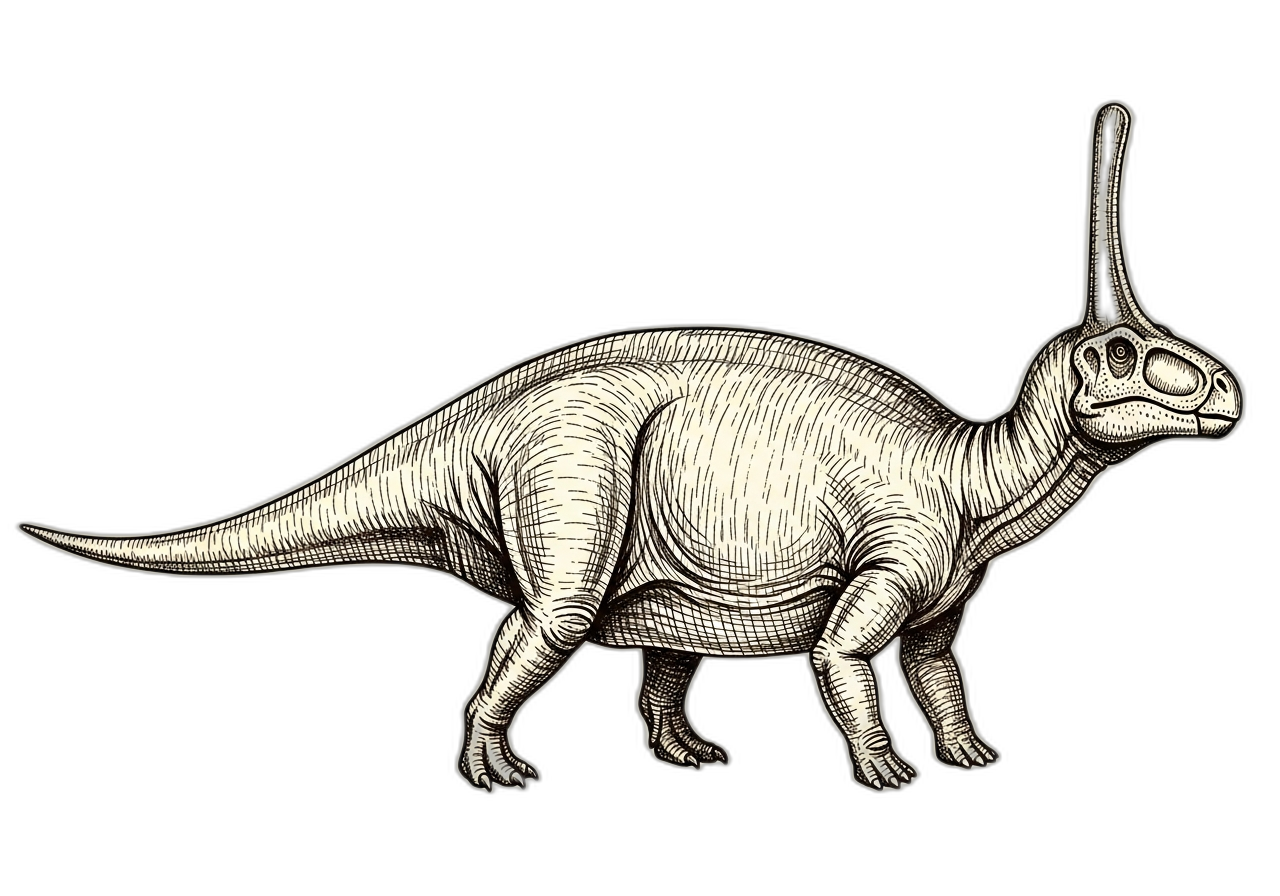
Tsintaosaurus
Tsintaosaurus spinorhinus
Both are lambeosaurine hadrosaurs that independently evolved elaborate cranial crests, likely for vocalization and display.
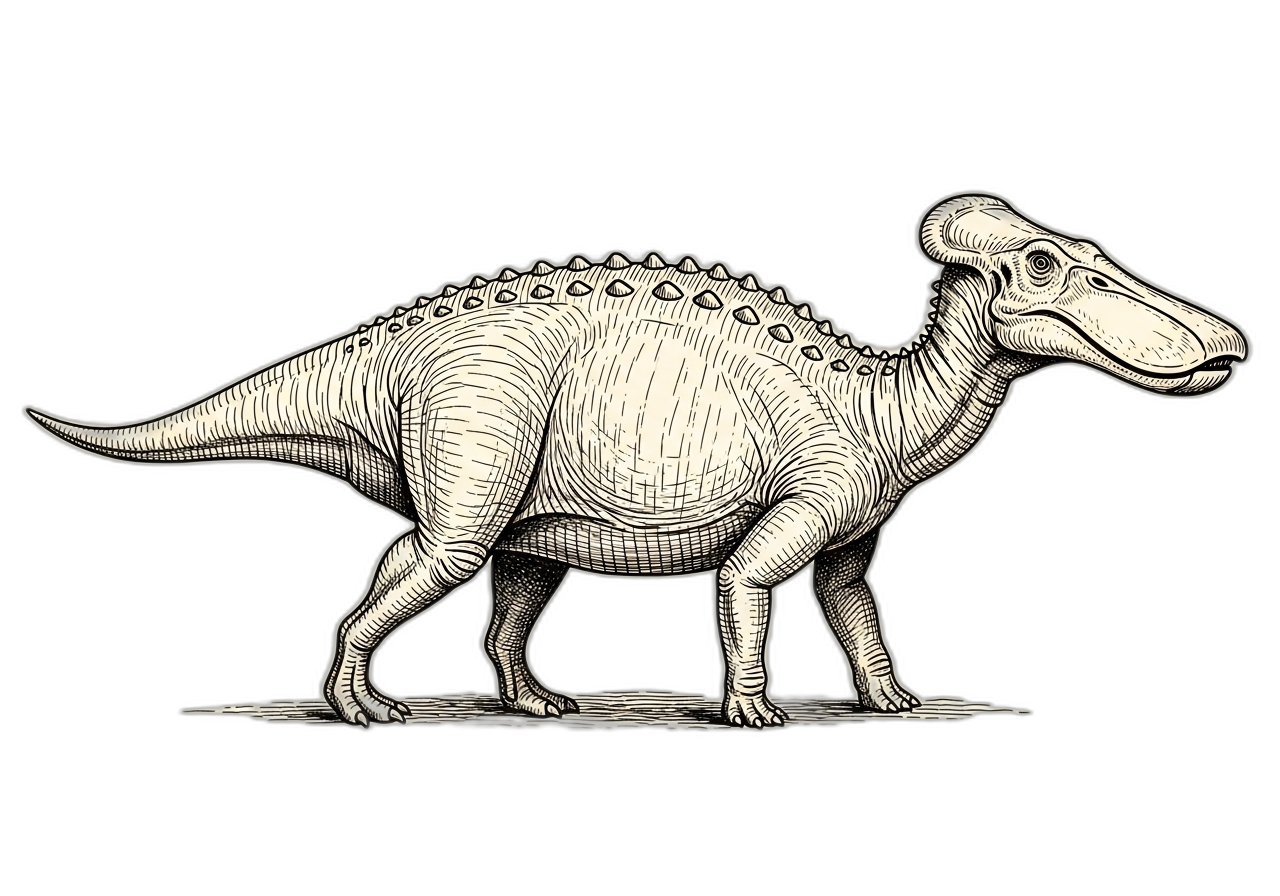
Edmontosaurus
Edmontosaurus regalis
Same family: Hadrosauridae
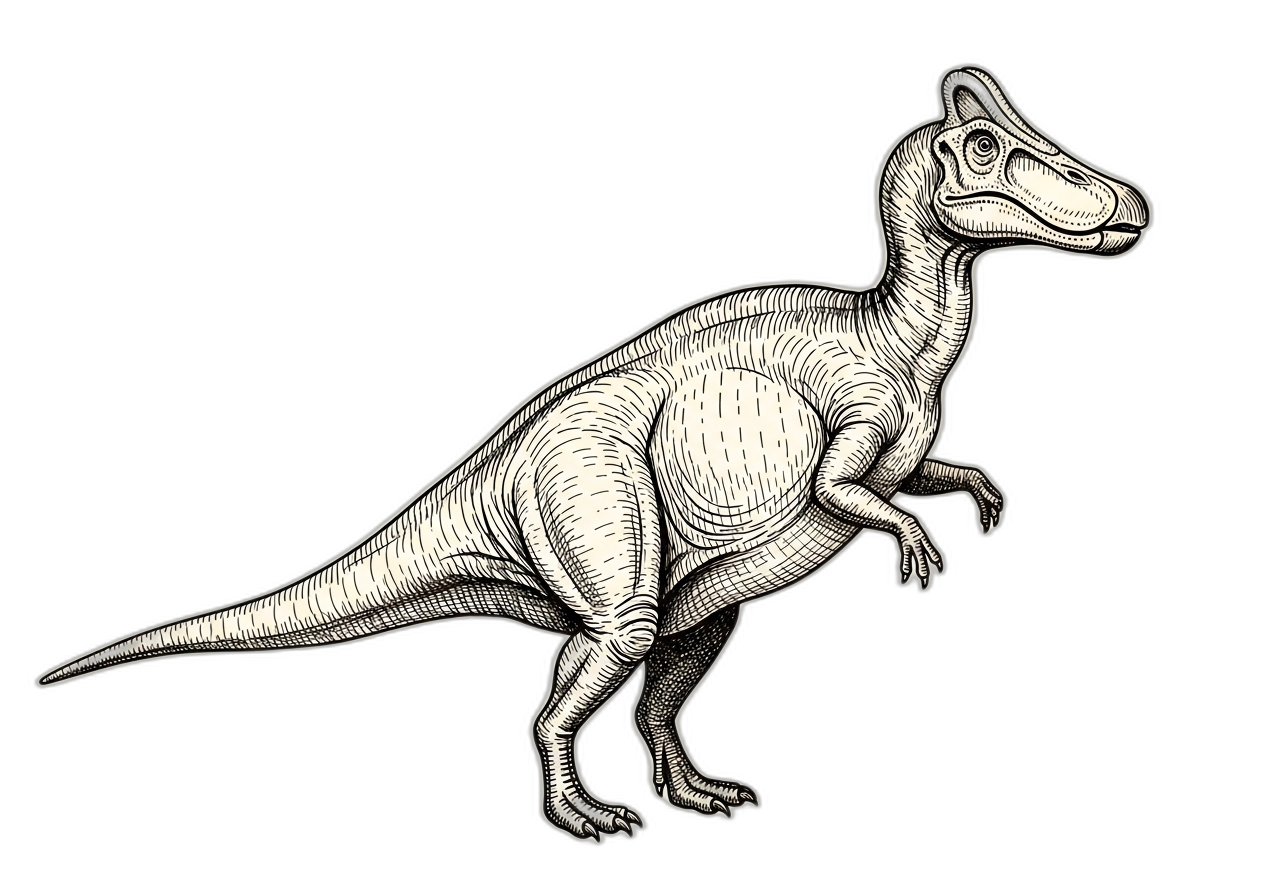
Maiasaura
Maiasaura peeblesorum
Same family: Hadrosauridae
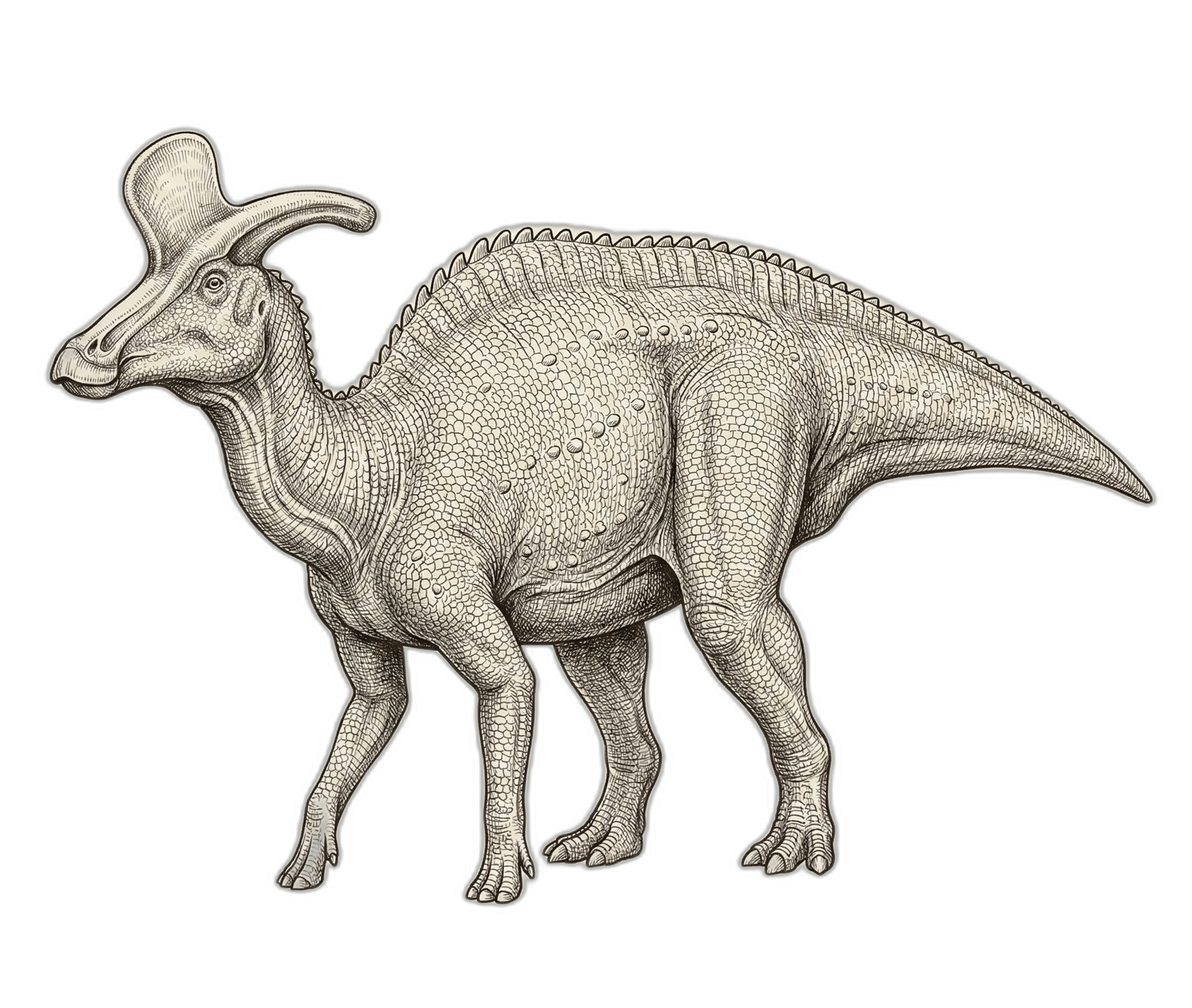
Lambeosaurus
Lambeosaurus lambei
Near-identical body size (9m, 2800kg) and both crested lambeosaurine hadrosaurs from Dinosaur Park Formation.