About
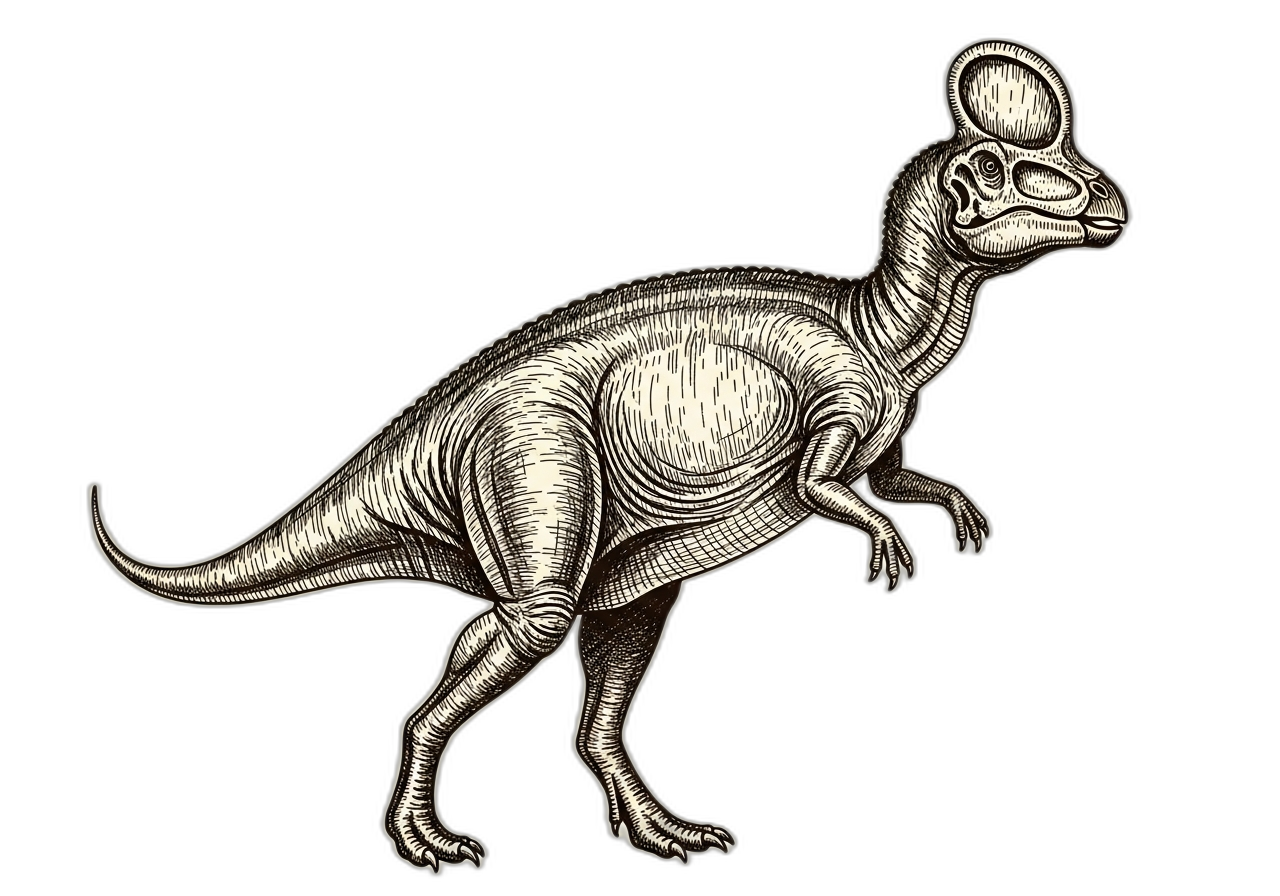
Corythosaurus was a large dinosaur that roamed the coastal plains and river deltas of Late Cretaceous North America around 77 to 75.7 million years ago. As a member of the subfamily, it possessed the group's characteristic hollow —in this case, a tall, semicircular structure resembling a Corinthian helmet that gives the animal its name. This elaborate headgear wasn't just for show; CT scans reveal complex nasal passages inside that likely functioned as resonating chambers, allowing these dinosaurs to produce distinctive low-frequency calls.
Like other hadrosaurs, Corythosaurus was a sophisticated herbivore equipped with hundreds of tightly packed teeth forming dental batteries capable of grinding tough plant material. It likely fed on conifers, ferns, and flowering plants, walking primarily on all fours while foraging but capable of rising onto its hind legs to reach higher vegetation or flee from predators like Gorgosaurus, which shared its habitat.
The genus was named and described in 1914 by the legendary fossil hunter Barnum Brown based on exceptional specimens from the Dinosaur Park Formation in Alberta, Canada. Brown's discoveries were remarkably complete—some specimens even preserved skin impressions showing a pebbly texture across the body. This exceptional preservation has made Corythosaurus one of the best-understood hadrosaurs.
Intriguingly, the dramatic variation in crest size and shape among Corythosaurus specimens initially led paleontologists to name several separate species. Modern research suggests these differences largely reflect age and sex rather than species boundaries—juveniles had smaller crests, and males likely sported larger, more elaborate headgear than females.
Where fossils were found
Dinosaur Park Formation
+1 more formation
Alberta, Montana · Canada, United States
83.6–72.2 million years ago(11.4m year span)
Where Corythosaurus Roamed
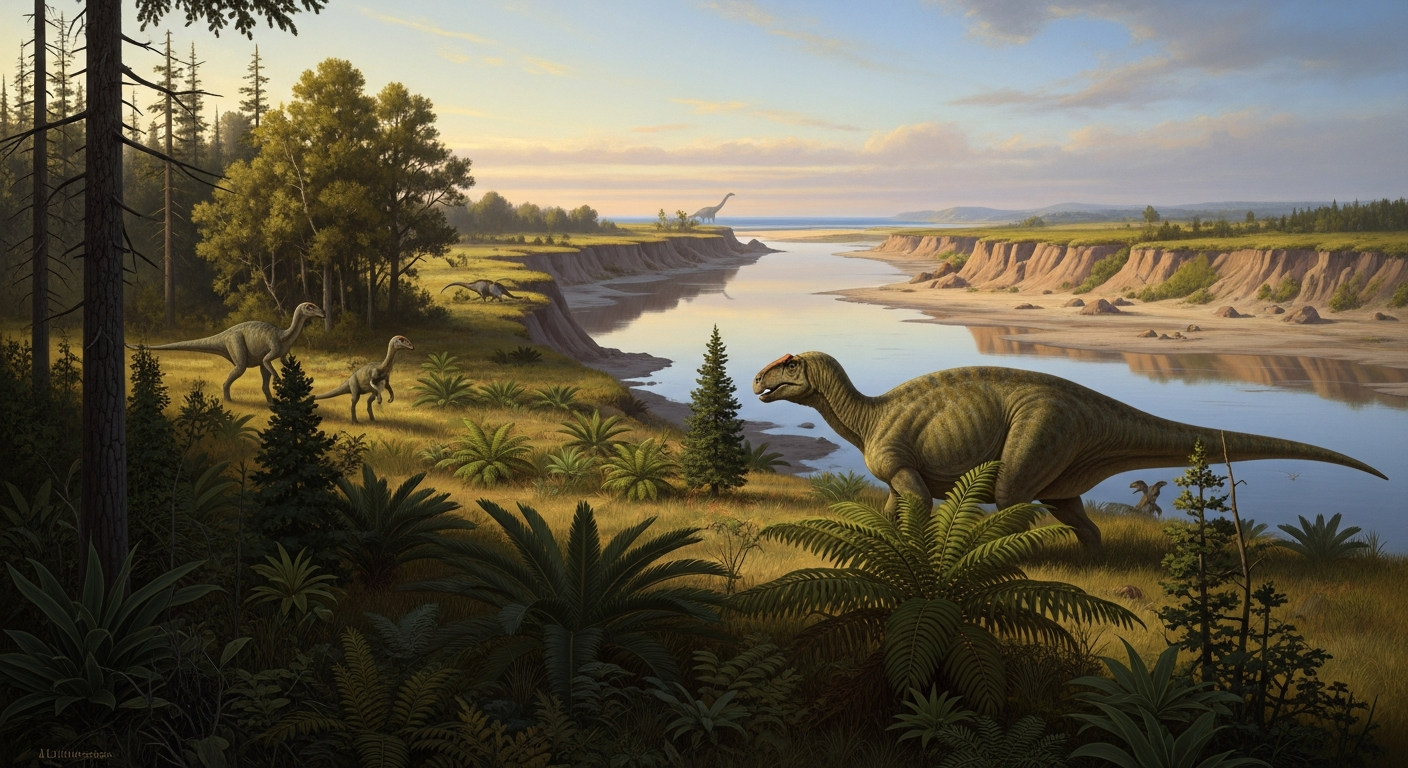
Corythosaurus casuarius roamed the lush coastal lowlands of Laramidia, a narrow island continent flanked by the Western Interior Seaway to the east, where warm, humid subtropical conditions supported dense forests of conifers, ferns, and flowering plants along meandering river systems and swampy floodplains.
Keep exploring the vault
Gorgosaurus
Gorgosaurus libratus
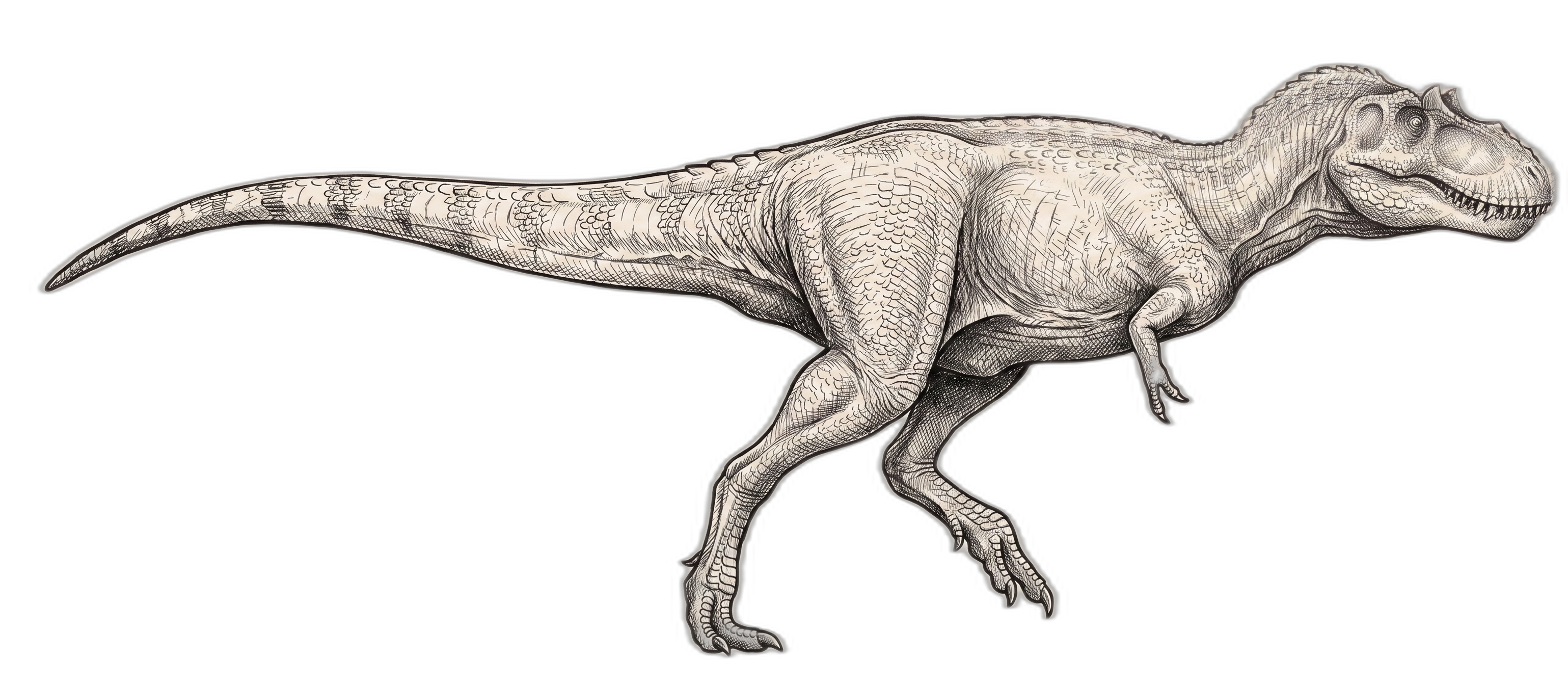
Gorgosaurus and Corythosaurus co-occur in the Dinosaur Park Formation.
Lambeosaurus
Lambeosaurus lambei
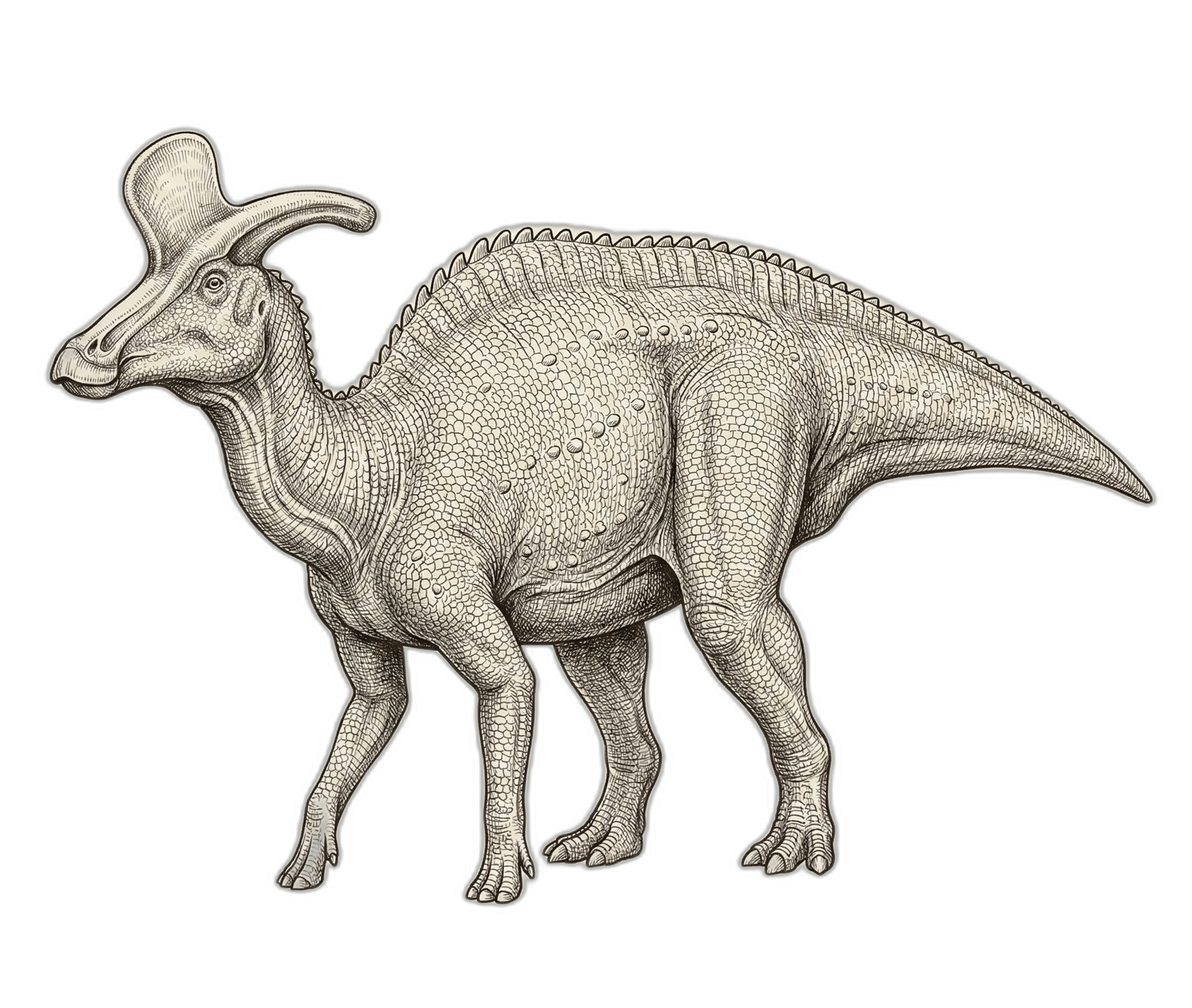
Both lambeosaurine hadrosaurs of nearly identical size (8.5m vs 9.0m) from the Dinosaur Park Formation, feeding on similar vegetation.
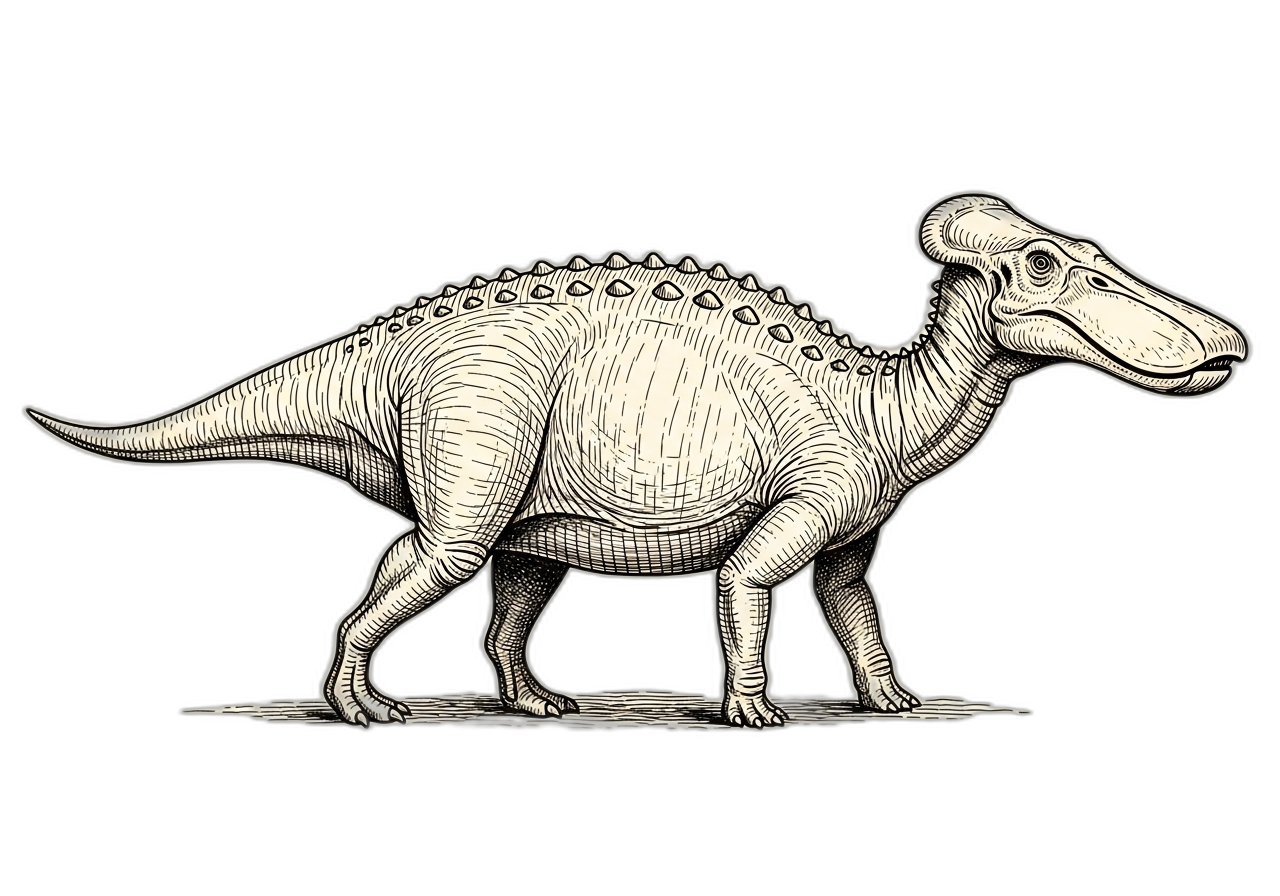
Edmontosaurus
Edmontosaurus regalis
Both successful hadrosaurs representing different subfamilies (Lambeosaurinae vs Hadrosaurinae) exploring distinct evolutionary solutions—Corythosaurus developed hollow crests for resonance while Edmontosaurus relied on soft tissue nasal structures.
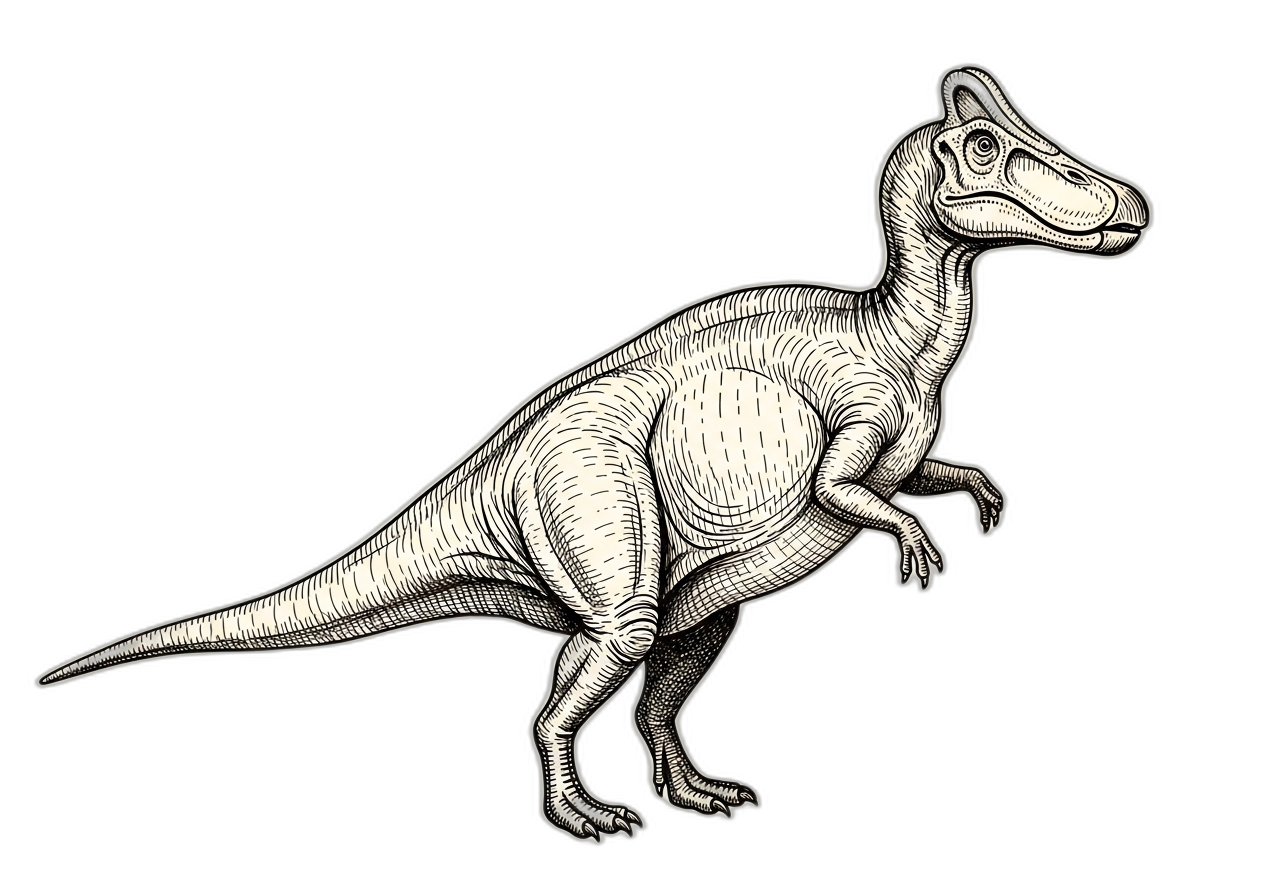
Maiasaura
Maiasaura peeblesorum
Same family: Hadrosauridae
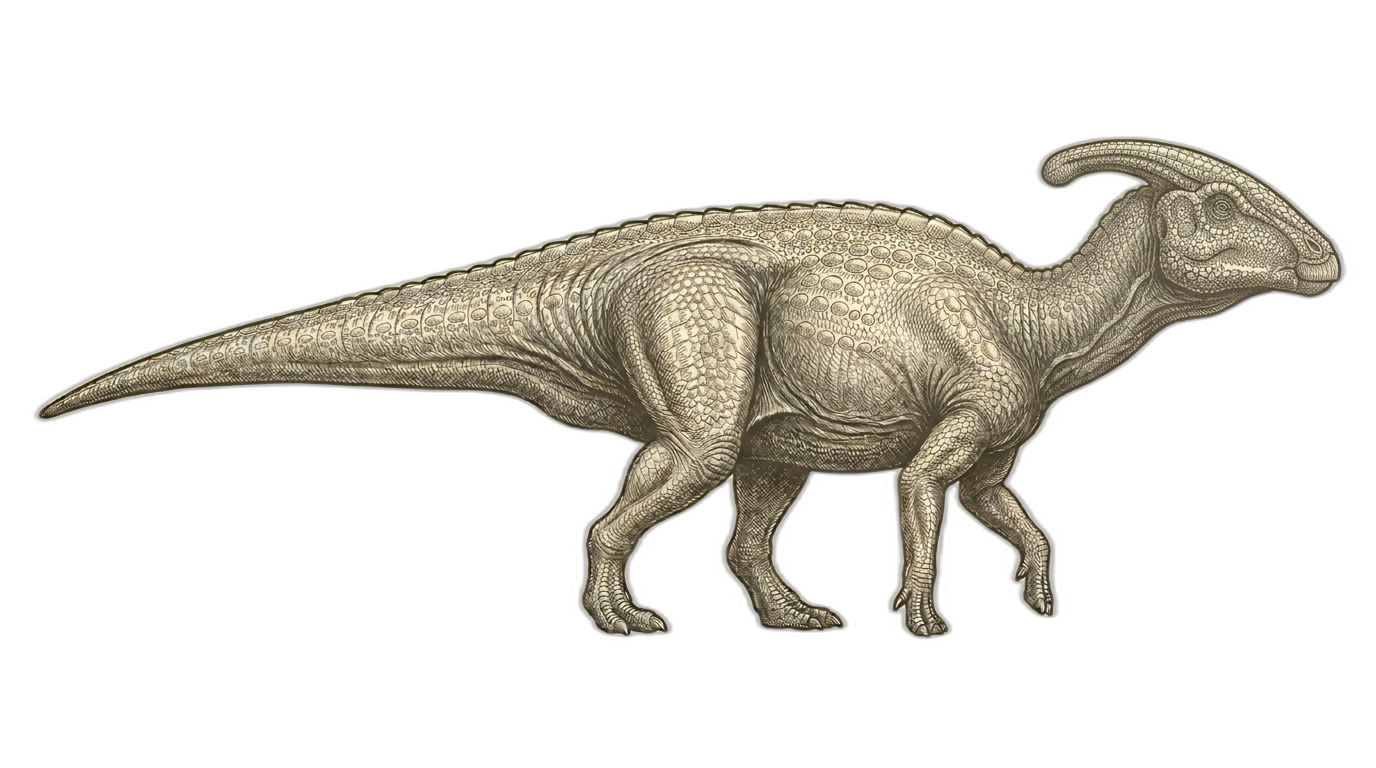
Brachylophosaurus
Brachylophosaurus canadensis
Same family: Hadrosauridae
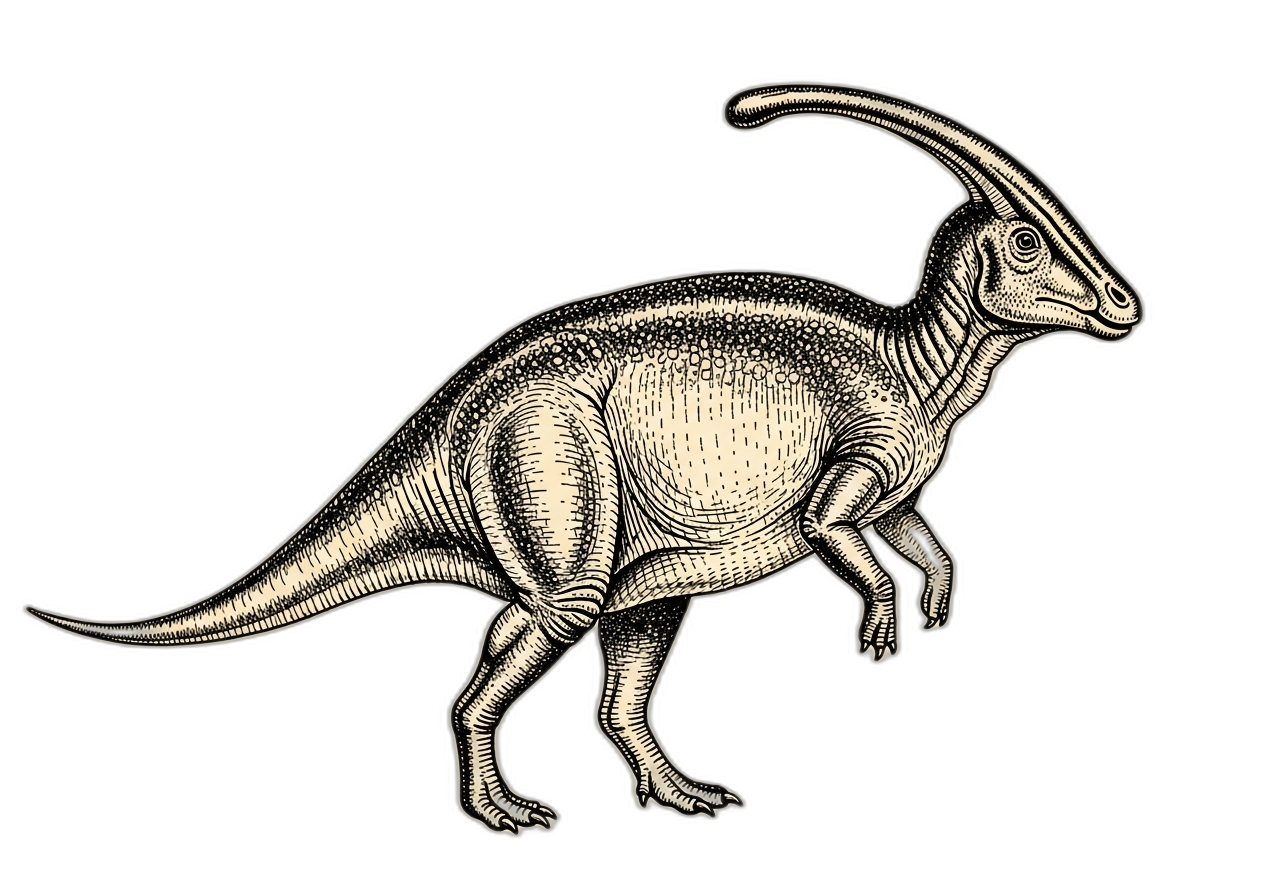
Parasaurolophus
Fellow lambeosaurine hadrosaur from the Dinosaur Park Formation with similar body size and herbivorous diet.