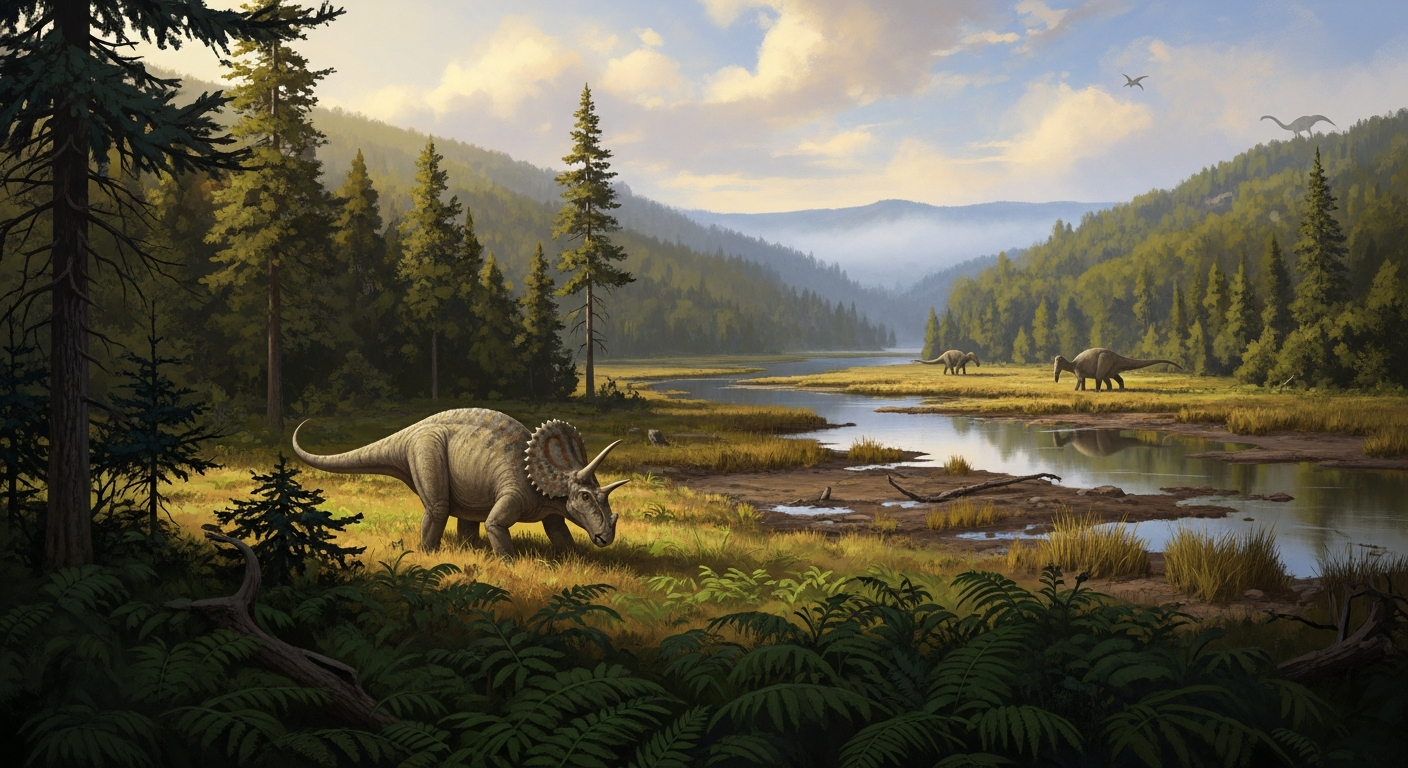
Two Medicine Formation
Montana, United States
Why It Matters
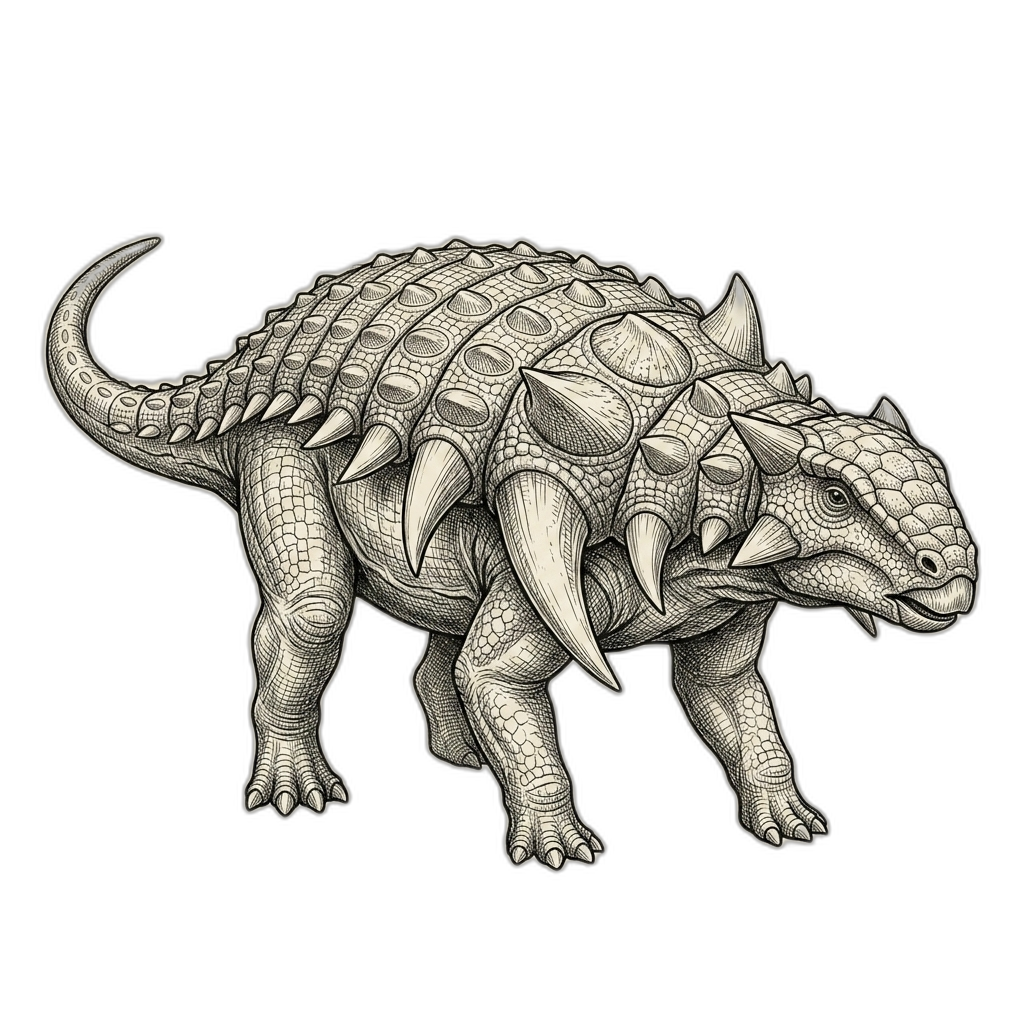
The Two Medicine Formation is most famous as the site where Jack Horner and colleagues discovered the first dinosaur nesting colonies in North America, revolutionising understanding of dinosaur parental behaviour. Maiasaura nests containing eggs, embryos, and juveniles of different ages demonstrated that at least some dinosaurs cared for their young — upending the image of dinosaurs as simple, reptile-like animals. The formation also produced Einiosaurus and Achelousaurus, key taxa for understanding evolution.
How Fossils Survived
Deposited in a complex of river systems, lakes, and floodplains on the western side of the Western Interior Seaway, the Two Medicine Formation preserves a range of environments from deep channel sandstones to fine-grained lake sediments. The abundance of nesting horizons — repeated layers showing dinosaurs returning to the same sites year after year — is one of its most distinctive features. Volcanic ash beds interbedded with the sediments have allowed precise radiometric dating of the fossil-bearing layers.
Discovery History
The formation was prospected sporadically in the early 20th century, but the transformative work began when Jack Horner and Bob Makela discovered Maiasaura nesting sites near Choteau, Montana in 1978. Horner's subsequent decades of excavation at Egg Mountain and surrounding areas produced thousands of specimens. The site is now protected within federal land and continues to yield new information about dinosaur biology and behaviour.
Dinosaurs in the Vault
6 species in our database · sorted by size
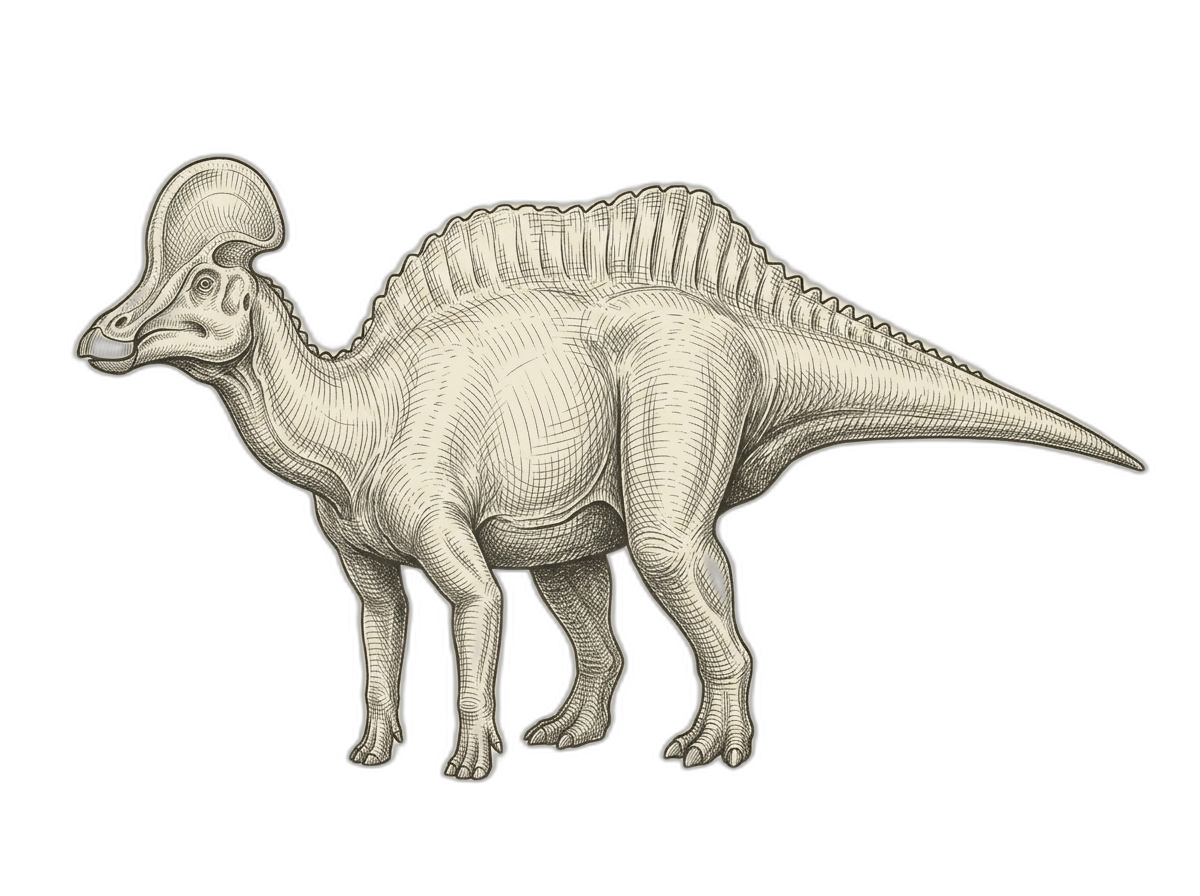
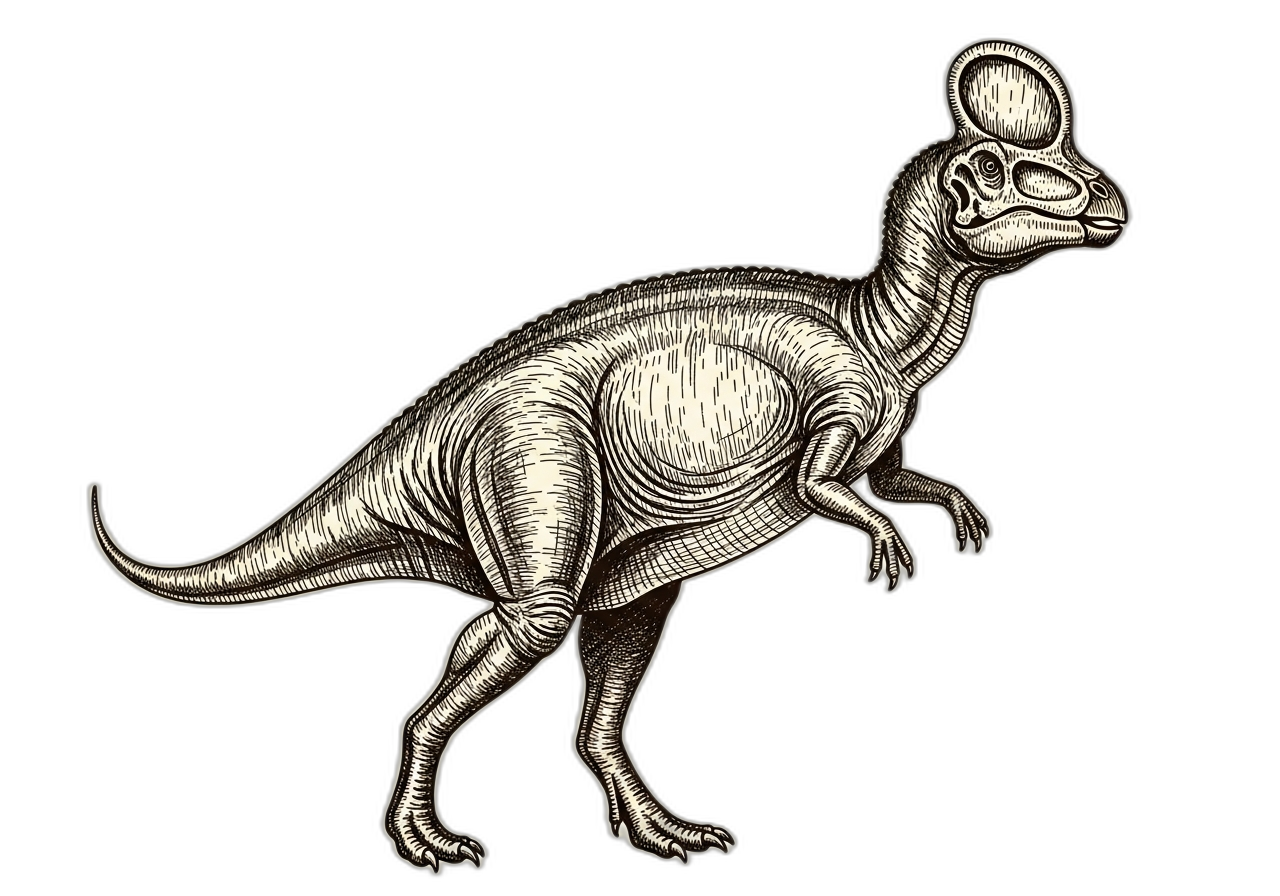
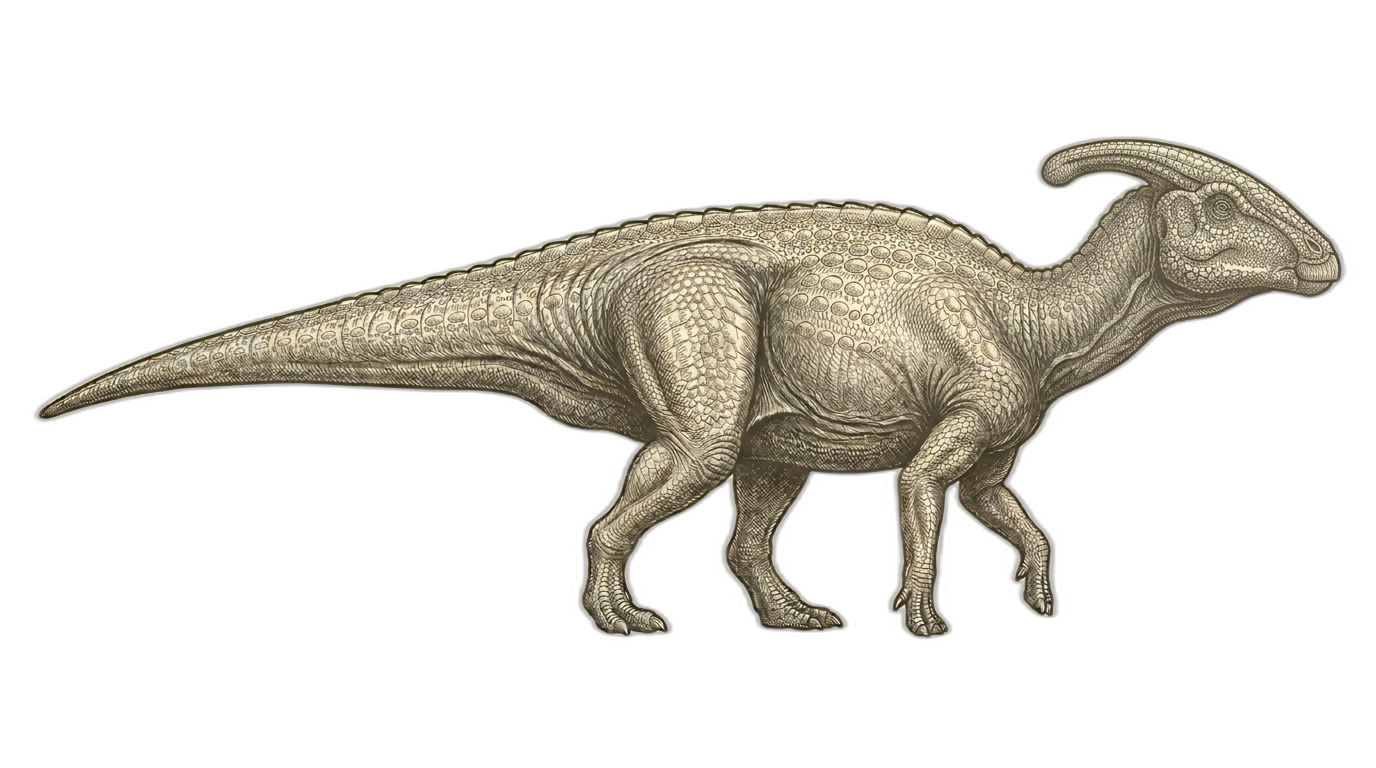
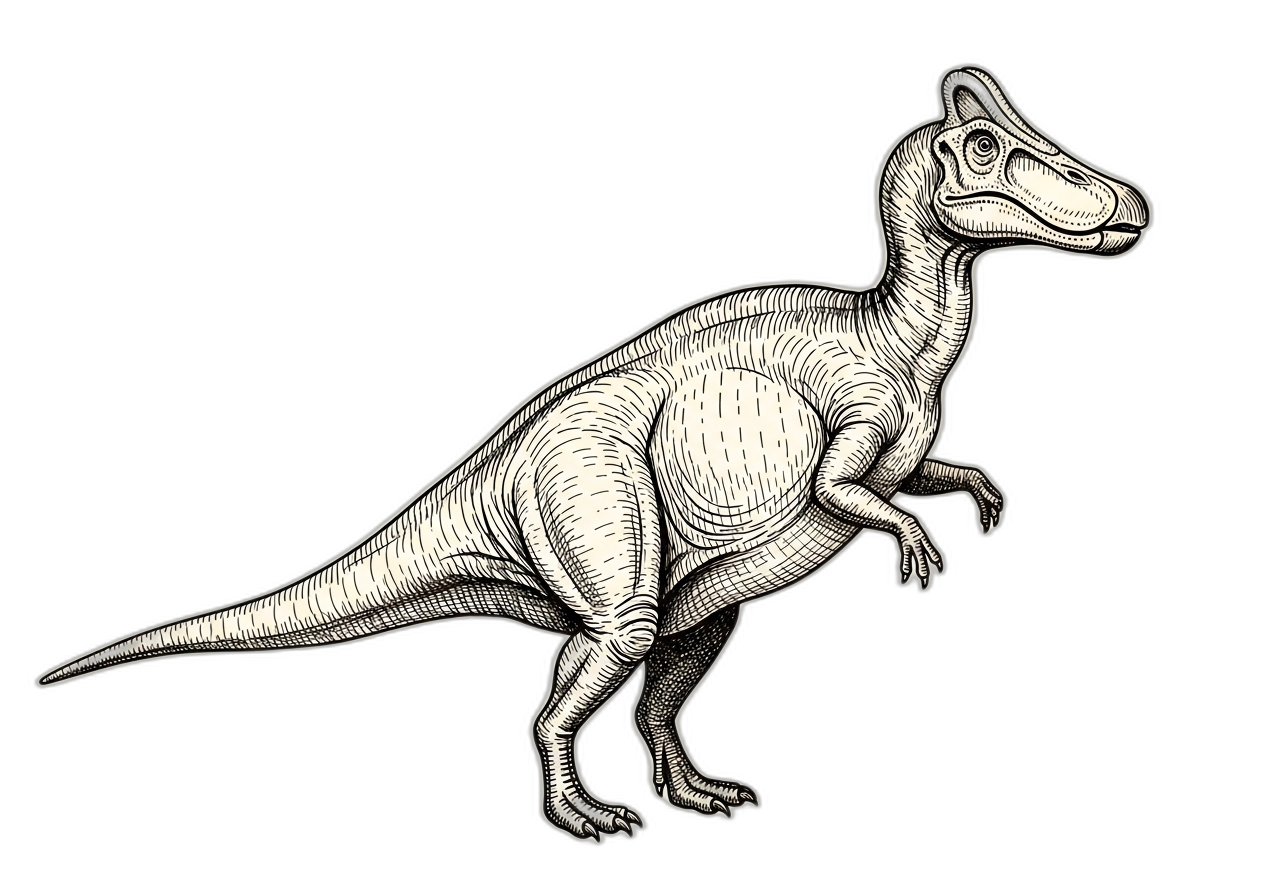
Egg Mountain — the central nesting site in the Two Medicine Formation — contains so many Maiasaura specimens that researchers estimate an entire breeding colony nested there repeatedly, like colonial seabirds.