About
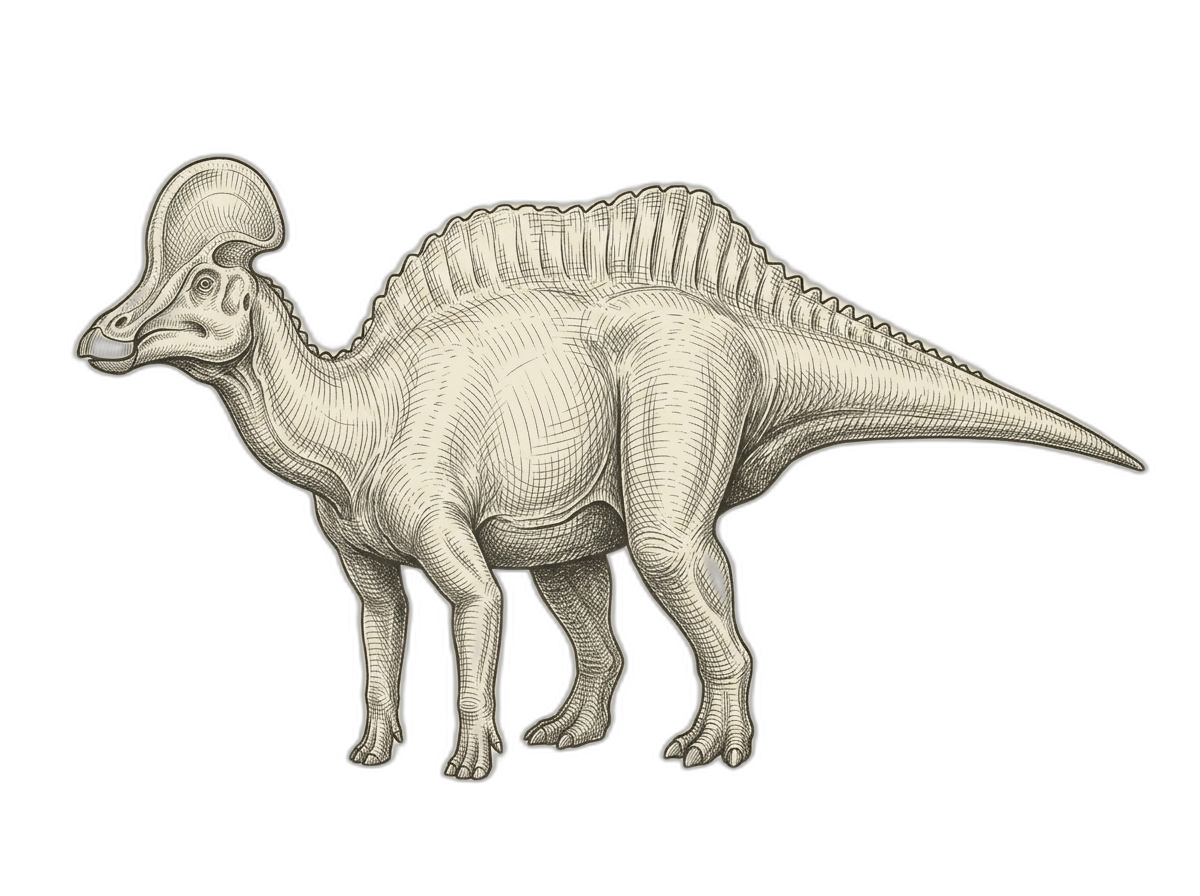
Hypacrosaurus altispinus was an impressive that roamed the coastal plains and river valleys of Late Cretaceous North America. Adults reached approximately 9 meters in length and featured a distinctive hollow that rose high above the skull, likely used for visual and vocal communication. The species takes its name from the remarkably tall along its back, which may have supported a ridge of soft tissue or a -like structure. Like other hadrosaurids, Hypacrosaurus possessed a sophisticated containing hundreds of tightly packed teeth, perfectly adapted for processing tough vegetation including conifers, ferns, and flowering plants. The dinosaur could walk on either two or four legs, likely adopting a stance while foraging and rising to a gait for faster locomotion. Hypacrosaurus holds exceptional scientific importance due to discoveries of nesting sites, eggs, embryos, and juveniles at various growth stages. Studies of these remains by Jack Horner and colleagues revealed that Hypacrosaurus grew remarkably fast, reaching near-adult size within 10-12 years—much faster than previously assumed for dinosaurs of this size. This rapid growth rate may have been an evolutionary response to high predation pressure from tyrannosaurs like Gorgosaurus that shared its environment. The combination of abundant fossil material spanning all life stages makes Hypacrosaurus one of the best-understood dinosaurs in terms of and life history.
Where fossils were found
Dinosaur Park Formation
+2 more formations
Alberta, Montana · Canada, United States
75–67 million years ago(8m year span)
Where Hypacrosaurus Roamed
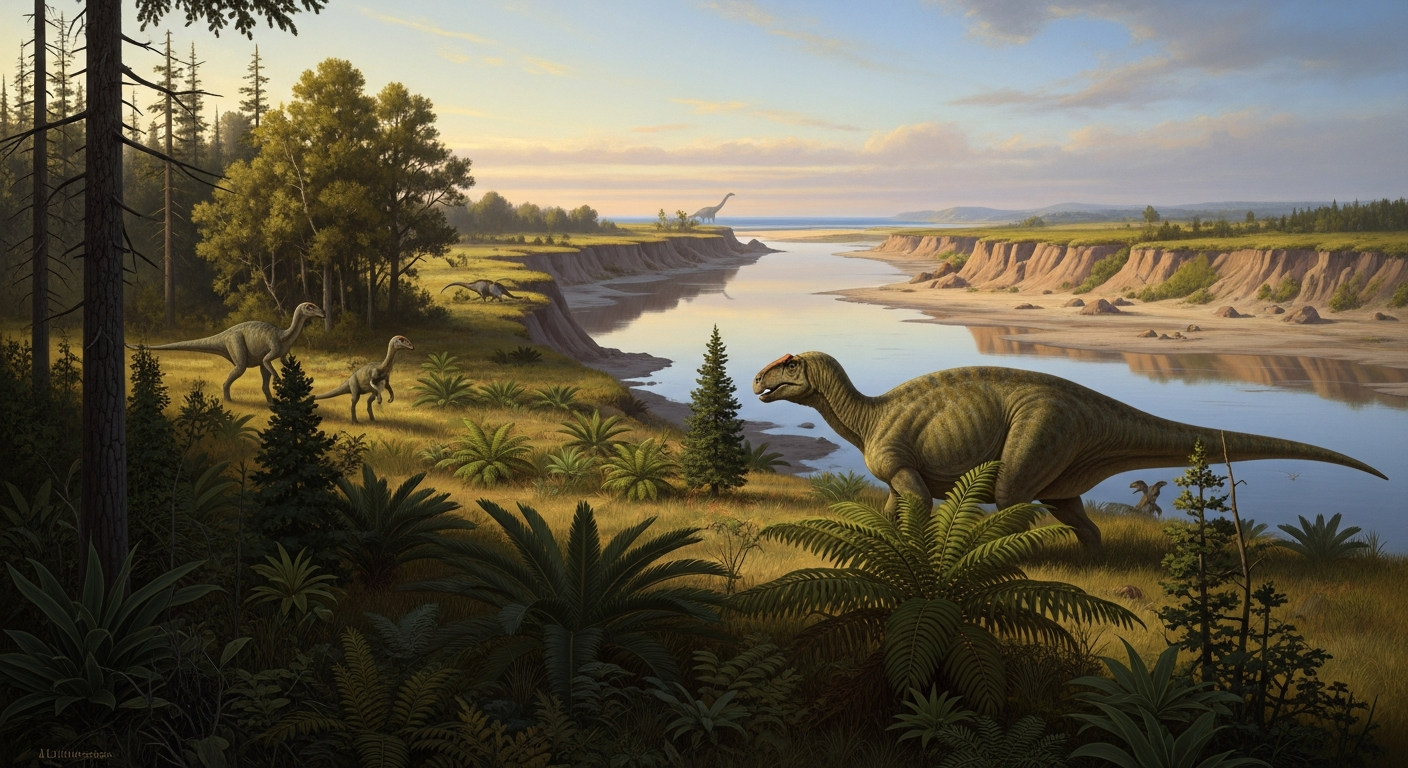
During the Late Cretaceous, *Hypacrosaurus altispinus* inhabited the coastal lowlands of Laramidia, a narrow continent bordered by the Western Interior Seaway to the east, where warm, humid conditions supported lush floodplains and meandering river systems teeming with diverse dinosaur communities.
Keep exploring the vault
Gorgosaurus
Gorgosaurus libratus
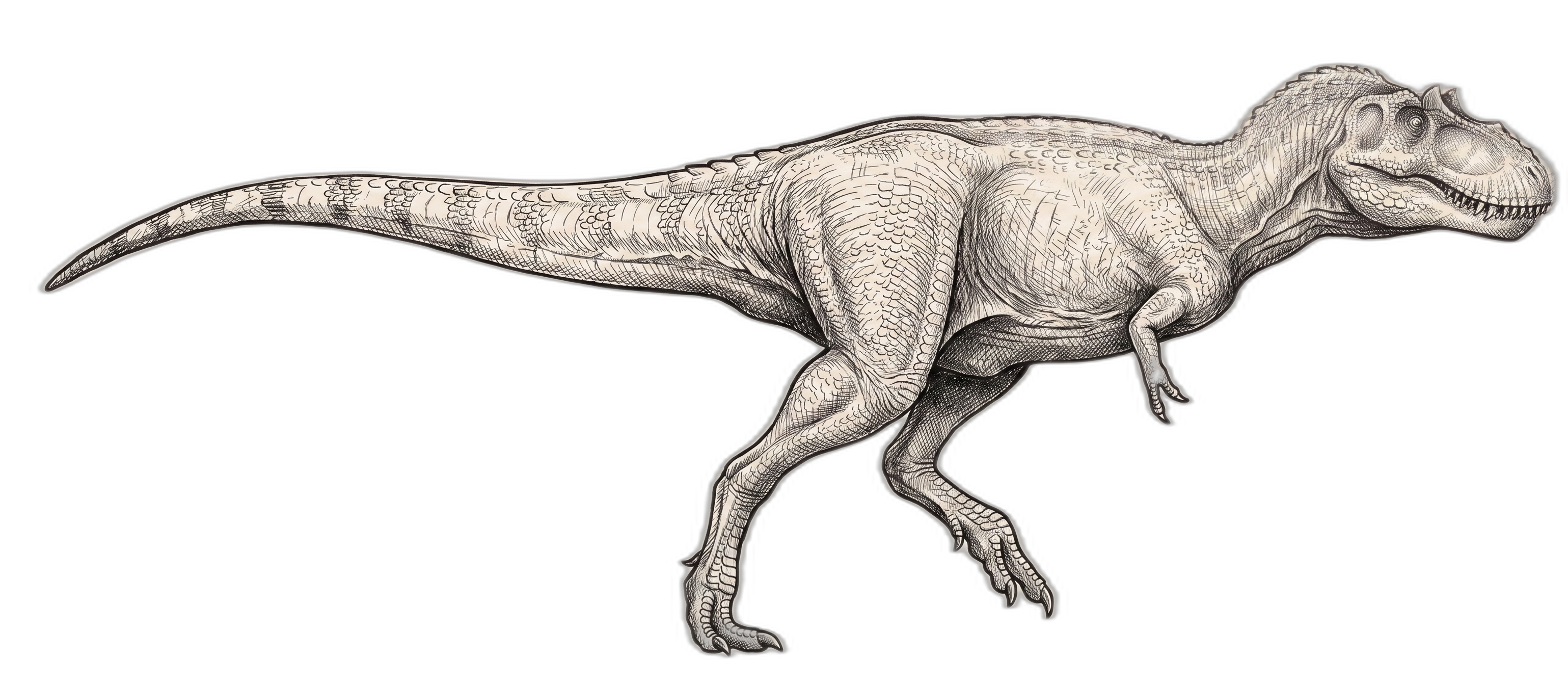
Gorgosaurus libratus was the apex predator in the Dinosaur Park Formation where Hypacrosaurus lived.
Corythosaurus
Corythosaurus casuarius
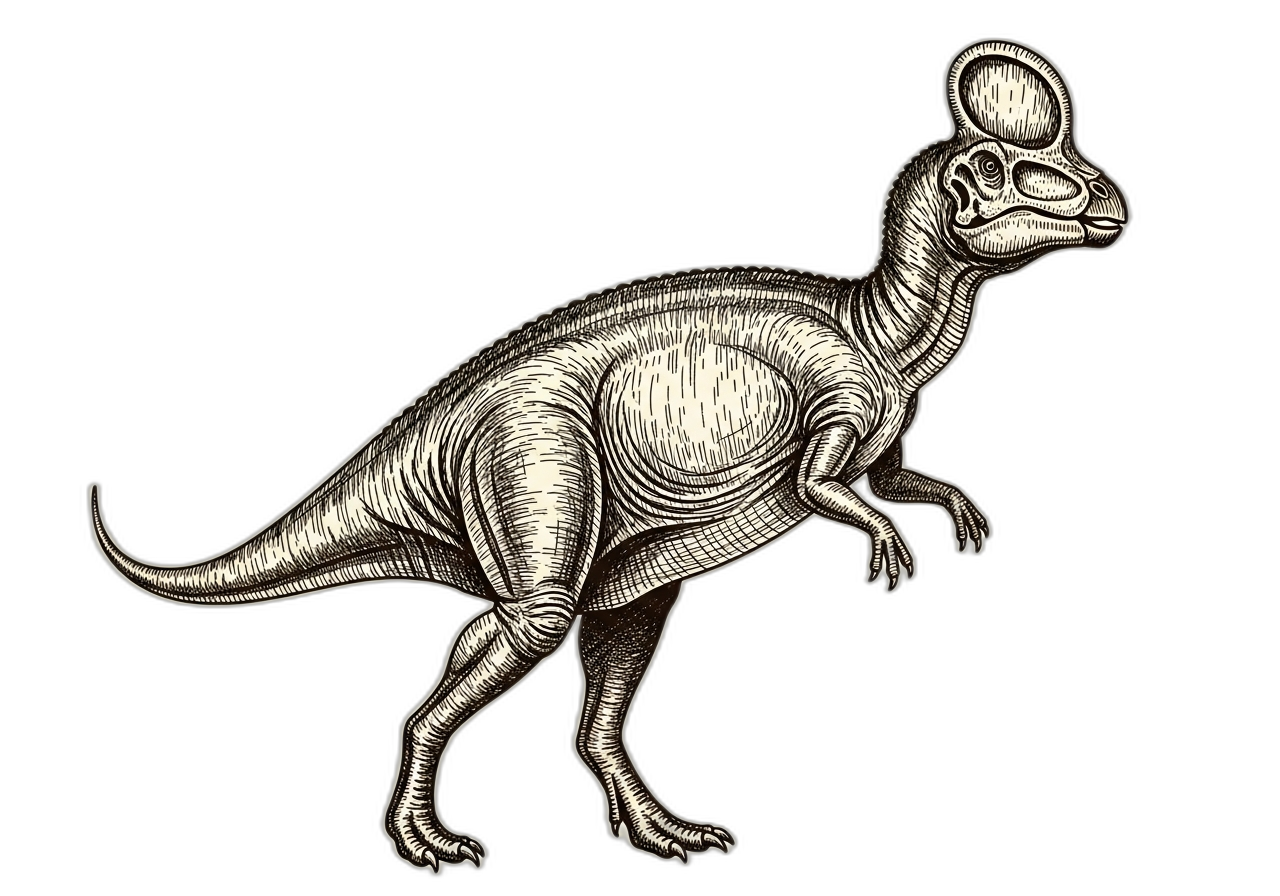
Both lambeosaurine hadrosaurs of nearly identical size (8.5-9m) sharing the Dinosaur Park and Two Medicine formations.
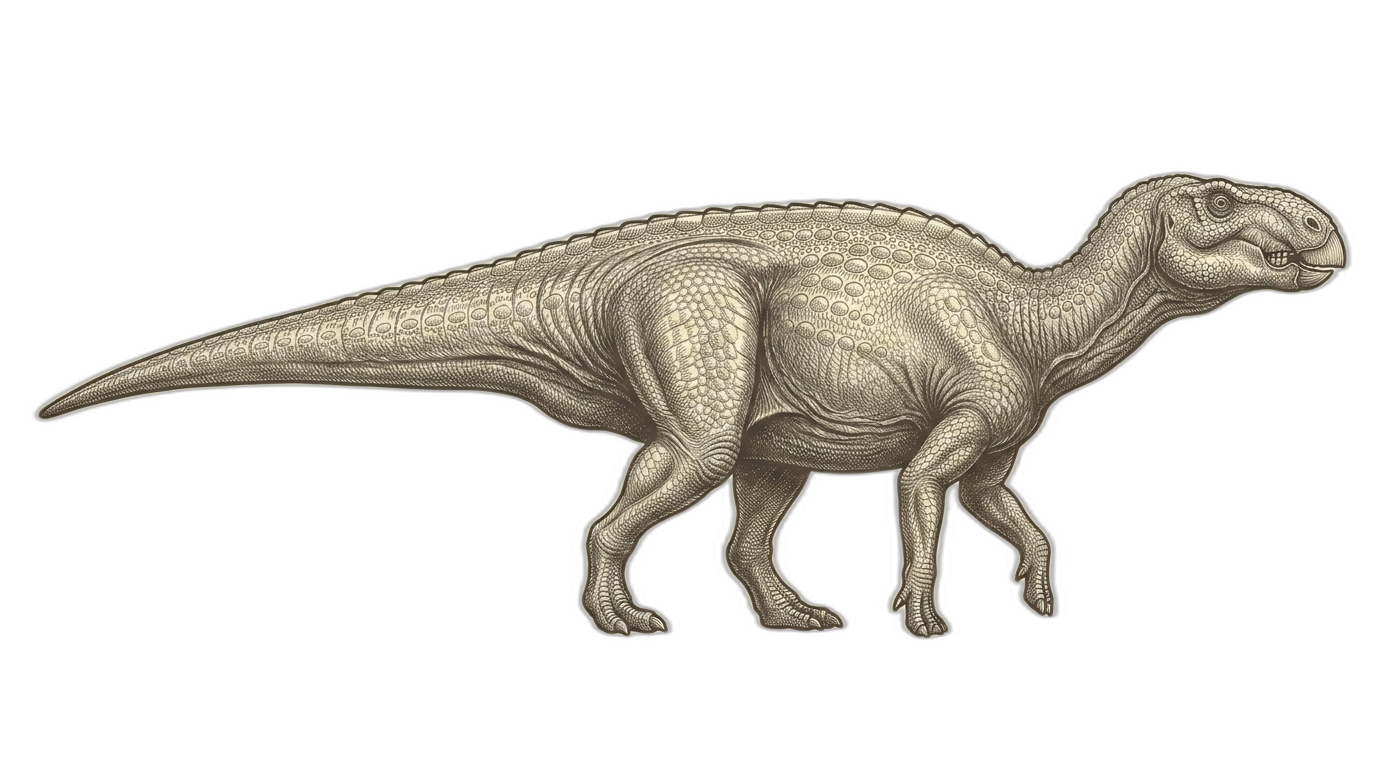
Shantung Lizard
Shantungosaurus giganteus
Both represent hadrosaurs that achieved massive body sizes (Hypacrosaurus 9m, Shantungosaurus 15m+) as a survival strategy against large theropod predators.
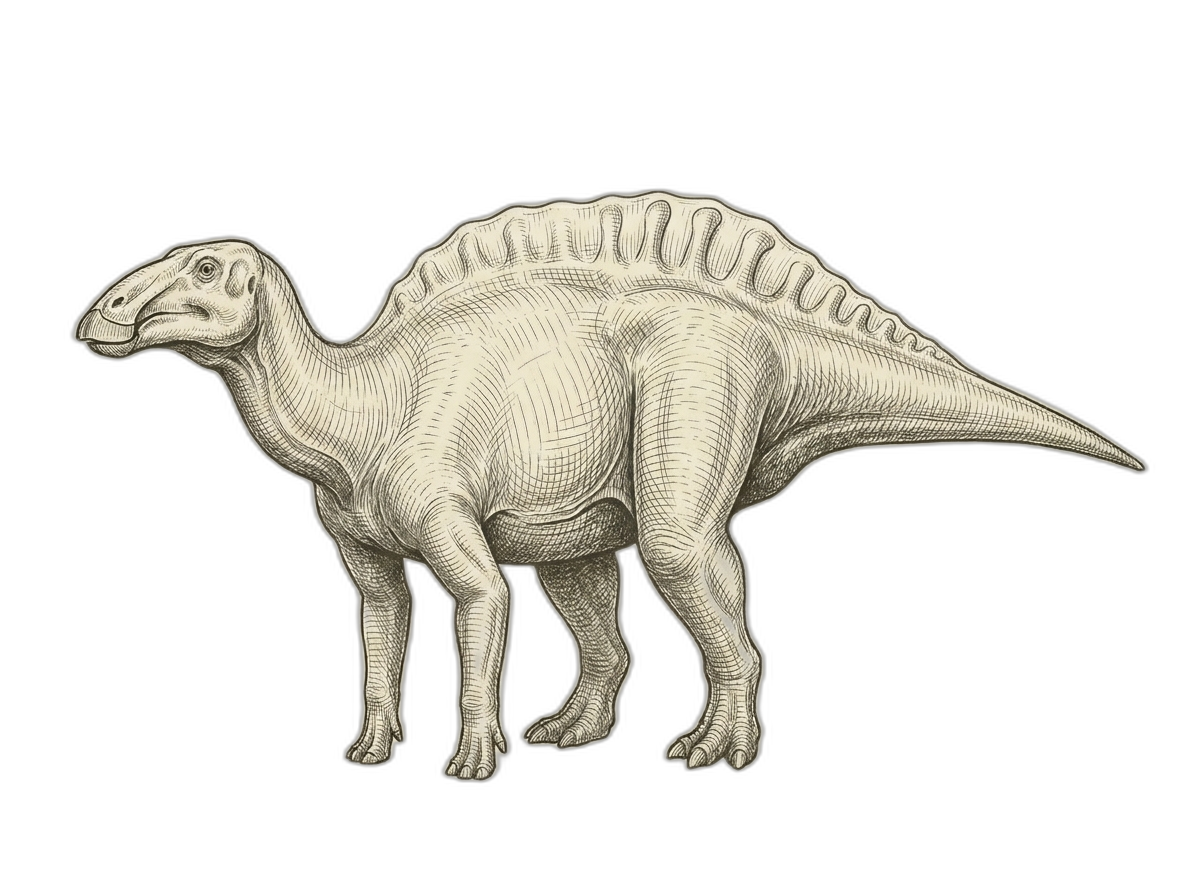
Bactrosaurus
Same family: Hadrosauridae
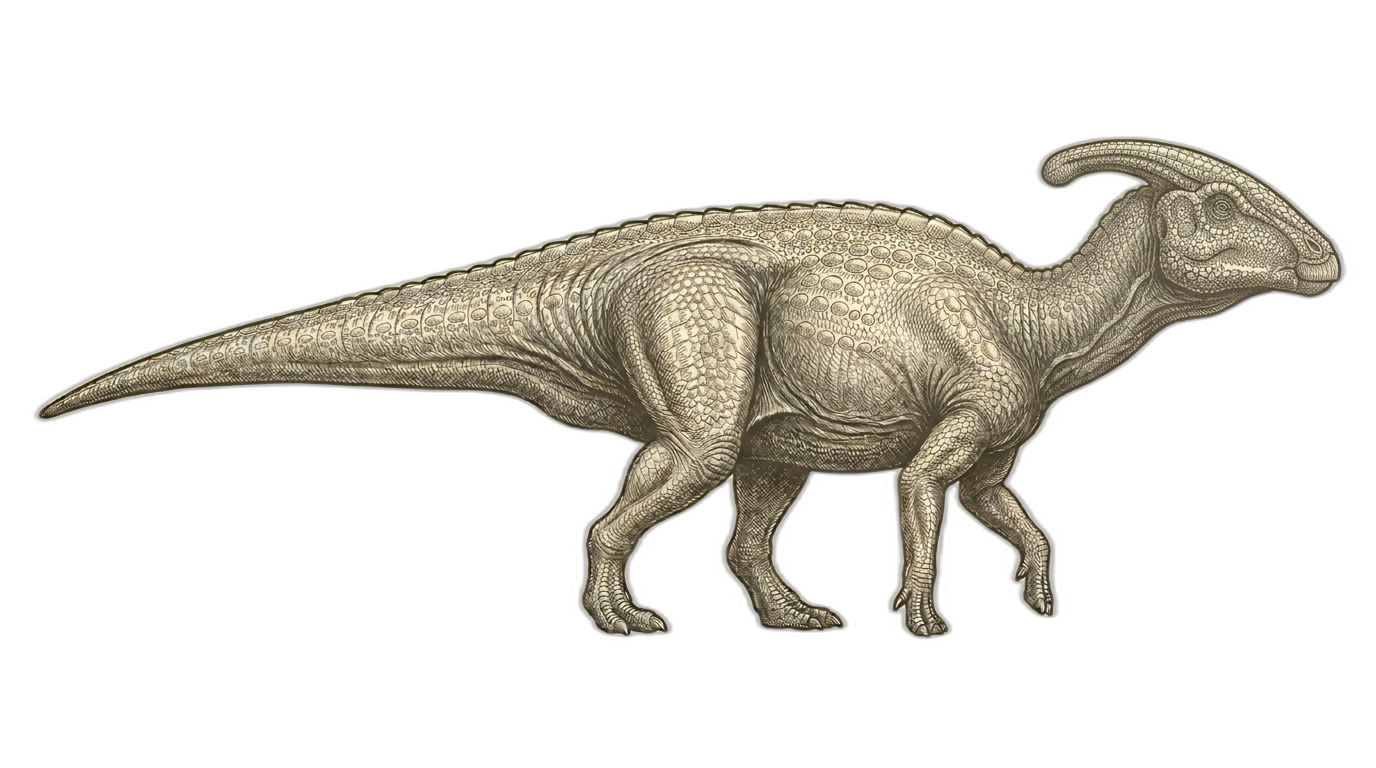
Brachylophosaurus
Brachylophosaurus canadensis
Same family: Hadrosauridae
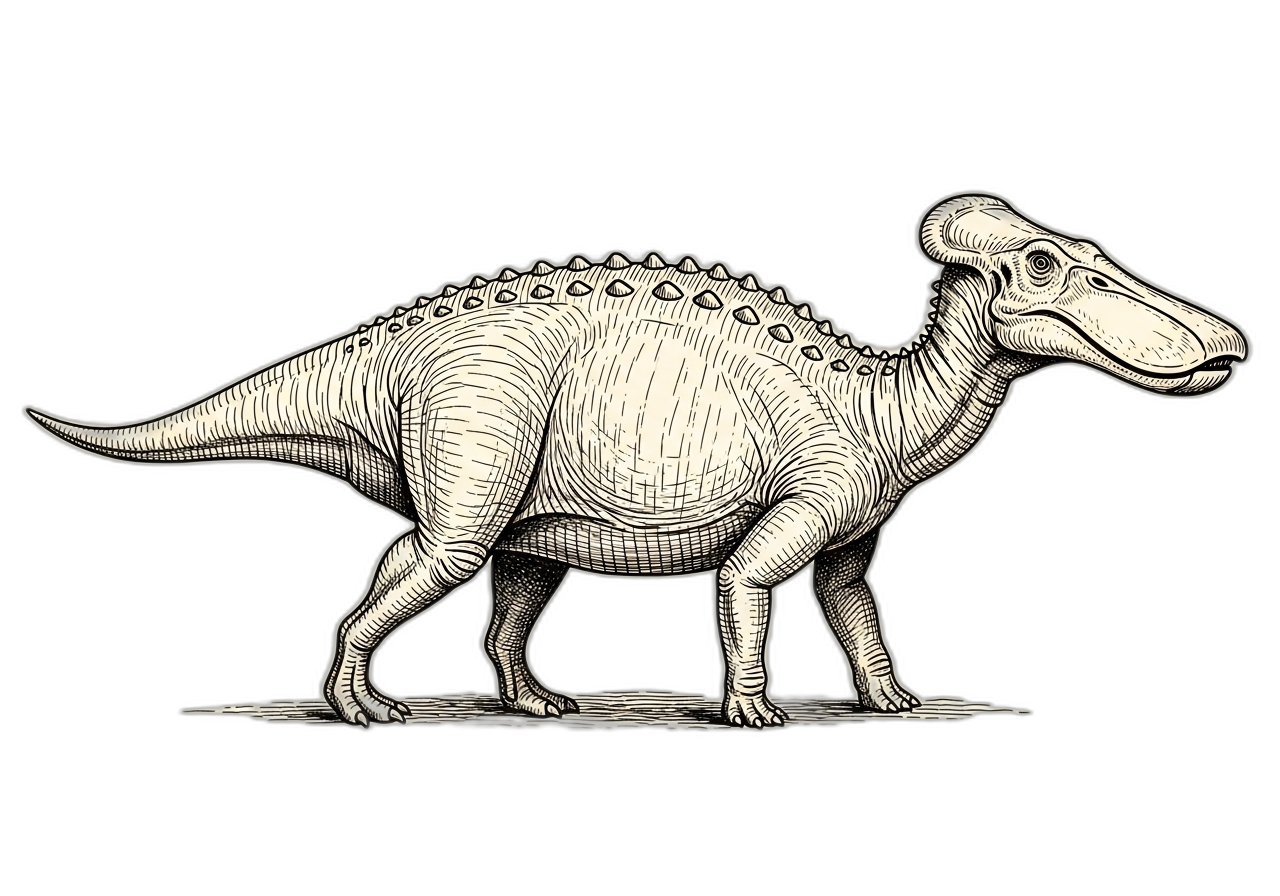
Edmontosaurus
Edmontosaurus regalis
Same family: Hadrosauridae