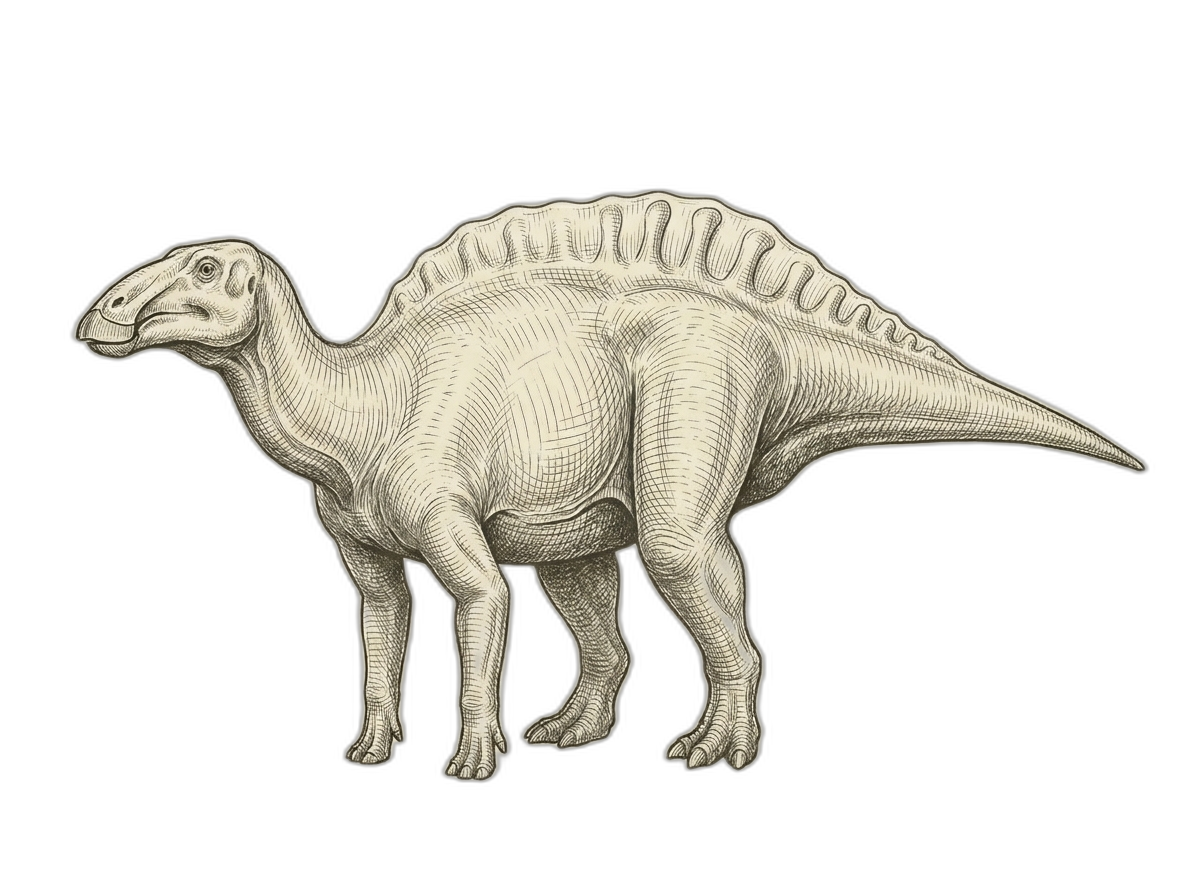
About
Bactrosaurus johnsoni represents a pivotal species in understanding the evolution of dinosaurs. Discovered during the famous Central Asiatic Expeditions of the American Museum of Natural History in the Iren Dabasu Formation of Inner Mongolia, China, this medium-sized displays a fascinating mix of primitive and derived characteristics that place it near the base of the hadrosaurid family tree.
Physically, Bactrosaurus possessed the characteristic flattened skull of hadrosaurids but retained more primitive features in its and limbs. Its teeth formed the distinctive dental batteries used for processing tough vegetation, though less developed than in later hadrosaurids. The forelimbs were robust enough to support locomotion during grazing, while the powerful hindlimbs enabled running when necessary.
Bactrosaurus inhabited a warm, semi-arid environment with seasonal flooding, sharing its ecosystem with various theropods and other ornithopods. The discovery of multiple individuals at the same locality suggests these animals may have exhibited some degree of social behavior.
Remarkably, fossil evidence of tumors has been identified in Bactrosaurus specimens, representing some of the oldest known examples of neoplastic disease in dinosaurs. This makes Bactrosaurus significant not only for evolutionary studies but also for paleopathology research, offering a window into ancient diseases that affected dinosaur populations.
Where Bactrosaurus johnsoni Roamed
During the Late Cretaceous, approximately 90 million years ago, Bactrosaurus roamed the semi-arid floodplains and lake margins of what is now the Gobi region of Mongolia and Inner Mongolia, part of the vast Asian landmass situated far from the encroaching Tethys Sea to the south. This interior basin environment featured seasonal waterways cutting through a warm, subtropical landscape punctuated by cycads and conifers, where early hadrosaurs browsed alongside diverse dinosaur communities.
Keep exploring the vault
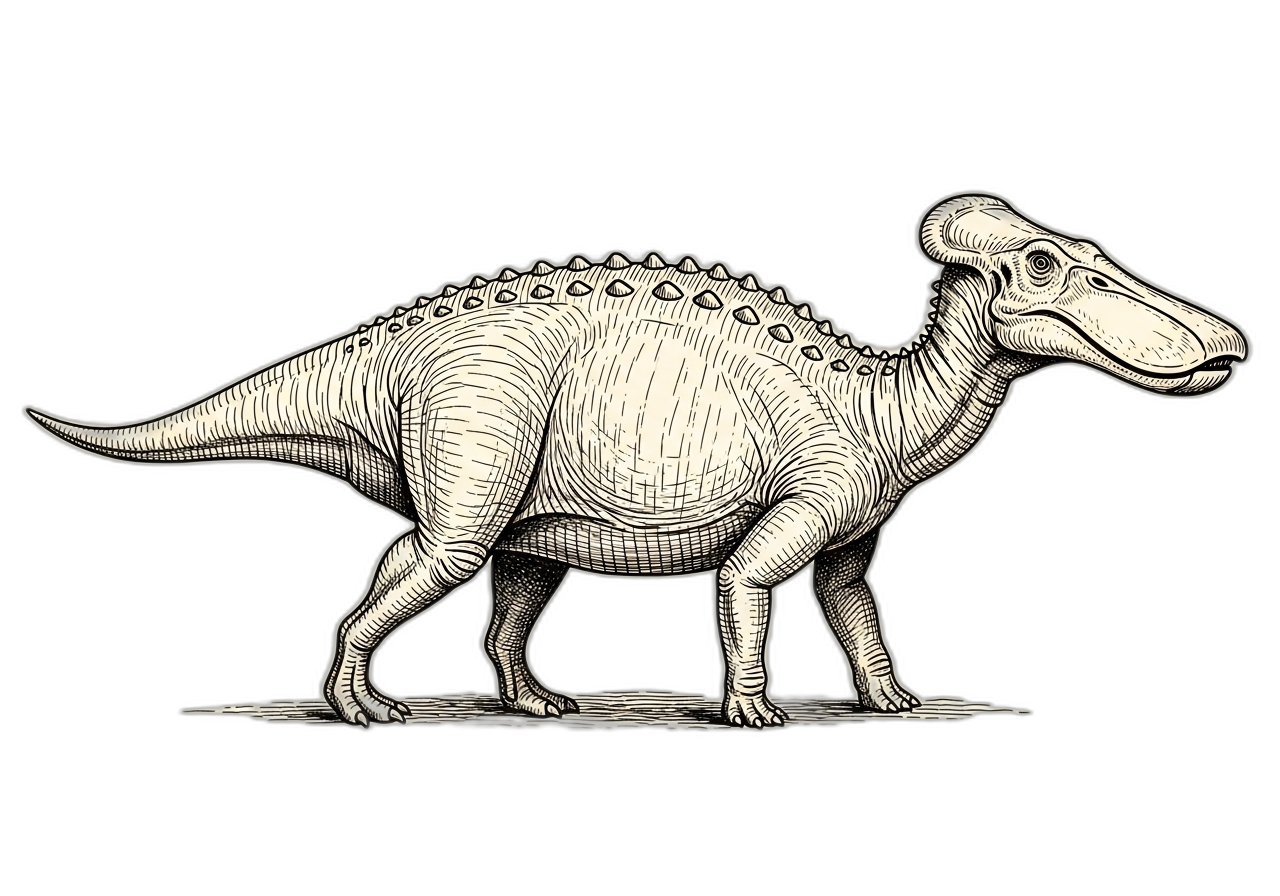
Edmontosaurus
Edmontosaurus regalis
As one of the earliest known hadrosaurids from the Cenomanian-Santonian, Bactrosaurus represents an ancestral body plan from which later, larger hadrosaurines like Edmontosaurus evolved.
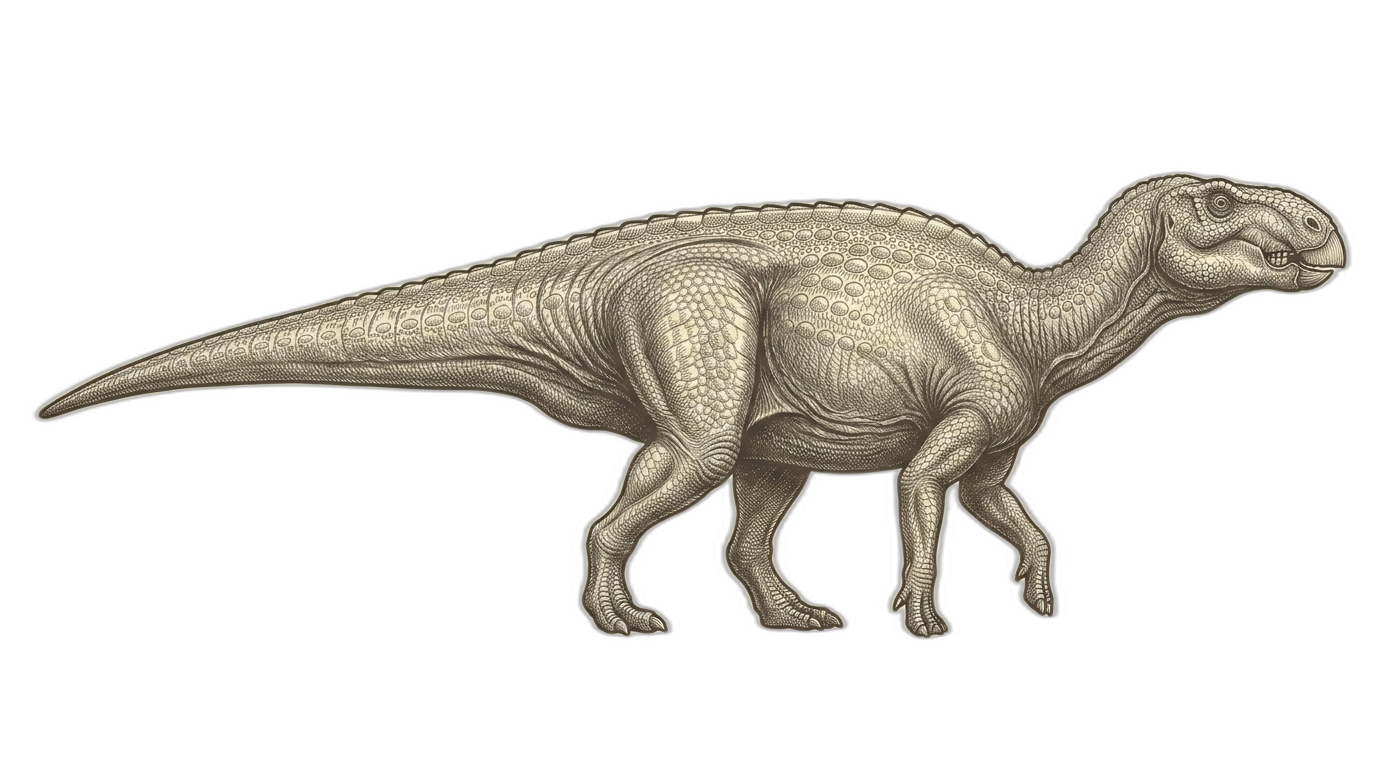
Shantung Lizard
Shantungosaurus giganteus
Both are Asian hadrosaurids that demonstrate the successful radiation of duck-billed dinosaurs across Late Cretaceous Asia.
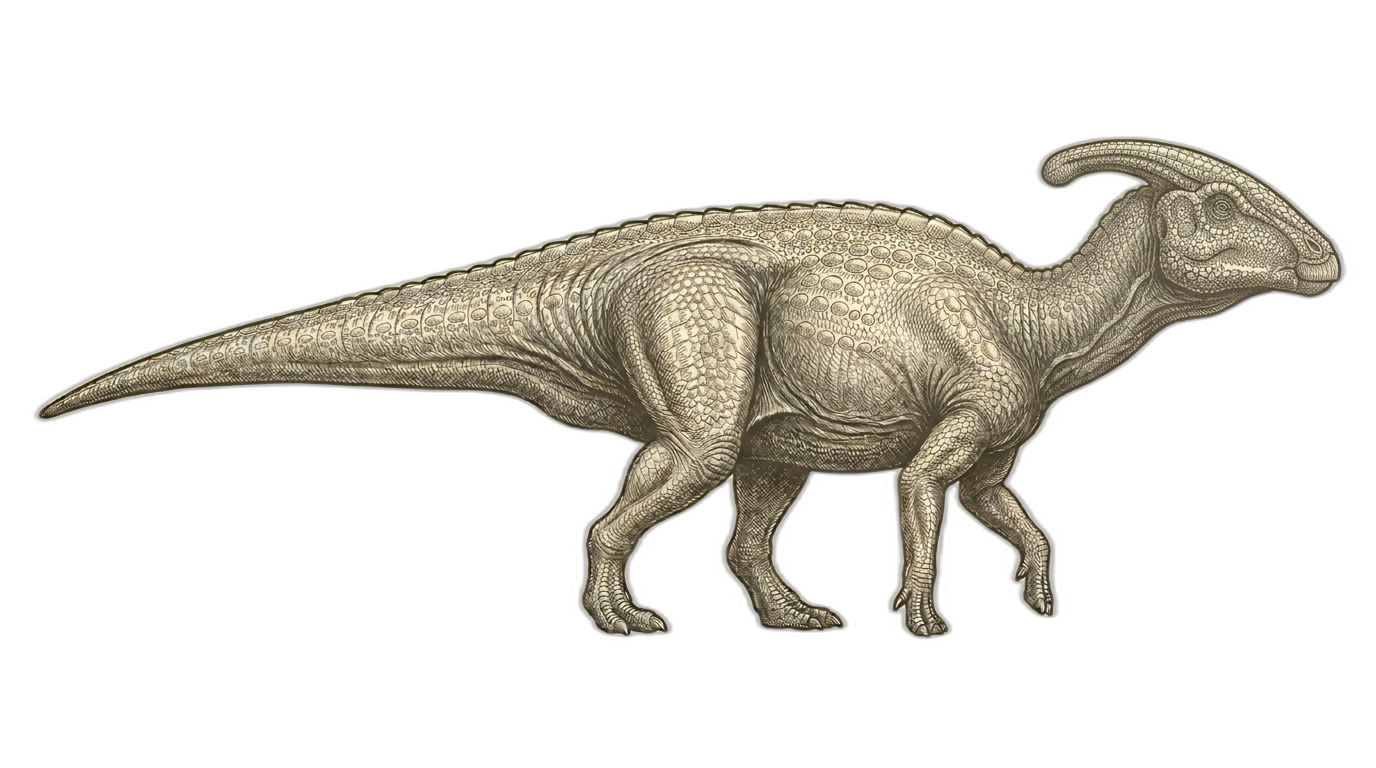
Brachylophosaurus
Brachylophosaurus canadensis
Same family: Hadrosauridae
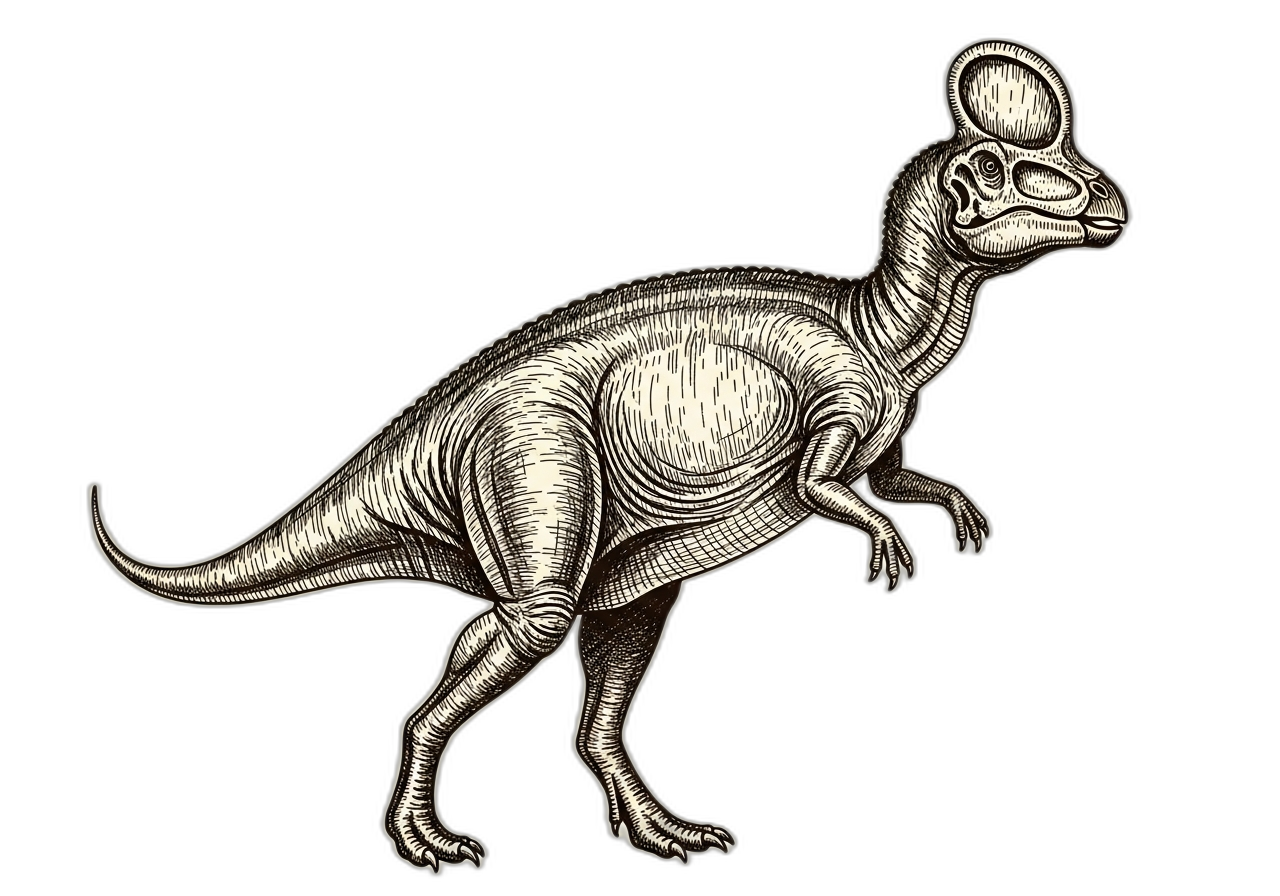
Corythosaurus
Corythosaurus casuarius
Same family: Hadrosauridae
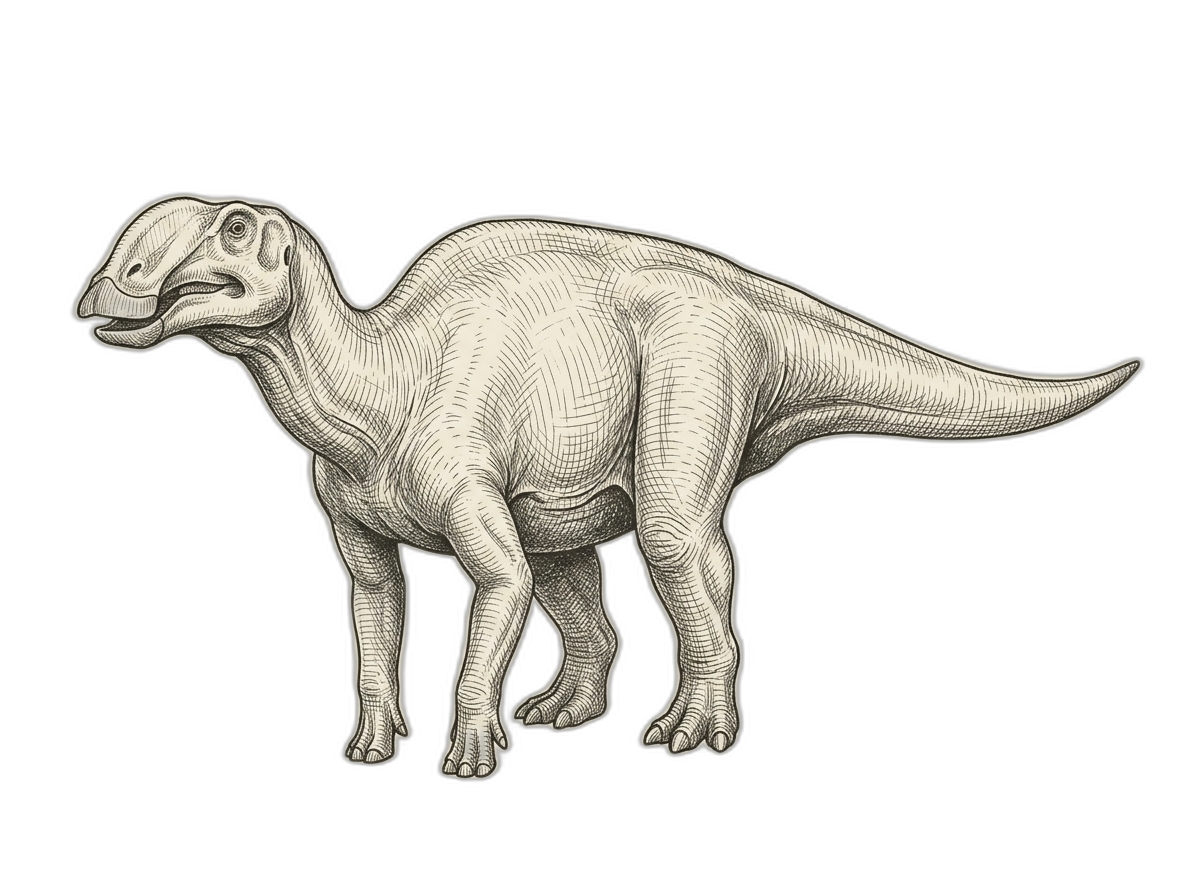
Hadrosaurus
Hadrosaurus foulkii
Same family: Hadrosauridae
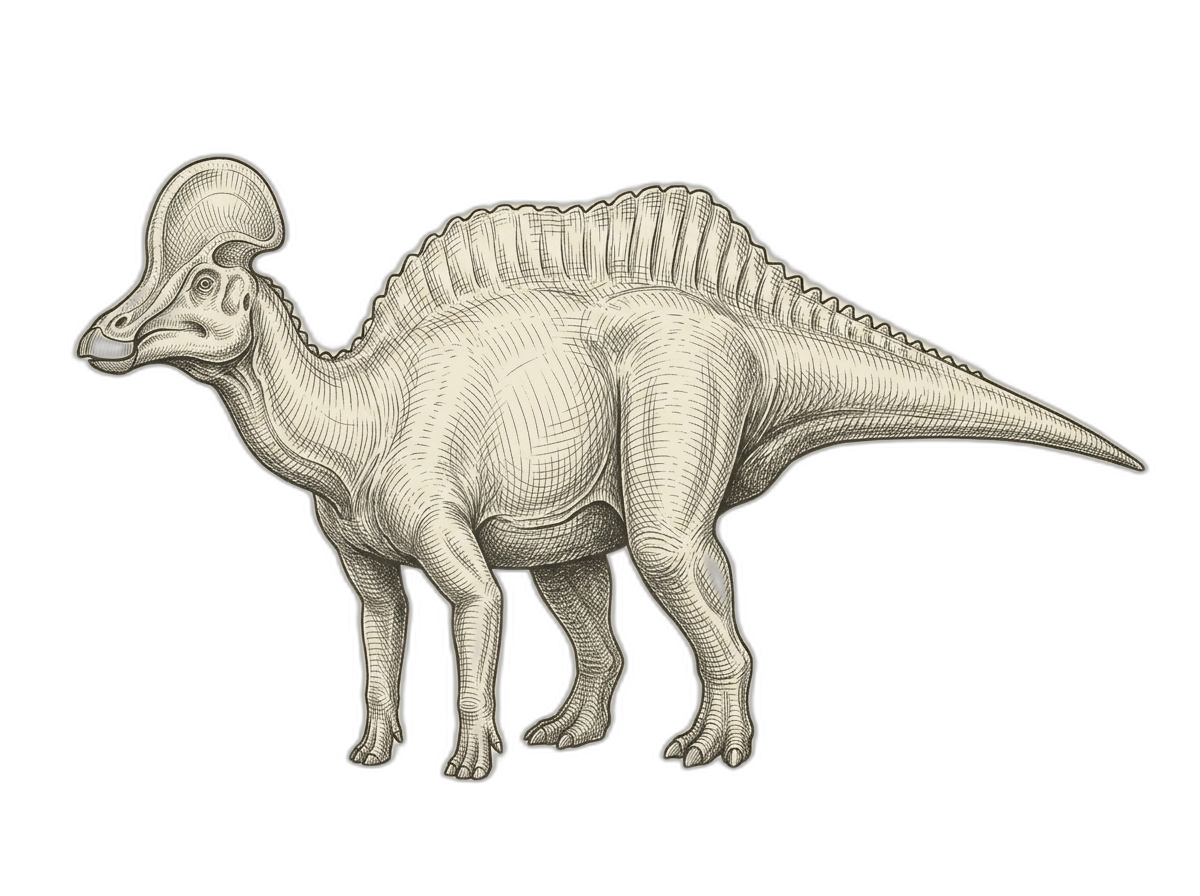
Hypacrosaurus
Hypacrosaurus altispinus
Same family: Hadrosauridae