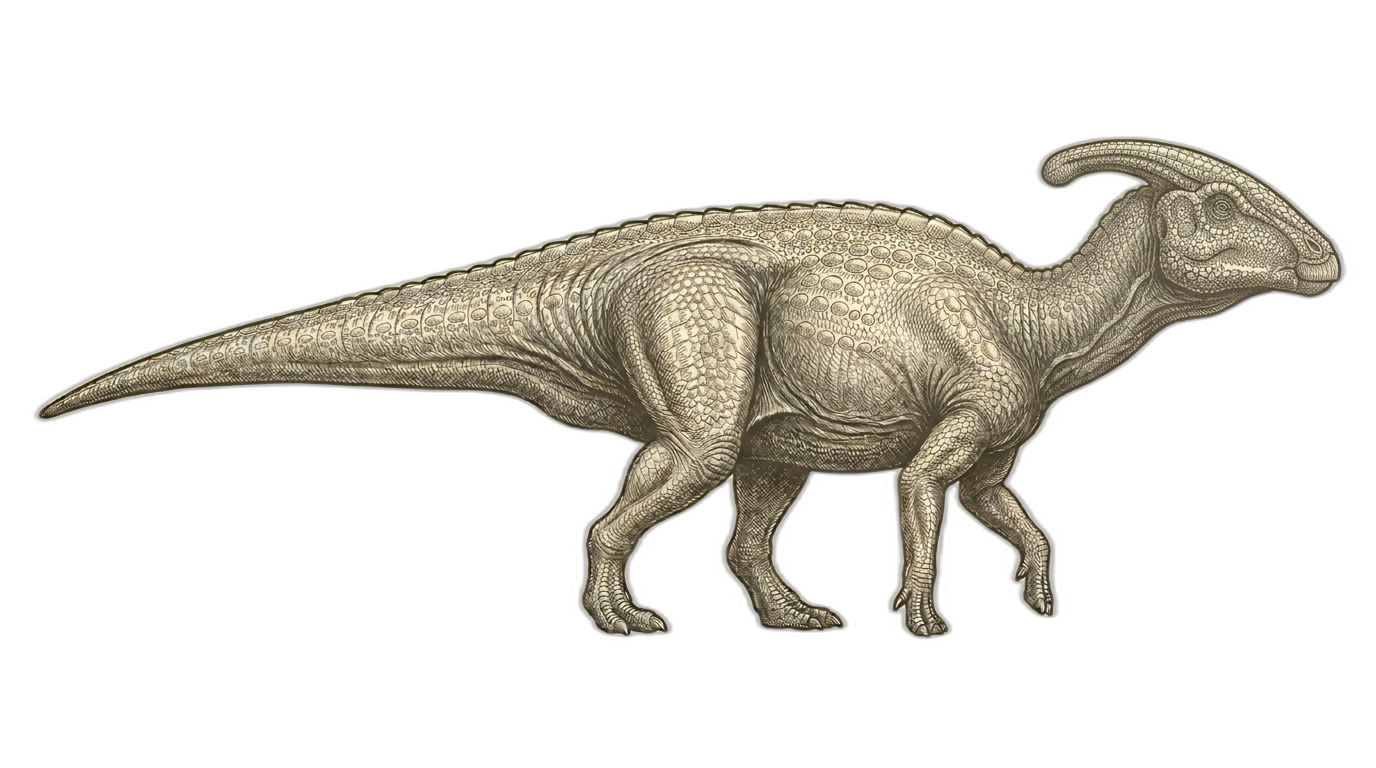
About
Brachylophosaurus was a medium-to-large dinosaur that inhabited the coastal plains and river deltas of Late Cretaceous North America approximately 78 to 74 million years ago. Distinguished by its unique flat, paddle-shaped nasal that extended backward over the skull like a bony shield, this herbivore stood apart from its hollow-crested relatives like Parasaurolophus and Corythosaurus. The crest may have served for species recognition or rather than vocalization.
Reaching lengths of up to 11 meters, Brachylophosaurus possessed a robust body supported by powerful hind limbs, though it likely spent considerable time walking on all fours while foraging. Its complex dental batteries contained hundreds of tightly packed teeth ideal for processing tough vegetation, including conifers, ferns, and flowering plants that dominated its environment.
Brachylophosaurus has achieved scientific celebrity through remarkably preserved specimens. "Leonardo," discovered in 2000, represents one of the most complete dinosaur mummies ever found, preserving fossilized skin, stomach contents, and even muscle tissue. Another specimen, "Elvis," provided insights into . These exceptional fossils have revealed details about dinosaur biology impossible to determine from bones alone, including evidence of skin texture, diet, and parasitic infections. The Two Medicine and Judith River formations of Montana and Alberta have yielded numerous specimens, cementing Brachylophosaurus as a keystone species for understanding Late Cretaceous ecosystems.
Where fossils were found
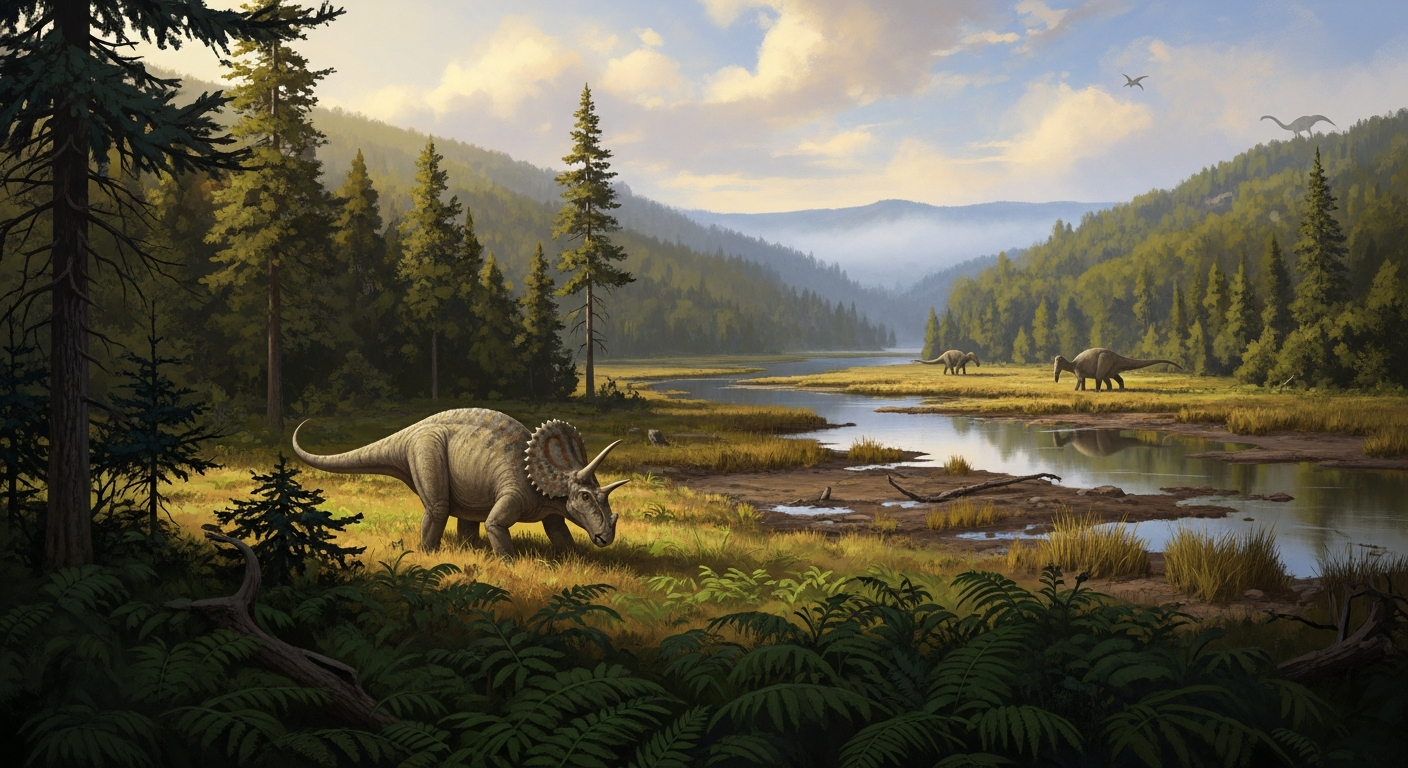
Two Medicine Formation
+1 more formation
Montana, Alberta · United States, Canada
78–74 million years ago(4m year span)
Keep exploring the vault
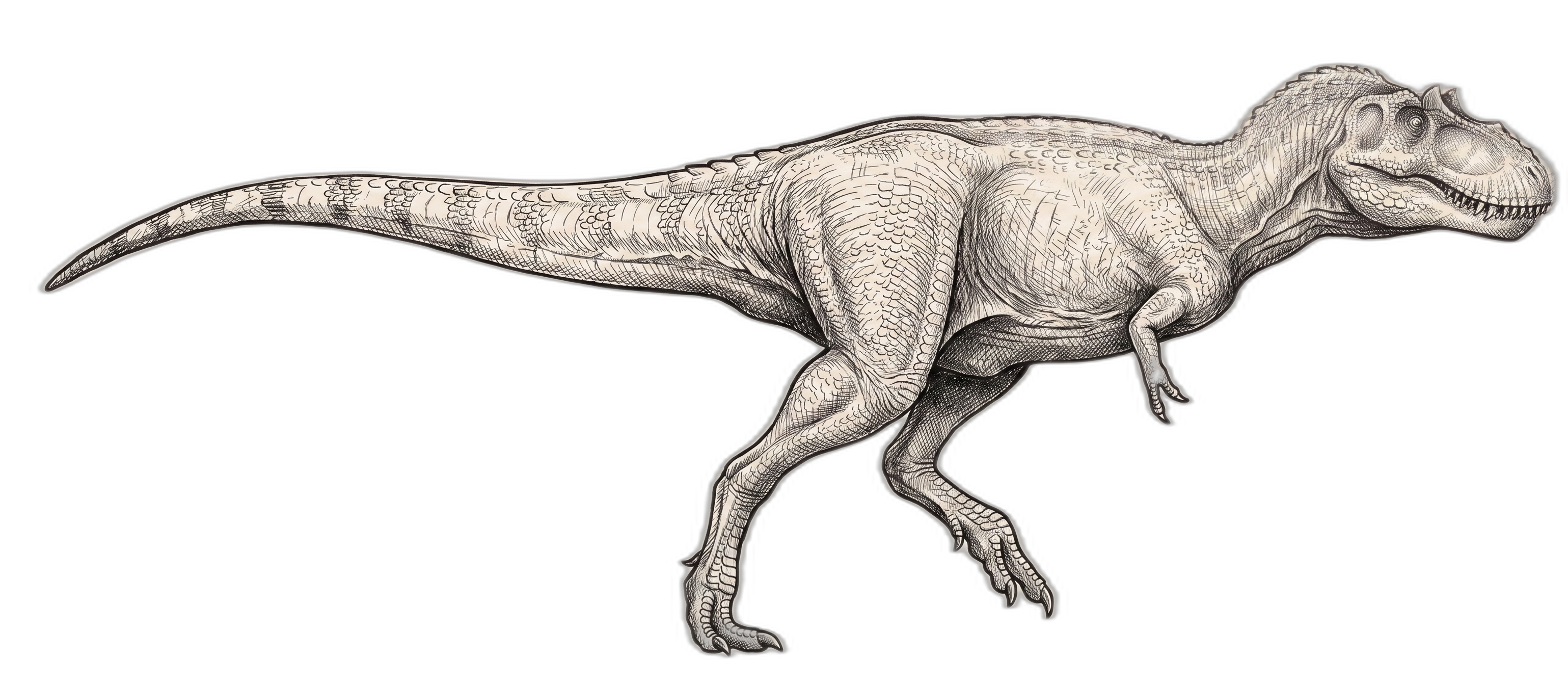
Gorgosaurus
Gorgosaurus libratus
Gorgosaurus libratus was the apex predator in the Judith River Formation ecosystem where Brachylophosaurus lived.
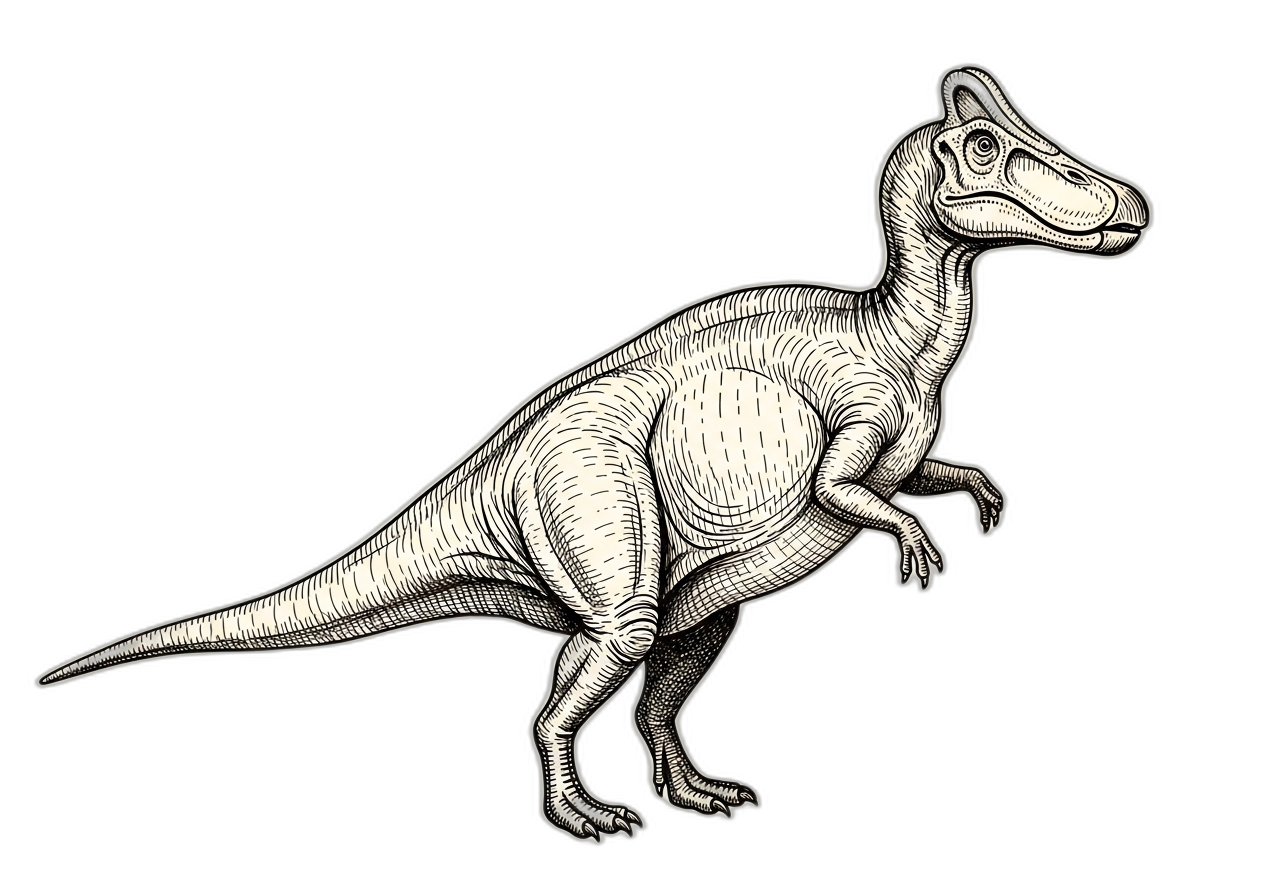
Maiasaura
Maiasaura peeblesorum
Maiasaura peeblesorum and Brachylophosaurus were nearly identical in size (both ~9m, 3000kg) and shared the Two Medicine Formation.
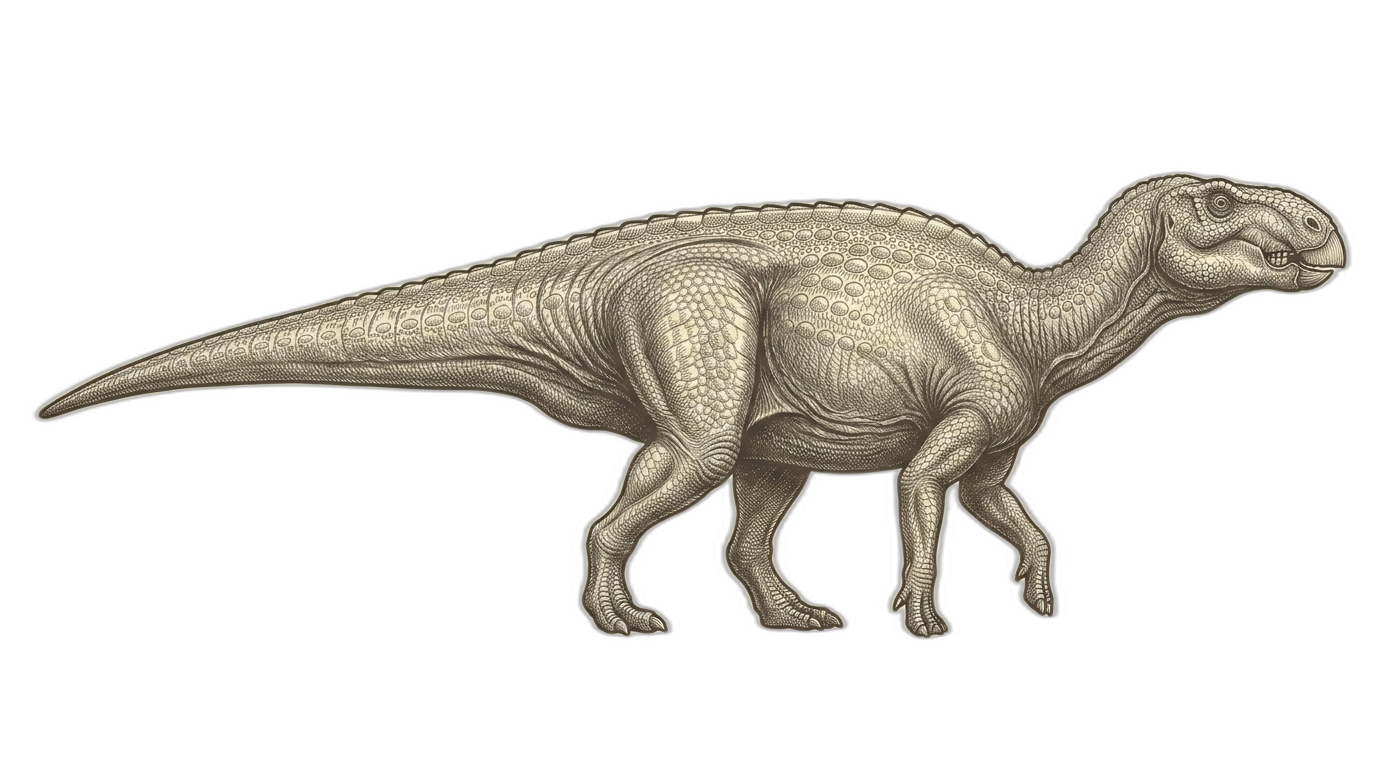
Shantung Lizard
Shantungosaurus giganteus
Both Brachylophosaurus and Shantungosaurus represent hadrosaurine (non-crested) hadrosaurs that evolved flattened skull profiles, relying on size and herding rather than elaborate crests for survival.
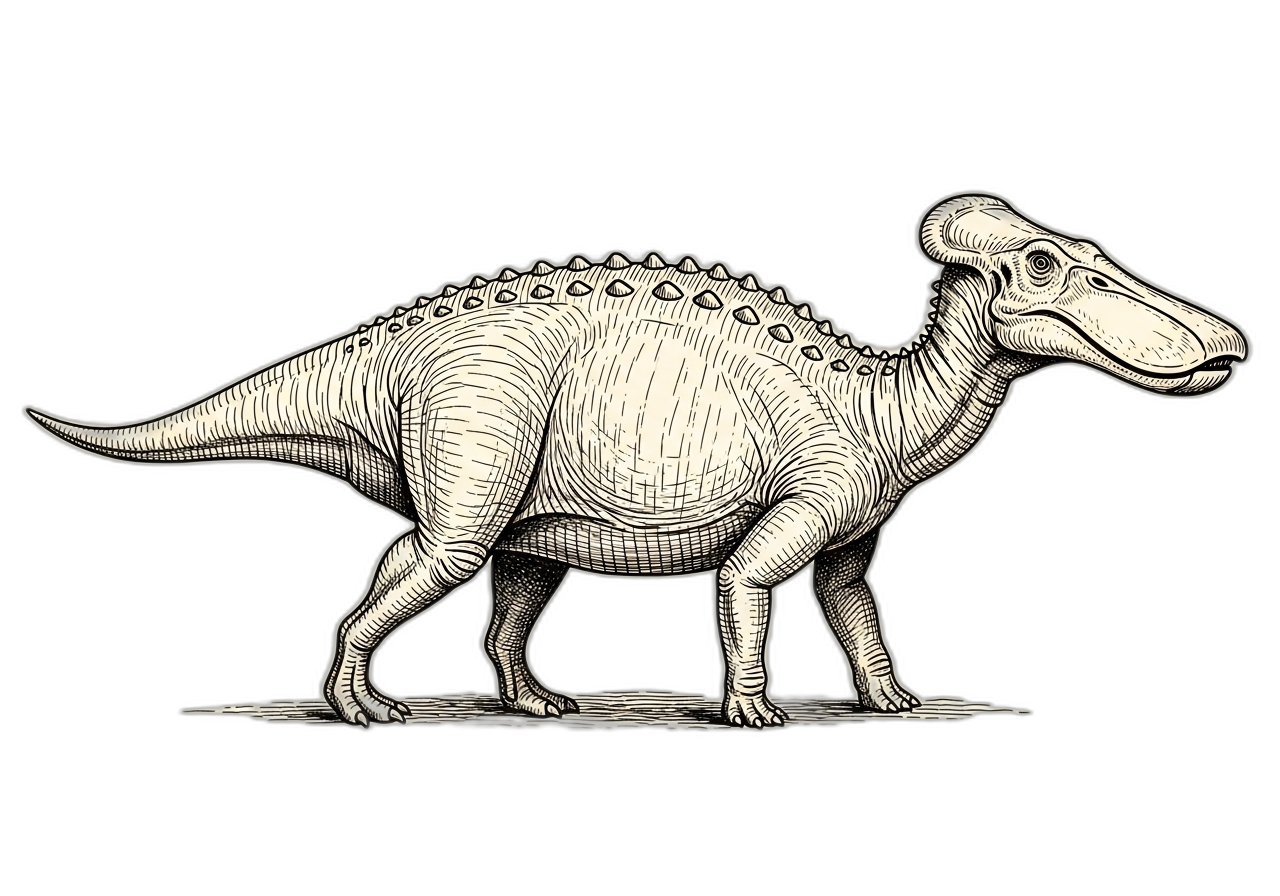
Edmontosaurus
Edmontosaurus regalis
Same family: Hadrosauridae
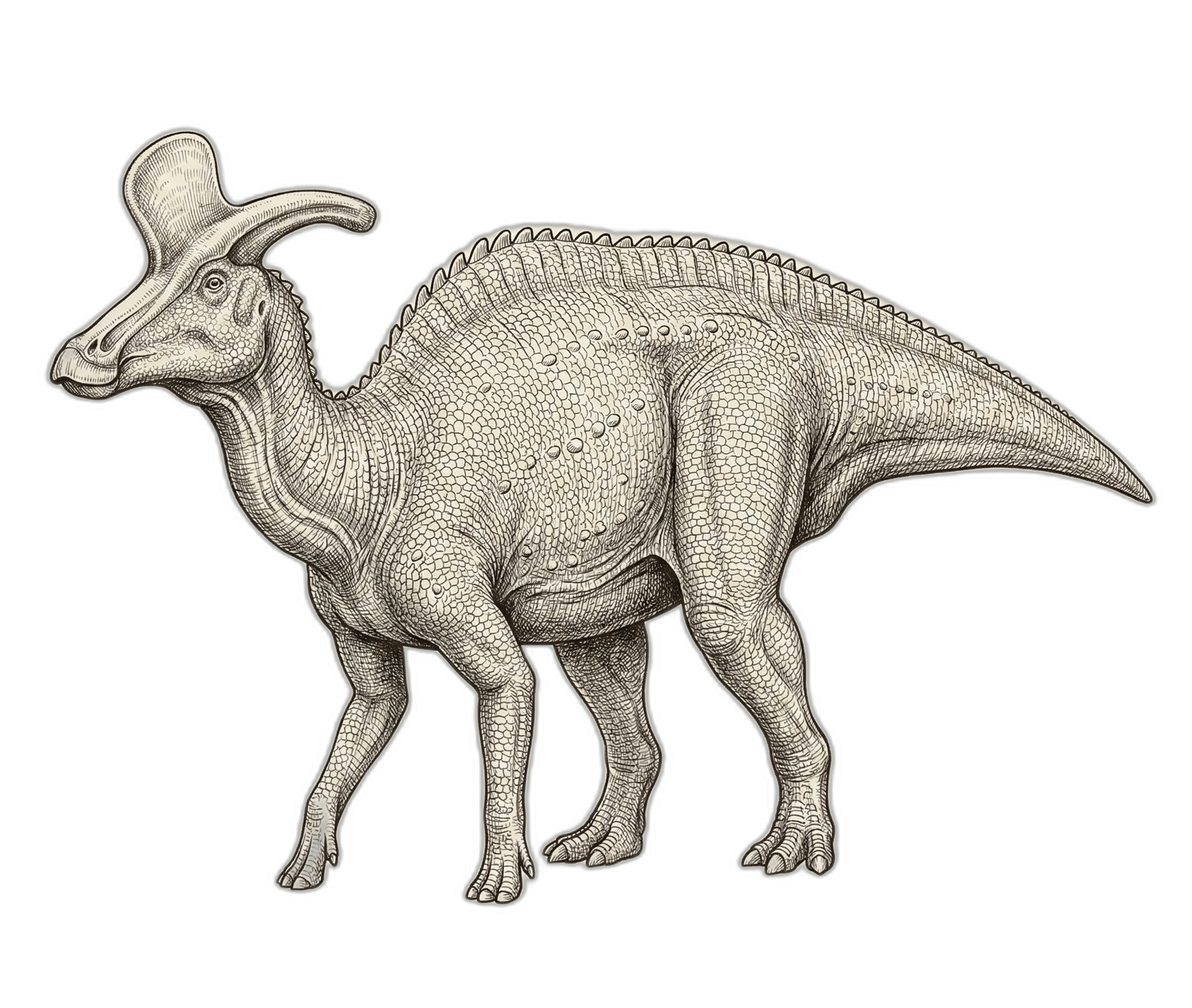
Lambeosaurus
Lambeosaurus lambei
Same family: Hadrosauridae
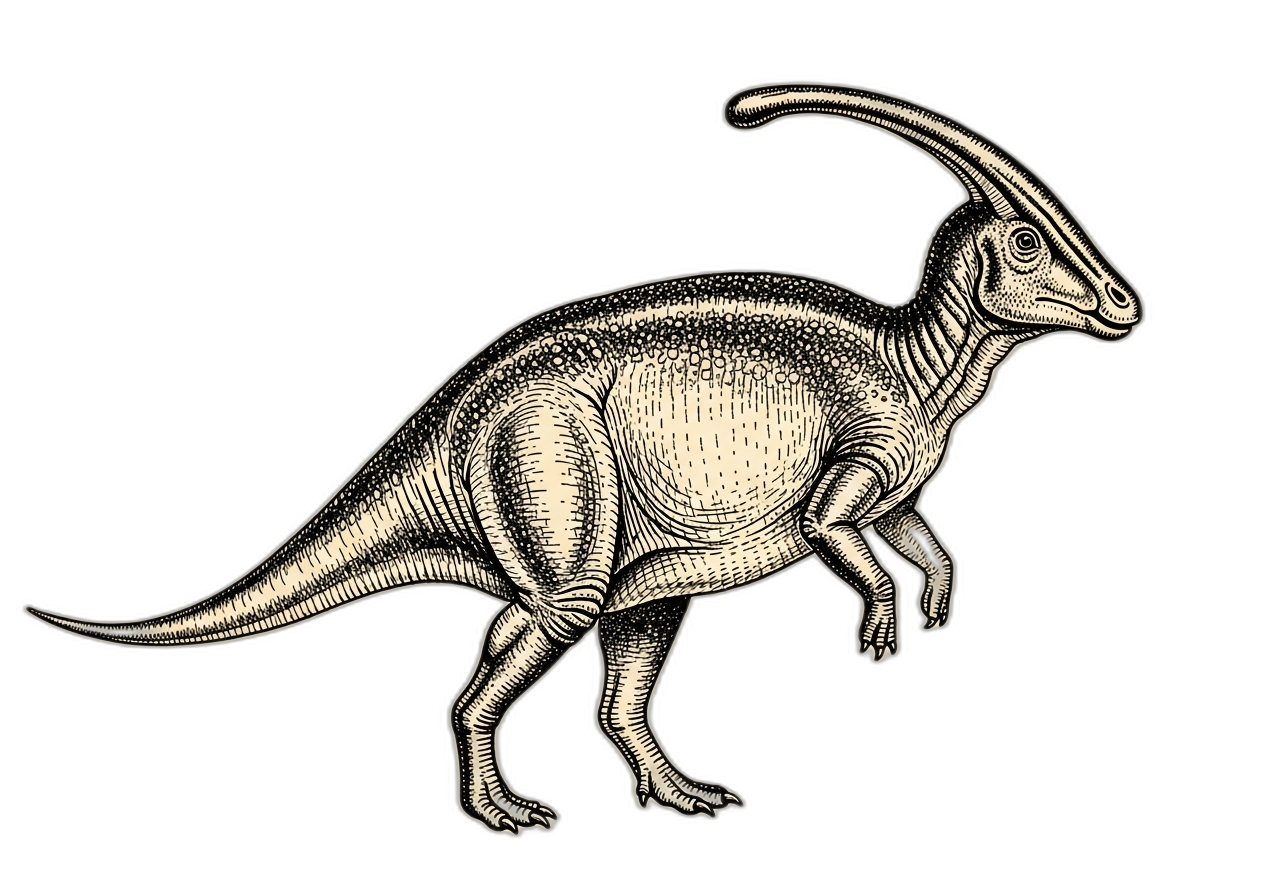
Parasaurolophus
Same family: Hadrosauridae