About
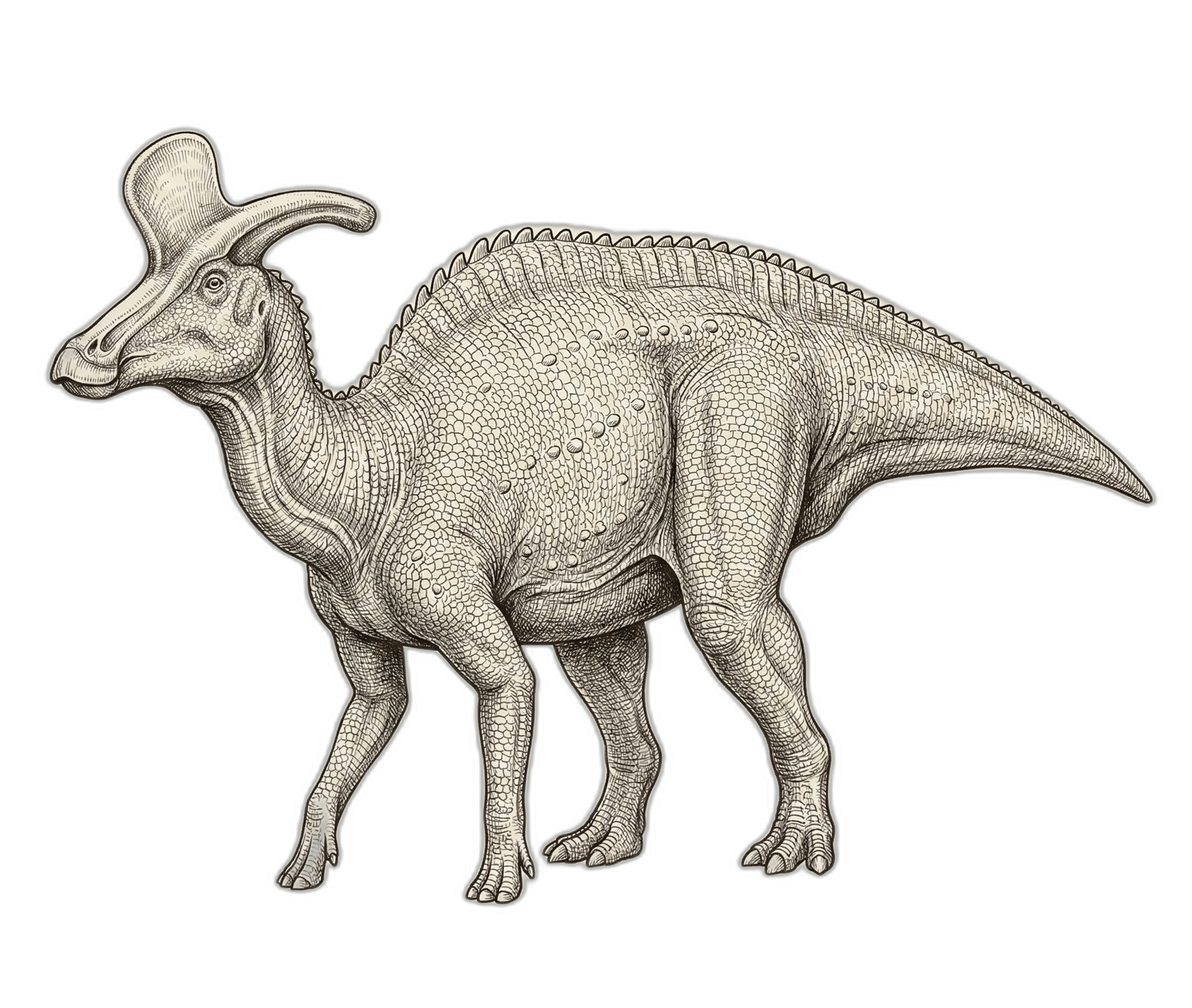
Lambeosaurus was a large duck-billed dinosaur () that roamed the coastal plains and forests of Late Cretaceous North America around 76-75 million years ago. What immediately sets it apart is its remarkable head — shaped somewhat like a hatchet with a forward-pointing blade and a backward-pointing spike. This hollow crest connected to the dinosaur's nasal passages, and scientists believe it functioned as a to produce low-frequency calls that could travel long distances through dense vegetation.
As a member of the subfamily of hadrosaurs, Lambeosaurus was closely related to other crested duckbills like Corythosaurus and Hypacrosaurus. These dinosaurs were highly specialized plant-eaters, equipped with sophisticated dental batteries containing hundreds of tightly packed teeth that continuously replaced themselves. This allowed them to efficiently grind tough vegetation including conifers, ferns, and early flowering plants. They likely spent much of their time on all fours while foraging, but could rise onto their powerful hind legs to reach higher vegetation or flee from predators like Gorgosaurus.
The naming history of Lambeosaurus is a tribute to Canadian paleontologist Lawrence Lambe, who originally described the first skull material but assigned it to another genus, Stephanosaurus. In 1923, William Parks recognized the specimen deserved its own genus and named it Lambeosaurus lambei in Lambe's honor — a double tribute since the species name also commemorates him. The taxonomy of this dinosaur has been complex, with what were once thought to be separate species (including some assigned to Tetragonosaurus and Corythosaurus) now recognized as juveniles of Lambeosaurus at different growth stages.
Perhaps most intriguingly, the dramatic variation in crest shape and size among Lambeosaurus specimens suggests these structures played a role in species recognition and possibly sexual . Younger animals had smaller, less developed crests, while adults — particularly males — may have sported the most elaborate headgear, much like modern deer with their antlers.
Where fossils were found
Dinosaur Park Formation
Alberta · Canada
83.6–72.2 million years ago(11.4m year span)
Where Lambeosaurus Roamed
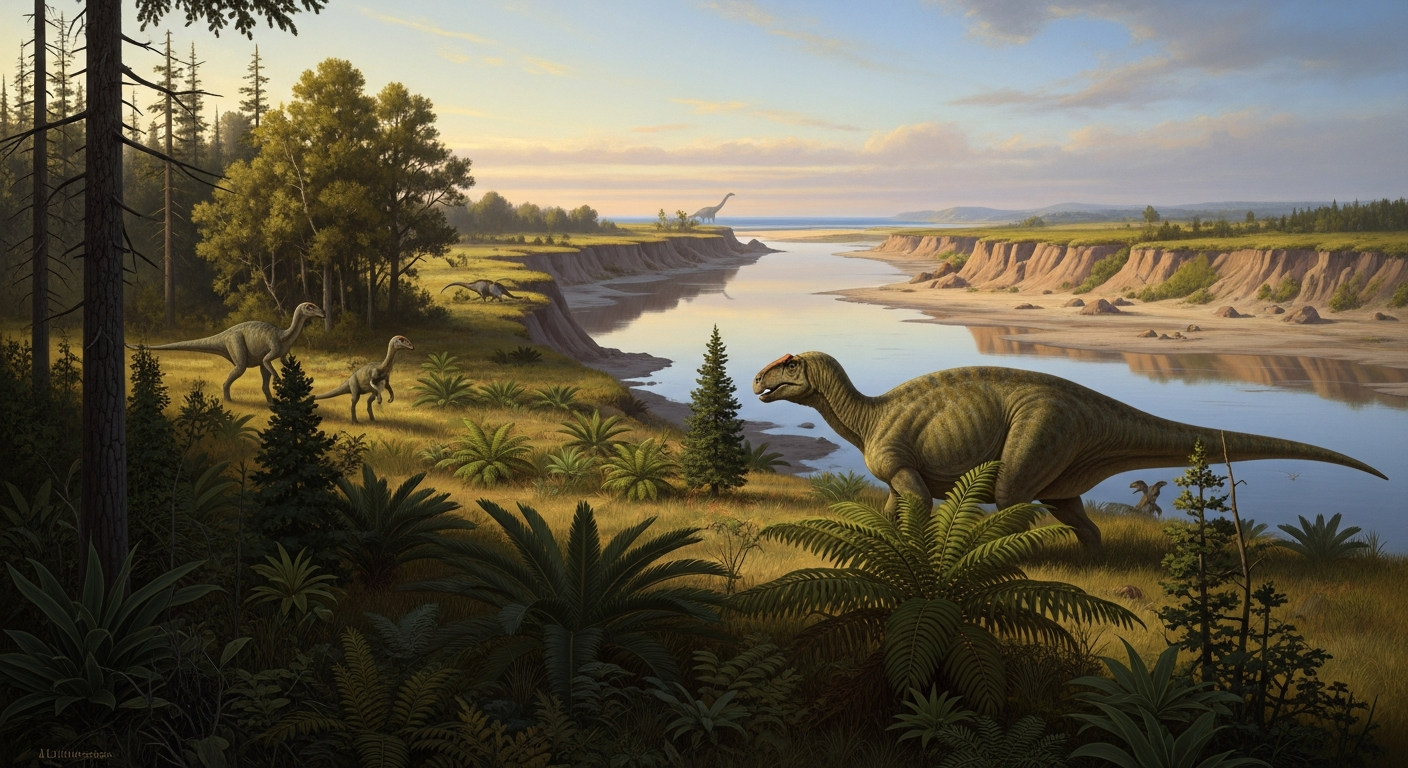
During the Late Cretaceous, approximately 78 million years ago, Lambeosaurus lambei inhabited the lush coastal lowlands along the western shores of the Western Interior Seaway, a vast inland sea that divided North America into two landmasses—Laramidia to the west and Appalachia to the east. This warm, humid environment featured extensive river deltas, swampy floodplains, and dense coniferous forests that provided abundant vegetation for these iconic crested hadrosaurs.
Keep exploring the vault
Gorgosaurus
Gorgosaurus libratus
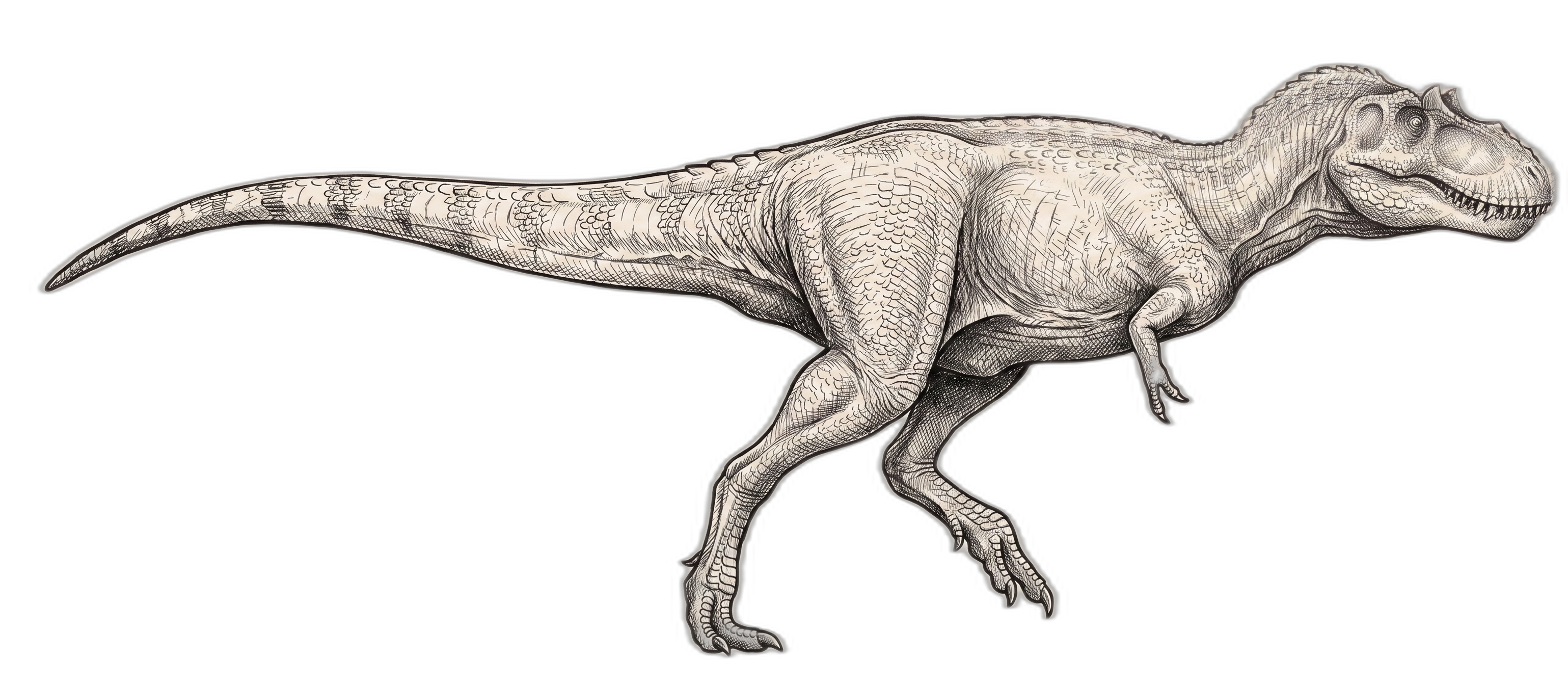
Lambeosaurus is abundant in the Dinosaur Park Formation alongside Gorgosaurus.
Corythosaurus
Corythosaurus casuarius
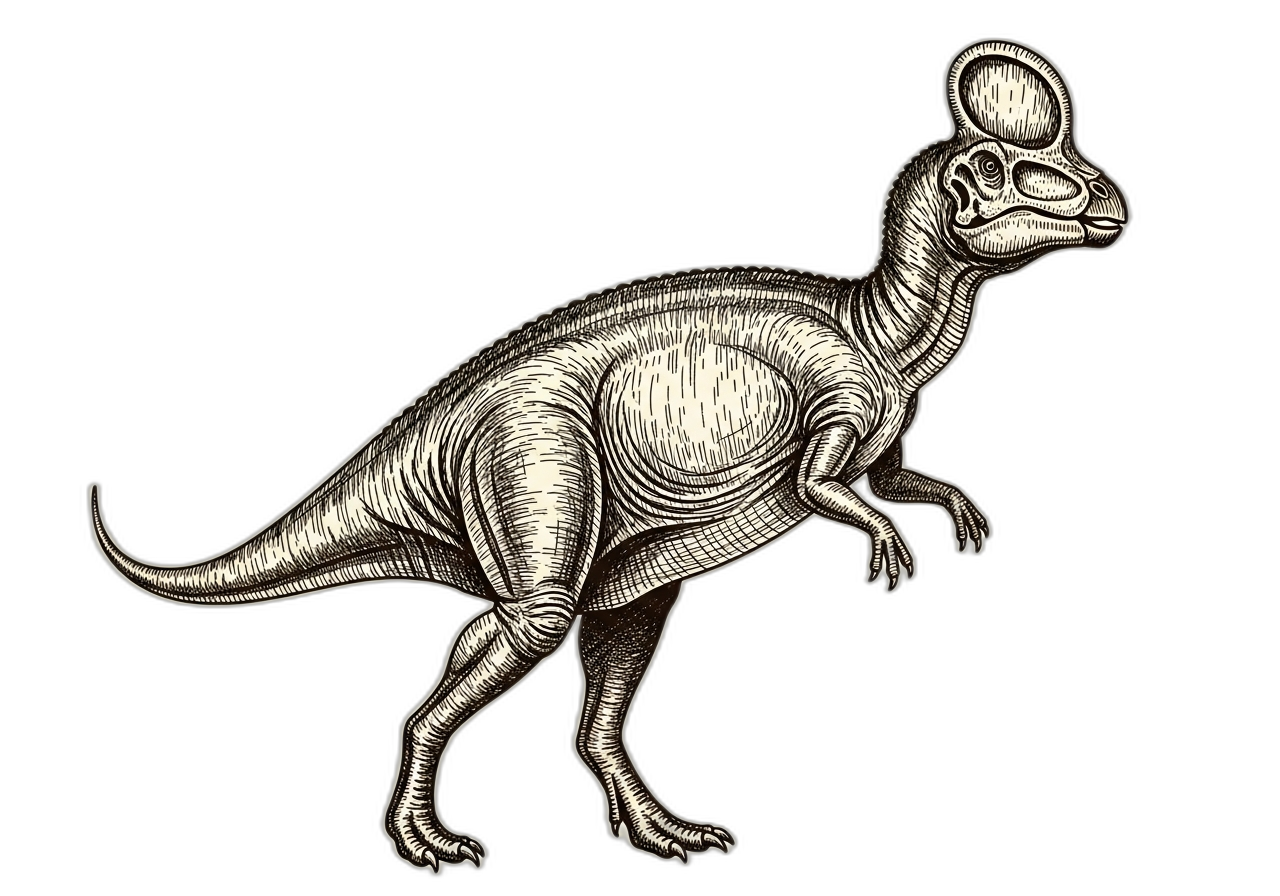
Both lambeosaurine hadrosaurs from the Dinosaur Park Formation with similar body sizes (8.5-9m) and identical herbivorous diets.
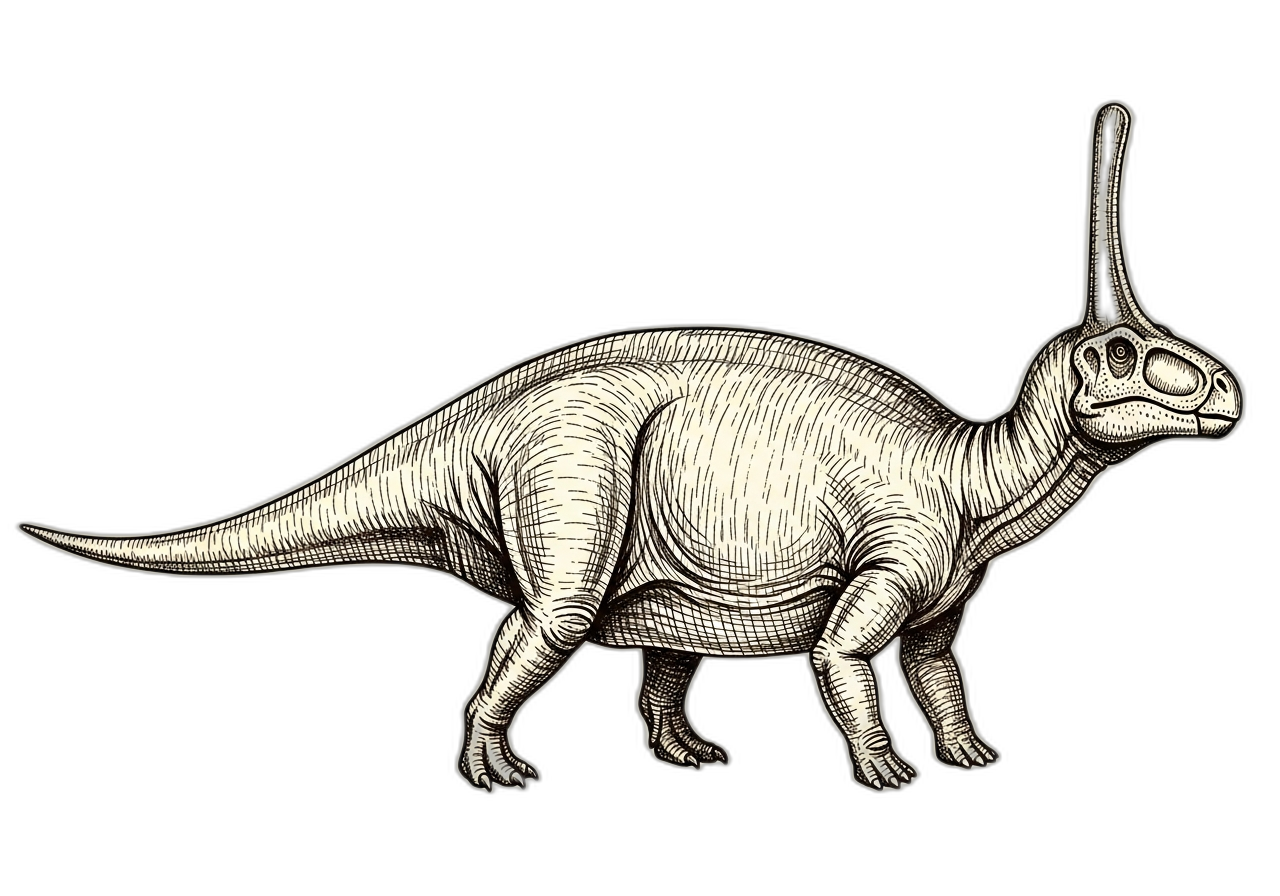
Tsintaosaurus
Tsintaosaurus spinorhinus
Both lambeosaurine hadrosaurs that independently developed elaborate cranial crests for display and vocalization.
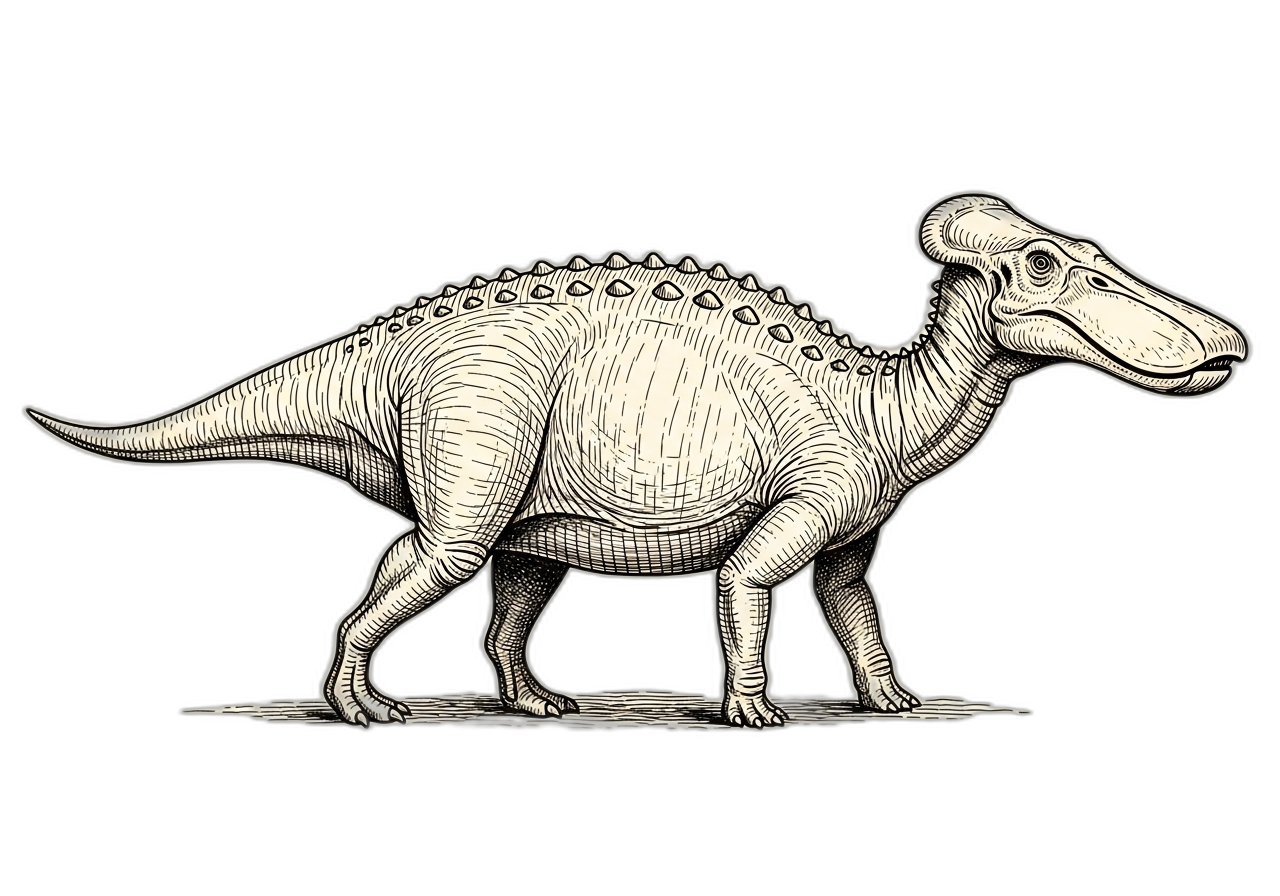
Edmontosaurus
Edmontosaurus regalis
Same family: Hadrosauridae
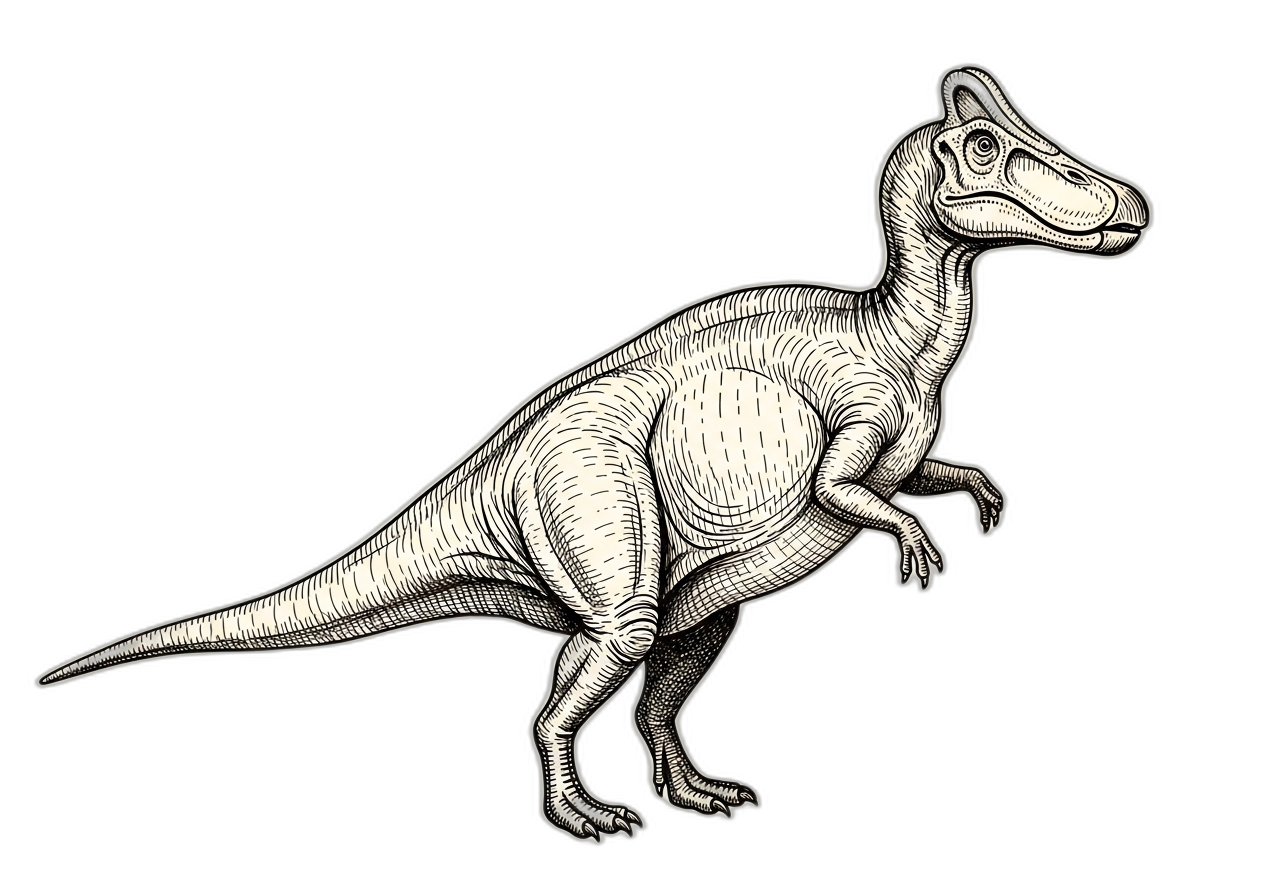
Maiasaura
Maiasaura peeblesorum
Same family: Hadrosauridae
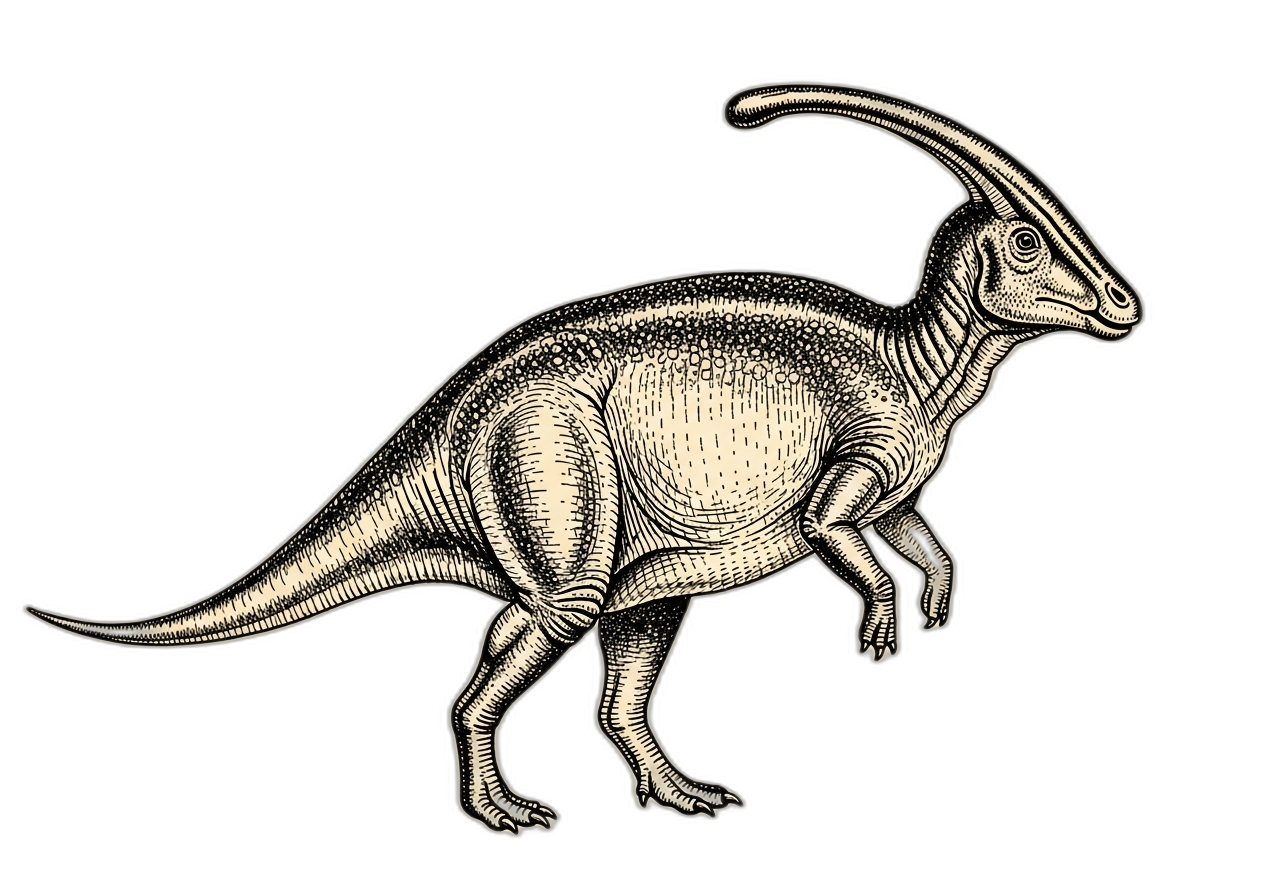
Parasaurolophus
Fellow lambeosaurine hadrosaur from the Dinosaur Park Formation with nearly identical body mass (2800kg) and diet.