About
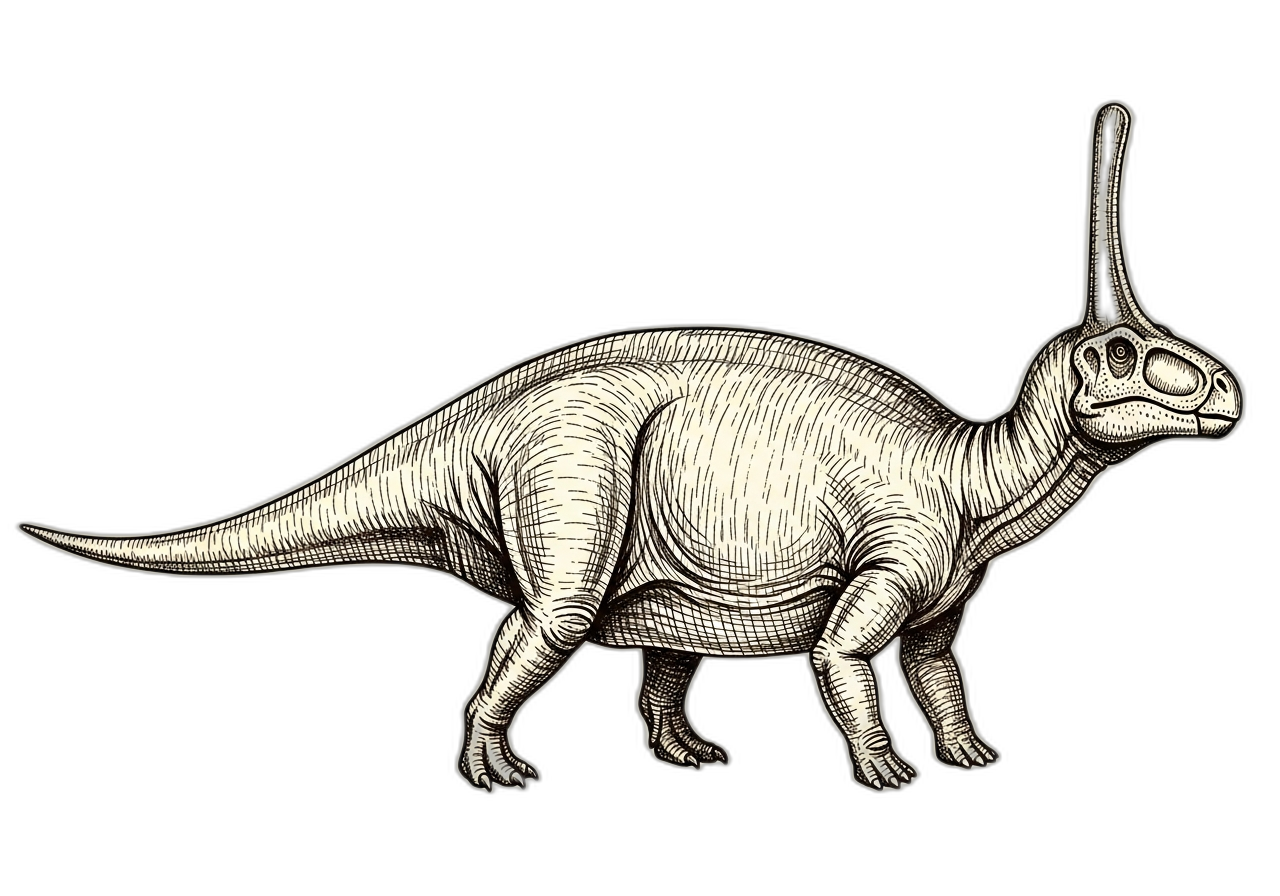
Tsintaosaurus spinorhinus was a large (duck-billed dinosaur) that roamed what is now eastern China during the Late Cretaceous period, approximately 70 million years ago. Like its relatives, this herbivore possessed the characteristic broad, flattened snout ideal for cropping vegetation, backed by hundreds of tightly packed teeth that continuously replaced themselves — a sophisticated for grinding tough plant material.
What made Tsintaosaurus famous was its peculiar . For decades after its 1958 description, it was depicted with a strange, forward-pointing spike jutting from its forehead — earning it the nickname 'unicorn dinosaur.' This bizarre interpretation was based on a damaged skull, and many scientists were skeptical. Recent reanalysis of the original material and new specimens has revealed the crest was actually a more typical hollow, tubular structure similar to those seen in hadrosaurs, though still distinctively shaped.
The type specimen was discovered in Shandong Province, China, near the city of Qingdao (formerly romanized as Tsintao, giving the dinosaur its name). Chinese paleontologist Yang Zhongjian (C. C. Young), often called the father of Chinese vertebrate paleontology, described the species in 1958. The species name 'spinorhinus' means 'spine nose,' referencing the original interpretation of its unusual headgear.
As a biped, Tsintaosaurus likely spent most of its time walking on all fours while foraging but could rear up on powerful hind legs to reach higher vegetation or scan for predators like tyrannosaurs. Its hollow crest probably functioned in vocalization, allowing it to produce resonant calls to communicate with herd members across the ancient floodplains of Cretaceous China.
Where fossils were found
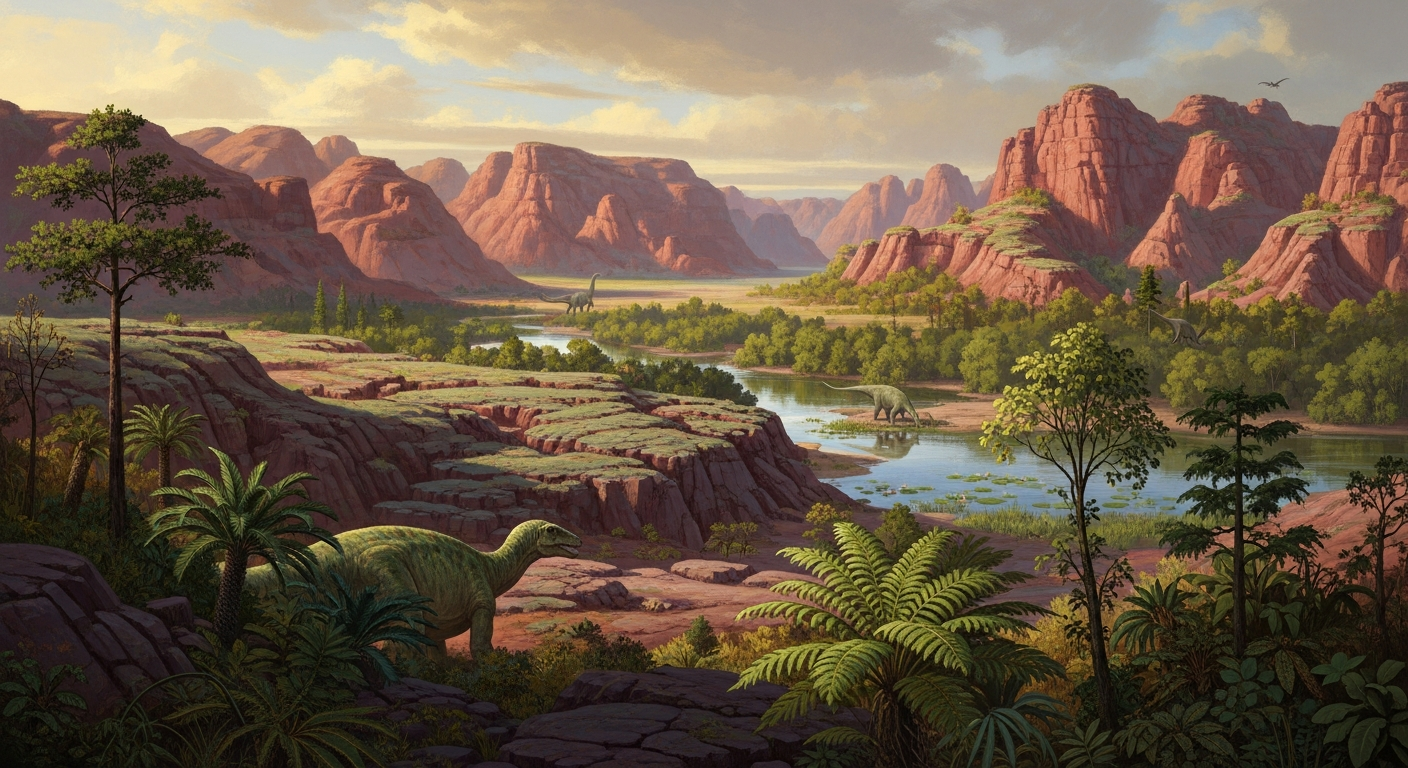
Wangshi Formation
Shandong · China
83.6–72.2 million years ago(11.4m year span)
Where Tsintaosaurus Roamed
During the Late Cretaceous, approximately 78 million years ago, Tsintaosaurus inhabited the eastern margins of the Asian landmass, where lush coastal plains bordered warm, shallow seas in a humid subtropical climate. This region featured meandering rivers and dense coniferous forests interspersed with ferns and early flowering plants, creating an ideal habitat for large herbivorous dinosaurs.
Keep exploring the vault
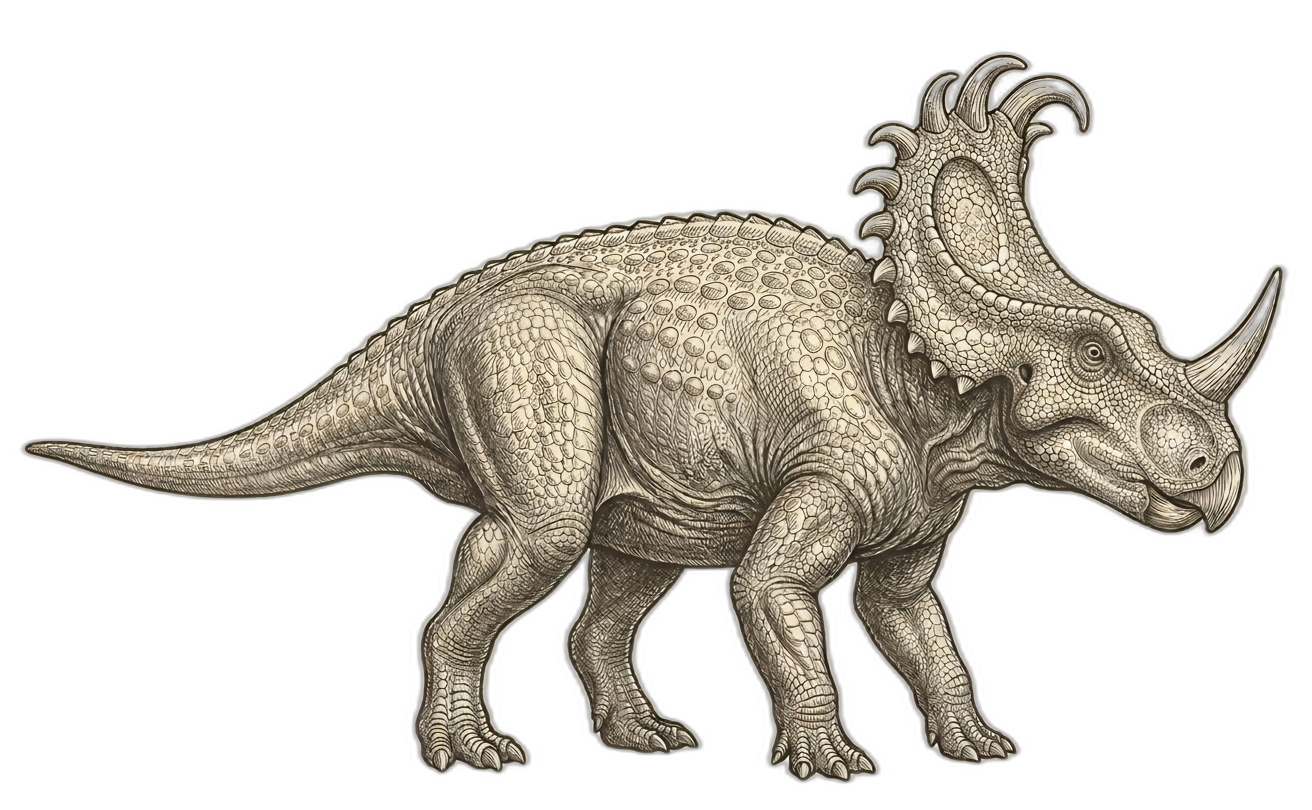
Sinoceratops
Sinoceratops zhuchengensis
Both herbivores from the Wangshi Formation with similar body mass (2000-2500kg), likely competing for mid-height vegetation resources in the same ecosystem.
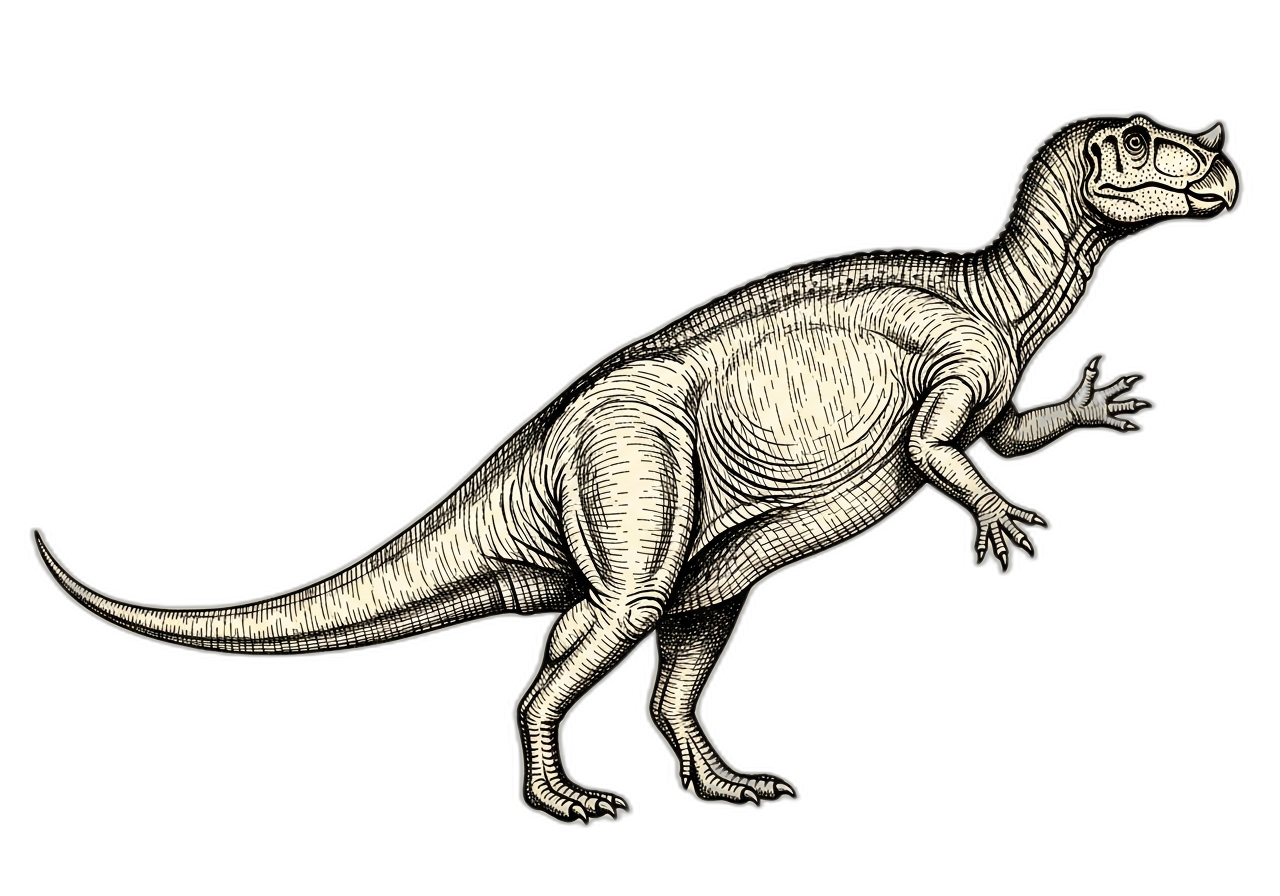
Iguanodon
Iguanodon bernissartensis
Iguanodon represents an earlier ornithopod body plan from the Early Cretaceous that is considered ancestral to the hadrosaurid lineage.
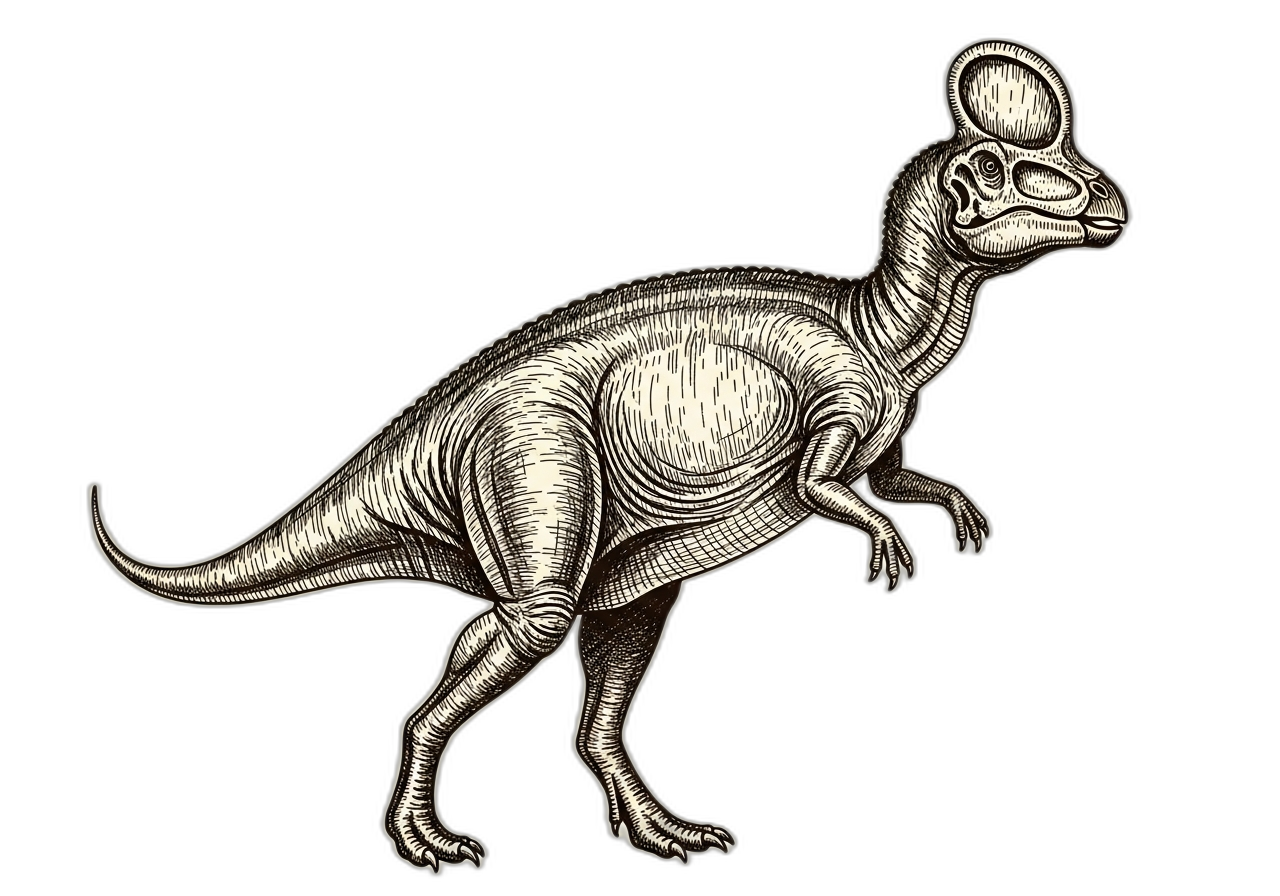
Corythosaurus
Corythosaurus casuarius
Both Tsintaosaurus and Corythosaurus are lambeosaurine hadrosaurs that independently evolved elaborate cranial crests, likely for vocalization and species recognition.
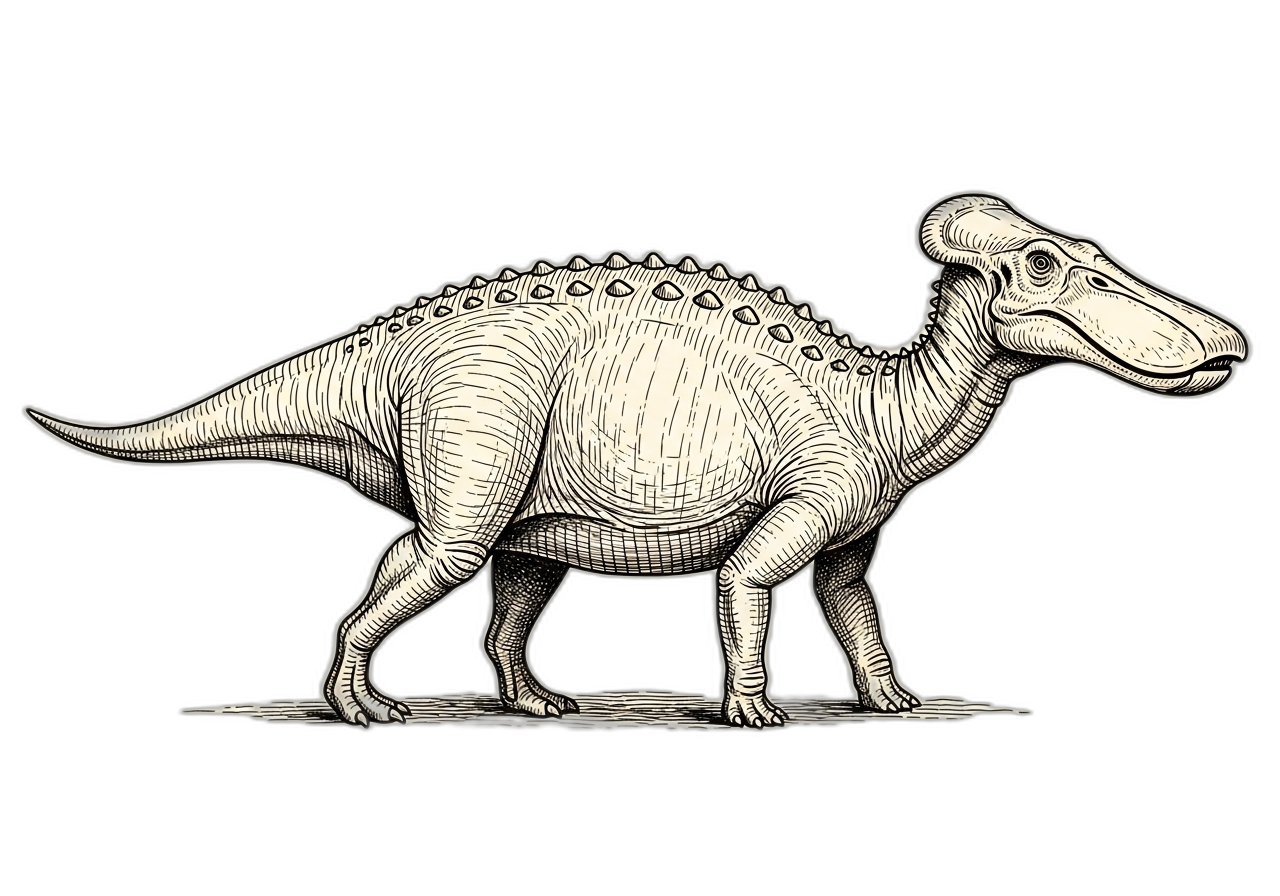
Edmontosaurus
Edmontosaurus regalis
Same family: Hadrosauridae
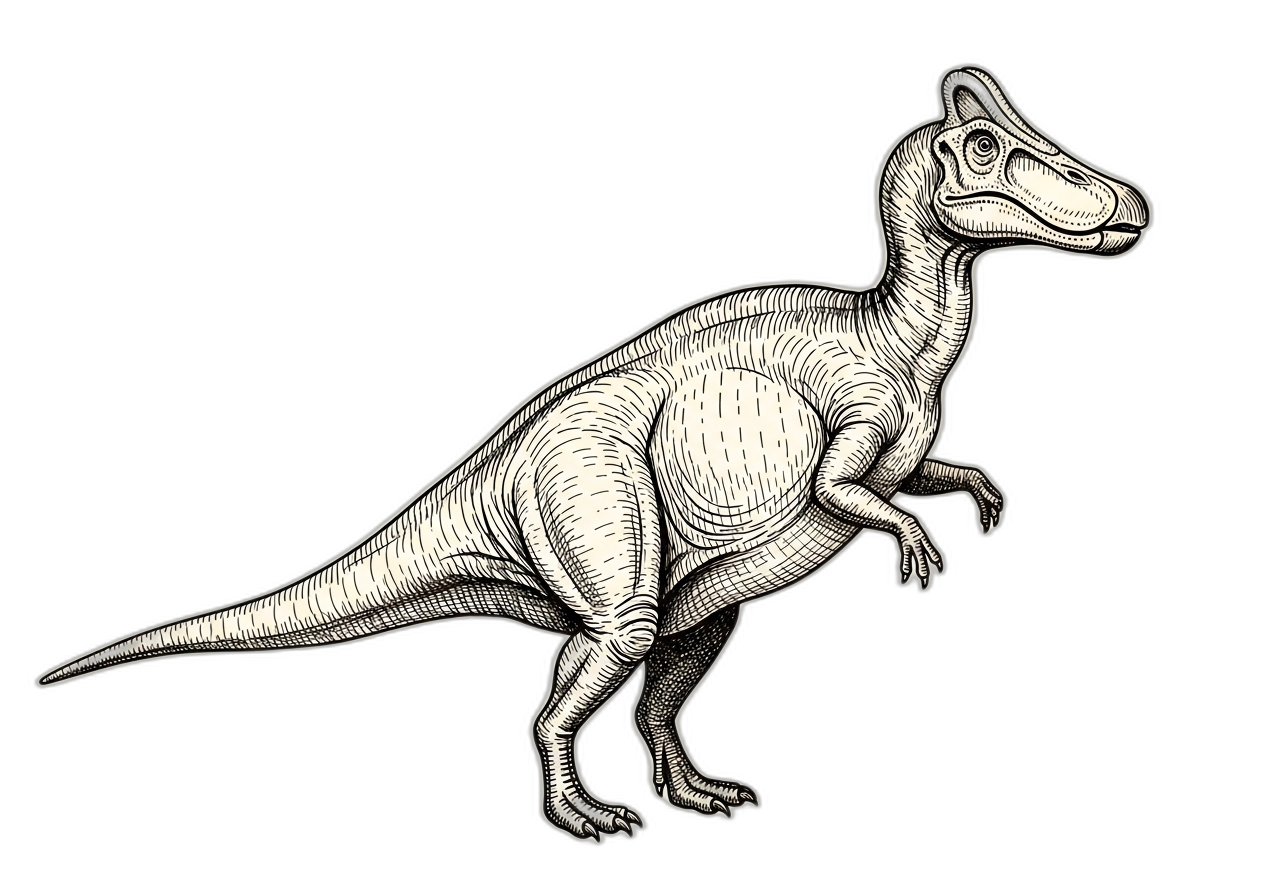
Maiasaura
Maiasaura peeblesorum
Same family: Hadrosauridae
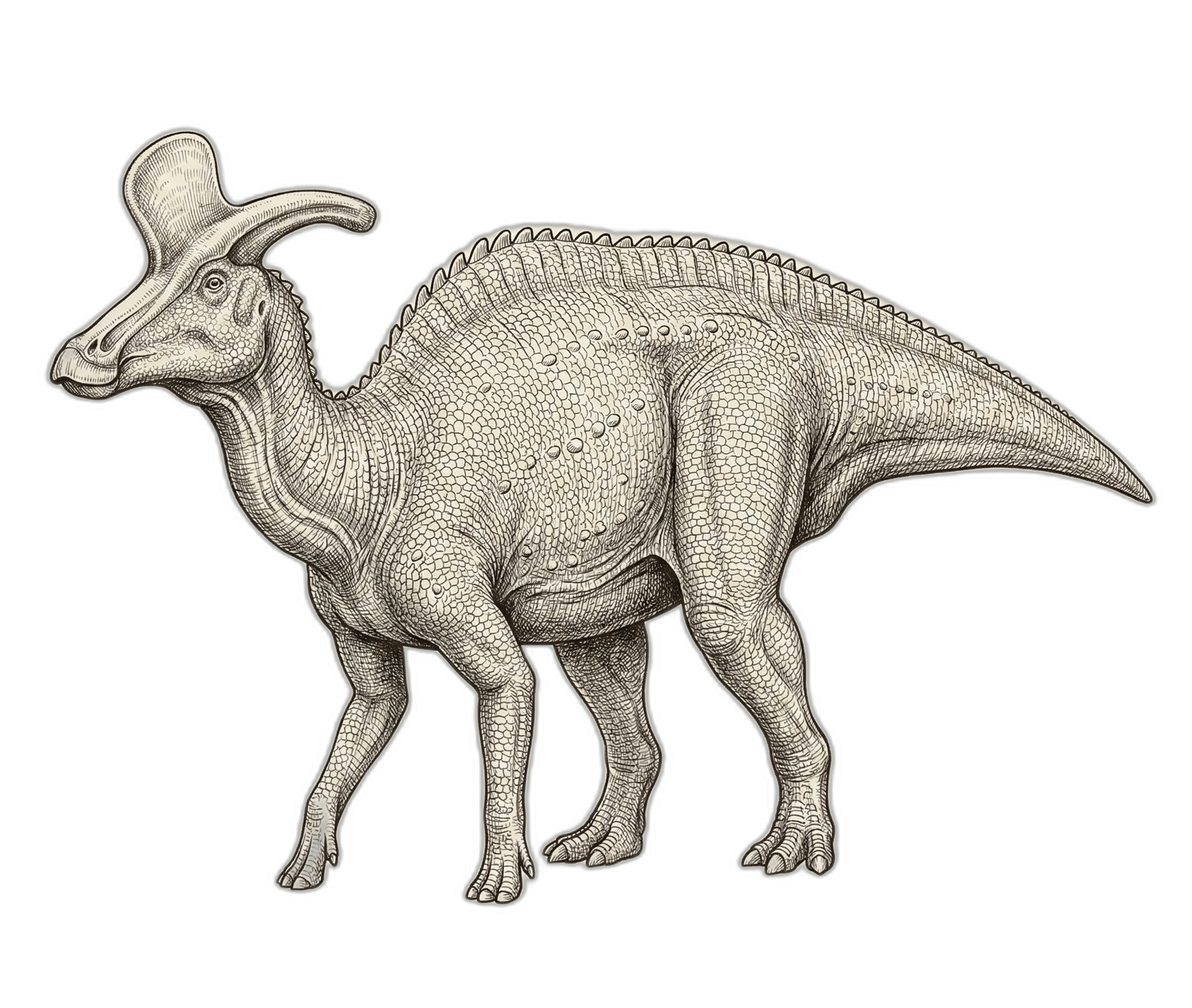
Lambeosaurus
Lambeosaurus lambei
As fellow lambeosaurine hadrosaurs, both Tsintaosaurus and Lambeosaurus evolved prominent hollow cranial crests for display and vocalization.