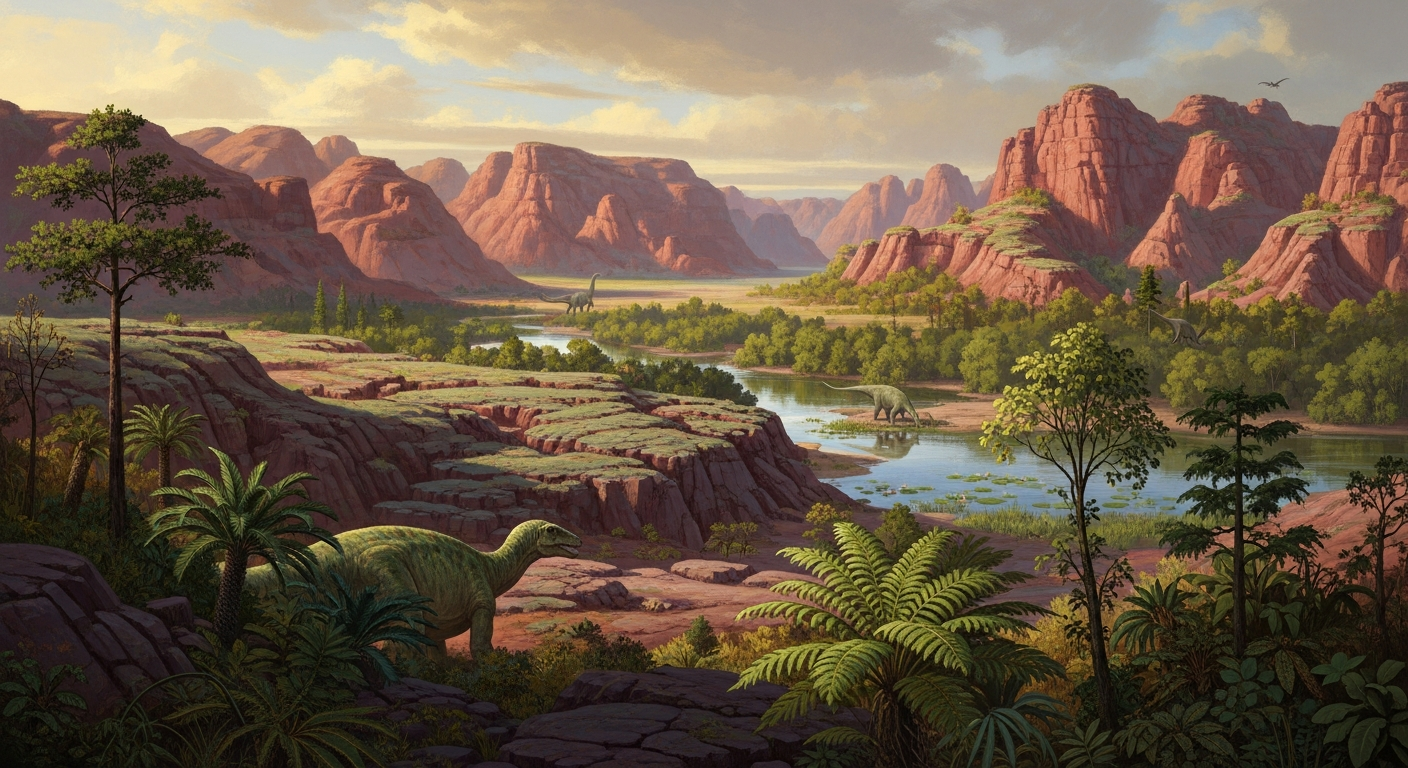
Wangshi Formation
Shandong, China
Why It Matters
The Wangshi Formation is one of China's most important Late Cretaceous dinosaur-bearing formations, yielding significant fossils including the distinctive Tsintaosaurus with its unique . The formation has contributed substantially to understanding Asian dinosaur diversity during the final stages of the Mesozoic Era.
How Fossils Survived
The Wangshi Formation consists primarily of reddish-purple and grayish-green sandstones, siltstones, and mudstones deposited in and environments. These sediments represent river floodplains and lake margins that provided favorable conditions for dinosaur habitation and fossil preservation.
Discovery History
Dinosaur fossils from the Wangshi Formation were first discovered in the 1920s during early Chinese paleontological surveys in Shandong Province. The formation gained international attention with the description of Tsintaosaurus spinorhinus by C.C. Young in 1958, and subsequent excavations have continued to yield important specimens.
Dinosaurs in the Vault
4 species in our database · sorted by size
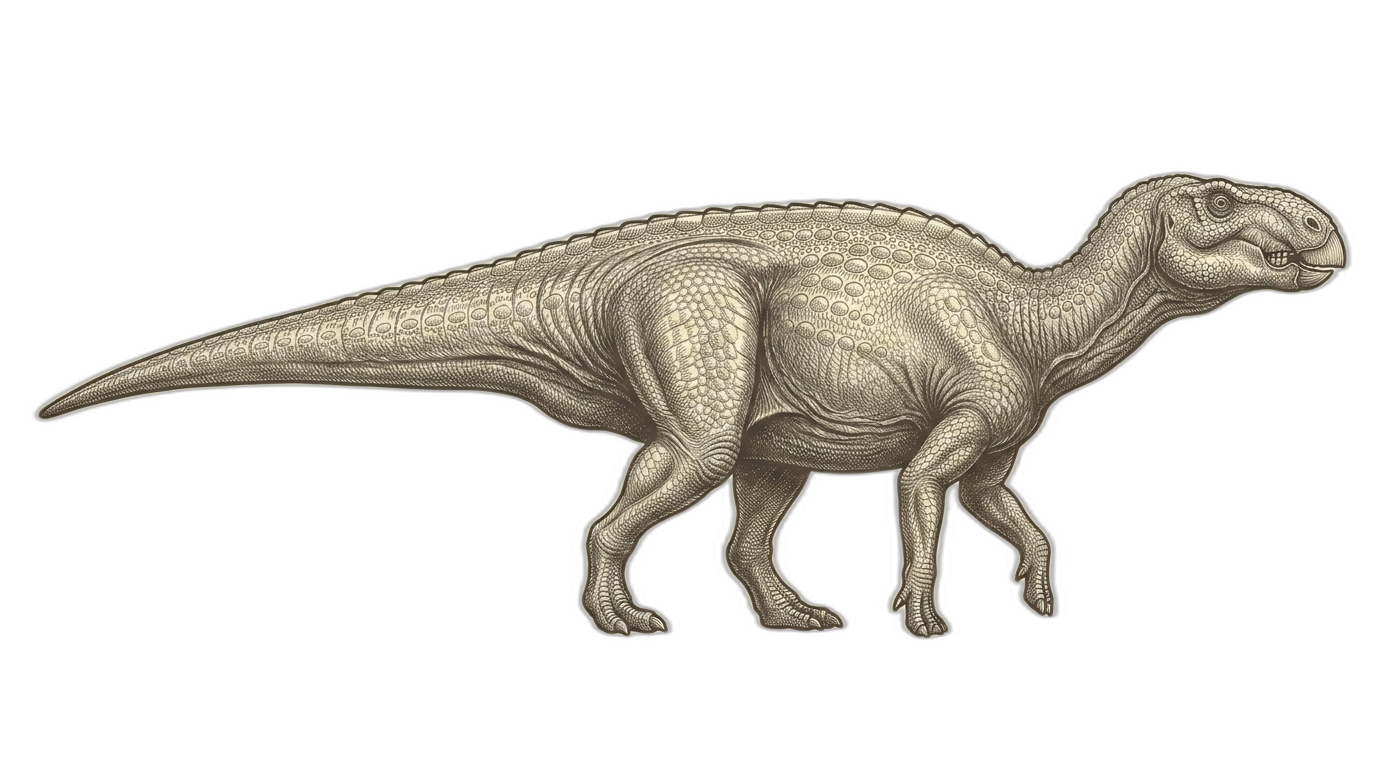
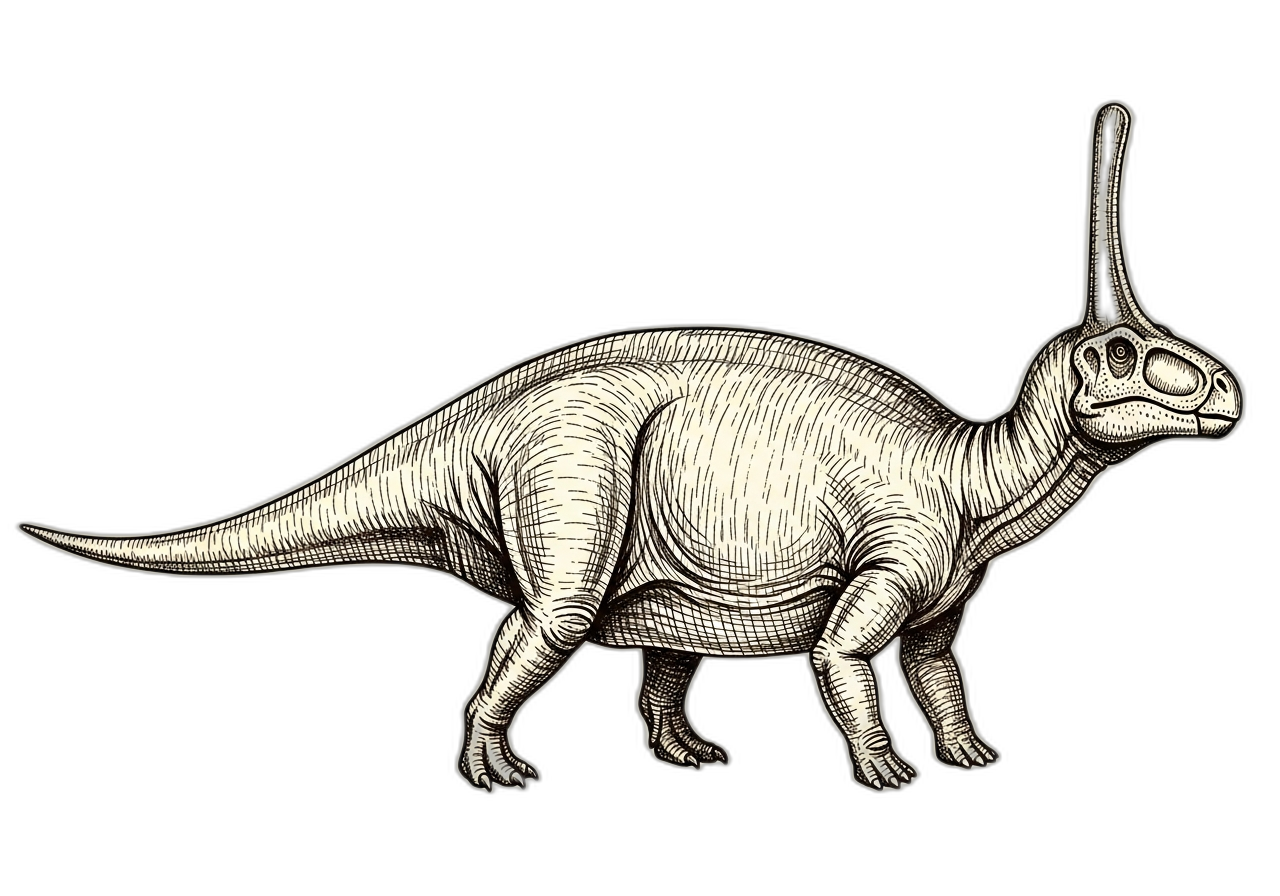
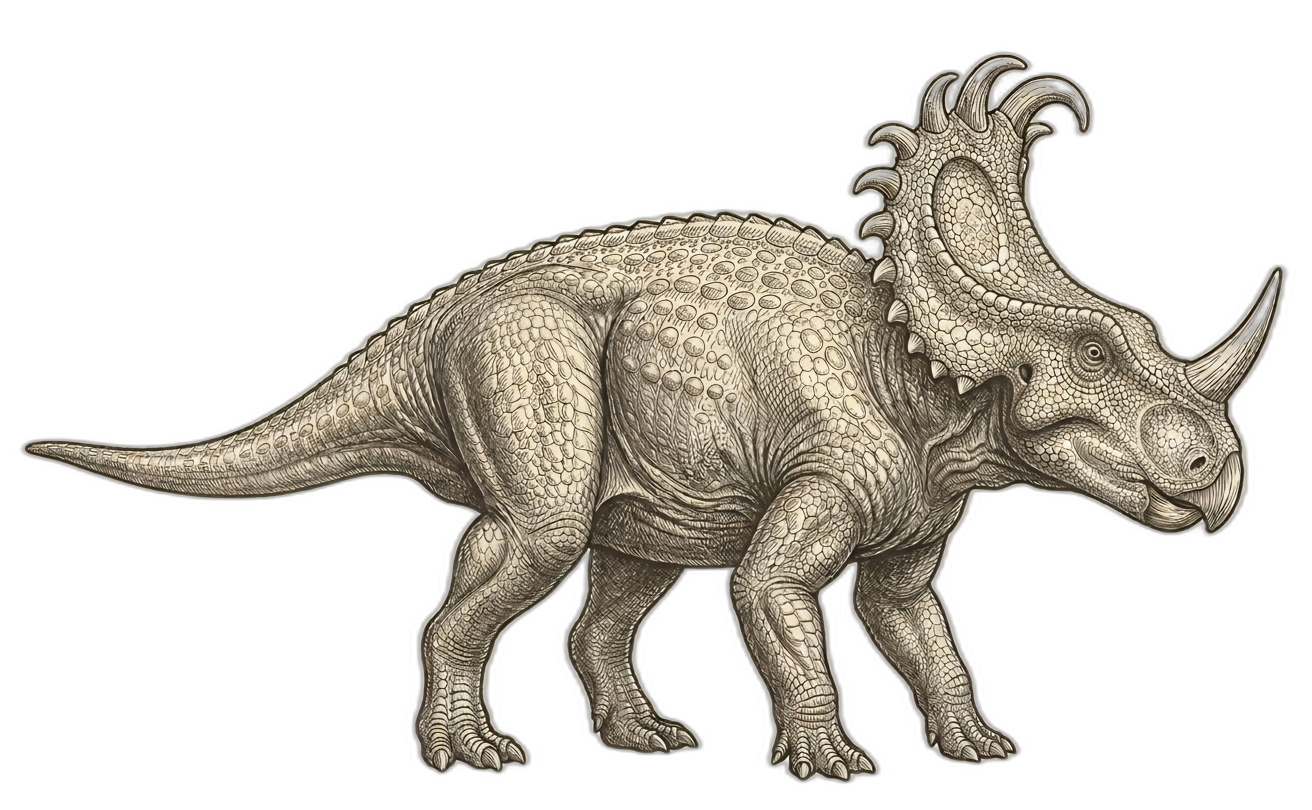
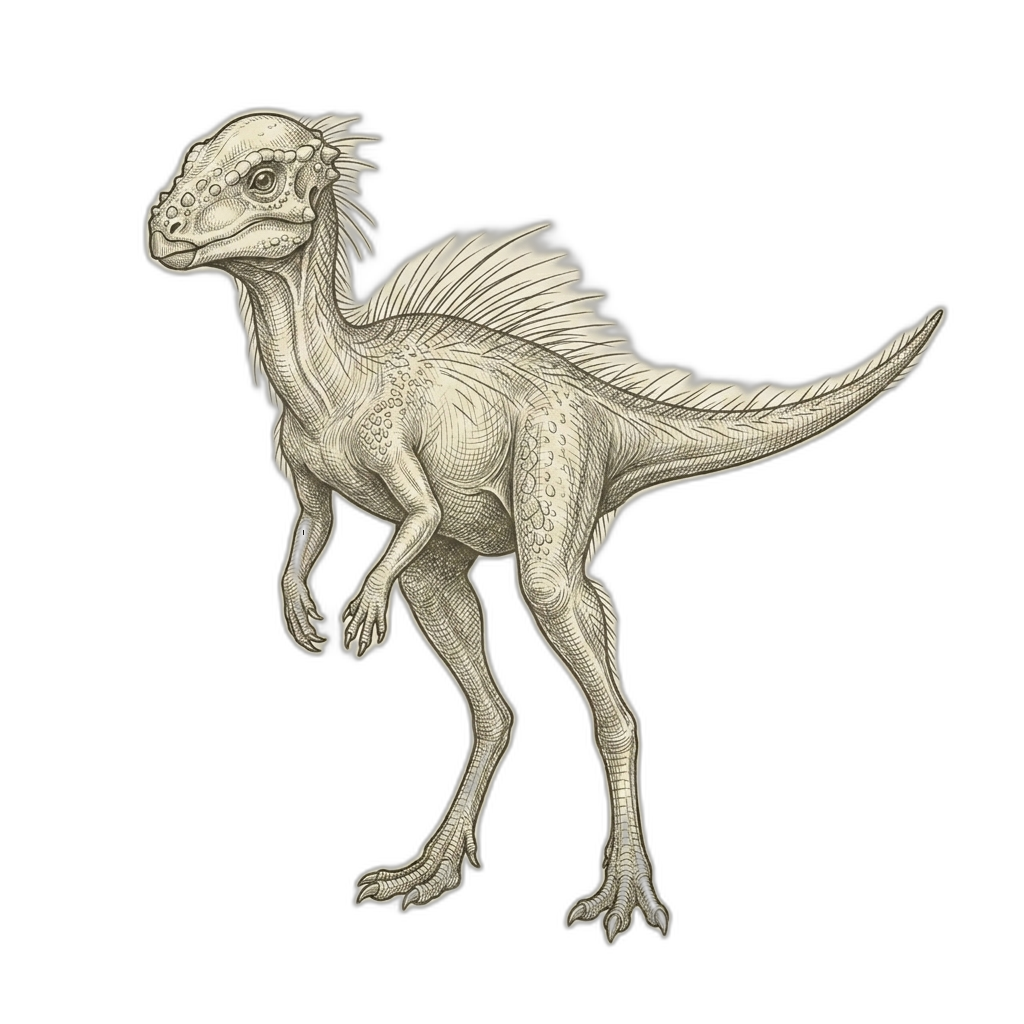
Tsintaosaurus was initially reconstructed with a unicorn-like forward-pointing crest, though recent studies suggest it was actually a more typical hollow hadrosaur crest