About
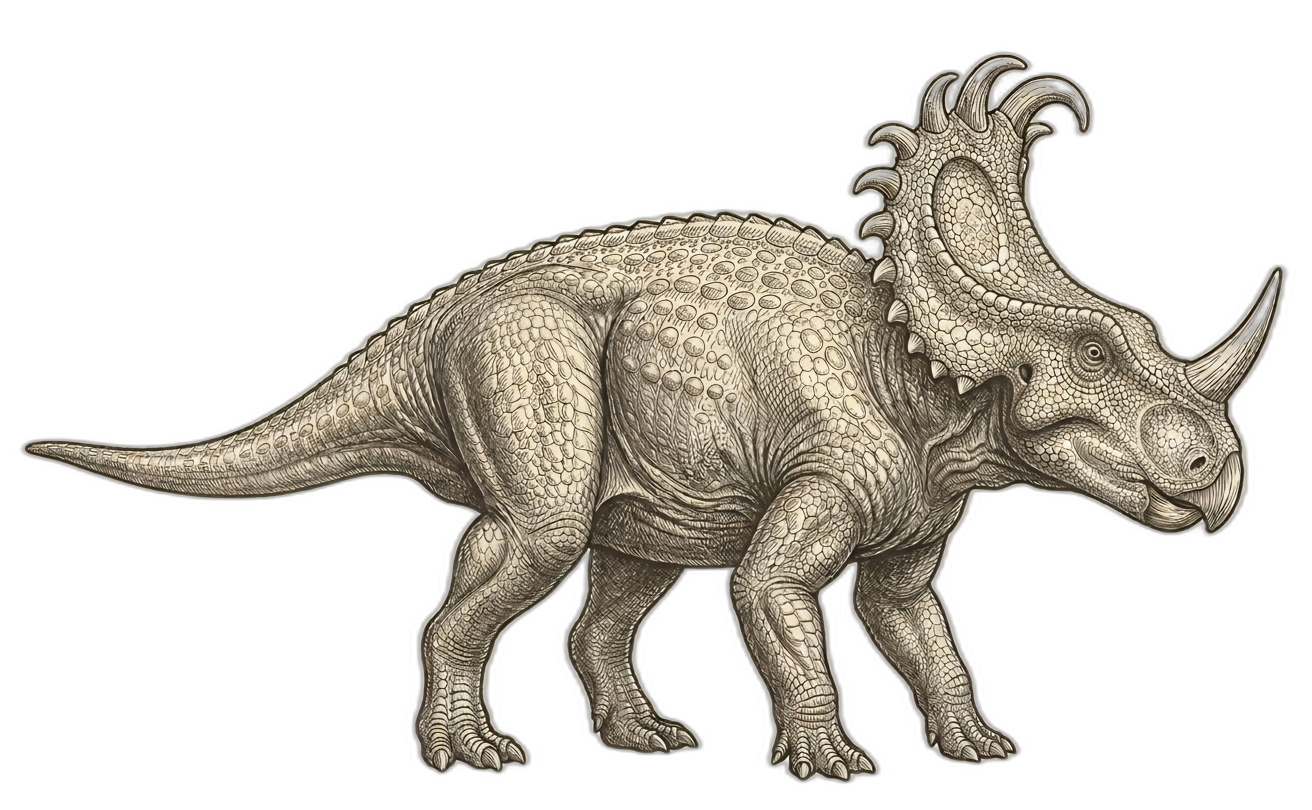
Sinoceratops zhuchengensis represents a groundbreaking discovery in paleontology. This robust herbivore measured approximately six meters long and weighed around two tonnes, placing it among the larger centrosaurine ceratopsids. Its most distinctive feature was its elaborate , decorated with a series of low, forward-curving hornlets along the edge—a unique arrangement among known ceratopsids. A single prominent nasal horn projected from above its snout, while the brow horns were reduced to low bumps.
As a herbivore, Sinoceratops used its powerful beak to crop tough vegetation in the warm, humid forests of Late Cretaceous China. It shared its ecosystem with the massive Zhuchengtyrannus and the giant Shantungosaurus, forming part of a diverse dinosaur community in what is now Shandong Province.
The discovery of Sinoceratops fundamentally changed scientific understanding of ceratopsid distribution. Prior to its description in 2010, large-bodied ceratopsids were known exclusively from North America, leading researchers to believe geographic barriers had prevented their spread to Asia. Sinoceratops demonstrated that at least one lineage of centrosaurines had successfully crossed into Asia during the Late Cretaceous, likely via a land bridge across the Bering region. This finding sparked renewed interest in the biogeographic connections between Late Cretaceous Asian and North American faunas, making Sinoceratops one of the most scientifically significant ceratopsian discoveries of the 21st century.
Where fossils were found
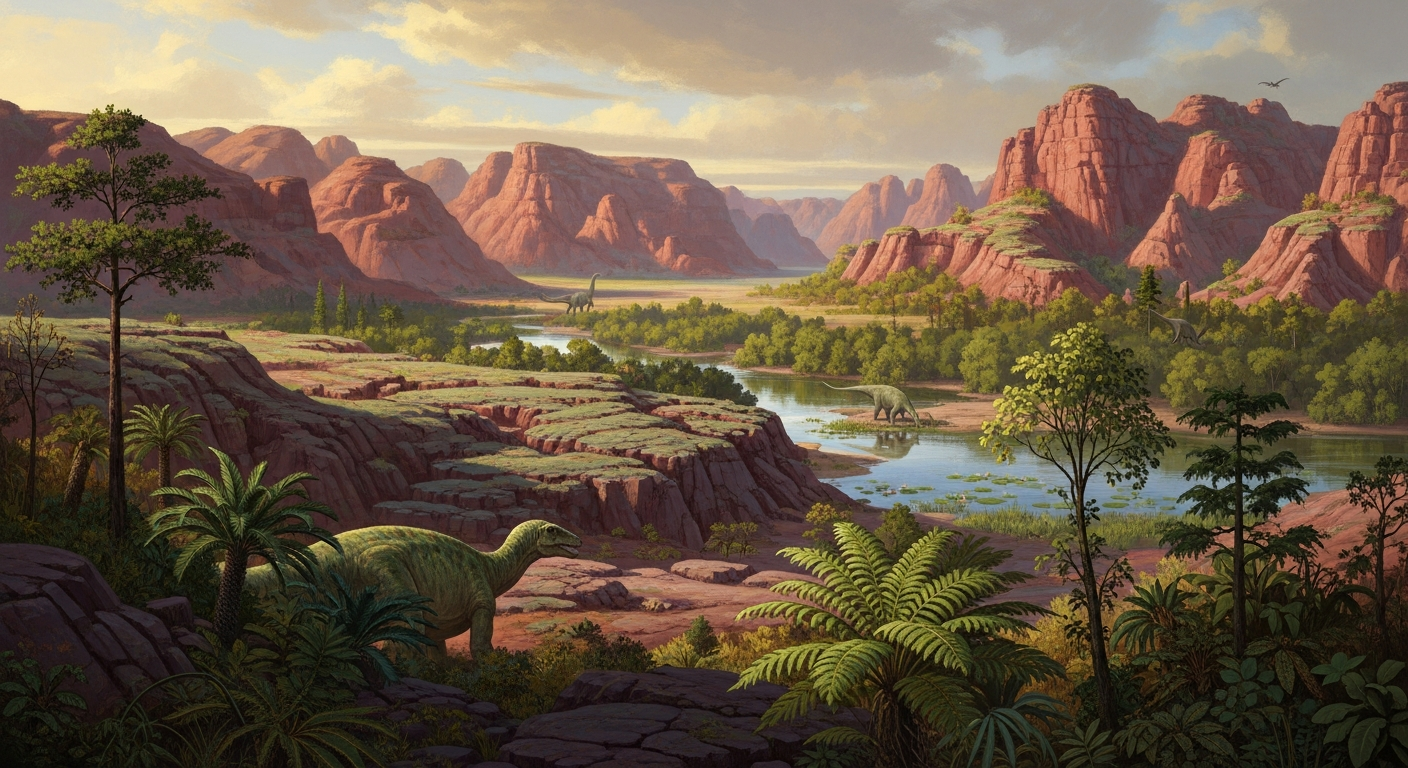
Wangshi Formation
Shandong · China
73.5–72.5 million years ago(1m year span)
Keep exploring the vault
Yutyrannus
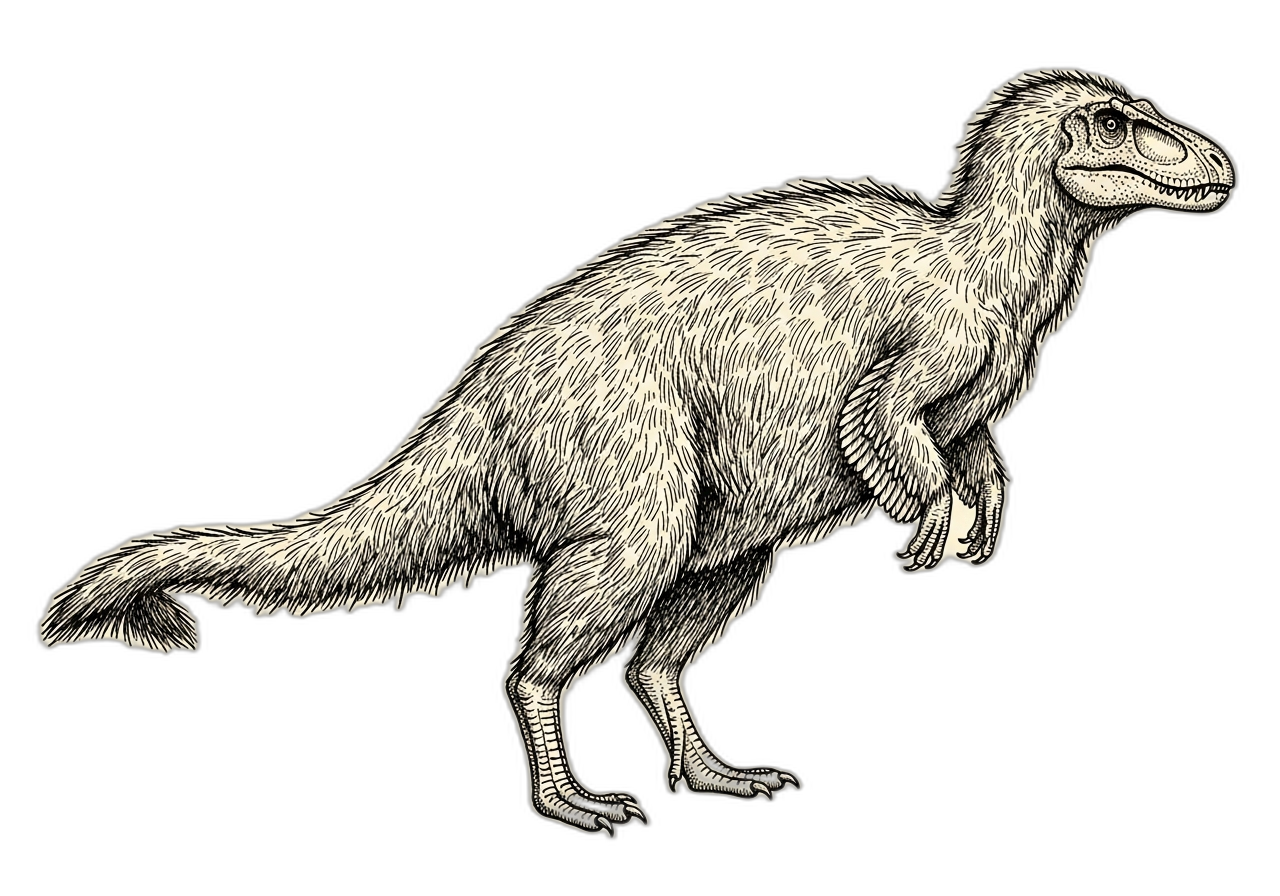
Yutyrannus huali
While from an earlier Chinese formation, large tyrannosauroids were present in Late Cretaceous Asia.
Tsintaosaurus
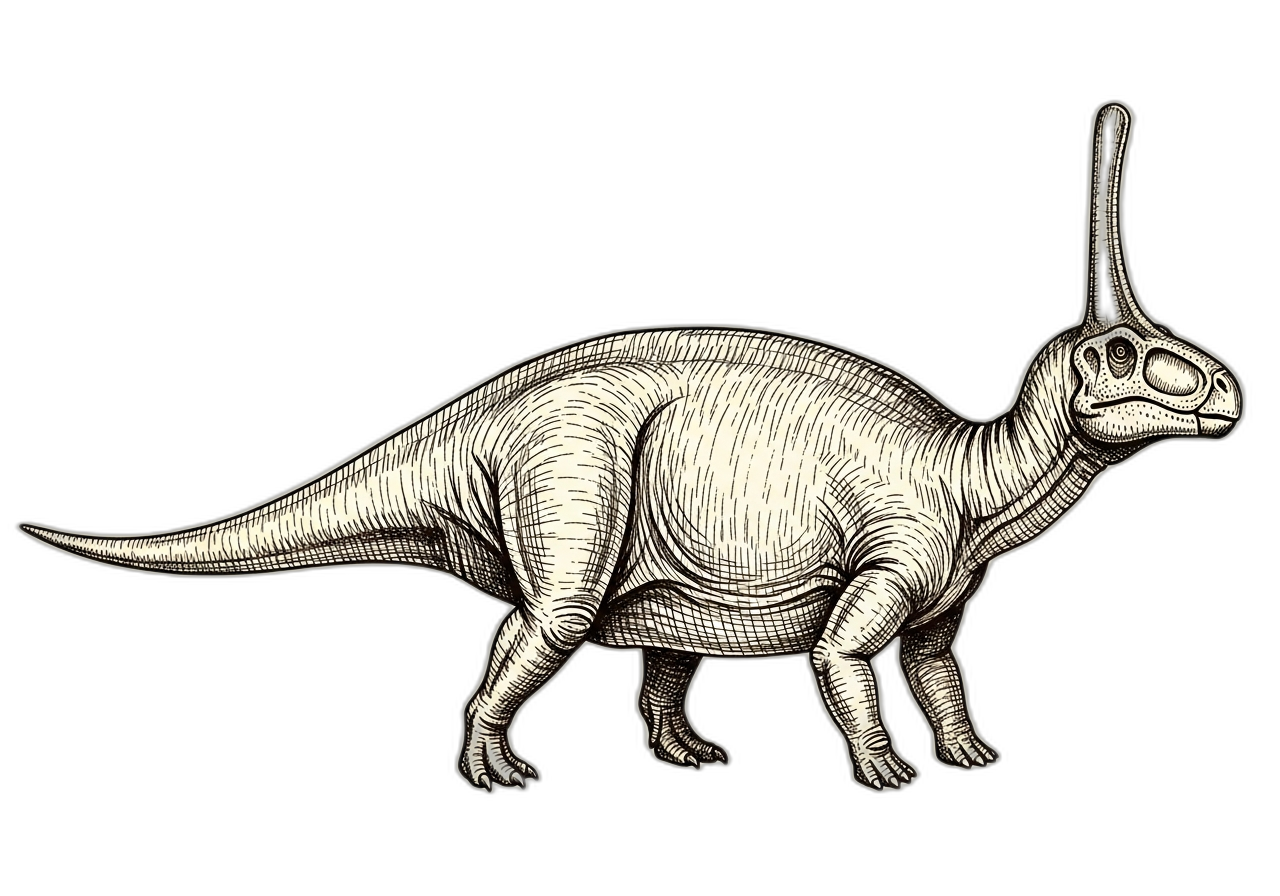
Tsintaosaurus spinorhinus
Both herbivores from the Wangshi Formation with similar body mass (2000-2500kg), likely competing for mid-height vegetation resources in the same ecosystem.
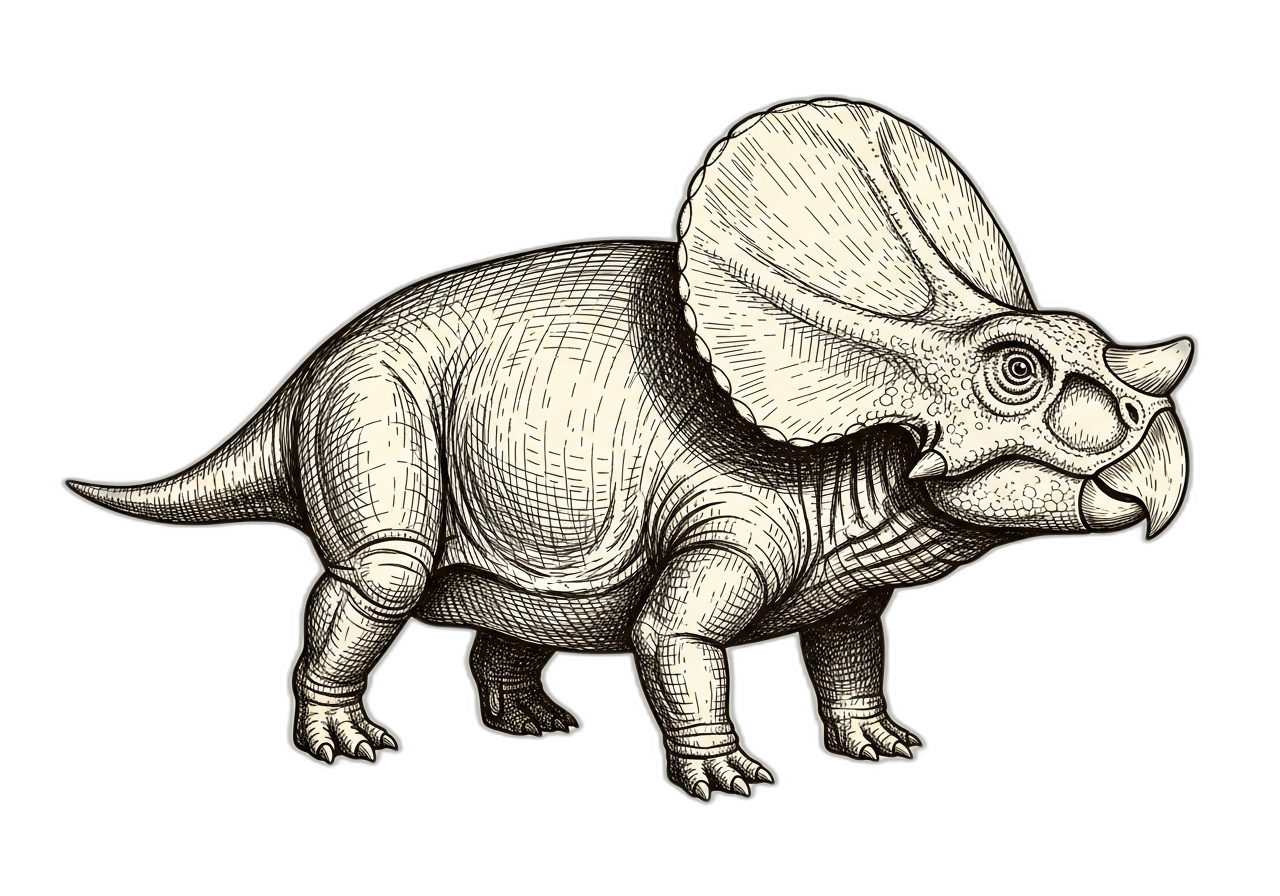
Protoceratops
Protoceratops andrewsi
Protoceratops represents the general body plan of basal neoceratopsians from which ceratopsids like Sinoceratops evolved.
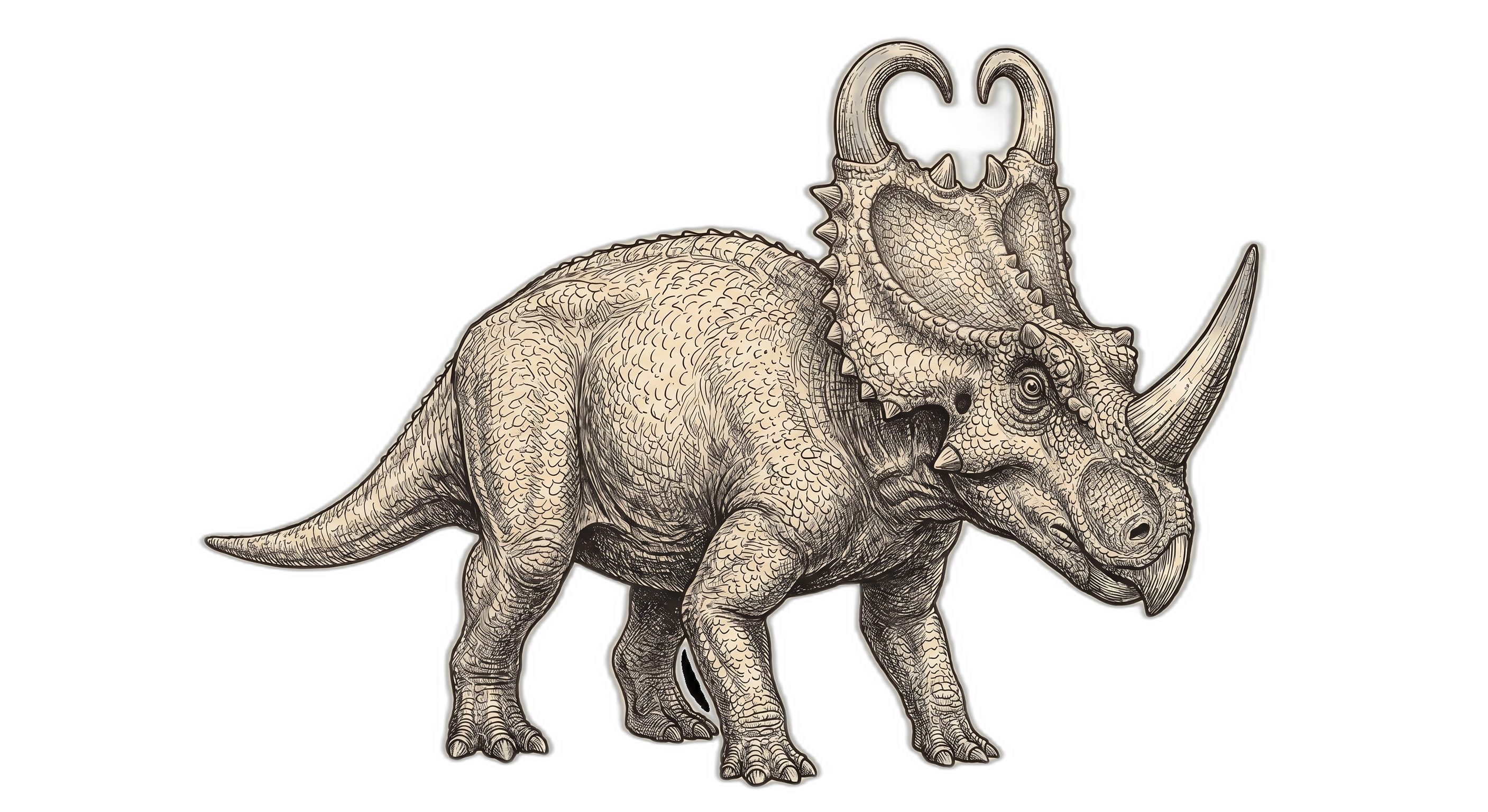
Centrosaurus
Centrosaurus apertus
Sinoceratops and Centrosaurus are both centrosaurines that independently developed distinctive nasal horn configurations and frill ornamentation, representing parallel evolution of display and defense structures within the ceratopsid lineage across different continents.
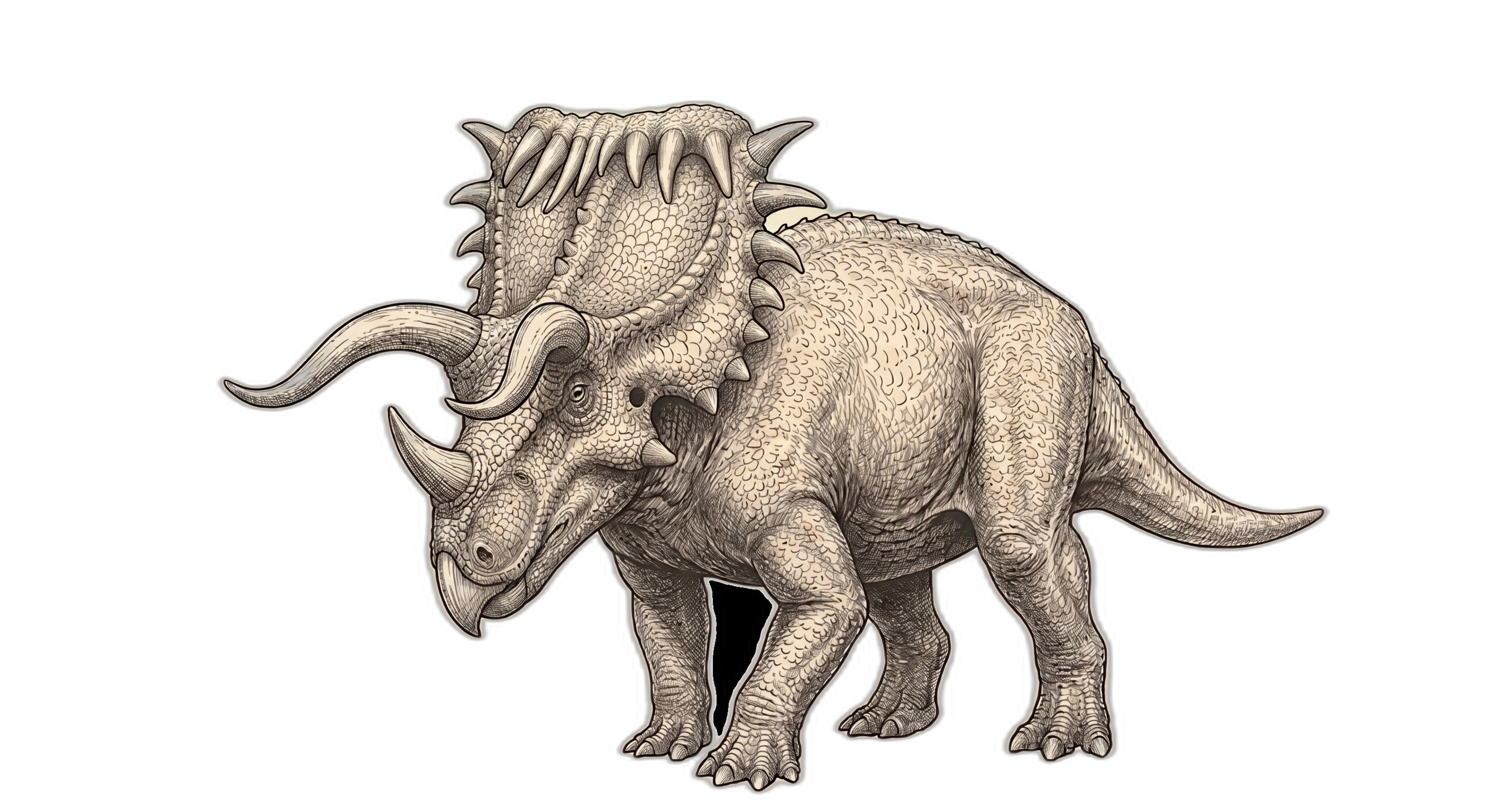
Kosmoceratops
Kosmoceratops richardsoni
Same family: Ceratopsidae
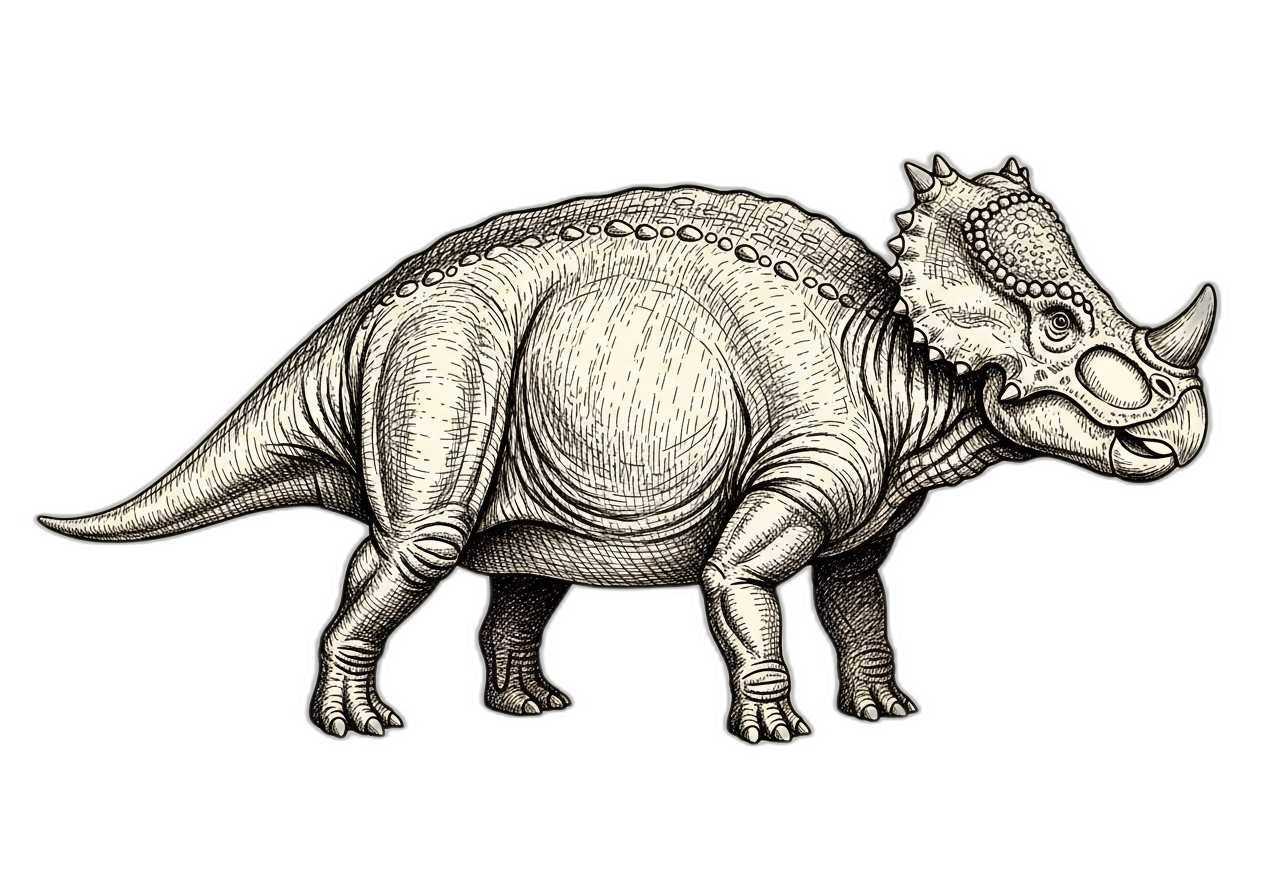
Pachyrhinosaurus
Pachyrhinosaurus canadensis
Same family: Ceratopsidae