About
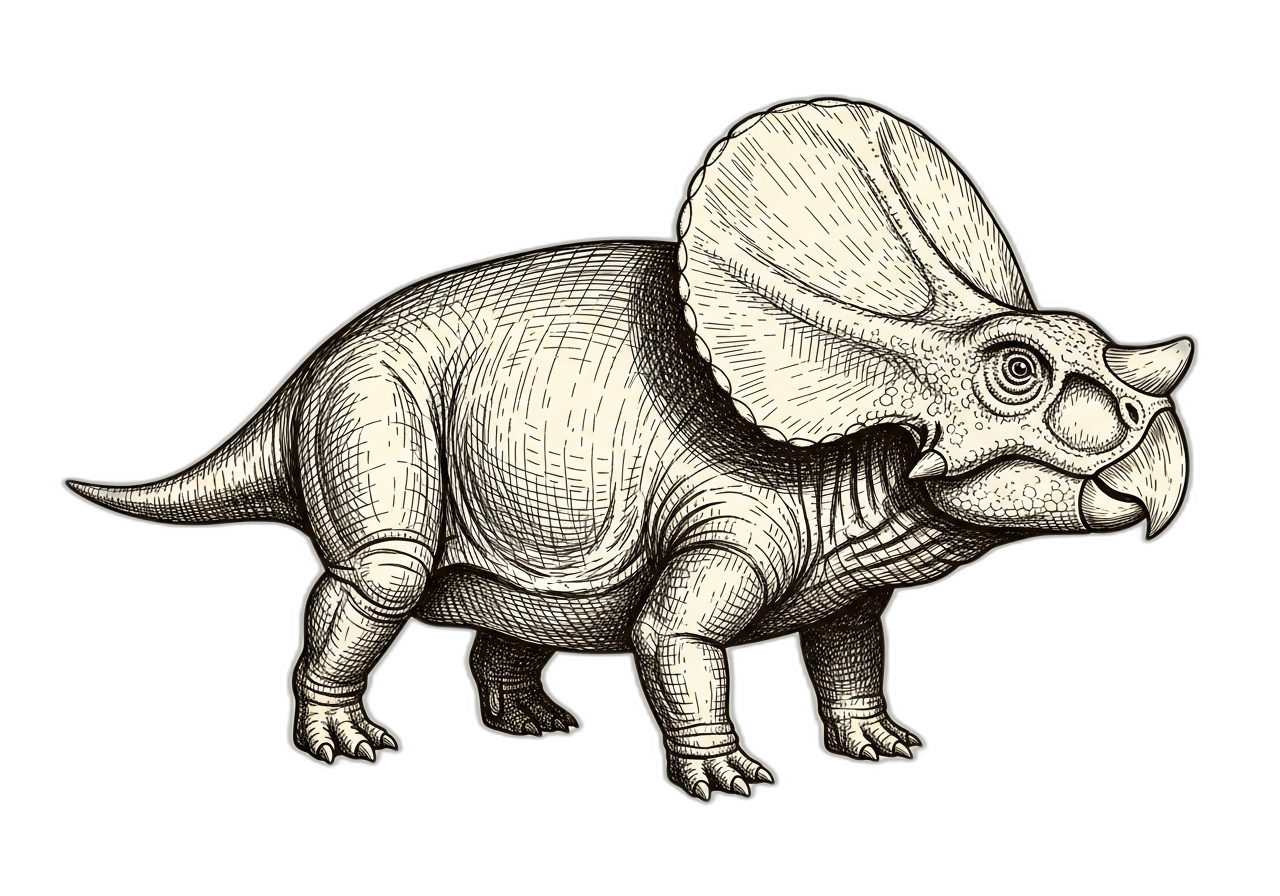
Protoceratops andrewsi was a small dinosaur that roamed the semi-arid dunes of Late Cretaceous Mongolia between 75 and 71 million years ago. Unlike its famous horned relative Triceratops, Protoceratops lacked true horns, instead sporting a distinctive bony at the back of its skull and a powerful parrot-like beak. This herbivore was roughly the size of a large sheep and likely spent its days browsing on tough, low-growing vegetation in a challenging desert environment.
The discovery of Protoceratops is inseparable from the legendary Central Asiatic Expeditions led by Roy Chapman Andrews in the 1920s. American paleontologists Walter Granger and W.K. Gregory formally described the species in 1923 based on fossils from Mongolia's Djadokhta Formation. These expeditions unearthed an extraordinary wealth of Protoceratops material, making it one of the best-represented dinosaurs in the fossil record with specimens spanning all age groups from hatchlings to adults.
Protoceratops provides remarkable insights into dinosaur biology and behavior. Nests containing eggs and juveniles suggest some level of parental care, while the abundance of specimens in certain deposits hints at behavior. Studies of growth series have revealed how the distinctive frill expanded dramatically during maturation, possibly serving as a structure for species recognition or mate selection rather than defense.
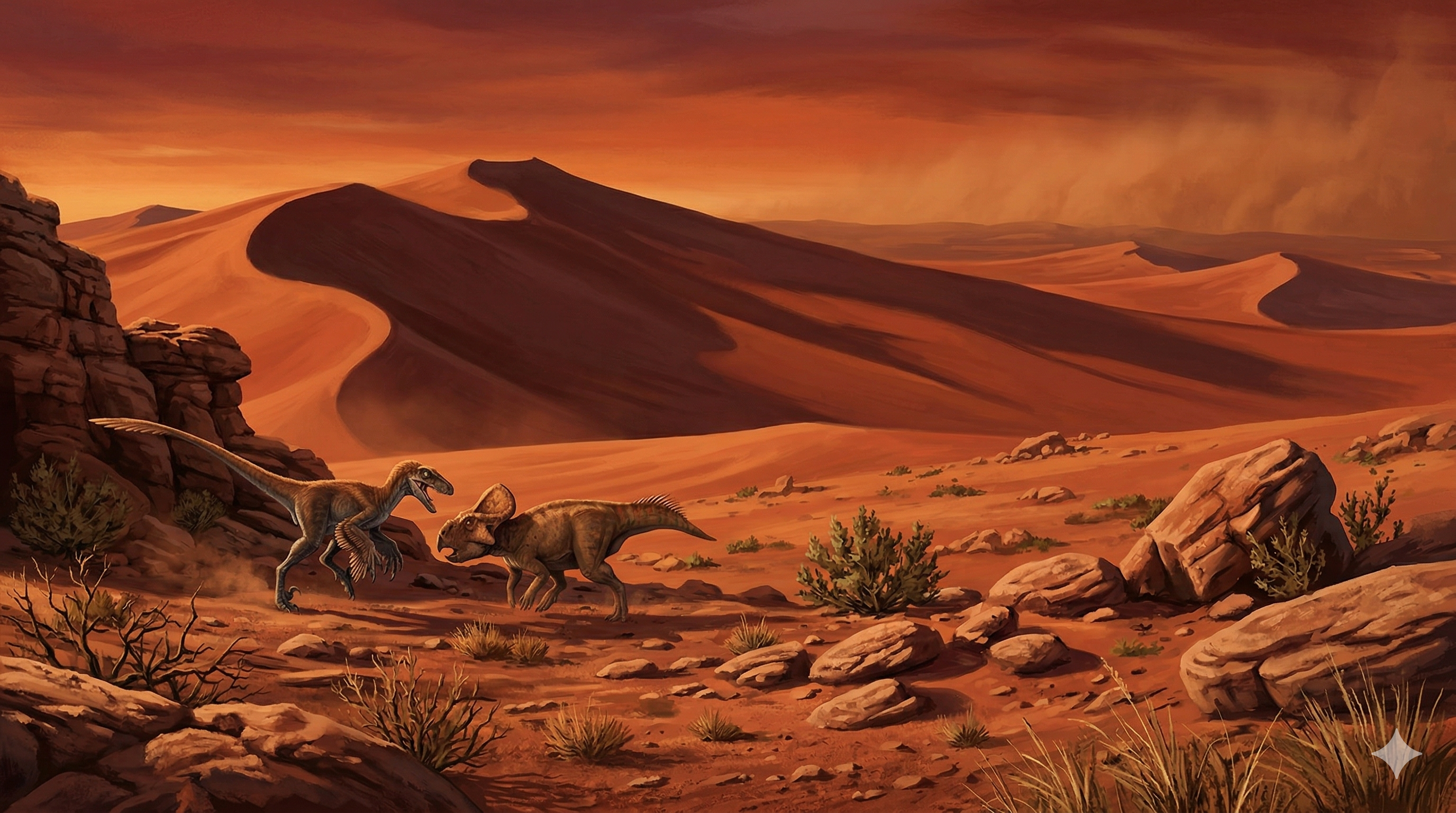
Perhaps the most famous Protoceratops specimen is the "Fighting Dinosaurs" fossil, discovered in 1971, which preserves a Protoceratops locked in mortal combat with a Velociraptor—both animals apparently buried alive by a collapsing sand dune mid-battle. This extraordinary snapshot of prehistoric life remains one of paleontology's most dramatic fossils.
Where fossils were found
Djadochta Formation
Mongolia, China
85.7–72.2 million years ago(13.5m year span)
Where Protoceratops Roamed
During the Late Cretaceous, Protoceratops andrewsi inhabited the semi-arid dune fields and interdune environments of what is now Mongolia's Gobi Desert, part of the vast Asian landmass far from any major seaway. This region experienced a continental climate with seasonal extremes, where wind-sculpted sand dunes and ephemeral oases supported a unique ecosystem of small dinosaurs, early mammals, and predatory theropods like Velociraptor.
Keep exploring the vault
Velociraptor
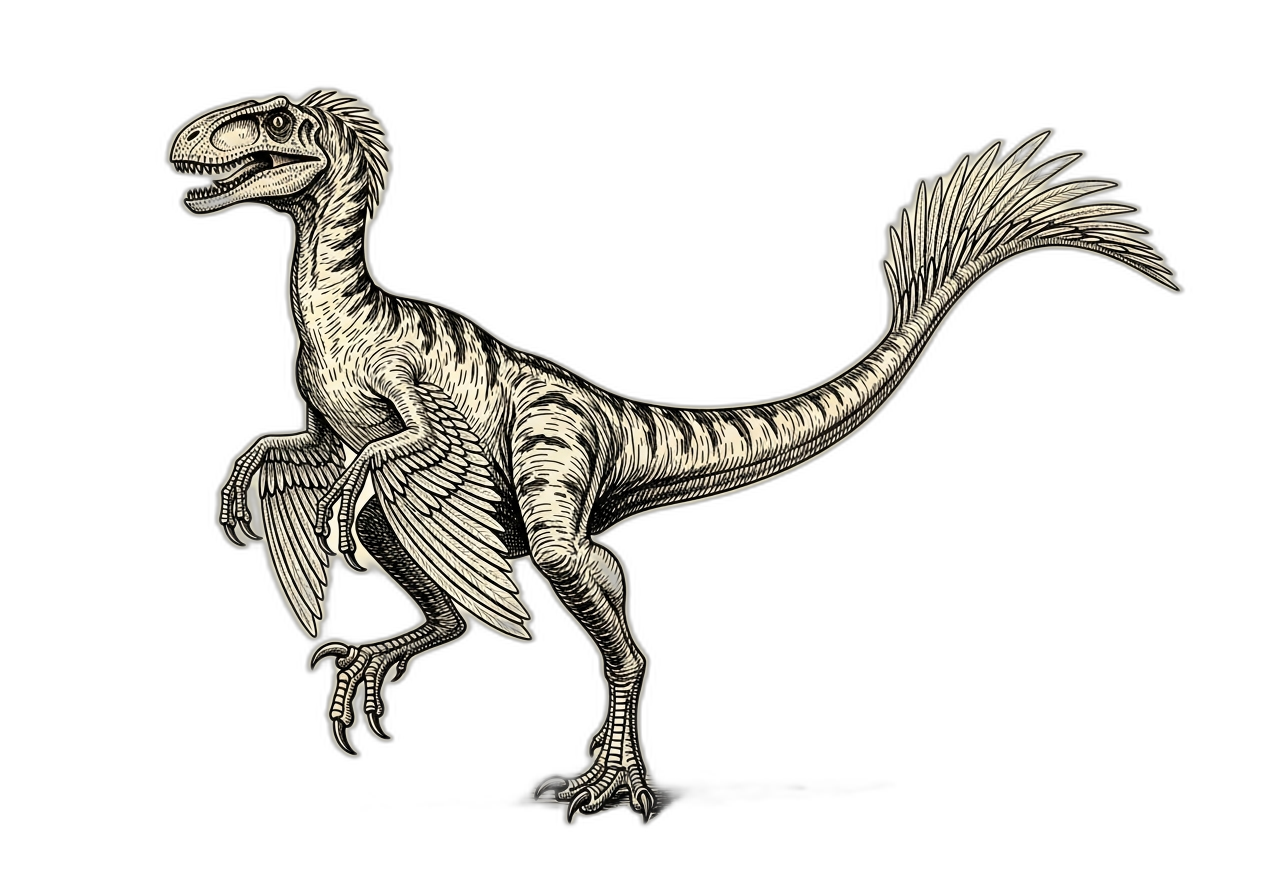
Velociraptor mongoliensis
The famous 'Fighting Dinosaurs' fossil from the Djadochta Formation preserves a Velociraptor and Protoceratops locked in combat, with Velociraptor's sickle claw embedded in the Protoceratops' throat region while the Protoceratops appears to have bitten the Velociraptor's arm.
Sinoceratops
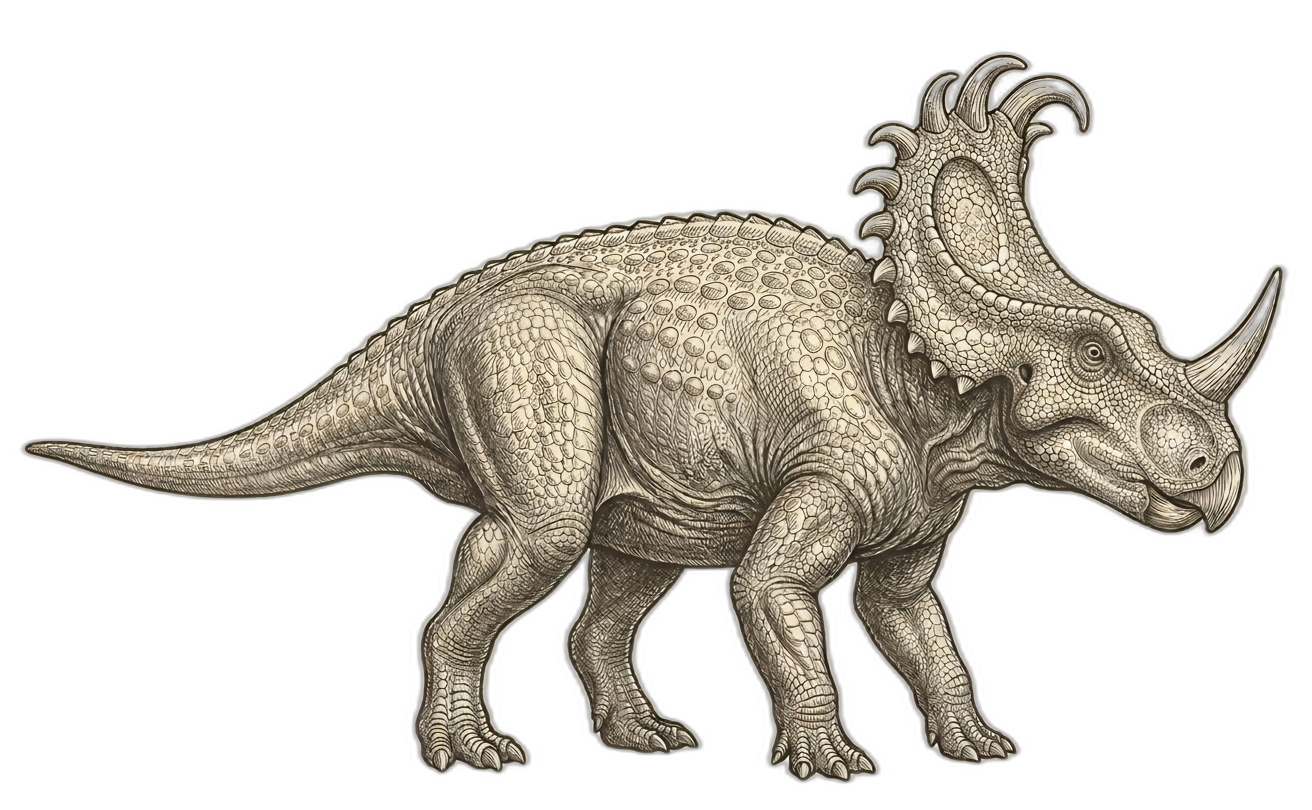
Sinoceratops zhuchengensis
Protoceratops represents the general body plan of basal neoceratopsians from which ceratopsids like Sinoceratops evolved.
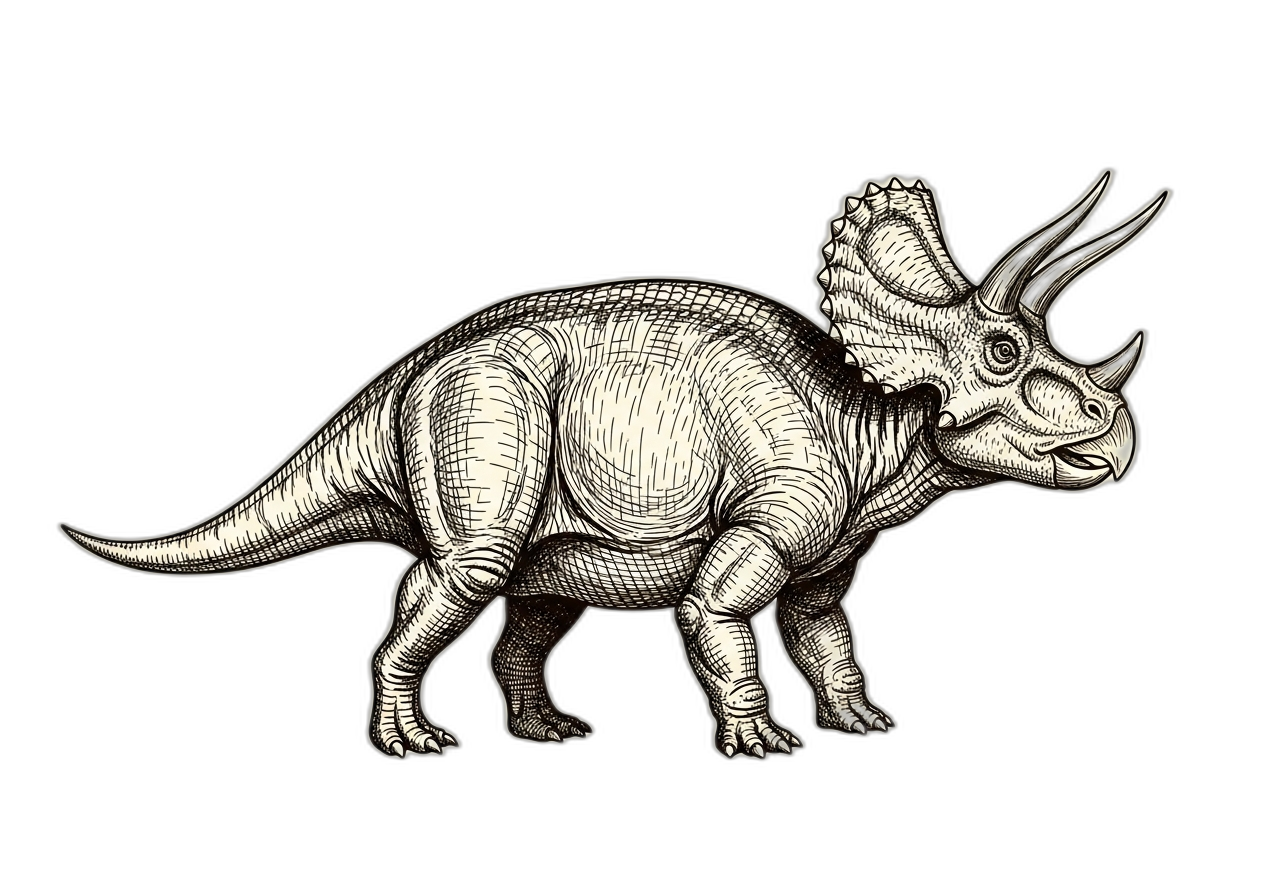
Triceratops
Triceratops horridus
Both are ceratopsians that independently developed elaborate frill structures.
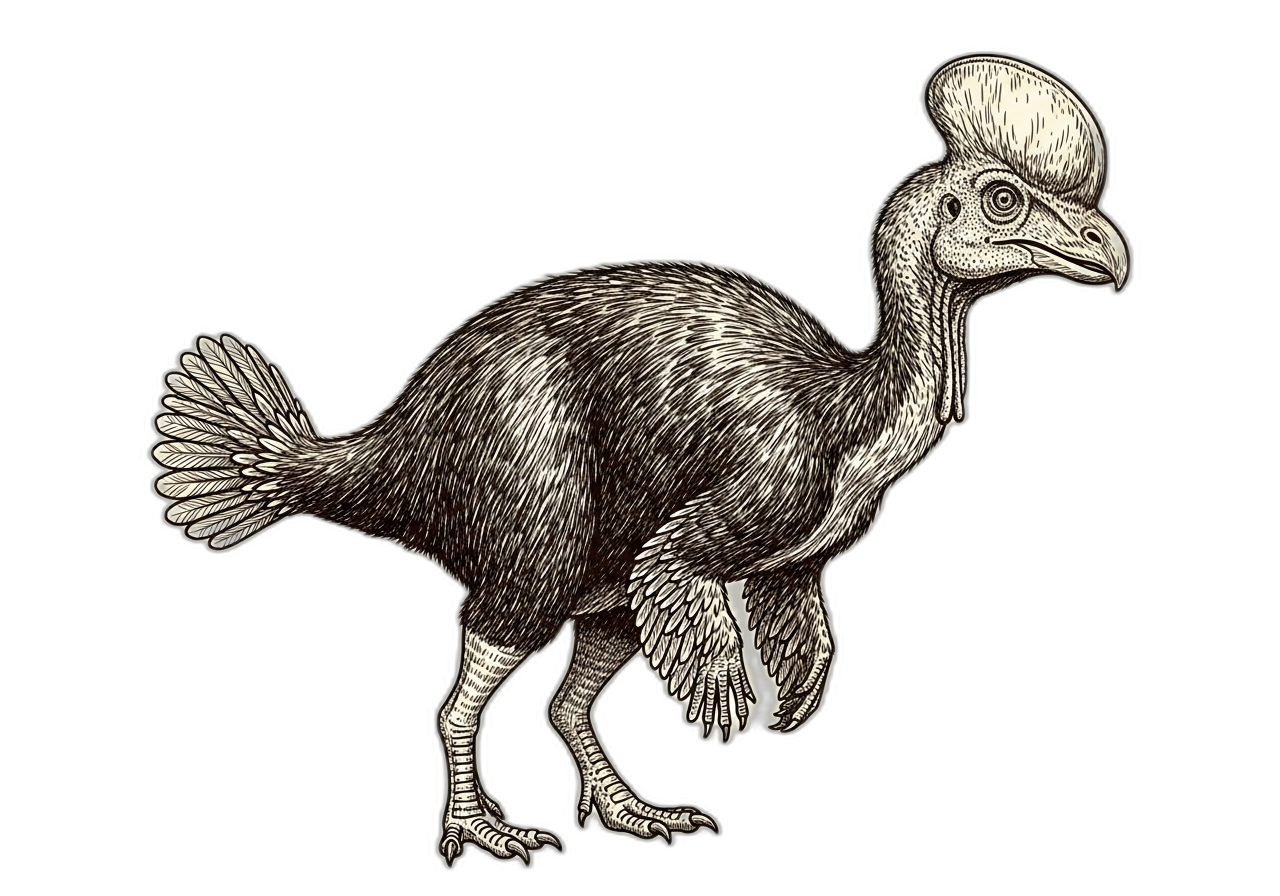
Oviraptor
Oviraptor philoceratops
Both species are known from the Djadochta Formation of Mongolia.
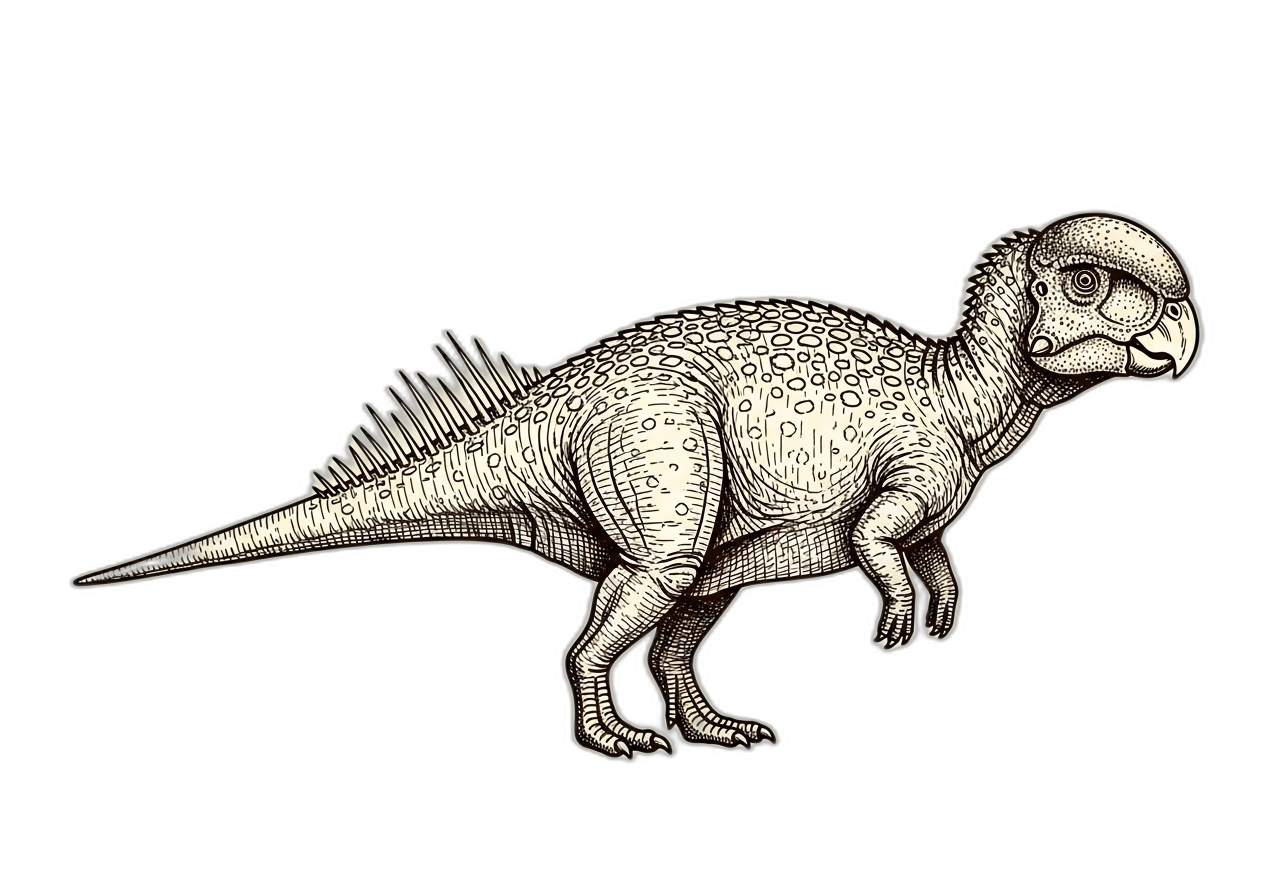
Psittacosaurus
Psittacosaurus mongoliensis
Both are basal ceratopsians that represent the small-bodied, bipedal/facultatively quadrupedal body plan before the evolution of large horned ceratopsids.
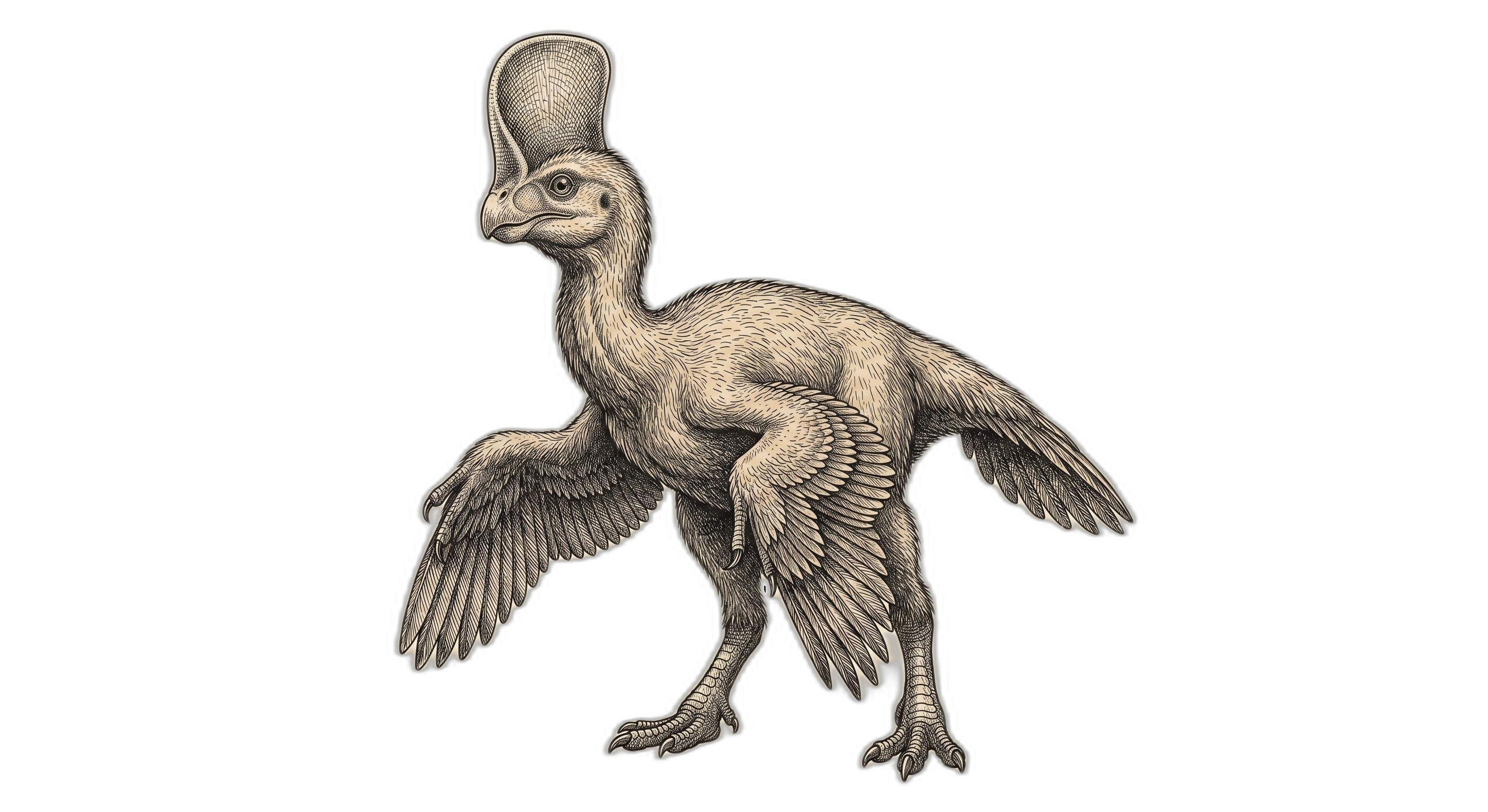
Citipati
Citipati and Protoceratops co-occur in the Djadochta Formation of Mongolia.