About
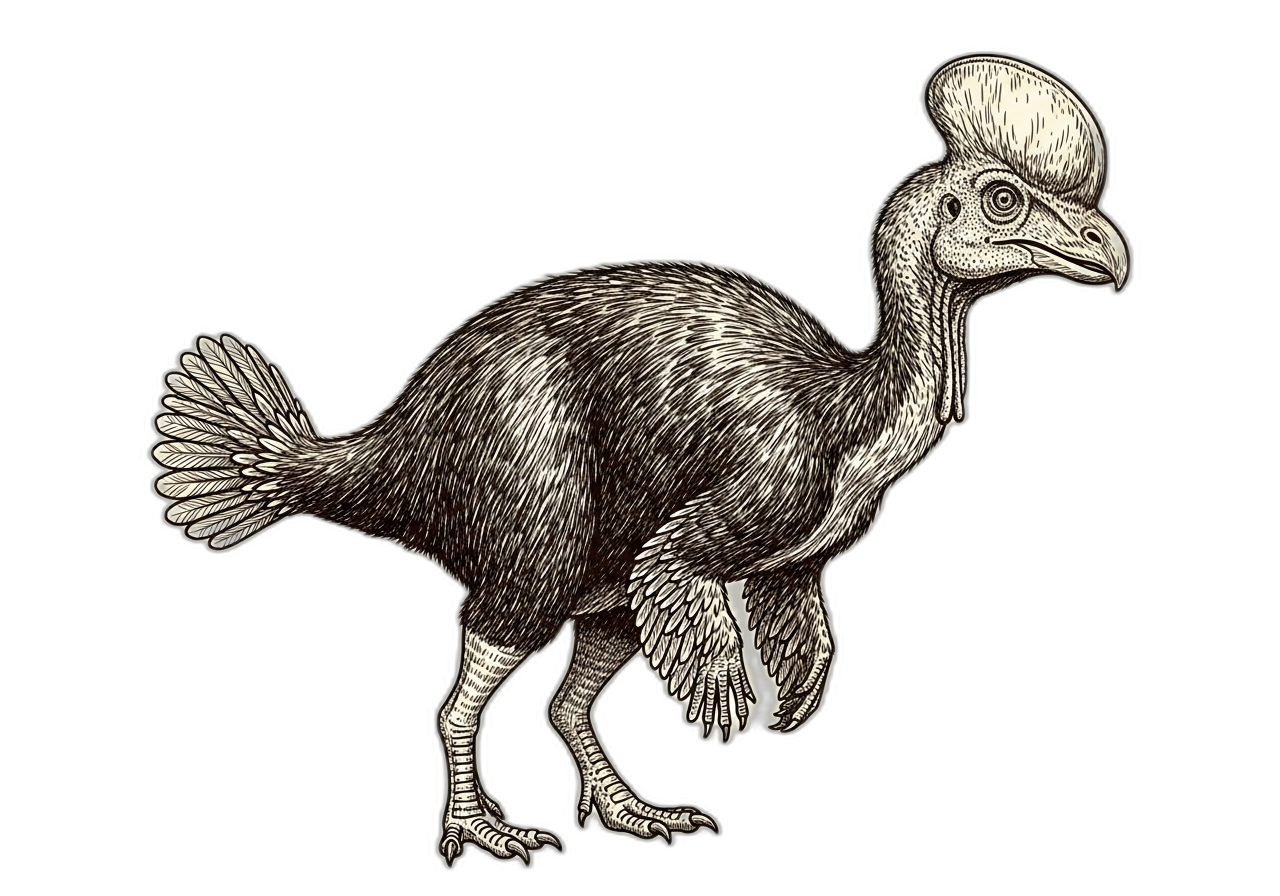
Oviraptor is one of paleontology's most famous cases of mistaken identity. This small, bird-like was discovered in 1923 in Mongolia's Gobi Desert, found near a nest of eggs that scientists assumed belonged to the Protoceratops. The name "egg thief" stuck, painting this dinosaur as a nest-raiding villain for decades.
In reality, Oviraptor was almost certainly a devoted parent. Later discoveries of related oviraptorids found fossilized in positions over their own nests revealed that these dinosaurs were caring for their eggs, not stealing them. The eggs found with the original specimen were likely Oviraptor's own, making its name one of the great misnomers in dinosaur science.
Oviraptor possessed a distinctive tall on its skull and a toothless, parrot-like beak — features that have sparked debate about its diet. Some researchers suggest it crushed hard foods like shellfish or eggs (perhaps its own damaged ones), while others propose a more omnivorous lifestyle including plants and small prey. Its powerful jaws could have handled a variety of foods.
The genus was named by Henry Fairfield Osborn in 1924 based on the specimen collected during Roy Chapman Andrews' legendary Mongolian expeditions. Despite many specimens being attributed to Oviraptor over the years, only the single partial skeleton is definitively assigned to this genus — making this famous dinosaur surprisingly poorly known.
Where fossils were found
Djadochta Formation
Mongolia, China
83.6–72.2 million years ago(11.4m year span)
Where Oviraptor Roamed
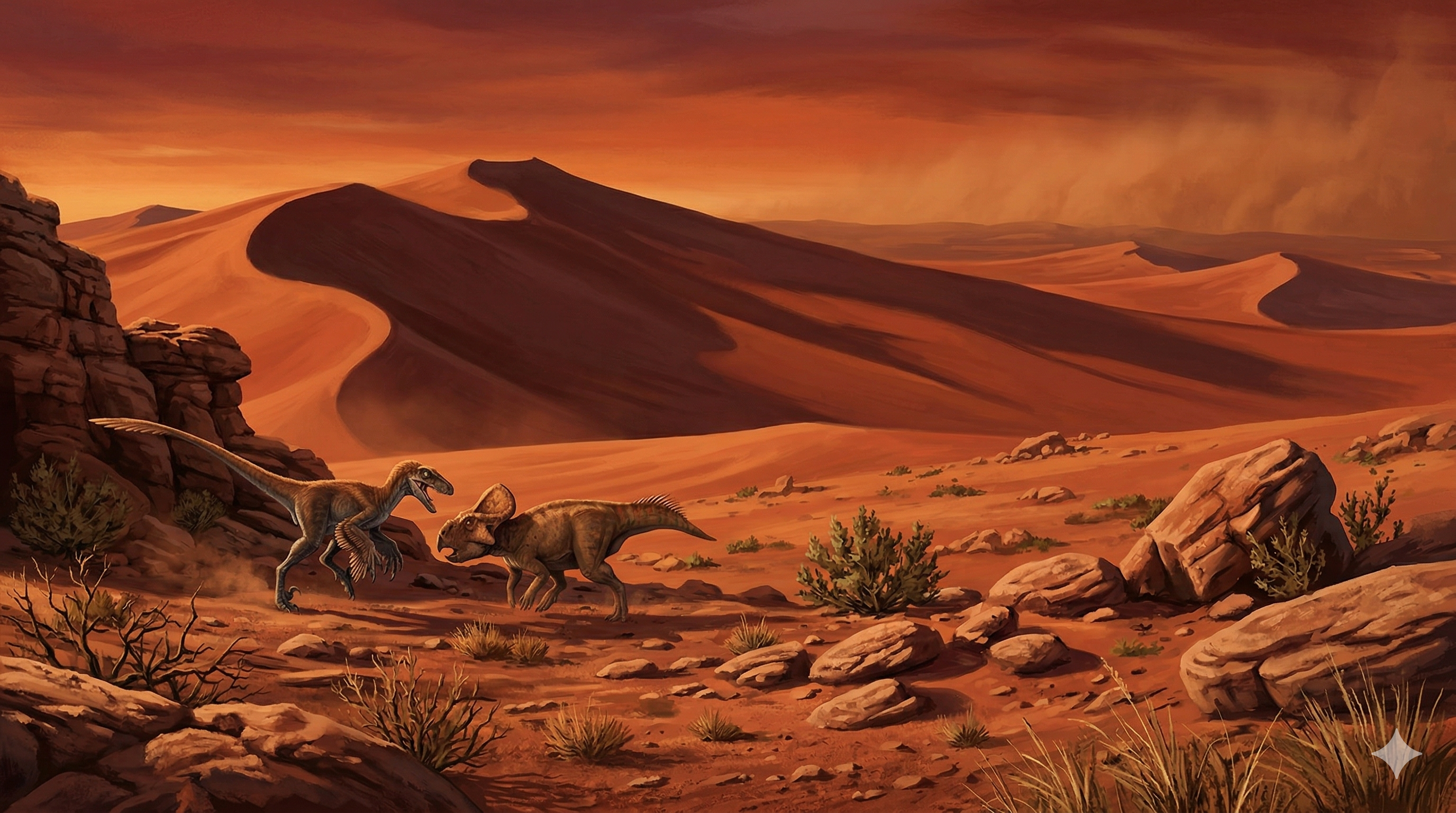
During the late Cretaceous period, Oviraptor philoceratops inhabited the arid to semi-arid floodplains and dune fields of what is now the Gobi Desert region of Mongolia, part of the vast Asian landmass that lay far from the ancient Tethys Sea to the south. This dynamic landscape featured seasonal streams, sparse vegetation, and dramatic sandstorms that would occasionally entomb these feathered theropods in their nesting grounds, preserving them in extraordinary detail.
Keep exploring the vault
Velociraptor
Velociraptor mongoliensis
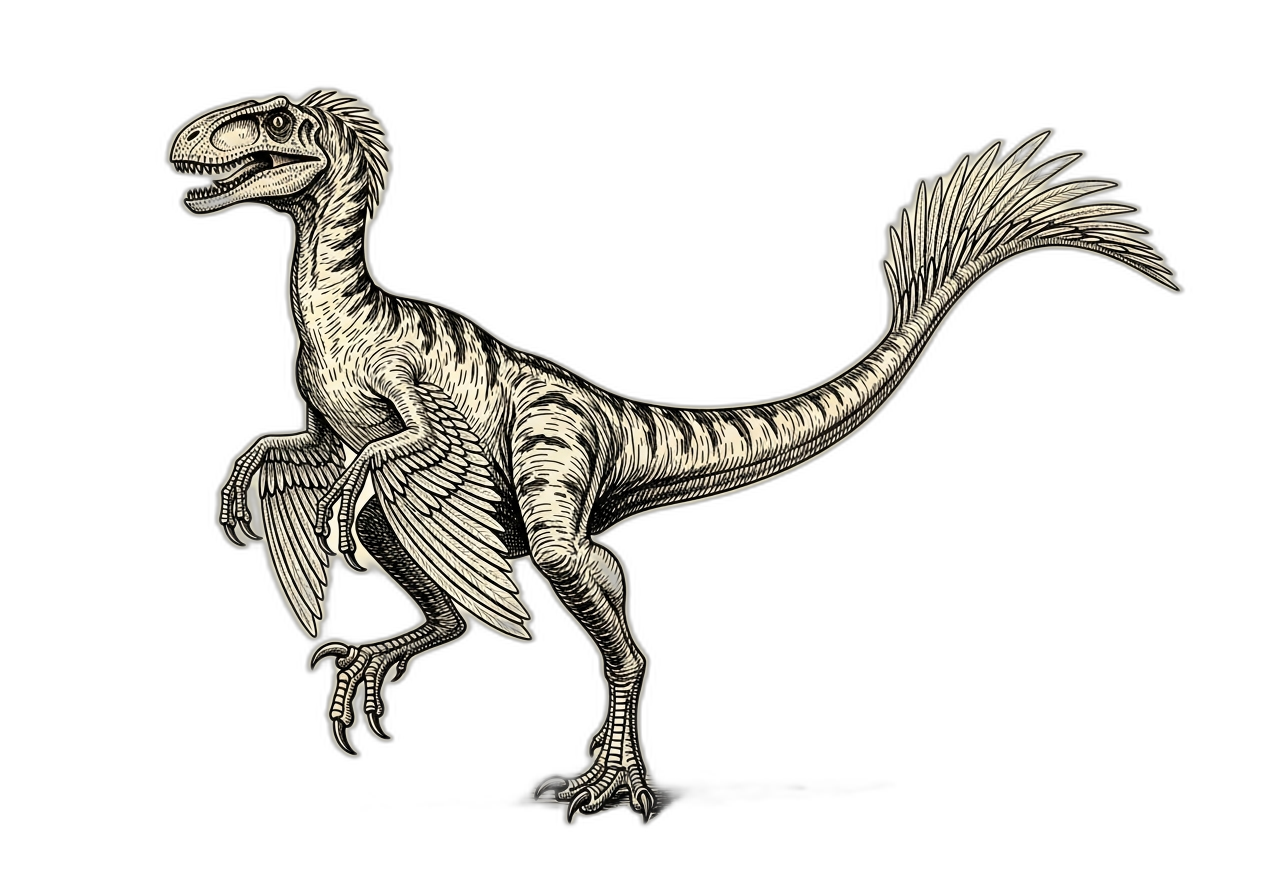
Velociraptor was a similarly-sized but more heavily armed predator sharing the Djadochta Formation with Oviraptor.
Gallimimus
Gallimimus bullatus
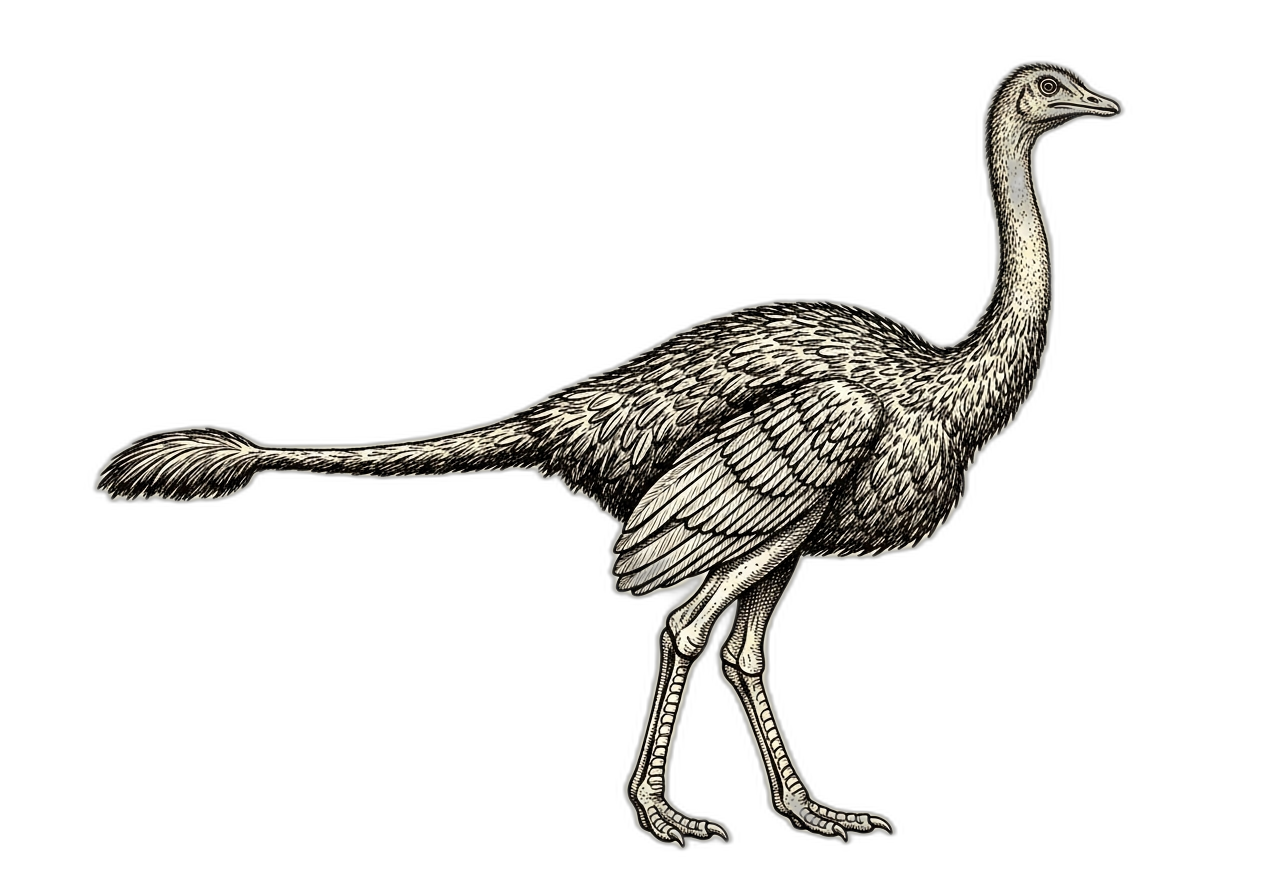
Both are omnivorous theropods from Late Cretaceous Mongolia (Gallimimus from slightly younger Nemegt Formation deposits).
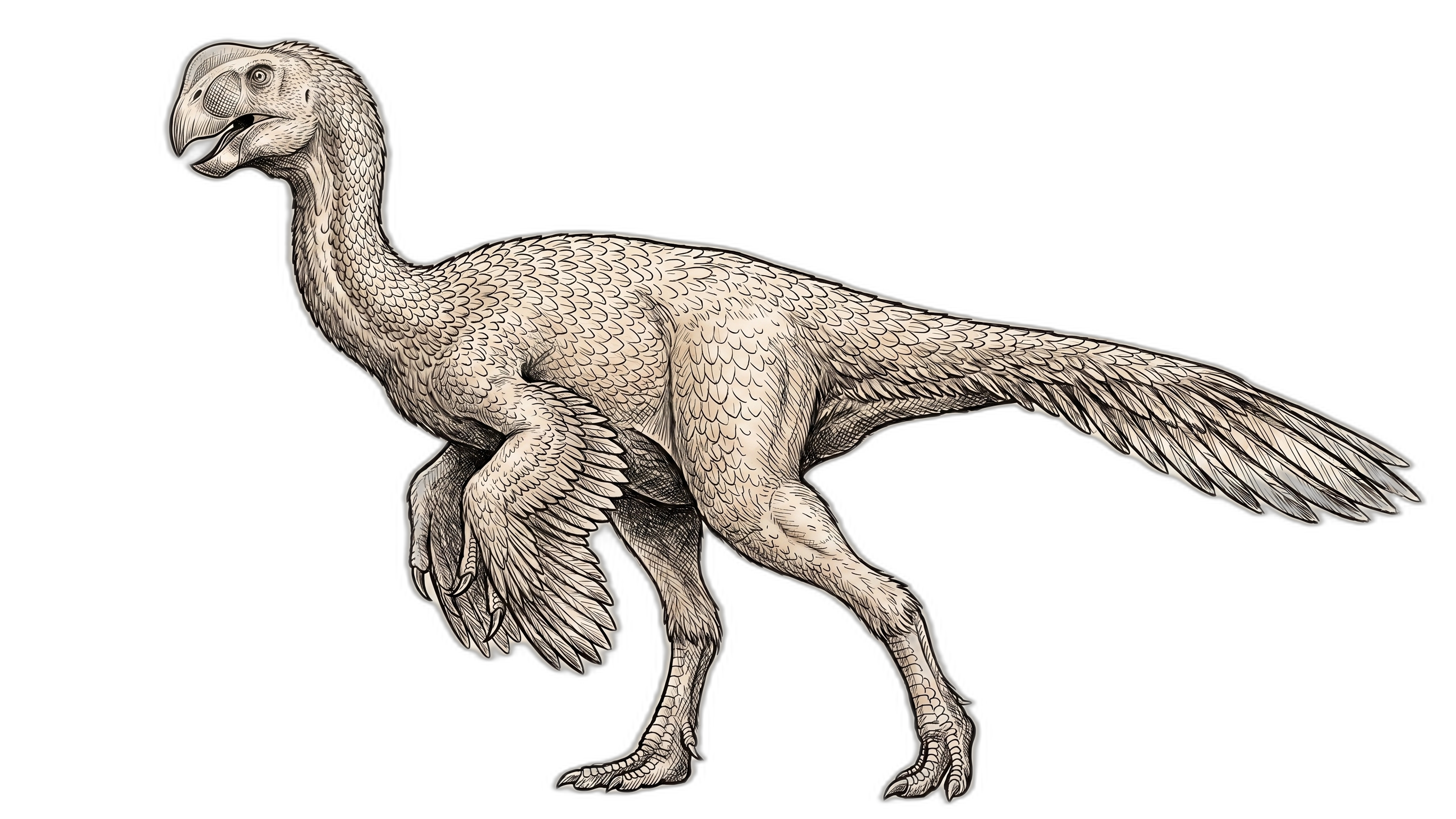
Gigantoraptor
Gigantoraptor erlianensis
Both Gigantoraptor and Oviraptor are oviraptorosaurs that independently evolved distinct body plans — Oviraptor remained small (~1.5m) while Gigantoraptor became the largest known oviraptorosaur at 8m, representing parallel experiments in the beaked, omnivorous theropod body plan at dramatically different size scales.
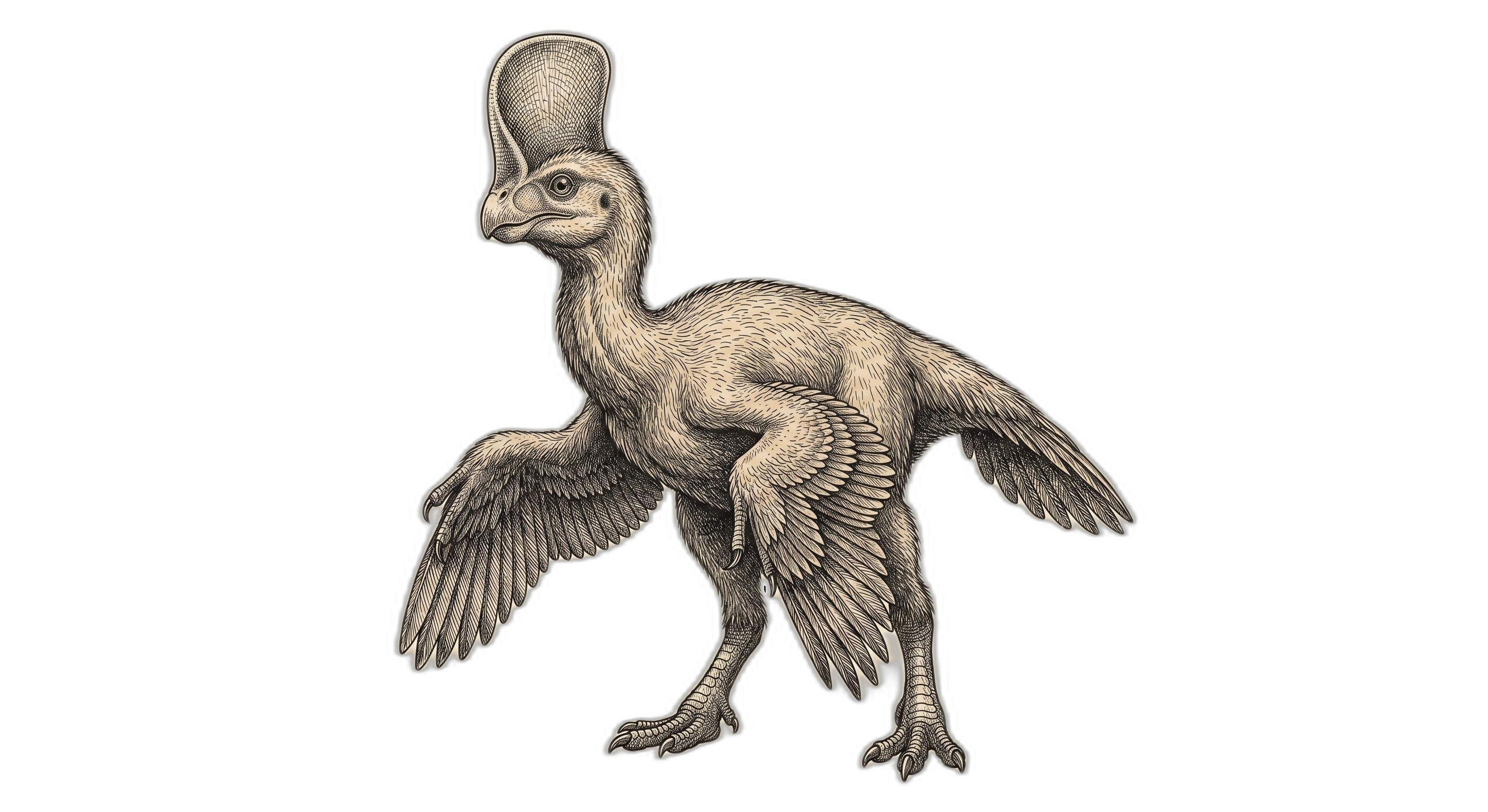
Citipati
Same family: Oviraptoridae
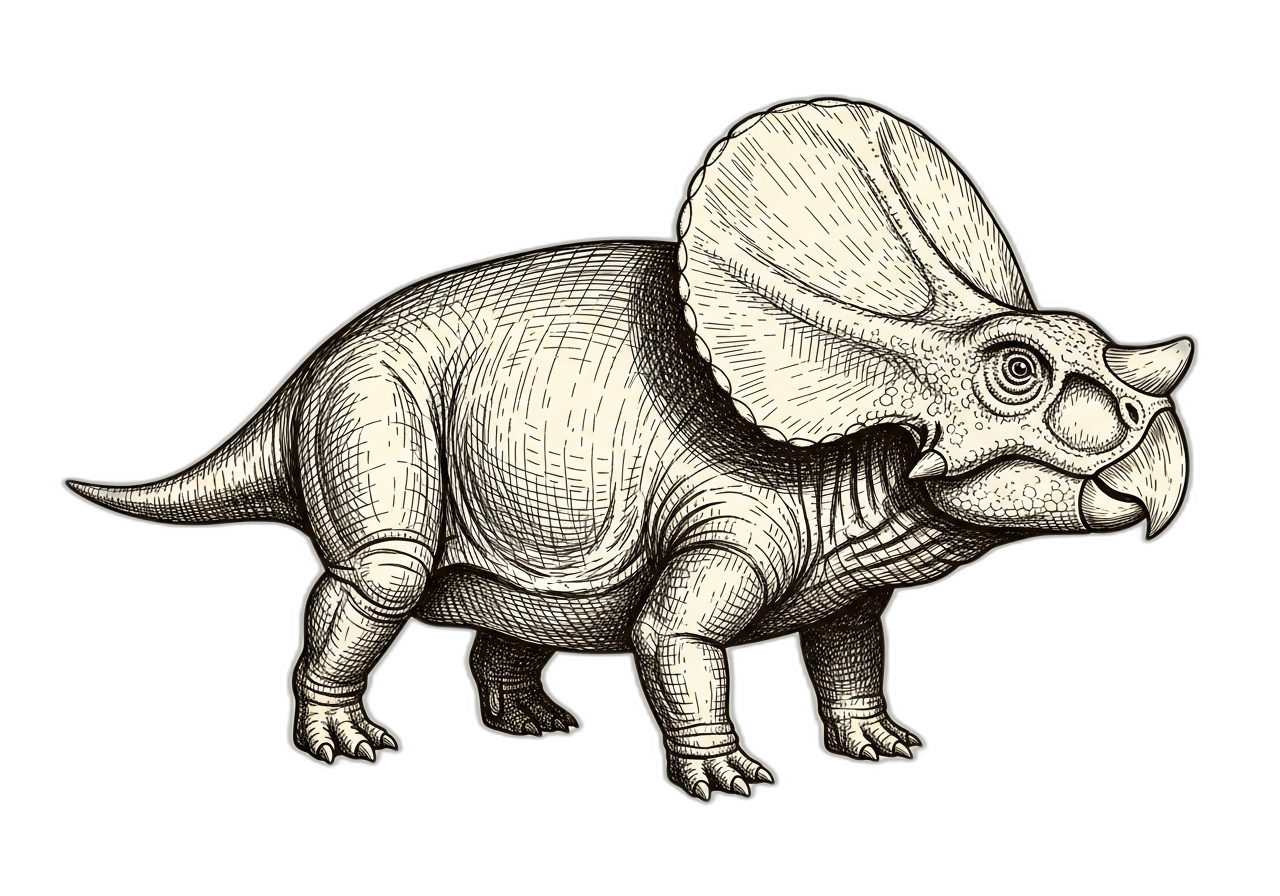
Protoceratops
Protoceratops andrewsi
Oviraptor and Protoceratops are both known from the Djadochta Formation of Mongolia.
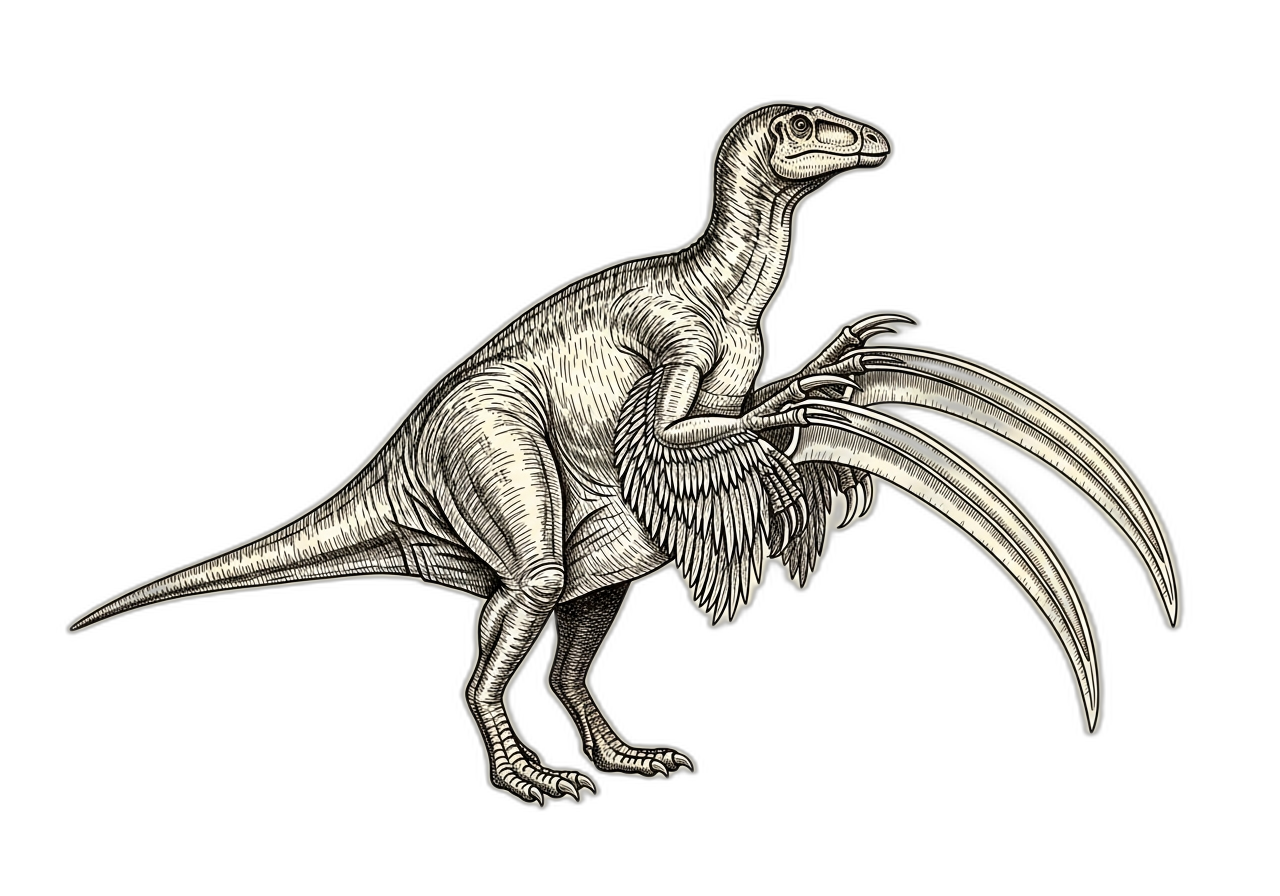
Therizinosaurus
Therizinosaurus cheloniformis
Both Oviraptor and Therizinosaurus represent theropod lineages that independently evolved away from strict carnivory, developing beaked skulls and herbivorous or omnivorous diets.