About
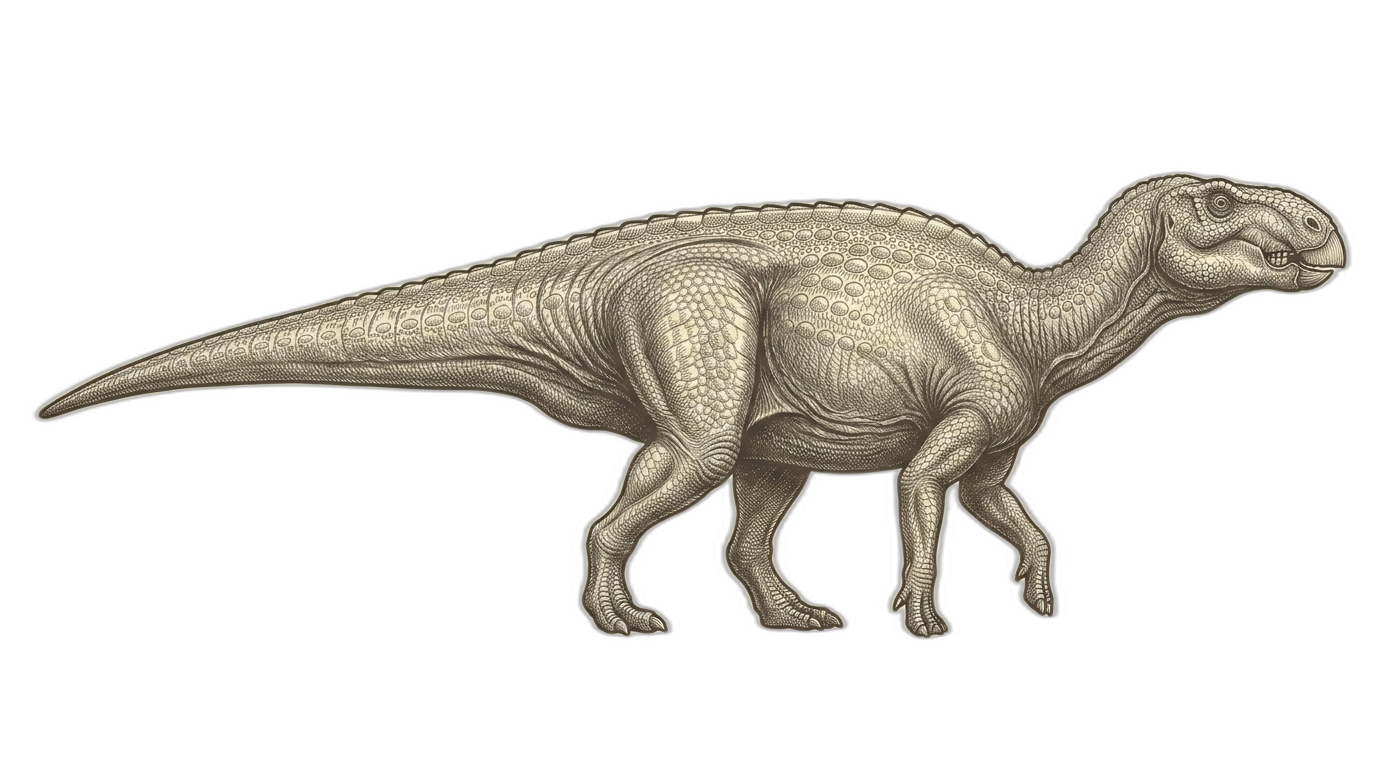
Shantungosaurus giganteus stands as the undisputed heavyweight champion of the family. This massive duck-billed dinosaur possessed a skull measuring over 1.6 meters in length, equipped with thousands of tightly packed teeth arranged in dental batteries perfect for processing tough vegetation. Unlike many of its relatives, Shantungosaurus lacked a , instead featuring a robust, flat-topped skull with an elongated snout.
As a biped, this giant could walk on all fours when foraging at ground level but likely rose onto powerful hind legs when moving quickly or reaching higher vegetation. Its forelimbs, while shorter, were still substantial and bore weight-supporting hooves. The tail was deep and laterally compressed, providing balance during locomotion.
Shantungosaurus inhabited the lush floodplains and coastal environments of the Wangshi Formation in what is now China's Shandong Province. The ecosystem supported diverse dinosaur communities, and Shantungosaurus likely traveled in herds, using their massive size as defense against contemporary predators like tyrannosaurs.
The discovery of multiple individuals, including several partial to complete skeletons, has provided exceptional insight into hadrosaurid anatomy at extreme body sizes. The sheer scale of Shantungosaurus challenges our understanding of the biomechanical limits of bipedal herbivores and demonstrates the remarkable diversity achieved by dinosaurs during the final stages of the Cretaceous Period.
Where fossils were found
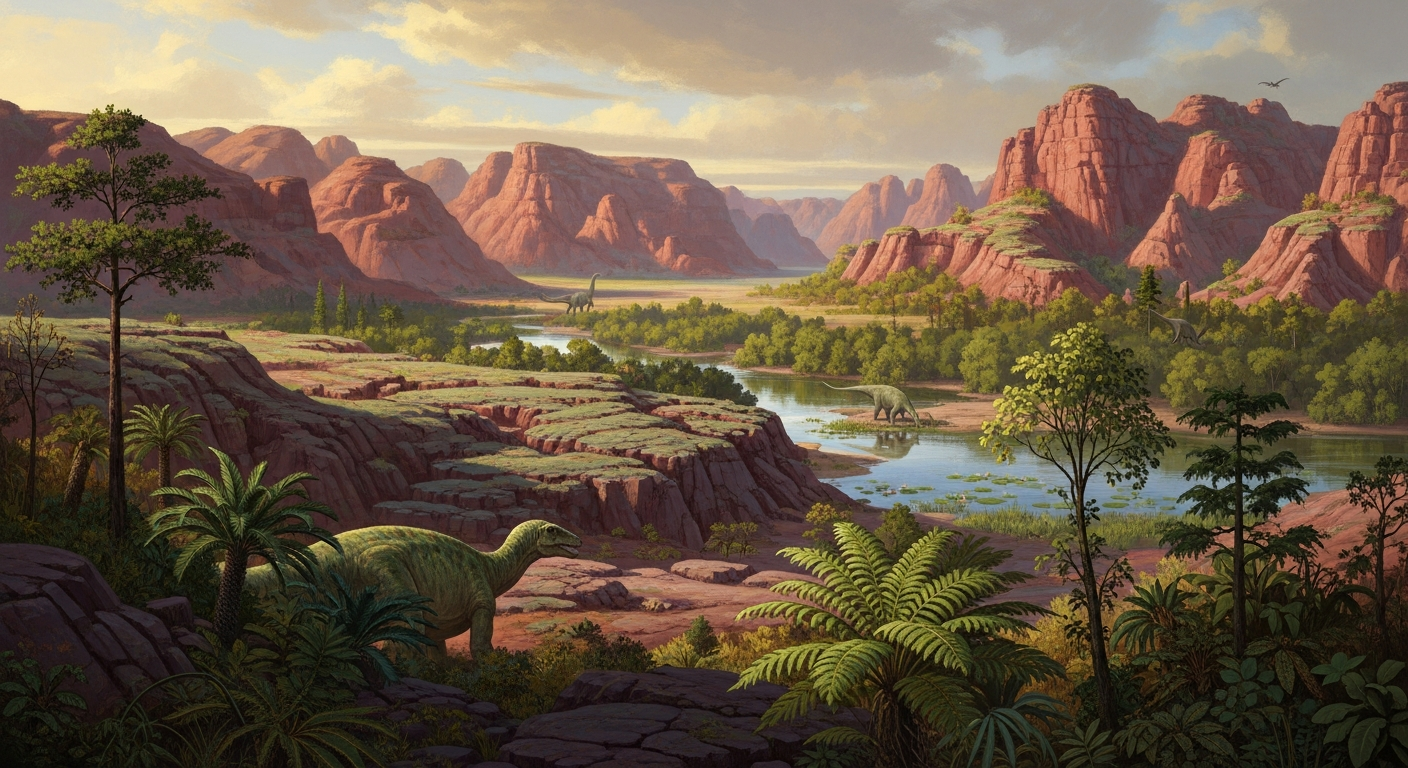
Wangshi Formation
Shandong · China
76–70 million years ago(6m year span)
Keep exploring the vault
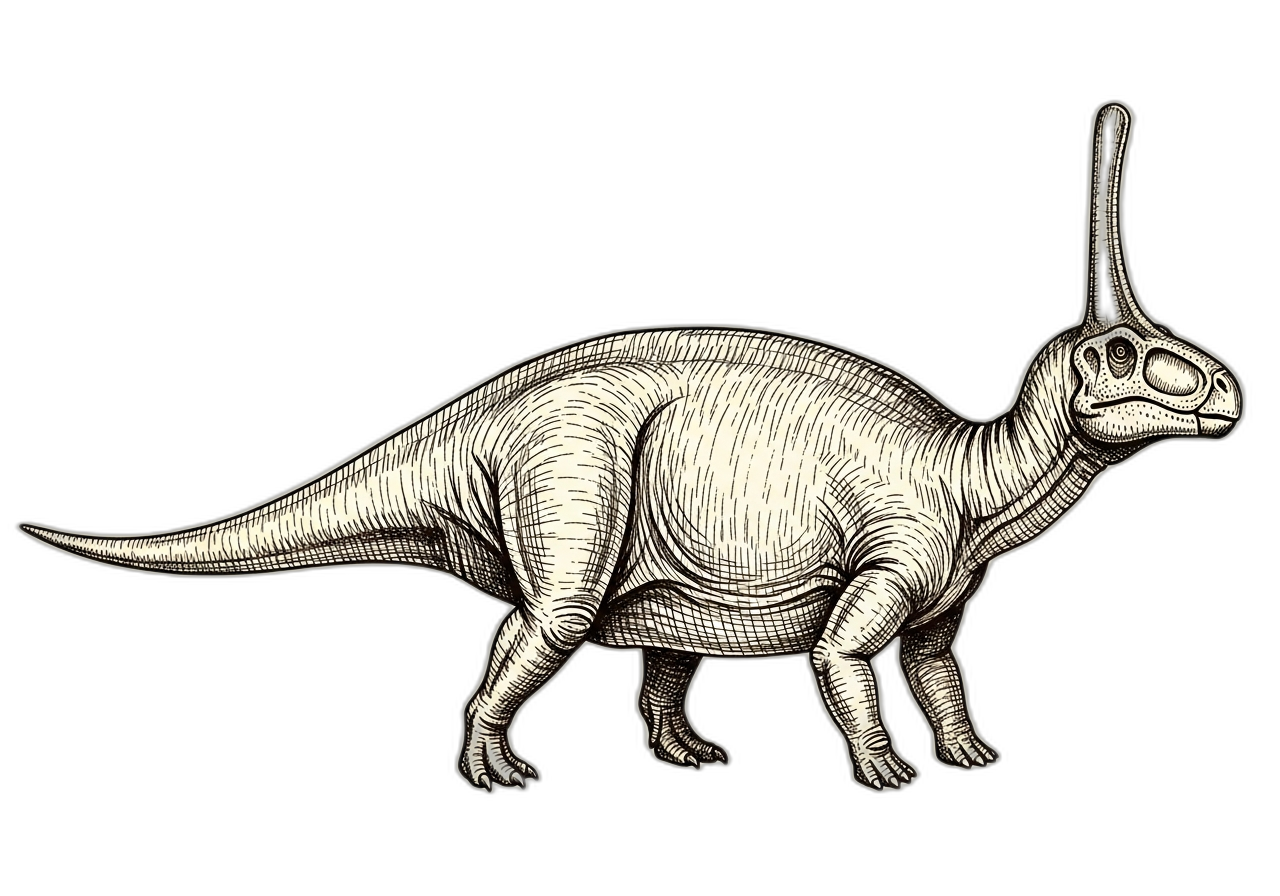
Tsintaosaurus
Tsintaosaurus spinorhinus
Both are hadrosaurids from the Wangshi Formation, making them close relatives sharing the same habitat.
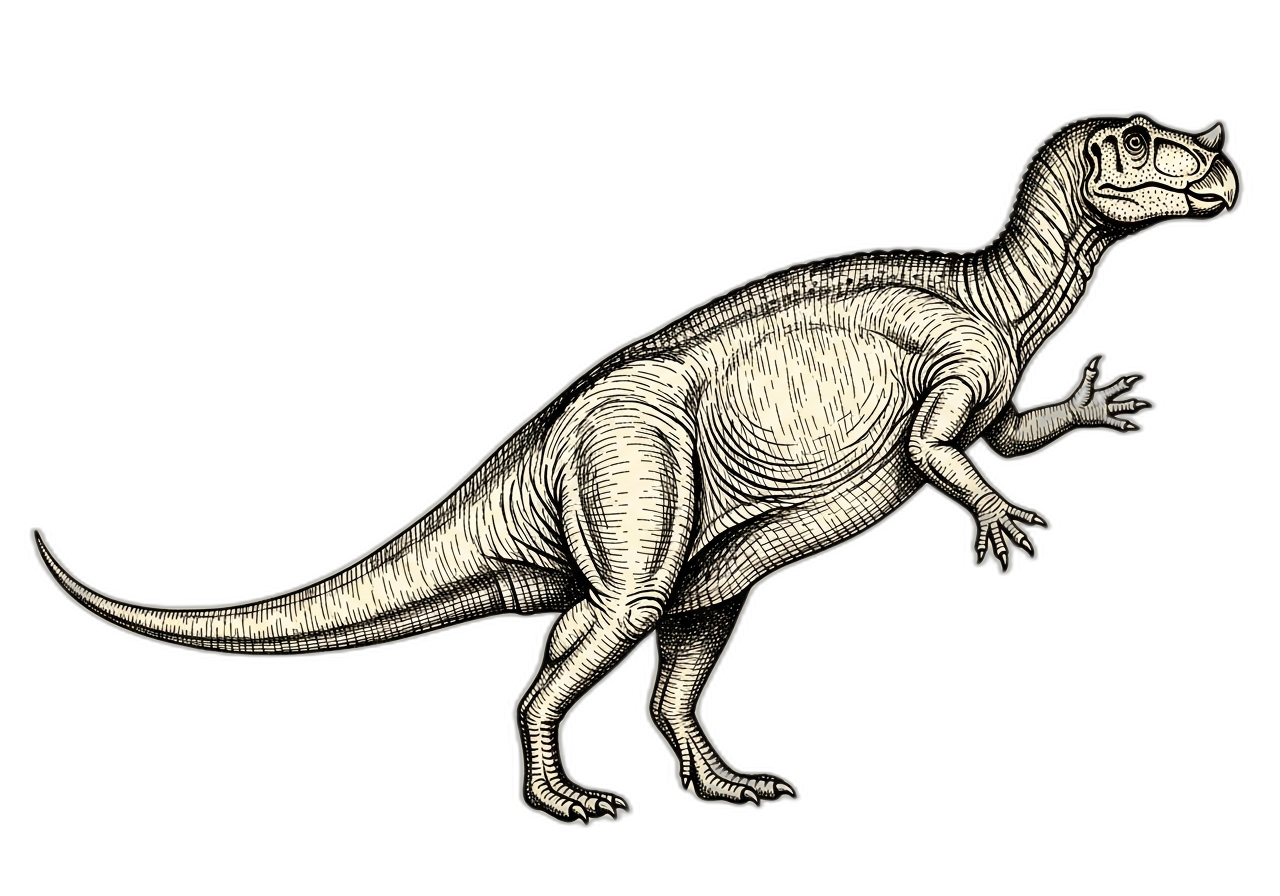
Iguanodon
Iguanodon bernissartensis
Iguanodon represents an early ornithopod body plan from which hadrosaurids like Shantungosaurus evolved.
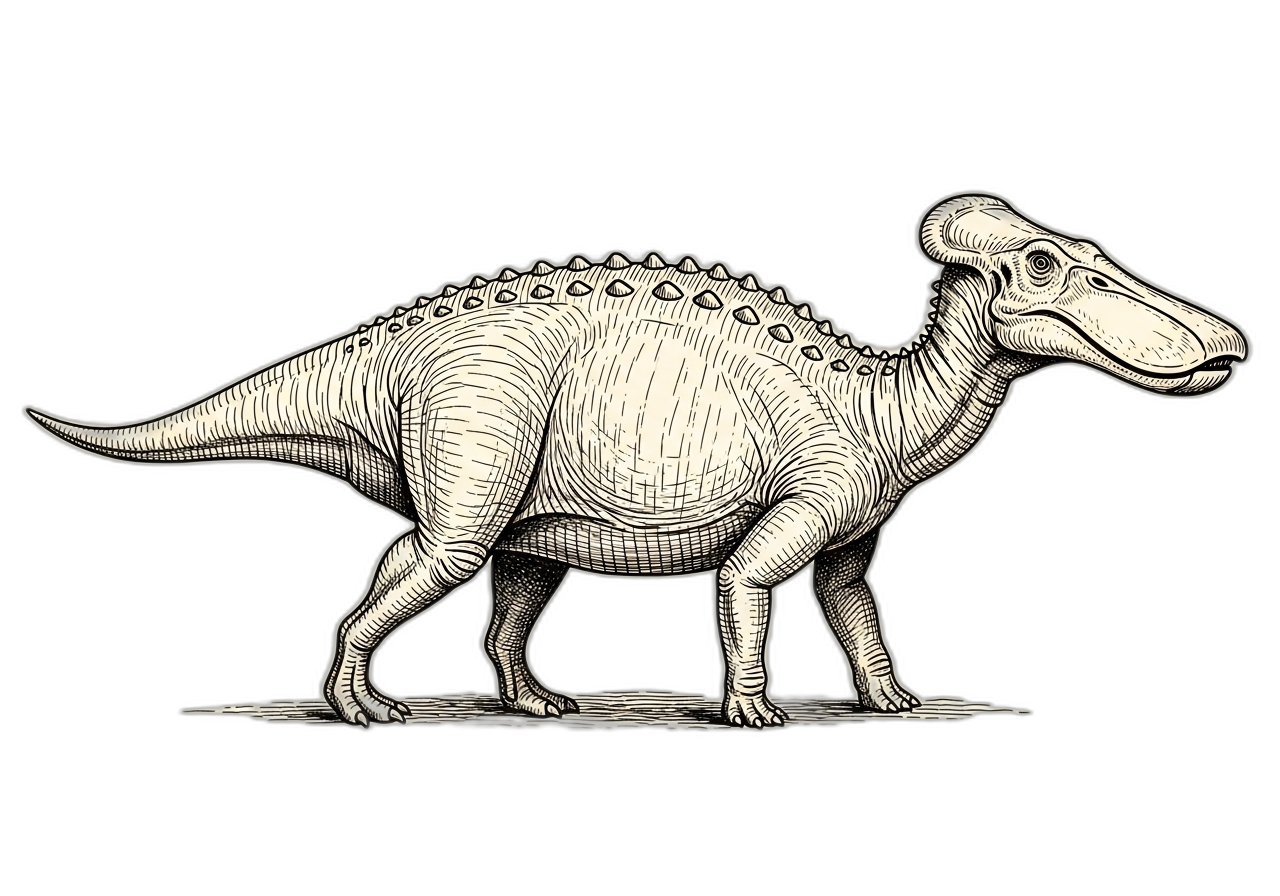
Edmontosaurus
Edmontosaurus regalis
Both are derived saurolophine hadrosaurids that independently reached enormous sizes (Shantungosaurus up to 15m, Edmontosaurus up to 13m) on separate continents during the Late Cretaceous, representing parallel evolution toward gigantism in flat-headed hadrosaurs.
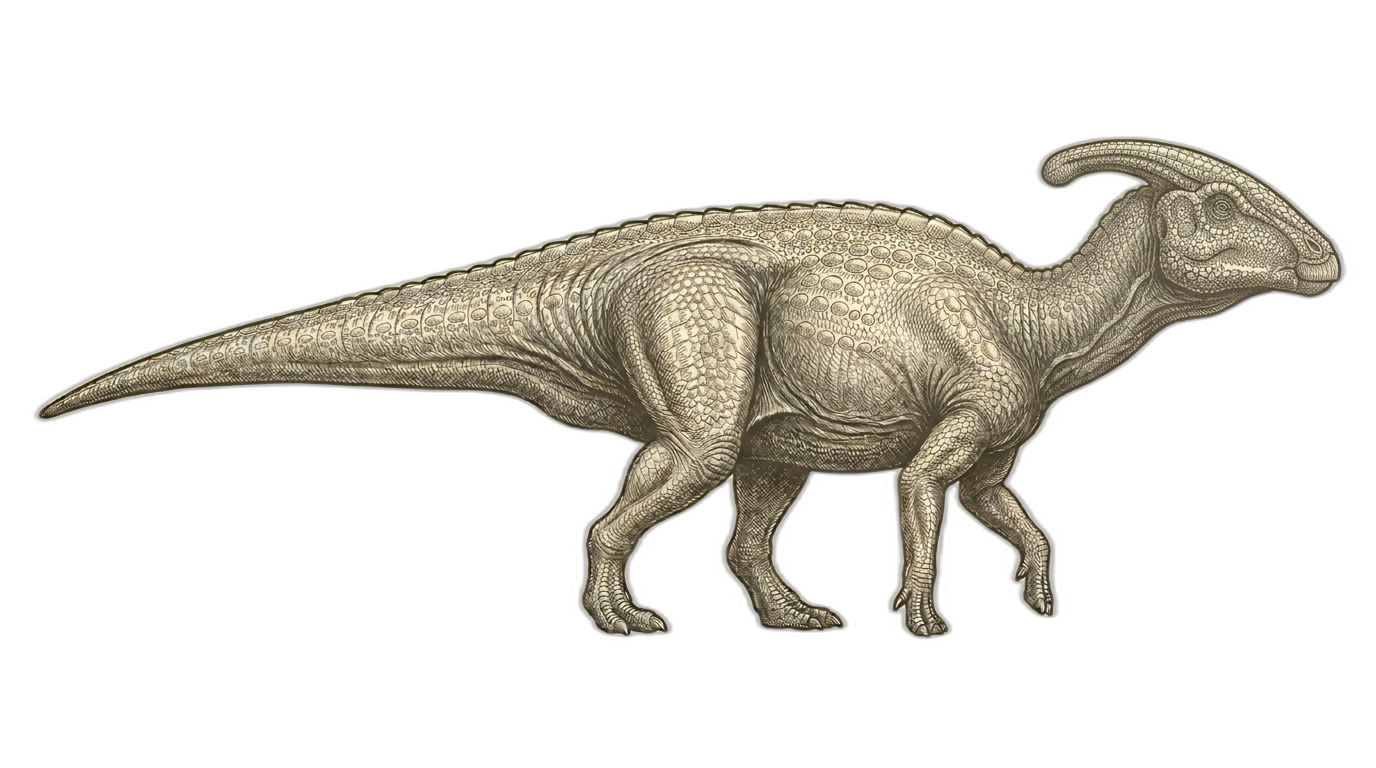
Brachylophosaurus
Brachylophosaurus canadensis
Same family: Hadrosauridae
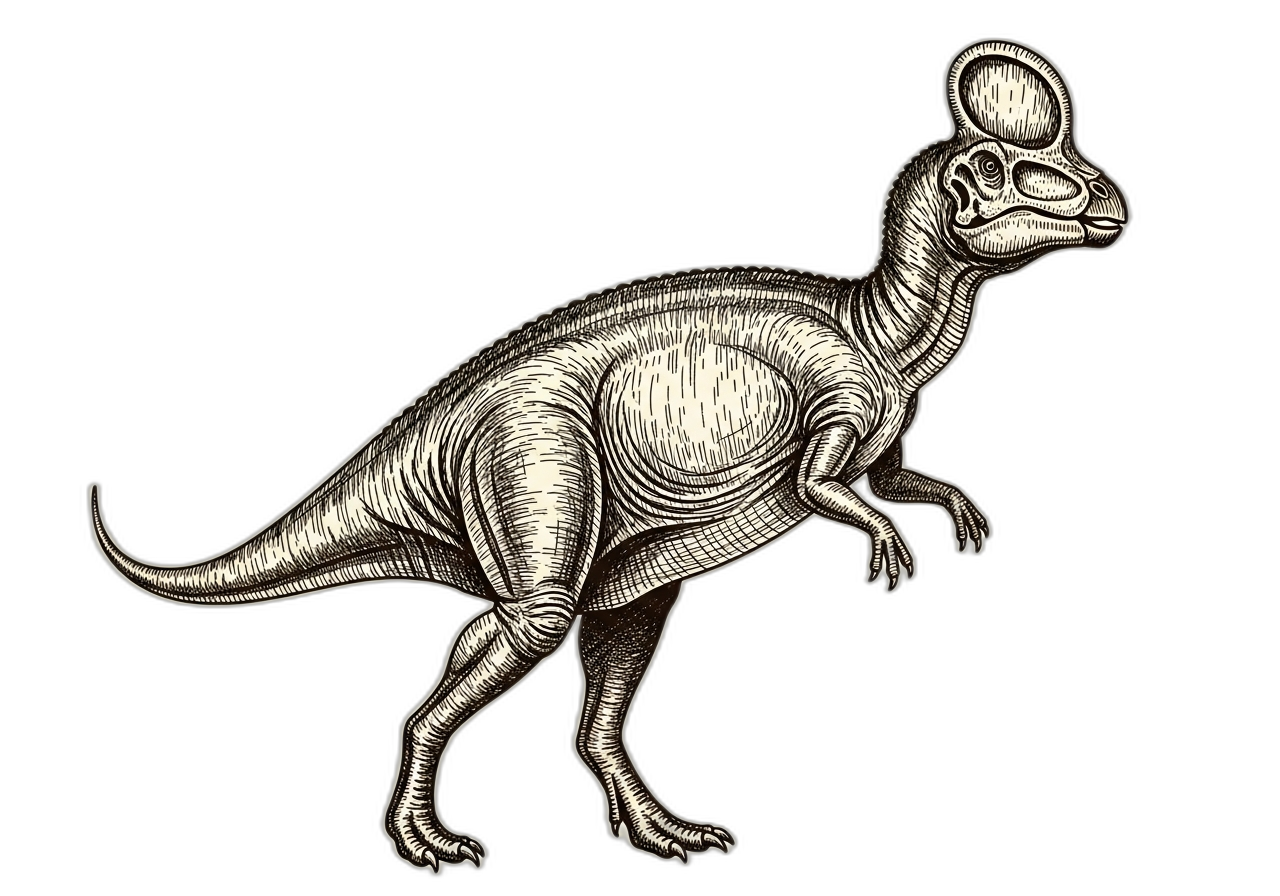
Corythosaurus
Corythosaurus casuarius
Same family: Hadrosauridae
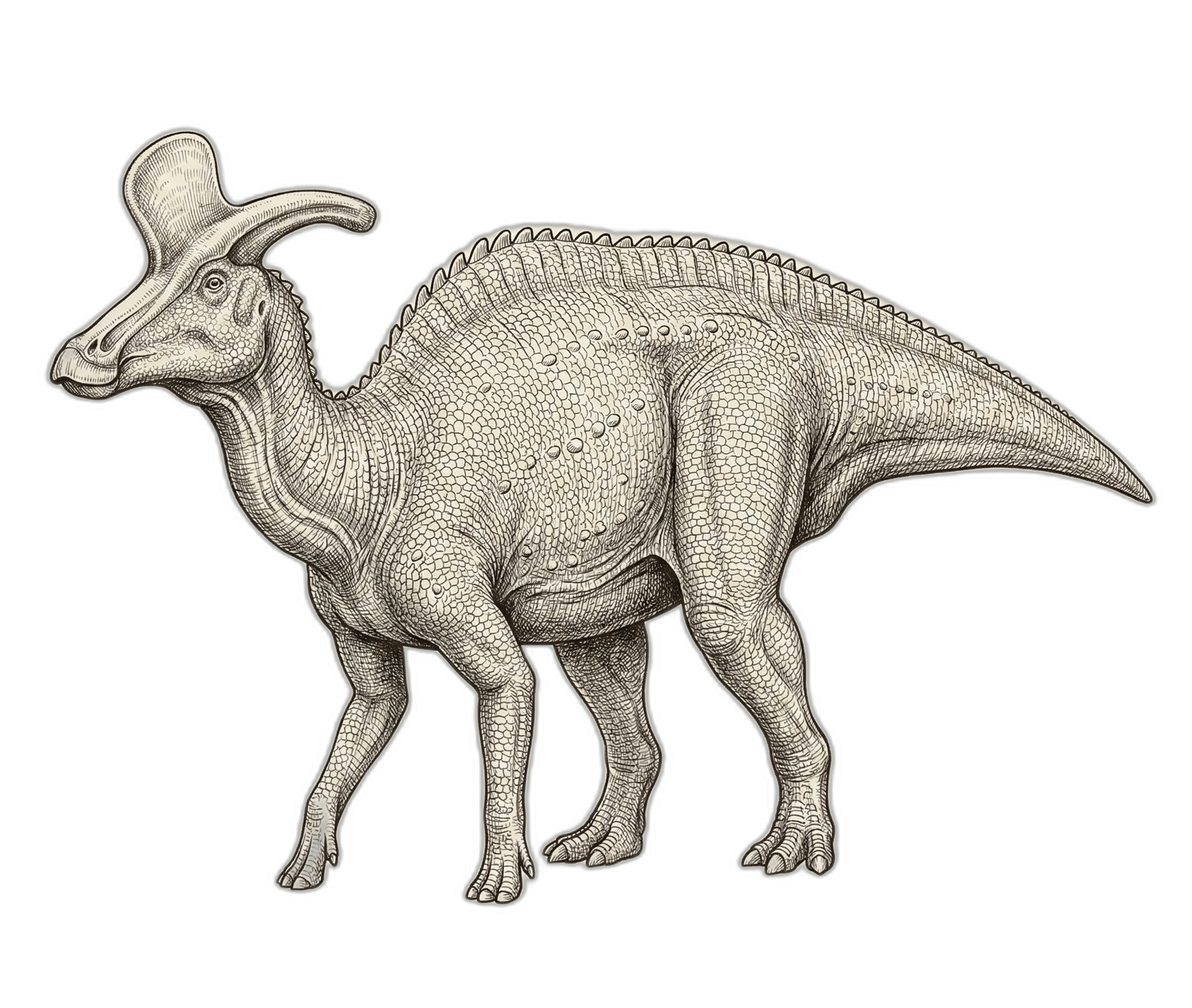
Lambeosaurus
Lambeosaurus lambei
Same family: Hadrosauridae