About
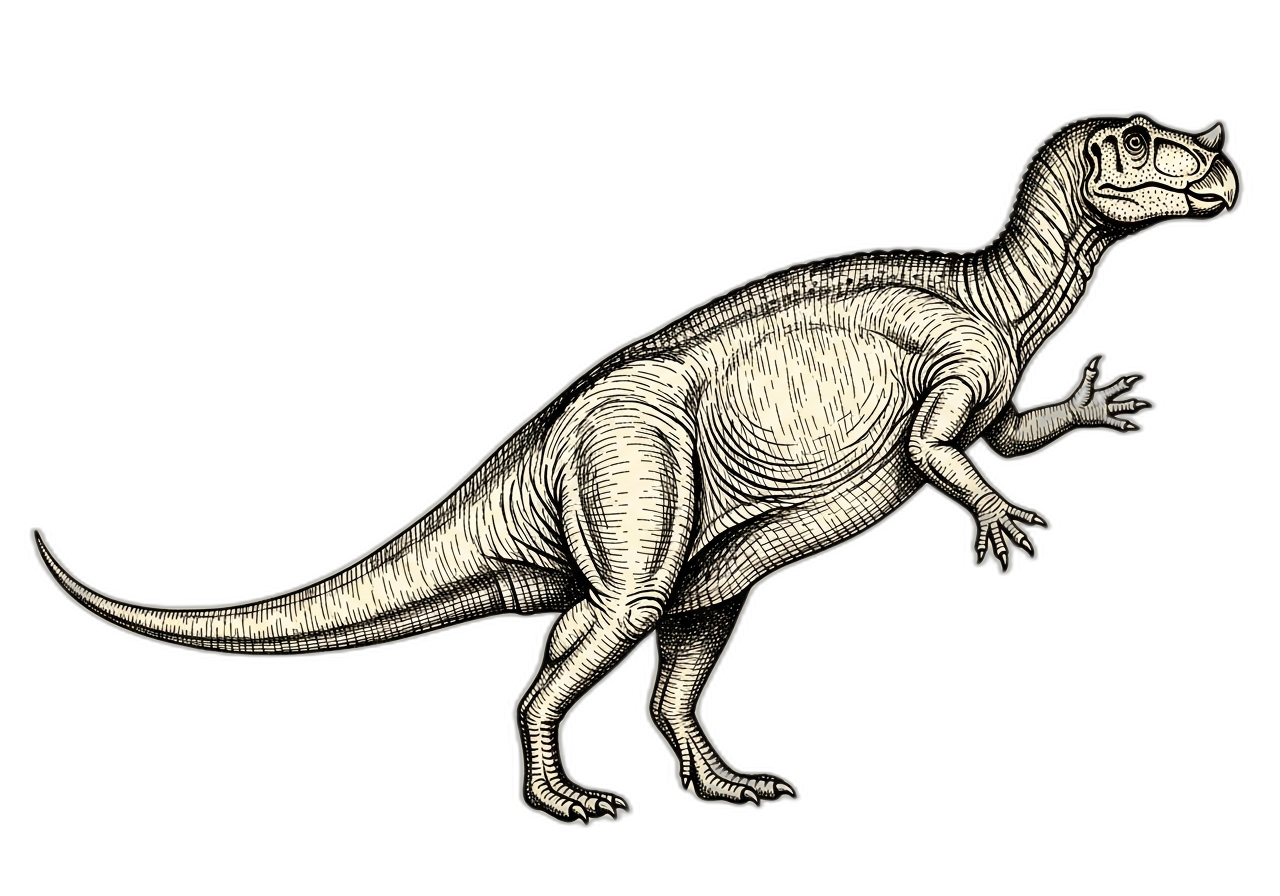
Iguanodon bernissartensis was a large dinosaur that roamed Early Cretaceous Europe between 126 and 122 million years ago. This bulky herbivore measured up to 11 meters long and weighed around 4.5 metric tons, making it one of the largest plant-eaters of its time and place. It could walk on either two or four legs, likely dropping to all fours while grazing and rising onto its powerful hind limbs to reach higher vegetation or flee predators.
The most distinctive features of Iguanodon were its remarkable hands. Each thumb bore a large conical spike, likely used for defense against predators or possibly in combat with rivals. In contrast, its fifth finger was elongated and prehensile, capable of grasping vegetation much like a thumb works in reverse. The three middle fingers were robust and hoof-like, perfect for weight-bearing during locomotion.
Iguanodon holds a special place in paleontological history as only the second dinosaur ever to be scientifically named, following Megalosaurus. English physician Gideon Mantell described it in 1825 based on teeth discovered in Sussex. However, our modern understanding comes primarily from the spectacular 1878 discovery at Bernissart, Belgium, where miners struck a mass grave containing at least 38 individuals preserved in remarkable detail.
Early reconstructions famously placed the thumb spike on Iguanodon's nose like a rhinoceros horn—a mistake not corrected until the complete Bernissart specimens revealed the true anatomy. This error serves as a humbling reminder of how fossils can mislead even brilliant scientists, and why complete specimens are so valuable to paleontology.
Where fossils were found
Wealden Group
East Sussex, West Sussex, Kent, Surrey +4 more · United Kingdom, Belgium, Germany, Spain
141–119.6 million years ago(21.4m year span)
Where Iguanodon Roamed
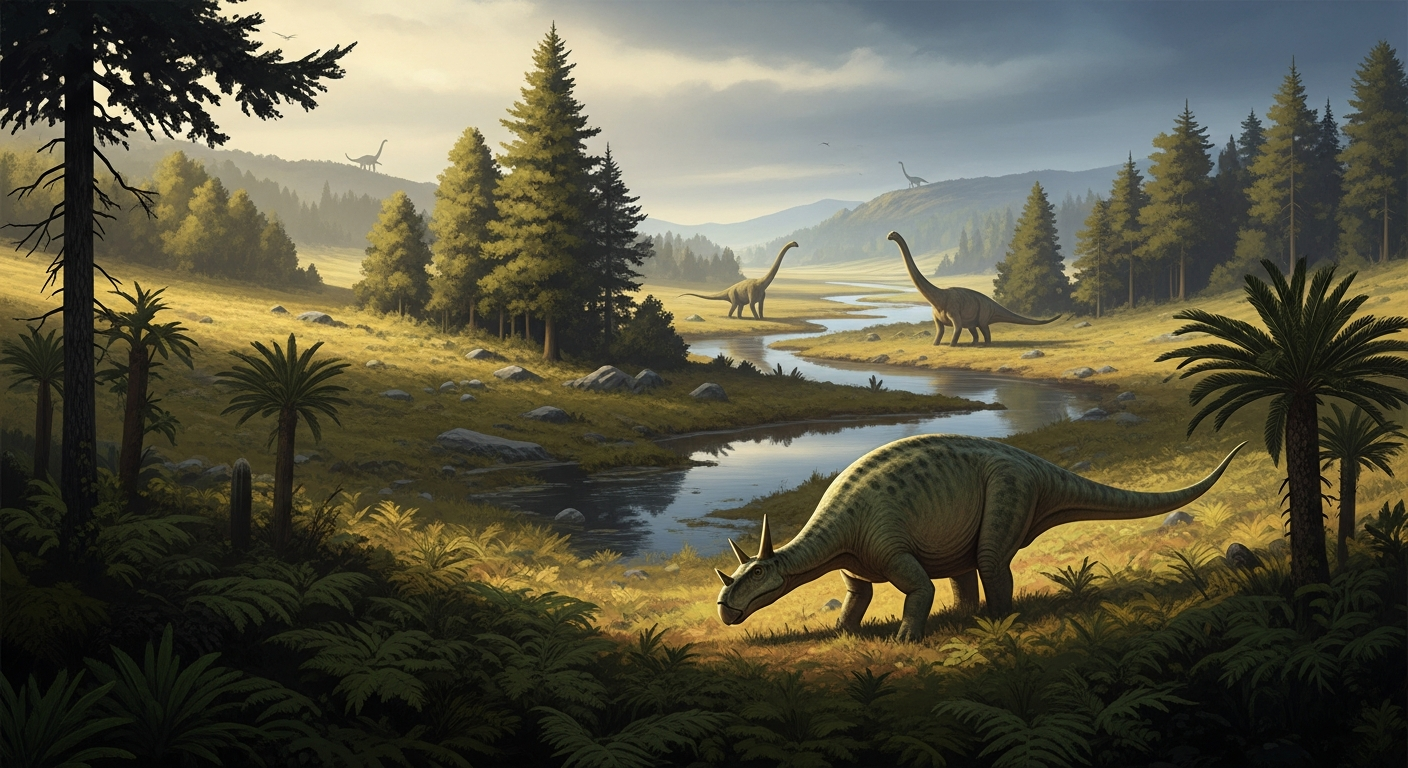
During the Early Cretaceous, *Iguanodon bernissartensis* inhabited the lush coastal lowlands and river deltas of what is now Western Europe, a region characterized by warm, humid subtropical conditions and sprawling floodplains dotted with fern prairies and conifer forests. This landscape lay along the margins of the ancient Tethys Sea, where seasonal flooding created rich wetland ecosystems that supported diverse herbivorous dinosaur communities.
Keep exploring the vault
Deinonychus
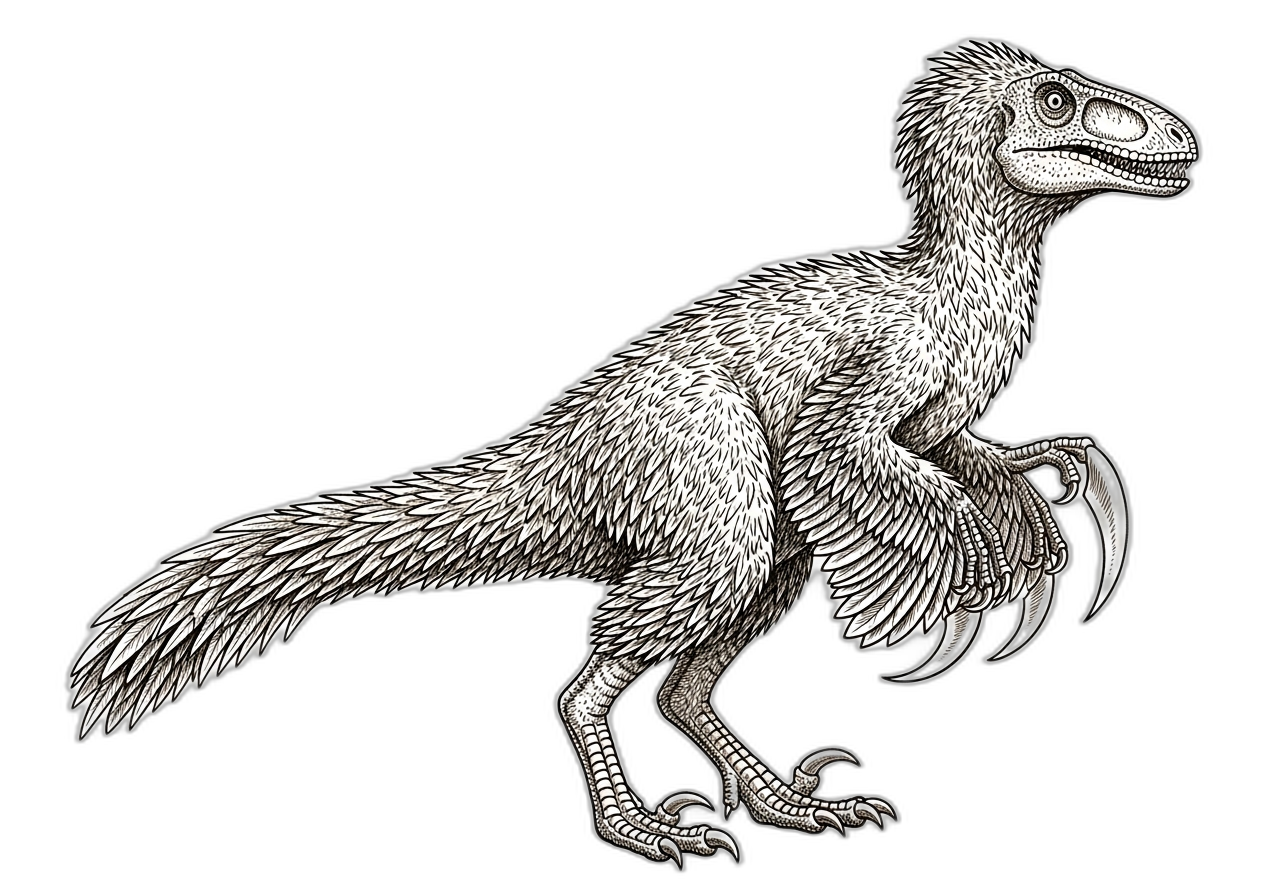
Deinonychus antirrhopus
Deinonychus fossils are frequently found in the Cloverly Formation alongside Tenontosaurus (a close relative of Iguanodon), with multiple Deinonychus specimens found around single Tenontosaurus carcasses suggesting pack hunting.
Ouranosaurus
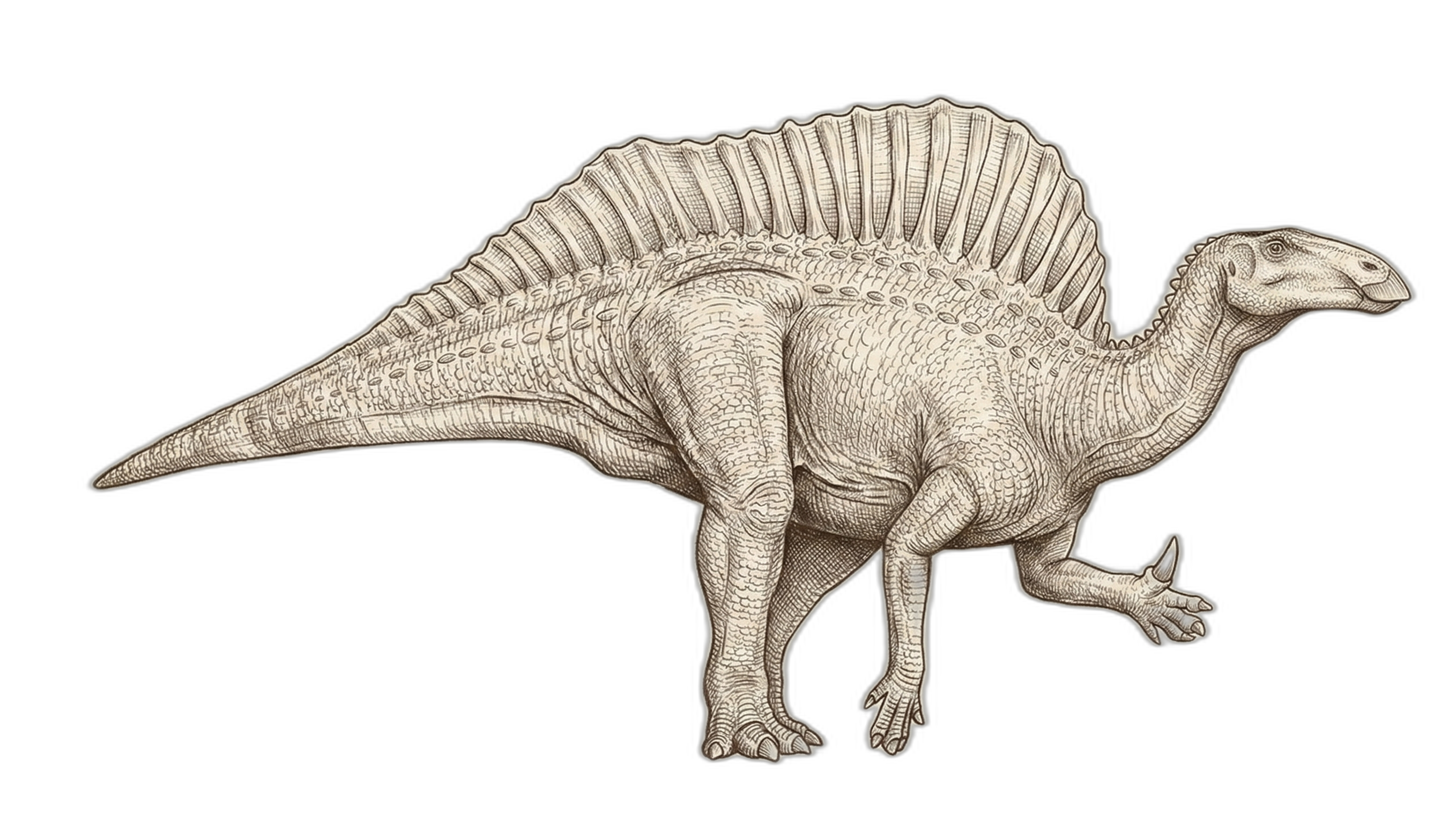
Ouranosaurus nigeriensis
Both are large iguanodontian ornithopods of similar size (7-10m) and diet.
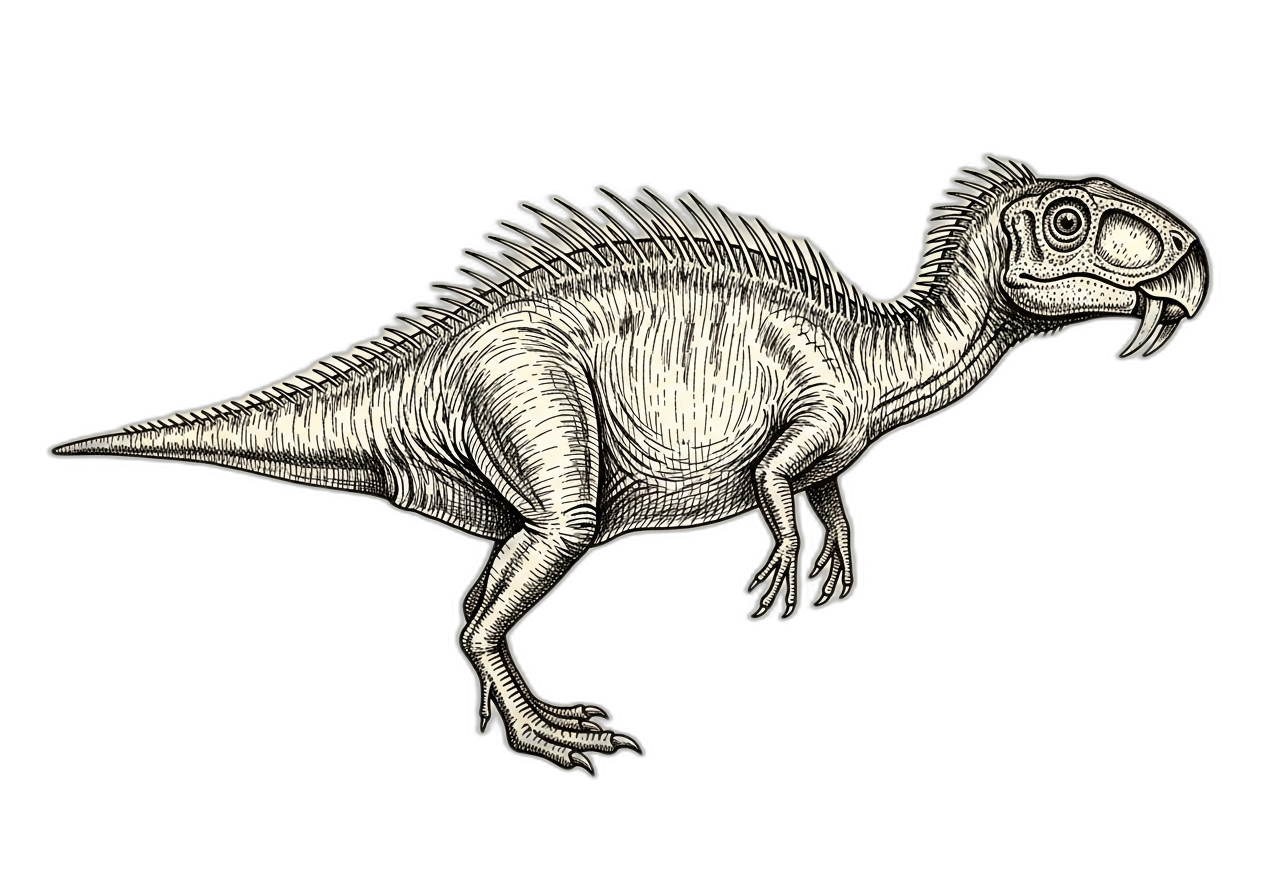
Heterodontosaurus
Heterodontosaurus tucki
Heterodontosaurus represents an early ornithischian from the Early Jurassic that exhibits primitive ornithopod characteristics.
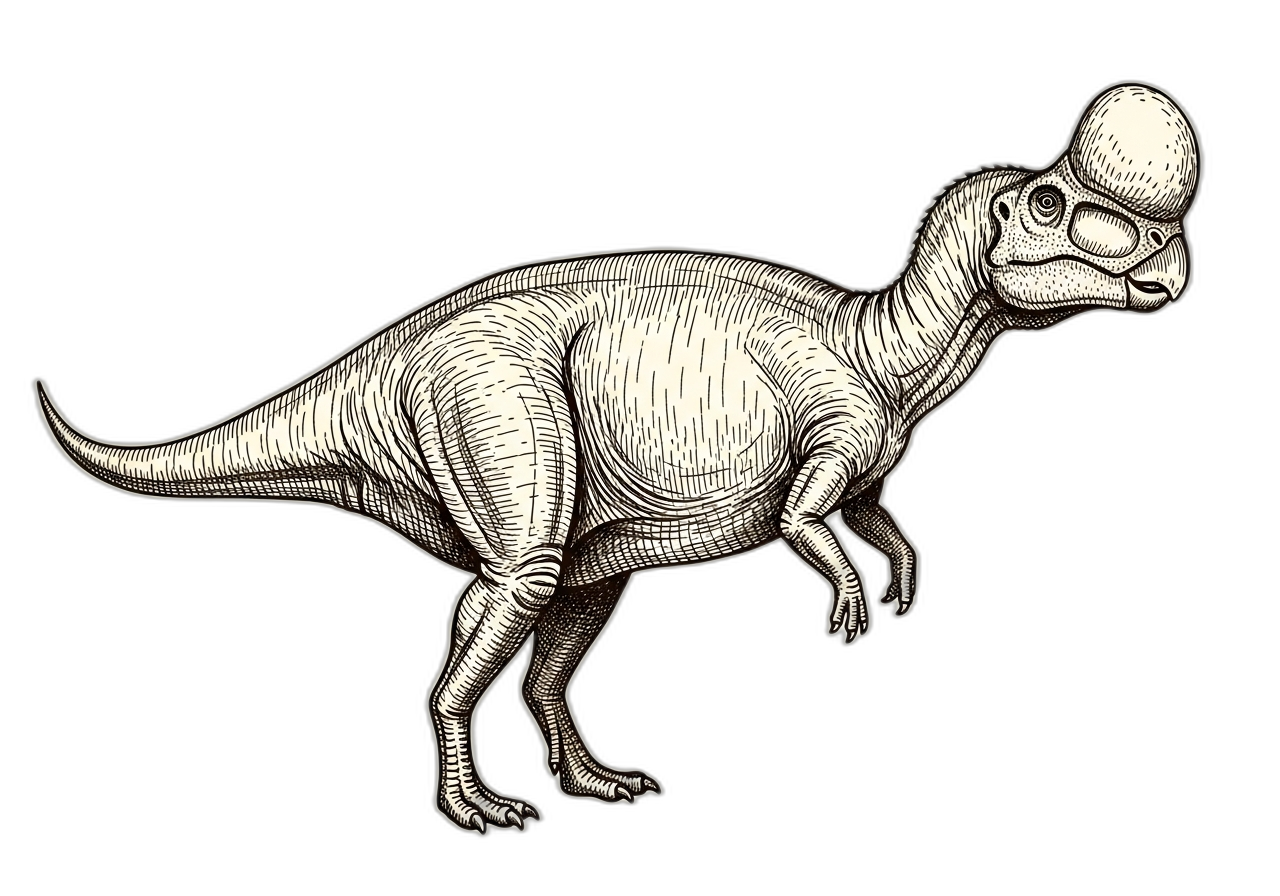
Muttaburrasaurus
Muttaburrasaurus langdoni
Both are medium-to-large iguanodontian ornithopods from the Early Cretaceous, representing parallel evolution of the successful large browsing herbivore body plan on different continents (Europe vs.
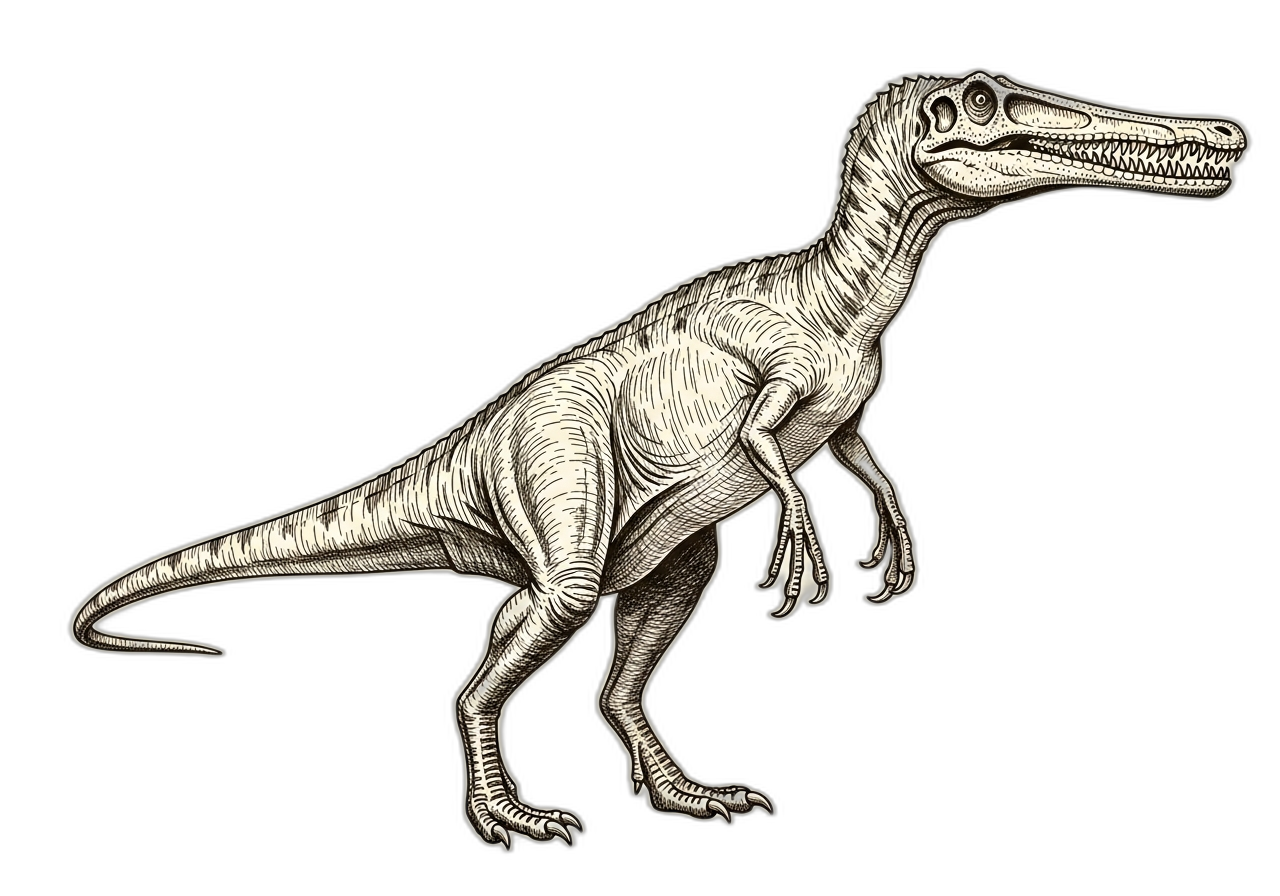
Baryonyx
Baryonyx walkeri
Baryonyx lived in the same Early Cretaceous European ecosystems as Iguanodon, with both found in the Wealden Group formations of England.
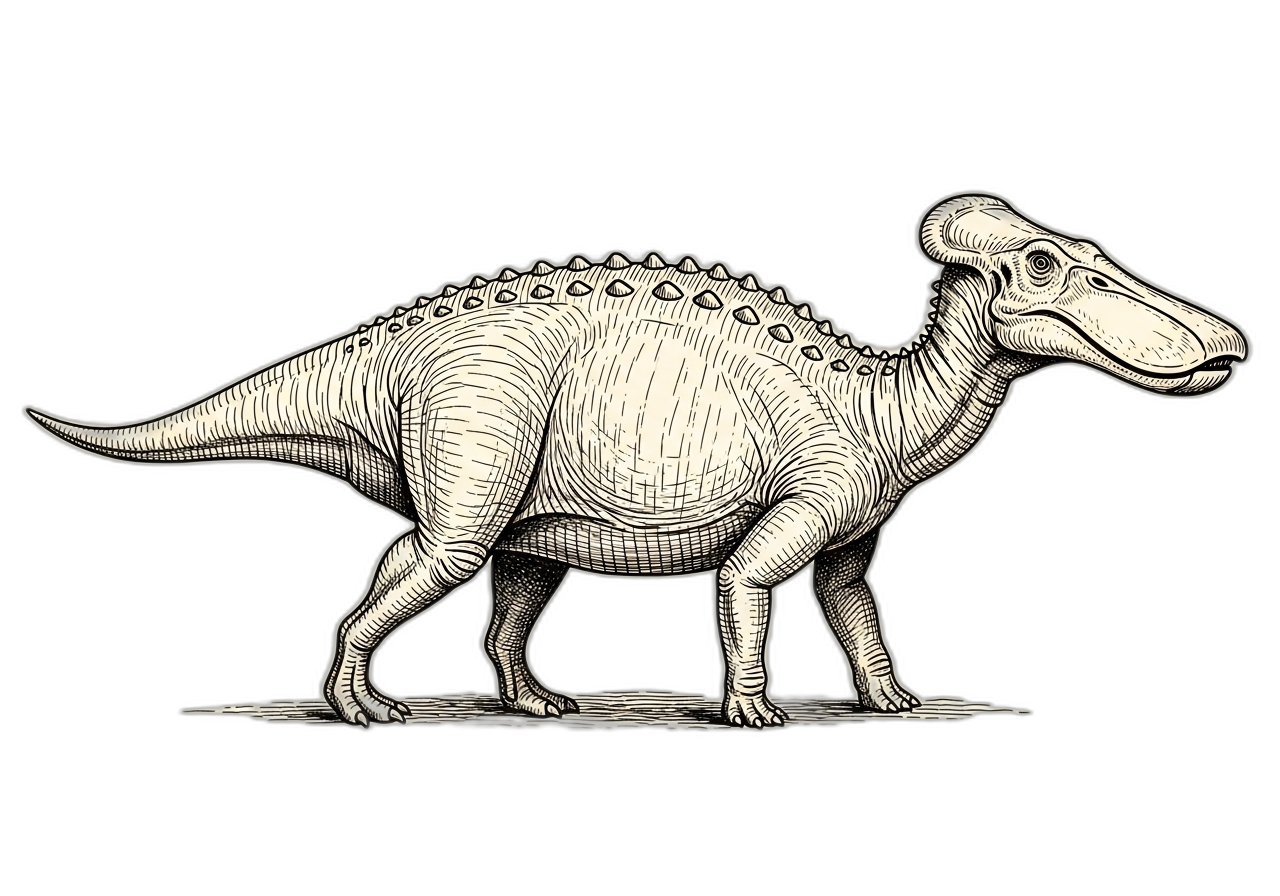
Edmontosaurus
Edmontosaurus regalis
Hadrosaurids like Edmontosaurus evolved from iguanodontian ancestors.