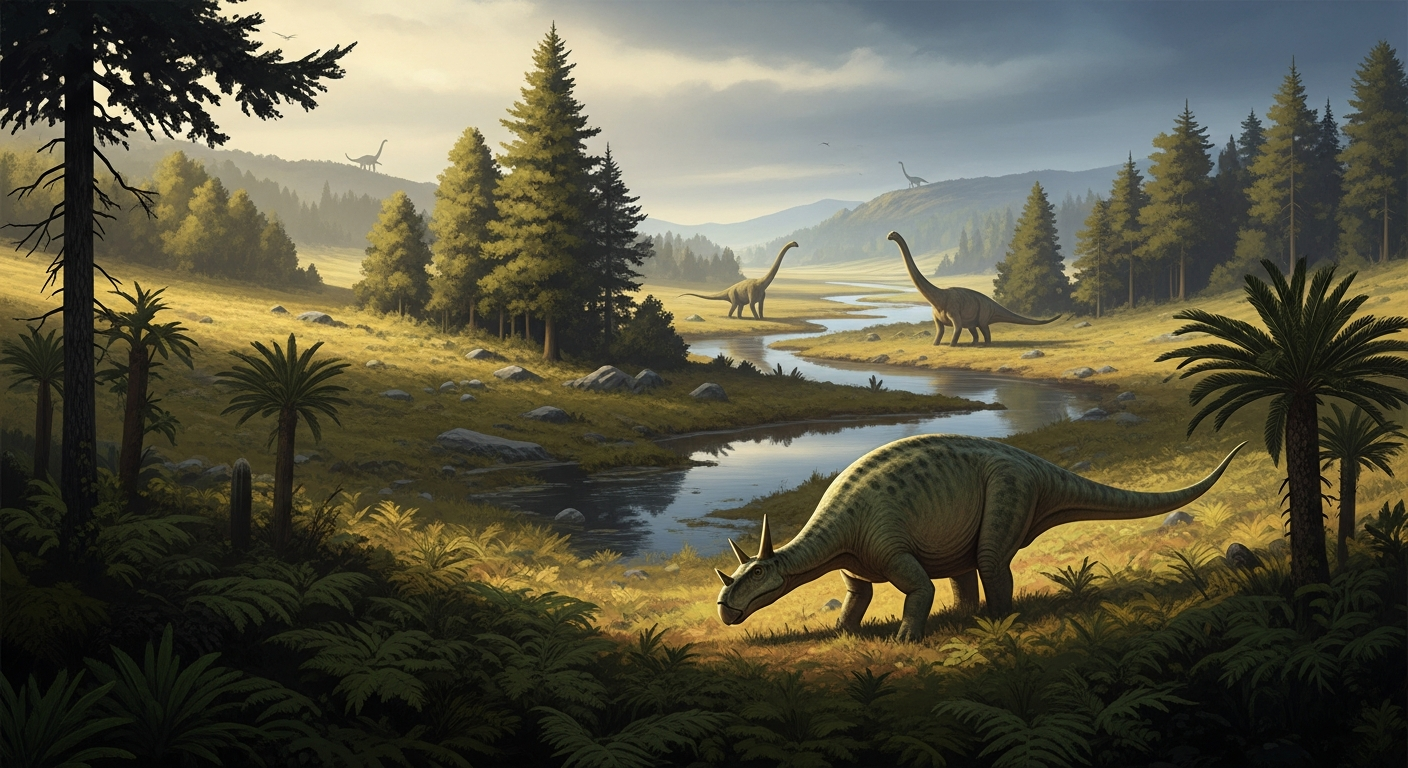
Wealden Group
East Sussex, West Sussex, Kent, Surrey, Isle of Wight, Hainaut, Lower Saxony, Castellón, United Kingdom, Belgium, Germany, Spain
Why It Matters
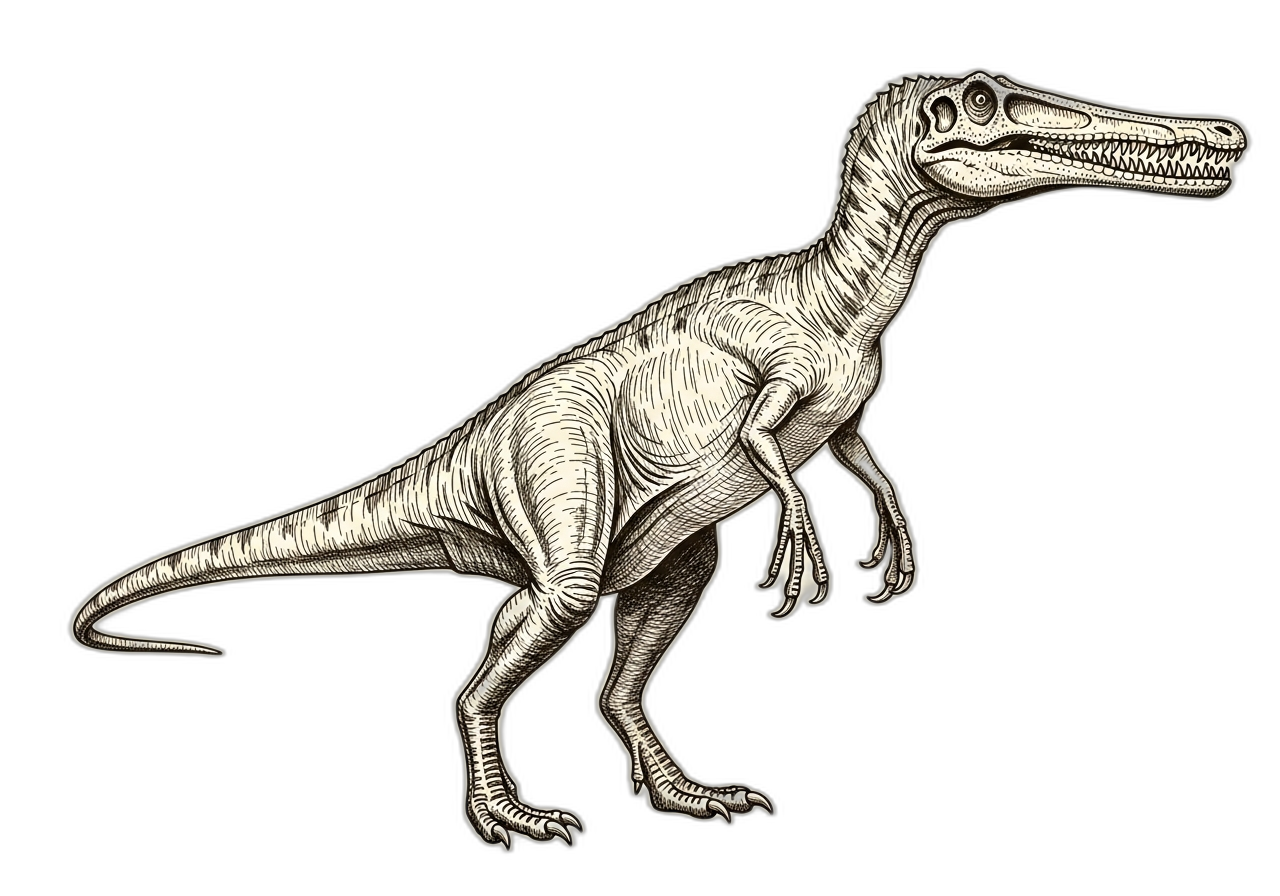
The Wealden Group represents one of Europe's most important Early Cretaceous fossil assemblages. It has yielded iconic dinosaurs including Baryonyx walkeri and multiple Iguanodon species, fundamentally shaping early understanding of dinosaur biology. The formation provided some of the first dinosaur fossils ever scientifically described.
How Fossils Survived
The Wealden consists primarily of sandstones, siltstones, mudstones, and clays deposited in , , and lagoonal environments. These sediments accumulated in a large river-dominated coastal plain and delta system. Preservation conditions vary but include exceptional specimens in ironstone nodules and fine-grained mudstones.
Discovery History
Wealden fossils have been collected since the early 19th century, with Gideon Mantell's discovery of Iguanodon teeth in 1822 marking a pivotal moment in paleontology. The discovery of Baryonyx in 1983 by amateur collector William Walker in Surrey clay pits revolutionized understanding of dinosaurs. Continuous excavations, particularly on the Isle of Wight, have made this one of Europe's most productive dinosaur-bearing units.
Dinosaurs in the Vault
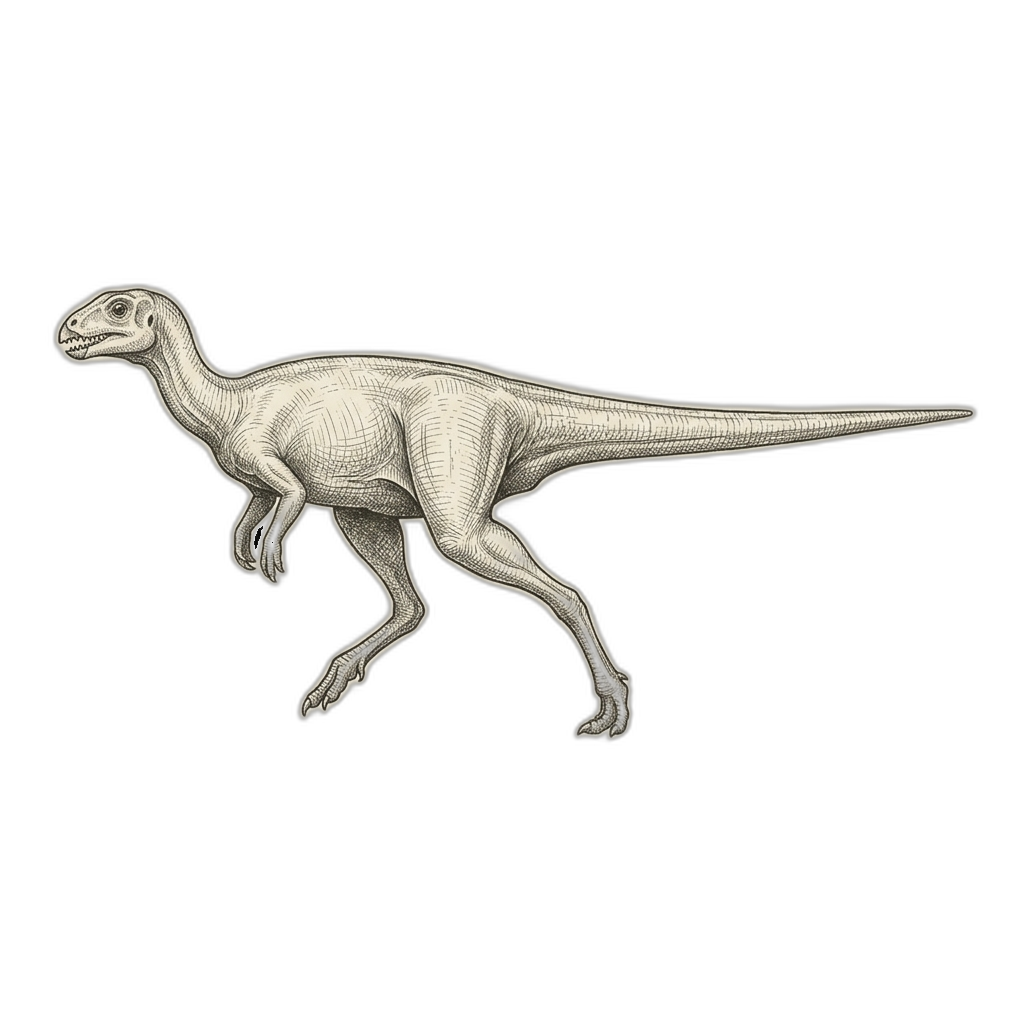
3 species in our database · sorted by size
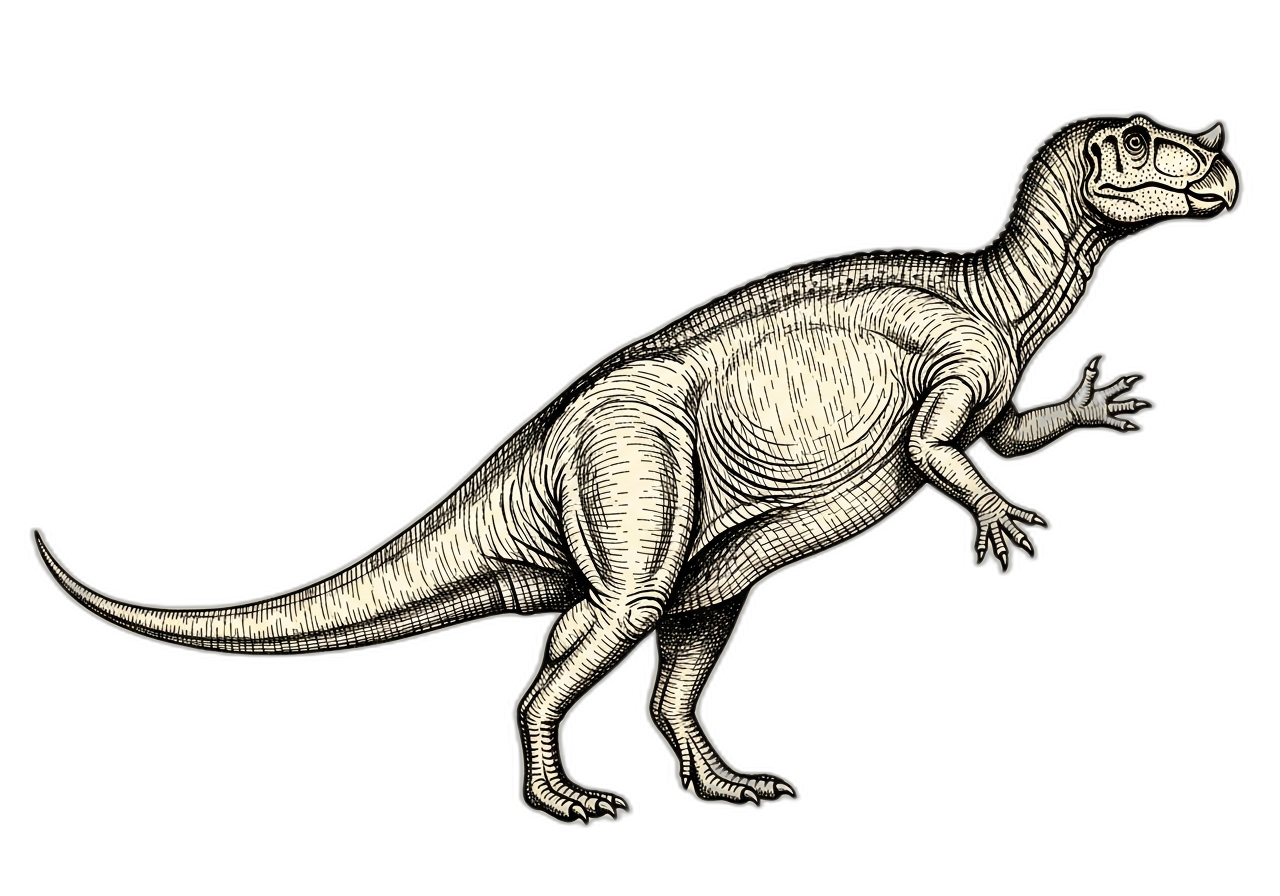
Iguanodon teeth from the Wealden were among the first dinosaur fossils recognized as belonging to an extinct reptile in 1825