About
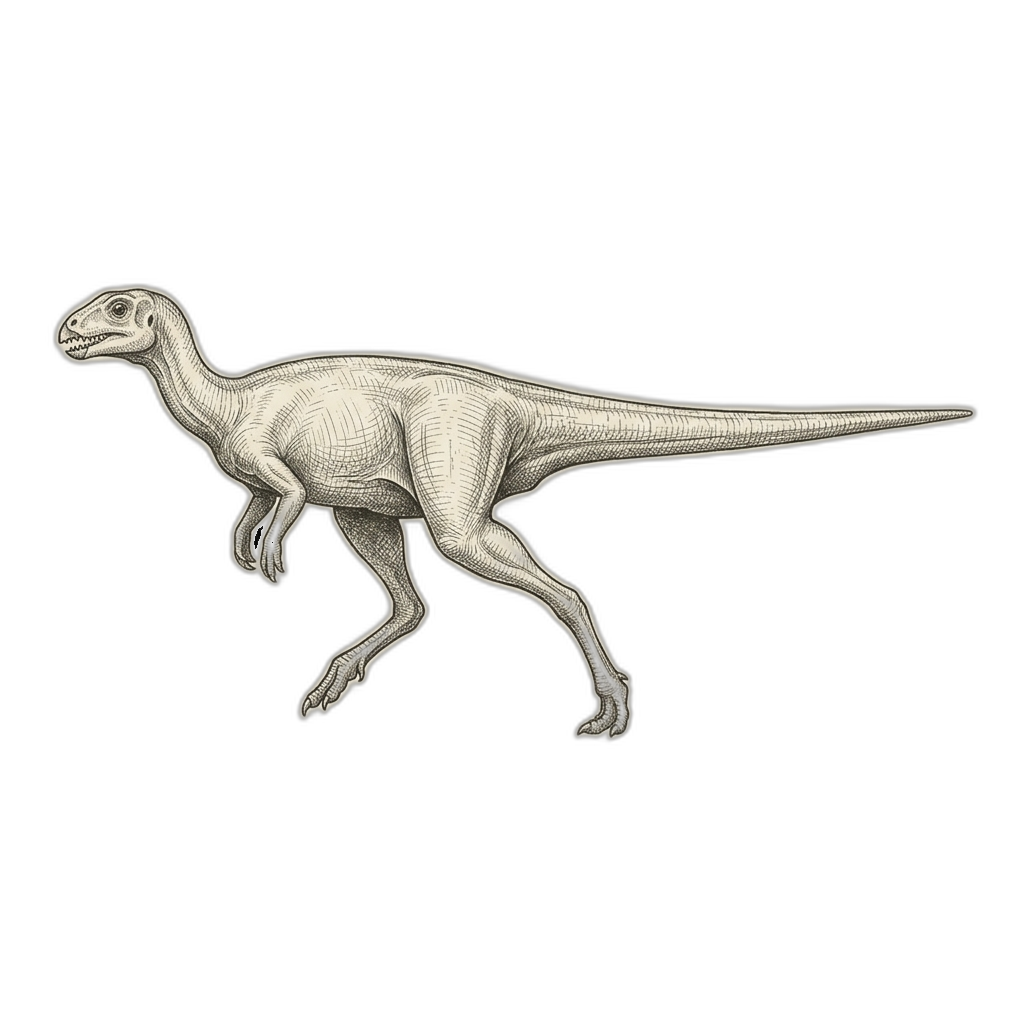
Hypsilophodon foxii was a graceful, lightweight that inhabited the subtropical floodplains and forests of what is now the Isle of Wight during the Early Cretaceous. At roughly 1.8 meters long and weighing around 20 kilograms, this deer-sized herbivore possessed a compact body perfectly adapted for swift running. Its long, slender hindlimbs, stiffened tail for balance, and lightweight build made it one of the fastest small dinosaurs of its era, capable of rapid bursts to escape predators like Neovenator.
The skull featured a distinctive beak at the front of its jaws, backed by self-sharpening cheek teeth ideal for processing tough vegetation. Large eyes suggest keen vision, likely useful for detecting approaching threats. The arms were relatively short but functional, possibly used to grasp low-growing plants while feeding.
For over a century, Hypsilophodon was famously misinterpreted as an arboreal dinosaur that climbed trees, based on a misreading of its foot structure. Peter Galton's comprehensive 1974 study definitively showed it was a runner, not a tree-dweller. With dozens of specimens recovered from the Wealden Group, including individuals of various ages, Hypsilophodon remains one of the best-understood small ornithopods. Its fossils provide crucial insights into ornithopod evolution and Early Cretaceous ecosystems of Europe.
Where fossils were found
Wealden Group
East Sussex, West Sussex, Kent, Surrey +4 more · United Kingdom, Belgium, Germany, Spain
130–125 million years ago(5m year span)
Where Hypsilophodon Roamed
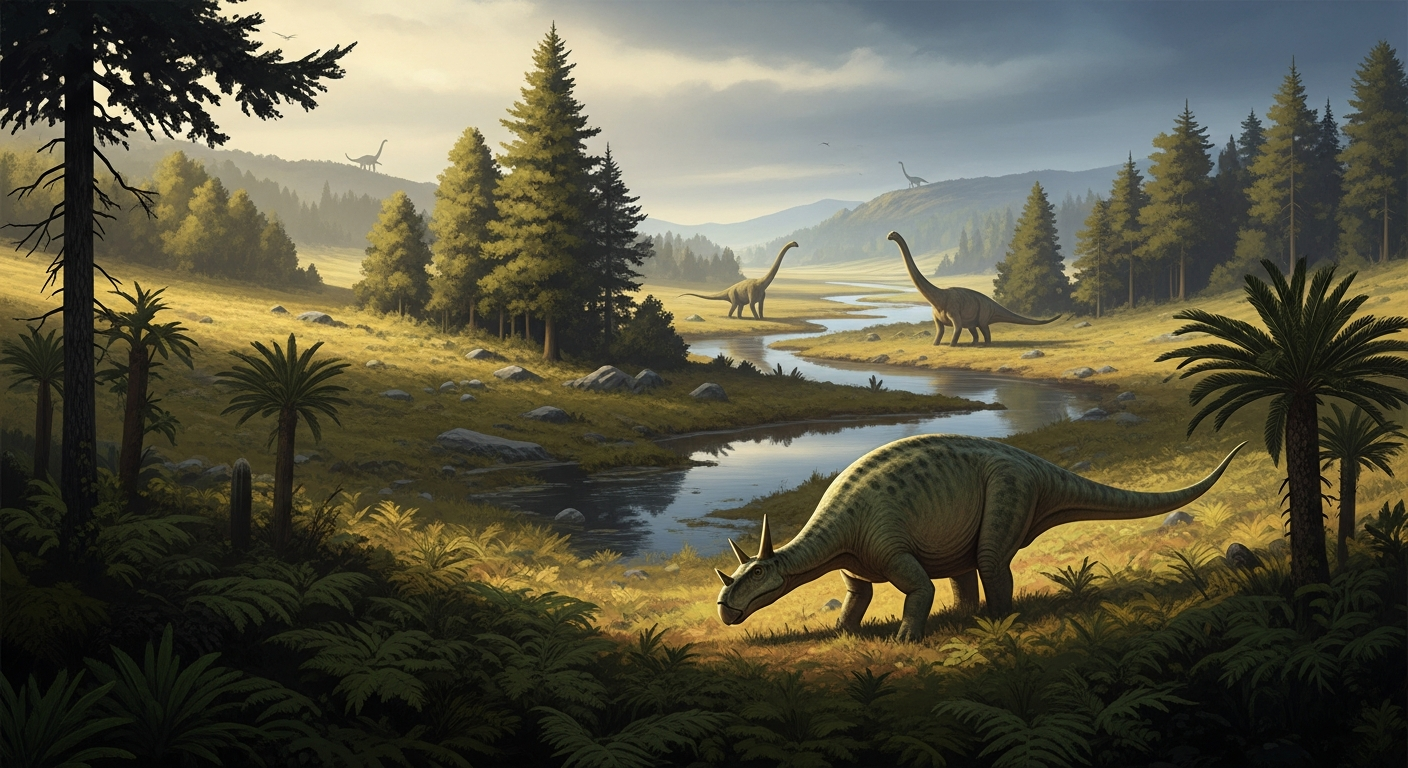
During the Early Cretaceous, *Hypsilophodon foxii* inhabited a lush, subtropical island landscape on the northwestern margins of the Tethys Sea, where the ancient Wessex-Weald landmass—part of the fragmenting European archipelago—supported verdant floodplains and riverine forests teeming with ferns, conifers, and cycads under warm, seasonally humid skies.
Keep exploring the vault
Baryonyx
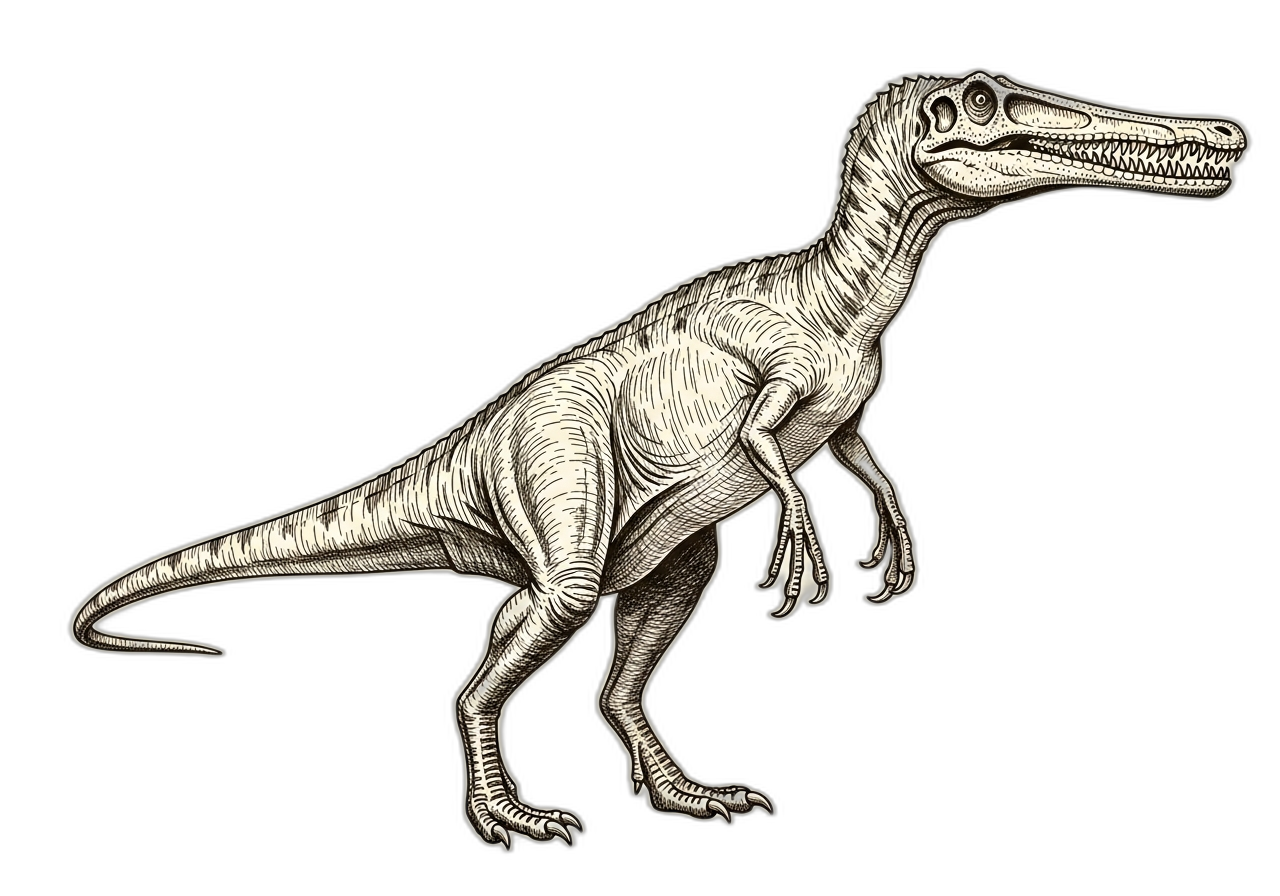
Baryonyx walkeri
Baryonyx was a large predator (8.5m, 1700kg) sharing the Wealden Formation with Hypsilophodon.
Iguanodon
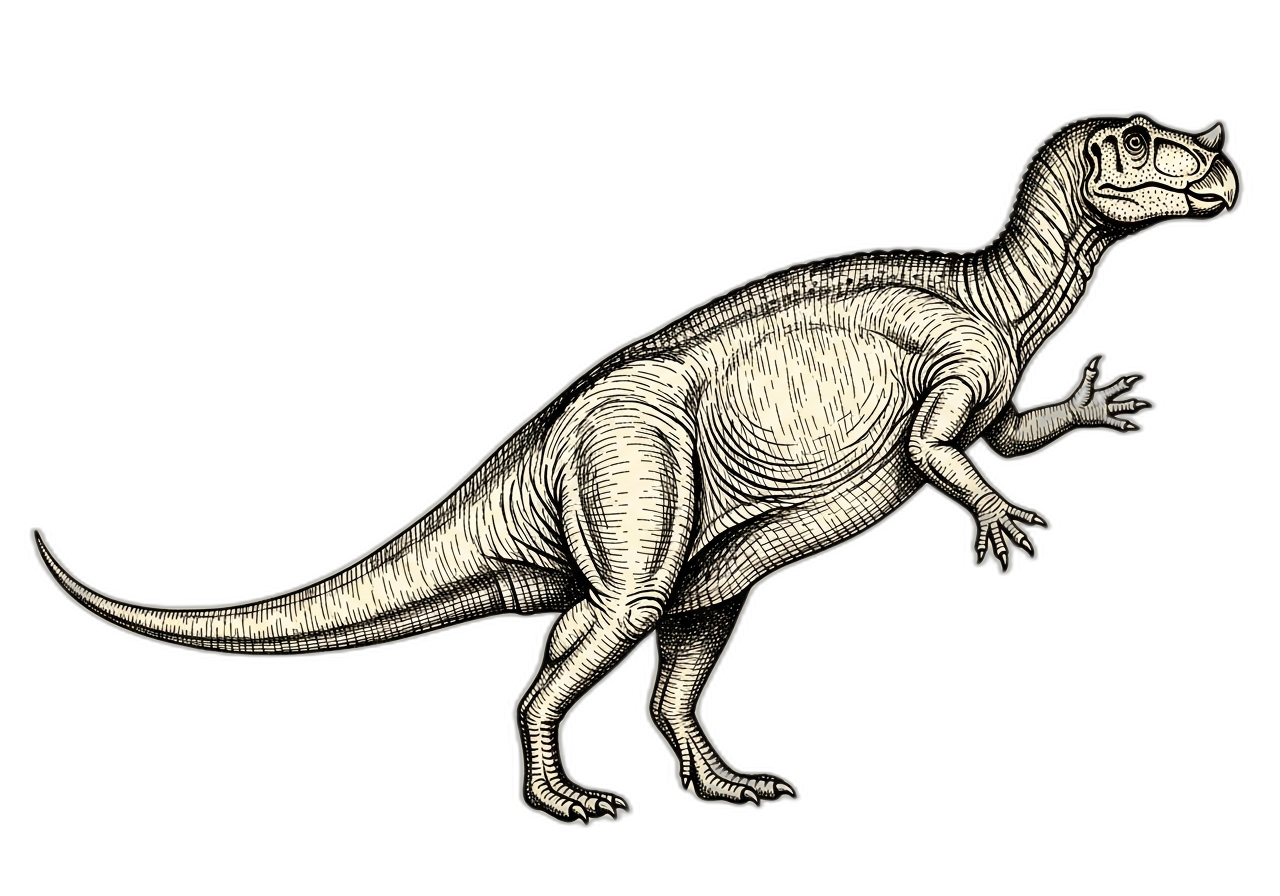
Iguanodon bernissartensis
Both herbivores co-occurred in the Wealden Formation.
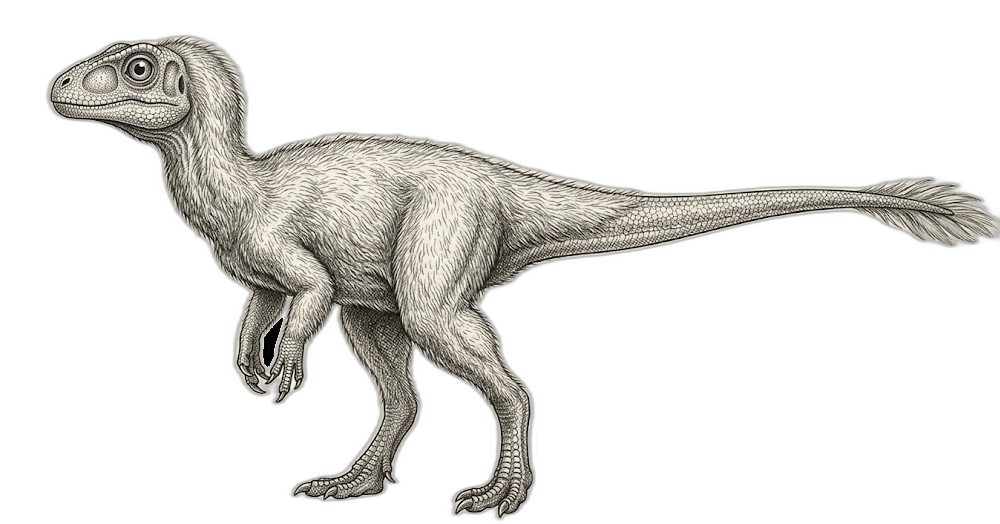
Leaellynasaura
Leaellynasaura amicagraphica
Both are small-bodied ornithopods (under 2m) that represent the persistence of basal hypsilophodont-grade dinosaurs into the Cretaceous.
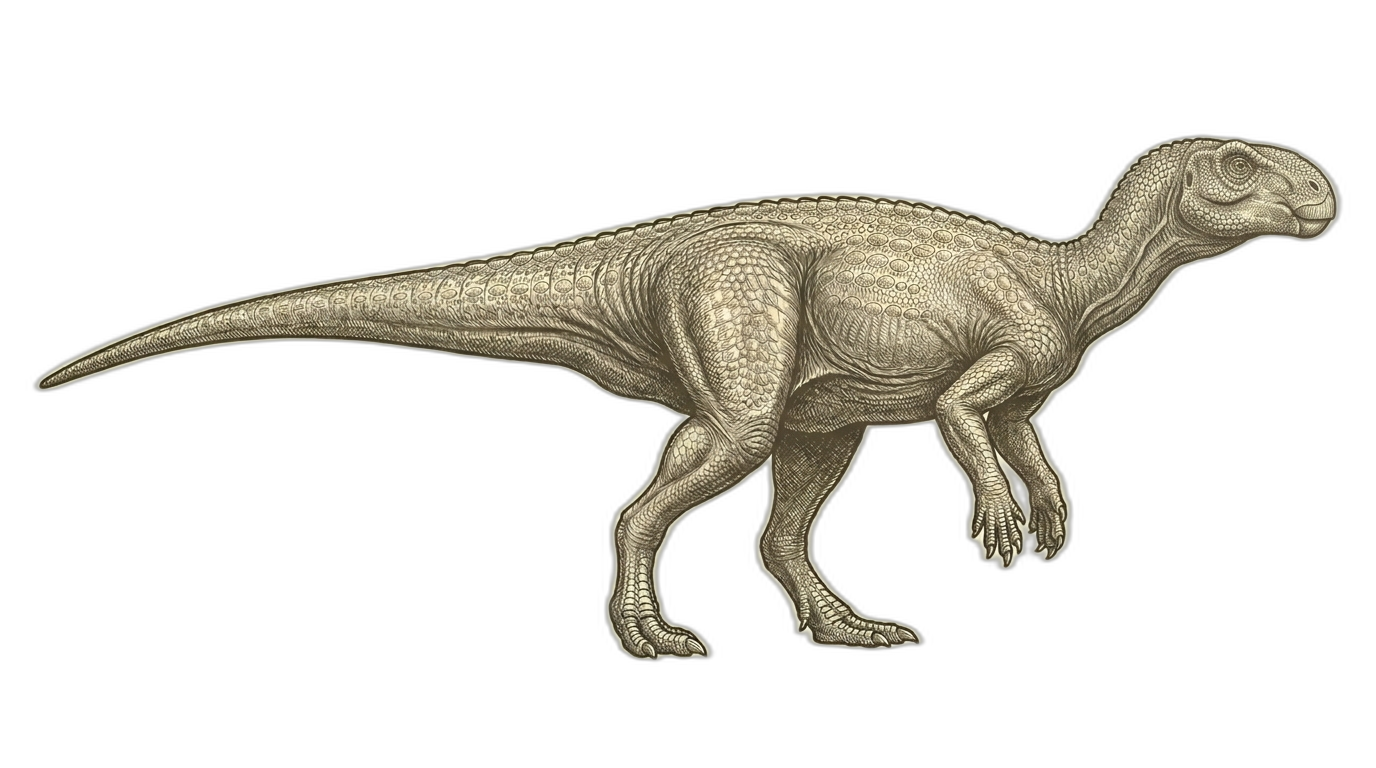
Thescelosaurus
Thescelosaurus neglectus
Both are small basal ornithopods that maintained the generalized hypsilophodont body plan across the Cretaceous.