About
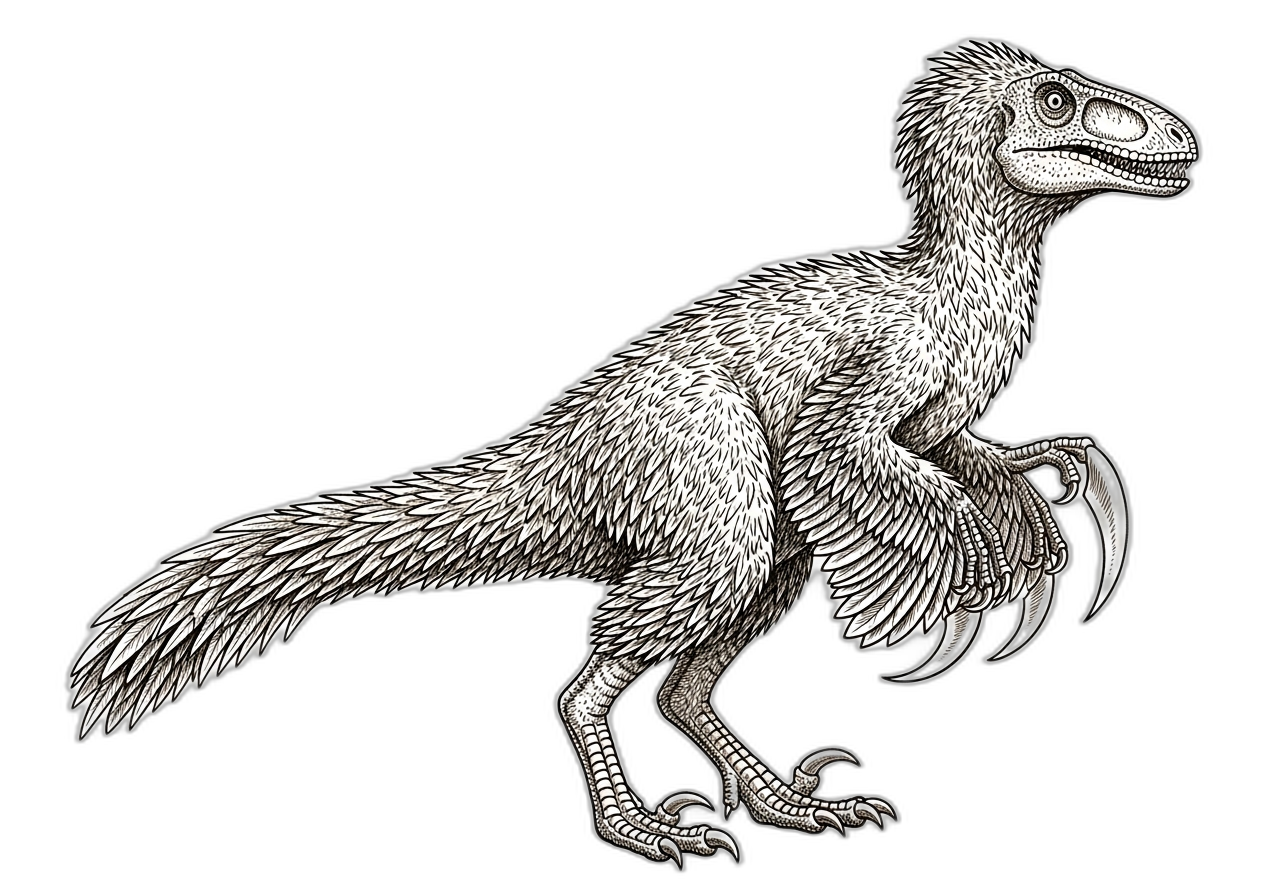
Deinonychus was a nimble, wolf-sized predator that prowled the floodplains and forests of Early Cretaceous North America around 115 to 108 million years ago. Armed with a devastating 13-centimeter (5-inch) retractable on each foot, powerful grasping hands, and a stiffened tail for balance during rapid movements, this was built for speed and precision killing. Its name, meaning "terrible claw," perfectly captures its most fearsome feature.
The discovery of Deinonychus by paleontologist John Ostrom in 1964 in Montana's Cloverly Formation triggered nothing less than a scientific revolution. Before Ostrom's meticulous analysis, dinosaurs were largely viewed as slow, cold-blooded evolutionary failures. Deinonychus changed everything — its anatomy screamed agility, intelligence, and warm-blooded metabolism. This single species sparked the "Dinosaur Renaissance" of the 1970s and directly inspired the raptors of Jurassic Park (though those were scaled up and misnamed).
Multiple Deinonychus fossils found alongside the herbivore Tenontosaurus suggest behavior, though this interpretation remains debated. Some paleontologists argue these associations represent competitive feeding rather than coordinated attacks. What's certain is that Deinonychus was a highly active predator capable of taking down prey much larger than itself.
Modern analysis strongly supports that Deinonychus was feathered, like its close relatives. While no direct feather impressions have been found for this species, — comparing it to feathered relatives like Microraptor and Velociraptor — makes feathers virtually certain. This agile killer would have looked far more birdlike than the scaly movie monsters it inspired.
Where fossils were found
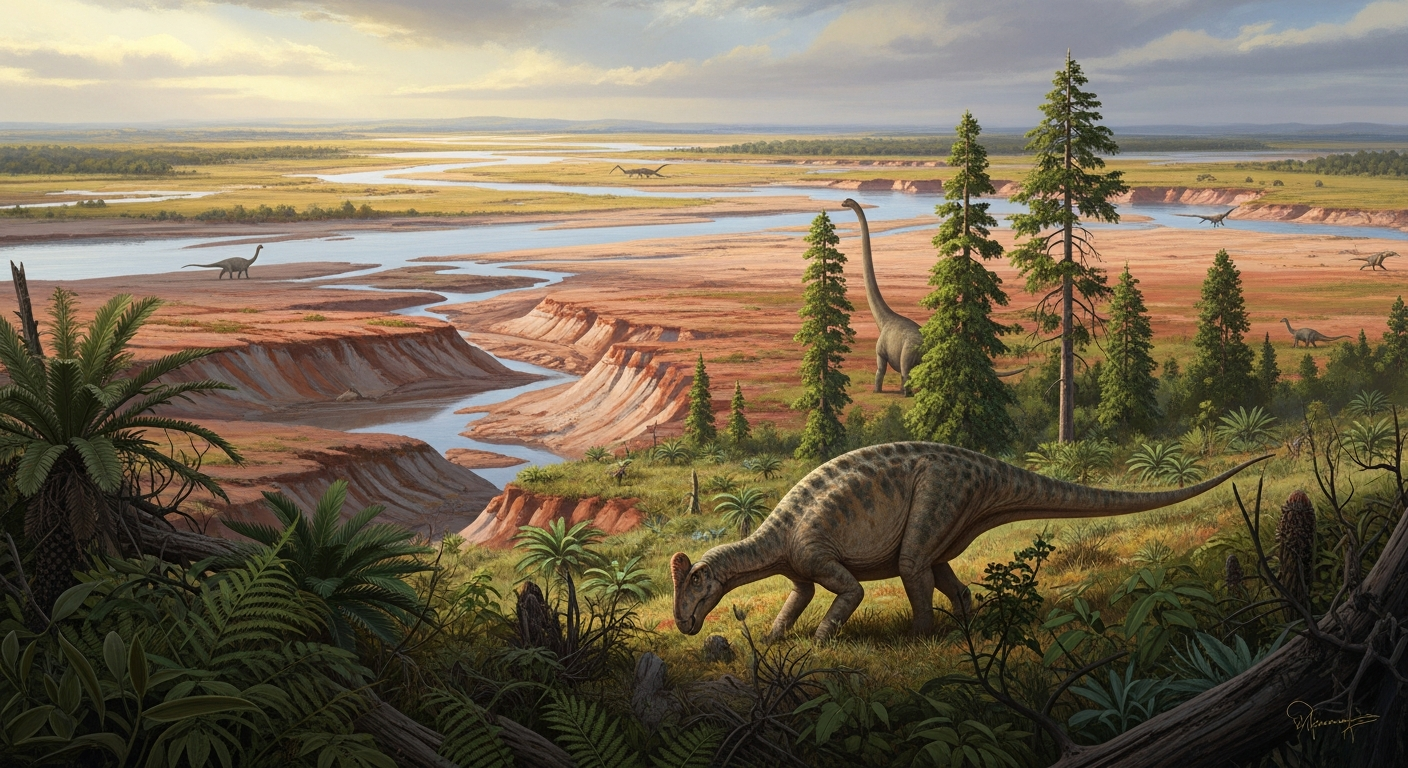
Cloverly Formation
Montana, Wyoming · United States
113.2–93.9 million years ago(19.3m year span)
Where Deinonychus Roamed
During the Early Cretaceous, approximately 104 million years ago, *Deinonychus antirrhopus* inhabited the warm, semi-arid floodplains of western North America, where seasonal rivers carved through a landscape of ferns, conifers, and cycads. This region lay east of the rising Rocky Mountain precursors and would soon be transformed by the encroaching Western Interior Seaway, which was beginning its advance northward from the ancestral Gulf of Mexico.
Keep exploring the vault
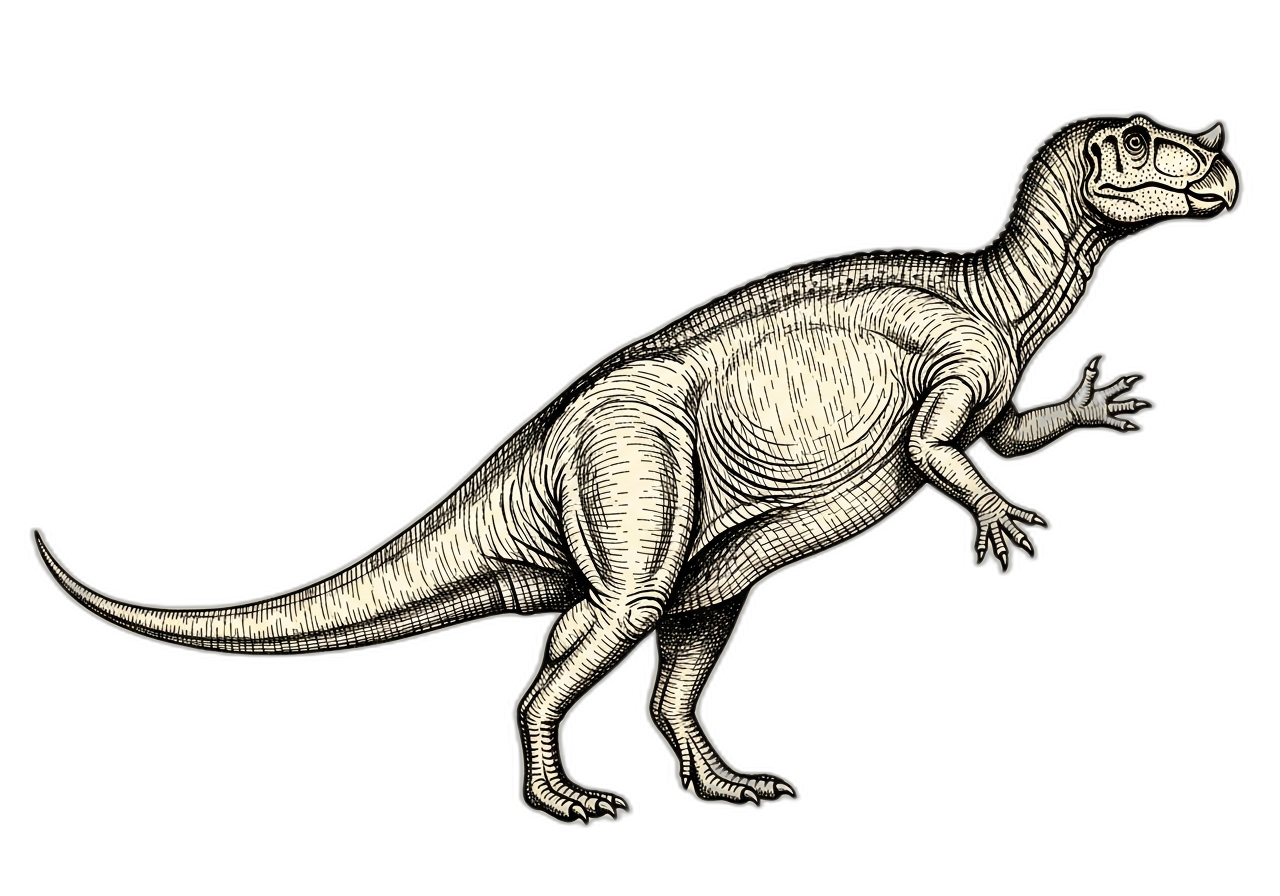
Iguanodon
Iguanodon bernissartensis
Deinonychus fossils are frequently found in the Cloverly Formation alongside Tenontosaurus (a close relative of Iguanodon), with multiple Deinonychus specimens found around single Tenontosaurus carcasses suggesting pack hunting.
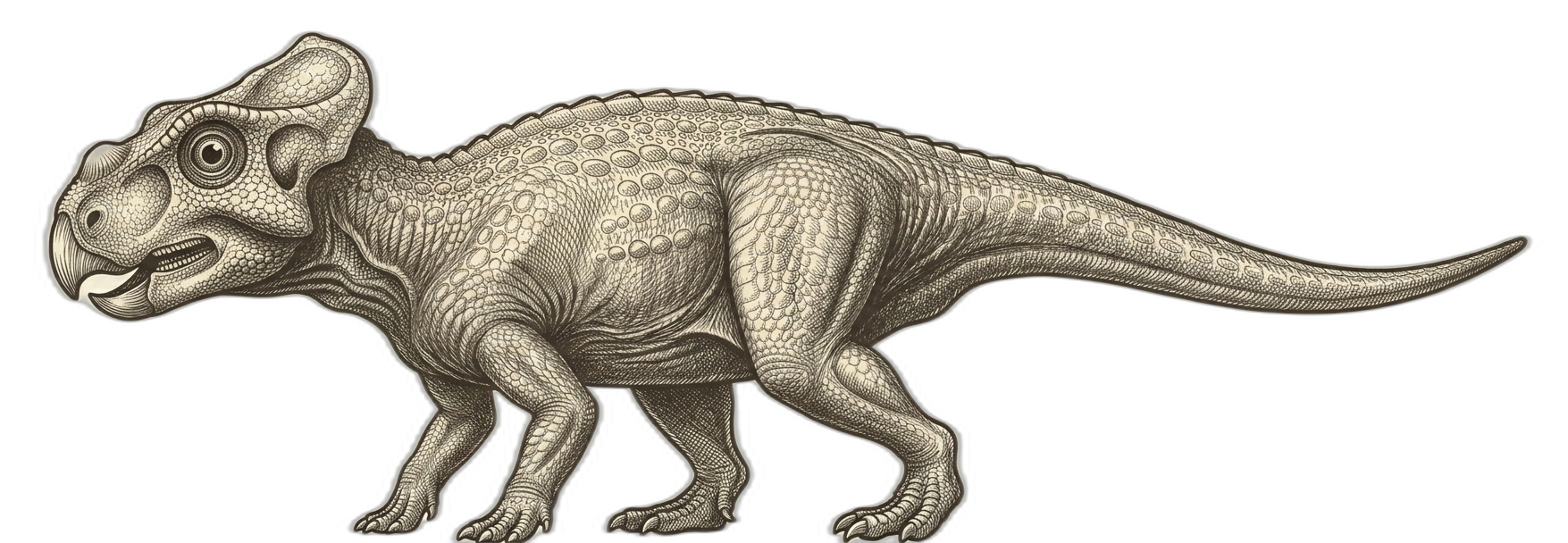
Aquilops
Deinonychus at 73kg would have been a significant predator of small herbivores like the 1.5kg Aquilops in the Cloverly Formation.
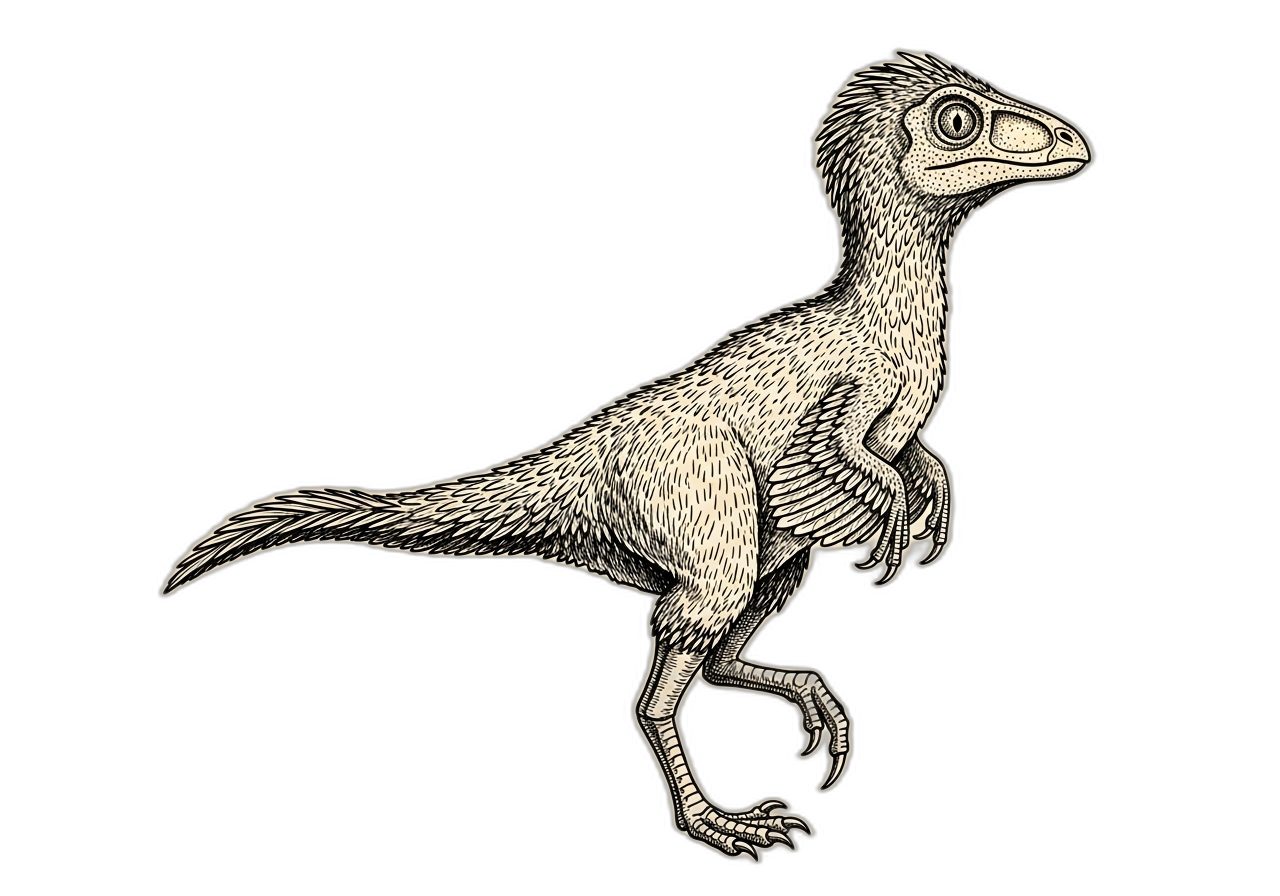
Troodon
Troodon formosus
Both are medium-sized, intelligent maniraptorans with similar predatory niches.
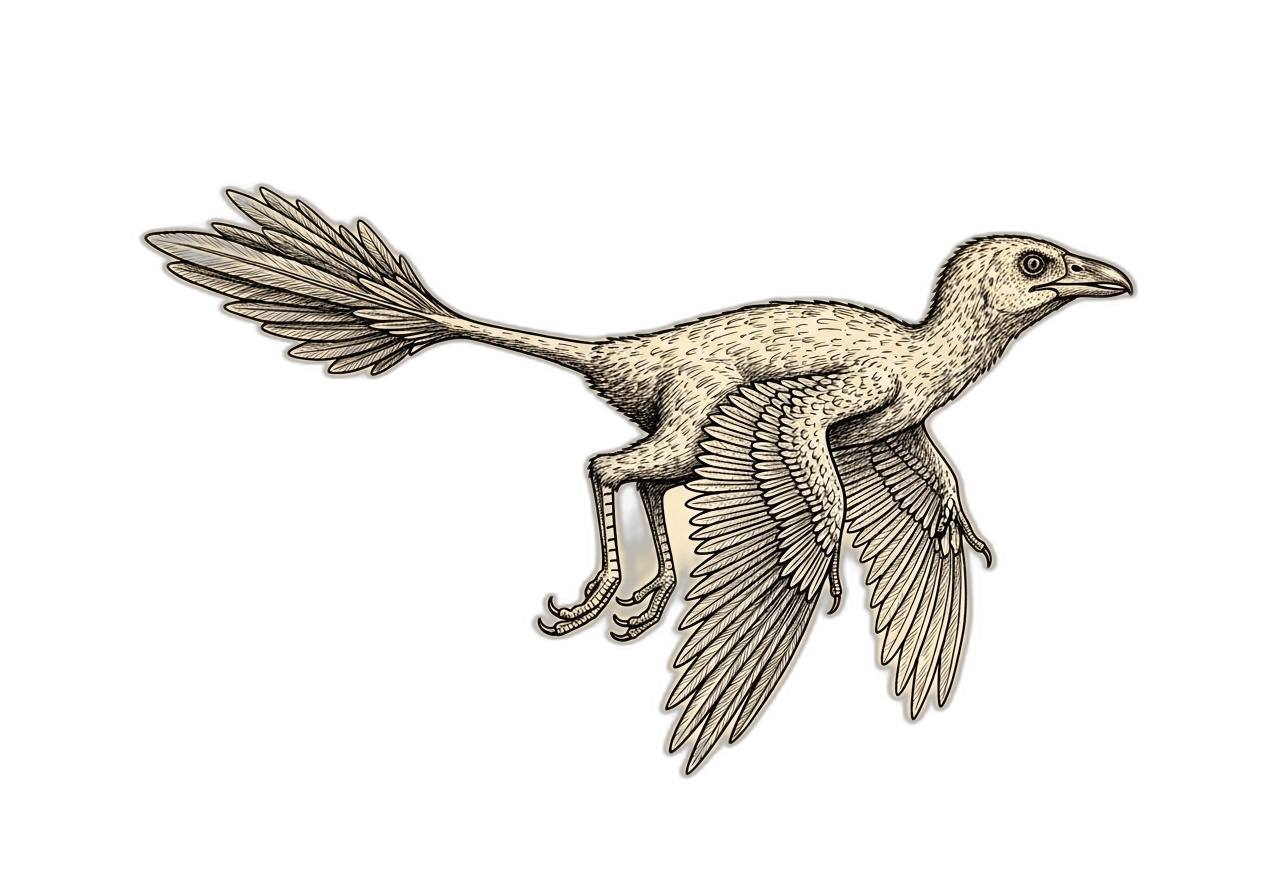
Microraptor
Microraptor gui
Both are dromaeosaurids that independently developed extensive feather coverings.
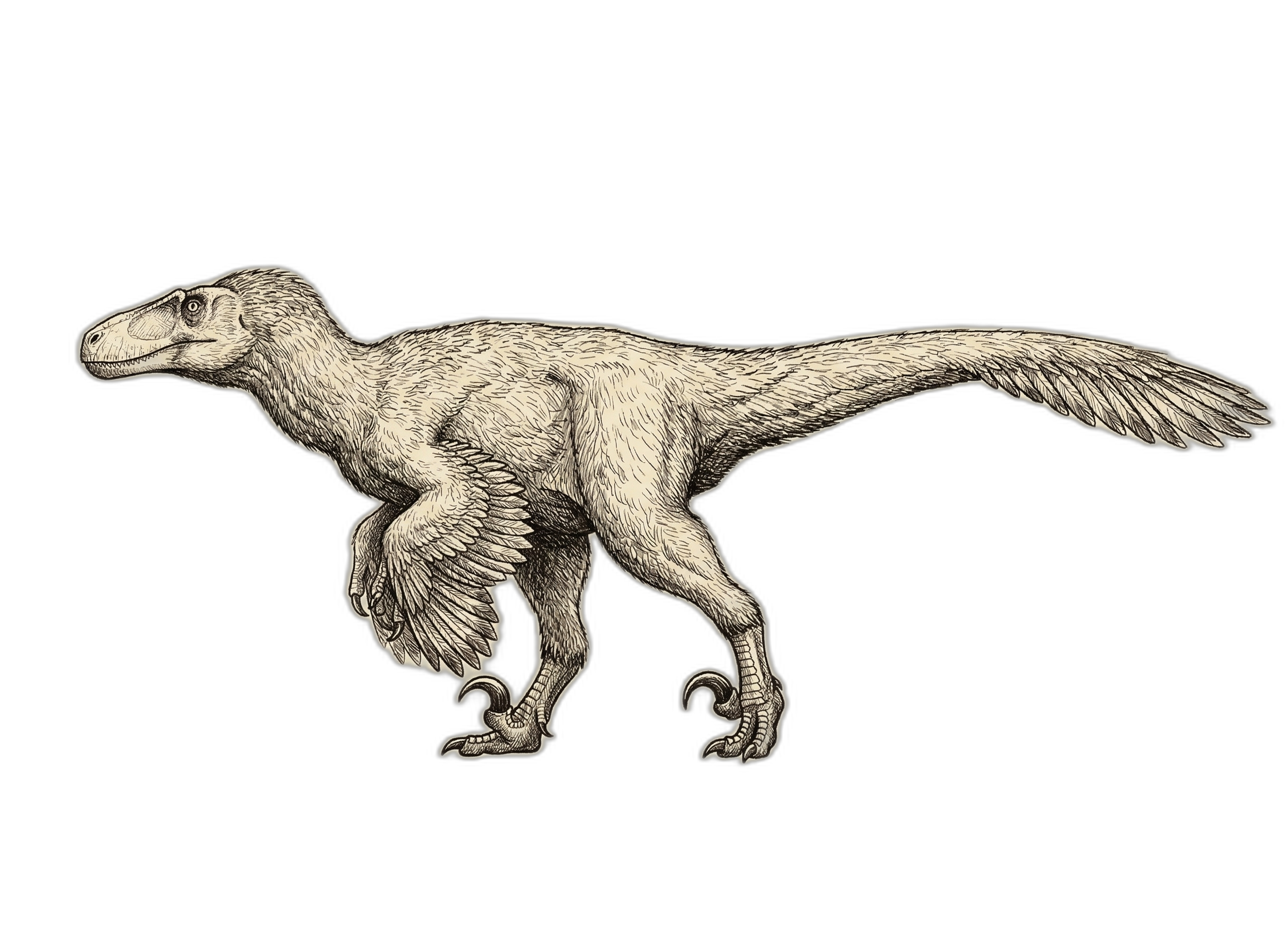
Utahraptor
Utahraptor ostrommaysorum
Same family: Dromaeosauridae
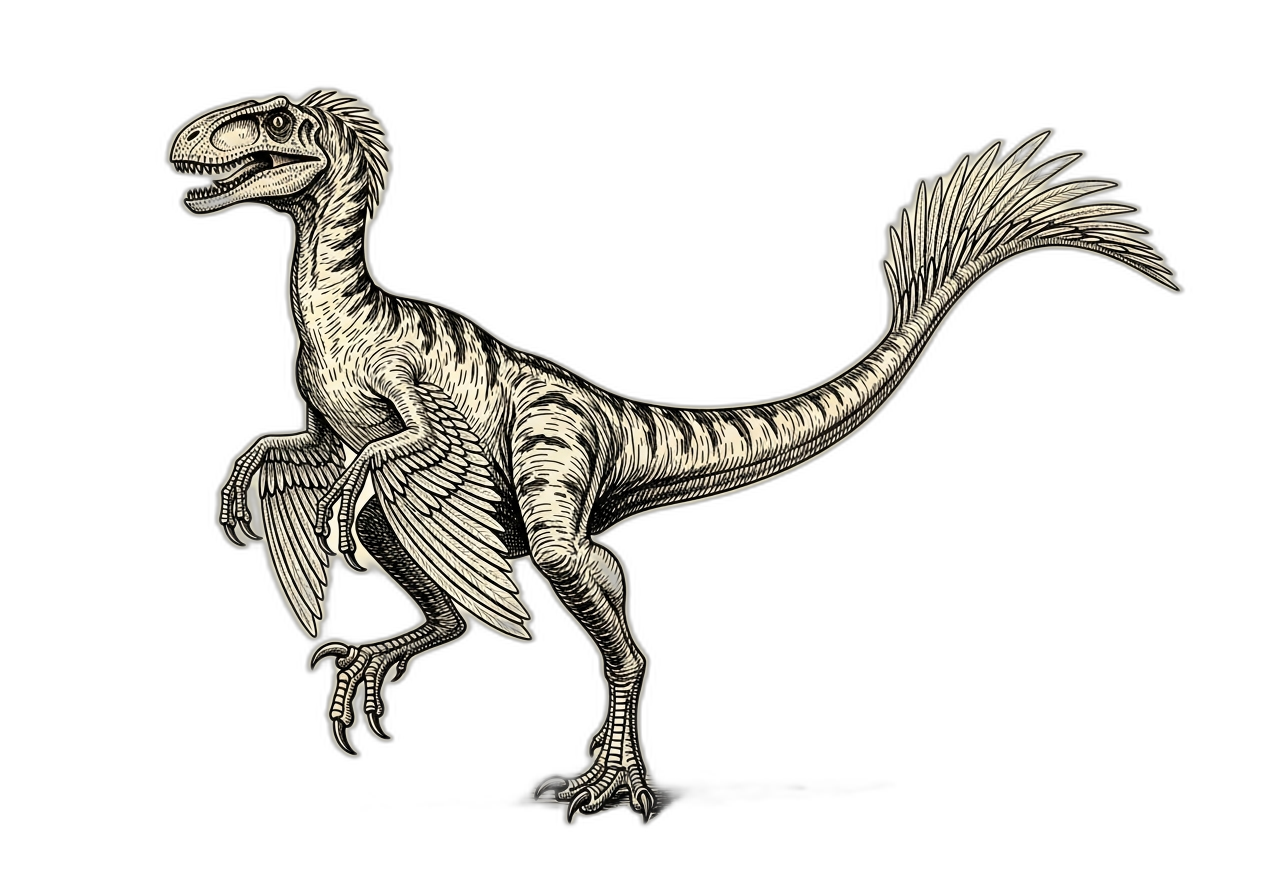
Velociraptor
Velociraptor mongoliensis
Both are advanced dromaeosaurids with the signature sickle claw and similar hunting adaptations, evolving on separate continents (North America vs.