About
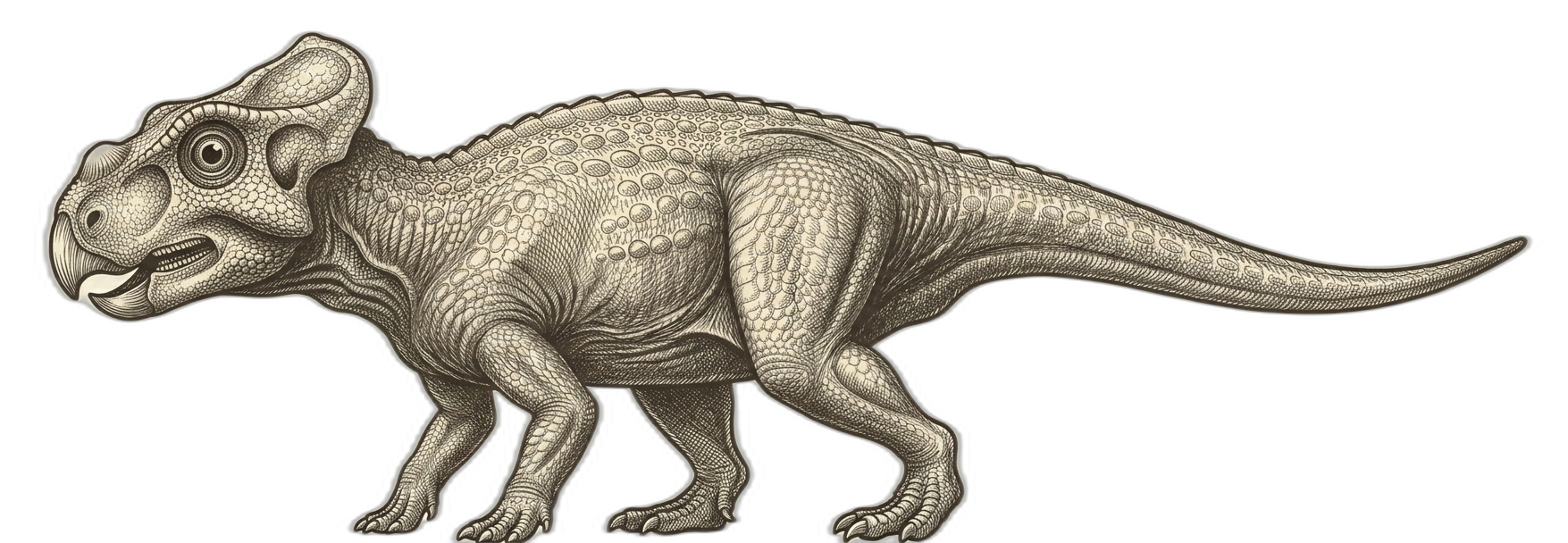
Aquilops americanus was a diminutive horned dinosaur, roughly the size of a small cat or large rabbit, that roamed the floodplains of what is now Montana during the Early Cretaceous. Known primarily from an exquisitely preserved partial skull measuring just 84 millimeters in length, this tiny possessed a distinctive hooked rostral bone forming a sharply curved beak, likely used to crop tough vegetation. The skull shows a prominent ridge above the eye and a relatively large orbit, suggesting keen vision perhaps useful for detecting predators in its forested environment.
As the oldest definitively identified horned dinosaur from North America, Aquilops holds exceptional scientific significance. Its anatomy reveals close affinities to Asian ceratopsians like Liaoceratops, providing crucial evidence for an Early Cretaceous dispersal event when ancestral horned dinosaurs crossed from Asia to North America via land bridges. This small herbivore inhabited a world populated by larger dinosaurs including ornithopods and various theropods, likely relying on its small size and agility to evade predation.
The fossil was collected in 1997 from the Cloverly Formation but remained undescribed until 2014 when detailed study revealed its groundbreaking evolutionary importance. Aquilops demonstrates that horned dinosaurs had established themselves in North America at least 40 million years before their famous descendants like Triceratops dominated Late Cretaceous ecosystems.
Where fossils were found
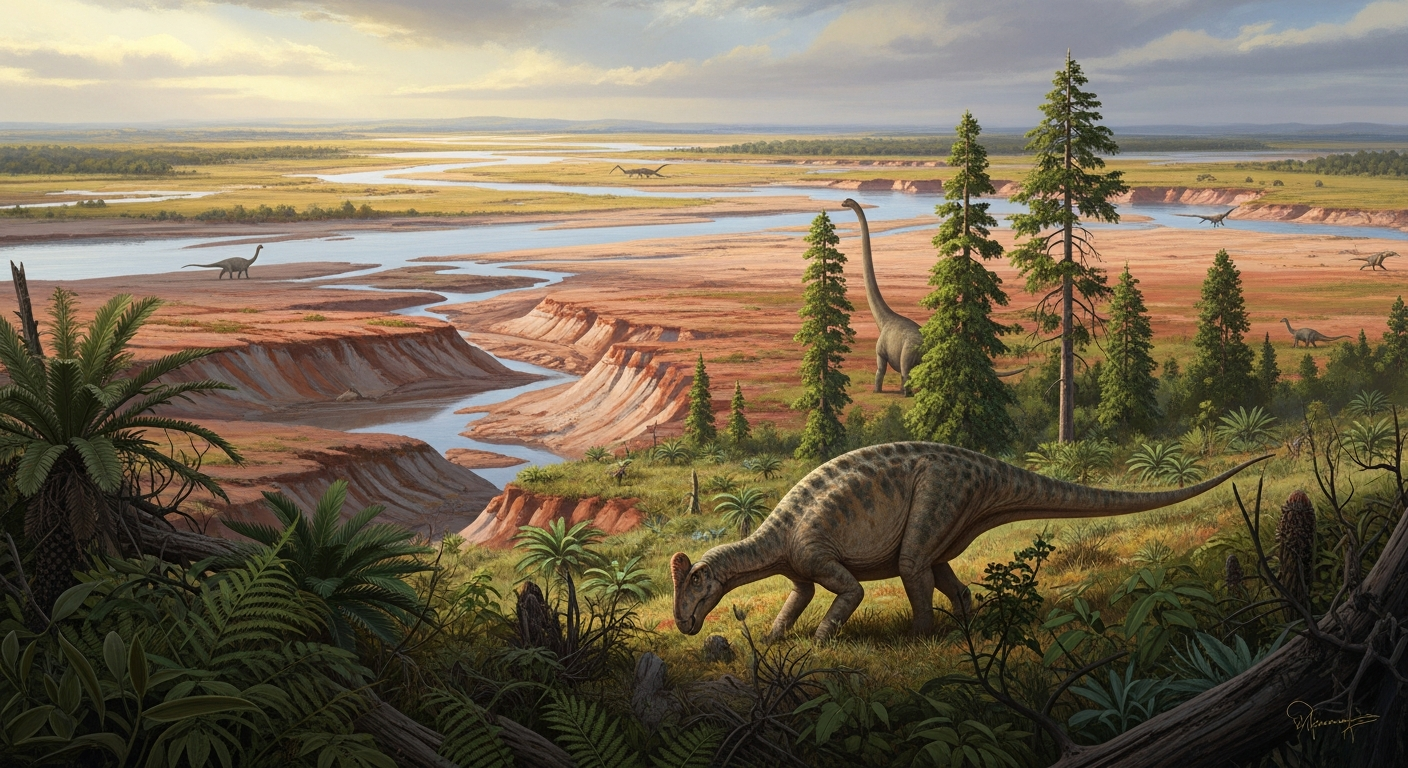
Cloverly Formation
Montana, Wyoming · United States
109–104 million years ago(5m year span)
Keep exploring the vault
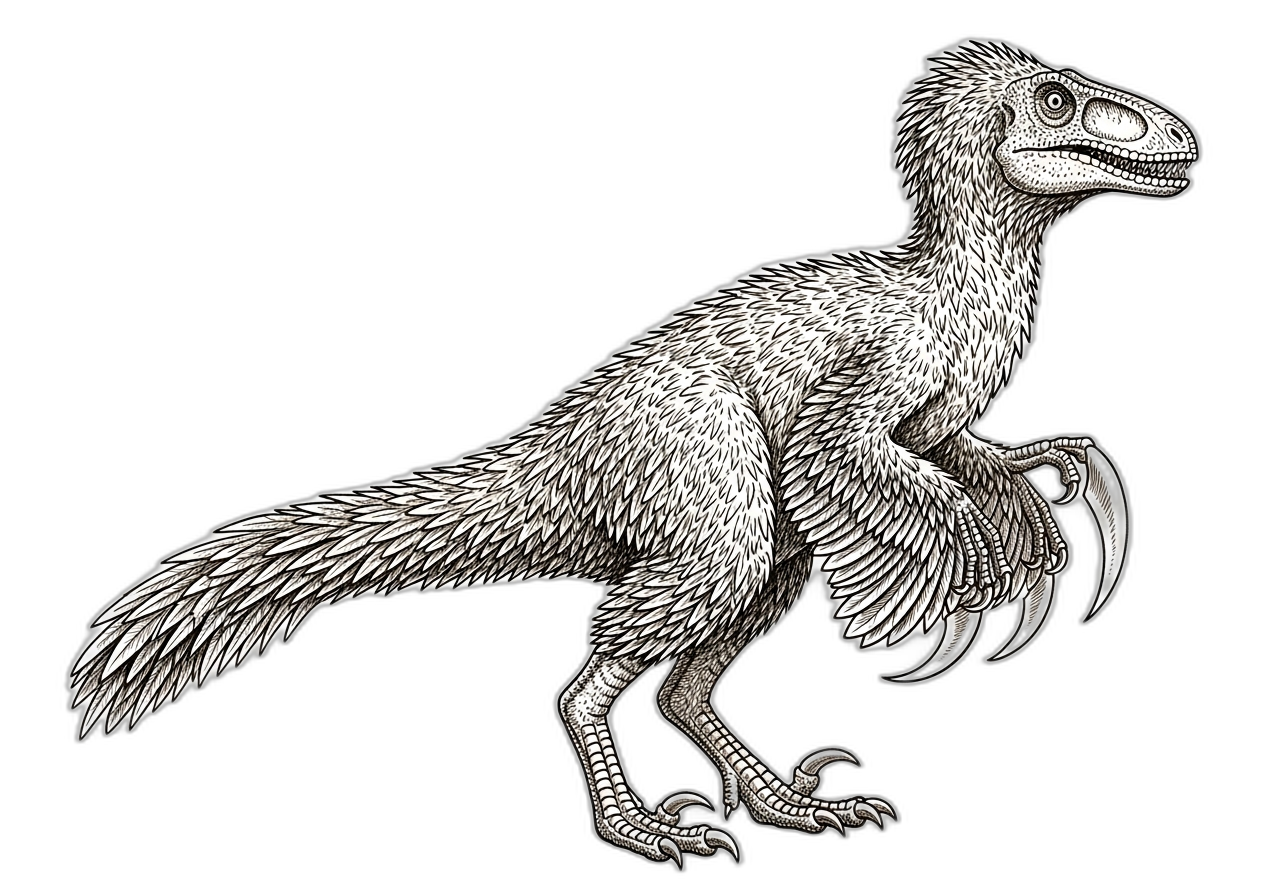
Deinonychus
Deinonychus antirrhopus
Deinonychus at 73kg would have been a significant predator of small herbivores like the 1.5kg Aquilops in the Cloverly Formation.
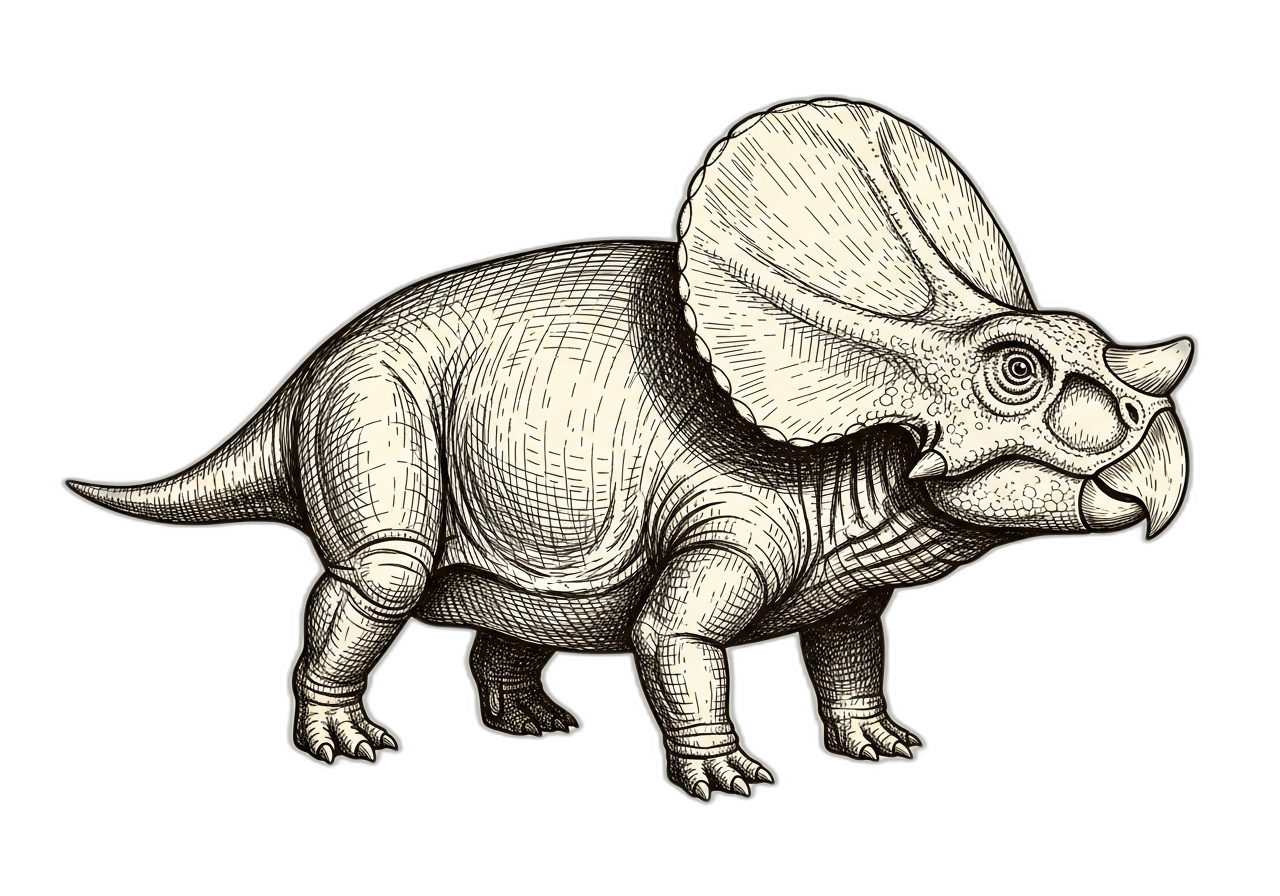
Protoceratops
Protoceratops andrewsi
Aquilops is the oldest known ceratopsian from North America and represents a basal neoceratopsian lineage.
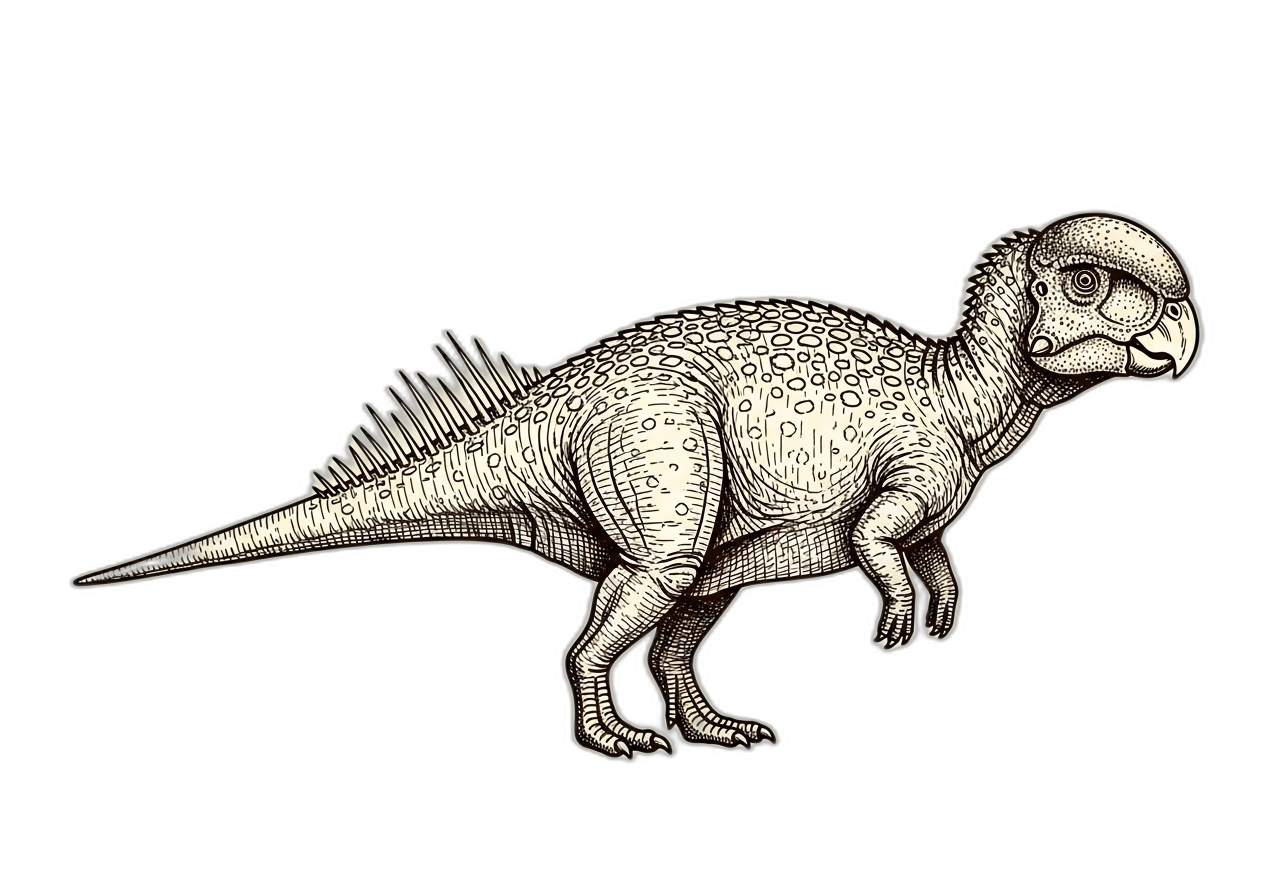
Psittacosaurus
Psittacosaurus mongoliensis
Both represent small-bodied basal ceratopsians experimenting with the ceratopsian body plan before the evolution of large horns and frills.
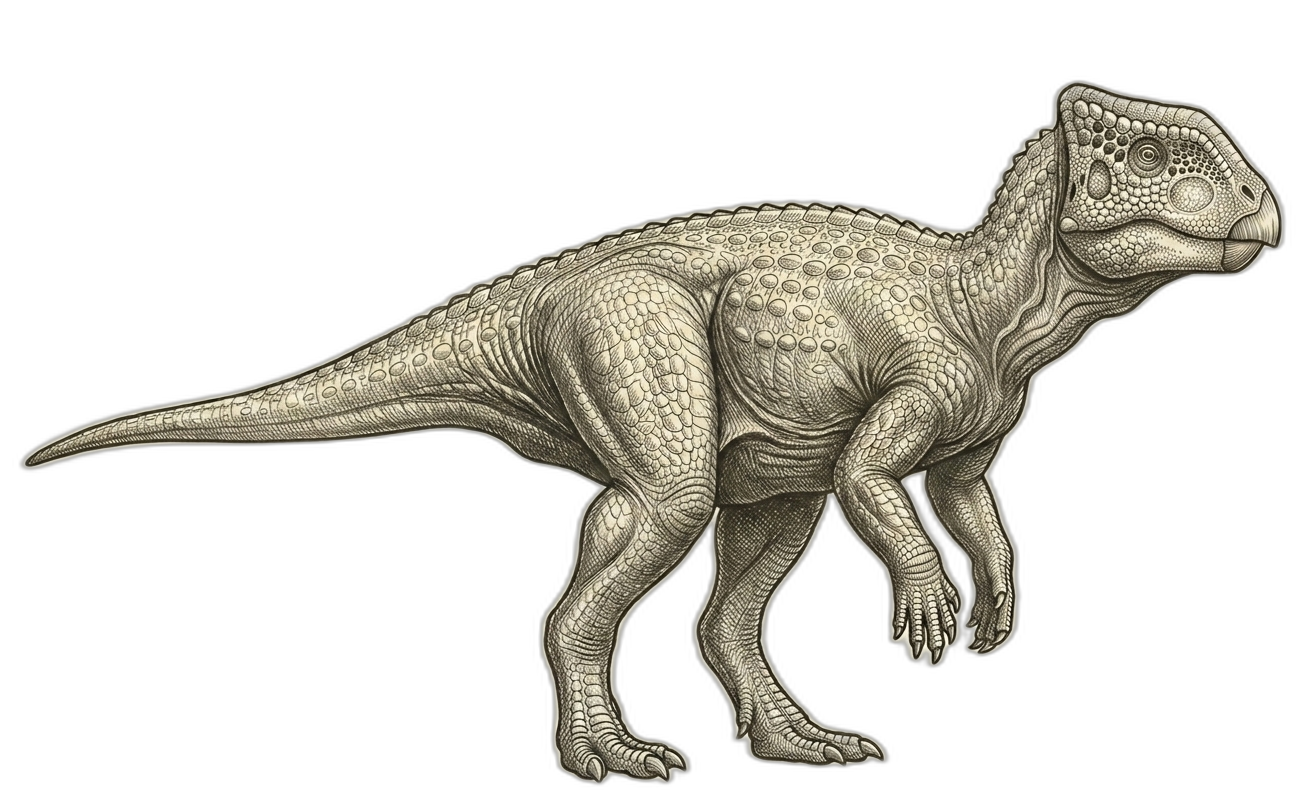
Hidden Dragon
Yinlong downsi
Both are small-bodied basal ceratopsians representing early experiments in the ceratopsian lineage.