About
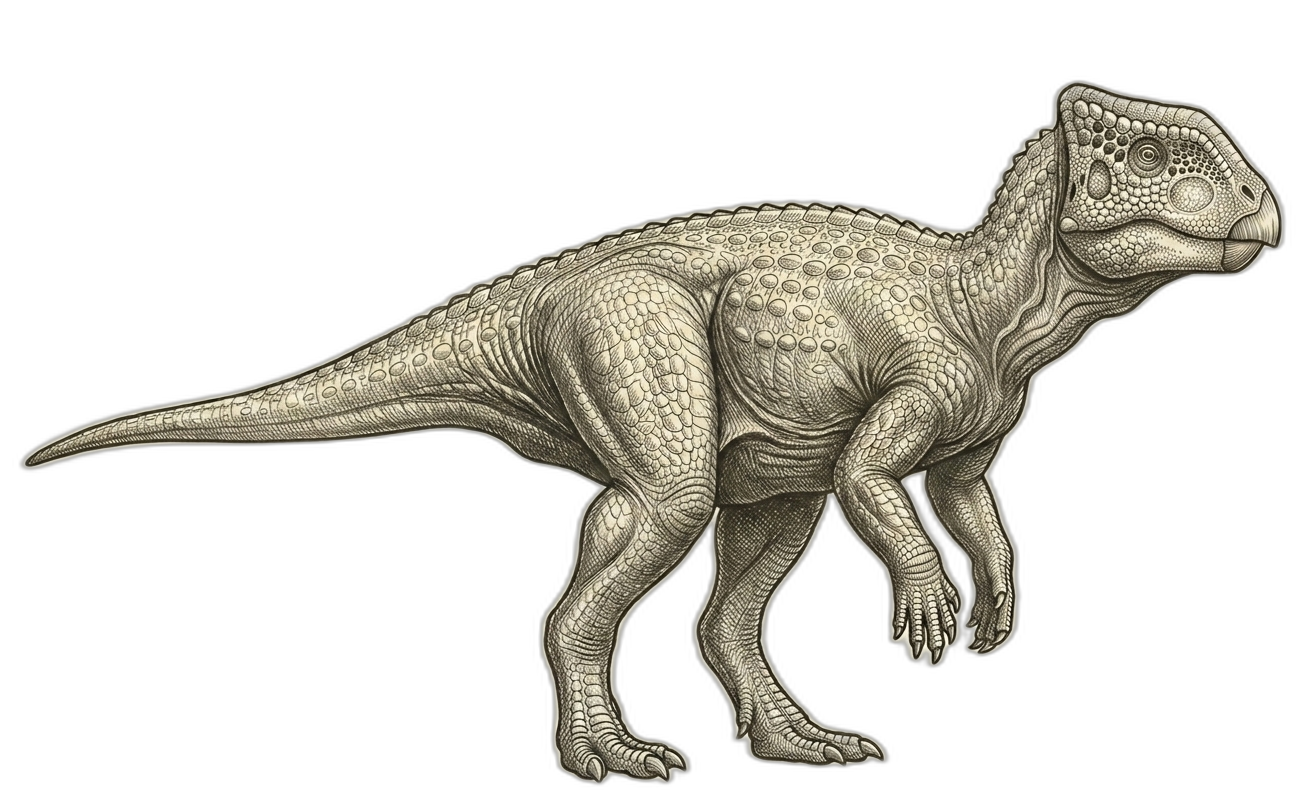
Yinlong downsi represents a pivotal discovery in understanding evolution. This small, agile dinosaur lived during the Late Jurassic period in what is now northwestern China, making it the earliest known member of the lineage that would eventually produce iconic horned dinosaurs like Triceratops and Styracosaurus.
Physically, Yinlong was a compact animal roughly the size of a large dog, with a proportionally large head featuring a small, incipient at the back of its skull—a precursor to the elaborate neck shields of later ceratopsians. Its jaws contained leaf-shaped teeth well-suited for processing vegetation, and like many early ornithischians, it possessed a small beak at the front of its mouth. The hindlimbs were notably longer than the forelimbs, indicating a primarily lifestyle.
The specimen is remarkably complete, preserving nearly the entire skeleton including the skull, which has allowed paleontologists to study its anatomy in exceptional detail. This completeness revealed a fascinating mosaic of features: while clearly a ceratopsian, Yinlong retained several primitive characteristics that link it to other basal ornithischians, including heterodontosaurids. The skull shows the beginnings of the rostral bone—a unique ceratopsian feature that forms part of the beak.
Yinlong inhabited a forested environment alongside theropods and other small dinosaurs in a humid, subtropical ecosystem. Its discovery pushed back the origin of Ceratopsia by approximately 20 million years and demonstrated that the major lineages diversified earlier than previously recognized.
Where fossils were found
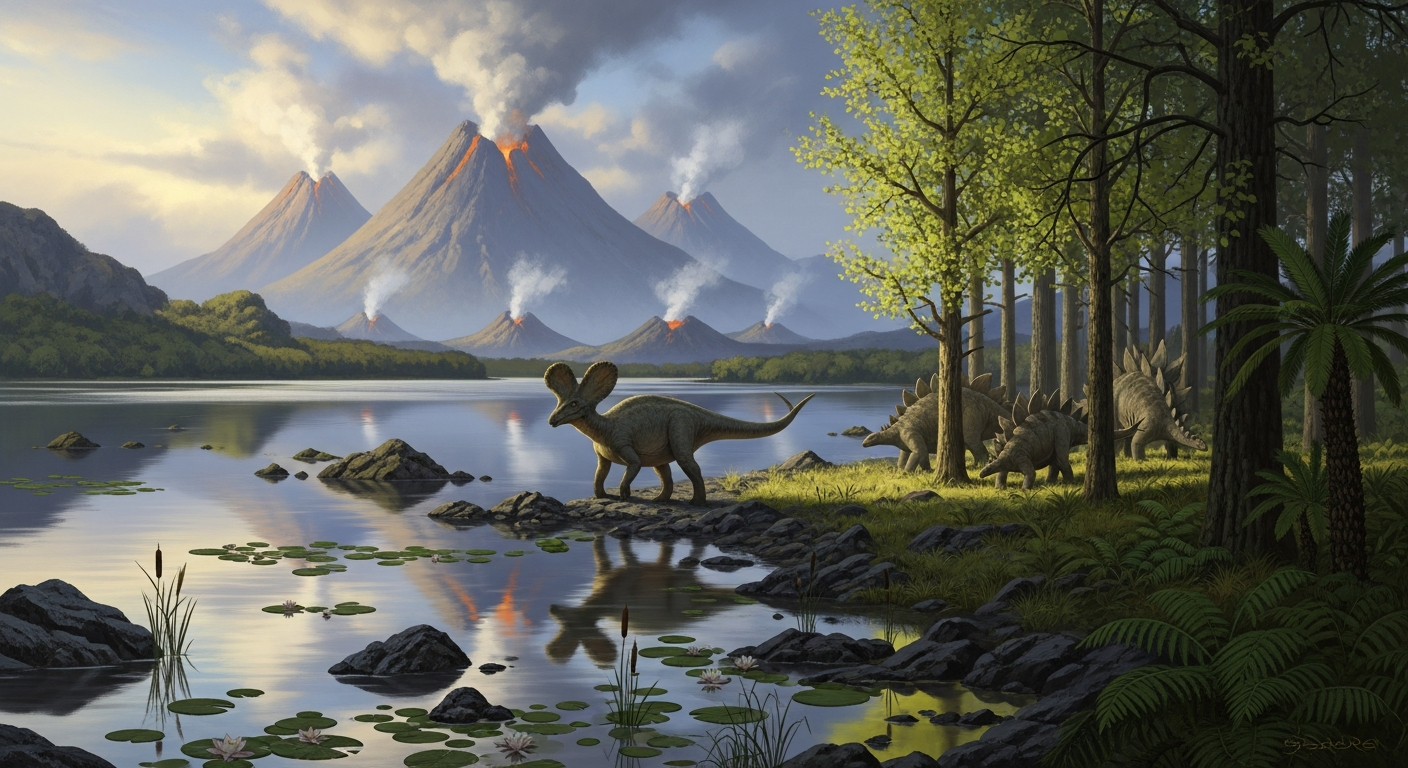
Tiaojishan Formation
Liaoning, Hebei · China
161–156 million years ago(5m year span)
Keep exploring the vault
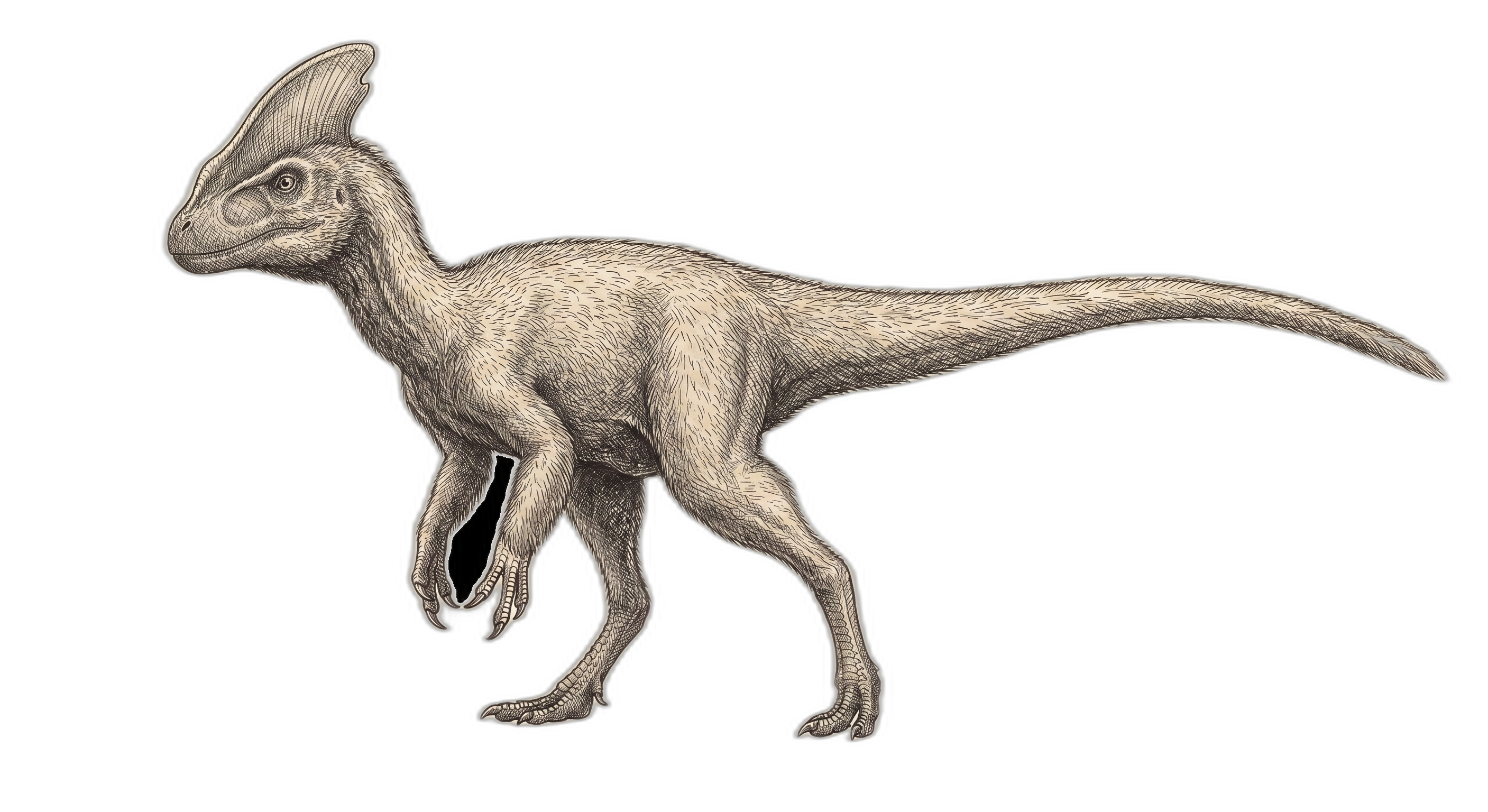
Guanlong
Guanlong, a 3m proceratosaurid tyrannosauroid, is known from the Shishugou Formation which overlaps temporally with the Tiaojishan Formation in the Late Jurassic of China.
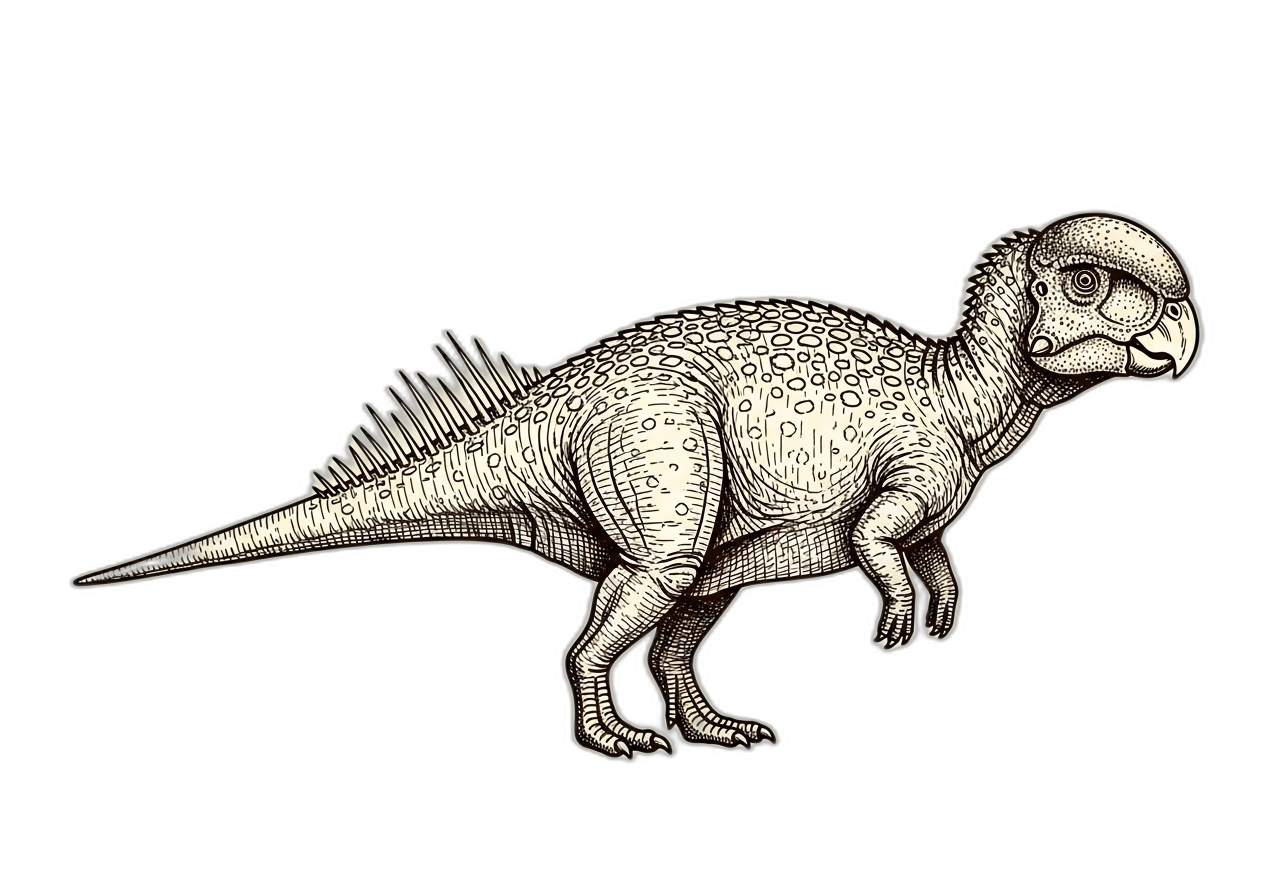
Psittacosaurus
Psittacosaurus mongoliensis
Yinlong is the most basal known ceratopsian, retaining primitive features while showing early ceratopsian characteristics.
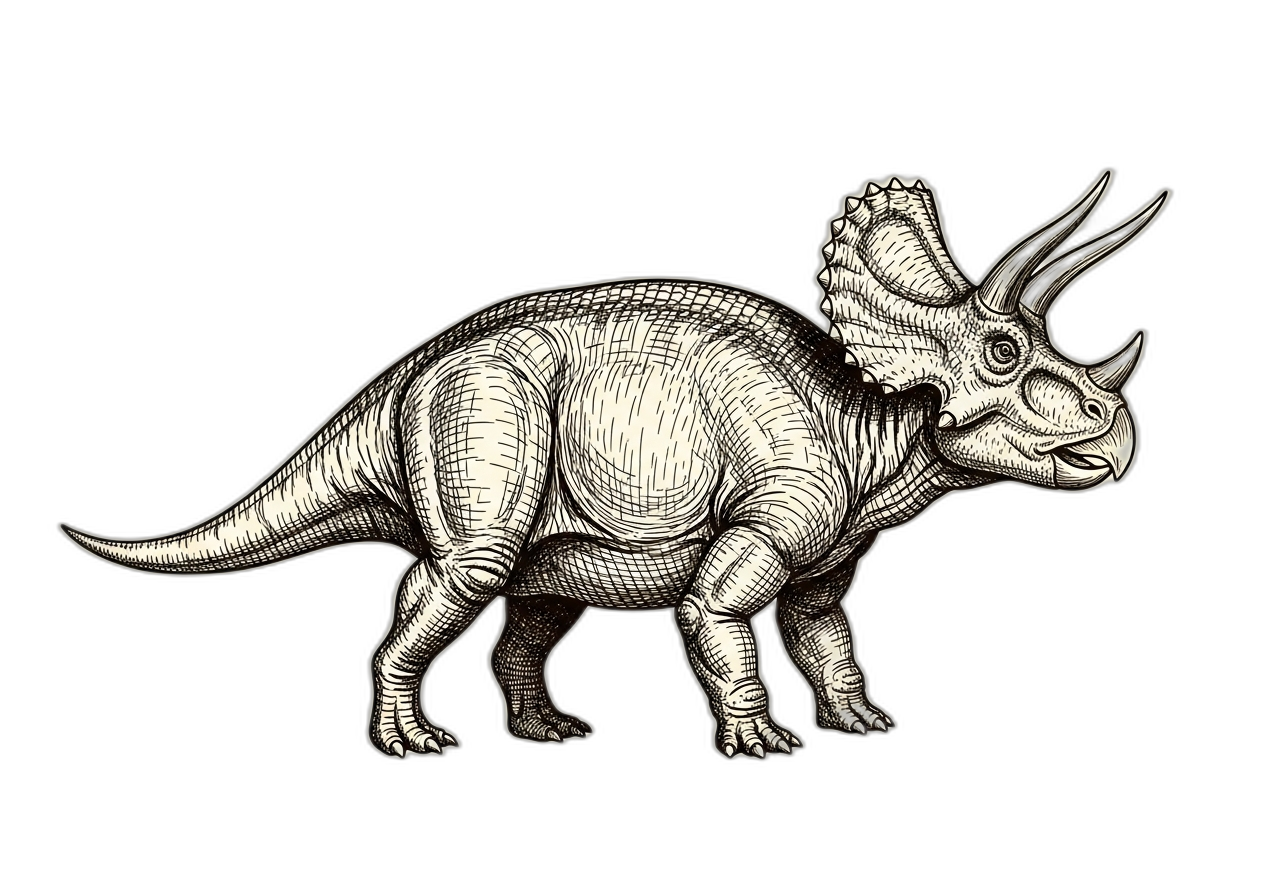
Triceratops
Triceratops horridus
Yinlong represents the earliest known ceratopsian (~160 mya), a small bipedal herbivore, while Triceratops represents the culmination of ceratopsian evolution (~68-66 mya) as a massive quadrupedal horned dinosaur.
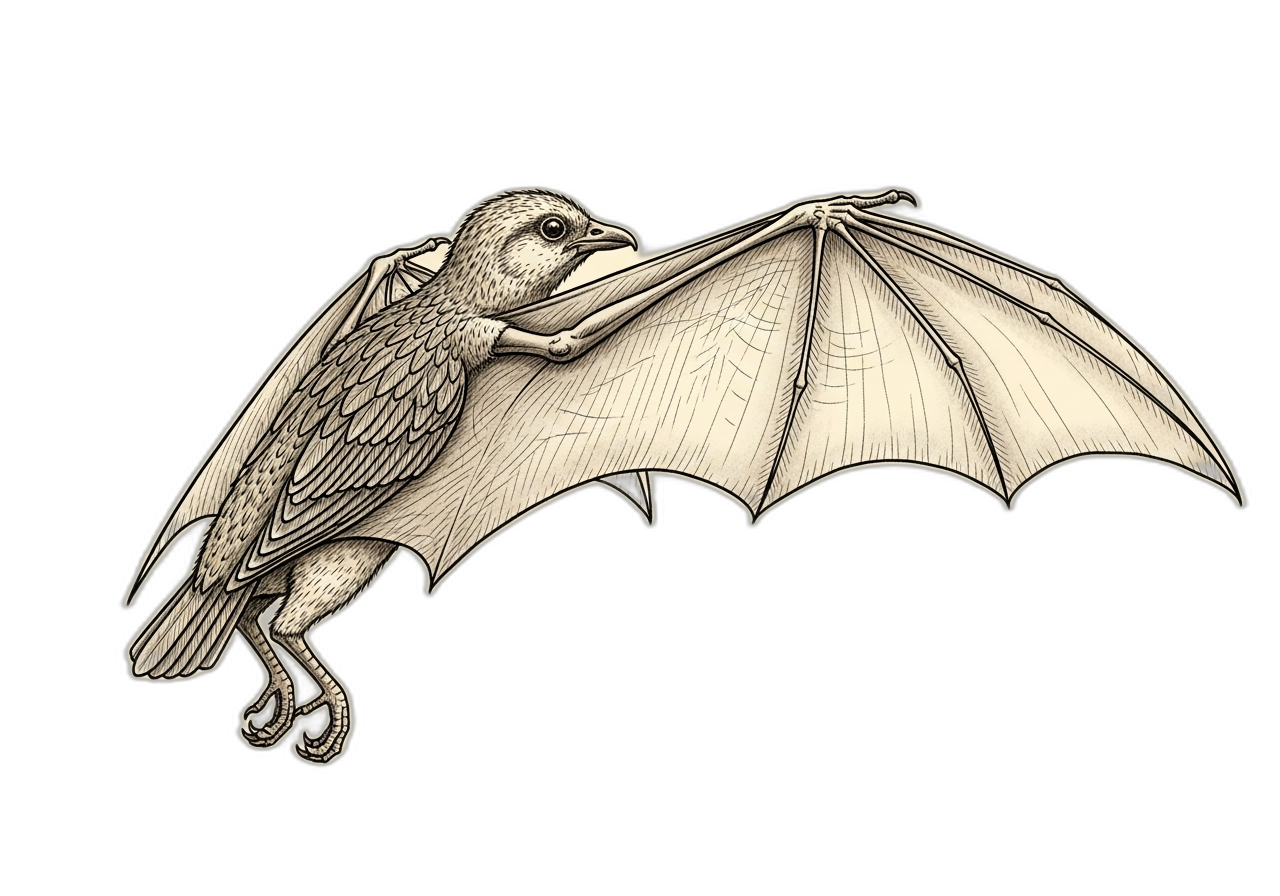
Yi
Both species are known from the Tiaojishan Formation of China, dating to approximately 160 million years ago.
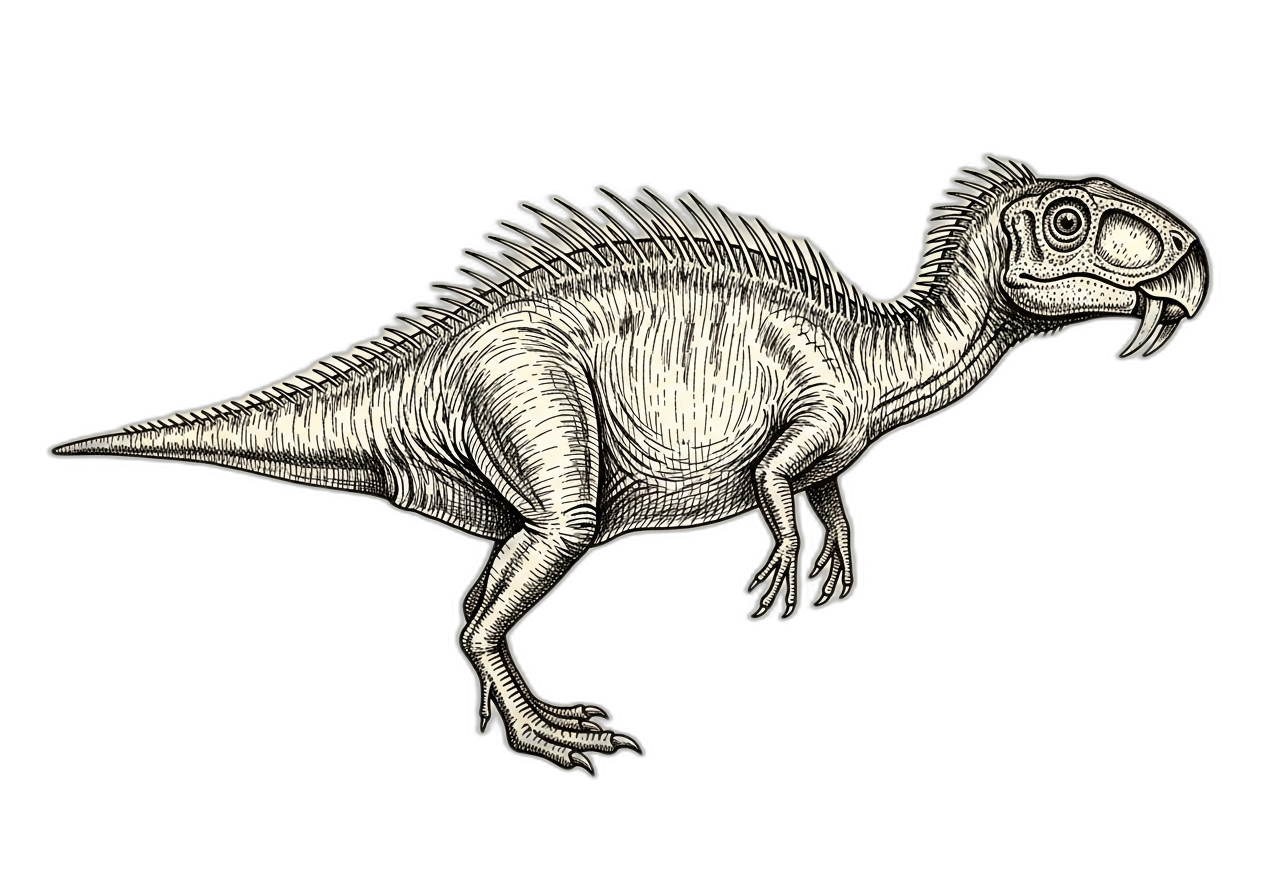
Heterodontosaurus
Heterodontosaurus tucki
Both represent early ornithischians experimenting with heterodont dentition and similar body plans.
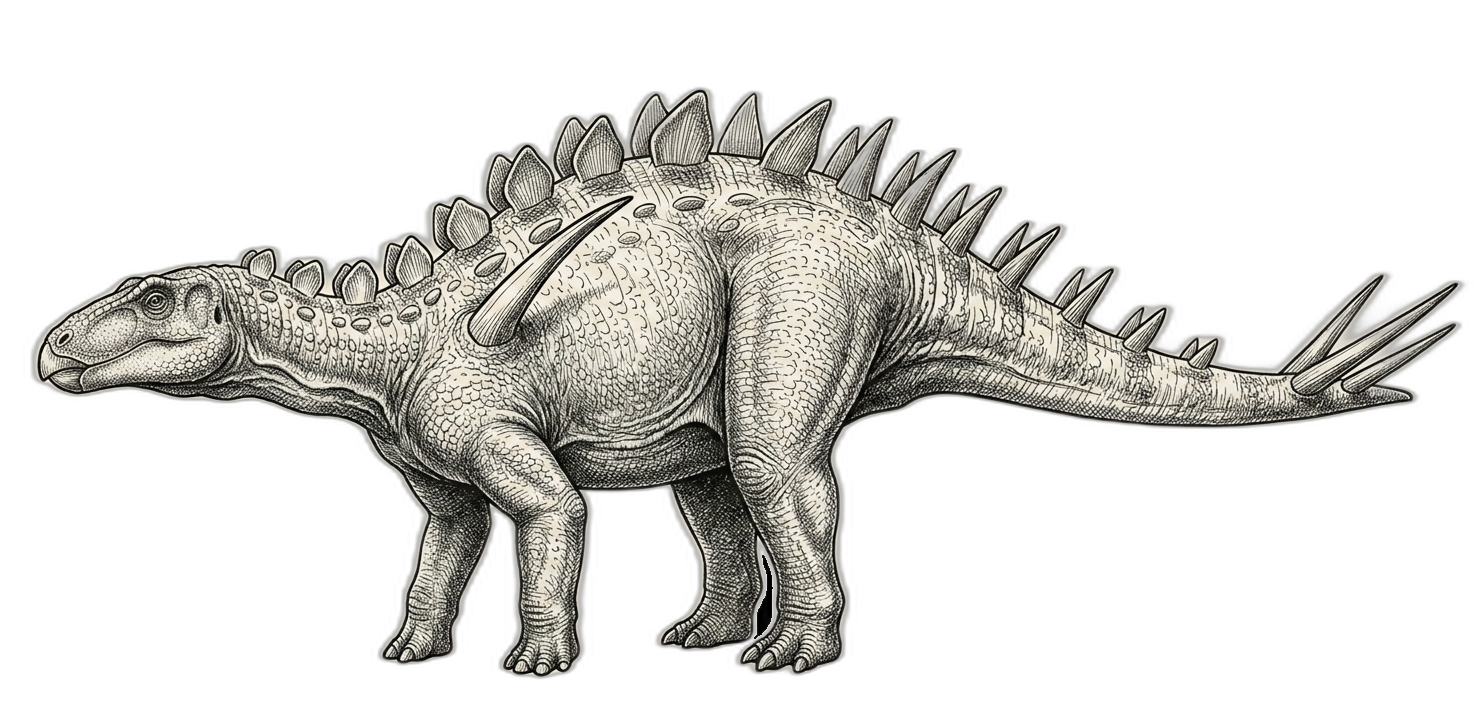
Huayangosaurus
Huayangosaurus taibaii
Both are basal members of their respective ornithischian clades from Middle-Late Jurassic China.