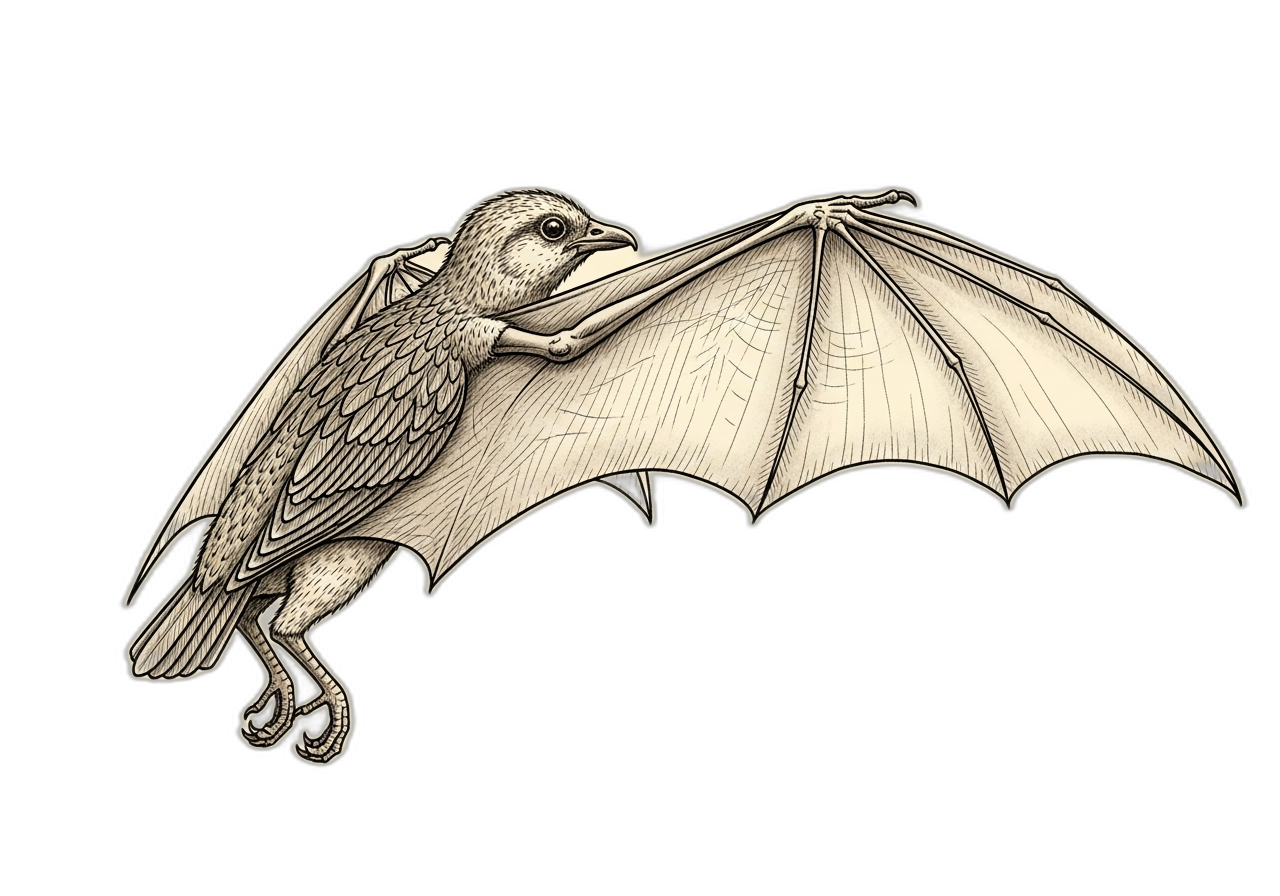
About
Yi qi represents one of the most bizarre and unexpected discoveries in dinosaur paleontology. This tiny , whose name means "strange wing" in Mandarin Chinese, possessed a flight apparatus unlike any other known dinosaur. While birds evolved feathered wings and pterosaurs had membrane wings supported by an elongated fourth finger, Yi qi took an entirely different evolutionary path — developing bat-like membranous wings supported by an elongated third finger and a completely unique rod-like bone extending from its wrist called a styliform element.
Discovered in 2015 by a farmer in Hebei Province, China, the single known specimen preserves remarkable soft tissue impressions including patches of membrane between its fingers and along its arms. The fossil dates to approximately 159 million years ago during the Late Jurassic period, when this region was a lush forest ecosystem. Yi qi likely inhabited the trees, using its unusual wings to glide between branches in search of insects and other small prey.
Despite having both feathers and membranous wings, Yi qi was probably not a powerful flier. Biomechanical studies suggest it was more likely a glider, similar to modern flying squirrels, rather than capable of sustained powered flight like birds. Its small size — roughly comparable to a pigeon — and lightweight skeleton were adaptations for this arboreal, gliding lifestyle.
The discovery of Yi qi fundamentally changed our understanding of dinosaur flight experimentation. It shows that multiple lineages of small theropods independently evolved different solutions to becoming airborne during the Jurassic period, with birds ultimately becoming the most successful. Yi qi's lineage, the scansoriopterygids, represents an evolutionary dead end — a fascinating "what if" in the history of flight.
Where fossils were found

Tiaojishan Formation
Liaoning, Hebei · China
165.3–154.8 million years ago(10.5m year span)
Where Yi qi Roamed
During the Late Jurassic, approximately 160 million years ago, Yi qi inhabited the ancient forests of what is now northeastern China, a region characterized by warm, humid conditions with abundant coniferous and ginkgo woodlands bordering freshwater lakes. This area formed part of the eastern margin of the vast Asian landmass, far from the Tethys Sea to the south, where volcanic activity periodically dusted the landscape with fine ash that would ultimately preserve this remarkable membrane-winged dinosaur in extraordinary detail.
Keep exploring the vault
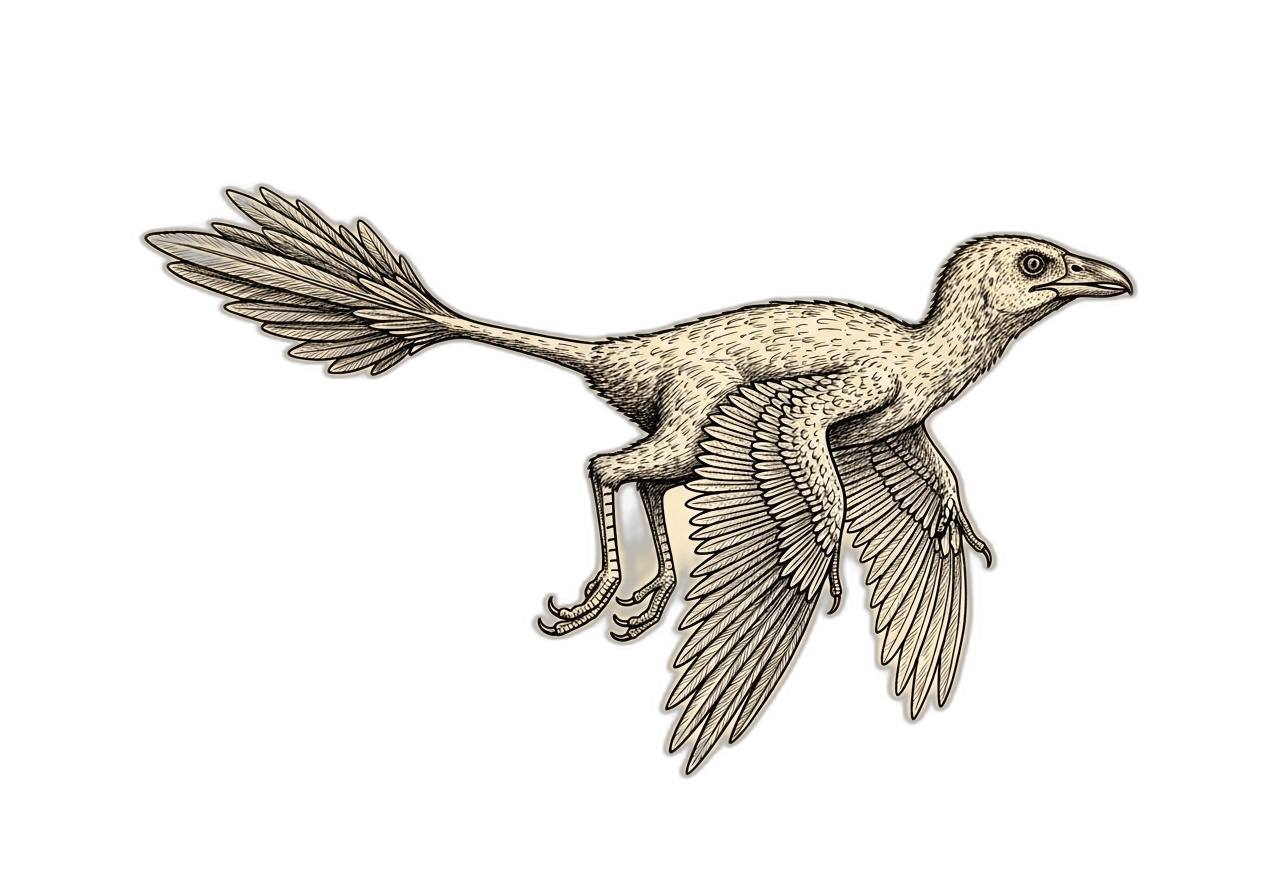
Microraptor
Microraptor gui
Both Yi qi and Microraptor represent independent experiments in gliding/flight among small paravian theropods.
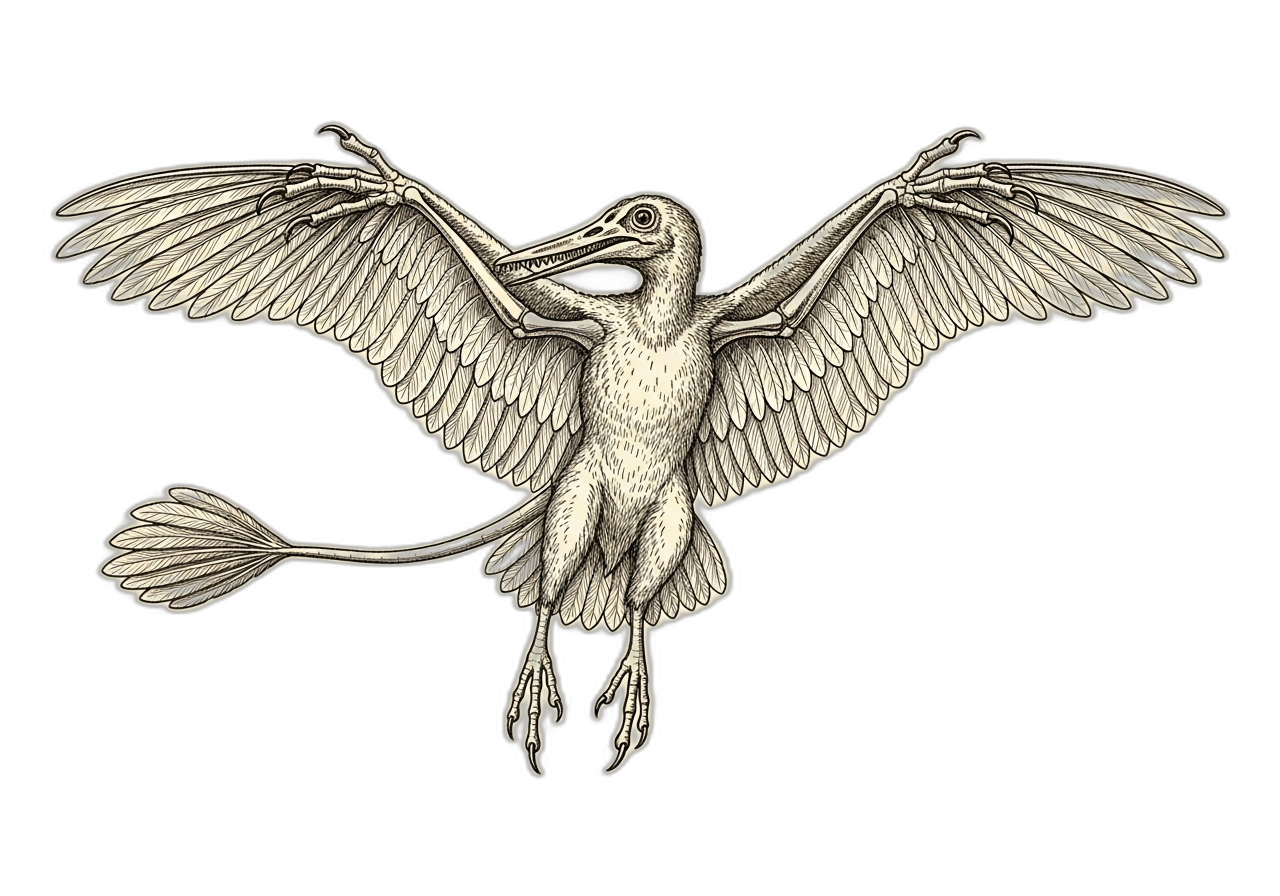
Archaeopteryx
Yi qi and Archaeopteryx represent parallel explorations of flight in small maniraptorans.
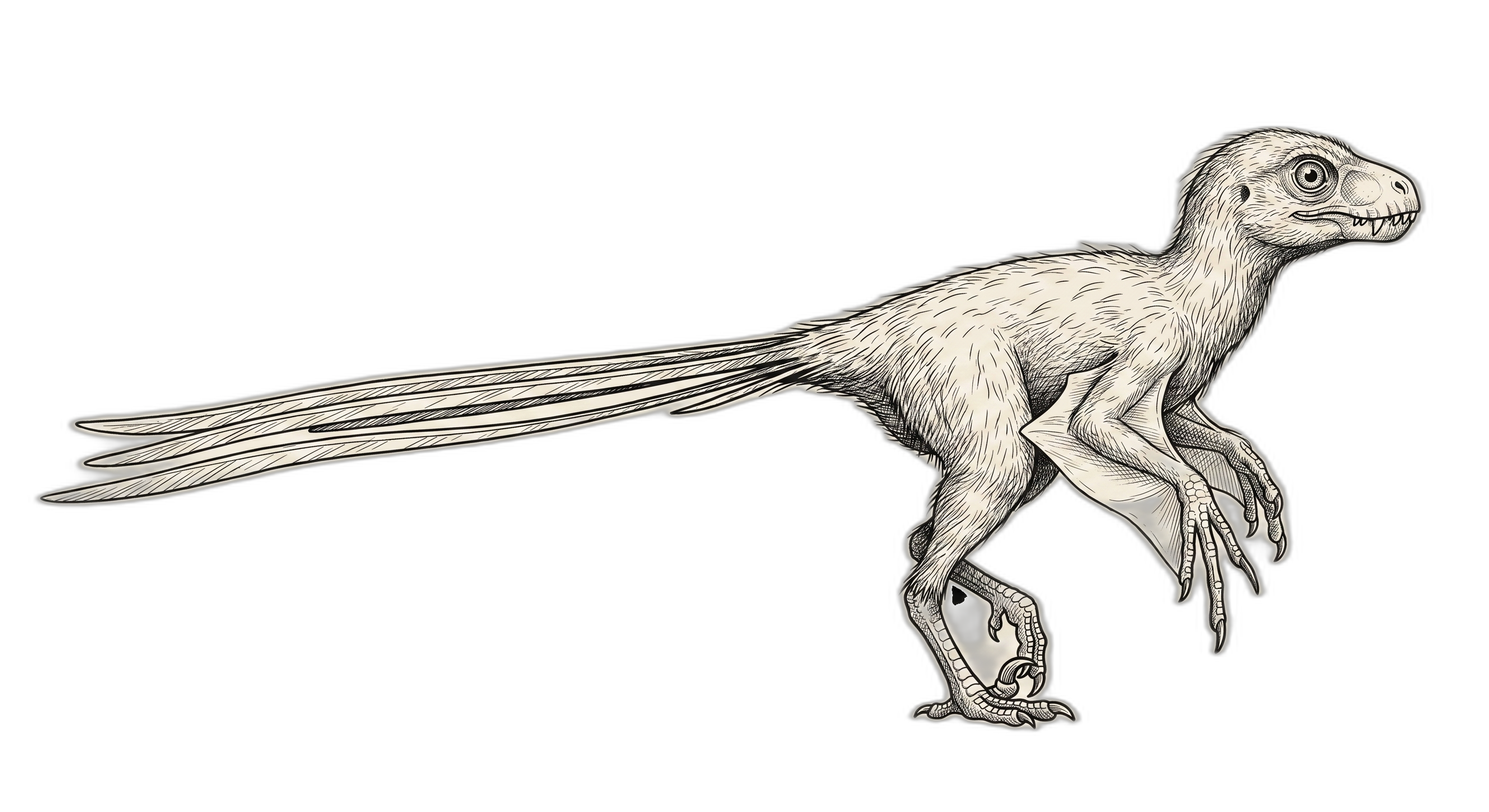
Epidexipteryx
Epidexipteryx hui
Both Epidexipteryx and Yi qi are scansoriopterygid theropods from the Middle-Late Jurassic of China, representing parallel experiments in arboreal locomotion and display structures.
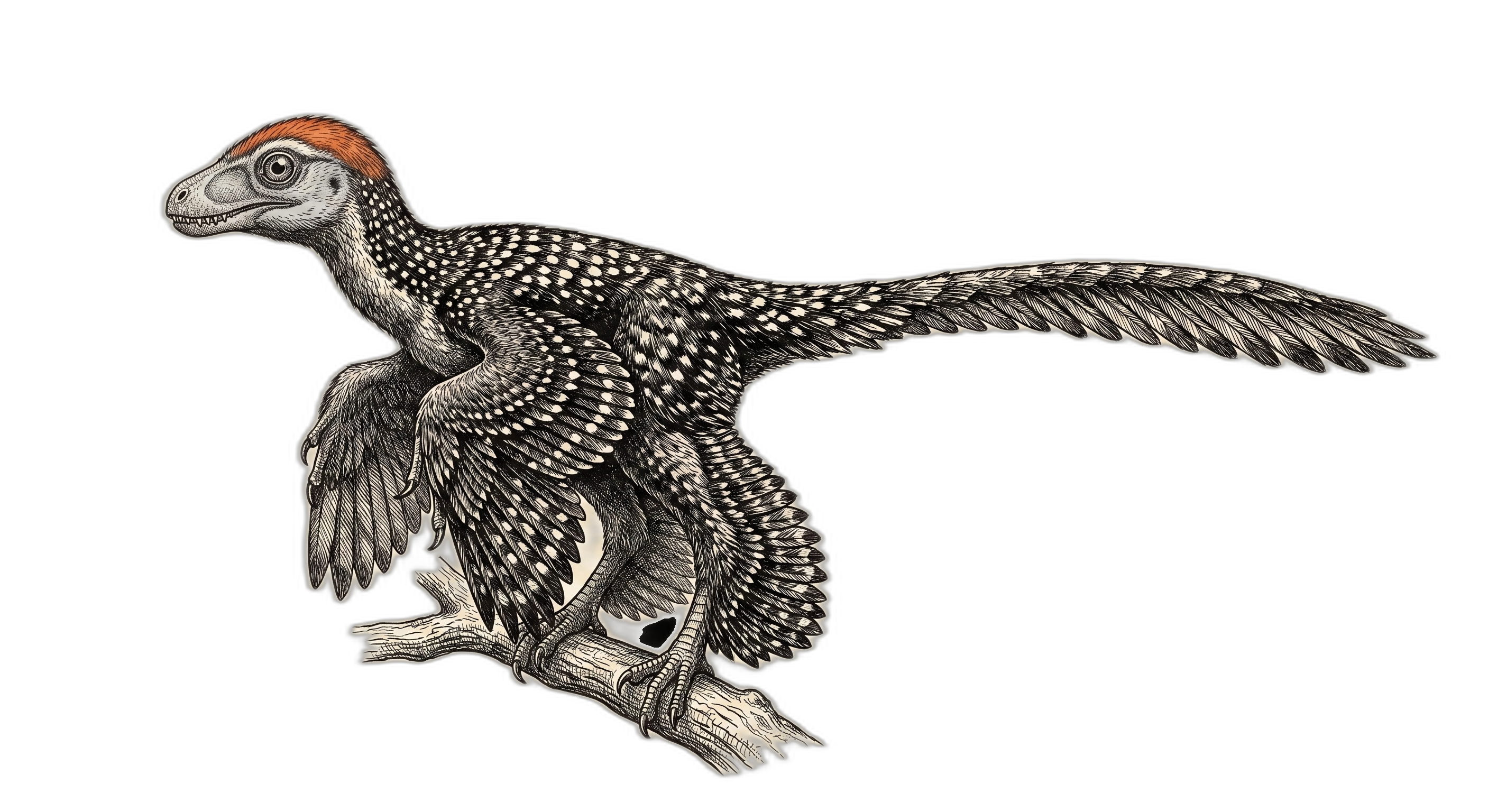
Anchiornis
Both are small, feathered paravians from Middle-Late Jurassic China that explored aerial locomotion through radically different means — Anchiornis with four feathered wings, Yi qi with bat-like membranous wings.
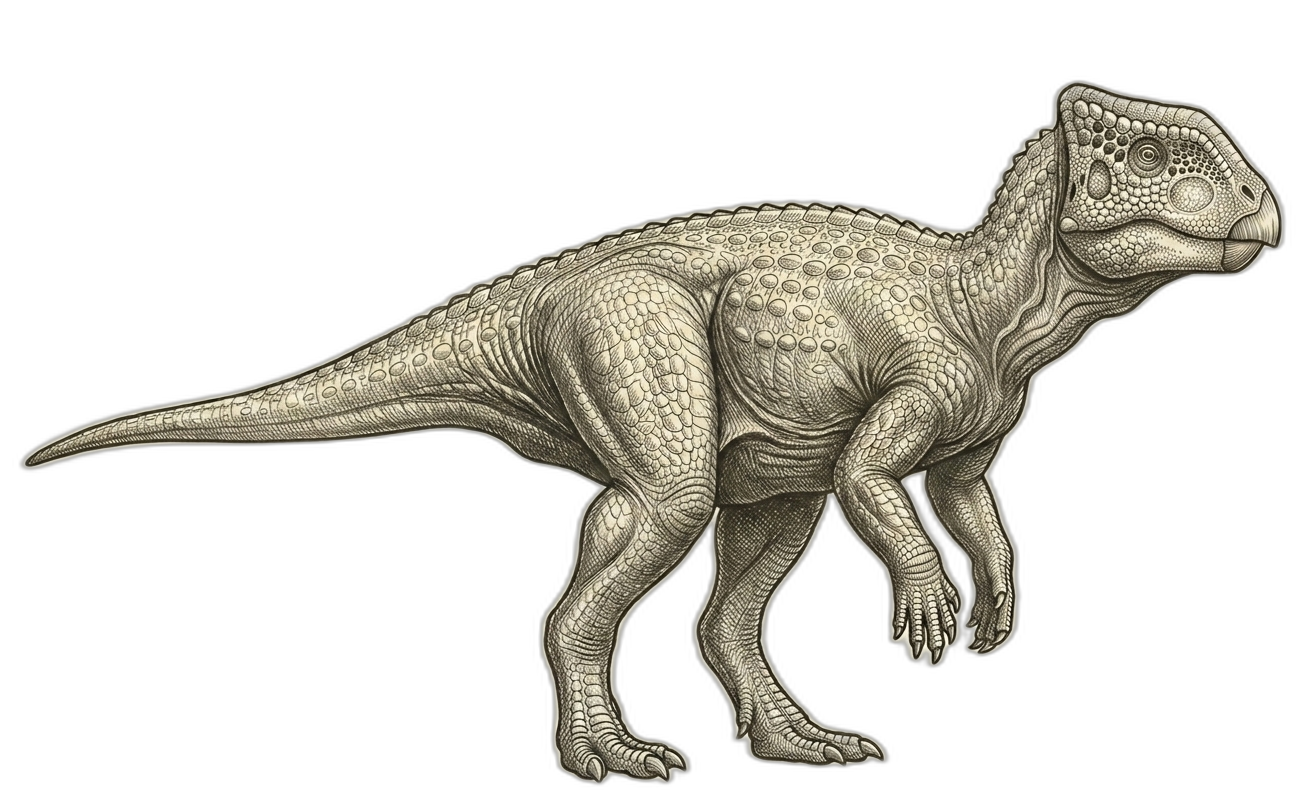
Hidden Dragon
Yinlong downsi
Both species are known from the Tiaojishan Formation of China, dating to approximately 160 million years ago.
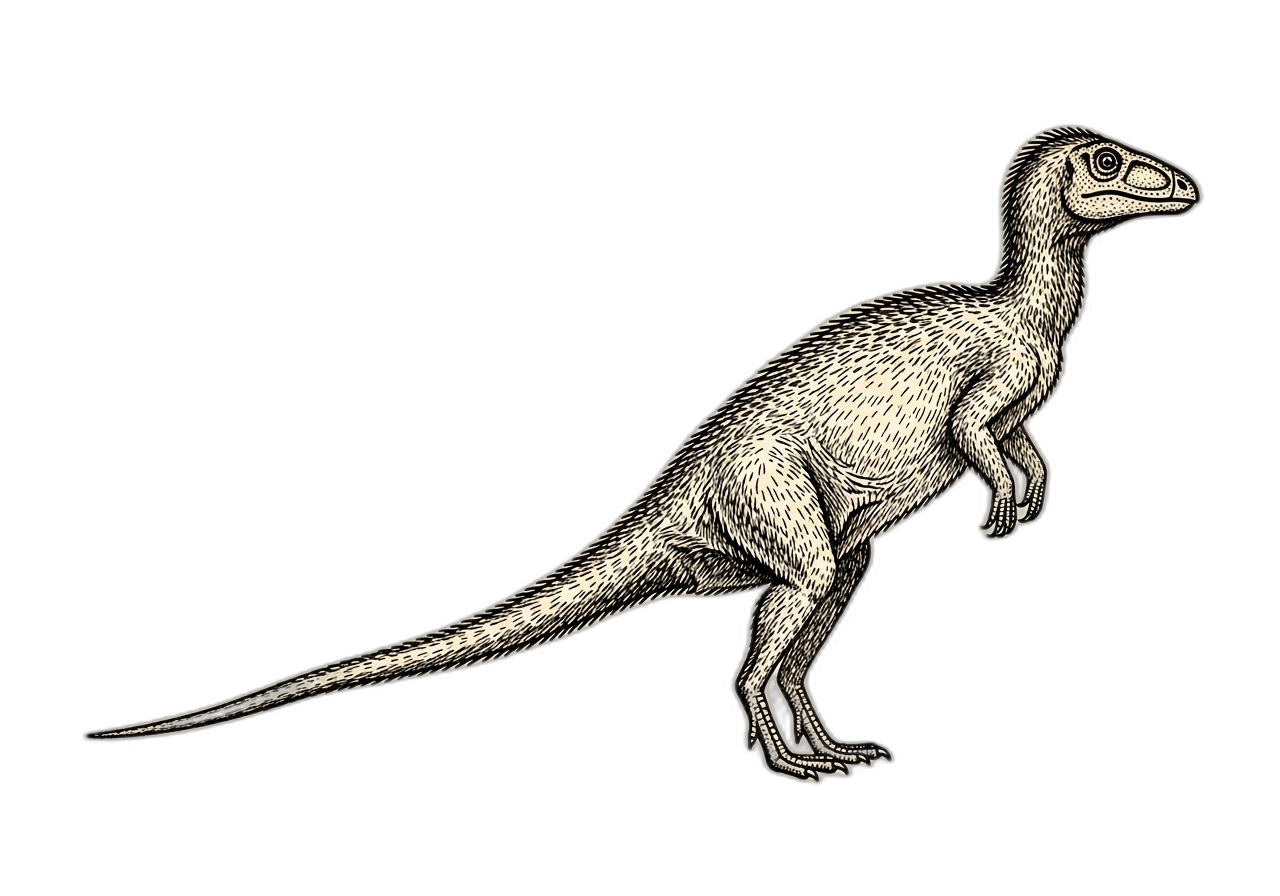
Sinosauropteryx
Sinosauropteryx prima
Both species are part of the broader evolutionary narrative of small, feathered theropods from China exploring different ecological niches.