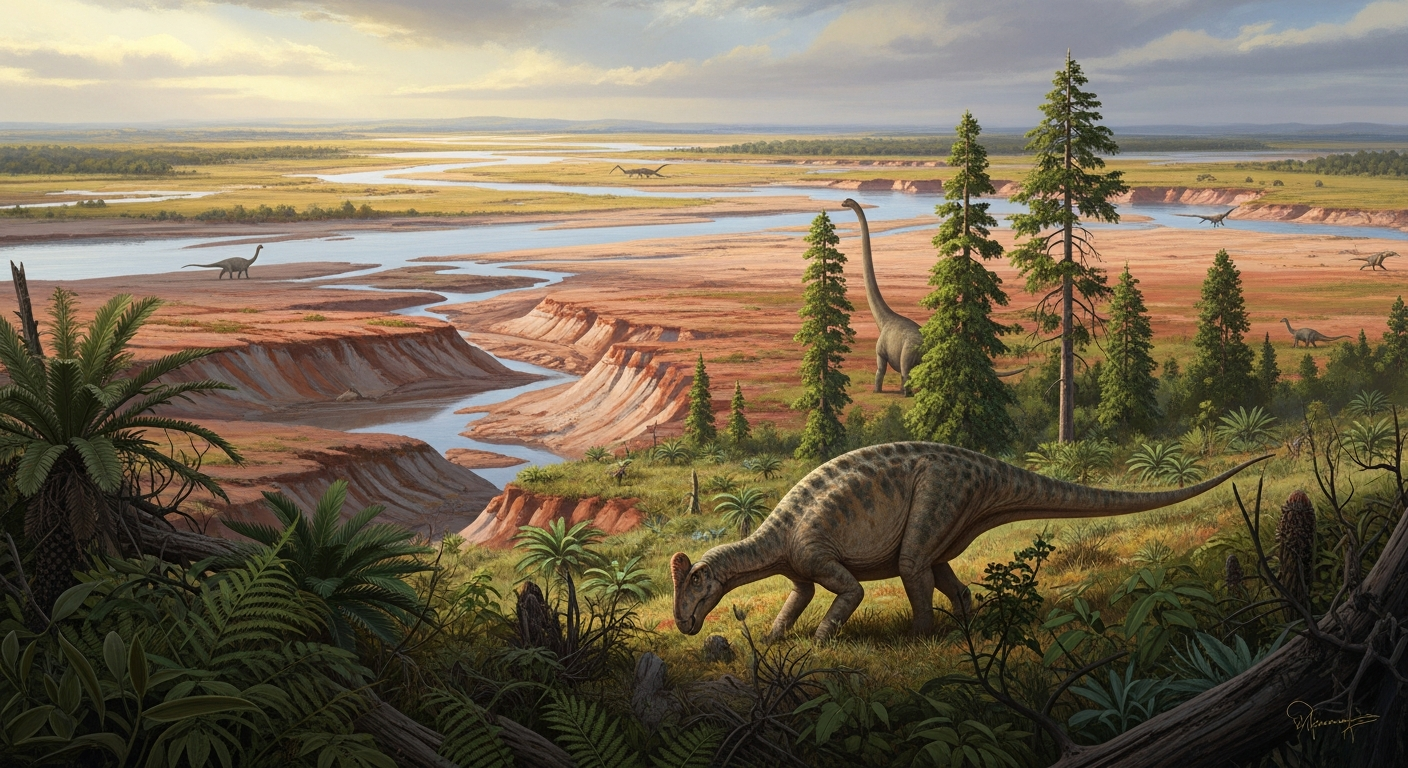
Cloverly Formation
Montana, Wyoming, United States
Why It Matters
The Cloverly Formation is renowned for yielding the first specimens of Deinonychus antirrhopus, a discovery that revolutionized understanding of dinosaur behavior and led to the 'Dinosaur Renaissance.' It also produced important early ornithomimosaurs, nodosaurid ankylosaurs, and early angiosperms, providing crucial data on Early Cretaceous ecosystems of North America.
How Fossils Survived
The Cloverly Formation consists primarily of variegated mudstones, sandstones, and conglomerates deposited in and floodplain environments. The formation represents a semi-arid to seasonally wet climate with river channels and overbank deposits. Preservation quality varies, with specimens found in fine-grained mudstones and channel lag concentrations.
Discovery History
The formation was first described by N.H. Darton in 1904 and named for Cloverly, Wyoming. John Ostrom's excavations from 1964 to 1969 at sites in Montana produced the type specimen of Deinonychus, fundamentally changing paleontological thinking about dinosaur metabolism and bird origins.
Dinosaurs in the Vault
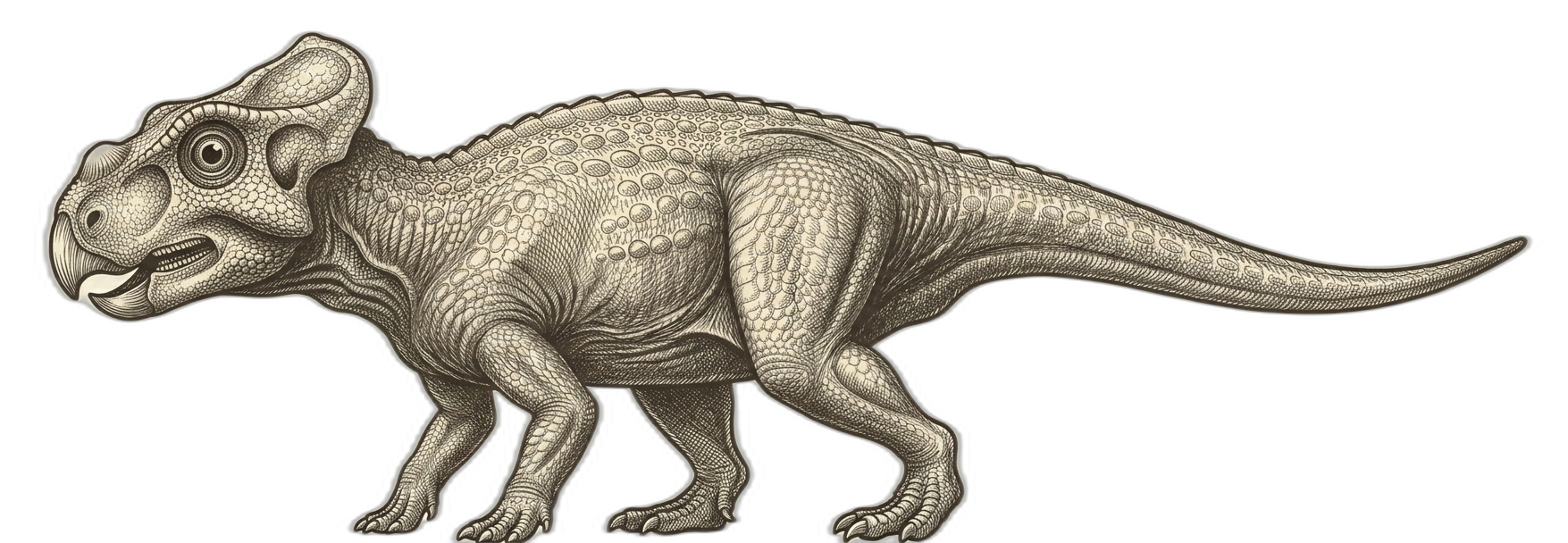
3 species in our database · sorted by size
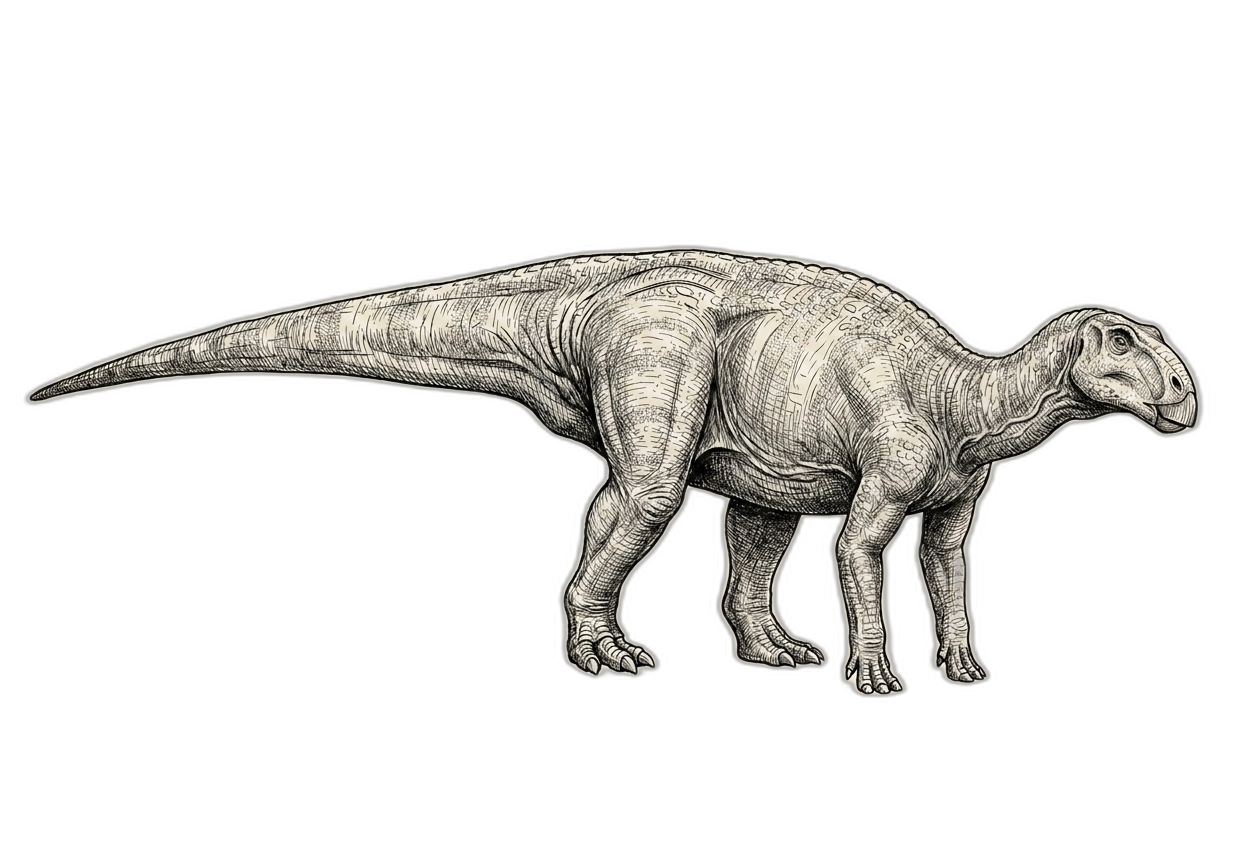
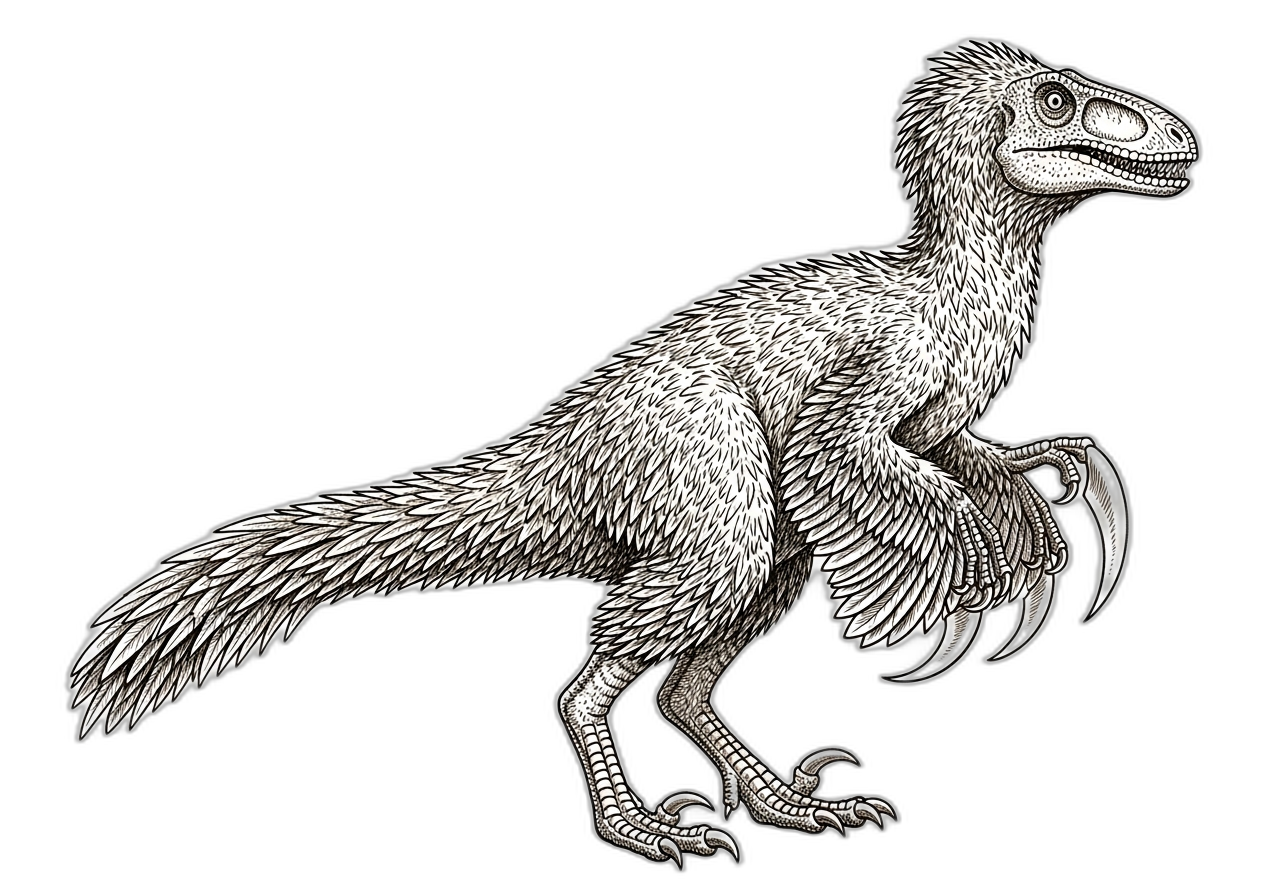
The discovery of multiple Deinonychus specimens around a Tenontosaurus carcass in 1964 provided some of the first evidence for pack hunting behavior in theropod dinosaurs