About
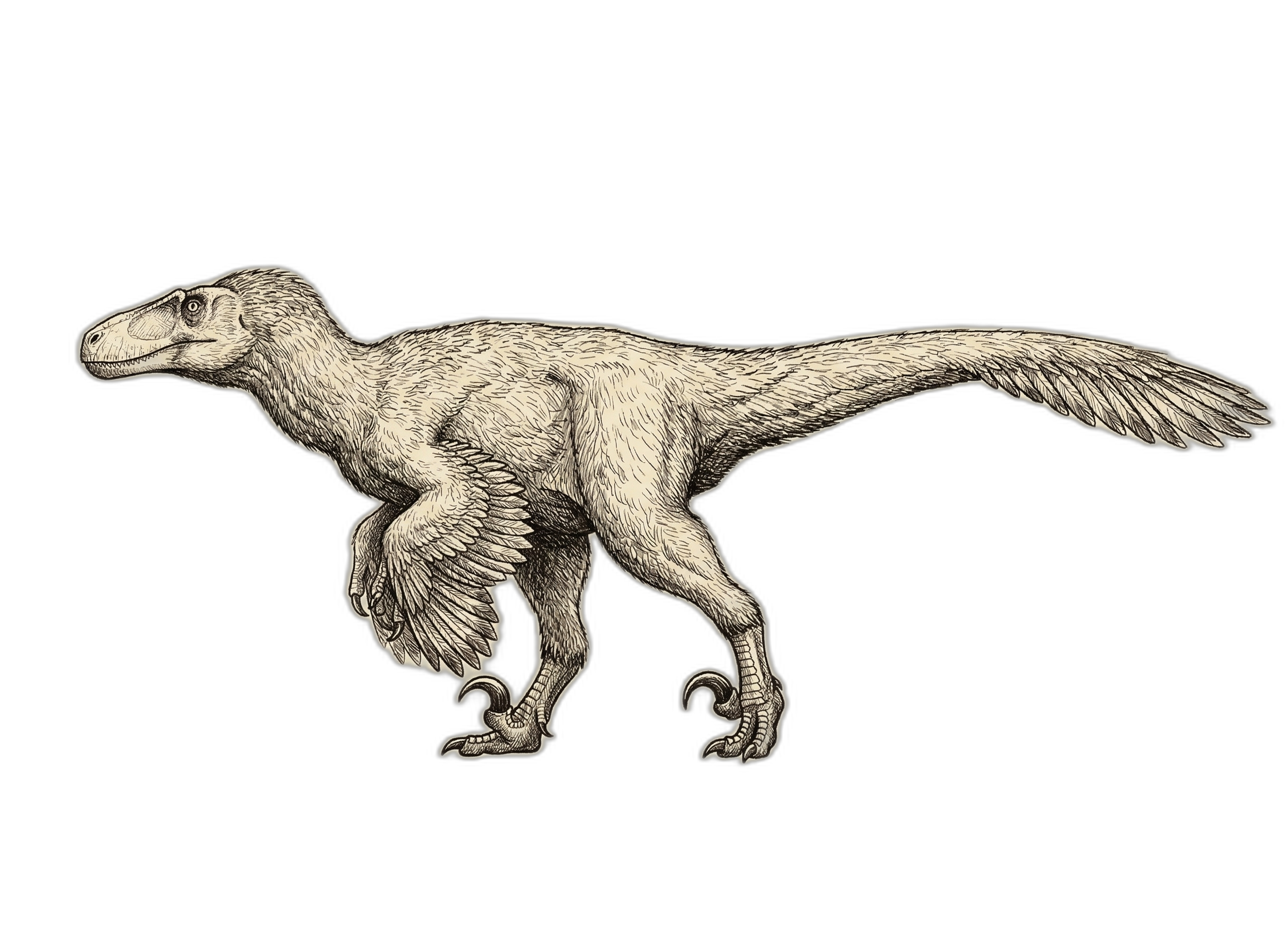
Utahraptor ostrommaysorum was a massive , far exceeding its famous cousin Velociraptor in size. Its most distinctive feature was the enlarged, curved claw on the second toe of each foot, which could reach 24 centimeters along the outer curve. Unlike smaller, gracile dromaeosaurids, Utahraptor had a robust, heavily-muscled build suggesting it was adapted for tackling large prey rather than speed. The animal lived in a semi-arid floodplain environment alongside other dinosaurs like Gastonia and various sauropods. Discovery of a mass death assemblage known as the 'Utahraptor megablock' suggests these predators may have hunted cooperatively or at least congregated around prey. Utahraptor represents crucial evidence that giant dromaeosaurids existed earlier in the Cretaceous than previously thought.
Where fossils were found
Cedar Mountain Formation
Utah, Colorado · United States
137.1–132.6 million years ago(4.5m year span)
Where Utahraptor Roamed
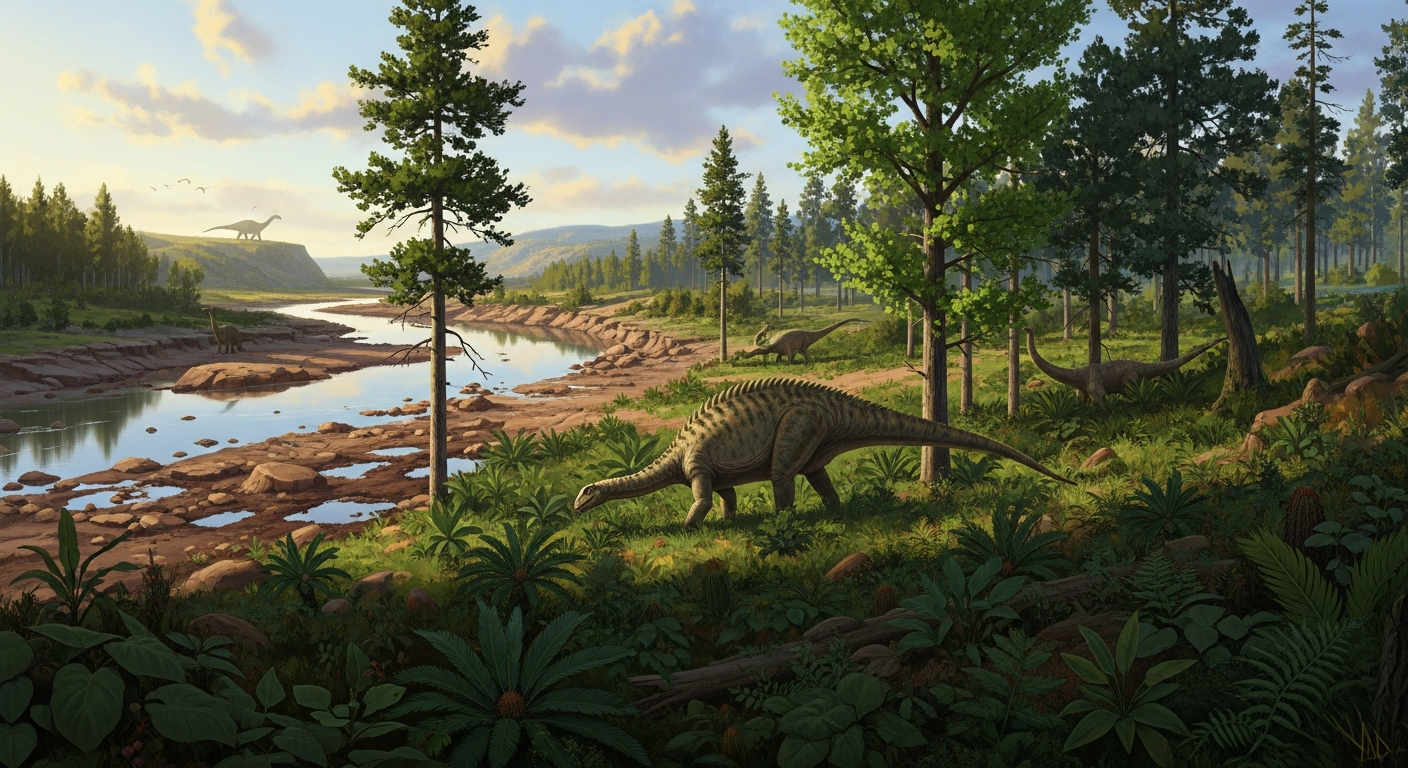
During the Early Cretaceous, Utahraptor roamed the floodplains and river channels of what is now eastern Utah, a semi-arid landscape dotted with seasonal lakes and bordered by ancient highlands, long before the Western Interior Seaway would divide North America. This dynamic environment, preserved in the Cedar Mountain Formation, supported a diverse ecosystem of ferns, conifers, and early flowering plants beneath a warm, seasonally dry climate.
Keep exploring the vault
Gastonia
Gastonia burgei
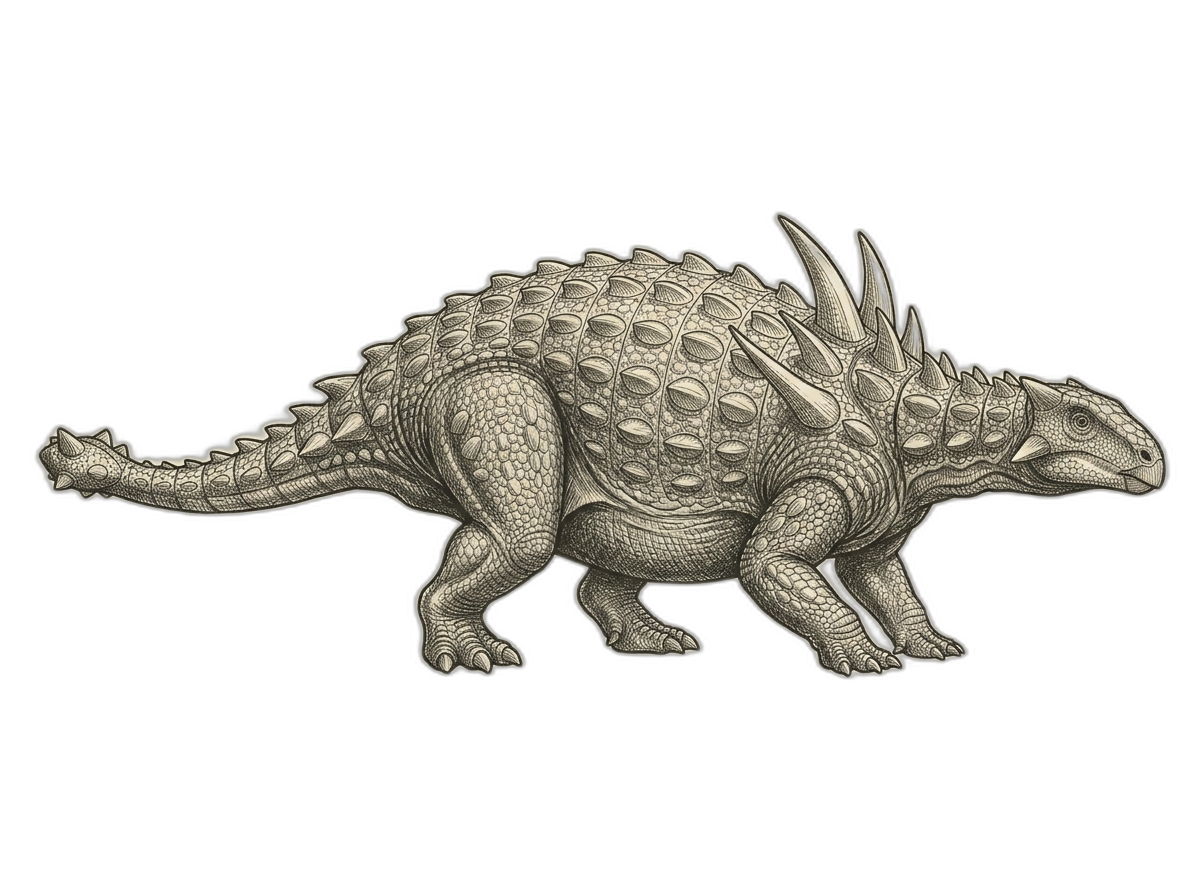
Utahraptor and Gastonia are both known from the Cedar Mountain Formation's Yellow Cat Member, representing the apex predator and a heavily-armored herbivore of the same ecosystem.
Iguanodon
Iguanodon bernissartensis
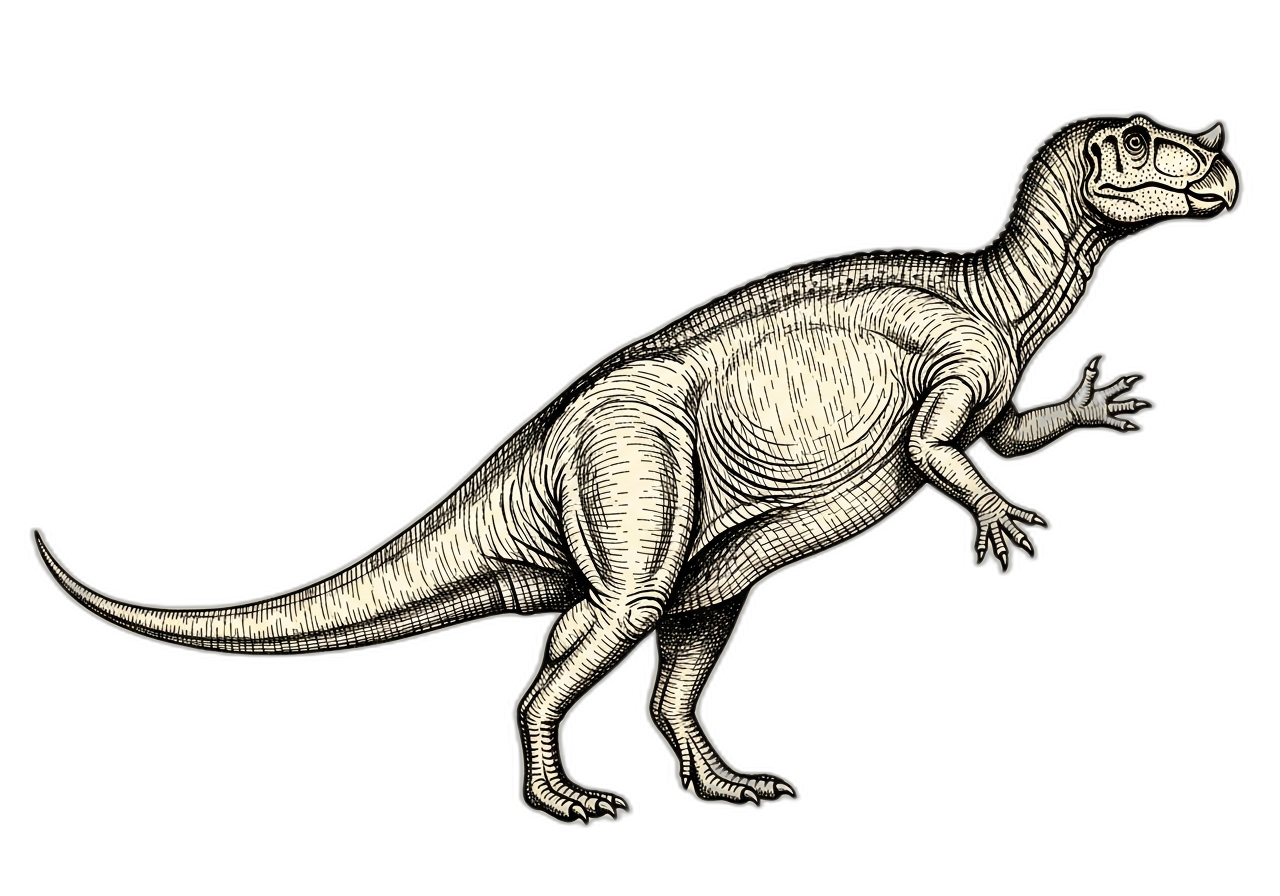
Iguanodon was present in Early Cretaceous ecosystems contemporaneous with Utahraptor.
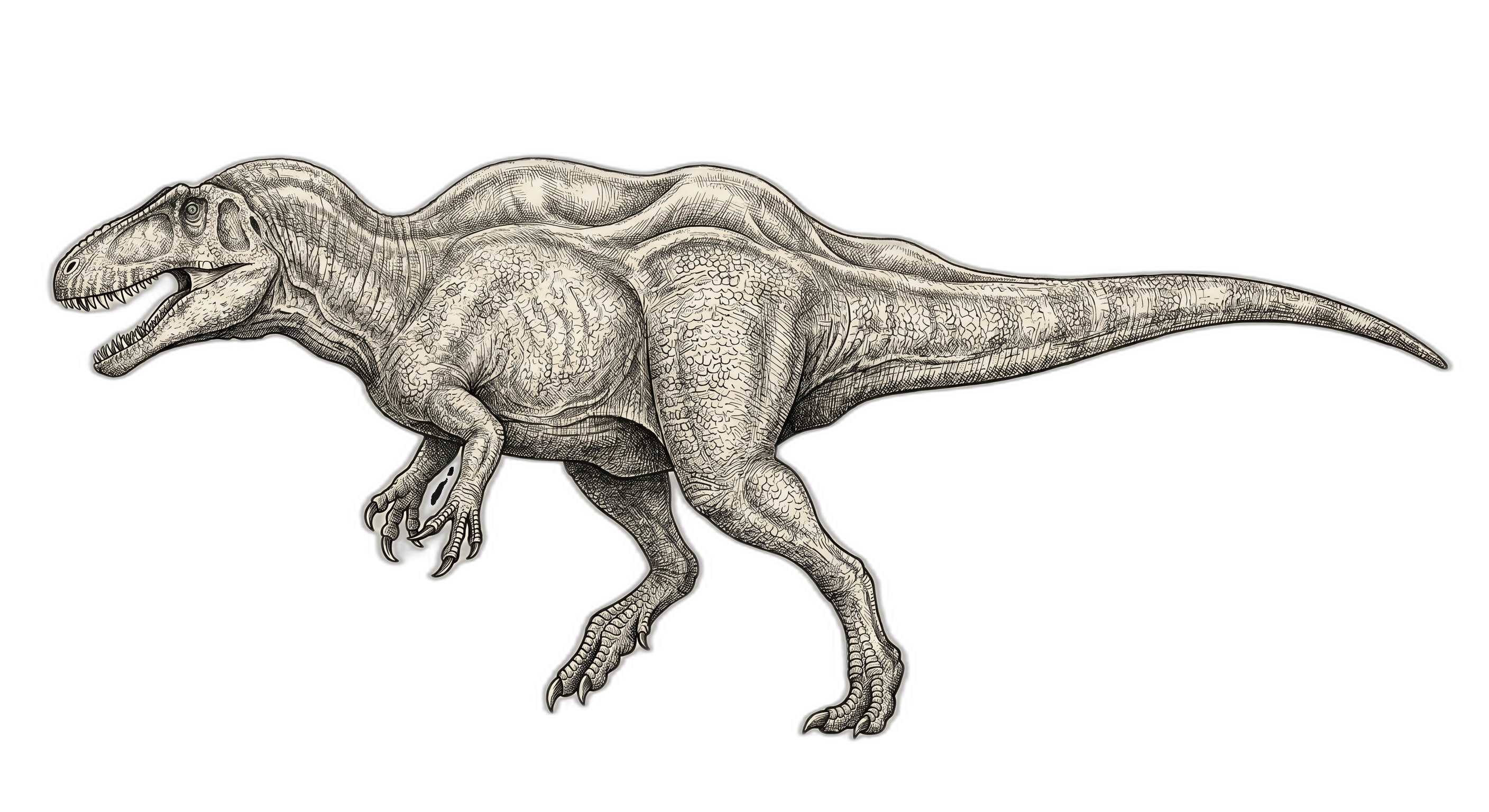
Acrocanthosaurus
Acrocanthosaurus atokensis
Both large theropods lived in Early Cretaceous North America with temporal overlap.
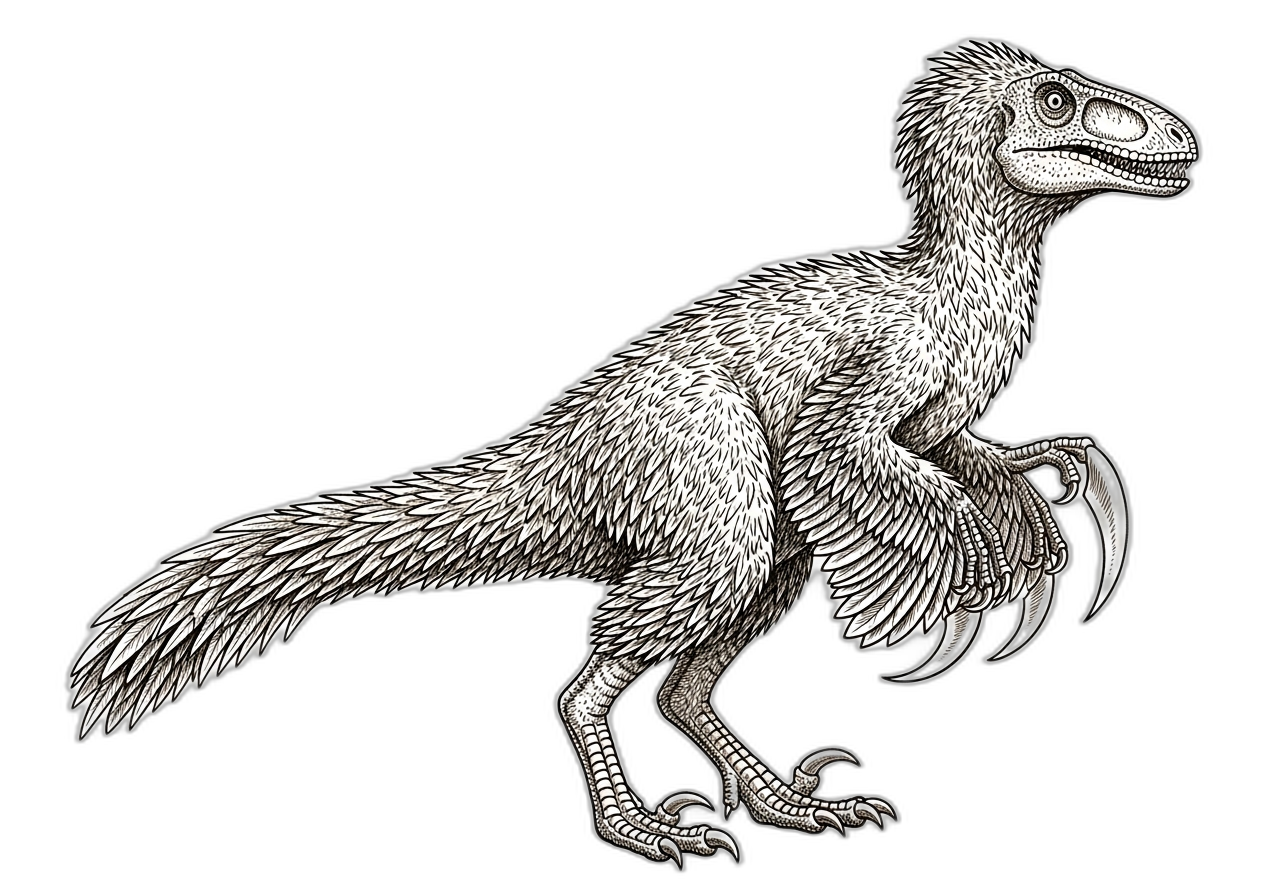
Deinonychus
Deinonychus antirrhopus
Both are large North American dromaeosaurids that evolved hypertrophied sickle claws for predation.
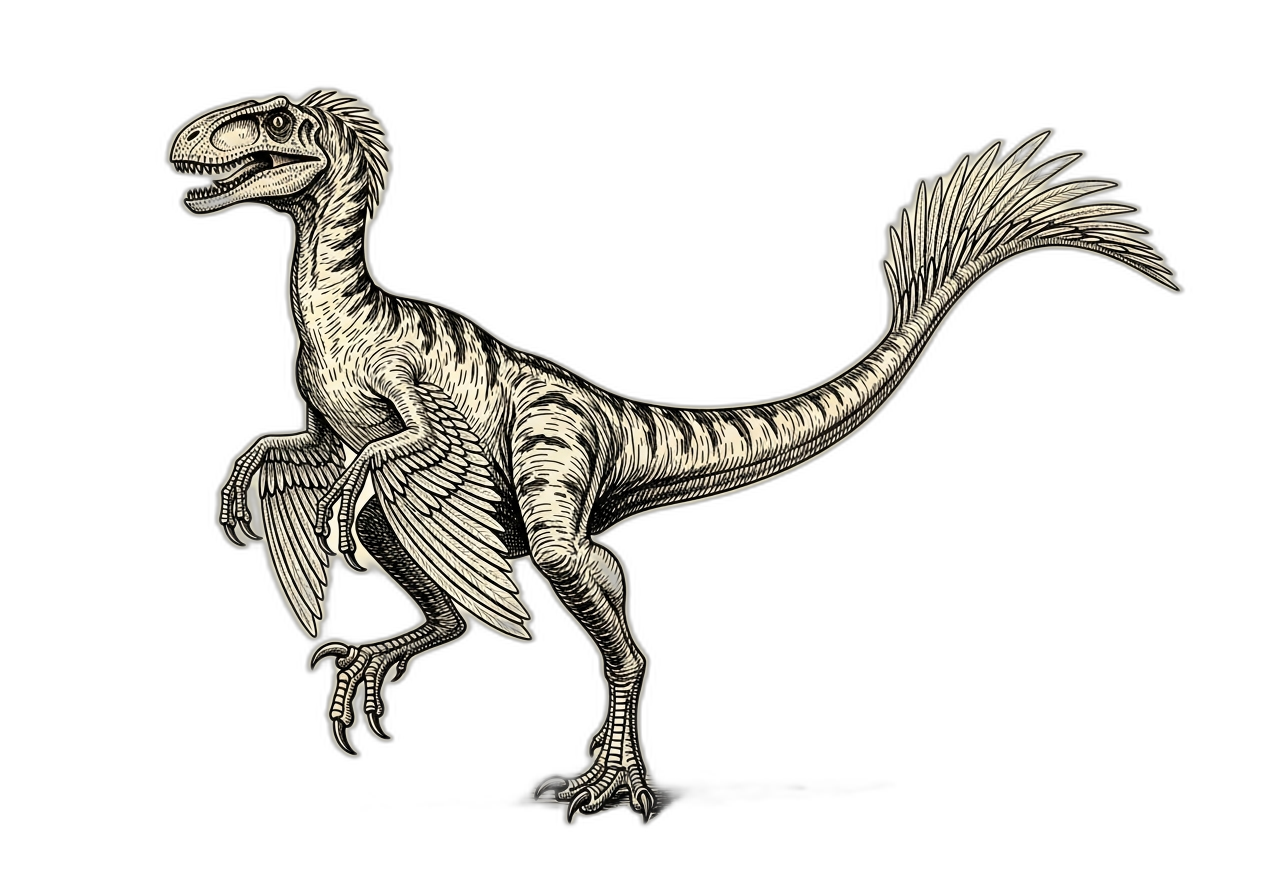
Velociraptor
Velociraptor mongoliensis
Fellow dromaeosaurid exploring the same predatory adaptations — enlarged sickle claw, stiffened tail for balance, and likely feathered body plan — but in a smaller-bodied Asian lineage.
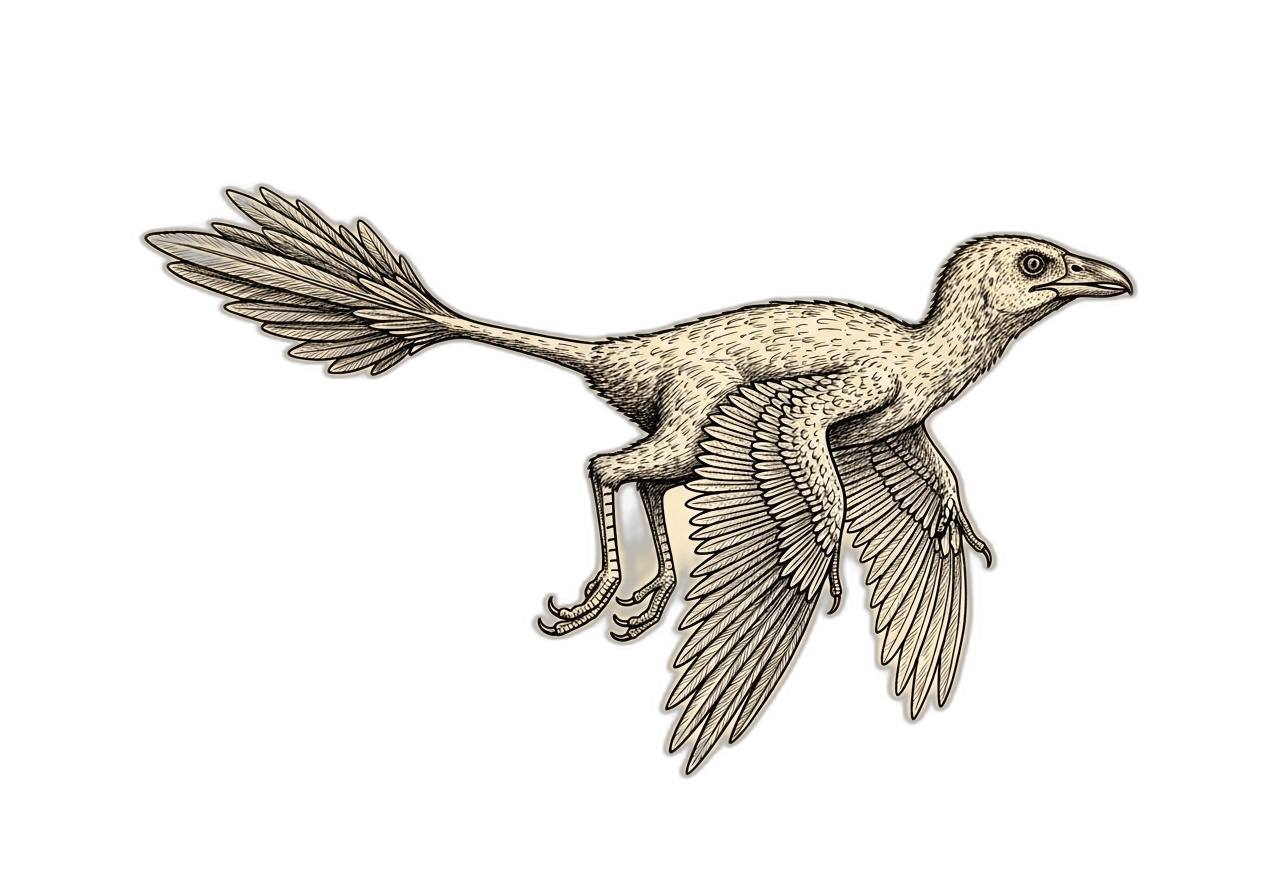
Microraptor
Microraptor gui
Both dromaeosaurids but representing opposite ends of the family's size spectrum and ecological experimentation.