About
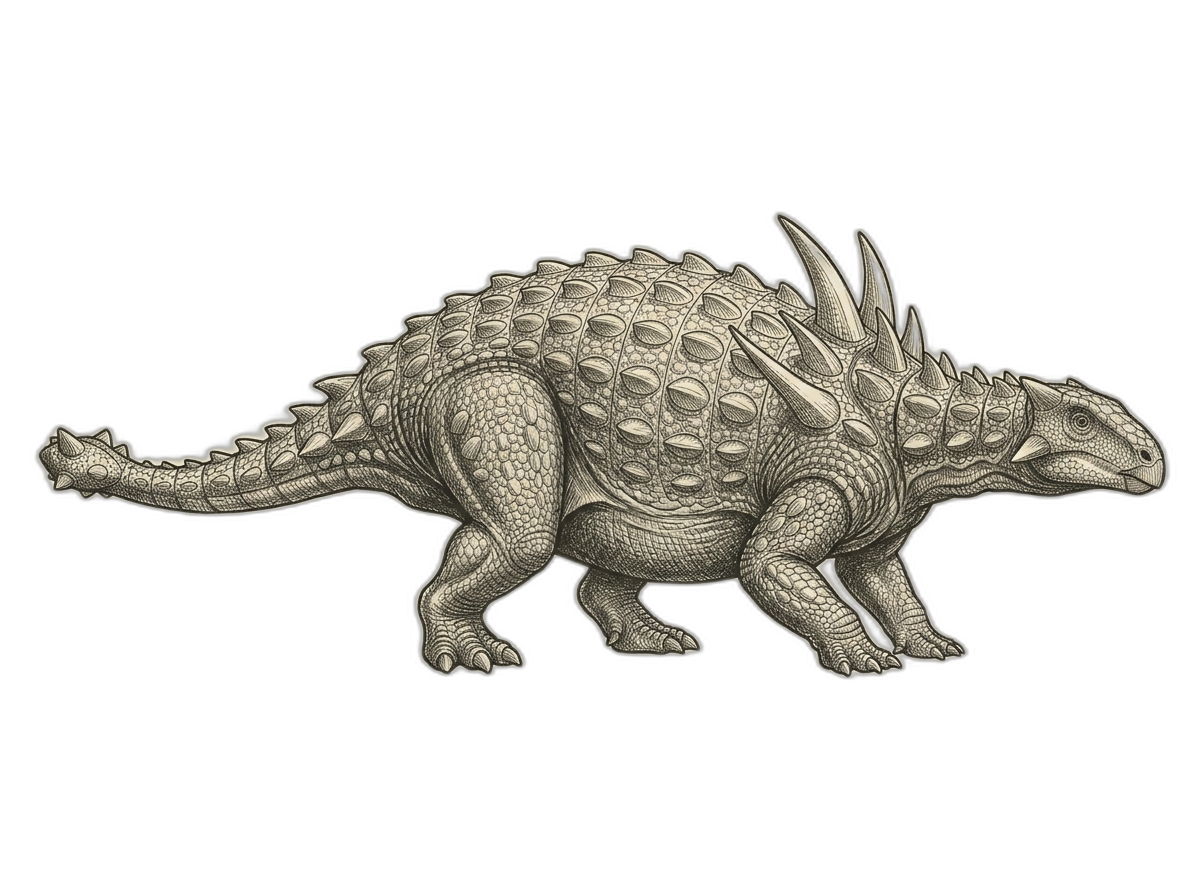
Gastonia burgei represents one of the most spectacularly armored dinosaurs ever discovered, a medium-sized nodosaurid that patrolled the floodplains of Early Cretaceous North America approximately 125 million years ago. This remarkable herbivore was encased in an impressive array of dermal armor including flat triangular spikes projecting from its shoulders, curved blade-like running along its flanks, and a sacral shield of fused plates protecting its hips. Unlike its clubbed-tail cousins the ankylosaurids, Gastonia likely defended itself primarily through its formidable array of lateral spikes.
Discovered in the Cedar Mountain Formation's Gaston Quarry of eastern Utah, Gastonia is known from extensive fossil material including multiple individuals found in close association. This has yielded exceptional specimens preserving the intricate arrangement of armor in life position. Gastonia shared its ecosystem with the giant predator Utahraptor, and paleontologists speculate that its impressive defensive adaptations may have evolved in response to such formidable hunters.
With a broad, low-slung body supported by sturdy limbs, Gastonia was built for stability rather than speed. Its relatively small head contained leaf-shaped teeth adapted for processing low-growing vegetation. The discovery of Gastonia has been crucial for understanding the diversity and evolution of polacanthine ankylosaurs in North America during the Early Cretaceous.
Where fossils were found
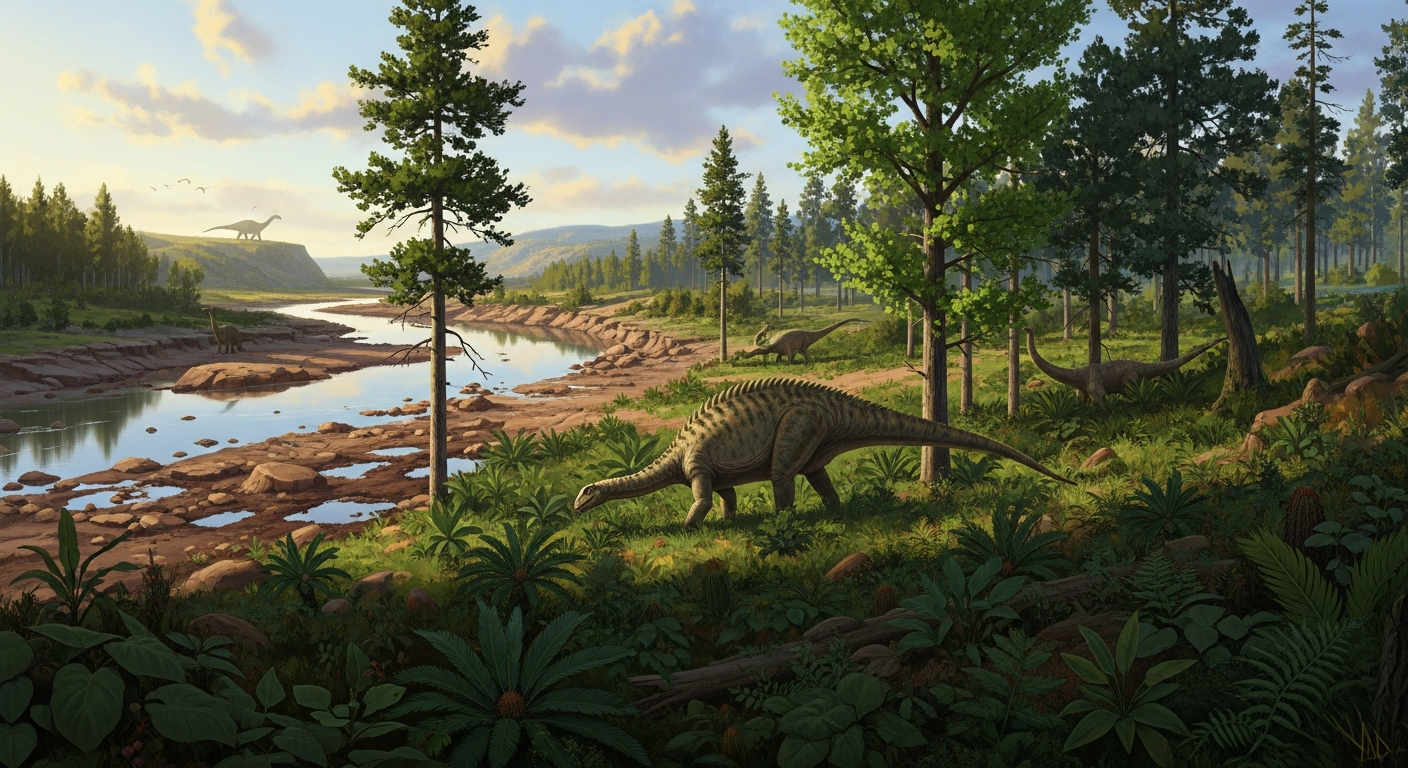
Cedar Mountain Formation
Utah, Colorado · United States
126–121 million years ago(5m year span)
Keep exploring the vault
Utahraptor
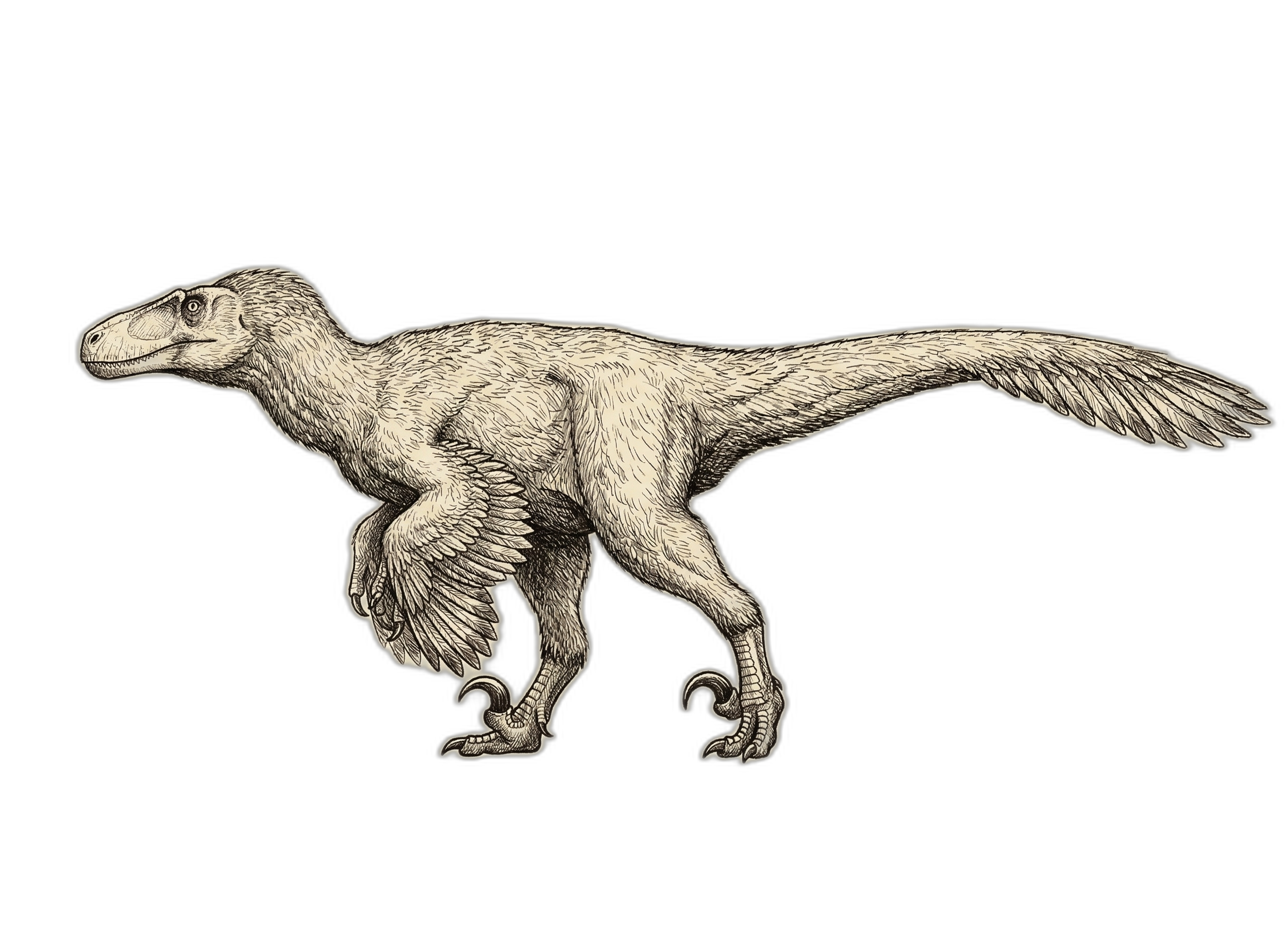
Utahraptor ostrommaysorum
Utahraptor and Gastonia are both known from the Cedar Mountain Formation's Yellow Cat Member, representing the apex predator and a heavily-armored herbivore of the same ecosystem.
Borealopelta
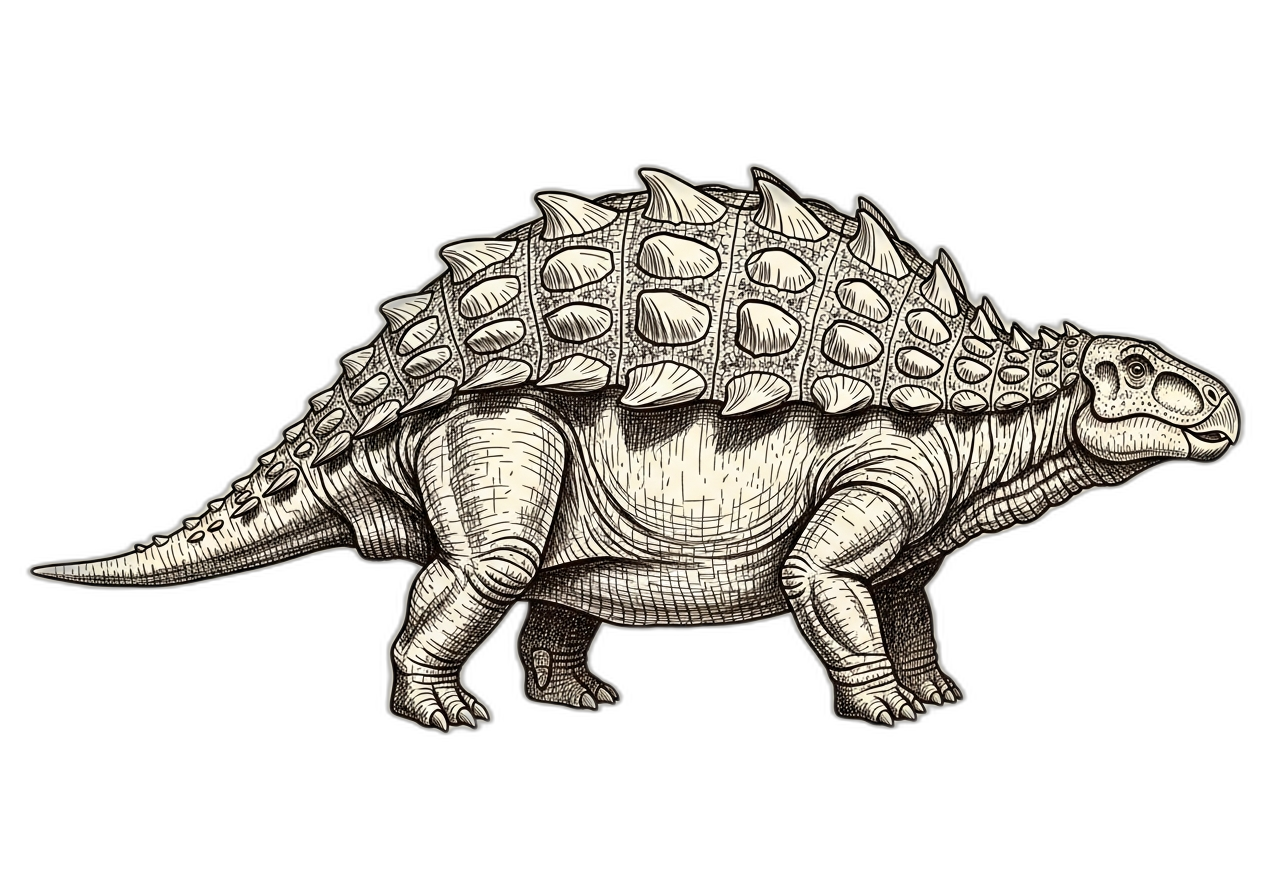
Borealopelta markmitchelli
Both are nodosaurid ankylosaurs with elaborate shoulder spines and extensive dermal armor.
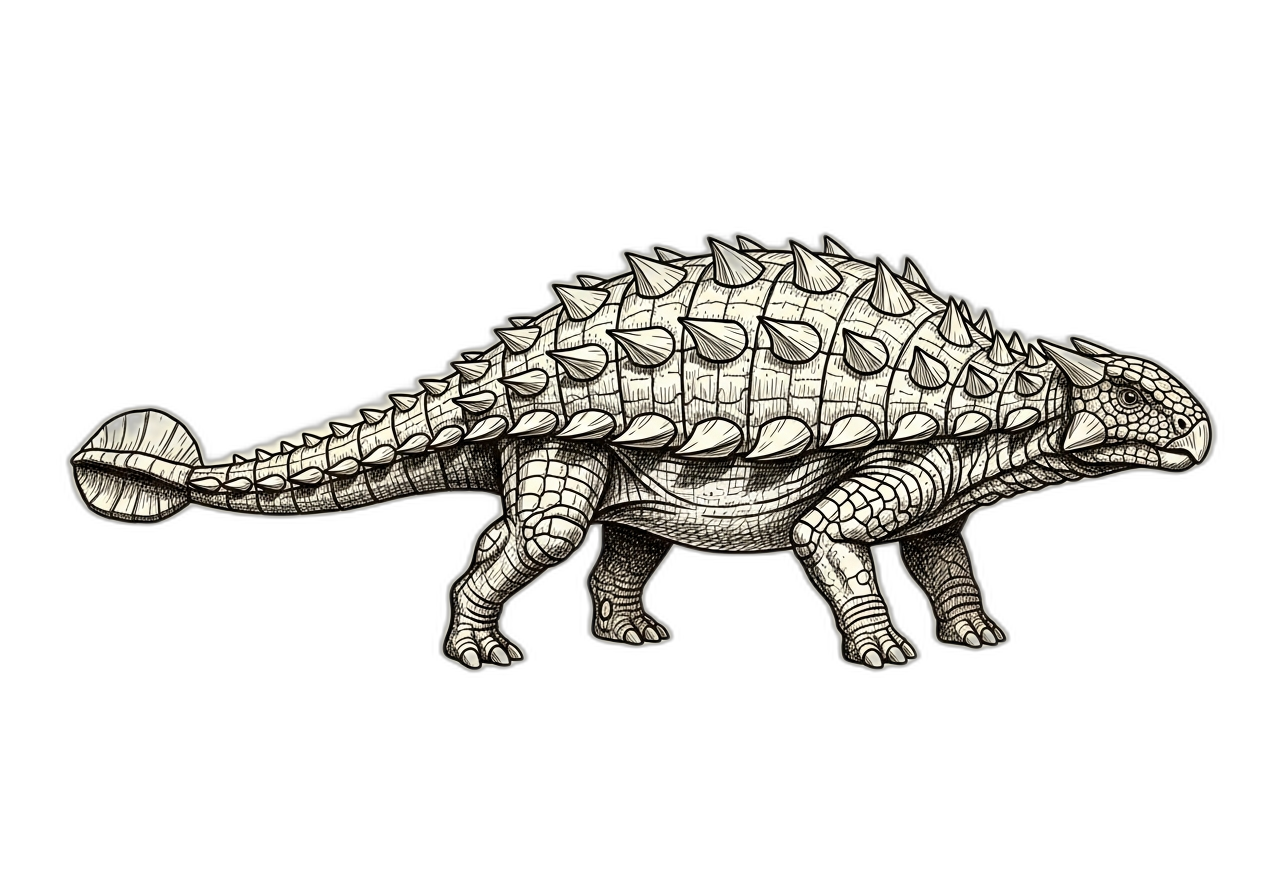
Ankylosaurus
Ankylosaurus magniventris
Both are armored ankylosaurs that represent the pinnacle of defensive body plans in ornithischian dinosaurs.
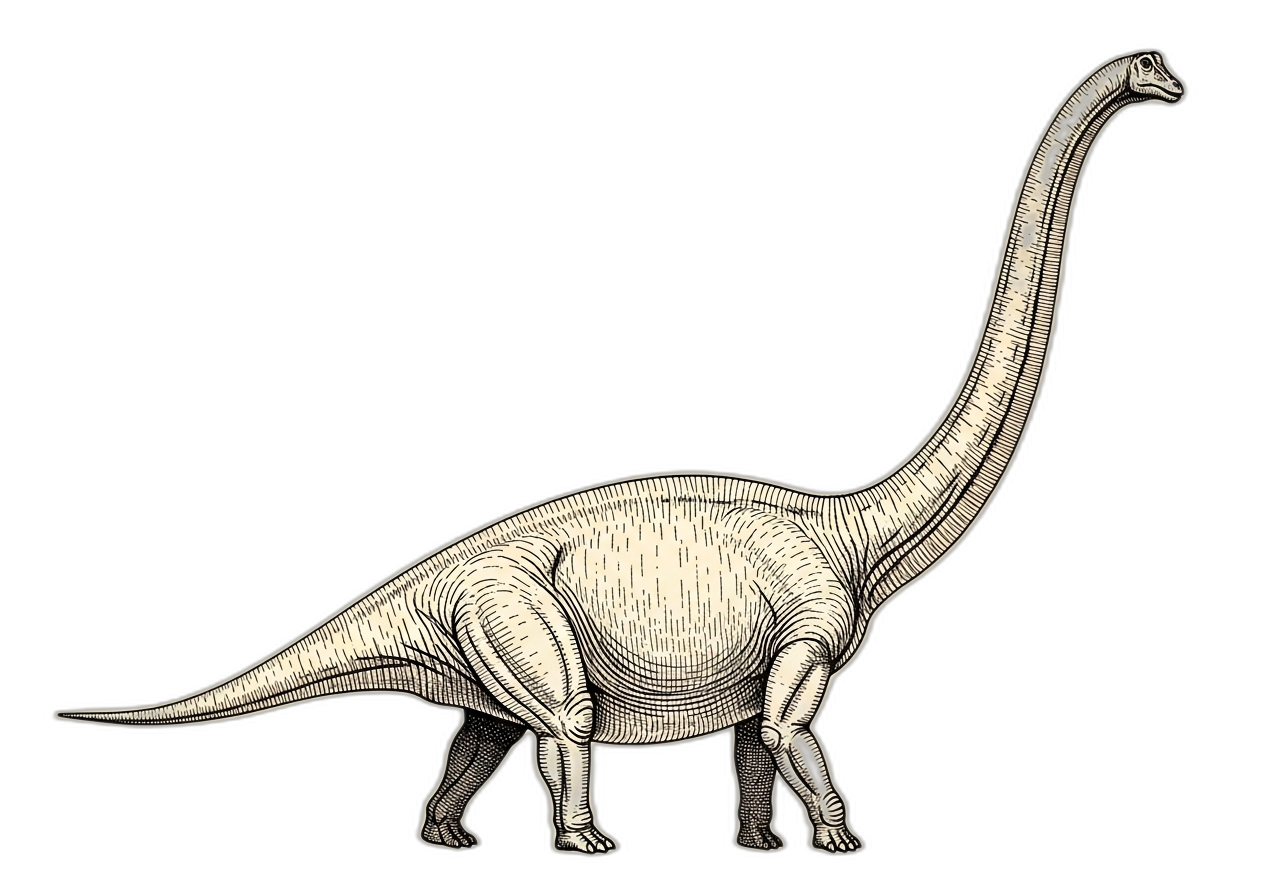
Sauroposeidon
Sauroposeidon proteles
Sauroposeidon specimens have been referred to the Cedar Mountain Formation (Mussentuchit Member), overlapping geographically with Gastonia's Yellow Cat Member habitat in Utah.
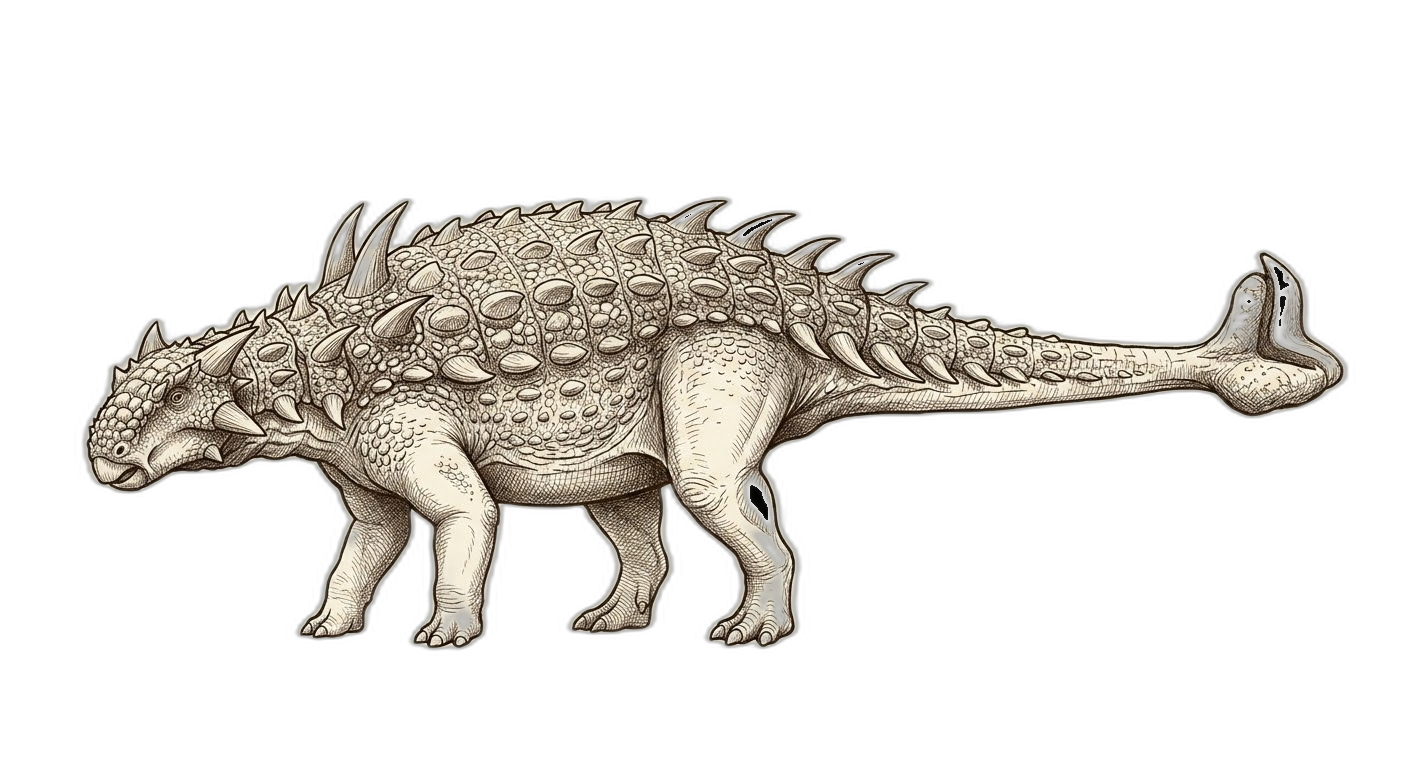
Zuul
Zuul crurivastator
Zuul (ankylosaurid) and Gastonia (nodosaurid) represent parallel developments of elaborate tail weaponry in armored dinosaurs — Zuul with its massive tail club, Gastonia with lateral tail spikes.