About
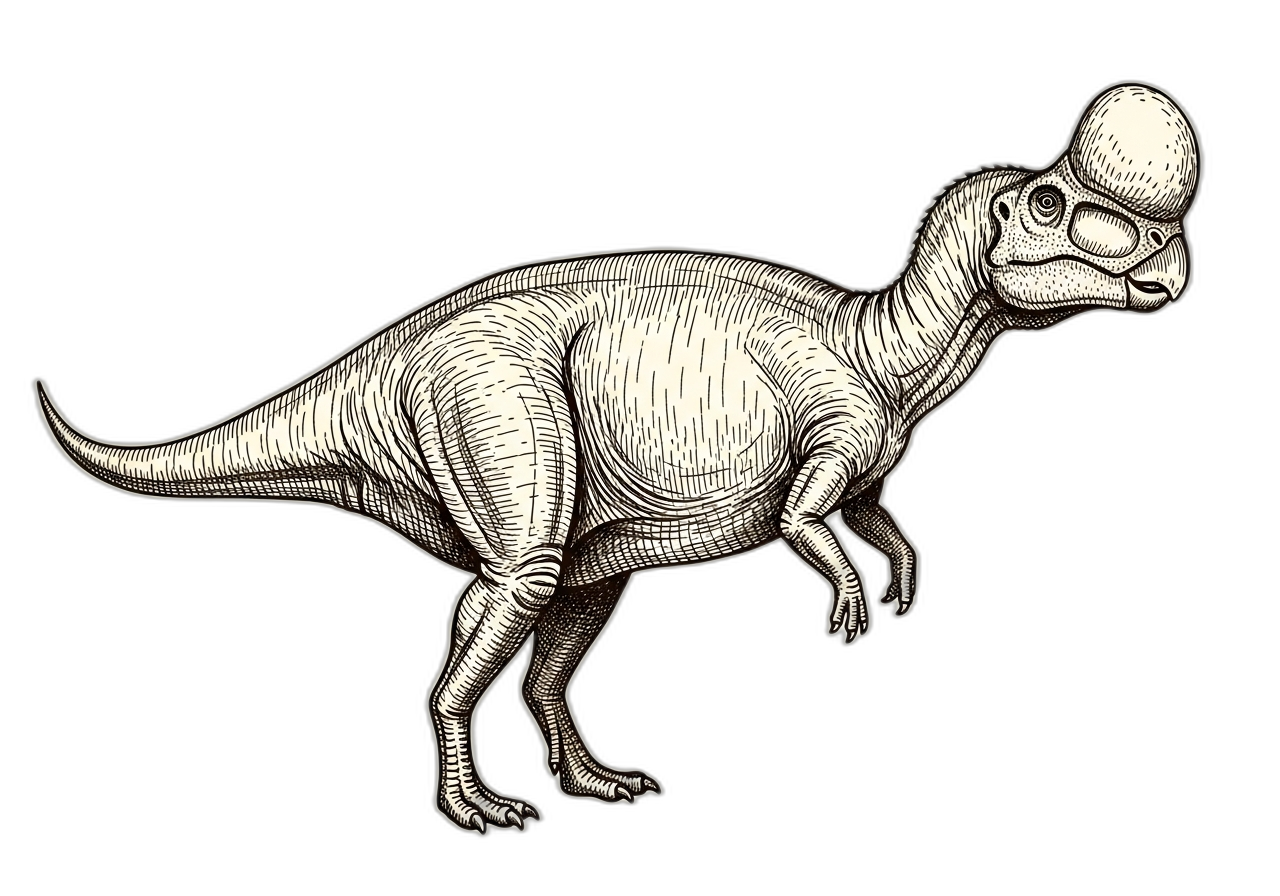
Muttaburrasaurus was a medium-sized dinosaur that inhabited the lush floodplains and forests of what is now northeastern Australia during the Early Cretaceous, approximately 112 to 103 million years ago. This herbivore was built for a life of browsing vegetation, with a robust body, powerful hind legs, and a distinctive enlarged nasal region that has sparked considerable scientific debate about its function.
The most striking feature of Muttaburrasaurus was its inflated nasal cavity, which bulged upward on the skull. Scientists have proposed various explanations for this unusual anatomy, including enhanced sense of smell, purposes, or the ability to produce resonant vocalizations. Some researchers suggest it may have functioned like an acoustic chamber, allowing these dinosaurs to communicate with bellowing calls across their forested habitat.
The first Muttaburrasaurus skeleton was discovered in 1963 by local grazier Doug Langdon near the town of Muttaburra in central Queensland. The find was significant enough that the species was named in his honor. Since then, additional material has been found at various sites across Queensland and New South Wales, making it one of the best-understood Australian dinosaurs, though complete specimens remain elusive.
Muttaburrasaurus holds a special place in Australian paleontology and culture. In 2023, it was officially designated as the fossil emblem of Queensland, beating out eleven other candidates. Its taxonomic position remains somewhat contentious, with different analyses placing it either within Rhabdodontomorpha or Elasmaria, highlighting how much we still have to learn about ornithopod evolution in the southern continents.
Where fossils were found
Mackunda Formation
Queensland · Australia
106.3–93.9 million years ago(12.4m year span)
Where Muttaburrasaurus Roamed
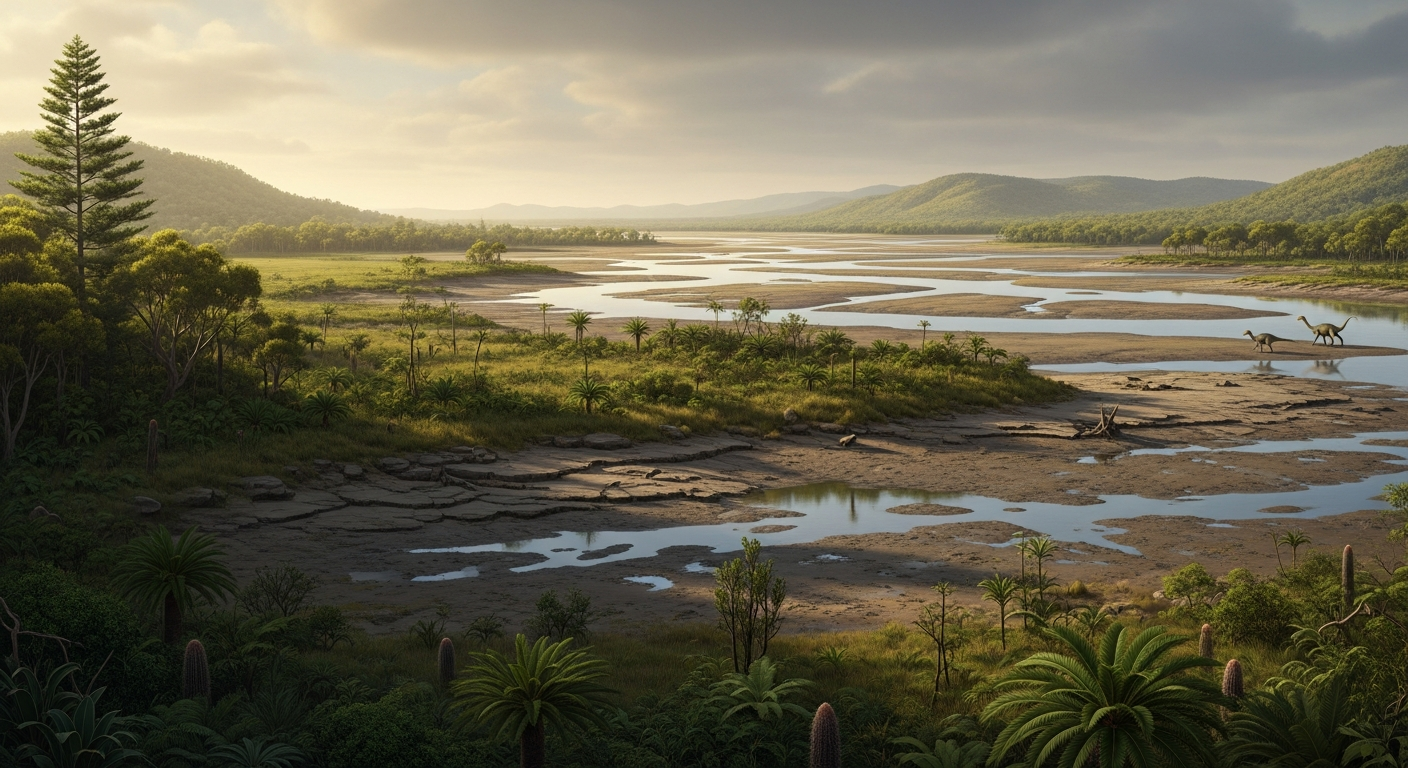
During the mid-Cretaceous, Muttaburrasaurus roamed the ancient floodplains of eastern Gondwana, in a region that is now Queensland, Australia, where a vast shallow inland sea—the Eromanga Sea—periodically inundated the landscape, creating lush coastal environments teeming with ferns, conifers, and flowering plants beneath a warm, humid climate.
Keep exploring the vault
Iguanodon
Iguanodon bernissartensis
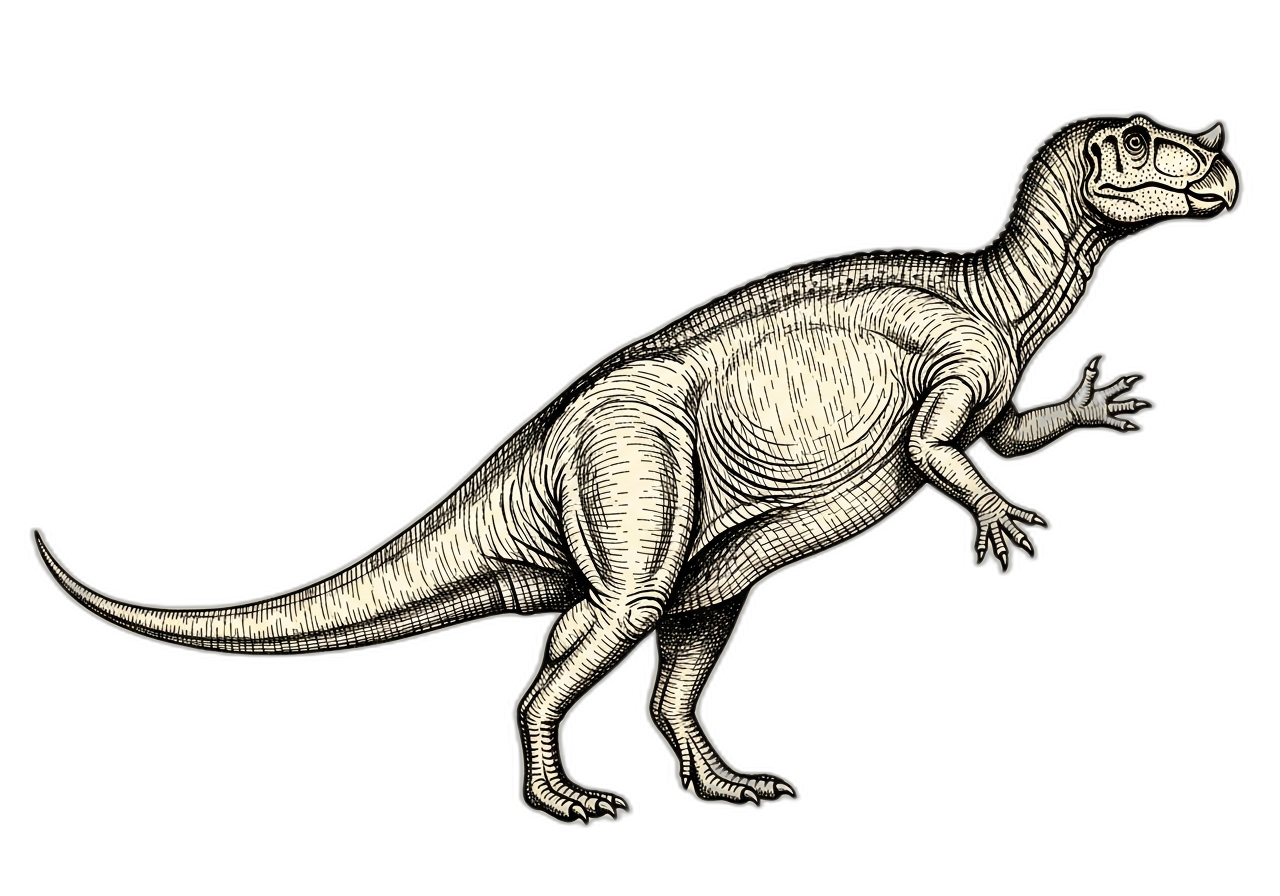
Both Muttaburrasaurus and Iguanodon are mid-sized ornithopods that independently developed robust thumb spikes and similar dental batteries for processing tough vegetation.
Heterodontosaurus
Heterodontosaurus tucki
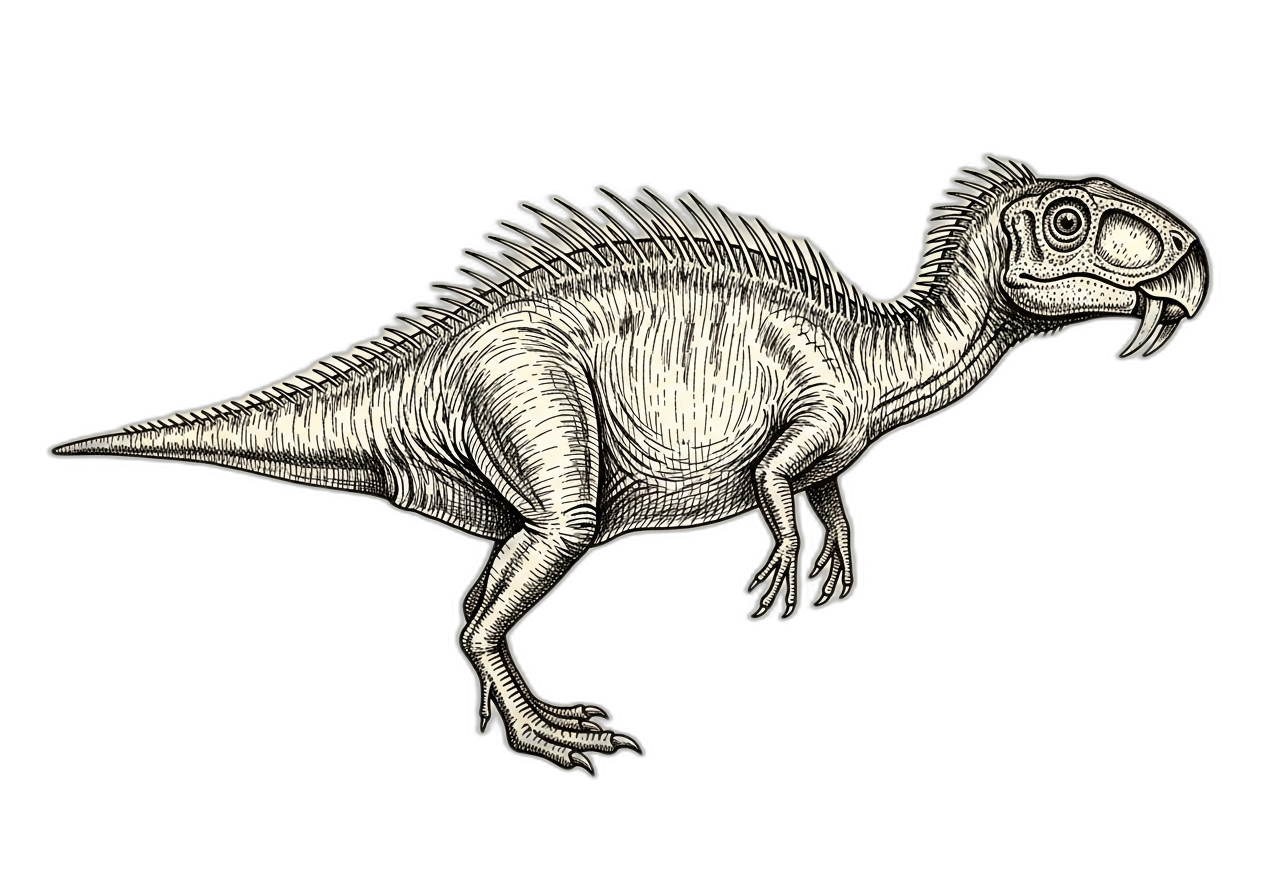
Both represent early ornithischian experiments in specialized dentition for herbivory.
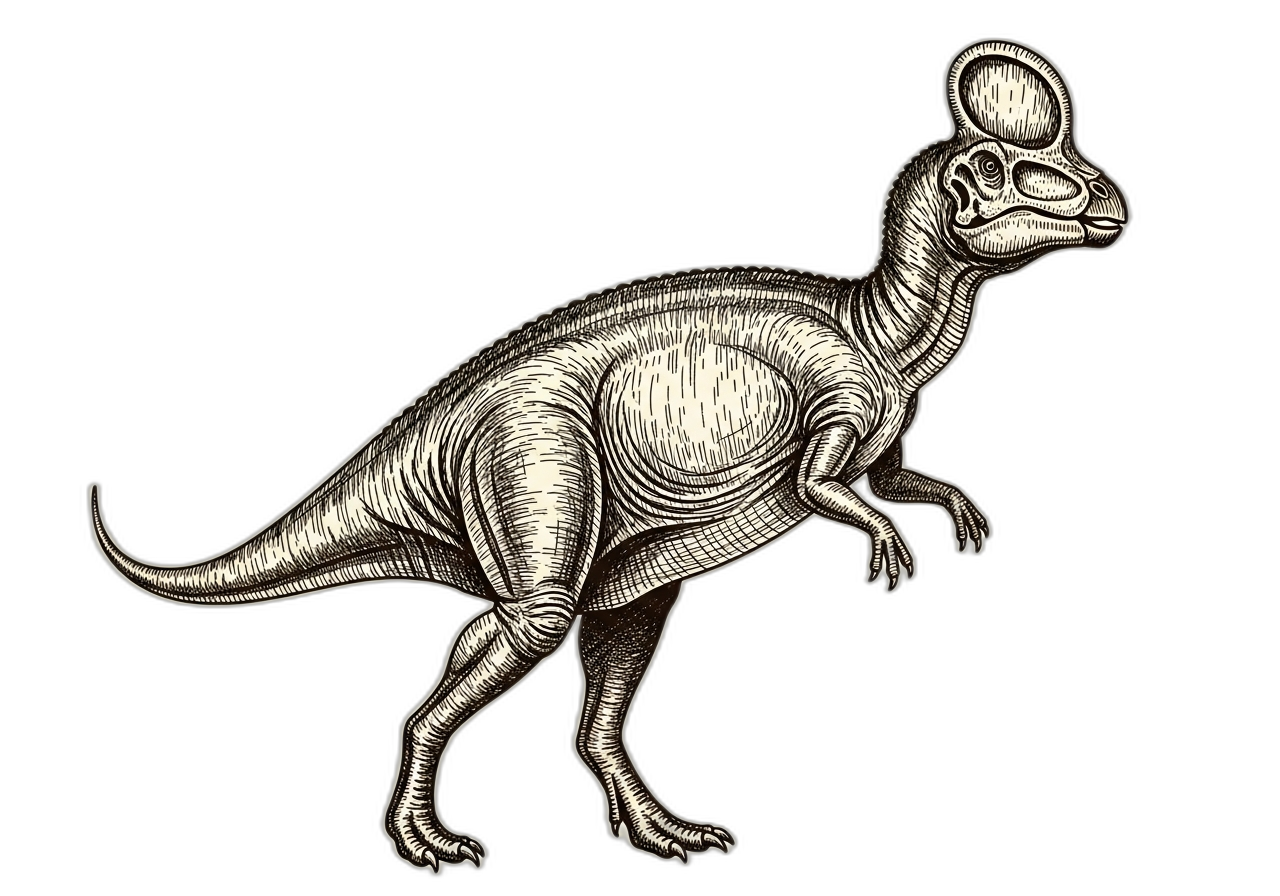
Corythosaurus
Corythosaurus casuarius
Both ornithopods independently evolved prominent cranial crests, likely for vocalization or display.
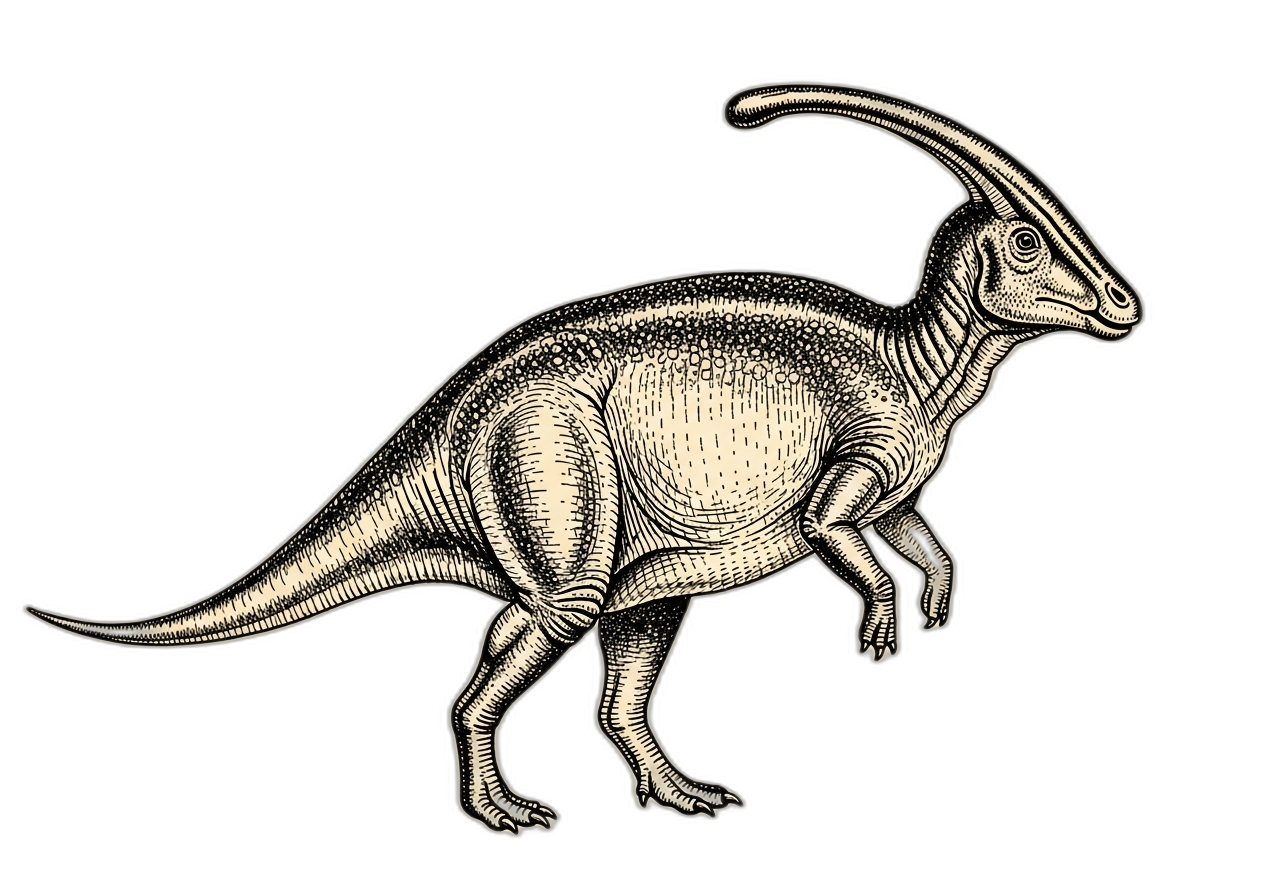
Parasaurolophus
Like Corythosaurus, Parasaurolophus developed elaborate nasal crests for vocalization.