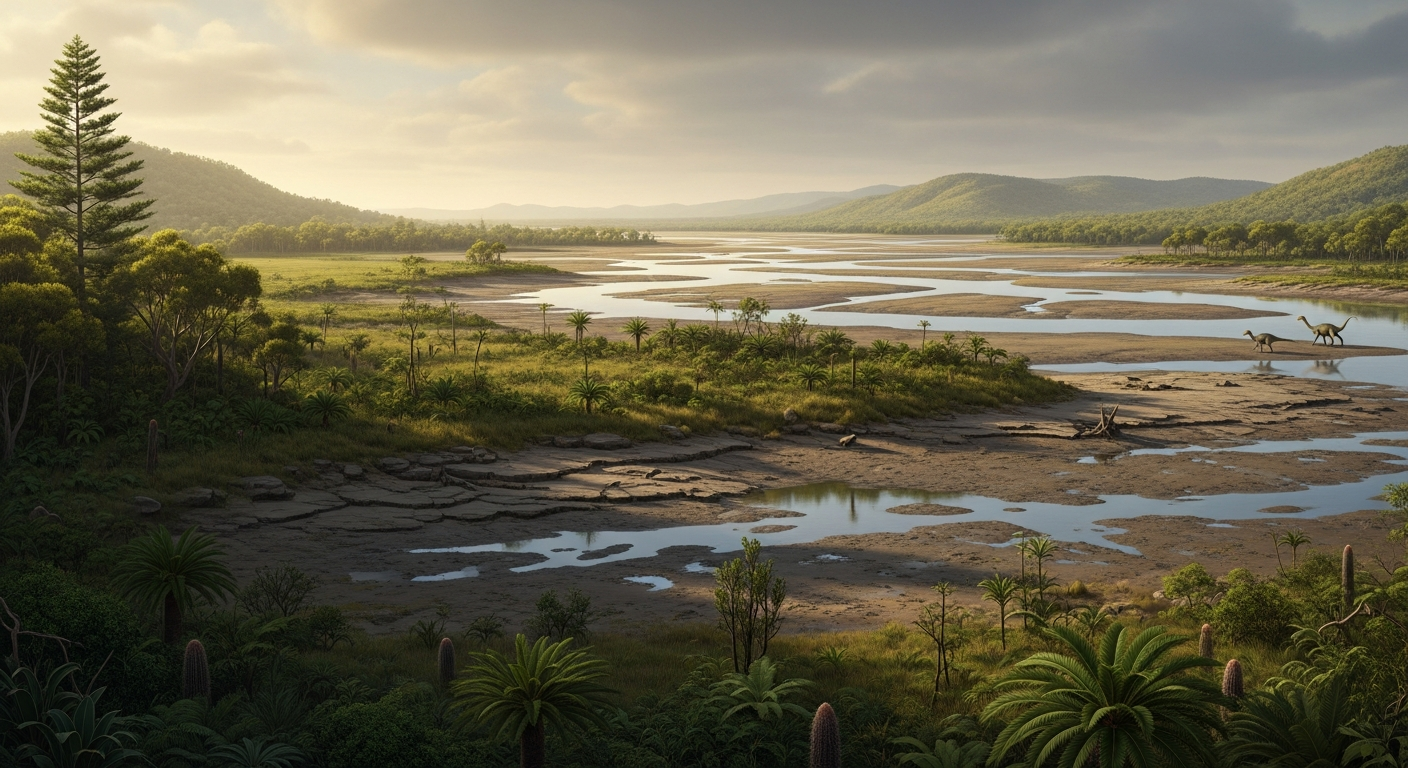
Mackunda Formation
Queensland, Australia
Why It Matters
The Mackunda Formation is significant for preserving a diverse Early Cretaceous from Australia, including the Muttaburrasaurus langdoni. It provides crucial evidence of Australian dinosaur diversity during a period when the continent was part of and connected to Antarctica.
How Fossils Survived
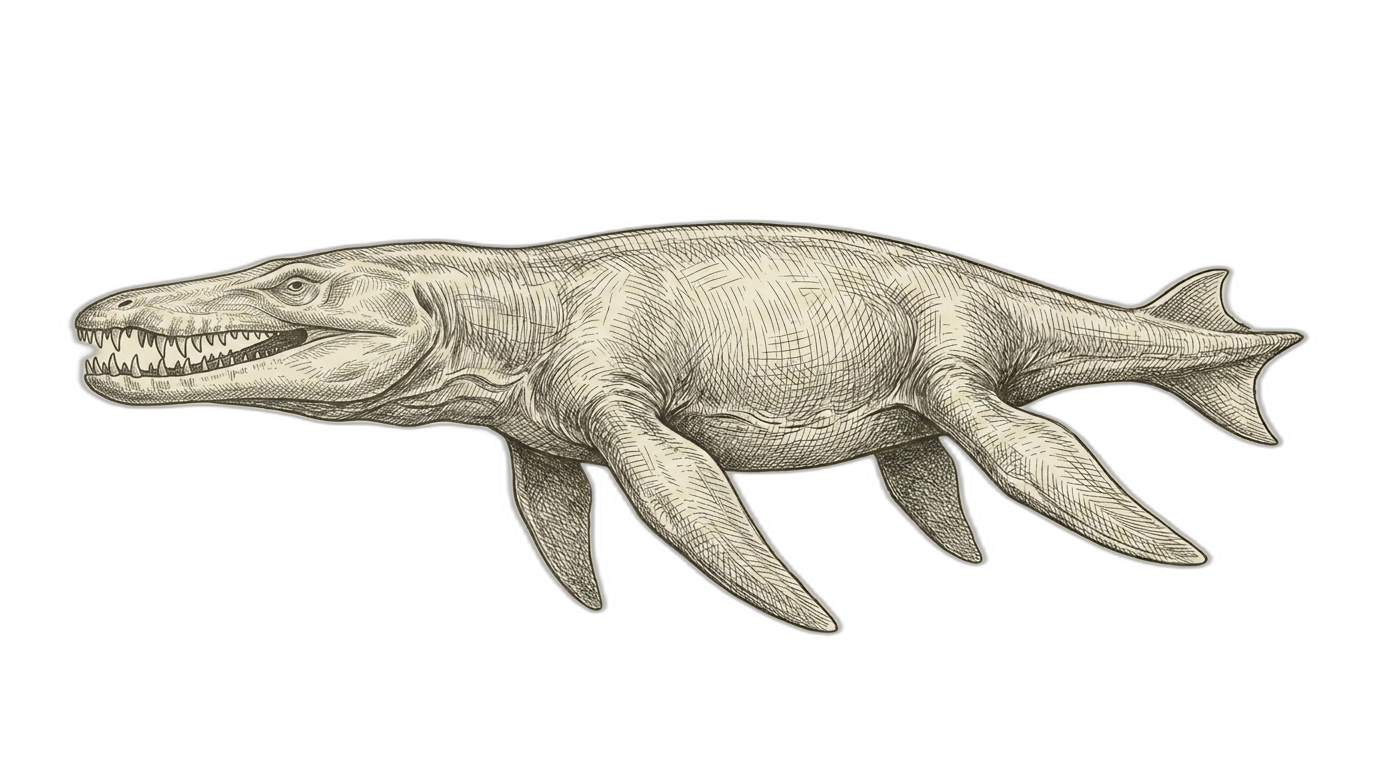
The Mackunda Formation consists primarily of marine to marginal marine sediments including mudstones, siltstones, and sandstones deposited in a shallow epicontinental sea. The depositional environment transitioned between nearshore marine and coastal plain settings, providing varied preservation conditions for both marine and fauna.
Discovery History
The formation gained paleontological prominence following the discovery of Muttaburrasaurus in 1963 by grazier Doug Langdon near Muttaburra, Queensland. Subsequent excavations by the Queensland Museum have recovered additional dinosaur material and marine reptiles, establishing the region as an important Cretaceous fossil locality in Australia.
Dinosaurs in the Vault
2 species in our database · sorted by size
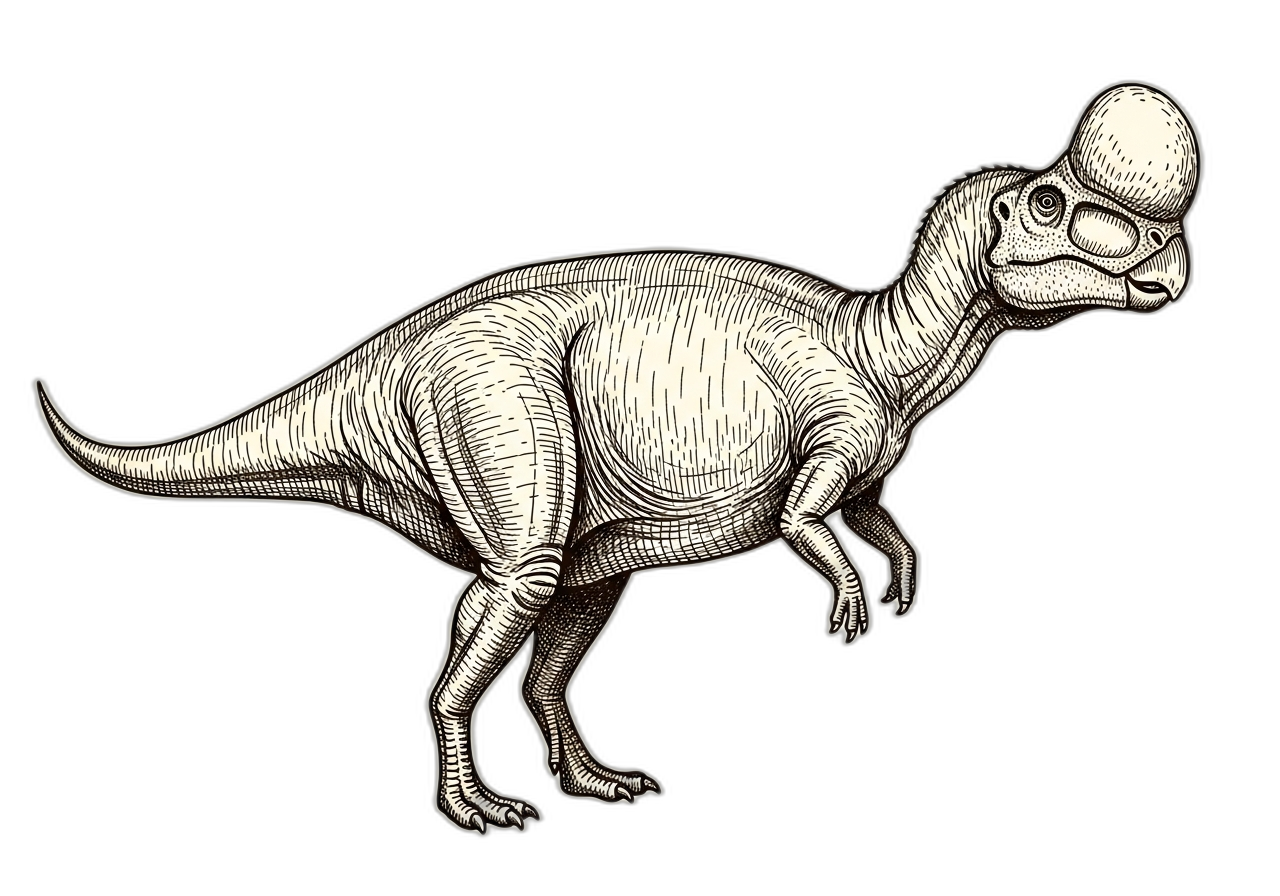
Muttaburrasaurus was discovered by a local grazier who found bones eroding from a creek bank in 1963