About
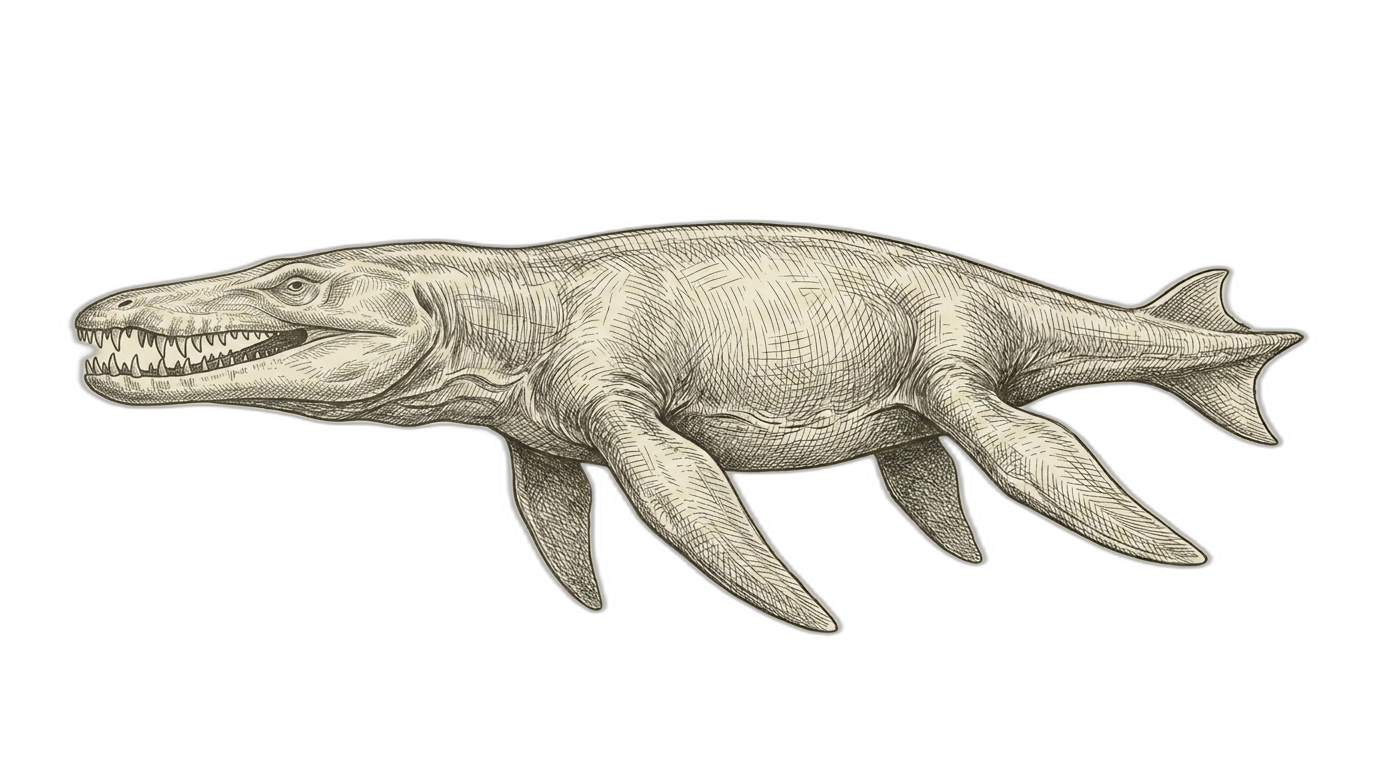
Kronosaurus queenslandicus was a magnificent marine reptile that dominated the shallow epicontinental seas of Early Cretaceous Australia. This possessed a massive, elongated skull that could reach 2.4 meters in length—approximately one-quarter of its total body length—armed with robust, conical teeth designed for crushing and gripping large prey including other marine reptiles, giant fish, and ammonites.
Unlike the long-necked plesiosaurs, Kronosaurus had a short, powerful neck and a streamlined body propelled by four large paddle-like flippers. This body plan made it a pursuit predator capable of powerful bursts of speed. The flippers worked in a distinctive underwater flight pattern, similar to modern sea turtles but with greater power.
Kronosaurus inhabited the Eromanga Sea, a vast inland sea that covered much of central Australia during the Aptian-Albian stages. This warm, shallow marine environment teemed with diverse life, including the mollusk Belemnites and various fish that formed the prey base for this .
The was discovered in 1924 near Hughenden, Queensland, by Heber Longman, who named it after the Titan Kronos. A famous mounted specimen at Harvard's Museum of Comparative Zoology, while spectacular, was later found to include too many , leading to the now-corrected shorter length estimates. Kronosaurus remains an iconic symbol of Australia's prehistoric marine heritage.
Where fossils were found
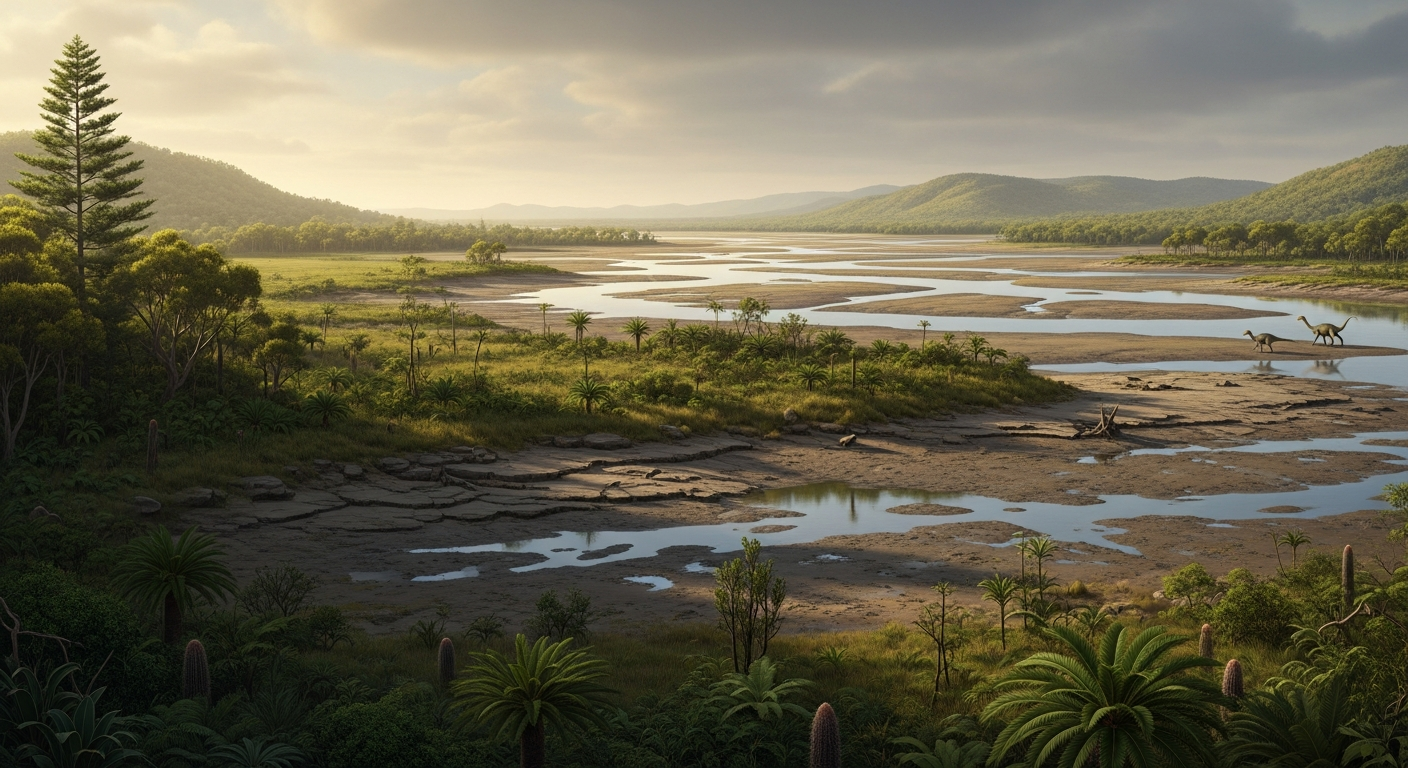
Mackunda Formation
Queensland · Australia
125–99 million years ago(26m year span)
Where Kronosaurus Roamed
During the Early Cretaceous, Kronosaurus queenslandicus prowled the shallow, warm waters of the Eromanga Sea, a vast inland seaway that flooded much of eastern Gondwana across what is now Australia's interior. This apex predator hunted in a polar-adjacent marine environment that, despite its high southern latitude, experienced relatively mild temperatures due to the greenhouse climate of the Mesozoic Era.
Keep exploring the vault
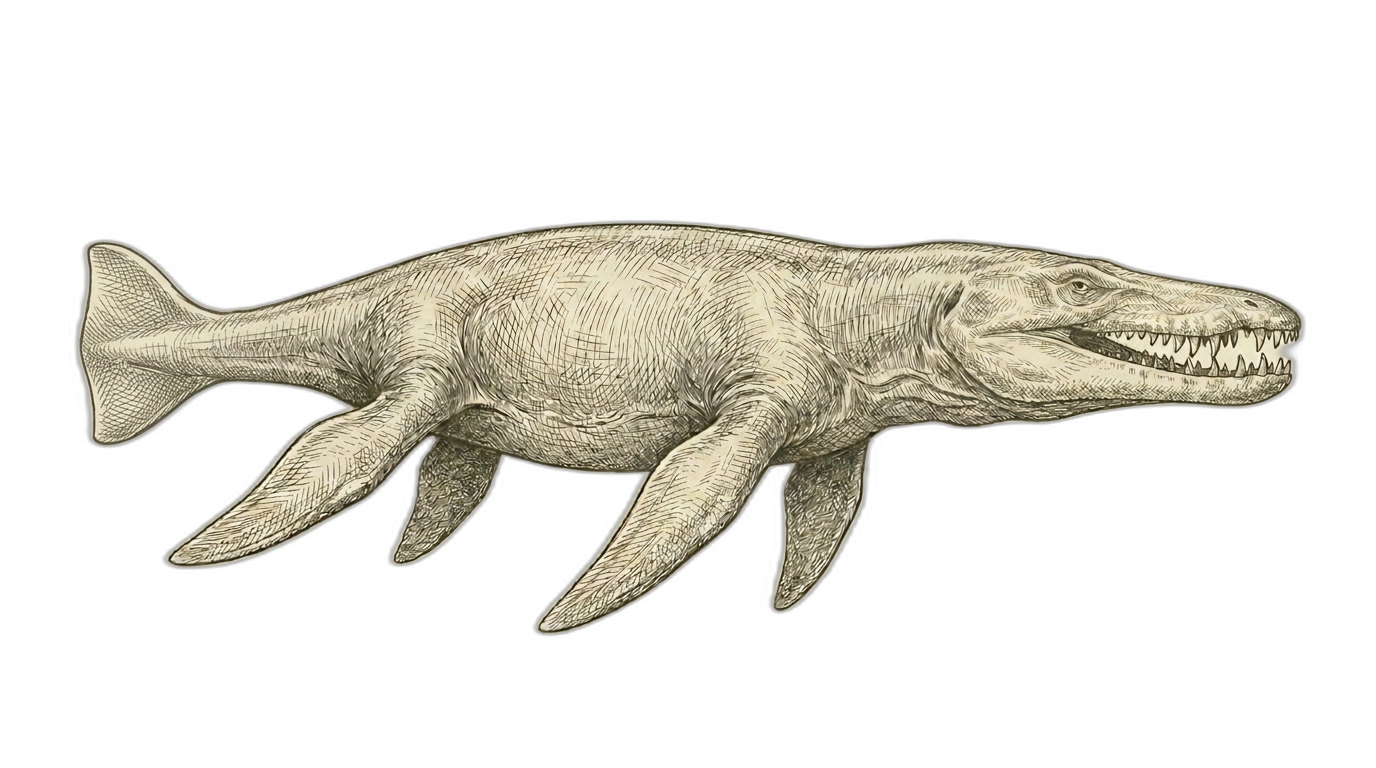
Liopleurodon
Liopleurodon ferox
Both are large pliosaurs (family Pliosauridae) representing apex marine predators with similar body plans — massive skulls, powerful jaws, and four-flippered propulsion.
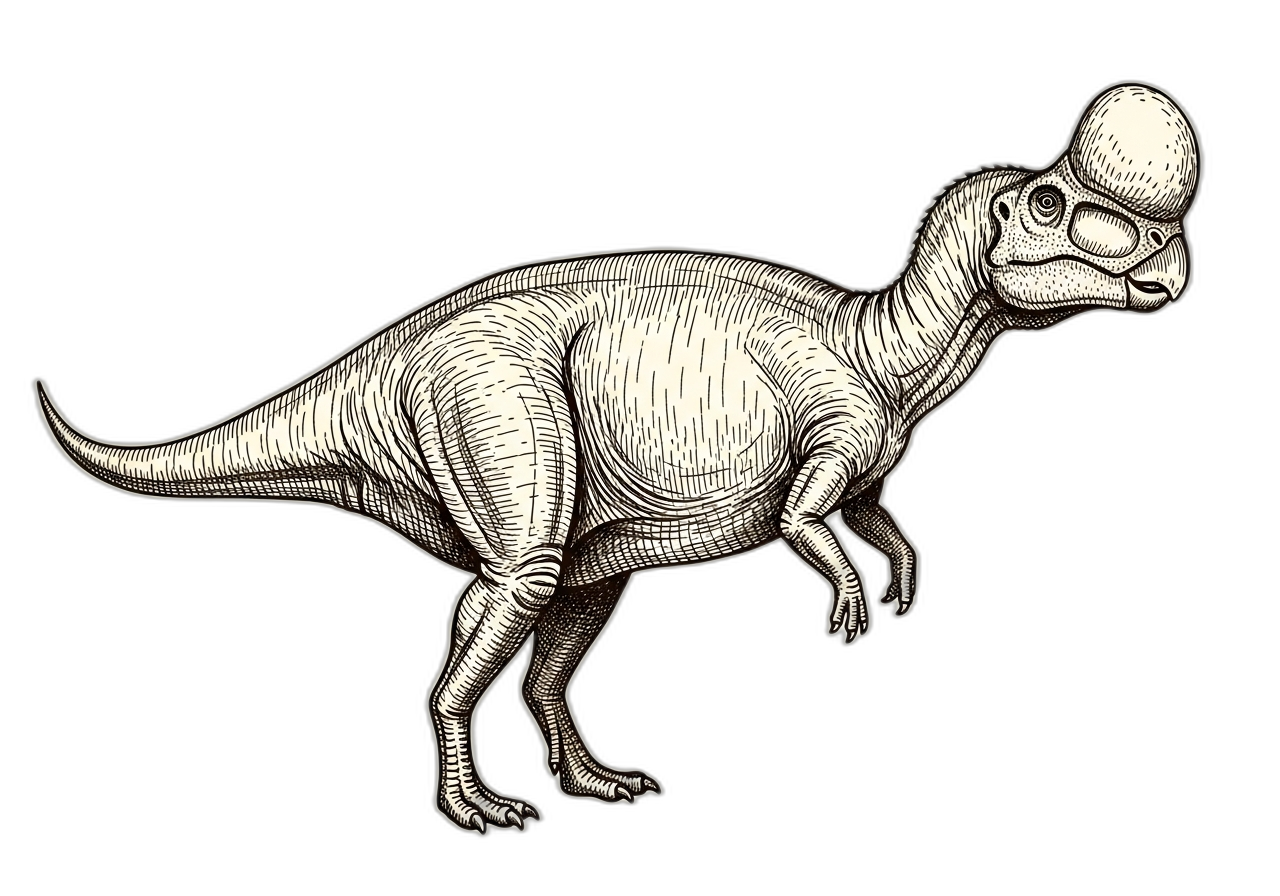
Muttaburrasaurus
Muttaburrasaurus langdoni
Both species are found in the Mackunda Formation of Australia, indicating they shared the same Early Cretaceous ecosystem.
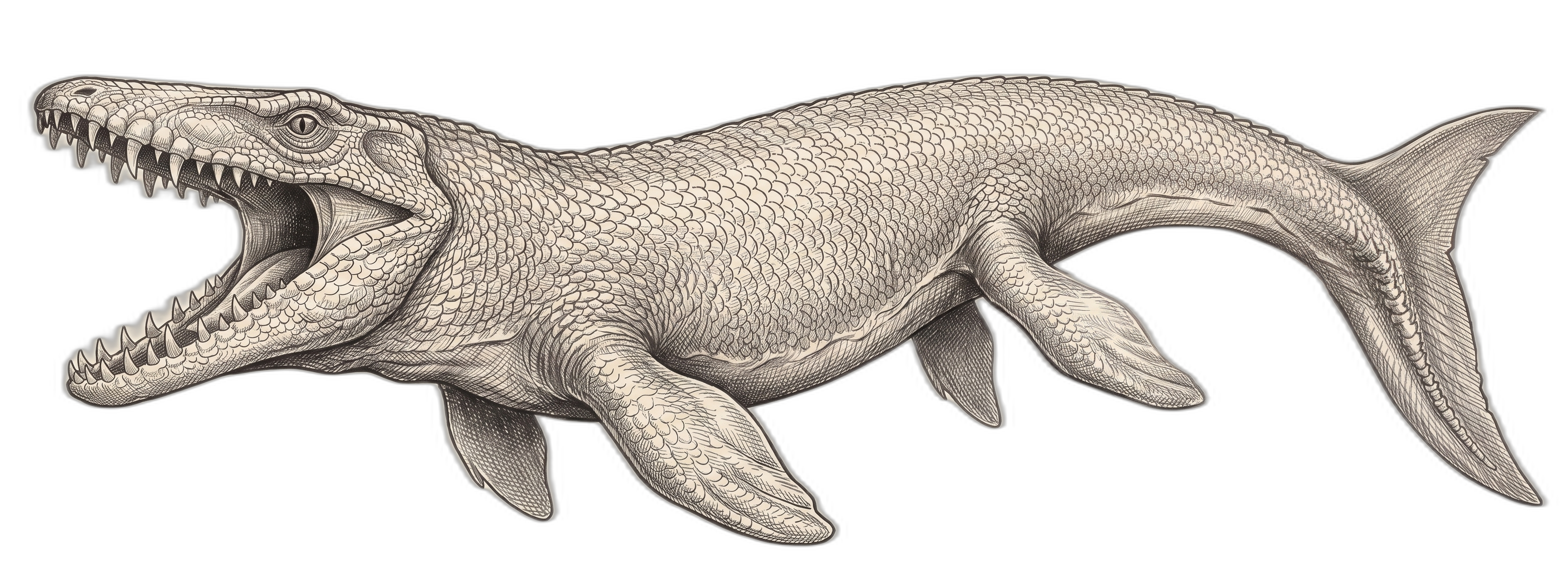
Mosasaurus
Mosasaurus hoffmannii
Both represent convergent evolution toward becoming giant marine apex predators, despite completely different evolutionary origins — Kronosaurus from plesiosaur lineage and Mosasaurus from squamate lizards.
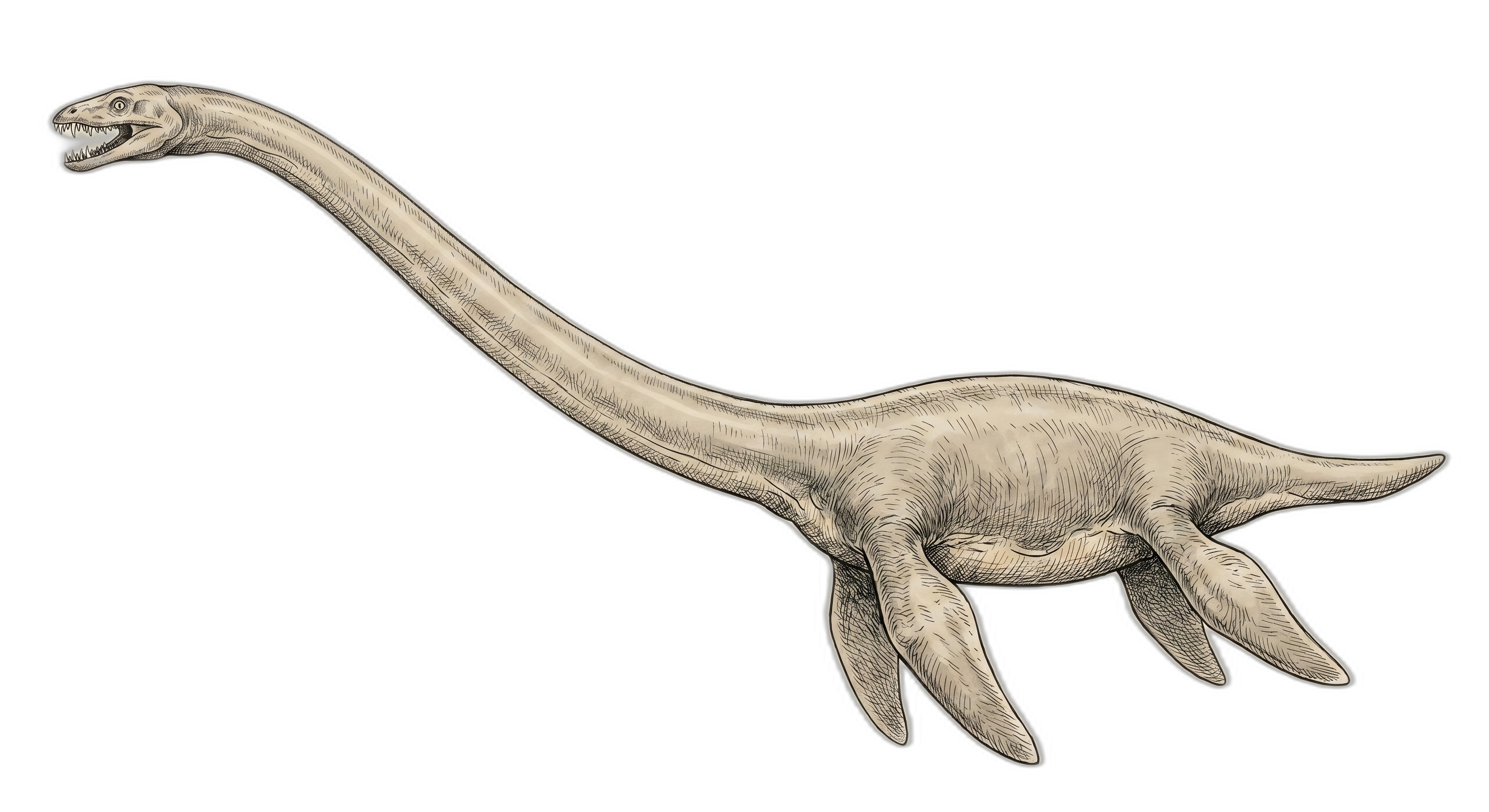
Elasmosaurus
Elasmosaurus platyurus
Both are plesiosaurs that represent divergent evolutionary strategies within the same clade — Kronosaurus as a short-necked, large-headed pliosaur built for powerful predation, versus Elasmosaurus as a long-necked, small-headed plesiosaur likely targeting smaller, more agile prey.