Kaiparowits Formation
Utah, United States
Why It Matters
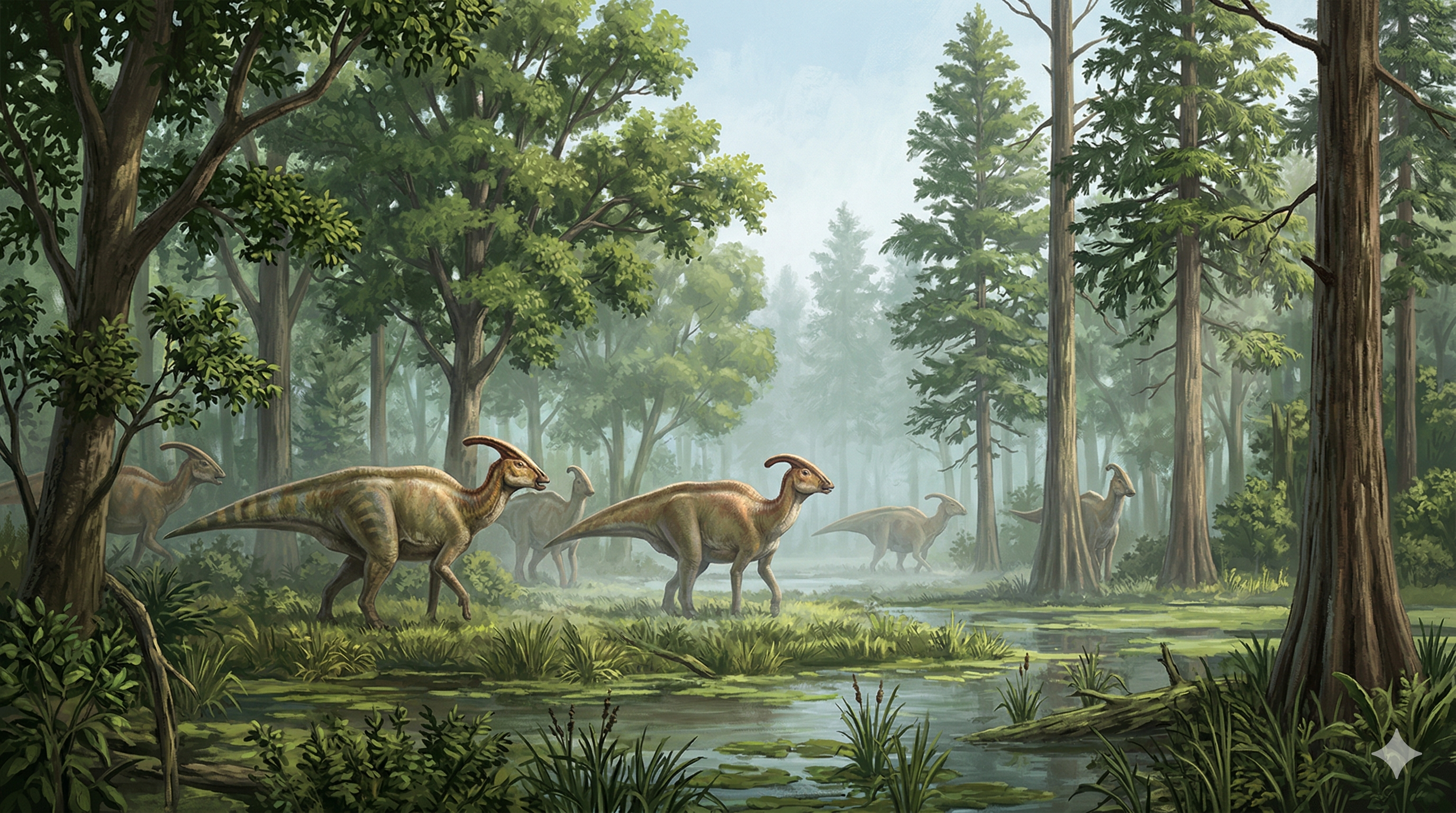
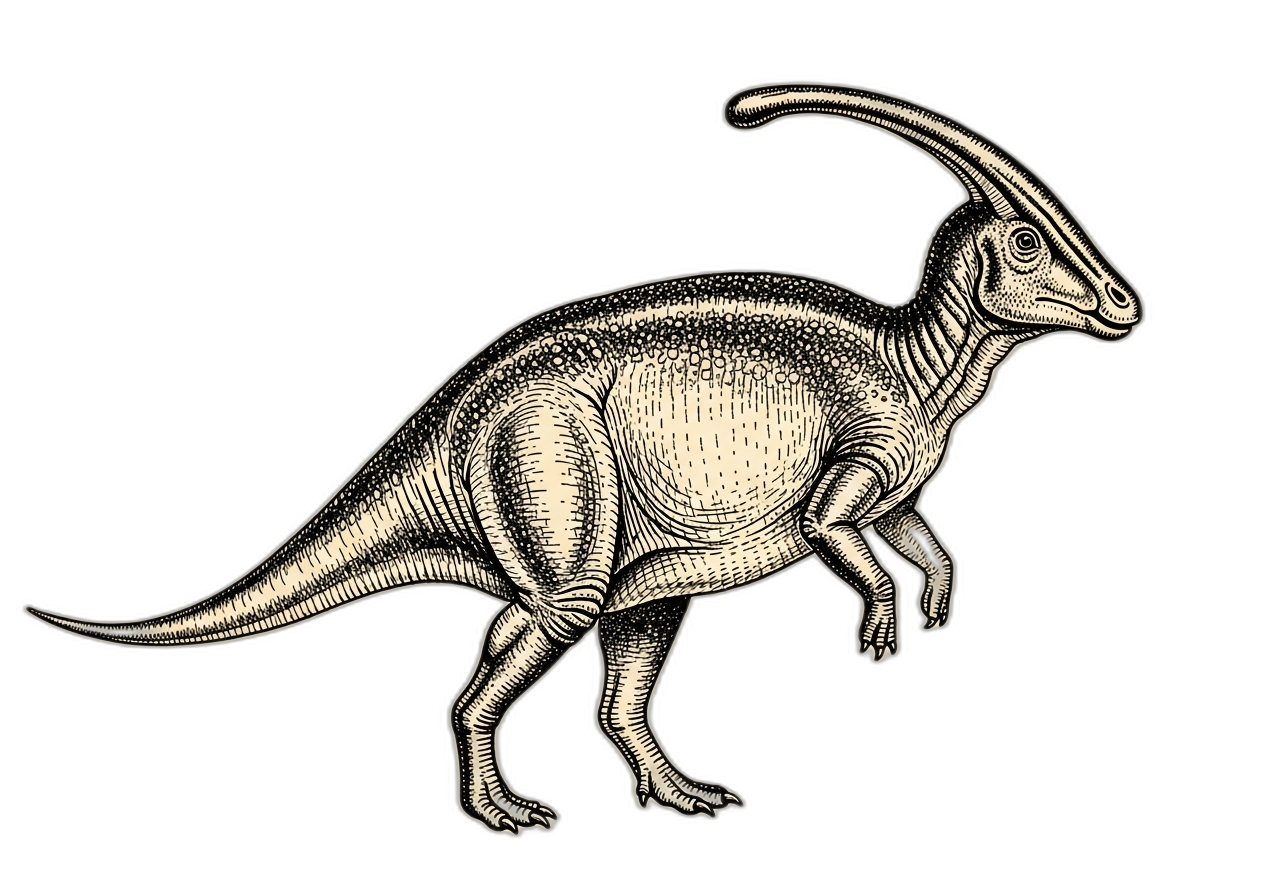
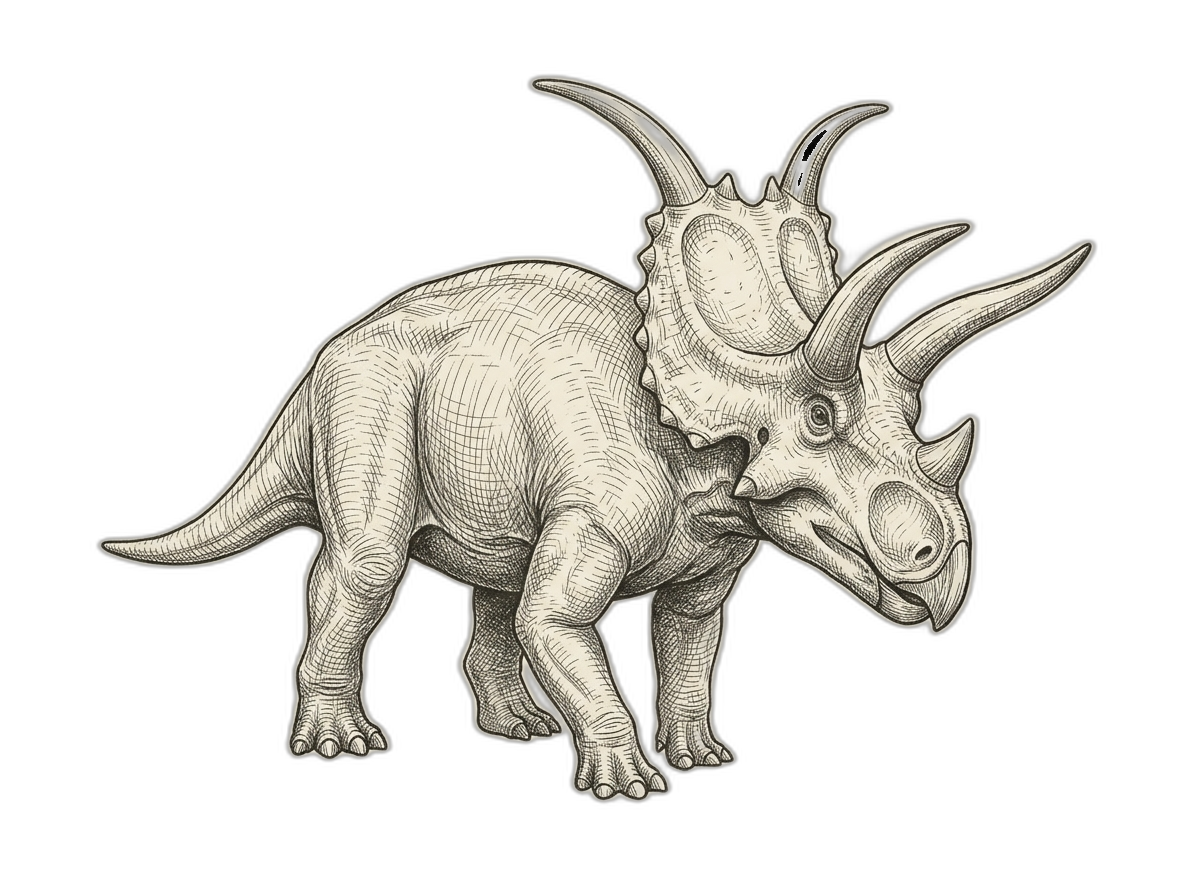
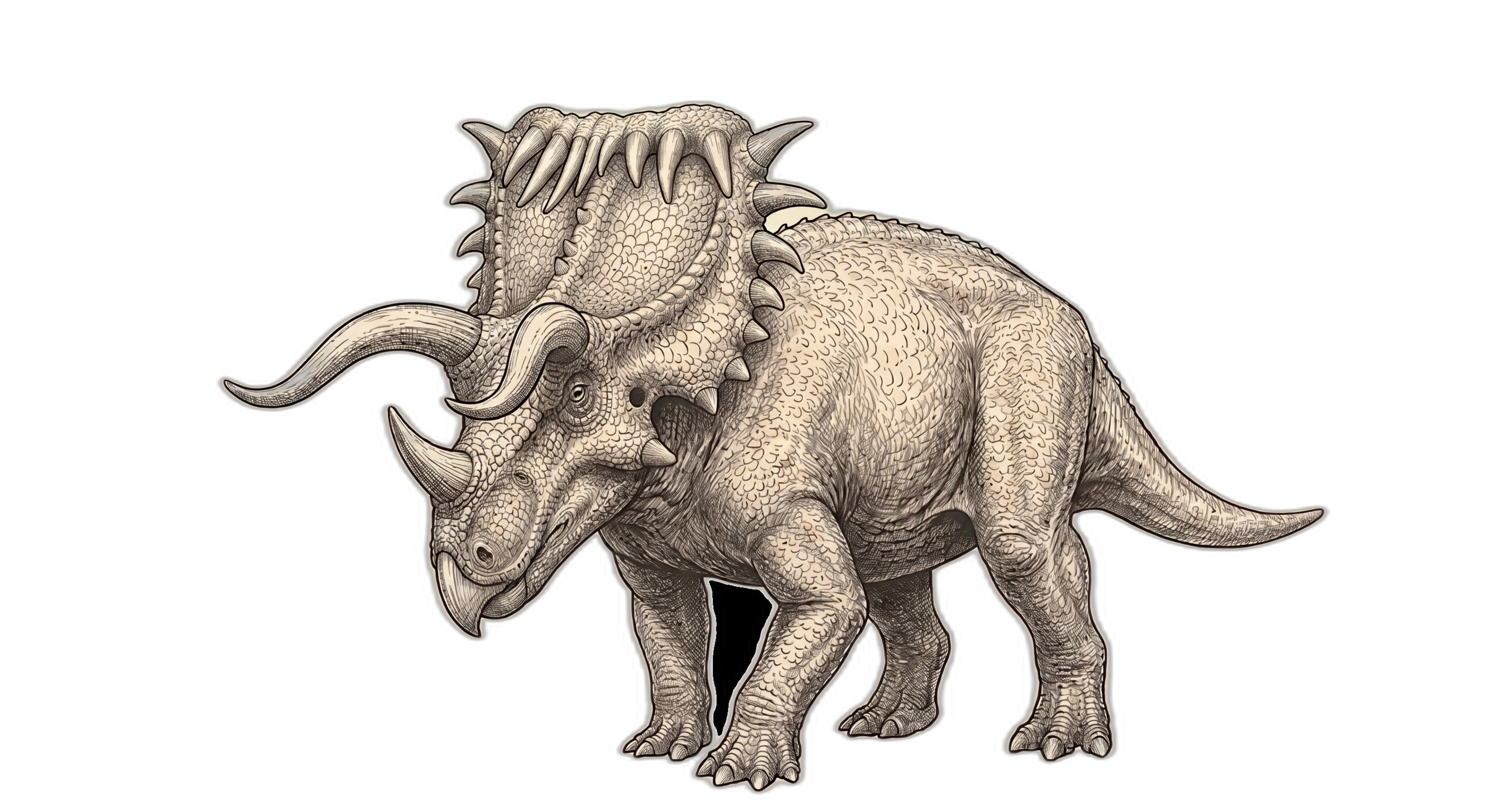
The Kaiparowits Formation of southern Utah preserves a Late Cretaceous ecosystem that was geographically isolated from contemporaneous faunas in Alberta — separated by the Western Interior Seaway. This isolation produced a distinct with unique species of ceratopsians, hadrosaurs, and tyrannosaurs, providing evidence that dinosaur communities were geographically partitioned across Laramidia much like modern mammals. Kosmoceratops, Utahceratops, and Gryposaurus are among its distinctive species.
How Fossils Survived
Deposited in a coastal floodplain environment on the western side of the Western Interior Seaway, the Kaiparowits accumulated as a thick stack of river channel sandstones, overbank mudstones, and coal-bearing swamp deposits. The formation is unusually thick and continuously exposed across Grand Staircase-Escalante National Monument, providing a long temporal record of faunal change. The monument's remoteness long delayed systematic collection.
Discovery History
Although the Grand Staircase region was known to geologists for over a century, systematic paleontological collecting of the Kaiparowits Formation only began in earnest after the designation of Grand Staircase-Escalante National Monument in 1996. Utah Museum of Natural History teams led by Scott Sampson and colleagues have since recovered dozens of new species, transforming understanding of Laramidian biogeography. Major new species continue to be announced nearly every year.
Dinosaurs in the Vault
3 species in our database · sorted by size
Grand Staircase-Escalante National Monument — protecting the Kaiparowits outcrops — is so remote that much of it remains unexplored by paleontologists even today.