
Lance Formation
Wyoming, United States
Why It Matters
The Lance Formation is the Wyoming equivalent of Montana's Hell Creek Formation, preserving a nearly identical end-Cretaceous across state lines. It has produced important specimens of Tyrannosaurus rex, Triceratops, and Edmontosaurus, and its exposures in the Lance Creek area were among the first places where Late Cretaceous dinosaurs were systematically collected. Together with Hell Creek, it provides a two-state view of the last dinosaur ecosystems.
How Fossils Survived
Like Hell Creek, the Lance was deposited by large river systems flowing eastward across low-lying coastal plains near the Western Interior Seaway. Floodplain mudstones and channel sandstones alternate in a pattern ideal for bone preservation. The two formations are nearly identical in age and composition; the state line between Wyoming and Montana largely determines which name is used.
Discovery History
The Lance Creek area of eastern Wyoming was one of the first regions where the U.S. Geological Survey and private collectors systematically documented Late Cretaceous in the late 19th century. O.C. Marsh's crews collected there extensively in the 1880s and 1890s. The formation's rich record helped establish what dinosaur fauna lived immediately before the extinction event.
Dinosaurs in the Vault
4 species in our database · sorted by size



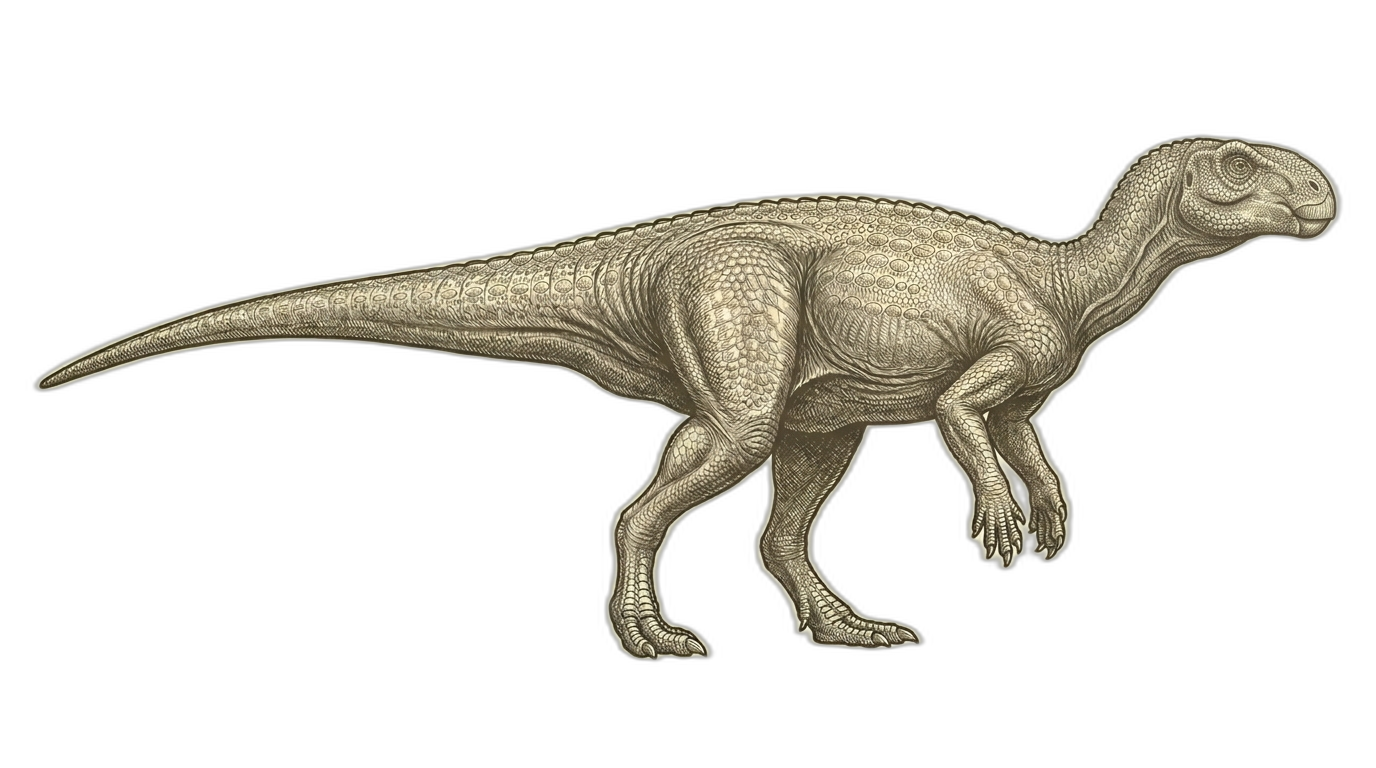
The Lance and Hell Creek formations are so similar that paleontologists long debated whether they were the same unit — they are not, but they preserve almost identical ecosystems.