About
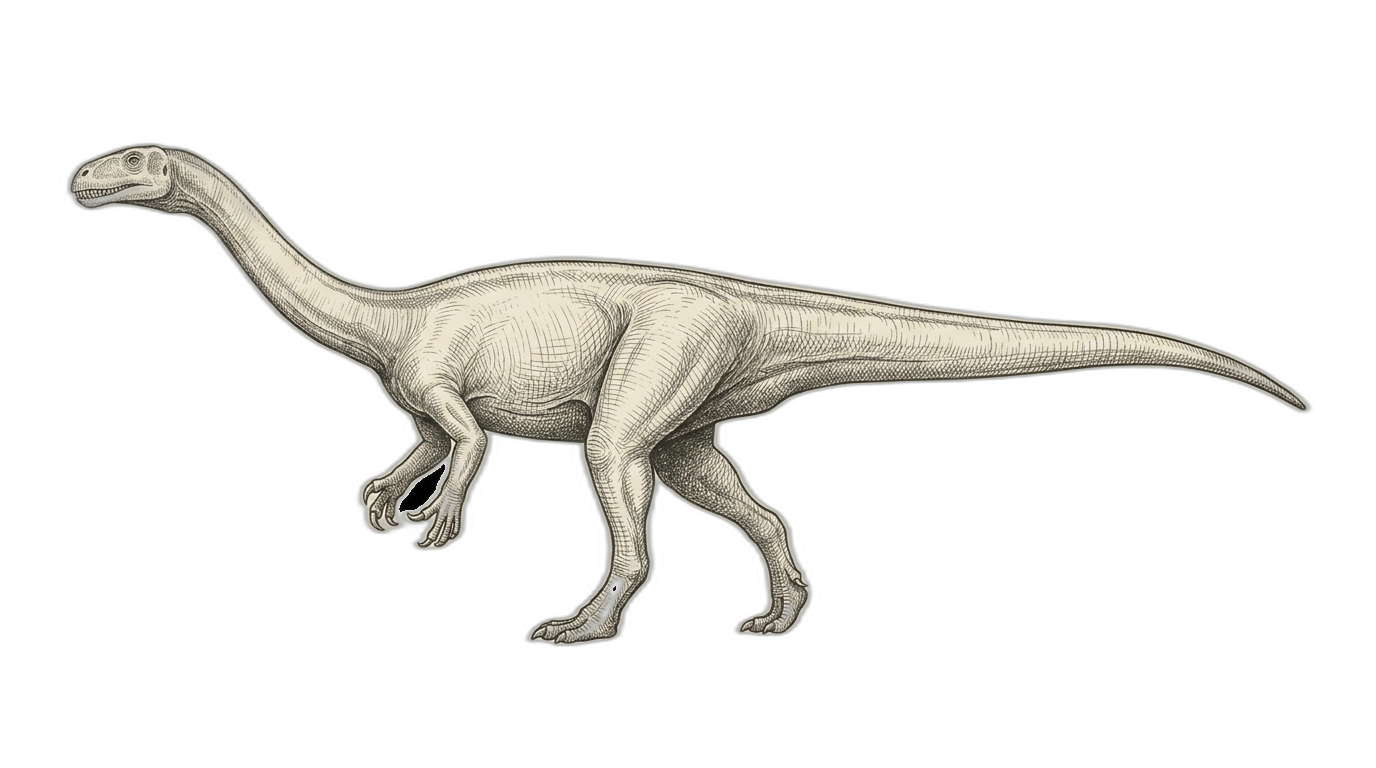
Lufengosaurus huenei was a robust, medium-sized that inhabited what is now Yunnan Province, China, during the Early Jurassic period. With an elongated neck, small head, and bulky body supported by powerful hindlimbs, this dinosaur displayed the classic body plan of early sauropodomorphs—the ancestors of the great long-necked giants. Its forelimbs were shorter than the hindlimbs but still substantial, allowing it to move comfortably on either two or four legs depending on the situation. The skull featured leaf-shaped teeth well-suited for cropping vegetation, and the animal likely spent much of its time browsing on ferns, cycads, and conifers in the subtropical forests of Early Jurassic China. Lufengosaurus holds immense historical significance as one of the first dinosaurs scientifically described from China, discovered in the rich fossil beds of the Lufeng Basin. The abundance of specimens—including individuals of various ages—has made it invaluable for understanding growth patterns and population dynamics in early dinosaurs. Recent studies have even detected preserved collagen proteins in Lufengosaurus rib fossils, representing some of the oldest dinosaur protein sequences ever recovered. The species was named in honor of the renowned German paleontologist Friedrich von Huene, reflecting the international collaboration that characterized early Chinese paleontology.
Where Lufengosaurus huenei Roamed
During the Early Jurassic, Lufengosaurus huenei roamed the subtropical lowlands of what is now Yunnan Province, situated on the eastern margin of the vast supercontinent Pangaea. This warm, seasonally arid basin lay far inland from the encroaching Tethys Sea, characterized by meandering rivers, floodplains dotted with conifers and ferns, and periodic drought conditions that would occasionally trap these early sauropodomorphs in drying lakebeds.
Keep exploring the vault
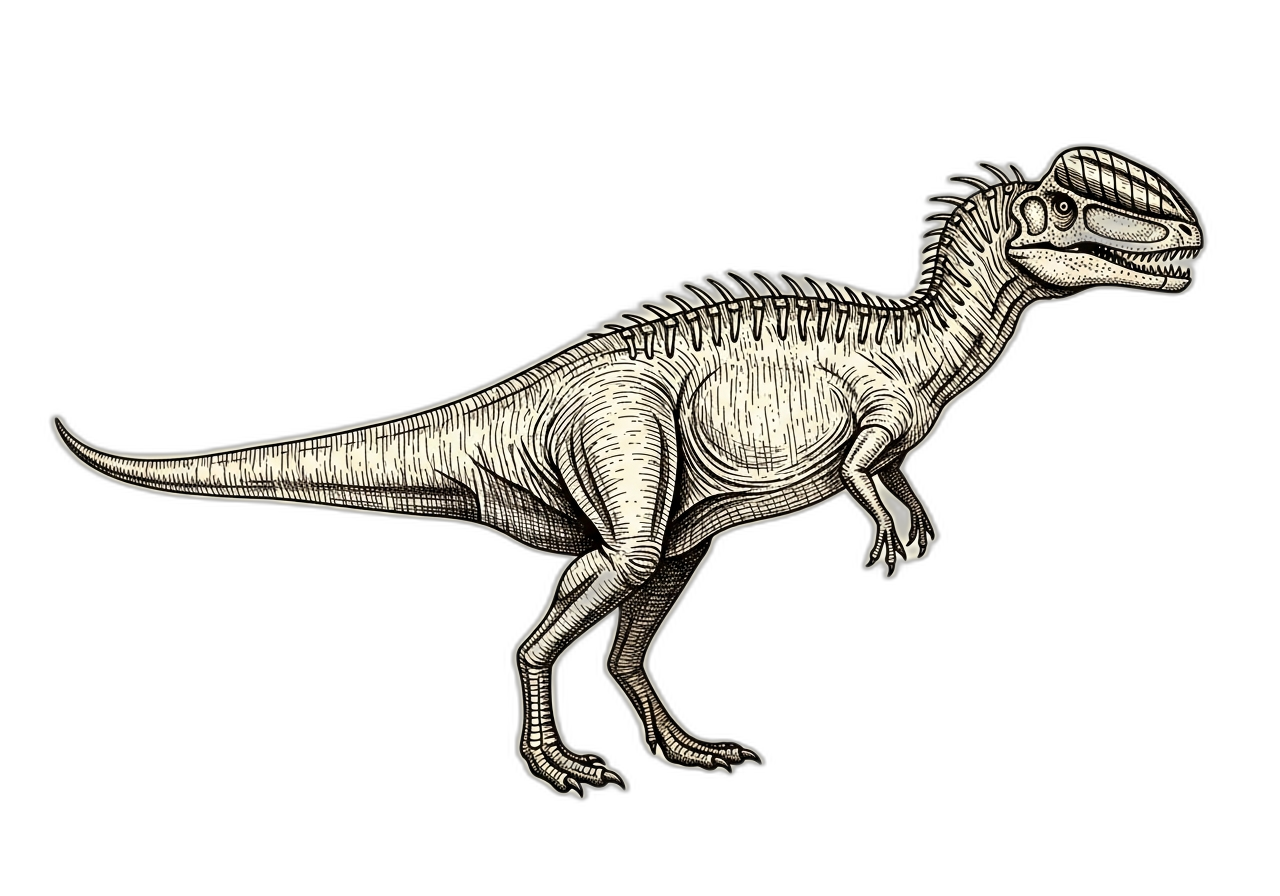
Dilophosaurus
Dilophosaurus wetherilli
Dilophosaurus was a 6-7m theropod predator from the Early Jurassic (~193 mya) that overlapped temporally with Lufengosaurus.
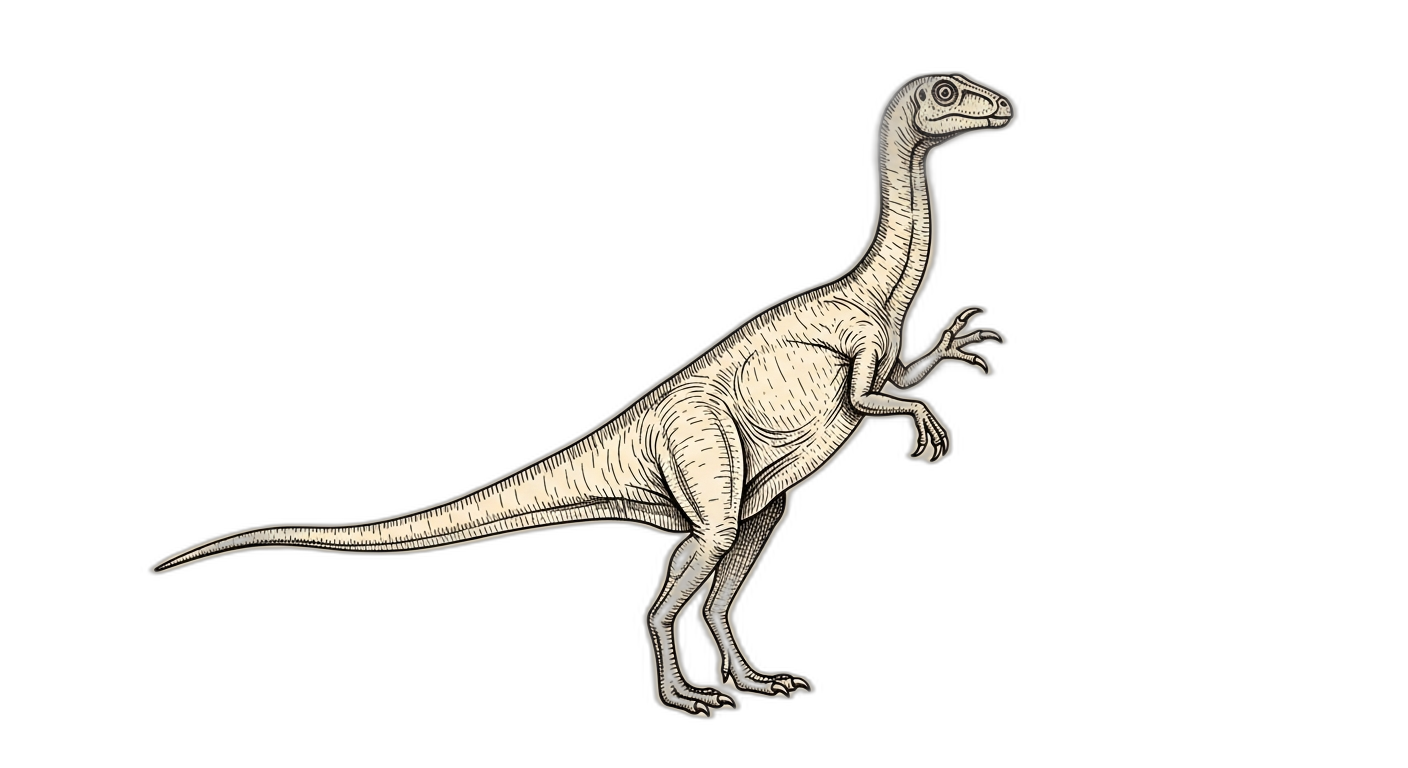
Massospondylus
Massospondylus carinatus
Both are massospondylid prosauropods of similar size (4-6m) from the Early Jurassic, filling identical ecological niches as medium-sized bipedal/facultatively quadrupedal herbivores browsing on low to mid-height vegetation.
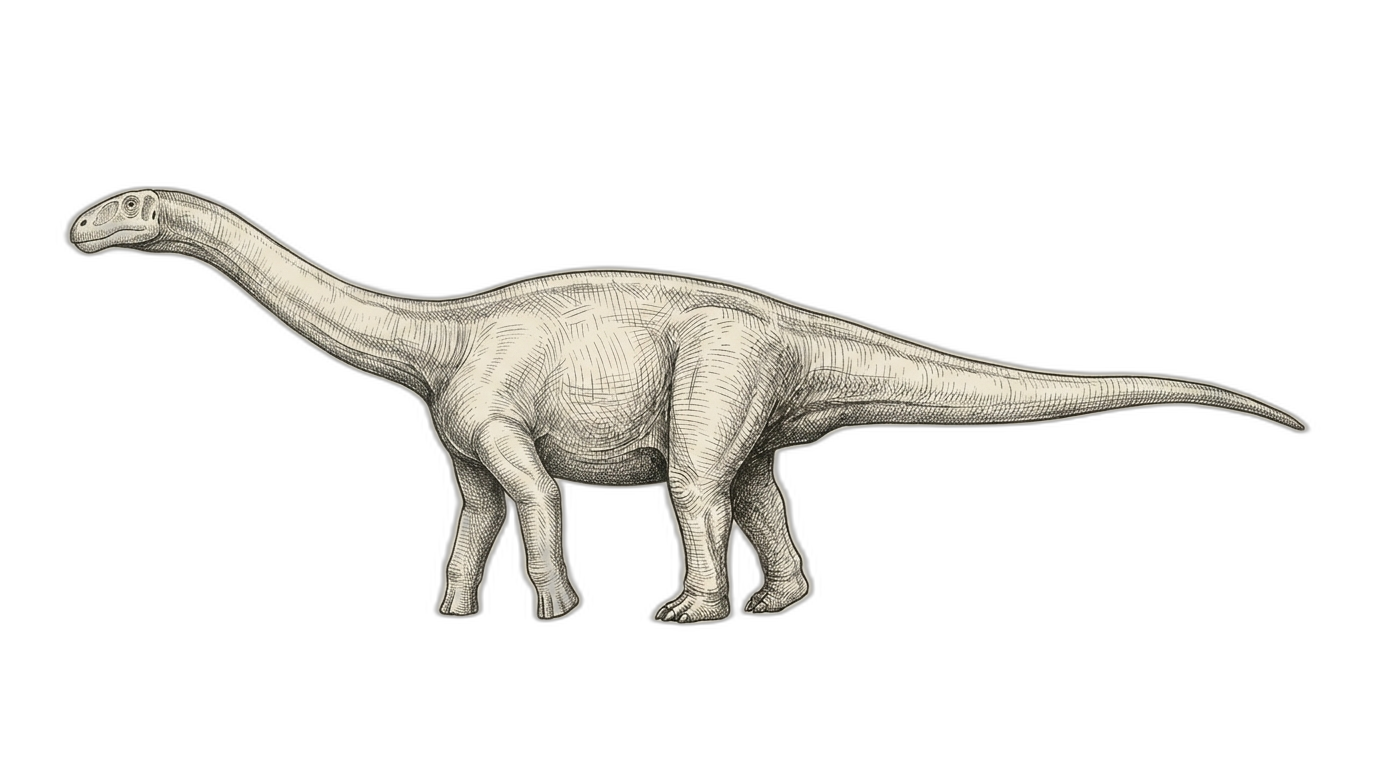
Vulcanodon
Vulcanodon from the Early Jurassic of Zimbabwe represents an early true sauropod that evolved from prosauropod ancestors similar to Lufengosaurus.
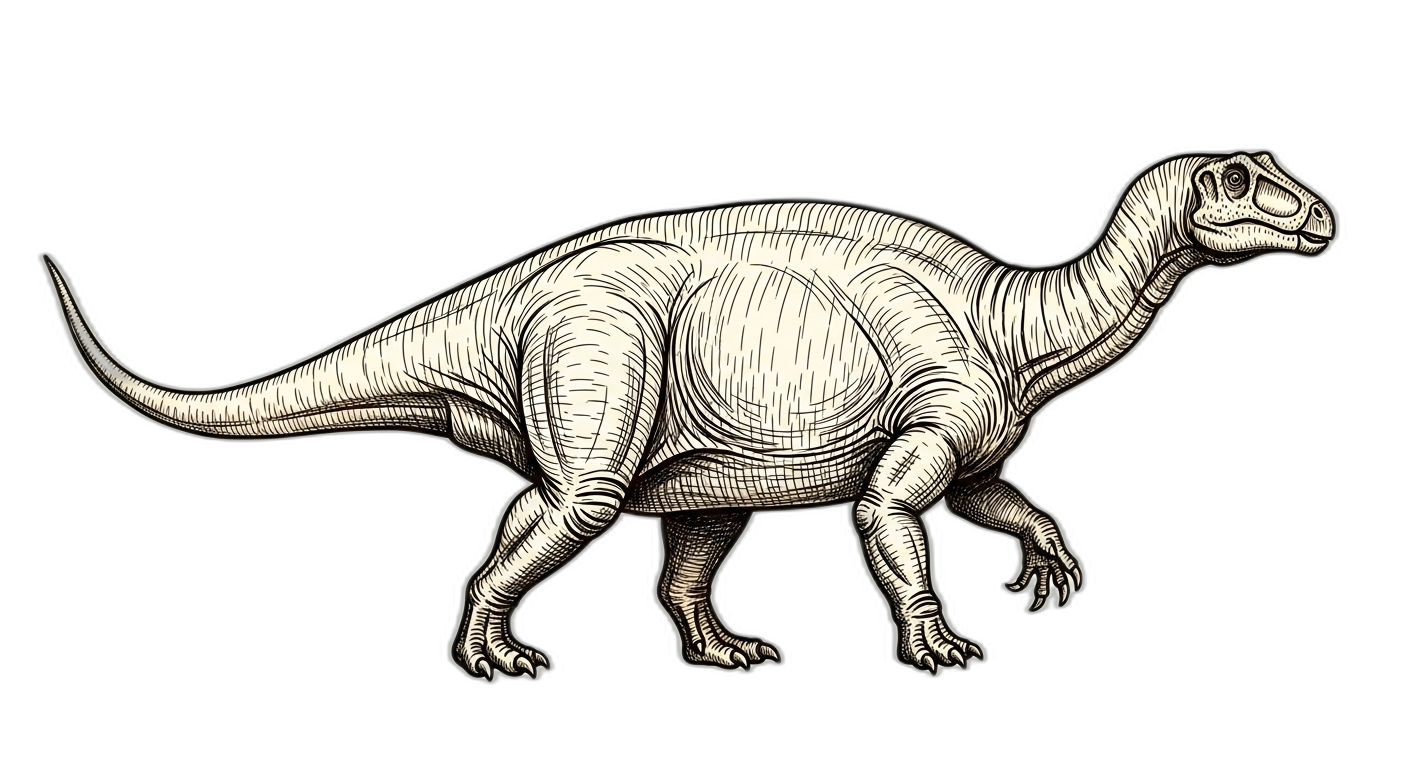
Plateosaurus
Plateosaurus engelhardti
Both represent early sauropodomorph experiments in large-bodied herbivory during the Triassic-Jurassic transition.
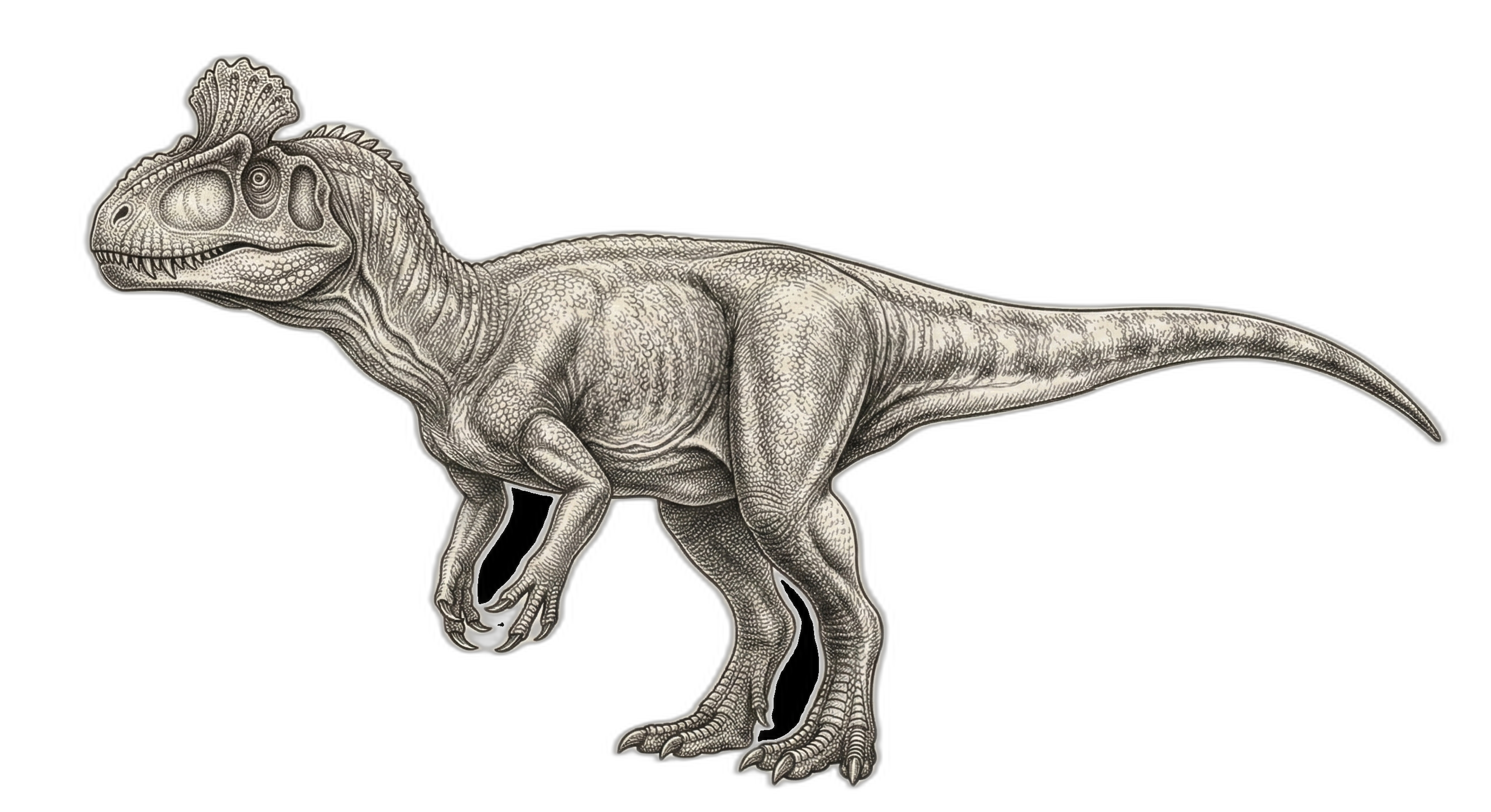
Cryolophosaurus
Cryolophosaurus ellioti
Both lived during the Early Jurassic (~190 mya) when Pangaea was still relatively connected.
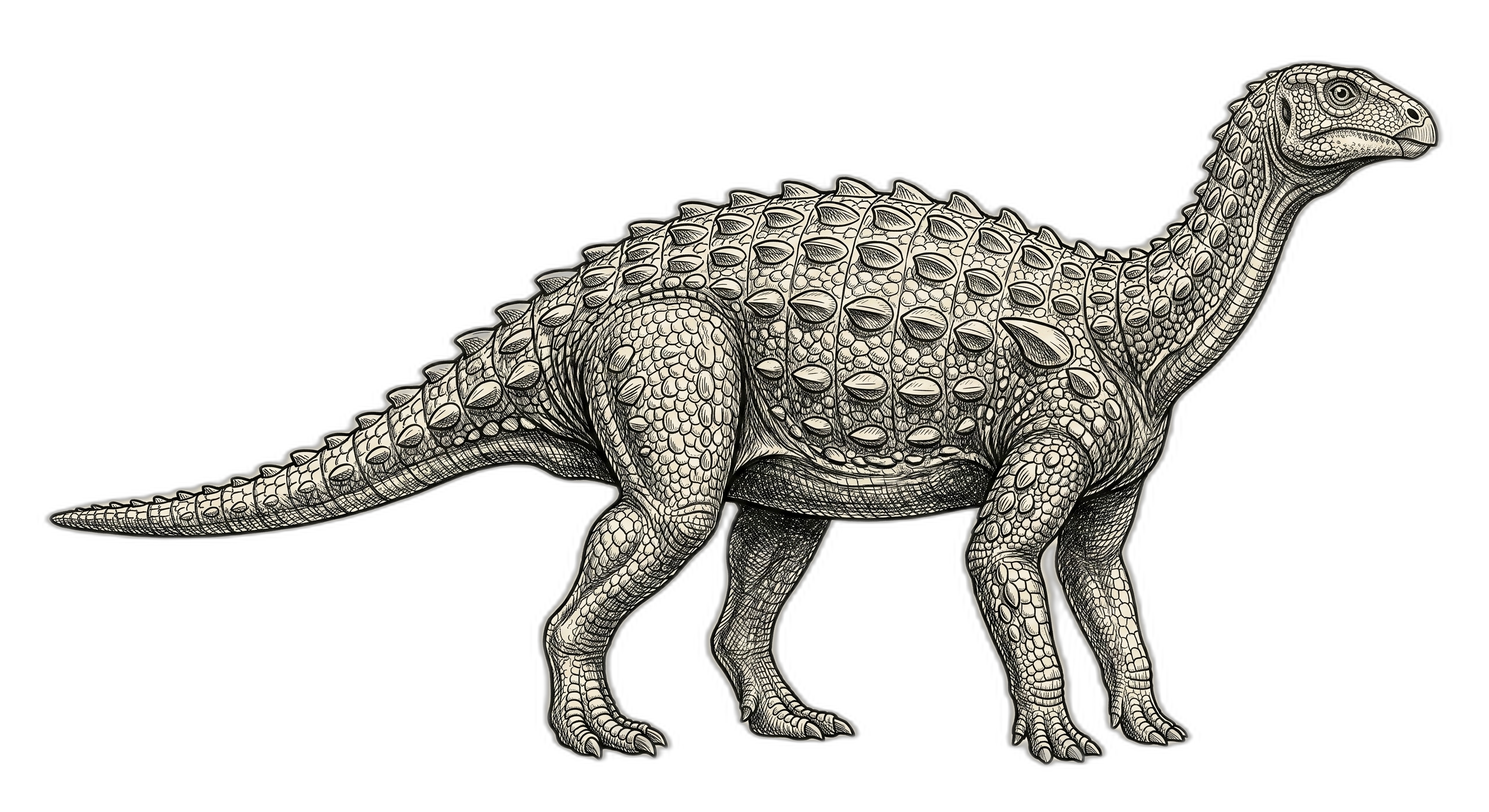
Scelidosaurus
Scelidosaurus harrisonii
Scelidosaurus from the Early Jurassic of England (~191 mya) was contemporaneous with Lufengosaurus, representing an early armored ornithischian herbivore.