About
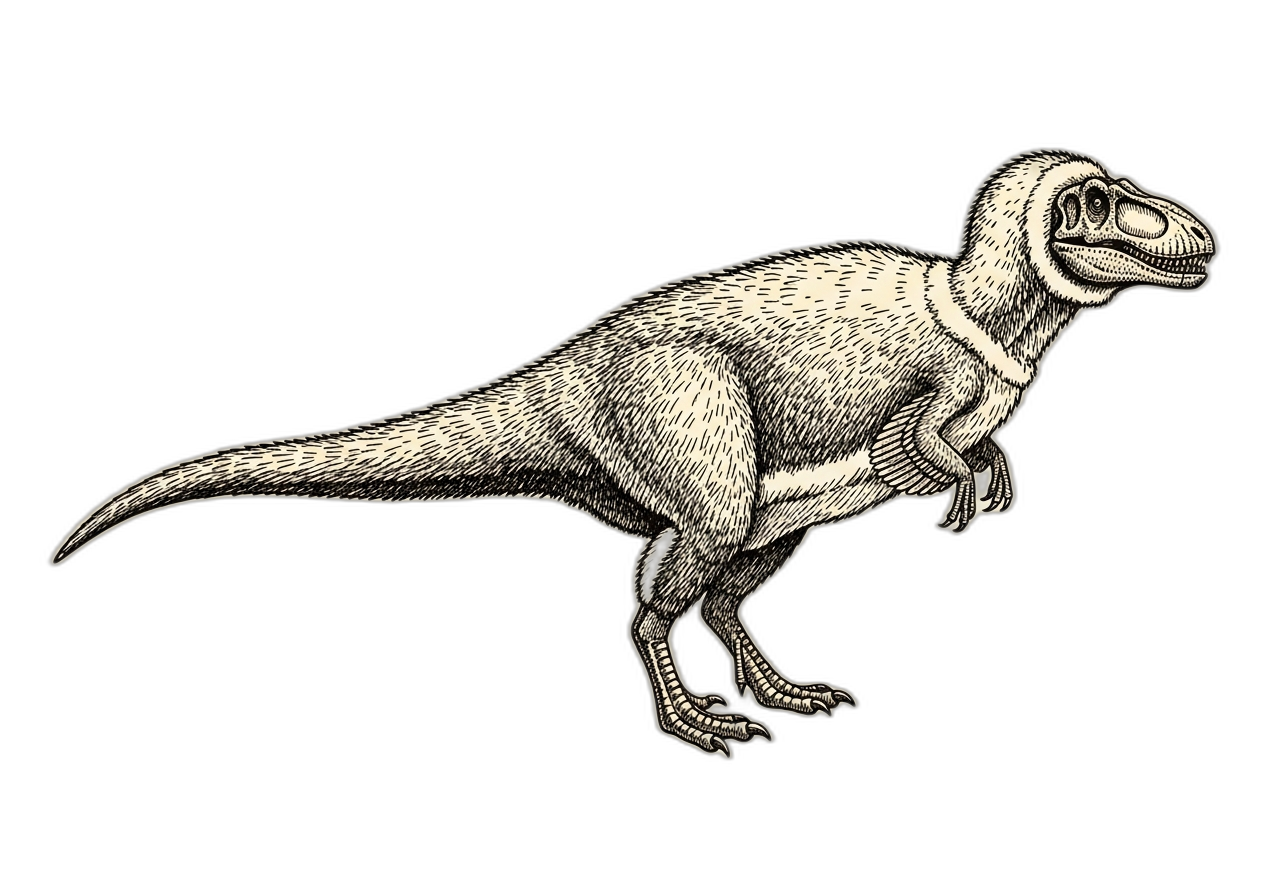
Nanuqsaurus hoglundi was a remarkable tyrannosaurid dinosaur that lived in the Arctic regions of ancient Alaska during the Late Cretaceous period, approximately 69-70 million years ago. Its name means "polar bear lizard," derived from the Iñupiaq word "nanuq" for polar bear, honoring both its Arctic home and the indigenous people of Alaska's North Slope.
What makes Nanuqsaurus particularly fascinating is its relatively small size compared to its more famous relatives. While initially estimated to be about half the size of Tyrannosaurus rex, subsequent research has suggested it may have been somewhat larger, though still notably smaller than southern tyrannosaurs. This size reduction may represent an to the challenging Arctic environment, where resources were limited and the ecosystem experienced months of polar darkness each winter.
The genus was described in 2014 by paleontologists Anthony Fiorillo and Ronald Tykoski based on a partial skull discovered in the Prince Creek Formation. This formation represents an ancient polar environment that, while warmer than today's Arctic, still experienced prolonged periods of darkness and cool temperatures. The discovery challenged assumptions that large theropods couldn't thrive in such extreme latitudes.
Nanuqsaurus likely hunted hadrosaurs and ceratopsians that also called this polar world home. Its existence demonstrates the remarkable adaptability of tyrannosaurs and provides crucial evidence that dinosaur ecosystems flourished even near the top of the world, complete with their own apex predators.
Where fossils were found
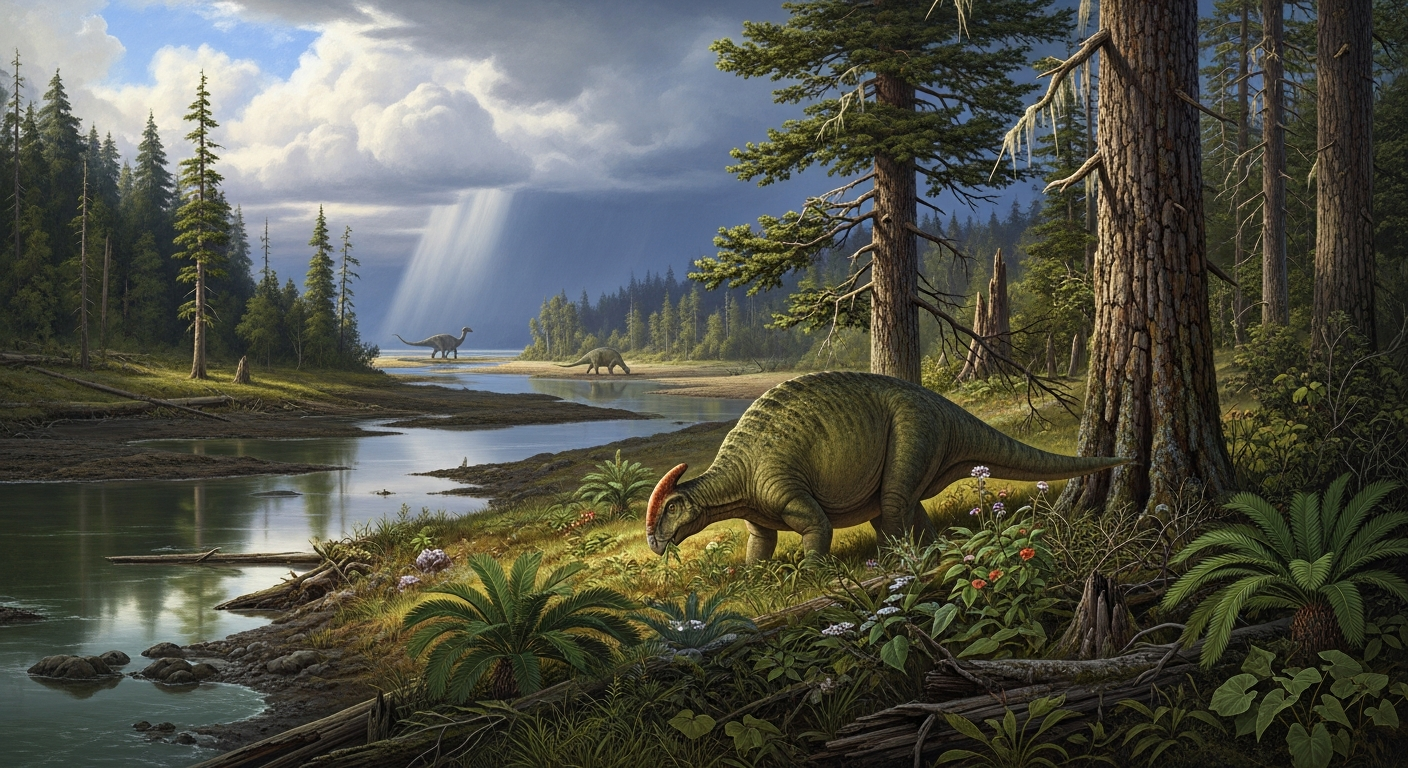
Prince Creek Formation
Alaska · United States
72.2–66 million years ago(6.2m year span)
Where Nanuqsaurus Roamed
Nanuqsaurus hoglundi roamed the ancient polar forests of northern Laramidia, a landmass separated from eastern North America by the Western Interior Seaway, where seasonal darkness and cool temperatures created a unique Arctic ecosystem unlike the warmer tyrannosaur habitats to the south.
Keep exploring the vault
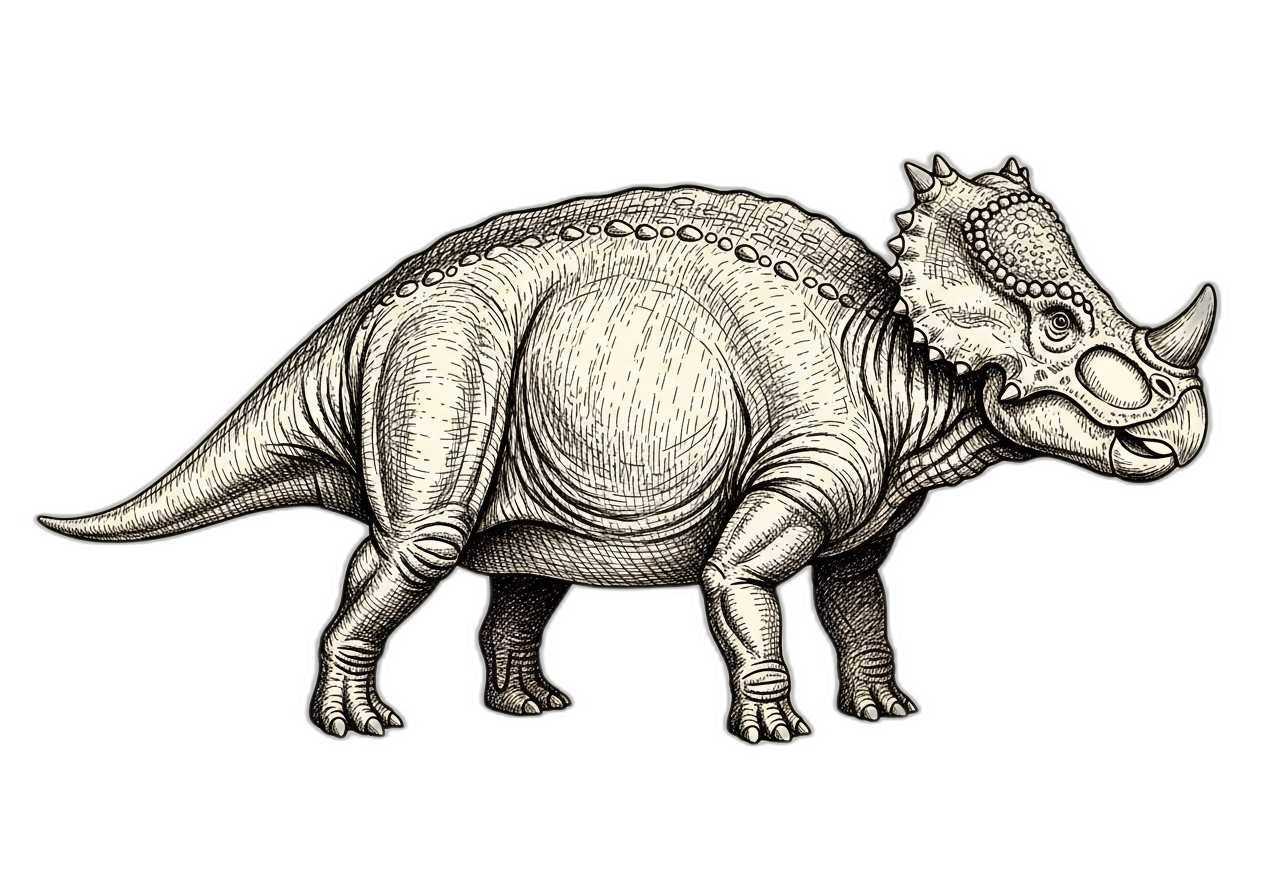
Pachyrhinosaurus
Pachyrhinosaurus canadensis
Nanuqsaurus and Pachyrhinosaurus are both known from the Prince Creek Formation of Alaska, representing a polar predator-prey relationship.
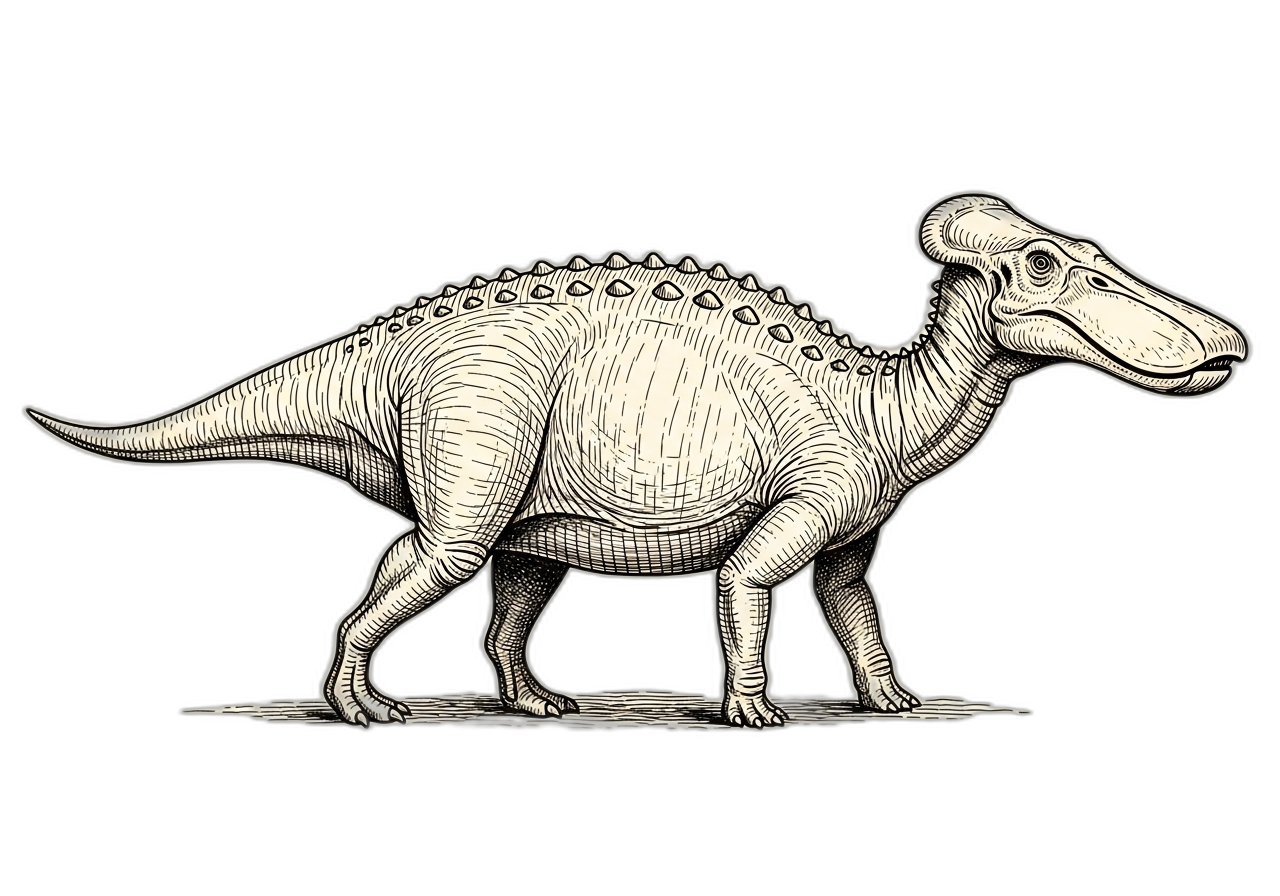
Edmontosaurus
Edmontosaurus regalis
Edmontosaurus remains (referred to E. sp.) have been found in the Prince Creek Formation alongside Nanuqsaurus.
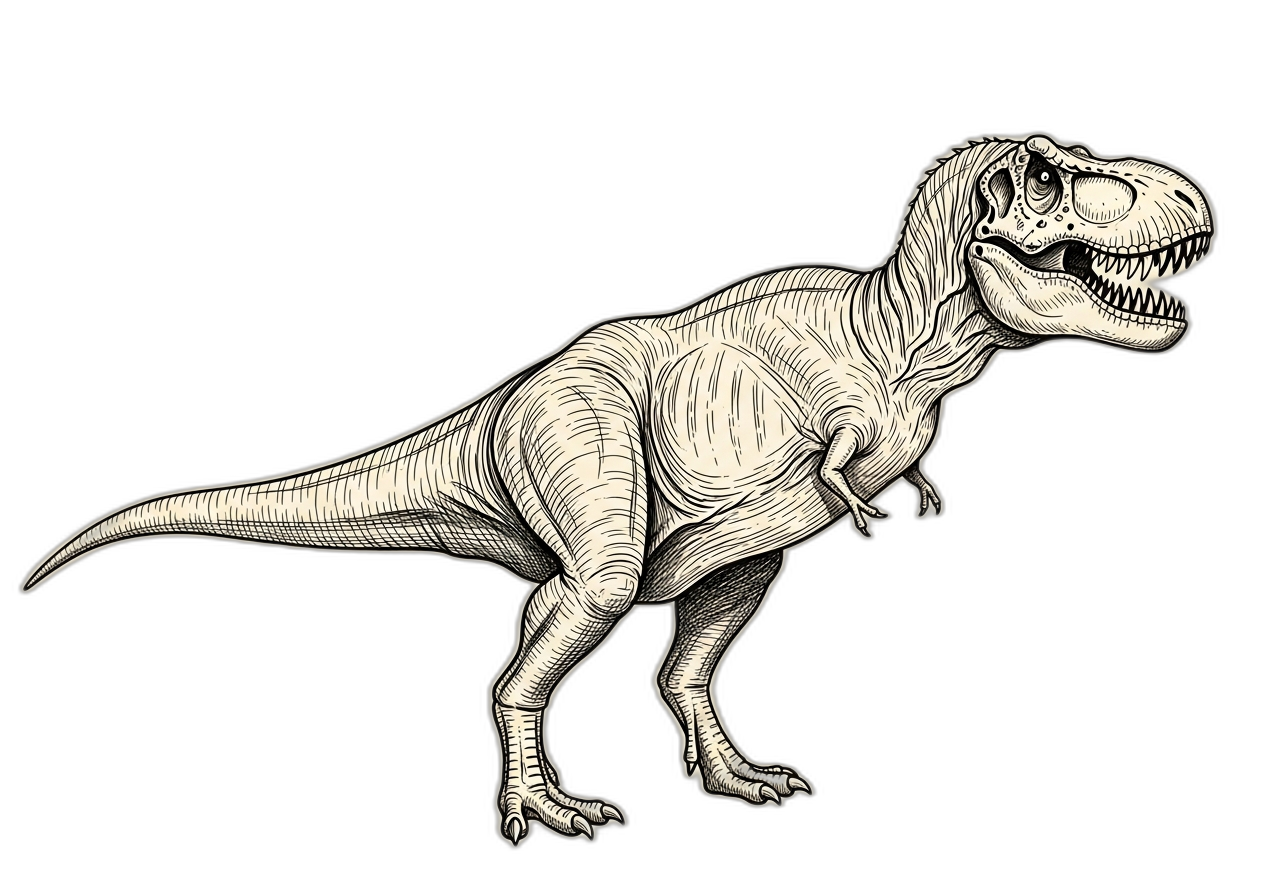
T-Rex
Tyrannosaurus rex
Both are derived tyrannosaurids representing the culmination of tyrannosaur evolution in North America.
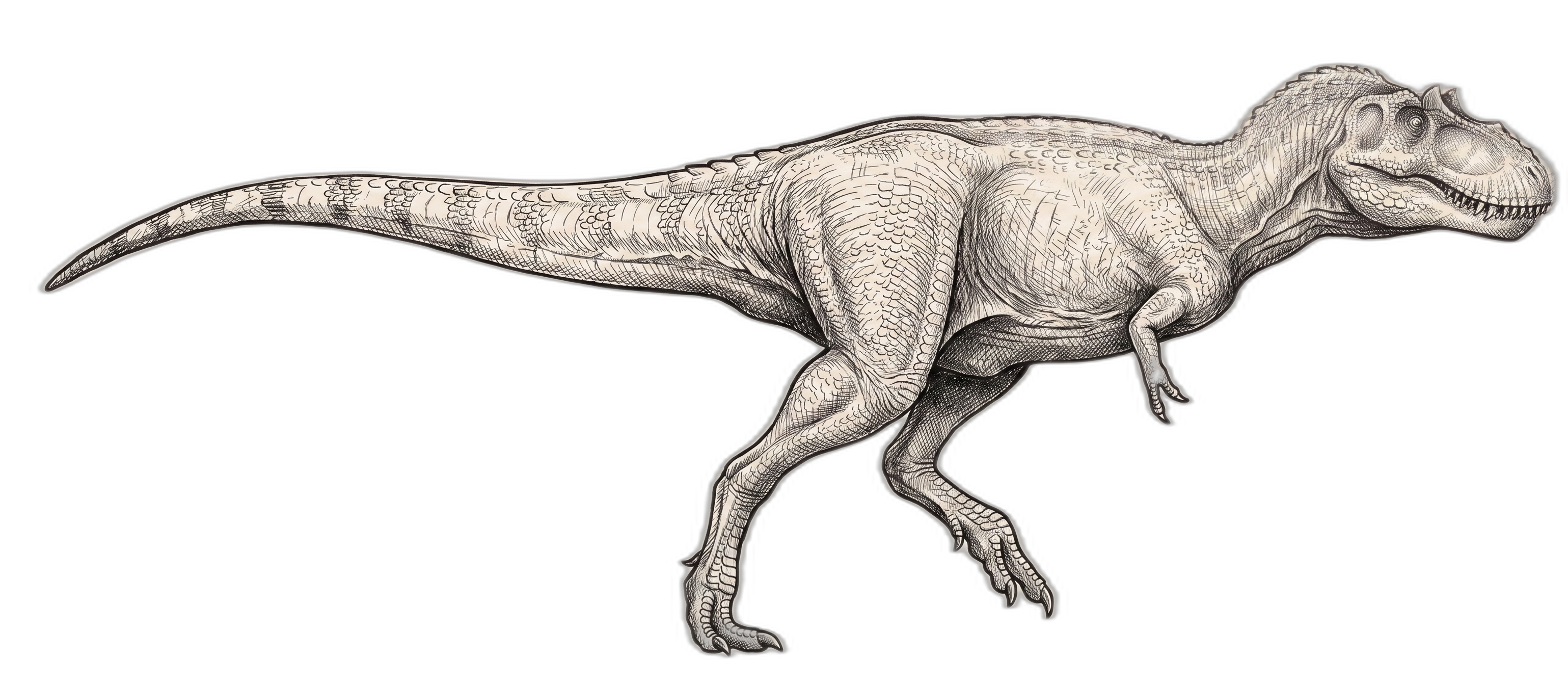
Gorgosaurus
Gorgosaurus libratus
Same family: Tyrannosauridae
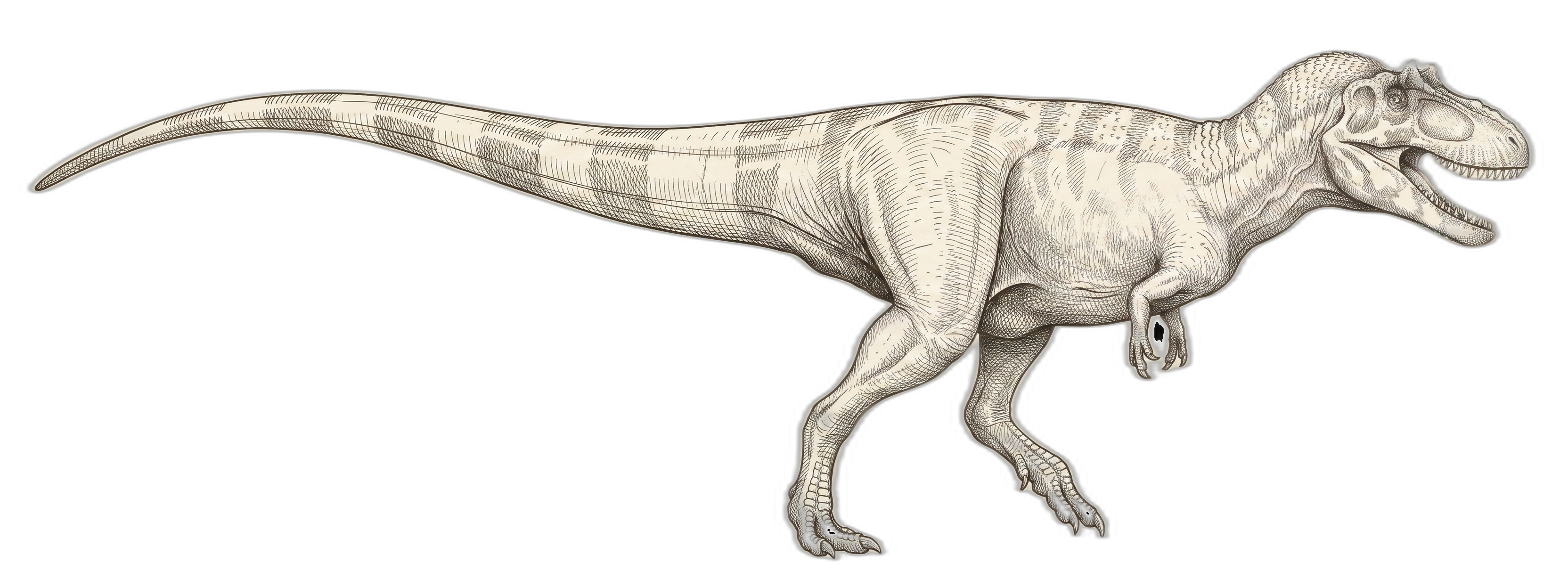
Albertosaurus
Albertosaurus sarcophagus
Same family: Tyrannosauridae
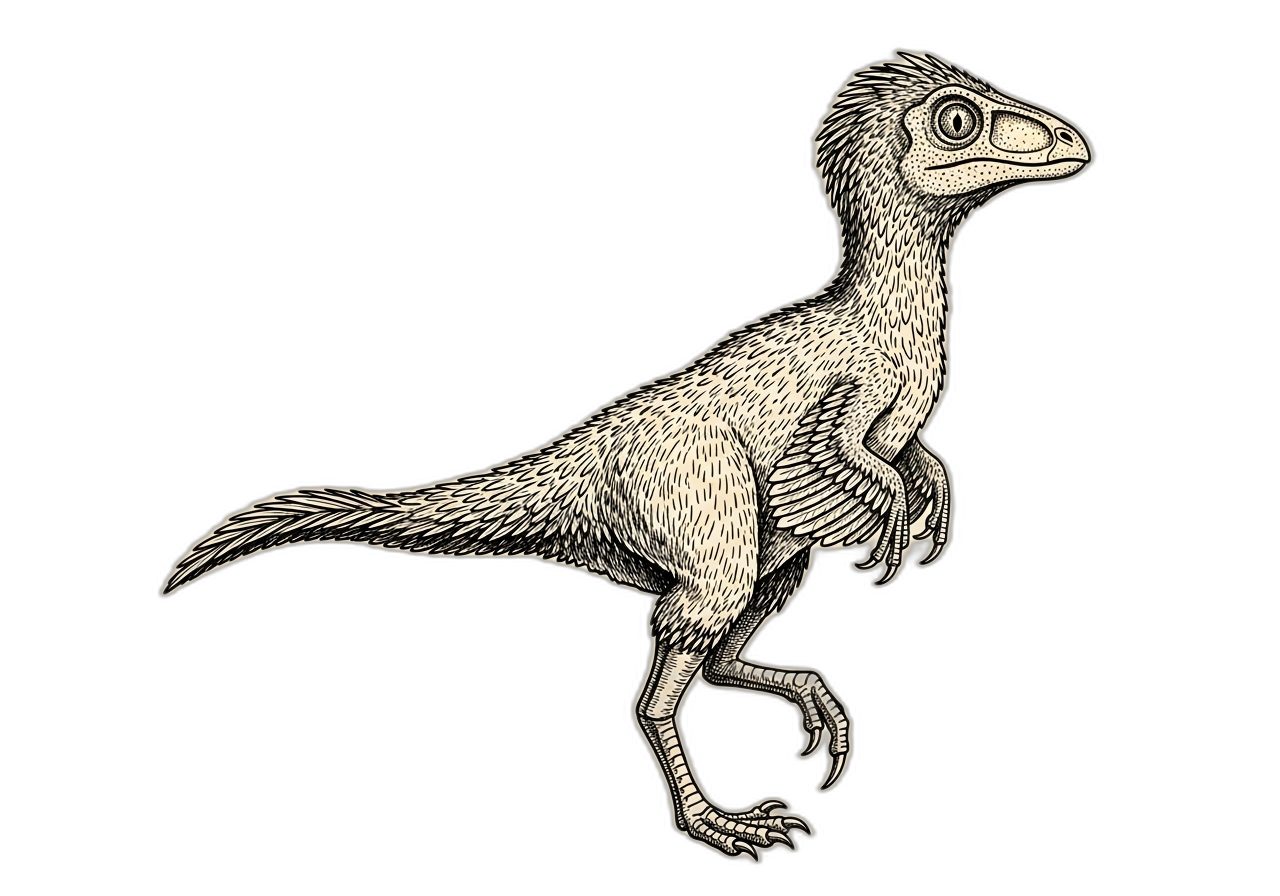
Troodon
Troodon formosus
Troodon is abundantly represented in the Prince Creek Formation of Alaska, coexisting with Nanuqsaurus.